Central Asian Shepherd DogSame FCI section
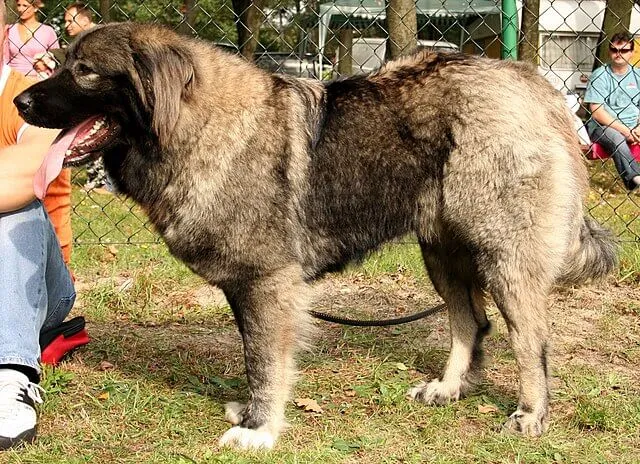
The Kaukasischer Schäferhund (Caucasian Shepherd Dog) is a massive, uncompromising, and self-reliant Herdenschutzhund (livestock guardian dog)—bred to independently defend herds and territory against predators in harsh mountain regions. He is not a companion dog, but a highly specialized guardian that assesses threats on his own terms.
How the health grade is calculated
Sources for required breeding screenings. Klub für Kaukasische Owtscharka e.V. · Klub für Kaukasische Owtscharka e.V.
Self-check
Answer 6 quick questions about your everyday life and see how well the Caucasian Shepherd Dog fits you — including an honest cost estimate per month, per year, and across the dog's lifetime.


At a glance
The essentials — key facts, traits, and health priorities — before you dive deeper.
Lifespan
10–12 yrs
Shoulder height
64–75 cm
Weight
45–70 kg
Practical
Temperament
Daily life
What matters most
Especially with a Caucasian Shepherd Dog, choosing the right breeder is the single most important decision you'll make. Serious breeders consistently test the parents for inherited conditions, prioritize healthy early socialization, and stay accountable long after handover. A cheap puppy without health screening tends to become the most expensive dog later on.
See HonestDog breeder standards →Colors & coat
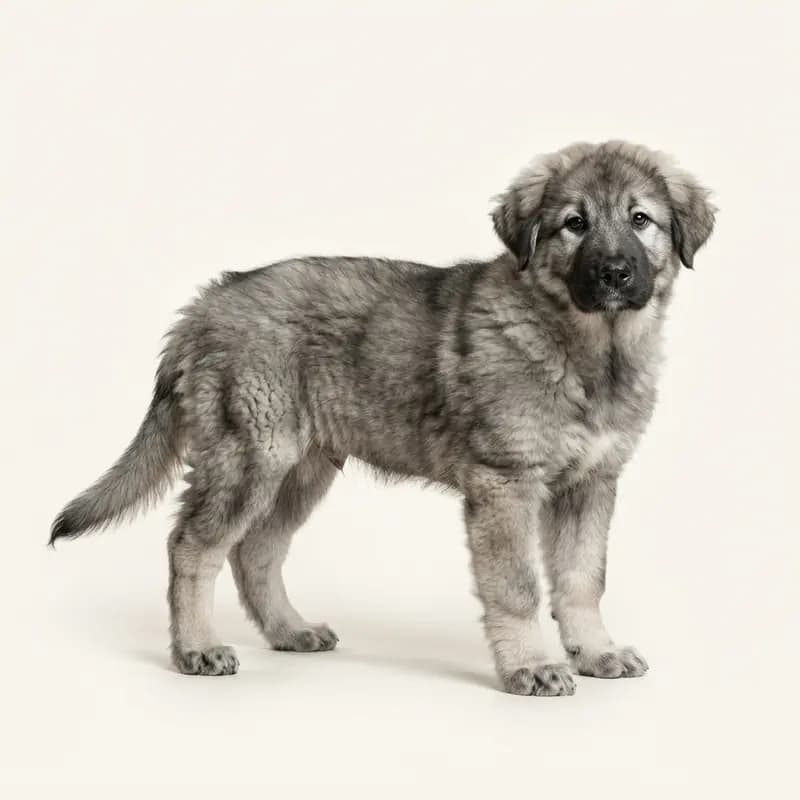
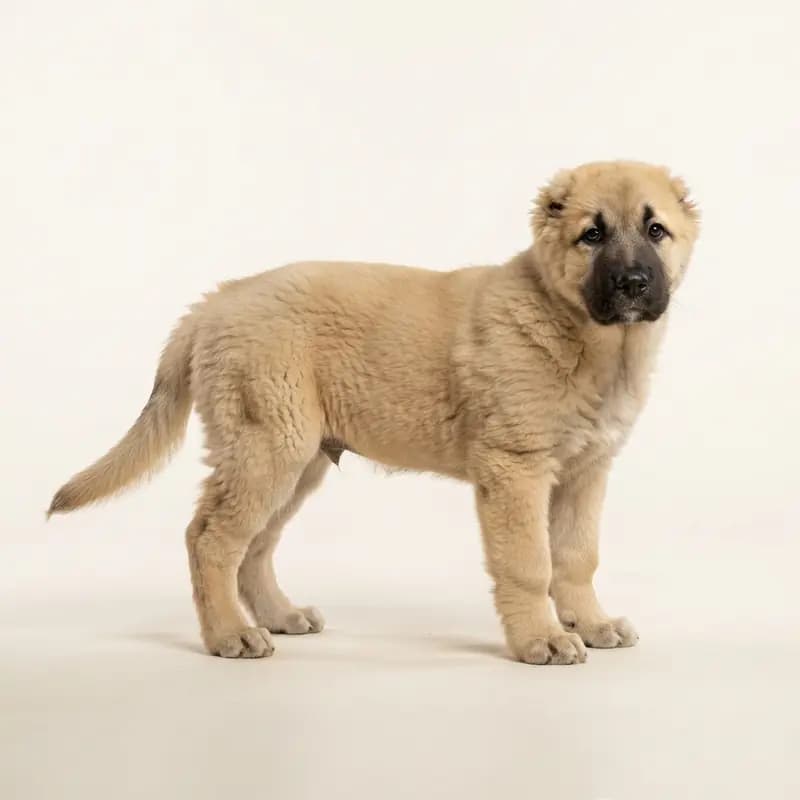
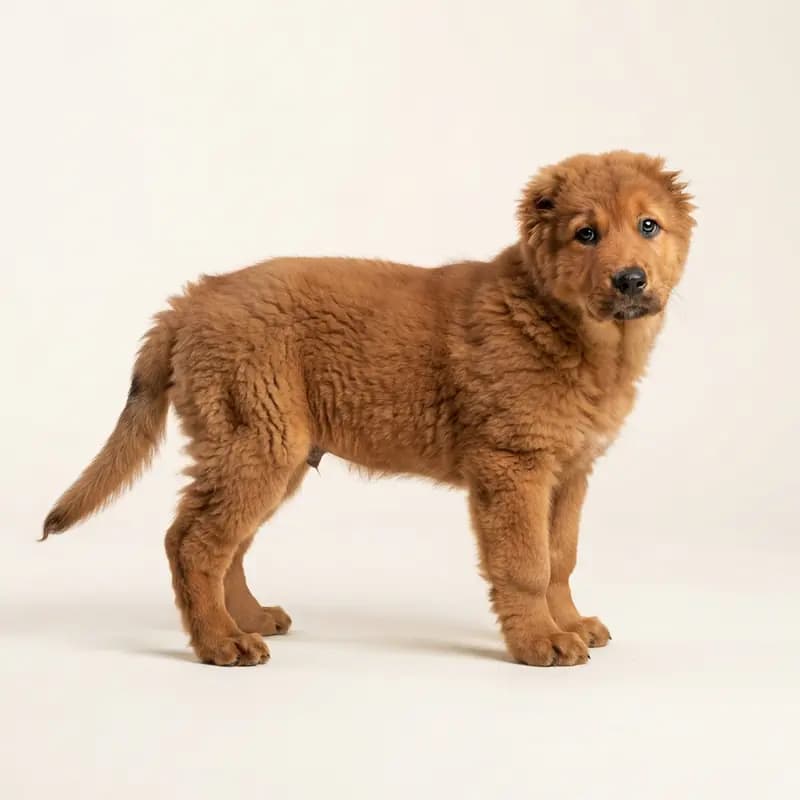
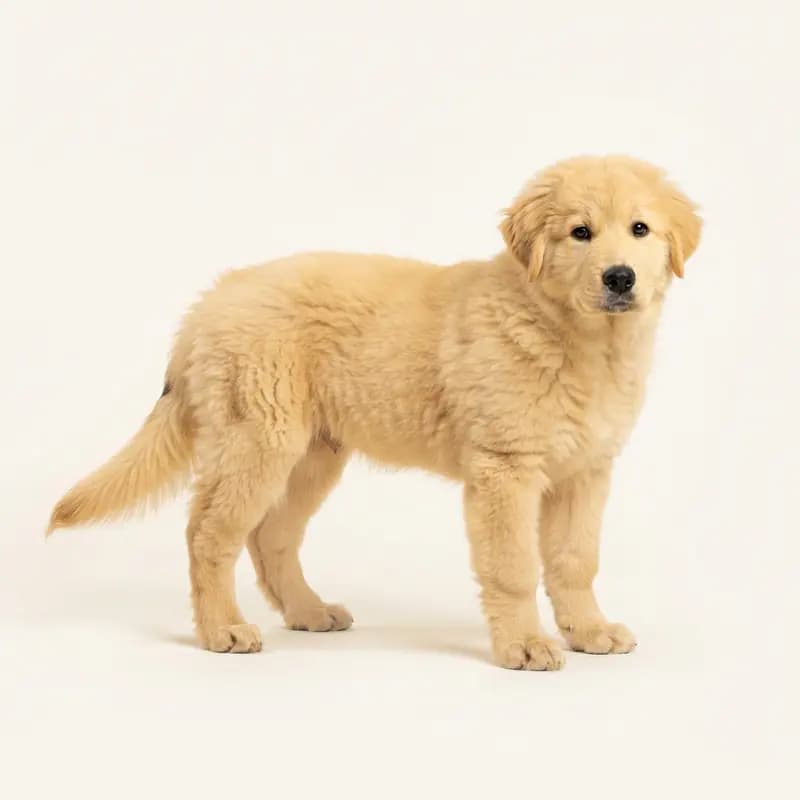
The coat colors that occur in the Caucasian Shepherd Dog — including which ones fall outside the breed standard and which carry genetic risk.
Eye colors
 Brown
 Amber
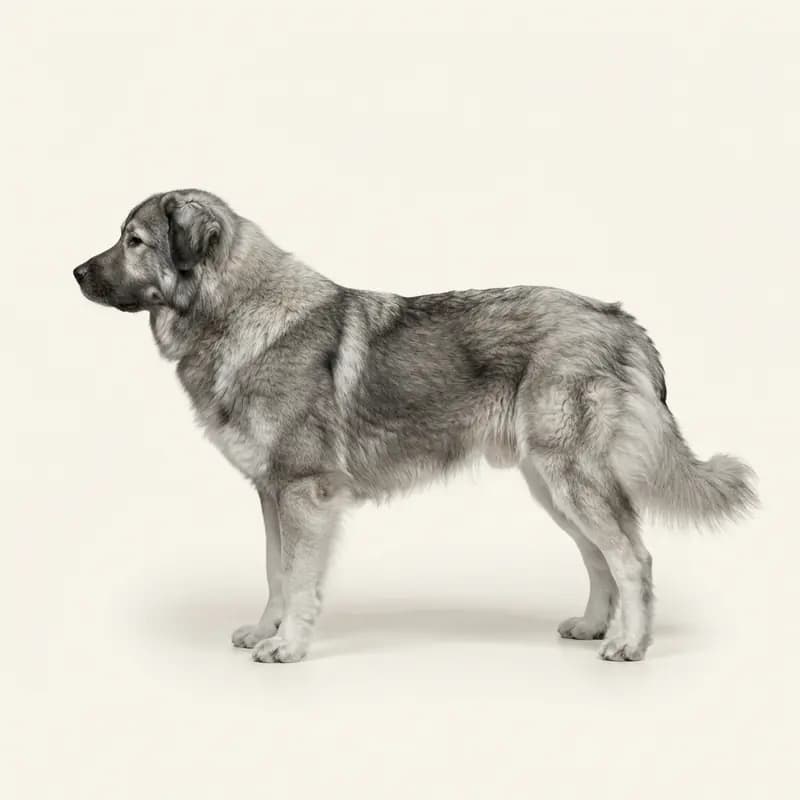
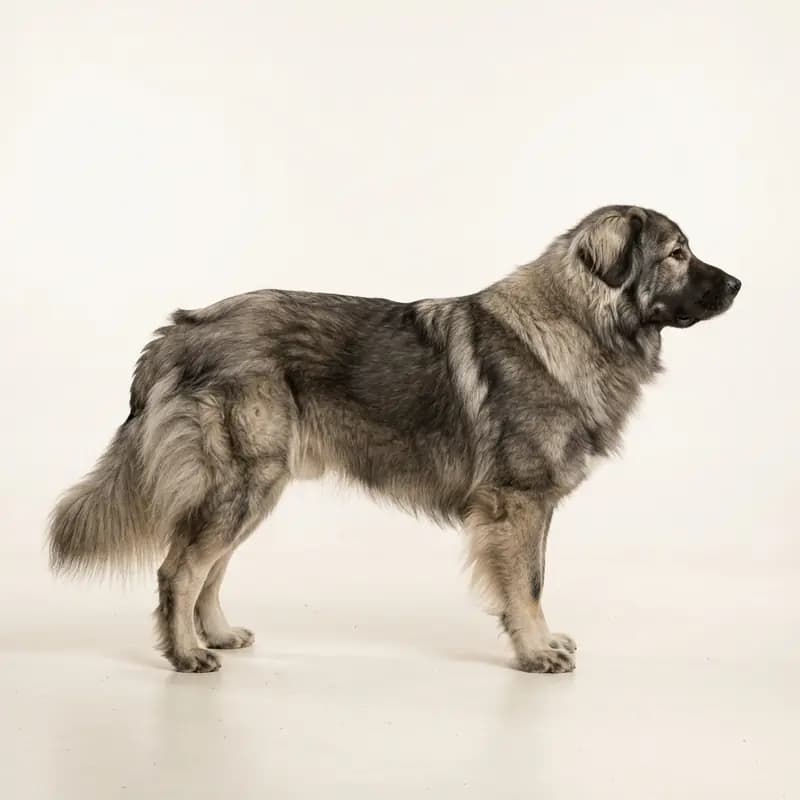
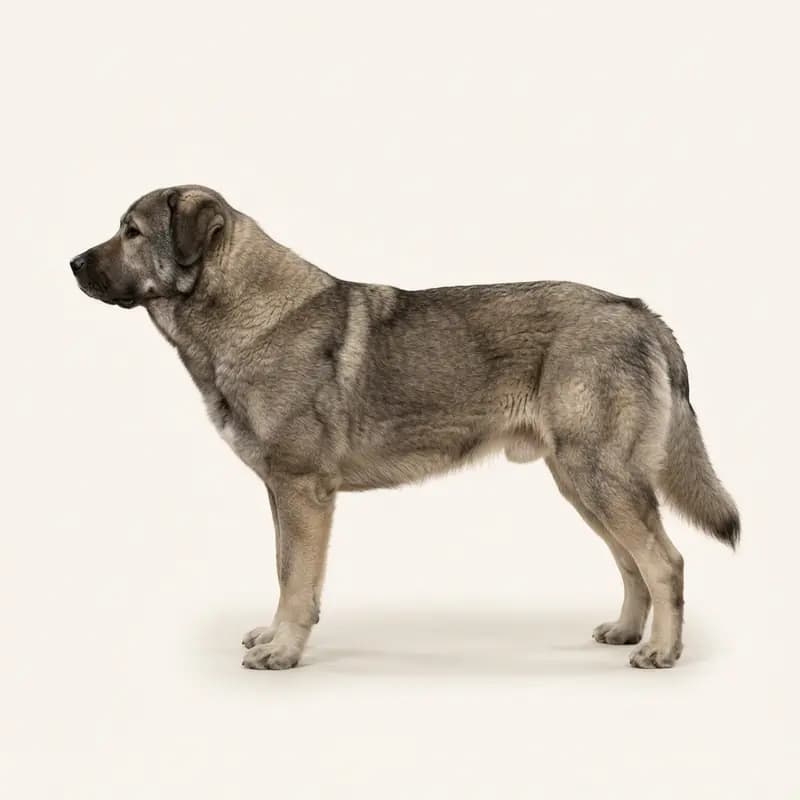
Coat type
 Illustrative image
Medium
 Illustrative image
Long
 Illustrative image
Short
 Double coat
The real vibes check
A Caucasian Shepherd Dog is not a pet that adapts to your lifestyle—he is an instinct-driven security service that operates according to his own ancient rules. When he stands at the fence at night, growling into the darkness, he is doing exactly what he was selected for over centuries. You are not buying a subordinate, but a defensive partner whose respect and cooperation you must first earn through absolute reliability.
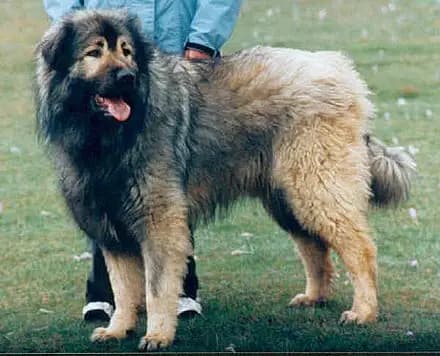
The Caucasian Shepherd Dog, also known as the Caucasian Ovcharka, is an impressive dog with a robust build and a large presence. Its body is strong, muscular and imposing, often with a broad, powerful head and thick, lush fur that protects it from the extreme weather conditions of its native range. This dog is part of FCI Group 2, Section 2.2, which includes the mountain dogs. There is no distinction between show and performance lines in this breed as its primary purpose is to act as a working dog and guard.
The Caucasian Shepherd Dog is a loyal and dedicated protector who has a strong protective instinct and is very alert. He is very loyal to his family and will do anything to protect them. Its main use is still guarding and protection, which is due to its origins as a shepherd dog. This breed tends to be independent. They are able to make independent decisions and can work without constant human guidance. However, their independent nature doesn't mean they like being alone. In fact, being left alone for long periods of time can lead to behavioral problems. They need human company and value the time they can spend with their family. In terms of temperament, Caucasian Shepherd Dogs are in As a rule, they tend to be calm and calm as long as they are not provoked by a perceived threat. However, they can be very serious in their vigilance and will quickly take action if they believe their family or territory is being threatened. Therefore, it is important to properly socialize and train these dogs to ensure they can make proper threat assessments. The Caucasian Shepherd Dog does not necessarily exhibit strong hunting or prey-catching behavior, as its main instinct is to protect its flock. However, these dogs have high alertness and can be geared to ward off any potential threats, including those that might come from wild animals. A notable feature of the Caucasian Shepherd Dog is its people-oriented nature. These dogs are very affectionate and form a close bond with their family. However, they are also known to be wary of strangers, due to their strong protective instincts. Despite their calm and relaxed temperament, these dogs should not be underestimated. They are courageous, determined and can be very dominant in certain situations. Their intelligence and independent spirit mean they require strong leadership and consistent, loving parenting. Without proper leadership, they can be stubborn and difficult to handle. It is important to note that the Caucasian Shepherd Dog is not suitable for every owner due to its size and strength, protective instincts and independence. He needs a home where his physical and mental needs are met and an environment where he can express his guarding and protective instincts without being unduly stressed or stimulated. However, with proper leadership, training and socialization, the Caucasian Shepherd Dog can be a loyal and reliable companion.
| Watchfulness Strong territorial instinct — may actively confront intruders. | Very high |
| Openness to Strangers Careful around unfamiliar people — thaws slowly. | Cautious |
| Hunting or Herding Drive Noticeable drive — needs attention around small animals. | Moderate |
Fun Fact!
Did you already know? The Caucasian Shepherd Dog is a true giant among dogs and can grow as big as a pony!
The Caucasian Shepherd Dog is a dog with a high potential for aggression. It is not suitable for beginners or keeping in the city.
Despite their size and protective instincts, the Caucasian Shepherd can be a good family dog provided they are properly trained and socialized. However, they are not suitable for living in a small city apartment due to their size and their need for exercise and activity.
Gets on well with different people and varying routines.
Fine with calm, respectful children — not small tornadoes.
Can get on with dogs it knows — strangers are a different story.
Suffers in tight urban conditions.
Owning a dog is a privilege, but it's also a real responsibility. Before you bring one into your life, be honest with yourself about the commitment it takes.
Training the Caucasian Shepherd Dog requires patience, consistency and clear leadership. These dogs are intelligent and willing to learn, but can also be stubborn and independent. It is important to set clear boundaries with them early on and build a relationship of trust.
The Caucasian Shepherd Dog's diet should be balanced and complete to support its physical condition and health. Because of their propensity for obesity, it is important to monitor their calorie intake and ensure they get enough exercise. When it comes to grooming, the Caucasian Shepherd Dog has a thick, double-layered coat that protects it from the extreme weather conditions of the Caucasus. However, he sheds heavily, especially when shedding in the warmer months. The coat should be brushed regularly to prevent matting and to keep the skin healthy.
| Care Level Needs regular professional grooming — time-consuming and costly. | High-maintenance |
| Exercise Needs Needs several hours of serious exercise every day. | Very active |
| Shedding Hair everywhere, always — no white clothing survives. | Very heavy |
| Trainability Has its own ideas and will test limits. | Strong-willed |
Our experts are still reviewing this information. Spotted something wrong? Email us at info@honestdog.de.
Solid
Health grade
In the Caucasian Shepherd Dog, orthopedic conditions such as hip dysplasia (HD) and elbow dysplasia (ED) particularly burden its heavy physique; dilated cardiomyopathy as well as ectropion / entropion also occur. The Klub für Kaukasische Owtscharka e.V. therefore mandates radiographic examinations for HD (A–C, with C only permitted to be mated with A) and ED (0–2, with 2 only permitted to be mated with 0). Dedicated breeders additionally examine their breeding animals for dilated cardiomyopathy with unremarkable findings and have their eyes checked for ectropion / entropion. Before buying, make sure to ask for the complete official radiographic evaluations for HD and ED, as well as the other examination results of the parent animals.
Grade is relative to other breeds — AI-assisted and editorially reviewed.
Methodology and data: HonestDog Dog Breed Health Report 2026
What matters most for this breed
Tap any item to see details.
Without conscious weight management and good preventative care—such as regular check-ups—health issues and veterinary costs can rise significantly later on.
Responsible breeders mandatorily have parent animals X-rayed for hip dysplasia (HD) and elbow dysplasia (ED), and additionally test them for dilated cardiomyopathy and ectropion / entropion.
Note: This health overview is AI-assisted and editorially reviewed. It is for orientation only and does not replace veterinary advice.
What matters most for this breed — what's common, how much it affects the dog's life, and how to protect yourself as a buyer.
Tap a body region to see the inherited conditions linked to it.
The three most important risks
Pick a region on the map to explore other areas.
Tier 1 reflects the tests Klub für Kaukasische Owtscharka e.V. actually mandates. Tiers 2 and 3 show how responsible breeders go beyond.
Club standard. Klub für Kaukasische Owtscharka e.V. requires these tests for breeding approval. Ask any reputable breeder for the results.
Not health tests, but required for breeding: the club asks for these results too. They don't count toward the risks or the rating.
DNA-Identitätsnachweis
Required by Klub für Kaukasische Owtscharka e.V.
Acceptable result: result on file
No entries in this tier.
Note: This health overview is AI-assisted and editorially reviewed. It is for orientation only and does not replace veterinary advice.
A Caucasian Shepherd Dog costs around ~€240 per month (€130 – €470, depending on your setup). The first year adds up to roughly ~€6,980 including purchase, equipment and puppy school; across the dog's life (11 years) it comes to about ~€36,010.
With surgery cover, running costs come to about ~€250 per month — in return, your share of a major operation drops from several thousand euros to around 20 percent.
Per month
~€240
In the first year
~€6,980
Across the dog's life
~€36,010
Estimated purchase price from a breeder: €2,500 – €4,000
Estimate at a mid-range setup (suburban, dry food, 1–2 hours of daily exercise), average German prices, as of July 2026.
HonestDog Concierge
We currently have no breeders for this breed who have passed our verification. Create your short buyer profile: we'll set up your search alert, review a possible source and email you within 28 days.
Caucasian Shepherd Dog is not treated uniformly throughout Germany and may be subject to specific regulations depending on the federal state or municipality. This may include a permit or other official requirements, restricted insurance options, or a higher dog tax. Always check with your local authorities.
Full guide to restricted-breed ownership in Germany Illustrative imageIllustrative imageIllustrative image
 Illustrative image
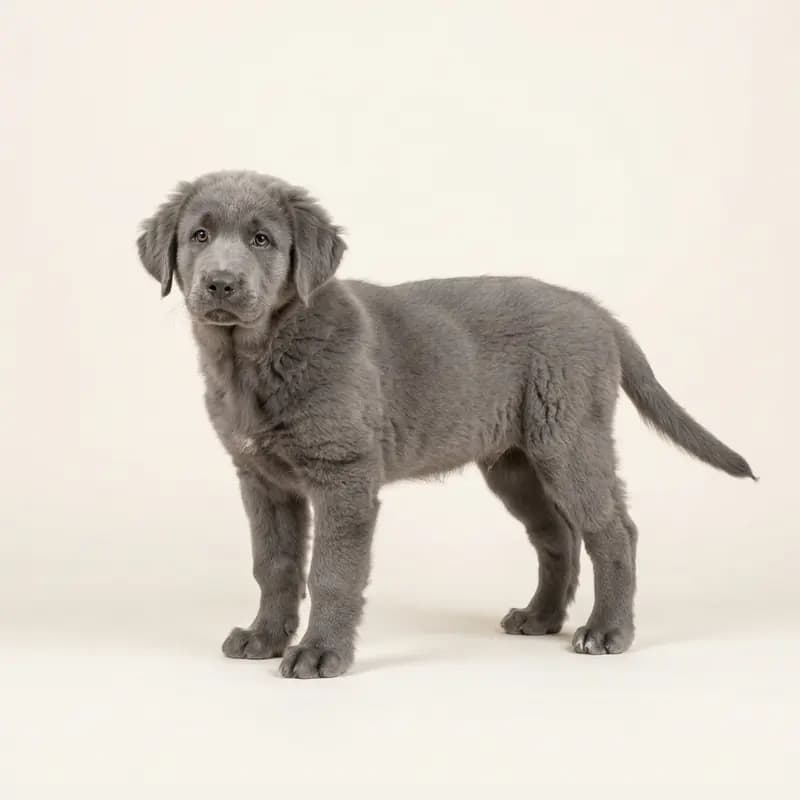
The Caucasian Shepherd Dog comes from the Caucasus, a mountainous region that stretches across several countries such as Georgia, Armenia and Azerbaijan. These dogs have been used by shepherds for centuries to protect their flocks from predators such as wolves and bears. They were valued for their bravery, strength and loyalty. The exact origins of this breed are not well documented, but it is believed to have evolved from a mix of local dogs and imported Molossians. It was officially recognized as a separate breed by the FCI in 1984.
The Caucasian Shepherd Dog was used as a livestock guard dog to protect herds of livestock from predators.
Caucasus region
Antike
At home and with the family, owners describe the Caucasian Shepherd (Caucasian Ovcharka) as a very loyal, affectionate companion that is surprisingly calm indoors. With its own people and the children in the household, it is usually patient and cuddly. At the same time, owners stress again and again that the breed is still not an easy "family dog" in the usual sense. Its strong protective drive means that strangers, contractors or neighborhood kids playing on the property may be classed as a potential threat.
Many owners report that visits have to be well organized and managed in advance – it's not unusual for the dog to be separated or secured when strangers enter the house. Most owners consider a large, securely fenced property essential, while keeping one in the city or in a rented apartment is unanimously seen as unworkable. Its need for exercise is often described as moderate; rather than being worn out for hours, many Caucasians like to watch over their territory from a raised spot and stand guard.
Sources:zooroyal.detierisch-verliebt.dehundeforum.deforum.hundund.defressnapf.de
In owner accounts of training, owners agree that the Caucasian is not a dog for blind obedience. As an original livestock guardian, it makes decisions instinctively and independently. According to owners, trying to train it with harshness, pressure or force quickly destroys trust and can become extremely dangerous with a dog of this size and defensive ability. What it needs instead, they say, is calm, confident, dependable leadership on equal footing, along with patience.
A recurring theme is the essential early socialization in puppyhood and adolescence. Owners strongly advise against artificially encouraging the already deeply rooted guarding and protective drive (for example through protection work), since it can become uncontrollable. On walks, owners report challenges when meeting dogs or people: when a Caucasian decides it has to go on the offensive, handling it takes a great deal of physical strength and foresight, which is why a dog school specializing in livestock guardians is often recommended.
Sources:futterhaus.detierisch-verliebt.dehundeforum.deforum.hundund.defressnapf.de
On health and grooming, owners paint a picture of an overall sturdy, weatherproof primitive dog that shrugs off cold and harsh weather. As is typical for dogs of this size and weight class, however, owner accounts point to a susceptibility to joint problems, especially hip (HD) and elbow dysplasia (ED). Owners therefore usually make a strict point of slow growth in the first year, a healthy weight and avoiding stairs during puppyhood.
When it comes to eating, some owners are surprised to find that many Caucasians, despite their imposing size, are remarkably modest and sometimes picky eaters that will occasionally leave food in the bowl. Grooming means a considerable amount of work, especially during the shed: the dense undercoat then has to be brushed thoroughly and regularly to prevent matting. Owners also stress the financial and logistical side – from high vet bills to special gear to transport in a suitably large car.
Paraphrased from real owner reports · translated from German
The Caucasian Shepherd Dog is an active dog that needs plenty of exercise and mental stimulation. Research the temperament, grooming needs, and space requirements before deciding.
The average life expectancy of a Caucasian Shepherd Dog is 10-12 years. With proper care and regular vet visits, your dog can live a long, healthy life.
Caucasian Shepherd Dog grooming requirements include regular brushing, nail trimming, and dental care. HonestDog provides detailed grooming tips for every breed.
The Caucasian Shepherd Dog can be a great family dog. Proper training and socialization are key. HonestDog provides family suitability information for every breed.
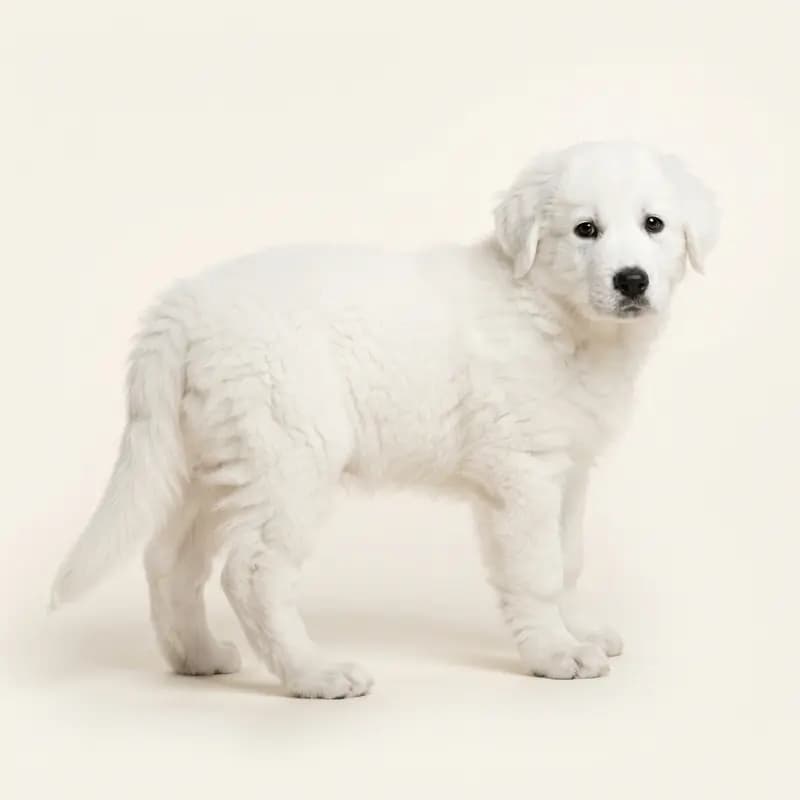
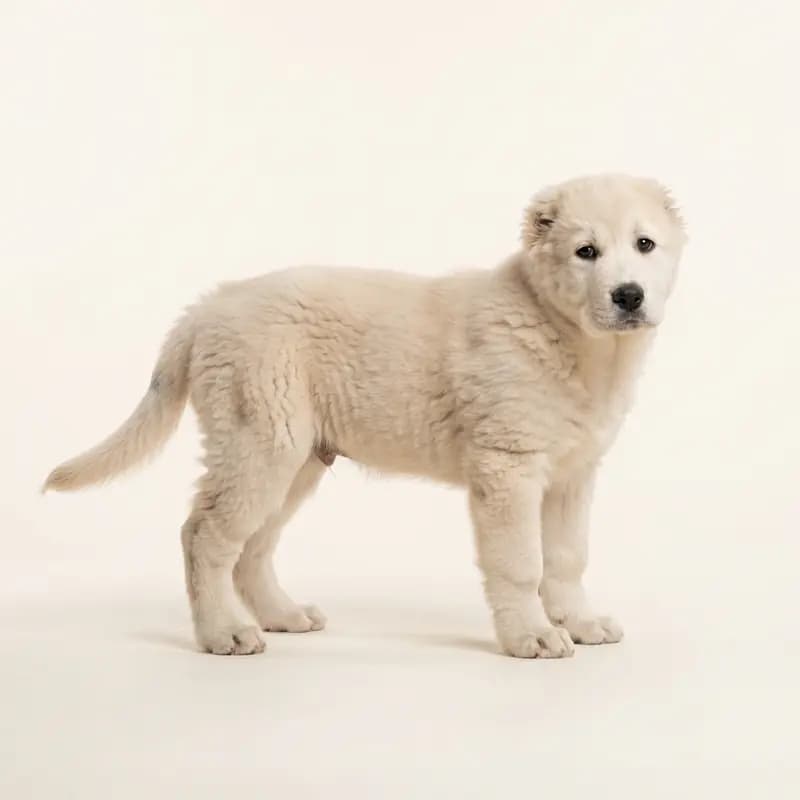
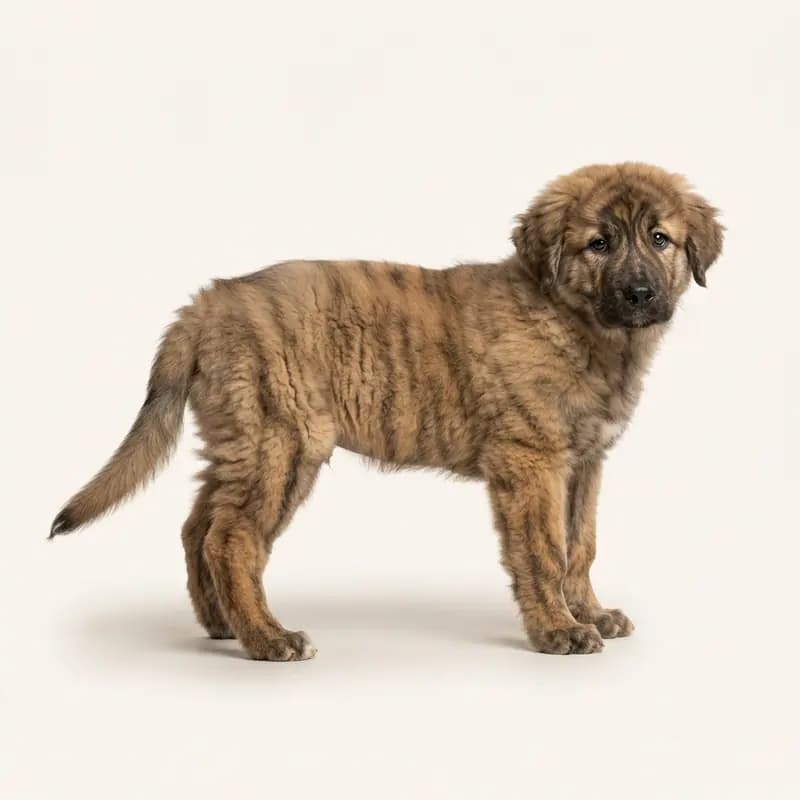
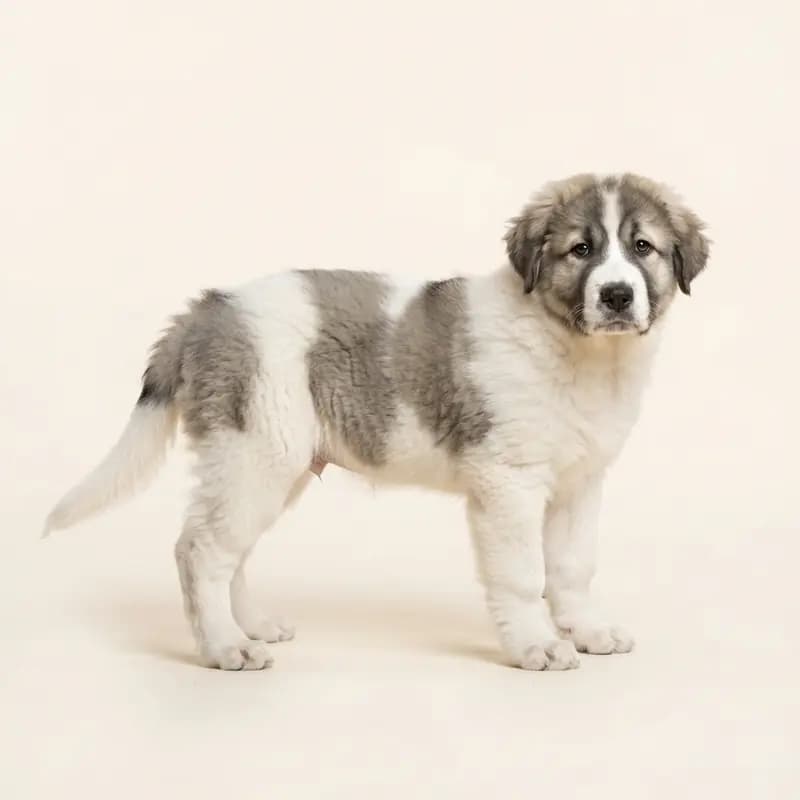
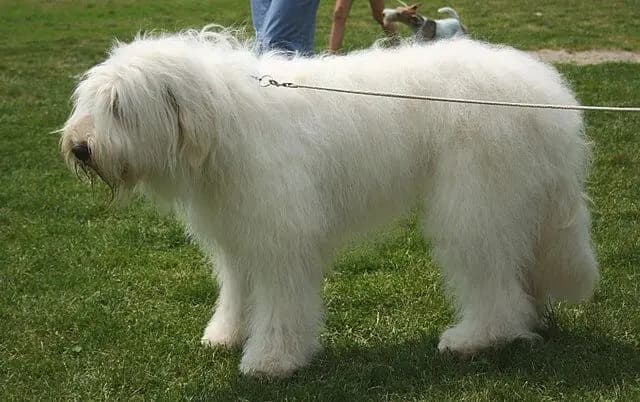
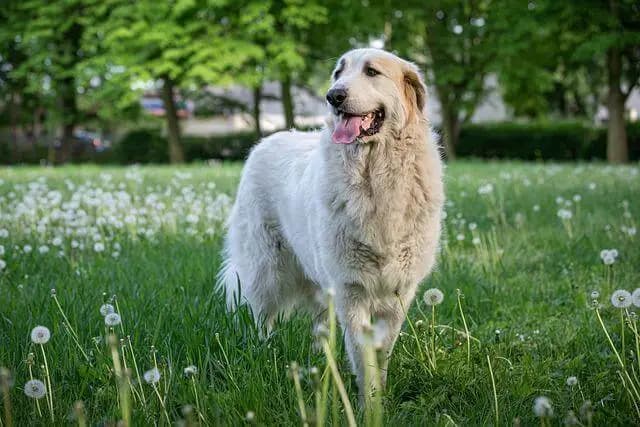
The Caucasian Shepherd Dog comes in these colors: Grey, Wolf grey, Fawn, Red, Yellow, White, Cream, Brindle, Piebald, Spotted, Black, Blue. Colors that fall outside the breed standard are marked as such on the breed page.
Showcase your kennel on HonestDog and reach families searching for a responsibly bred Caucasian Shepherd Dog.