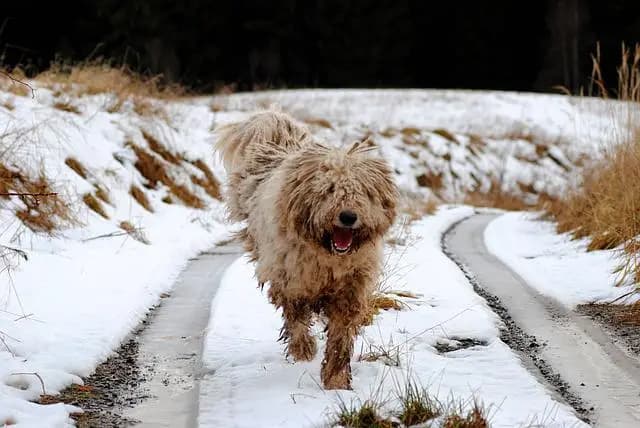
KomondorSame working temperament
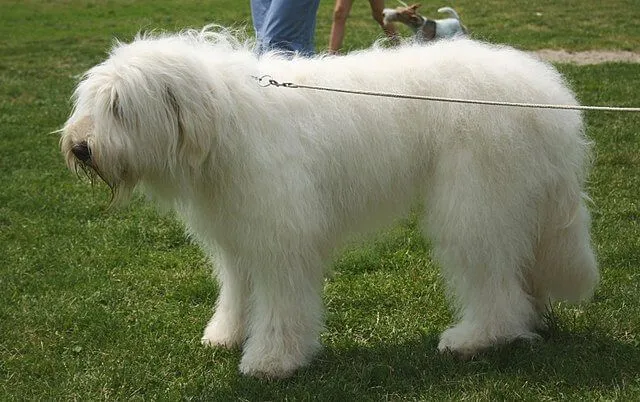
The South Russian Ovtcharka is an imposing, self-reliant livestock guardian — bred to defend vast sheep herds in the steppes completely independently against predators. Beneath his shaggy exterior lies a lightning-fast, uncompromising guardian.
How the health grade is calculated
Sources for required breeding screenings. Kaukasischer Owtscharka Club e.V.
Self-check
Answer 6 quick questions about your everyday life and see how well the South Russian Ovtcharka fits you — including an honest cost estimate per month, per year, and across the dog's lifetime.



At a glance
The essentials — key facts, traits, and health priorities — before you dive deeper.
Lifespan
9–11 yrs
Shoulder height
62–75 cm
Weight
35–65 kg
Practical
Temperament
Daily life
What matters most
Especially with a South Russian Ovtcharka, choosing the right breeder is the single most important decision you'll make. Serious breeders consistently test the parents for inherited conditions, prioritize healthy early socialization, and stay accountable long after handover. A cheap puppy without health screening tends to become the most expensive dog later on.
See HonestDog breeder standards →Colors & coat
The coat colors that occur in the South Russian Ovtcharka — including which ones fall outside the breed standard and which carry genetic risk.
Eye colors
 Brown
Coat type
 Long
 Double coat
The real vibes check
At first glance, a South Russian Ovtcharka looks like a giant, cozy teddy bear — but under that fur runs the operating system of a highly defensive bodyguard. He is not a companion who adapts to your everyday life, but a specialist who takes over your property. If you confidently steer his uncompromising nature, you get unconditional loyalty; if not, he will soon decide for himself who is allowed to enter your house.
The South Russian Ovtcharka is an impressive herding dog characterized by his distinctive, long, and thick coat. This forms a mane around the neck, giving the dog a lion-like appearance. His powerful, muscular build and proud expression reflect his original role as a flock guardian. He belongs to FCI Group 1 (Sheepdogs and Cattle Dogs) and is not divided into separate show or working lines. His expressive face, framed by long hair, and his hanging ears complete his striking appearance.
As a livestock guard dog, the South Russian Ovtcharka has very strong protective and guarding instincts. He is very independent and often reserved around strangers, making him an excellent guardian. But don't worry, these dogs are very loyal and completely devoted to their family. They are often very gentle and affectionate with the people they consider their "pack." The Ovtcharka are not known to be particularly playful, but they can certainly enjoy shared activities and games. However, they also need periods of rest and are therefore more in the middle range between calm and active. It is important to understand that due to their origins as livestock guard dogs, they are very independent and often do their own “work” when they don't have enough to do. In a family home, this can cause them to be very vigilant and guard their territory. Because of their strong protective instincts and independence, teaching them to stay alone can be a challenge as they always feel like they need to protect their family or territory. Staying alone should therefore be practiced carefully and gradually. The South Russian Ovtcharka is not prone to strong hunting or prey-catching behavior, but is very alert and will intervene immediately if it sees its family or territory threatened. It is therefore important to keep an eye on their strong protective instinct and learn to channel it properly. Despite their proud and independent nature, these dogs show amazing loyalty and attachment to their family. They can be wonderful companions provided they receive the proper leadership, training and socialization. Responsible dog ownership is particularly important with this breed, as it can be a challenge due to its size and strong protective instinct. But with patience, understanding, and love, a South Russian Ovtcharka can be a loyal and loving companion, willing to do anything for his family.
| Watchfulness Strong territorial instinct — may actively confront intruders. | Very high |
| Openness to Strangers Careful around unfamiliar people — thaws slowly. | Cautious |
| Hunting or Herding Drive Noticeable drive — needs attention around small animals. | Moderate |
Fun Fact!
Although the South Russian Ovtcharka is a very old and traditional breed, it was only officially recognized by the FCI in the 1980s!
The South Russian Ovcharka is a strong and confident livestock guardian dog. It is characterized by its vigilance and strong protective instinct. These dogs require consistent training and sufficient activity to fully develop their potential. Despite their independence, they are loyal and protective towards their family.
The South Russian Ovtcharka is an active and independent dog that requires plenty of exercise and mental stimulation. Therefore, they are generally not suitable as city-only dogs unless they have access to sufficient exercise and activities. They can get along well with children if they are used to it from an early age, but interactions between children and the dog should always take place under supervision. Regarding other pets, such as cats, it should be borne in mind that the South Russian Ovtcharka has a strong protective behavior and therefore tends to defend its territory. However, if he is used to living with other animals from an early age, he can get along well with them.
Gets on well with different people and varying routines.
Takes boisterous and affectionate children in its stride.
Usually gets on fine with other dogs.
Can manage in the city, but only with very active owners.
Owning a dog is a privilege, but it's also a real responsibility. Before you bring one into your life, be honest with yourself about the commitment it takes.
The South Russian Ovtcharka is an intelligent and independent dog that requires consistent and patient training. Because of their strong protective instincts and independence, training can be challenging, but is crucial for harmonious coexistence. This breed requires a lot of activity, both physical and mental. However, they don't tend to be "ball junkies" because they are more independent and self-motivated. Training should therefore be varied and challenging to keep their minds occupied and happy. It is especially important to teach the South Russian Ovtcharka to control his impulses and tolerate frustration. Since they have strong protective behavior, they must learn to react calmly and in a controlled manner in various situations. A positive and reward-based training method works best with this breed.
As with all dog breeds, the South Russian Ovtcharka's diet should be balanced and nutritious. Due to their size and active temperament, they require a diet that is rich in protein and provides enough energy for their active lifestyle. It is important to keep an eye on their weight to avoid overfeeding and resulting health problems. The South Russian Ovtcharka's long, thick coat requires regular grooming to prevent knots and tangles. They have a thick undercoat that protects them from the extreme weather conditions of their homeland. They can get along well in Germany, although you should be careful during the hottest summer months as they are more sensitive to heat due to their thick fur. They shed regularly and particularly heavily during the transition between summer and winter fur.
| Care Level Regular brushing and occasional professional grooming. | Moderate |
| Exercise Needs Needs several hours of serious exercise every day. | Very active |
| Shedding Regular shedding — dog hair on clothes is now normal. | Moderate |
| Trainability Bred to make decisions without human direction. | Very independent |
Our experts are still reviewing this information. Spotted something wrong? Email us at info@honestdog.de.
Solid
Health grade
In the large and heavy South Russian Ovcharka, health risks lie primarily in the musculoskeletal system due to hip dysplasia (HD) and elbow dysplasia (ED). Responsible breeders have the parent animals specifically X-rayed for these joint diseases before breeding, as mandated by the Kaukasischer Owtscharka Club e.V. When buying a puppy, consistently pay attention to the official X-ray results of the parents: for hip dysplasia (HD), scores from HD A to C are permissible (where C may only be mated with A or B), and for elbow dysplasia (ED), the limit value is ED 0 to 2.
Grade is relative to other breeds — AI-assisted and editorially reviewed.
Methodology and data: HonestDog Dog Breed Health Report 2026
What matters most for this breed
Tap any item to see details.
You should focus on joint-friendly rearing, strict weight management, and regular eye check-ups to relieve the strain on your dog's massive musculoskeletal system.
Responsible breeders have the parent animals X-rayed in advance for hip dysplasia (HD) and elbow dysplasia (ED) to effectively minimize severe joint diseases in the offspring.
Note: This health overview is AI-assisted and editorially reviewed. It is for orientation only and does not replace veterinary advice.
What matters most for this breed — what's common, how much it affects the dog's life, and how to protect yourself as a buyer.
Tap a body region to see the inherited conditions linked to it.
The three most important risks
Pick a region on the map to explore other areas.
Tier 1 reflects the tests Kaukasischer Owtscharka Club e.V. actually mandates. Tiers 2 and 3 show how responsible breeders go beyond.
Club standard. Kaukasischer Owtscharka Club e.V. requires these tests for breeding approval. Ask any reputable breeder for the results.
Not health tests, but required for breeding: the club asks for these results too. They don't count toward the risks or the rating.
DNA-Identitätsnachweis
Required by Kaukasischer Owtscharka Club e.V.
Acceptable result: Blutprobe eingelagert und DNA-Profil erstellt
Wesensbeurteilung
Required by Kaukasischer Owtscharka Club e.V.
Acceptable result: Bestandene Verhaltensprüfung gemäß Körordnung
No entries in this tier.
No entries in this tier.
Note: This health overview is AI-assisted and editorially reviewed. It is for orientation only and does not replace veterinary advice.
A South Russian Ovtcharka costs around ~€230 per month (€120 – €440, depending on your setup). The first year adds up to roughly ~€5,530 including purchase, equipment and puppy school; across the dog's life (10 years) it comes to about ~€29,860.
With surgery cover, running costs come to about ~€230 per month — in return, your share of a major operation drops from several thousand euros to around 20 percent.
Per month
~€230
In the first year
~€5,530
Across the dog's life
~€29,860
Estimated purchase price from a breeder: €1,500 – €2,500
Estimate at a mid-range setup (suburban, dry food, 1–2 hours of daily exercise), average German prices, as of July 2026.
HonestDog Concierge
We currently have no breeders for this breed who have passed our verification. Create your short buyer profile: we'll set up your search alert, review a possible source and email you within 28 days.
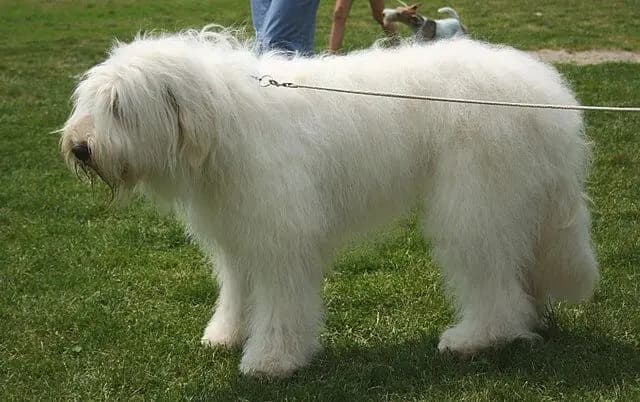
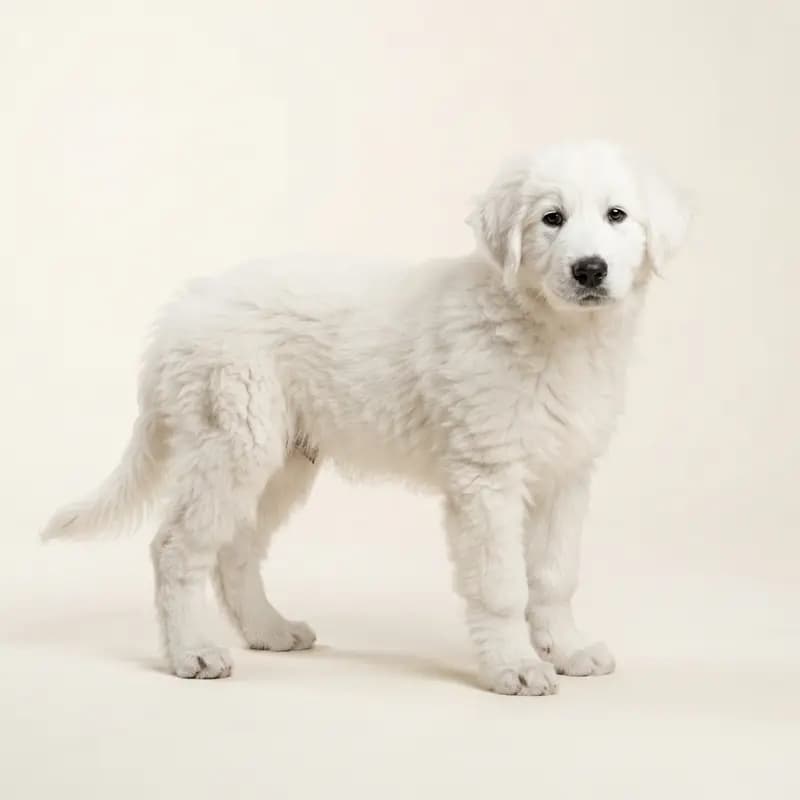 Illustrative image
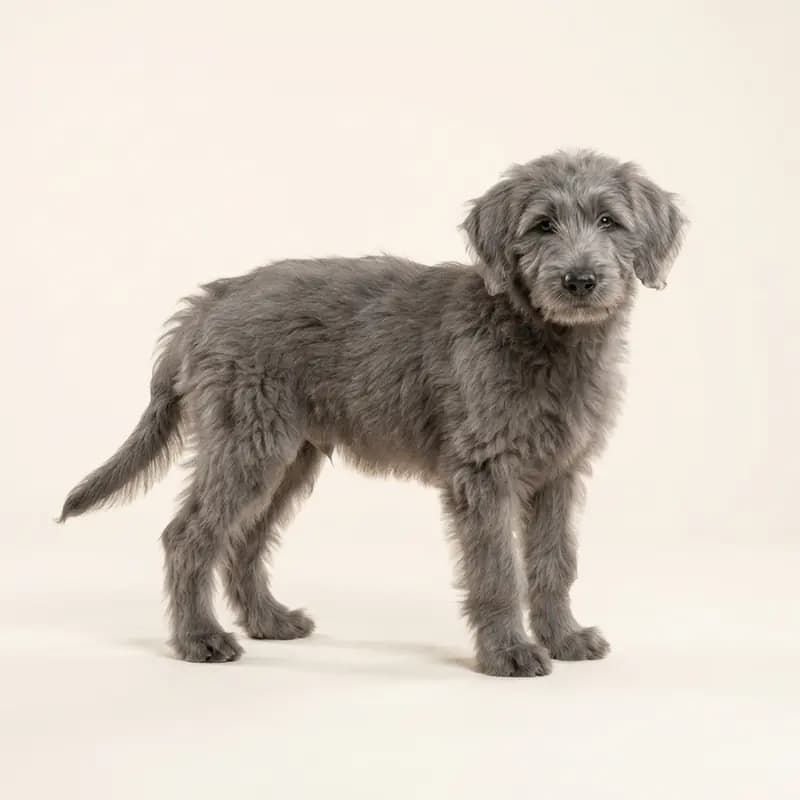 Illustrative image
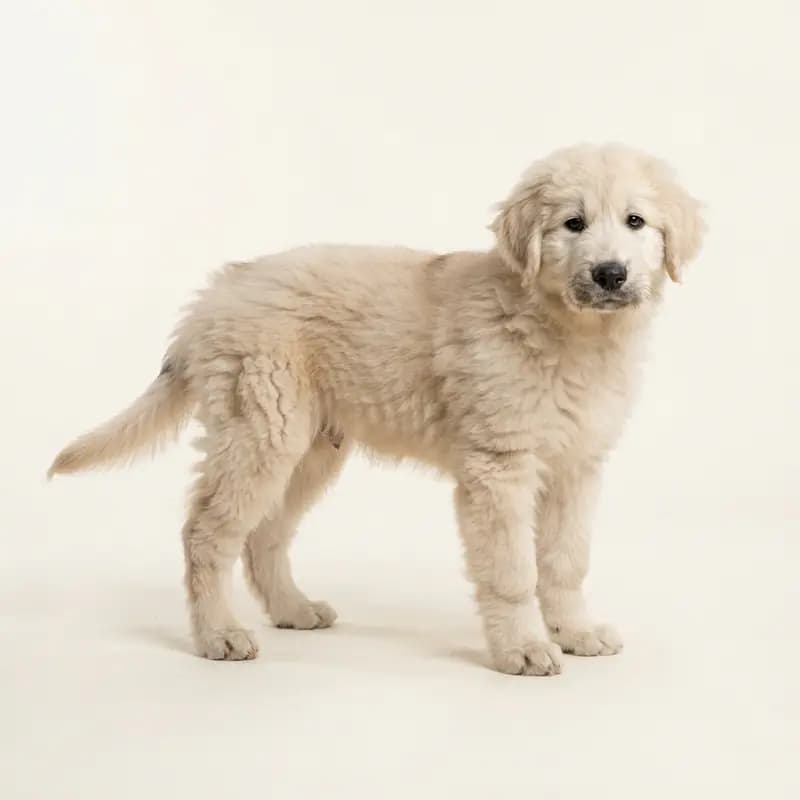 Illustrative image
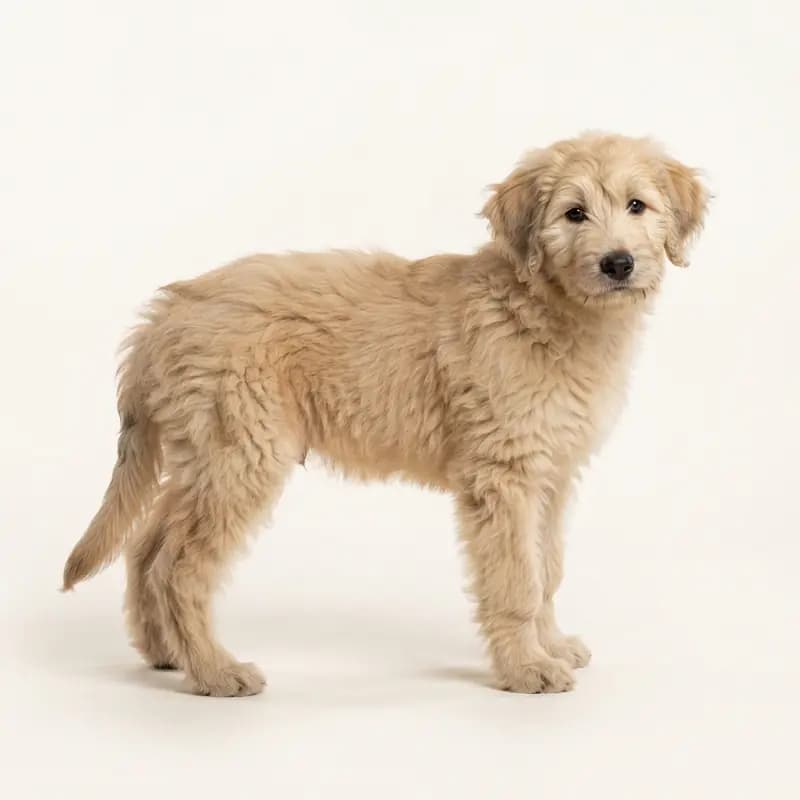 Illustrative image
The roots of the South Russian Ovtcharka go back a long way and the exact history of its development is not documented. It is believed to have evolved from a variety of herding and livestock guardian dogs in southern Russia and possibly Ukraine. As such, it has a long tradition of guarding flocks of sheep against predators and as a guard dog for farms and families. Its robust coat and adaptability have allowed it to thrive in the often harsh and changing climate conditions of these regions. The South Russian Ovtcharka was recognized as an independent breed by the FCI in 1989. Despite its impressive size and strength, it was never used for combat purposes, but always as a herding and guard dog.
The South Russian Ovtcharka was used as a livestock guard dog to protect herds of livestock from predators and thieves.
Russia
1700
Many owners stress that within its closest family circle, the South Russian Ovcharka forms a surprisingly close, cuddly bond with its familiar people. Indoors and with its own "pack," it is often described as very loyal, affectionate and calm. On walks on neutral ground, with solid handling, it is usually relaxed, stays close to its owners and, compared with many hunting breeds, has hardly any independent hunting drive.
At the same time, experienced owners point to the dramatic change that happens once its own territory is involved. When the dogs reach sexual maturity, an uncompromising guarding drive kicks in. Strangers or unannounced visitors in its own yard or house are, by nature, met with anything from suspicion to outright rejection. Owners report that keeping one without trouble in a rented apartment or a densely built-up neighborhood is hardly feasible; a well-fenced property and careful planning around visitors are close to essential in daily life.
Training reports repeatedly emphasize that the South Russian Ovcharka has no classic "will to please." As an original livestock guardian, it was selected to judge danger on its own and act in a split second without human commands. Drill-style obedience fails completely with this breed; instead, these dogs need calm, fully confident and fair leadership. If the dog senses uncertainty or lack of clarity in its owner, it tends to handle situations its own way.
Owners and people who know the breed point out that early, thorough socialization is the most important building block. Puppies need early exposure to everyday situations, environmental stimuli and all kinds of people so that their inborn suspicion doesn't later tip over into something uncontrollable. With other dogs, South Russians often act with a natural claim to leadership, which is why encounters with other dogs call for forward-thinking leash handling and clear boundaries set by the owner.
Sources:mit-hunden-therapieren.dewelpen.vdh.dehundeportal24.eukoc-ev.deforum.hundund.de
As for physical constitution, owners describe the South Russian Ovcharka as a weatherproof, tough and generally very hardy breed built for a harsh climate. Despite its imposing size, it is surprisingly agile, nimble and quick to react. As with many large, heavy breeds, experienced owners and breeders pay particular attention to joint health, especially hip dysplasia during the growth phase.
Besides its protective drive, the biggest practical challenge owners regularly mention is the abundant coat. The long, dense coat with plenty of undercoat quickly mats without care. Owners report spending a lot of time on regular brushing and note that after walks in wet weather the dogs carry a considerable amount of dirt and burrs into the house. Many of these dogs are also sensitive to summer heat and instinctively look for cool, shady spots on warm days.
Paraphrased from real owner reports · translated from German
The South Russian Ovtcharka is an active dog that needs plenty of exercise and mental stimulation. Research the temperament, grooming needs, and space requirements before deciding.
The average life expectancy of a South Russian Ovtcharka is 9-11 years. With proper care and regular vet visits, your dog can live a long, healthy life.
South Russian Ovtcharka grooming requirements include regular brushing, nail trimming, and dental care. HonestDog provides detailed grooming tips for every breed.
The South Russian Ovtcharka can be a great family dog. Proper training and socialization are key. HonestDog provides family suitability information for every breed.
The South Russian Ovtcharka comes in these colors: White, Grey, Cream, Wheaten.
Showcase your kennel on HonestDog and reach families searching for a responsibly bred South Russian Ovtcharka.