Caucasian Shepherd DogSame working temperament
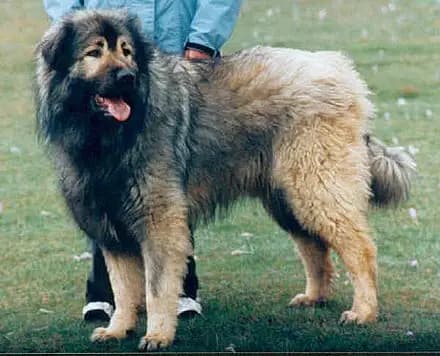
The Central Asian Shepherd Dog is an uncompromising, territorial giant—an autonomous livestock guardian dog bred to defend herds in harsh steppes against predators entirely on its own.
How the health grade is calculated
Sources for required breeding screenings. Kaukasischer Owtscharka-Club e.V. · Kaukasischer Owtscharka-Club e.V.
Self-check
Answer 6 quick questions about your everyday life and see how well the Central Asian Shepherd Dog fits you — including an honest cost estimate per month, per year, and across the dog's lifetime.



At a glance
The essentials — key facts, traits, and health priorities — before you dive deeper.
Lifespan
12–15 yrs
Shoulder height
65–90 cm
Weight
40–80 kg
Practical
Temperament
Daily life
What matters most
Especially with a Central Asian Shepherd Dog, choosing the right breeder is the single most important decision you'll make. Serious breeders consistently test the parents for inherited conditions, prioritize healthy early socialization, and stay accountable long after handover. A cheap puppy without health screening tends to become the most expensive dog later on.
See HonestDog breeder standards →Colors & coat
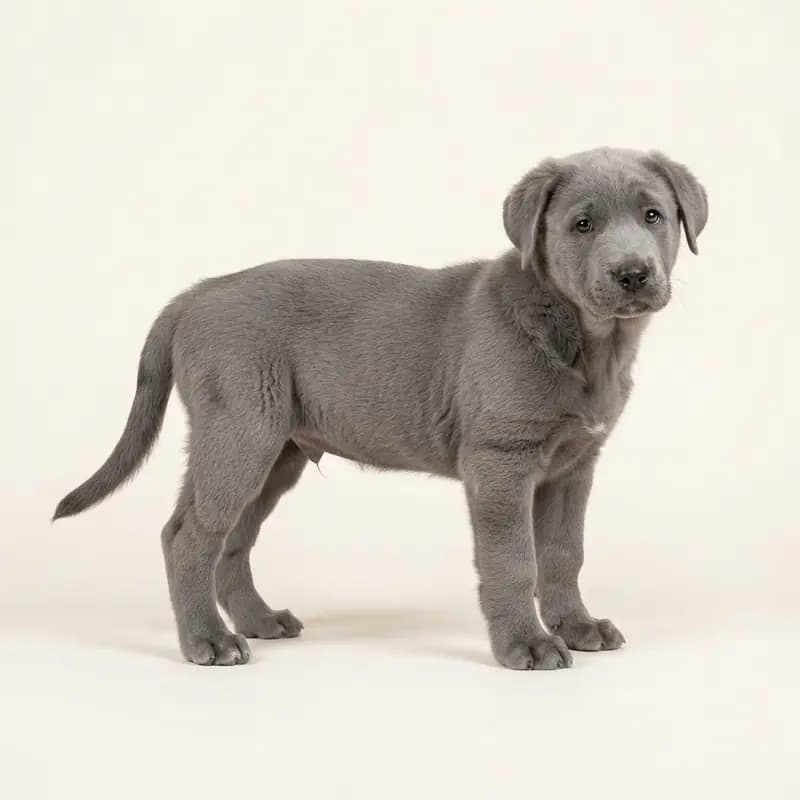
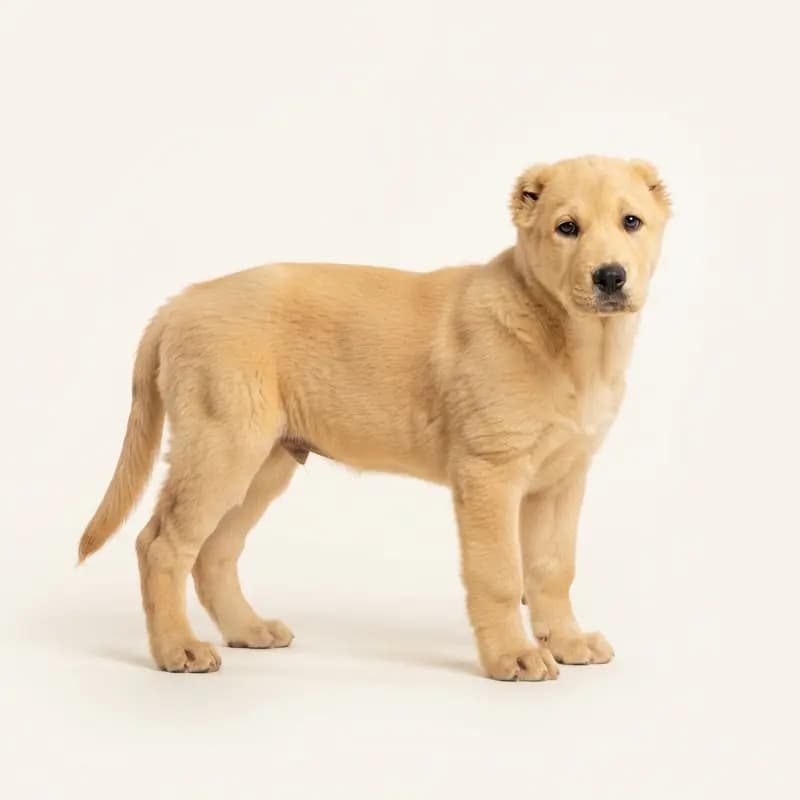
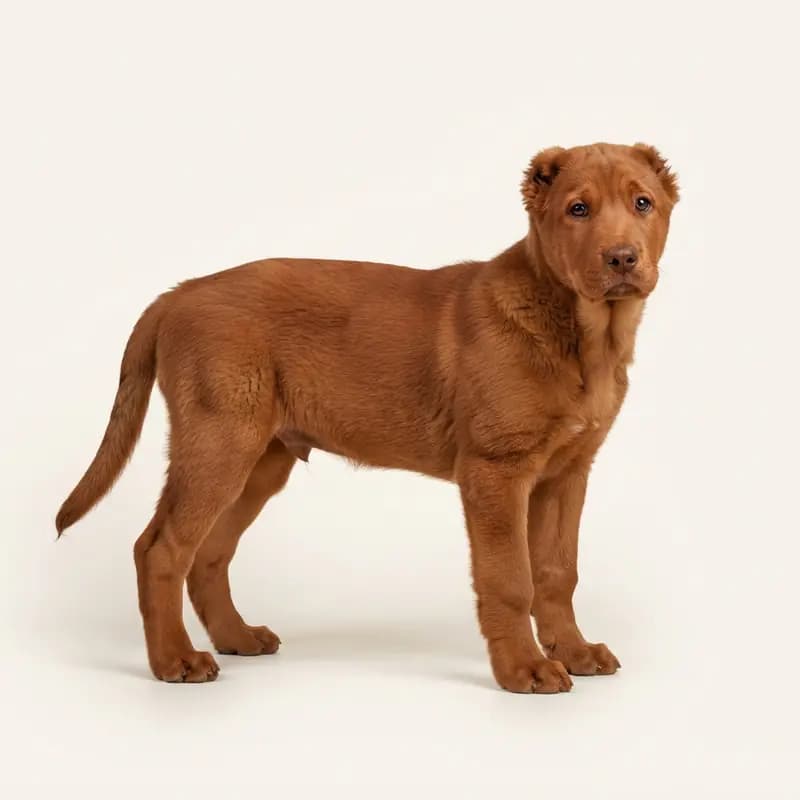
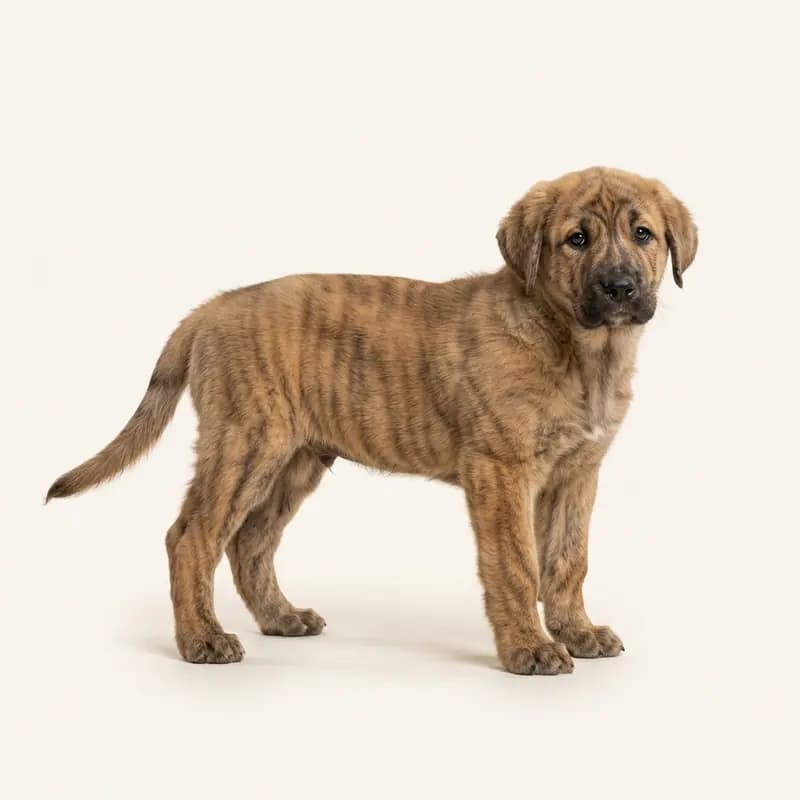
The coat colors that occur in the Central Asian Shepherd Dog — including which ones fall outside the breed standard and which carry genetic risk.
Eye colors
 Brown
Coat type
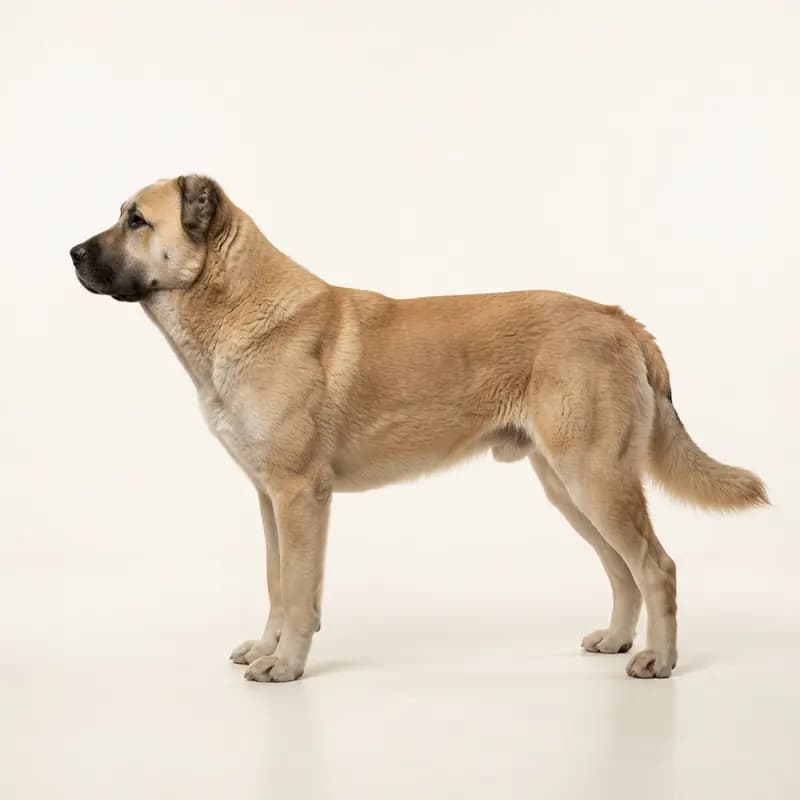 Illustrative image
Short
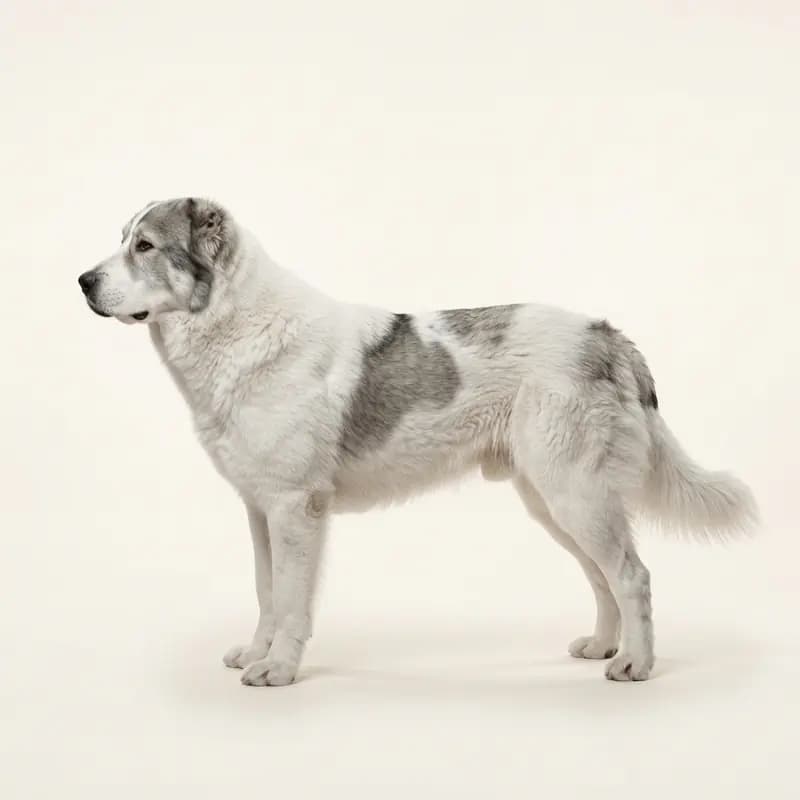 Illustrative image
Medium
 Double coat
The real vibes check
A Central Asian Shepherd Dog often seems like a sleeping rock in the garden—until they register a threat and intervene with the explosiveness of a predator. They are not a pet that wants to please you, but an autonomous security expert on four legs. You aren't getting a companion for Sunday outings, but sharing your life with an archaic guardian.
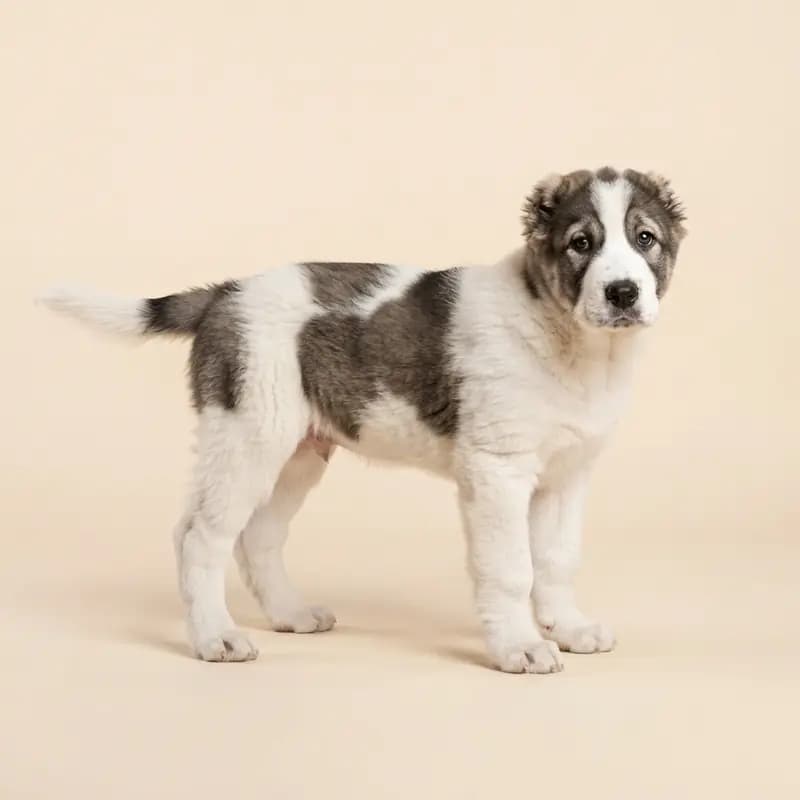
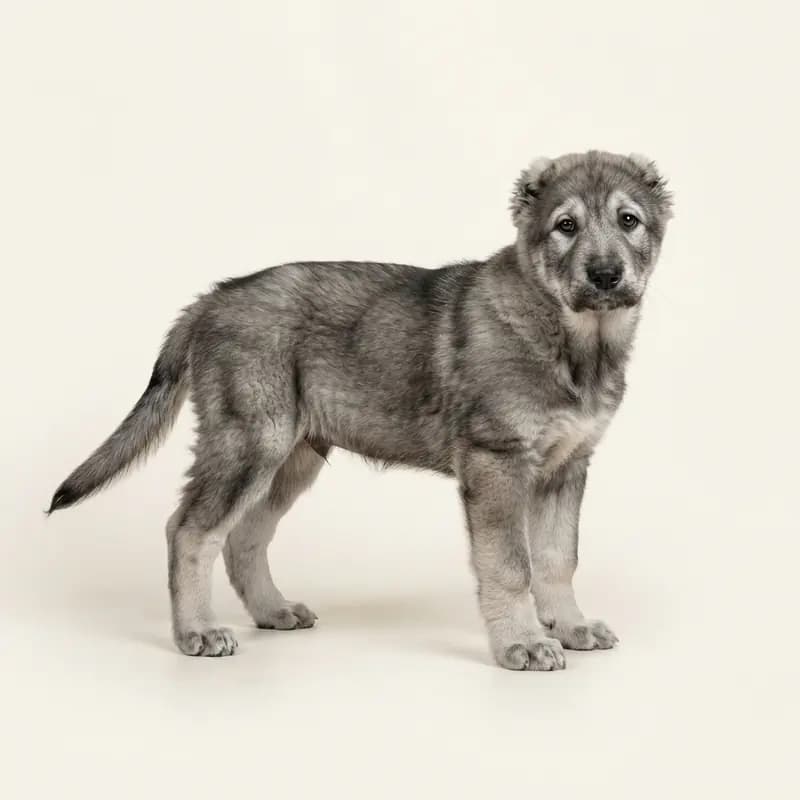
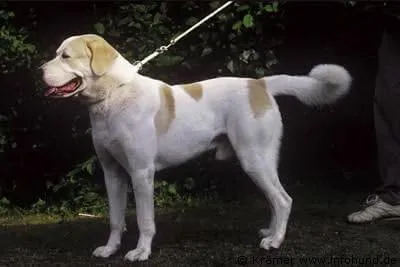
The Central Asian Shepherd Dog, also known as the Central Asian Ovcharka, is an impressively large and robust dog. He belongs to FCI Group 2 and is a typical protection dog. His powerful build, coupled with his exceptional strength and endurance, makes him an unsurpassed protector and working dog. With his thick, weatherproof fur, which can come in a variety of colors, and his distinct, dark eyes, he exudes an aura of majesty and power. In contrast to some other breeds, the Central Asian Shepherd Dog does not differentiate between performance and show lines. This is largely due to the fact that these dogs have always been bred for their ability to work and not for their looks. Their origins lie in the harsh landscapes of Central Asia, where they are still used today as shepherd and protection dogs.
The nature of the Central Asian Shepherd Dog is shaped by its centuries-long work as a protector of herds. They are courageous and fearless when it comes to defending their territory and family, and at the same time they are calm and balanced as long as there is no threat of danger. Thanks to their history as working dogs, Central Asian Shepherd Dogs are very independent animals. They are able to make decisions and act based on situations, making them excellent guardians. They tend not to be as playful or people-oriented as some other breeds, but that doesn't mean they aren't loyal and loving to their family. On the contrary, they are known for their deep bonds with the people they trust. A Central Asian Shepherd Dog can learn to stay alone, but it is important to remember that, like any dog, he needs social interaction and mental and physical stimulation. They do not tend to exhibit strong hunting or prey-catching behavior as their focus is traditionally on protection, and they are very alert. Although they can be calm and even-tempered, Central Asian Shepherds tend to be territorial and can be wary of strangers. Therefore, it is important that they are managed by an owner who has experience with large, independent breeds and can provide them with the leadership and socialization they need.
| Watchfulness Strong territorial instinct — may actively confront intruders. | Very high |
| Openness to Strangers Careful around unfamiliar people — thaws slowly. | Cautious |
| Hunting or Herding Drive Noticeable drive — needs attention around small animals. | Moderate |
Fun Fact!
Central Asian Shepherd Dogs are so strong and resilient that in their homeland they are often used to defend flocks of sheep against predators such as wolves and bears.
The Central Asian Shepherd Dog is a strong and confident livestock guardian dog. It is characterized by its vigilance and willingness to protect. These dogs require consistent training and sufficient activity. Due to their strong protective instinct, they are especially suitable as guard dogs but can also be loyal family companions if well socialized.
Due to their size and need for exercise, Central Asian Shepherd Dogs are generally not suited to urban living unless they have regular access to large, open areas. They get along well with children but should always be supervised due to their size and strength. They can also get along with other pets, including cats, if they are used to it from an early age.
Gets on well with different people and varying routines.
Fine with calm, respectful children — not small tornadoes.
Usually gets on fine with other dogs.
Suffers in tight urban conditions.
Owning a dog is a privilege, but it's also a real responsibility. Before you bring one into your life, be honest with yourself about the commitment it takes.
Central Asian Shepherd Dogs are intelligent and independent dogs that require consistent and patient training. They are not suitable for dog sports such as agility or obedience, but they still require mental and physical stimulation. As they were originally bred as working dogs, they should not be overstimulated, as this can lead to stress and behavioural issues. It is important to teach them to practice frustration tolerance and impulse control to ensure harmonious living together. Hunting instincts are not pronounced in this breed, but they possess a strong protective instinct that should be kept under control through training.
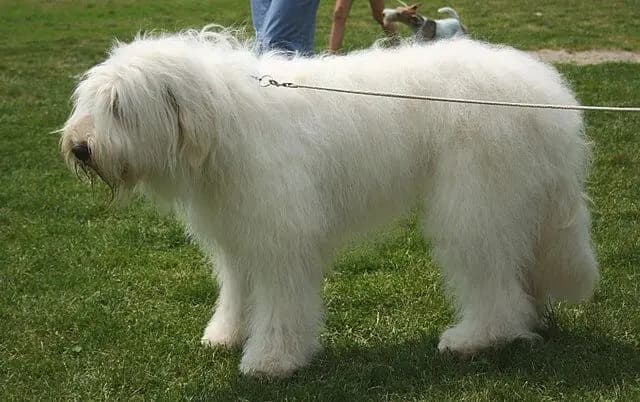
Central Asian Shepherd Dogs have a thick coat with an undercoat that protects them from extreme weather conditions. This coat needs regular care to prevent skin problems and to keep the coat clean and healthy. In Germany, this breed copes well with the climate, but you should make sure that it does not overheat in summer or become too cold in winter. They shed moderately, but this can increase during the shedding phases in spring and autumn. When it comes to nutrition, these large, active dogs require a high-quality diet that contains enough proteins and fats to meet their energy needs. It is important to monitor their weight to avoid becoming overweight, which can lead to health problems.
| Care Level Regular brushing and occasional professional grooming. | Moderate |
| Exercise Needs Needs several hours of serious exercise every day. | Very active |
| Shedding Regular shedding — dog hair on clothes is now normal. | Moderate |
| Trainability Bred to make decisions without human direction. | Very independent |
Our experts are still reviewing this information. Spotted something wrong? Email us at info@honestdog.de.
Solid
Health grade
In the imposing Central Asian Shepherd Dog, hip dysplasia (HD) and elbow dysplasia (ED) pose substantial orthopedic risks to its heavy build, supplemented by genetic hazards such as degenerative myelopathy or junctional epidermolysis bullosa (JEB). The Kaukasischer Owtscharka-Club e.V. therefore makes radiographic screenings for HD (A to C, where C may only be mated with A) as well as ED (0 to 2, where 2 may only be mated with 0) mandatory for breeding approval. A responsible breeder additionally tests the parents for degenerative myelopathy, junctional epidermolysis bullosa (JEB), and hyperuricosuria (HUU), where carrier animals may only be mated with clear partners. Before purchasing, insist on seeing the complete official X-ray evaluations for HD and ED along with the corresponding DNA results of the parent animals.
Grade is relative to other breeds — AI-assisted and editorially reviewed.
Methodology and data: HonestDog Dog Breed Health Report 2026
What matters most for this breed
Tap any item to see details.
Without conscious weight management and good preventative care—such as regular check-ups—health problems and veterinary costs can rise significantly later on.
Responsible breeders have official X-rays taken for hip dysplasia (HD) and elbow dysplasia (ED) and voluntarily test for degenerative myelopathy in order to prevent severe mobility and nerve damage.
Note: This health overview is AI-assisted and editorially reviewed. It is for orientation only and does not replace veterinary advice.
What matters most for this breed — what's common, how much it affects the dog's life, and how to protect yourself as a buyer.
Tap a body region to see the inherited conditions linked to it.
The three most important risks
Pick a region on the map to explore other areas.
Tier 1 reflects the tests Kaukasischer Owtscharka-Club e.V. actually mandates. Tiers 2 and 3 show how responsible breeders go beyond.
Club standard. Kaukasischer Owtscharka-Club e.V. requires these tests for breeding approval. Ask any reputable breeder for the results.
Not health tests, but required for breeding: the club asks for these results too. They don't count toward the risks or the rating.
DNA-Identitätsnachweis
Required by Kaukasischer Owtscharka-Club e.V.
Acceptable result: Blutprobe eingelagert und DNA-Profil erstellt
No entries in this tier.
Note: This health overview is AI-assisted and editorially reviewed. It is for orientation only and does not replace veterinary advice.
A Central Asian Shepherd Dog costs around ~€240 per month (€120 – €470, depending on your setup). The first year adds up to roughly ~€6,690 including purchase, equipment and puppy school; across the dog's life (13.5 years) it comes to about ~€42,460.
With surgery cover, running costs come to about ~€250 per month — in return, your share of a major operation drops from several thousand euros to around 20 percent.
Per month
~€240
In the first year
~€6,690
Across the dog's life
~€42,460
Estimated purchase price from a breeder: €2,000 – €4,000
Estimate at a mid-range setup (suburban, dry food, 1–2 hours of daily exercise), average German prices, as of July 2026.
HonestDog Concierge
We currently have no breeders for this breed who have passed our verification. Create your short buyer profile: we'll set up your search alert, review a possible source and email you within 28 days.
 Illustrative imageIllustrative image
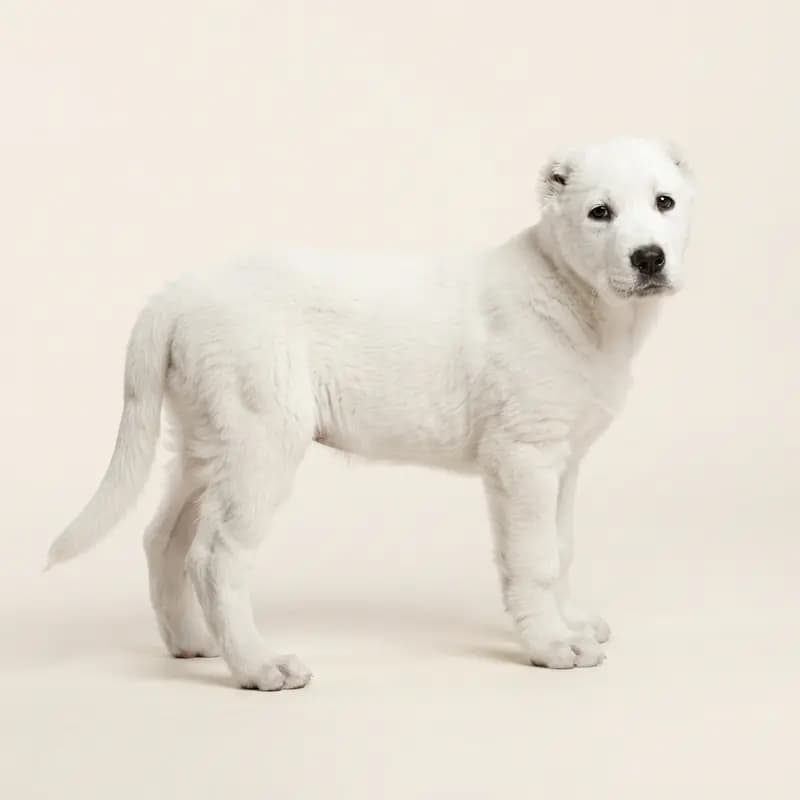 Illustrative image
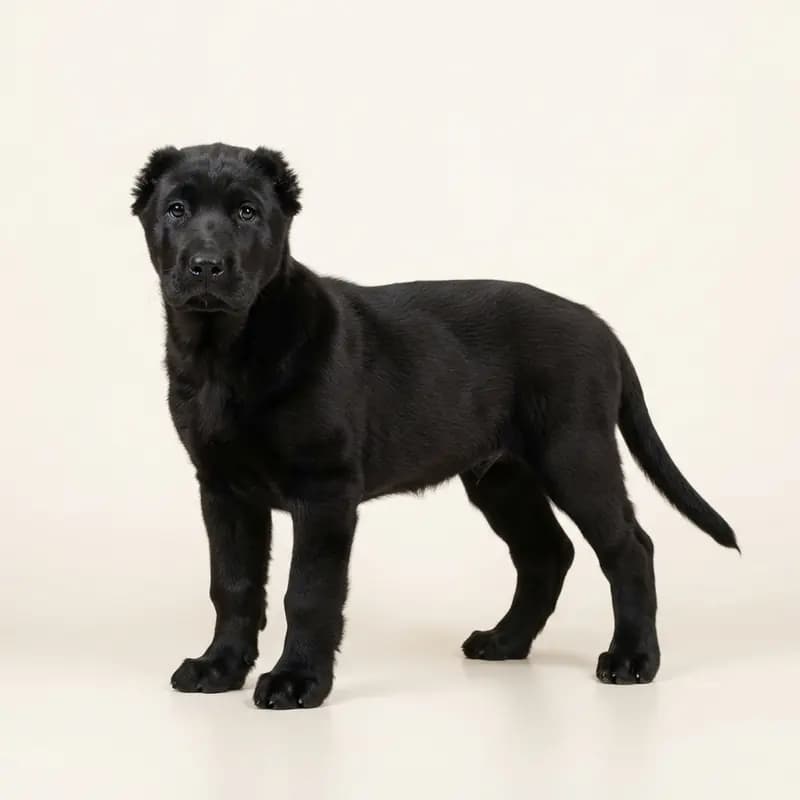 Illustrative image
The origins of the Central Asian Shepherd Dog go back several thousand years. They were bred in the vast steppes and mountainous regions of Central Asia by nomadic tribes as indispensable helpers in sheep and goat herding. Their primary job was to protect the herds from predators, and they were specifically chosen for this task based on their strength, endurance, and strong protective instincts. Although the Central Asian Shepherd Dog has existed for centuries, it was not officially recognized as a breed until the 20th century. The Fédération Cynologique Internationale (FCI) recognized the breed in 1989.
The Central Asian Shepherd Dog was bred as a livestock guard dog to protect livestock from predators and thieves.
Central Asia
Antike
Owners consistently describe the Central Asian Shepherd Dog (Alabai) as two completely different dogs in everyday family life. Within its closest circle and in its own home, it is often a surprisingly calm, sensitive, and deeply loyal companion. Many owners point out that it hardly makes its presence felt indoors, brings little commotion, and develops a close, almost stoic affection for the members of its "pack."
The big downside in daily life, however, is its very strong territorial and protective behavior. Experienced owners regularly warn that spontaneous visits, tradespeople, or other people's children in the yard are simply not possible. The breed is naturally suspicious of strangers; some owners have to adjust their social life considerably or keep the dog separated when guests come over. Owners also stress that life in the city or in a rental apartment is misery for this dog: it must have a securely and sturdily fenced property that it is allowed to guard.
Sources:molosserforum.deforum.hundund.depetbook.devierbeinerwelten.deagila.de
On training, practically everyone with forum or breed experience agrees: the Central Asian Shepherd Dog is the exact opposite of a biddable companion dog. According to reports, attempts to train it through blind obedience, pressure, or even harshness fail completely and lead the dog to dig in its heels or lose trust entirely. Owners say that with a livestock guardian you have to act as an equal and a confident partner instead. It follows commands only when it sees a point in them.
Another hurdle that comes up again and again is how late the breed matures. Many owners report that an Alabai can still seem like an easygoing young dog at a year and a half, while its real guarding and protective drive only fully emerges between the second and third year. Anyone who doesn't lead with calm, uncompromising consistency during this phase can quickly lose control of a fully grown animal that often weighs over 50 kilos. Standard dog-training clubs and agility classes usually turn out to be a poor fit for this independent character.
Sources:molosserforum.dedogorama.appforum.hundund.dehundeforum.de
On health and upkeep, owners and breed experts highlight how robust and unspoiled the Central Asian is. After centuries of natural selection in the harsh Asian climate, the breed is considered resilient to both heat and cold. For well-kept dogs from responsible bloodlines, vet visits are often limited to routine checkups and vaccinations, and despite the undercoat the coat usually proves weatherproof and surprisingly easy to care for.
At the same time, owners of the larger types point to the typical risks of giant breeds: hip and joint problems (such as HD) and the risk of bloat come up regularly as concerns in owner reports. Owners strongly warn against overexerting the dog in its first year, letting it climb stairs, or making it grow too fast with food that is too high in protein. Owners also report that walks call for physical strength and steady footing, because the dog may not get along with unfamiliar dogs or may react suddenly to perceived threats.
Sources:molosserforum.depetbook.devierbeinerwelten.deagila.defressnapf.de
Paraphrased from real owner reports · translated from German
The Central Asian Shepherd Dog is an active dog that needs plenty of exercise and mental stimulation. Research the temperament, grooming needs, and space requirements before deciding.
The average life expectancy of a Central Asian Shepherd Dog is 12-15 years. With proper care and regular vet visits, your dog can live a long, healthy life.
Central Asian Shepherd Dog grooming requirements include regular brushing, nail trimming, and dental care. HonestDog provides detailed grooming tips for every breed.
The Central Asian Shepherd Dog can be a great family dog. Proper training and socialization are key. HonestDog provides family suitability information for every breed.
The Central Asian Shepherd Dog comes in these colors: White, Black, Grey, Fawn, Yellow, Red, Brindle, Piebald, Wolf grey, Brown, Blue. Colors that fall outside the breed standard are marked as such on the breed page.
Showcase your kennel on HonestDog and reach families searching for a responsibly bred Central Asian Shepherd Dog.