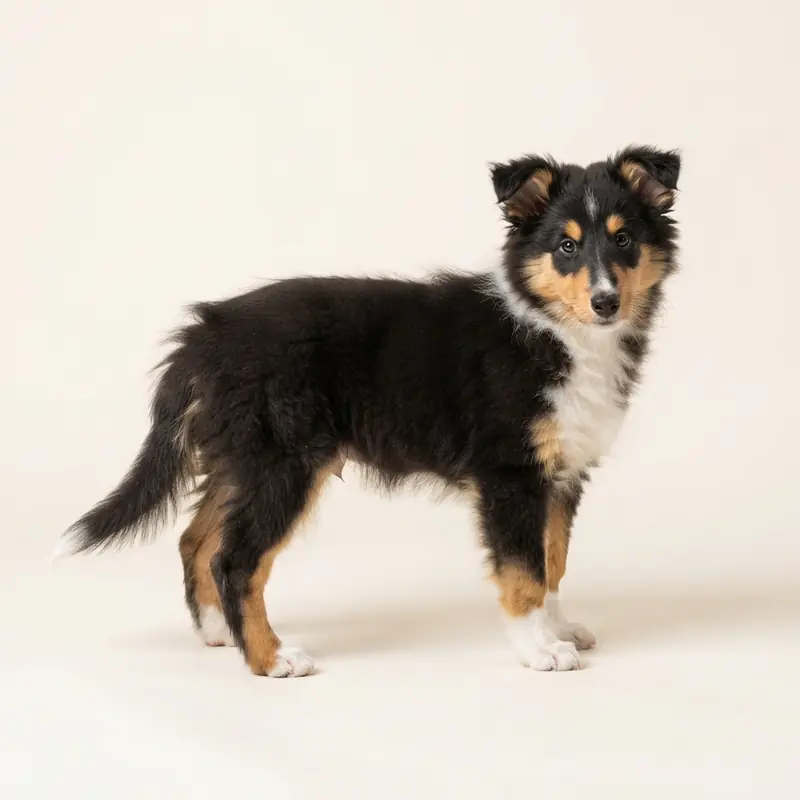
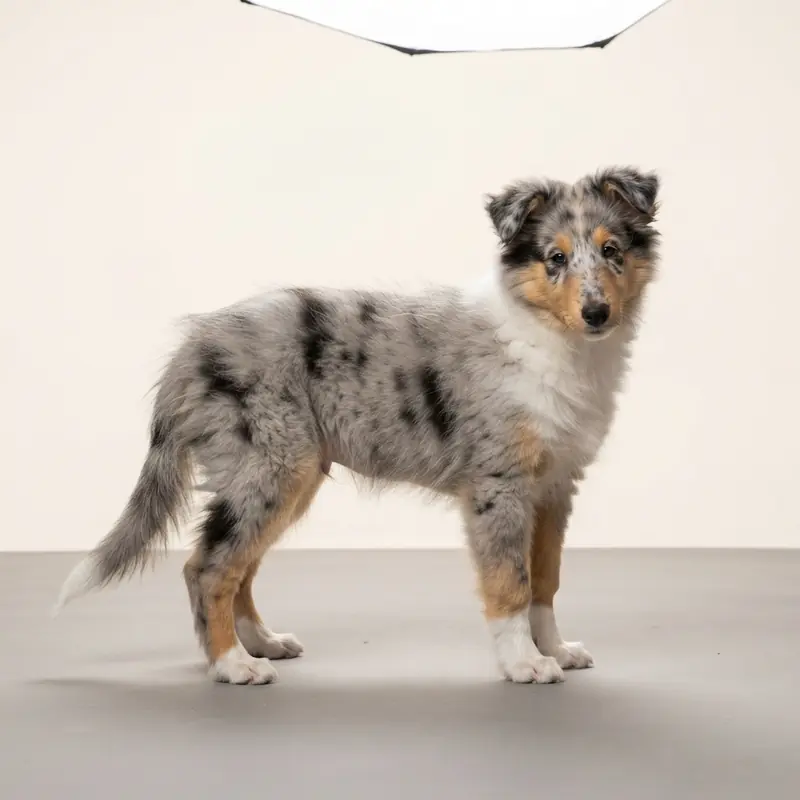
Smooth CollieClose relative
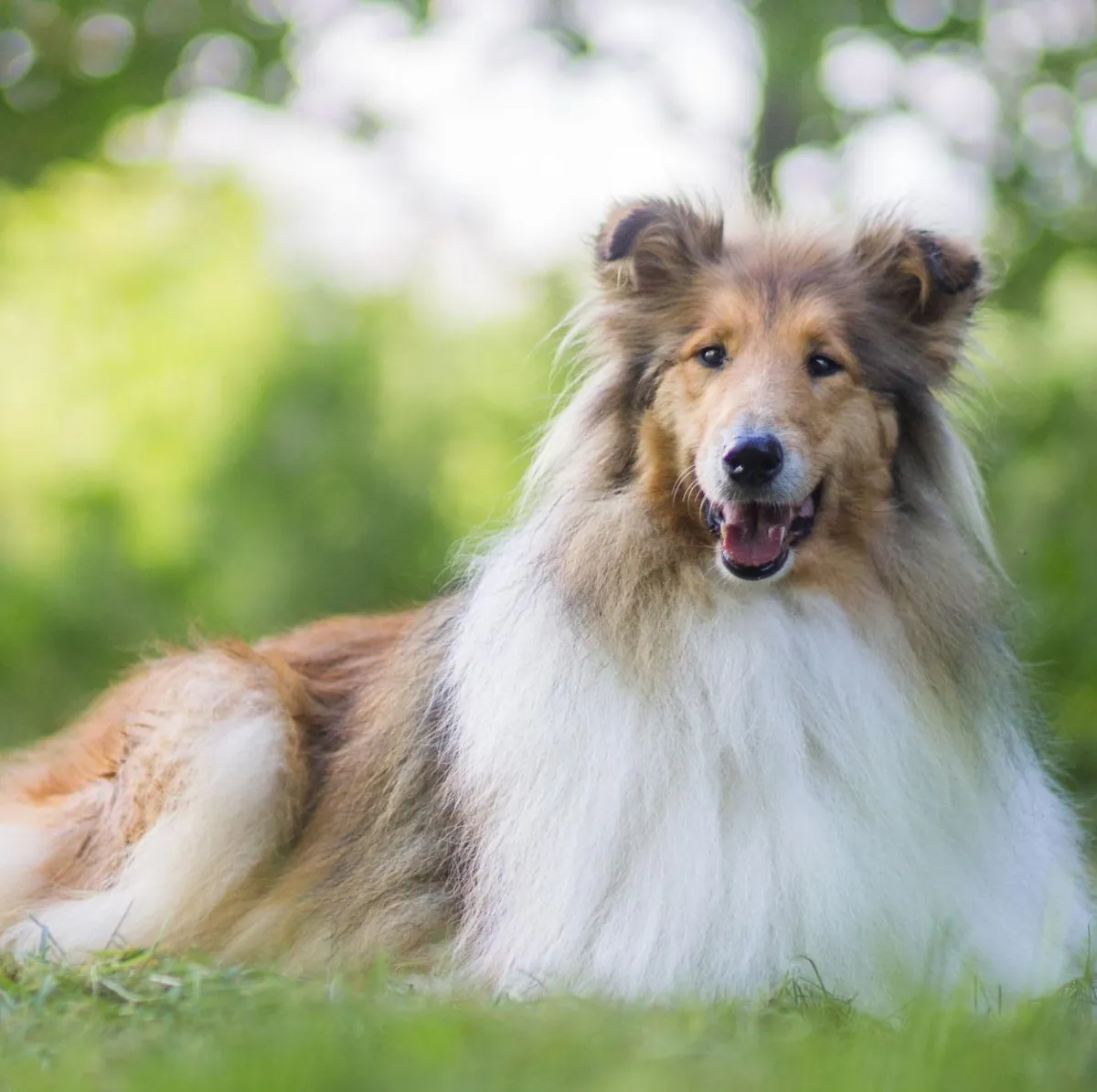
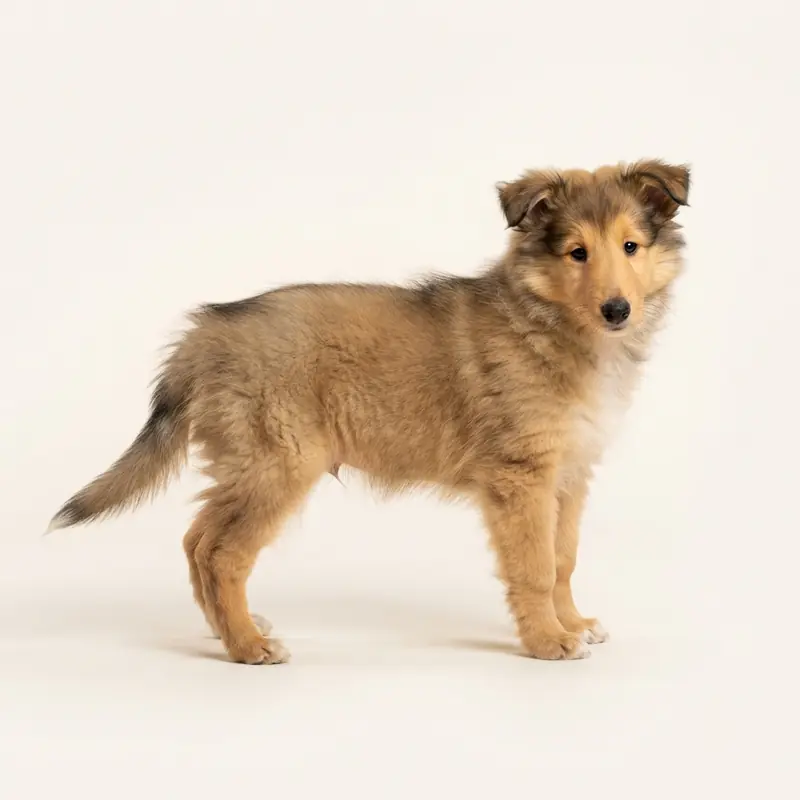
The Rough Collie is an elegant, extremely sensitive herding dog — bred to guide Scottish sheep flocks with both eye and voice. Today, this gentle dog is almost entirely focused on being a family companion, paired with a healthy dose of vocal enthusiasm.
How the health grade is calculated
Sources for required breeding screenings. Club für Britische Hütehunde e.V. (CfBrH)
Self-check
Answer 6 quick questions about your everyday life and see how well the Rough Collie fits you — including an honest cost estimate per month, per year, and across the dog's lifetime.


At a glance
The essentials — key facts, traits, and health priorities — before you dive deeper.
Lifespan
10–14 yrs
Shoulder height
51–61 cm
Weight
16–34 kg
Practical
Temperament
Daily life
What matters most
Especially with a Rough Collie, choosing the right breeder is the single most important decision you'll make. Serious breeders consistently test the parents for inherited conditions, prioritize healthy early socialization, and stay accountable long after handover. A cheap puppy without health screening tends to become the most expensive dog later on.
See HonestDog breeder standards →Colors & coat
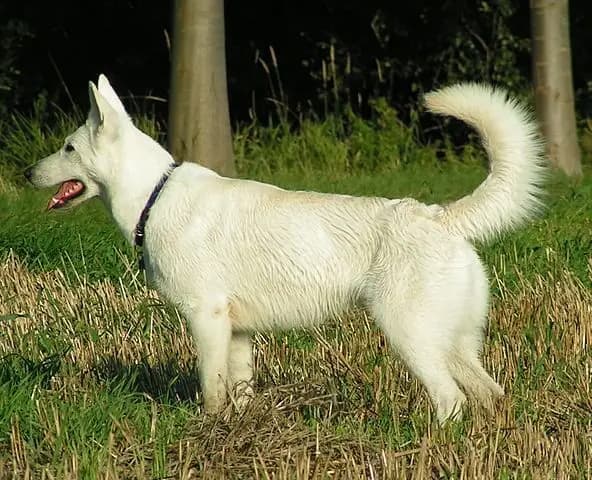
The coat colors that occur in the Rough Collie — including which ones fall outside the breed standard and which carry genetic risk.
White
Eye colors
 Brown
 Blue
 Odd-eyed
 Partial (split eye)
Coat type
 Long
 Double coat
The real vibes check
A Rough Collie is like a fine-tuned antenna that immediately picks up and reflects every mood swing in your home. You aren't getting a robust daredevil that simply shrugs off mistakes, but a loyal soul that responds to a whisper and breaks under shouting. If you appreciate this soft, talkative nature, you will find in them the most loyal shadow you could ever wish for.
The collie, which many immediately associate with the famous television dog Lassie, is an elegant figure. With his characteristic pointed ears, long muzzle and lush, long fur, he is a real eye-catcher. The Collie belongs to FCI Group 1, the herding dogs. There are two main variations of the collie - the long-haired collie, also known as the rough collie, and the lesser-known short-haired collie, known as the smooth collie. Both variants are recognized by the FCI. Rough Collies have long, thick fur that protects them from the elements. There are differences between show lines and working lines in the Longhair Collie, with show lines often having more lush fur while working lines are even more active.
Collies are known for their intelligence and affection. They are true family dogs and bond closely with their owners. Because of their herding dog heritage, they are very attentive and have good instincts when it comes to looking after their "herd", i.e. family. Their temperament is generally gentle and even-tempered, although working lines can be slightly more active and bright than show lines. Collies are very people-oriented and enjoy being in company. They are also child-friendly and usually behave well with other pets, especially if they are used to them from an early age. Collies' learning abilities are high, and they are often eager to please their owners, making them good candidates for dog sports such as agility or obedience. It is important to know that Collies have natural alertness but are not aggressive. They may initially act reserved with strangers, but they are not shy. They tend to bark at suspicious activity, making them good watchdogs without being aggressive. When it comes to being alone, the Collie does not show an excessive tendency to separation anxiety as long as it is well socialized and has been used to it from the start. However, they love company and should not be left alone for long periods of time. When it comes to hunting instincts, Collies have a moderate herding instinct. This means they may attempt to "herd" children or other animals by circling or lightly nudging them, but they typically do not exhibit strong hunting behavior.
| Watchfulness Occasionally alerts but is fundamentally open. | Low |
| Openness to Strangers Neither pushily friendly nor suspicious. | Neutral |
| Hunting or Herding Drive This drive runs deep — no amount of training eliminates it. | Very strong |
Fun Fact!
The collie became known worldwide thanks to the famous television dog Lassie, who became popular in the 1950s.
Collies are sensitive dogs that need to be raised with appropriate empathy. They need a lot of exercise and mental stimulation. Many collies bark a lot.
Collies are flexible when it comes to living arrangements and can cope well in both the city and the country as long as they get enough exercise and mental stimulation. They are child-friendly and usually behave well with other pets, including cats, when properly socialized.
Lives for its family — the born family companion.
Extraordinarily patient and loving — a true family dog.
Actively enjoys the company of other dogs.
City-appropriate with enough exercise and stimulation.
Owning a dog is a privilege, but it's also a real responsibility. Before you bring one into your life, be honest with yourself about the commitment it takes.
Collies are intelligent dogs that love to learn. They can be trained in various dog sports such as agility, obedience or herding. However, it is important to be careful not to overexert the dog, as collies can sometimes have a tendency to become ball junkies (obsessed with balls). It is important to offer them a variety of activities and also plan for rest periods. Collies should also be trained in frustration tolerance and impulse control to ensure they develop balanced behavior. By responding to your collie's natural herding behavior and giving him tasks that encourage this talent, you can help keep him mentally occupied and happy.
Collies benefit from a balanced diet tailored to their activity levels. A combination of high-quality dry and wet food with a balanced ratio of protein, fat and carbohydrates is ideal. Collies have a thick undercoat and therefore require regular grooming, especially during the changing seasons when they shed more. The thick fur protects them well from the cold, but in hot weather they need to be protected from overheating.
| Care Level Daily care is non-negotiable — neglect affects health. | Very high-maintenance |
| Exercise Needs Needs several hours of serious exercise every day. | Very active |
| Shedding Hair everywhere, always — no white clothing survives. | Very heavy |
| Trainability Bred to work closely alongside humans. | Highly trainable |
Our experts are still reviewing this information. Spotted something wrong? Email us at info@honestdog.de.
Solid, watch carefully
Health grade
In the Rough Collie, there are known breed-specific risks for eye diseases such as Collie Eye Anomaly (CEA) and Progressive Retinal Atrophy, as well as for severe neurological and metabolic disorders such as Degenerative Myelopathy and the MDR1 defect (multidrug sensitivity). The Club für Britische Hütehunde e.V. (CfBrH) therefore mandates genetic tests for these defects, an ophthalmological eye exam, as well as proof regarding Dermatomyositis (DMS), Inflammatory Pulmonary Disease (IPD), and merle coat color. A health-conscious breeder also screens for Hip Dysplasia (HD) and additionally tests for Cyclic Hematopoiesis (Grey Collie Syndrome) and Hyperuricosuria (HUU). Have the official findings of both parent animals shown to you and make sure that carriers of gene mutations were paired without exception with genetically clear partners and that the hip scores are in the range of HD A–C.
Grade is relative to other breeds — AI-assisted and editorially reviewed.
Methodology and data: HonestDog Dog Breed Health Report 2026
What matters most for this breed
Tap any item to see details.
You must always inform vets about potential drug sensitivities before any treatment and ensure joint-friendly development as well as regular eye check-ups.
Responsible breeders test beforehand for Collie Eye Anomaly (CEA), degenerative myelopathy, the MDR1 defect (drug sensitivity), and hip dysplasia (HD) in order to systematically rule out hereditary diseases.
Note: This health overview is AI-assisted and editorially reviewed. It is for orientation only and does not replace veterinary advice.
What matters most for this breed — what's common, how much it affects the dog's life, and how to protect yourself as a buyer.
Tap a body region to see the inherited conditions linked to it.
The three most important risks
Pick a region on the map to explore other areas.
Tier 1 is the core standard: the tests Club für Britische Hütehunde e.V. (CfBrH) requires, plus further tests from the recommended health standard for this breed. Tiers 2 and 3 show how responsible breeders go beyond.
Core standard. Tests marked “Club standard” are required by Club für Britische Hütehunde e.V. (CfBrH) for breeding approval; the others are part of the recommended health standard for this breed. Ask any reputable breeder for the results.
No entries in this tier.
Note: This health overview is AI-assisted and editorially reviewed. It is for orientation only and does not replace veterinary advice.
A Rough Collie costs around ~€200 per month (€100 – €370, depending on your setup). The first year adds up to roughly ~€4,880 including purchase, equipment and puppy school; across the dog's life (12 years) it comes to about ~€30,750.
With surgery cover, running costs come to about ~€200 per month — in return, your share of a major operation drops from several thousand euros to around 20 percent.
Per month
~€200
In the first year
~€4,880
Across the dog's life
~€30,750
Purchase price per HonestDog's market analysis (asking prices in Germany, as of October 2026): €1,600 – €1,800
Small sample: 9 unique listings in the rolling three-month window. Data for this breed · Methodology
Estimate at a mid-range setup (suburban, dry food, 1–2 hours of daily exercise), average German prices, as of July 2026.

 Illustrative image
 Illustrative image
 Illustrative image
 Illustrative image
The Collie breed originally comes from Scotland and northern England, where they were used as herding dogs for sheep and cattle. The name "Collie" probably derives from the Anglo-Saxon word "col" meaning "black", indicating the dark coat color of some early specimens. There are references to dogs resembling modern collies as early as the 14th century. The breed became popular in the 19th century when Queen Victoria saw a collie while visiting Scotland and fell in love with the breed. Since then, the Collie has evolved from a working dog to a popular breed for families and dog shows. The Collie was recognized by the FCI as a separate breed in 1954.
The long-haired collie was bred as a sheep herding dog and is known for its long, lush coat and gentleness.
Great Britain
1800
At home and with the family, many owners describe the Rough Collie as a very pleasant and loyal companion. Owner accounts keep highlighting its proverbial adaptability: unlike other herding breeds, it usually doesn't need an intense sports program, and with normal exercise and mental stimulation it's often very balanced and content to be calm at home. It's considered patient and friendly with children and other pets such as cats.
At the same time, owners point out a clear sensitivity to stimulation. Very hectic, noisy households can wear on the Collie's sensitive nature. Many dogs are also rather reserved or unsure around strangers, and new sights and sounds need to be introduced carefully so the dog doesn't become fearful. Owners also regularly report that these dogs love to bark; Collies tend to loudly comment on noises, visitors or simply their own excitement.
Sources:reddit.com
On training and activities, owners especially highlight the Rough Collie's strong willingness to cooperate and its fine-tuned sensitivity. These dogs learn quickly and want to please, which makes training straightforward in many areas. Compared with hunting breeds or some other herding breeds, its prey drive is usually described as moderate and easy to control, so many Collies can be walked off leash without trouble after proper recall training.
On the other hand, the Collie doesn't forgive harshness or loud scolding at all. In owner circles it's often described as "soft"; when its person reacts with frustration or pressure, many dogs shut down, withdraw or stop cooperating entirely. The typical herding instinct also shows up at times as nipping at heels or clothing when people move fast, which needs to be consistently redirected.
Sources:reddit.com
The Rough Collie's impressive coat is one of the main topics when owners swap experiences. Interestingly, many owners report that day-to-day grooming is less dramatic than its lavish look suggests: a thorough brushing every one to two weeks is usually enough, since the outer coat sheds dirt well. During the shed, however, owners warn of huge amounts of fine undercoat and a risk of mats, especially behind the ears and on the britches.
Health-wise, experienced Collie owners firmly point to the MDR1 gene defect, which can be life-threatening when certain medications and dewormers are given and should be tested for in advance. Owners also occasionally report a sensitive digestive tract, picky eating and excessive skin reactions to overly rough grooming or the wrong grooming products.
Sources:reddit.com
Paraphrased from real owner reports · translated from German
The Rough Collie is an active dog that needs plenty of exercise and mental stimulation. Research the temperament, grooming needs, and space requirements before deciding.
The average life expectancy of a Rough Collie is 10-14 years. With proper care and regular vet visits, your dog can live a long, healthy life.
Rough Collie grooming requirements include regular brushing, nail trimming, and dental care. HonestDog provides detailed grooming tips for every breed.
The Rough Collie can be a great family dog. Proper training and socialization are key. HonestDog provides family suitability information for every breed.
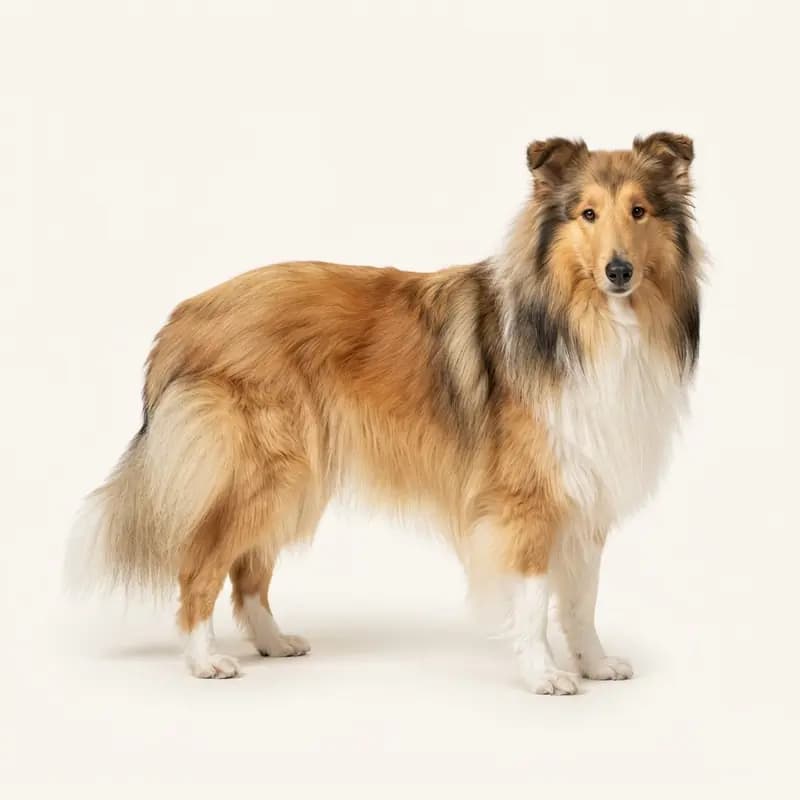
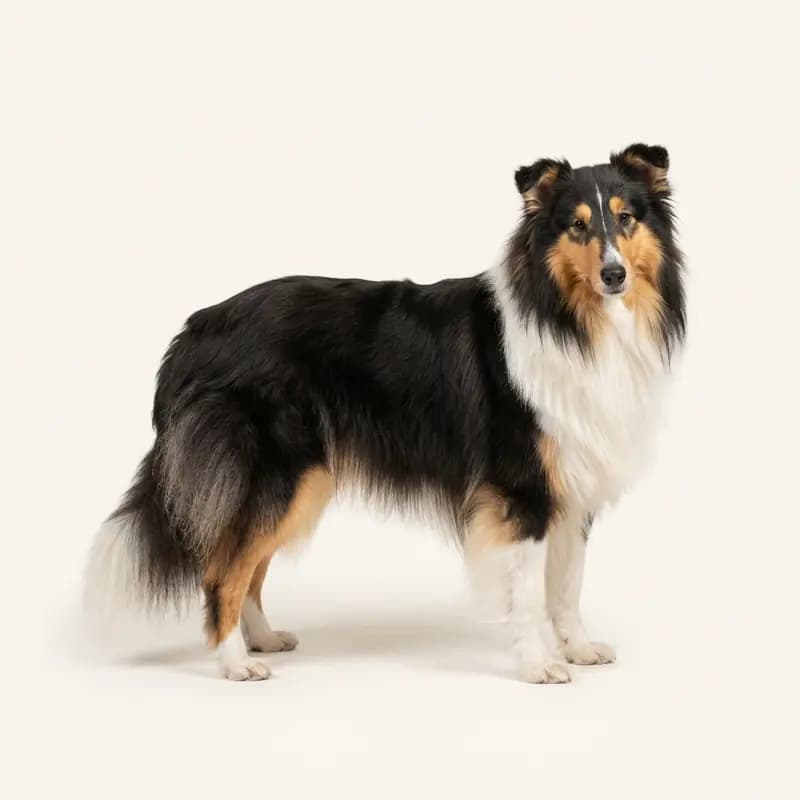
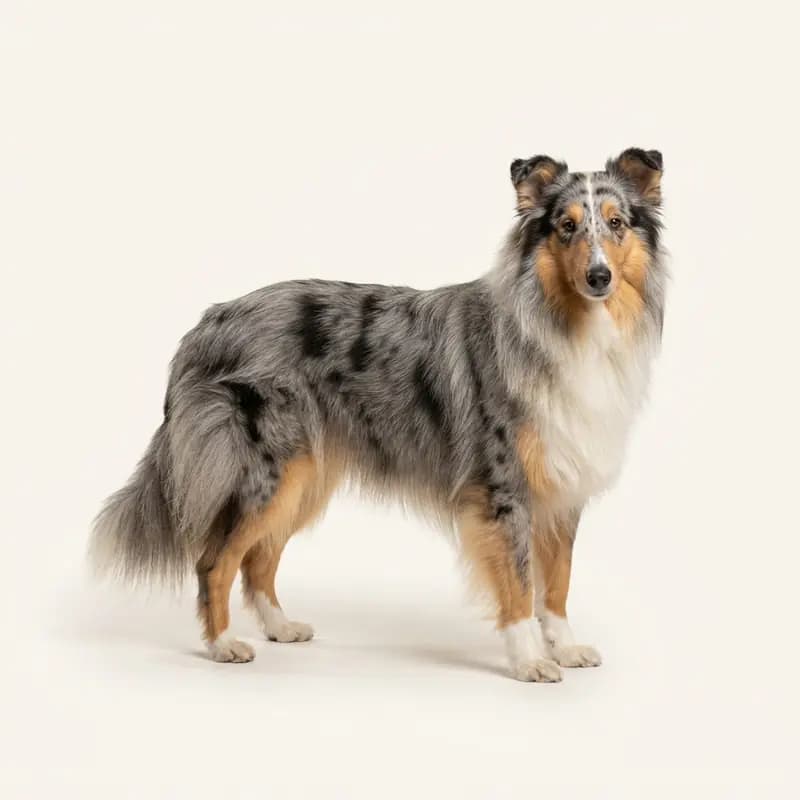
The Rough Collie comes in these colors: Sable, Tricolor, Blue merle, White. Colors that fall outside the breed standard are marked as such on the breed page.
Showcase your kennel on HonestDog and reach families searching for a responsibly bred Rough Collie.