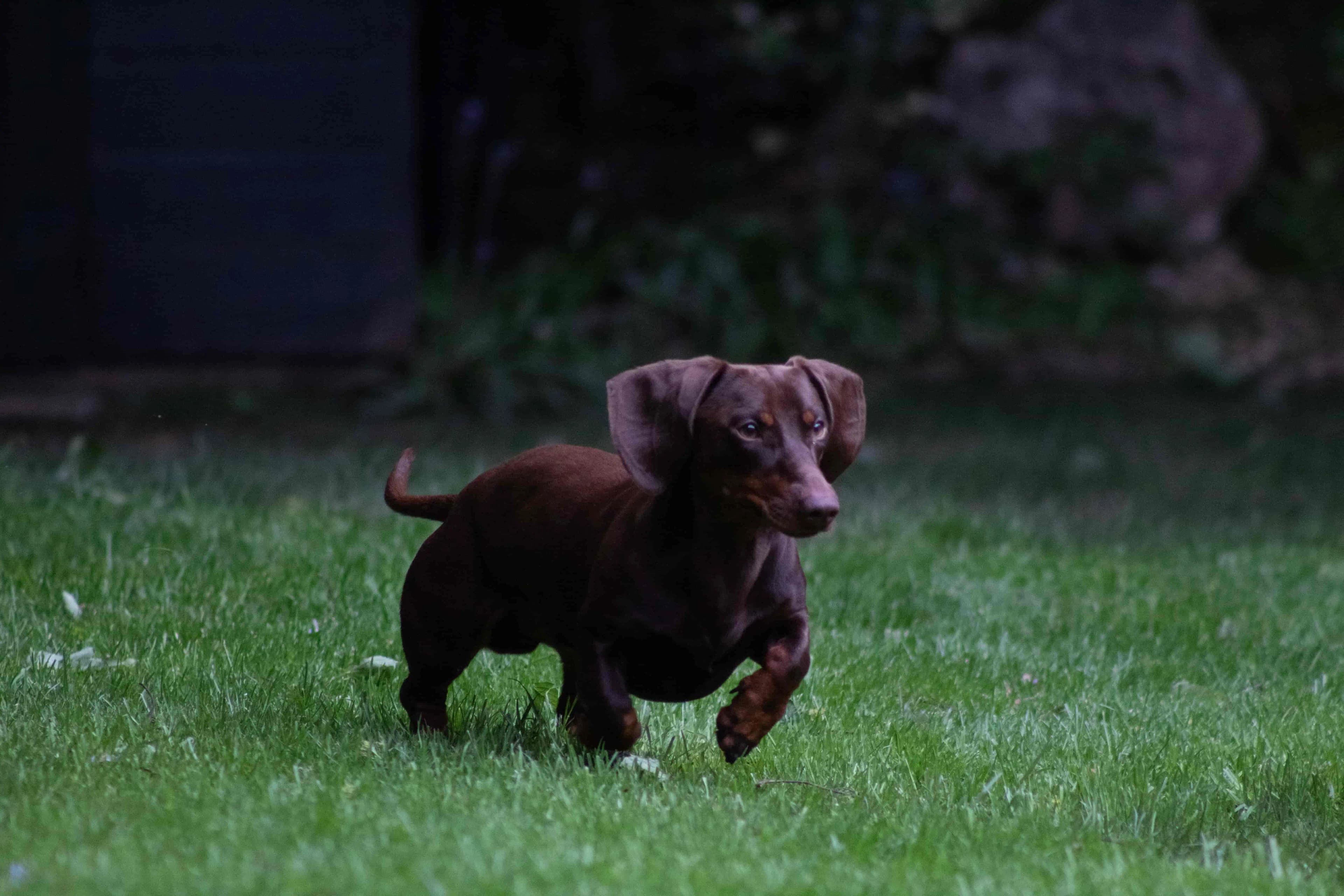
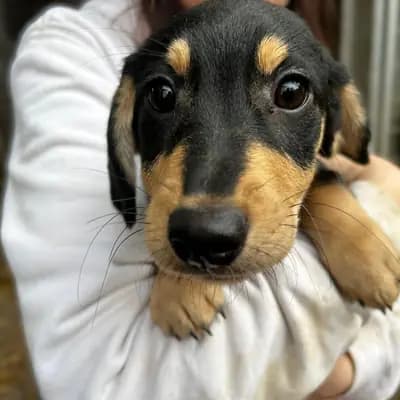
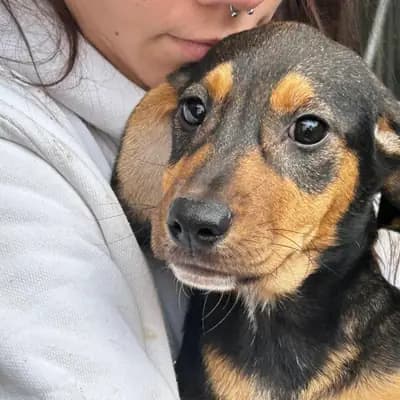
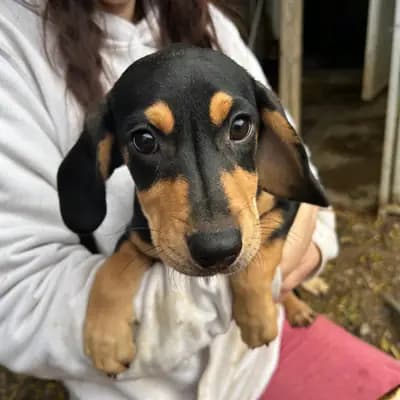
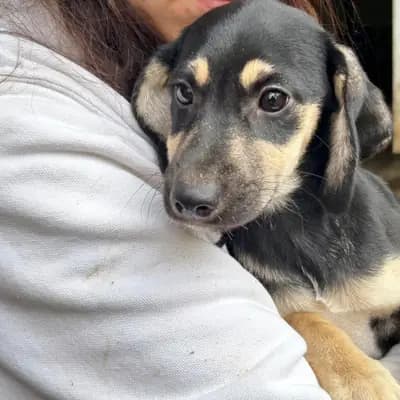
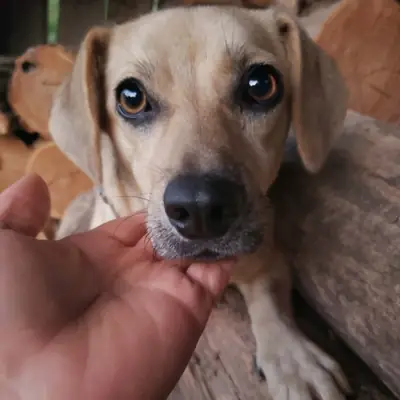
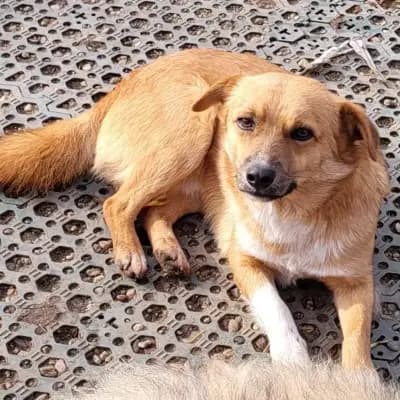
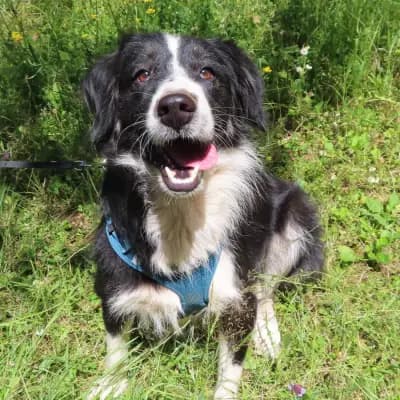
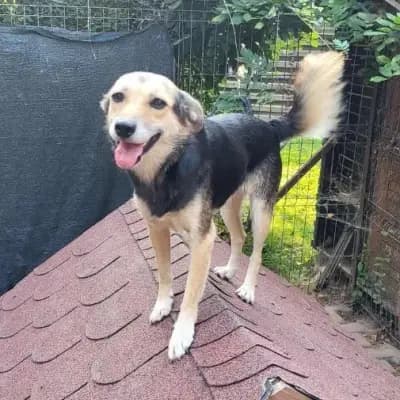
A rescue Dachshund comes with its own history. It has lost its people and first has to find its bearings again. But once it has built trust, it shows its typical devotion and forms a very close bond with its new family.
Health is a central issue: Dachshunds have clearly increased health risks because of their unique anatomy with its long body and short legs. Above all the discs and back, plus the joints, the eyes and a clear risk of obesity, remain issues throughout life. Diseases such as cataracts, corneal dystrophy or, in old age, mitral valve disease (endocardiosis) also occur in the breed. Responsible breeders (for example in the Deutscher Teckelklub 1888 e.V., Germany's Dachshund breed club) have the parents' back, eyes and heart checked clinically, look for balanced anatomy and use DNA tests such as the one for osteogenesis imperfecta (brittle bone disease), which shows whether a parent dog is clear or a carrier. Intervertebral disc disease is also in focus in their breeding controls, and good breeders also watch for acanthosis nigricans – but even so, the breed's fundamental anatomical risks can't be eliminated entirely.
With a shelter dog you usually don't know the genetic line, and many surrendered dogs originally come from puppy mills that skip these screenings. At the shelter, vaccinations, a microchip and a clinical check on arrival are usually covered; ask to see the paperwork.