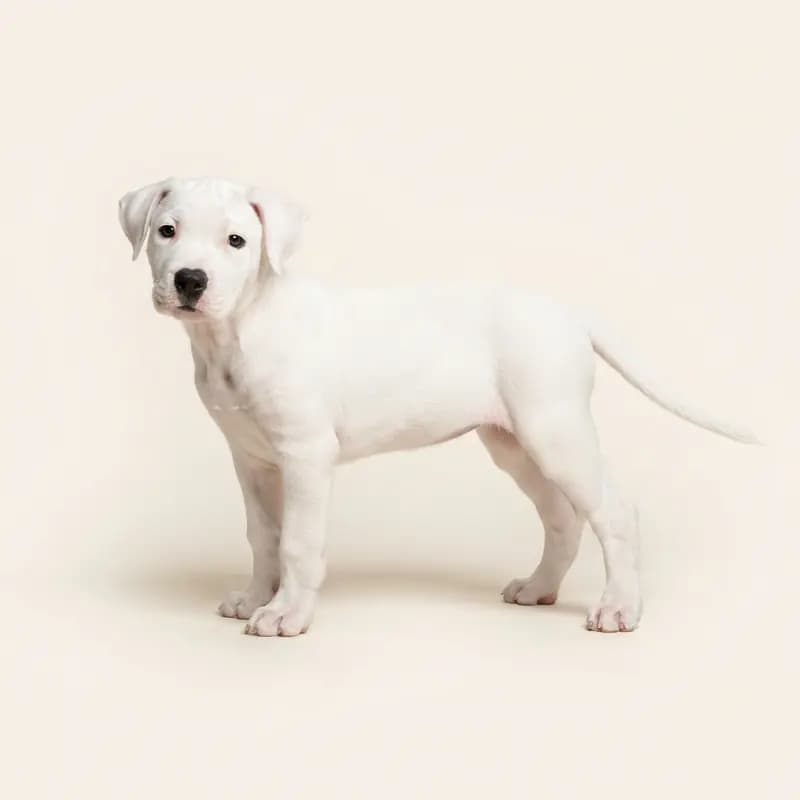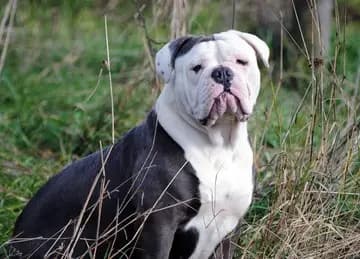
American BulldogSame FCI section
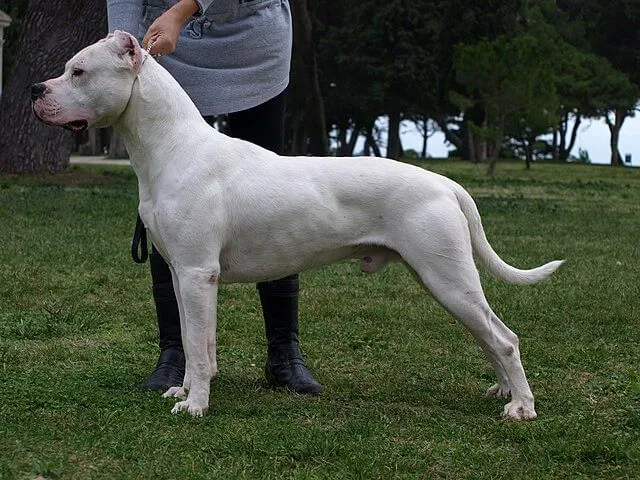
The Dogo Argentino is an extremely powerful, steady-nerved, mastiff-type big-game hunter—bred to track down and silently hold defensive game in the vast landscapes of South America. This uncompromising physique is paired with a deep, almost tender loyalty to its family.
Self-check
Answer 6 quick questions about your everyday life and see how well the Dogo Argentino fits you — including an honest cost estimate per month, per year, and across the dog's lifetime.

At a glance
The essentials — key facts, traits, and health priorities — before you dive deeper.
Lifespan
10–12 yrs
Shoulder height
60–68 cm
Weight
40–45 kg
Practical
Temperament
Daily life
What matters most
Especially with a Dogo Argentino, choosing the right breeder is the single most important decision you'll make. Serious breeders consistently test the parents for inherited conditions, prioritize healthy early socialization, and stay accountable long after handover. A cheap puppy without health screening tends to become the most expensive dog later on.
See HonestDog breeder standards →Colors & coat
The coat colors that occur in the Dogo Argentino — including which ones fall outside the breed standard and which carry genetic risk.
Eye colors
 Brown
 Amber
Coat type
 Short
 Smooth
The real vibes check
A Dogo Argentino rarely threatens loudly; he acts. What was vital for survival in big-game hunting leaves no room for leadership errors in everyday life. You aren't getting a dog that blindly follows orders, but a white gladiator who is aware of his enormous strength at all times and demands subtle but unmistakable guidance. If you can channel this raw physique, you gain an unshakable guardian who would literally walk through fire for you.
The Dogo Argentino is an impressive presence with a strong, muscular build that exudes both power and grace. Its short, smooth fur is pure white, giving it a distinctive appearance. Its broad head, high set ears and bright eyes leave no doubt about its origins as a hunting dog. The breed belongs to FCI Group 2 and is part of Section 2.1, which includes the Molosser, mastiff-like dogs.
The Dogo Argentino is an extremely loving and loyal companion. He is known for his strong bond with his family and loves to show affection. He is gentle and patient, especially with children. His friendly nature makes him a great family dog that can get along well with other pets, including cats, if introduced to it from an early age. However, early and consistent socialization is important to ensure harmonious coexistence. The Dogo Argentino is a vigilant dog that protects its family and can be reserved towards strangers. This trait makes him a good guard dog, deterring potential intruders. Due to its strong hunting instincts, it is important that the Dogo Argentino is well secured and kept in safe environments where it cannot pursue wild animals unsupervised. This breed is naturally energetic and requires adequate exercise and mental stimulation. It is important to keep the Dogo Argentino mentally and physically busy to avoid unwanted behavior due to underemployment. The breed typically shows a high level of willingness to learn and is highly trainable, although it is important to use positive reinforcement methods as these dogs are sensitive and negative reinforcement or harsh punishment can affect their confidence. Because of their intelligence and adaptability, Dogo Argentinos can easily learn to stay alone if they are used to it from the start. However, it is important to provide them with enough activity and mental stimulation to avoid boredom and destructive tendencies.
| Watchfulness Strong territorial instinct — may actively confront intruders. | Very high |
| Openness to Strangers Neither pushily friendly nor suspicious. | Neutral |
| Hunting or Herding Drive Noticeable drive — needs attention around small animals. | Moderate |
Fun Fact!
Dogo Argentinos were originally bred to hunt large game, particularly pumas. Their powerful stature and courageous nature make them impressive hunters and at the same time loving family companions.
Designed to find, hunt and capture dangerous game, the Dogo must have a good nose, large lung capacity and a strong but agile muscular build. His expression is alert and intelligent, with a marked hardness. The Dogo can be immediately recognized by its short, completely white fur. The Dogo Argentino is a pack dog bred to hunt large game such as wild boar and pumas and has the strength, intelligence and responsiveness of a serious athlete.
The Dogo Argentino can be kept in various environments, including the city, as long as it receives adequate exercise and mental stimulation. However, it is important to note that this breed may not be suitable for beginners due to its size and strength. Experienced dog owners will be better able to meet the needs of the Dogo Argentino and provide him with the proper training and leadership. Compatibility with small children may vary. Although the Dogo Argentino is generally affectionate with children, the interaction between them should always be supervised to avoid possible accidents due to the dog's size and energy. Compatibility with other pets depends on the dog's socialization and individual personality.
Loves family life and thrives in a group.
Takes boisterous and affectionate children in its stride.
Usually gets on fine with other dogs.
Can manage in the city, but only with very active owners.
Owning a dog is a privilege, but it's also a real responsibility. Before you bring one into your life, be honest with yourself about the commitment it takes.
The Dogo Argentino is intelligent and willing to learn. It is important to educate him early and consistently to ensure harmonious coexistence. This breed requires clear leadership and loving but consistent training. Using positive reinforcement methods, such as rewards and praise, is particularly effective. The Dogo Argentino is an energetic dog that requires lots of exercise and mental stimulation. Daily walks, physical activities and mental challenges such as search games or nose work are important to keep him physically and mentally busy. However, it is important to be careful not to over-exercise the dog as this can lead to frustration. There is also a risk that this breed will become a ball junkie. Promote your Dogo Argentino's frustration tolerance and impulse control to give him a balanced and happy life.
The Dogo Argentino needs a balanced diet tailored to his size and activity level. High-quality dog food that contains all the necessary nutrients is recommended. This breed has a short, smooth coat with no undercoat. This means that the Dogo Argentino copes well with the climate in Germany. He sheds moderately and regular brushing helps to remove loose hair and keep the coat clean.
| Care Level Minimal effort — occasional brushing and bathing. | Low-maintenance |
| Exercise Needs Needs several hours of serious exercise every day. | Very active |
| Shedding No or minimal hair loss — suitable for allergy sufferers. | No shedding |
| Trainability Has its own ideas and will test limits. | Strong-willed |
Our experts are still reviewing this information. Spotted something wrong? Email us at info@honestdog.de.
Solid, watch carefully
Health grade
The Dogo Argentino receives a grade of C because the breed is prone to several breed-specific health issues. Congenital deafness, which is closely linked to the white coat color, and hip dysplasia (HD) are well-known vulnerabilities of the breed. Prospective buyers should insist on seeing official health test results for the parents, specifically an audiometric BAER test and HD screening reports.
Grade is relative to other breeds — AI-assisted and editorially reviewed.
Methodology and data: HonestDog Dog Breed Health Report 2026
What matters most for this breed
Tap any item to see details.
With joint-friendly rearing, a watchful eye on skin changes, and a clear focus on preventive healthcare, you can manage many risks well in daily life.
Reputable breeders have the puppies' hearing tested and check the hips, elbows, heart, and thyroid of the parent animals to reduce risks in the lineage.
Note: This health overview is AI-assisted and editorially reviewed. It is for orientation only and does not replace veterinary advice.
What matters most for this breed — what's common, how much it affects the dog's life, and how to protect yourself as a buyer.
Tap a body region to see the inherited conditions linked to it.
The three most important risks
Pick a region on the map to explore other areas.
Tier 1 is the recommended health standard for this breed. Tiers 2 and 3 show how responsible breeders go beyond.
Recommended standard. These tests make up the recommended health standard for this breed — the baseline of any careful breeding program. Ask any reputable breeder for the results.
No entries in this tier.
Note: This health overview is AI-assisted and editorially reviewed. It is for orientation only and does not replace veterinary advice.
A Dogo Argentino costs around ~€210 per month (€110 – €400, depending on your setup). The first year adds up to roughly ~€6,050 including purchase, equipment and puppy school; across the dog's life (11 years) it comes to about ~€30,800.
With surgery cover, running costs come to about ~€210 per month — in return, your share of a major operation drops from several thousand euros to around 20 percent.
Per month
~€210
In the first year
~€6,050
Across the dog's life
~€30,800
Estimated purchase price from a breeder: €2,000 – €3,500
Estimate at a mid-range setup (suburban, dry food, 1–2 hours of daily exercise), average German prices, as of July 2026.
In some German federal states, special regulations apply to Dogo Argentino as a listed or dangerous dog. Depending on your location, this may include a temperament test, permit or other official requirements, leash and muzzle obligations, and higher insurance or tax costs. Always check with your local authorities.
Full guide to restricted-breed ownership in GermanyThe history of the Dogo Argentino begins in the early 20th century in Argentina, when the breeder Antonio Nores Martinez had the desire to breed a universal hunting dog. He crossed several breeds, including the Mastiff, Bull Terrier, Bulldog and the Pointer, to produce a dog with strength, endurance and a firm grip. The breed was first officially recognized in the 1960s.
The Dogo Argentino was developed for big game hunting and as a guard dog.
Argentina
1928
With the family, many owners find Dogo Argentinos very cuddly, affectionate and almost surprisingly sensitive companions. Owners often say these dogs are calm housemates indoors that actively demand close physical contact with their people. With the children in their own household, well-socialized Dogos are usually very patient and friendly, though owners always advise caution and supervision because of the dogs' great size and strength.
On walks and around outside stimuli, however, the picture often flips. Owners regularly stress that these dogs' hunting drive is fundamental and deeply rooted. Merely spotting game or small prey can quickly trigger explosive reactions, so reliable off-leash time in areas with lots of wildlife is very rarely possible, and leash walking takes a firm stance.
Experienced owners also report that tolerance of unfamiliar dogs often has its limits, especially between males after sexual maturity. A Dogo Argentino rarely backs away from conflict and likes to take charge, which is why people who know the breed usually avoid dog parks and uncontrolled contact with other dogs.
Sources:mit-tier.dedasfutterhaus.ateinfachtierisch.dewirliebenhunter.deforum.hundund.de
Owner reports on training keep stressing that the Dogo Argentino is not a dog with a built-in "will to please." Owners describe the breed as very strong-willed, independent and questioning. Commands are rarely followed blindly; the dog checks carefully whether an instruction makes sense and who is giving it. Clear, confident leadership without any rush or uncertainty is therefore the key requirement.
At the same time, owners highlight the breed's sensitive side: with these mastiff-type dogs, harsh punishment or unfair pressure almost always leads to stubbornness, refusal or a lasting breach of trust. Many successful owners stress that only fair consistency combined with positive motivation produces a cooperative companion.
Another key point in daily training is impulse control and early exposure to the world around them. Owners point out that you have to be able to control a 40 to 50 kilogram powerhouse above all through its head. If you miss the chance to set the course in the first two years, you'll struggle later on to rein in the dog's tendency to take matters into its own hands.
Sources:mit-tier.dewirliebenhunter.dedogorama.appcurafyt.com
Health-wise, owners mainly discuss two weak spots typical of the breed: hearing and skin. Because the breed is bred pure white, congenital deafness is a constant topic in owner reports. Responsible owners always urge buyers to take home only puppies that have had an audiometric hearing test (BAER test).
Many owners also describe a certain tendency toward allergies, food intolerances and sensitive skin. Because of the short, light coat and thin hair on sensitive areas such as the nose and ears, owners report a risk of sunburn in summer. In winter, lacking a protective undercoat, the dogs get cold fairly quickly in wet, cold weather when they have to stand still during breaks.
Beyond the medical side, owners in German-speaking countries regularly bring up the legal framework. Because the Dogo Argentino is classified as a restricted ("listed") breed in several German states, temperament tests, higher dog taxes and public prejudice are a fixed part of everyday life for many owners.
Sources:dasfutterhaus.ateinfachtierisch.demarkt.decurafyt.commit-tier.de
Paraphrased from real owner reports · translated from German
The Dogo Argentino is an active dog that needs plenty of exercise and mental stimulation. Research the temperament, grooming needs, and space requirements before deciding.
The average life expectancy of a Dogo Argentino is 10-12 years. With proper care and regular vet visits, your dog can live a long, healthy life.
Dogo Argentino grooming requirements include regular brushing, nail trimming, and dental care. HonestDog provides detailed grooming tips for every breed.
The Dogo Argentino can be a great family dog. Proper training and socialization are key. HonestDog provides family suitability information for every breed.
The Dogo Argentino comes in these colors: White.
Dog leash laws Baden-Württemberg: where and when dogs must be leashed, key exceptions, and municipal regulations as of October 2026.
Need a dog license Germany in Hesse? Learn who requires a certificate of competence, test steps, costs, and breed rules as of October 2026.
Learn how dog leash laws Germany apply in Hesse: statewide rules, local exceptions, breeding season restrictions, and fines as of October 2026.
Showcase your kennel on HonestDog and reach families searching for a responsibly bred Dogo Argentino.