West Siberian Laika
Same FCI section

Dogs love cookies, and so do we
Cookies for analytics and ads. Privacy
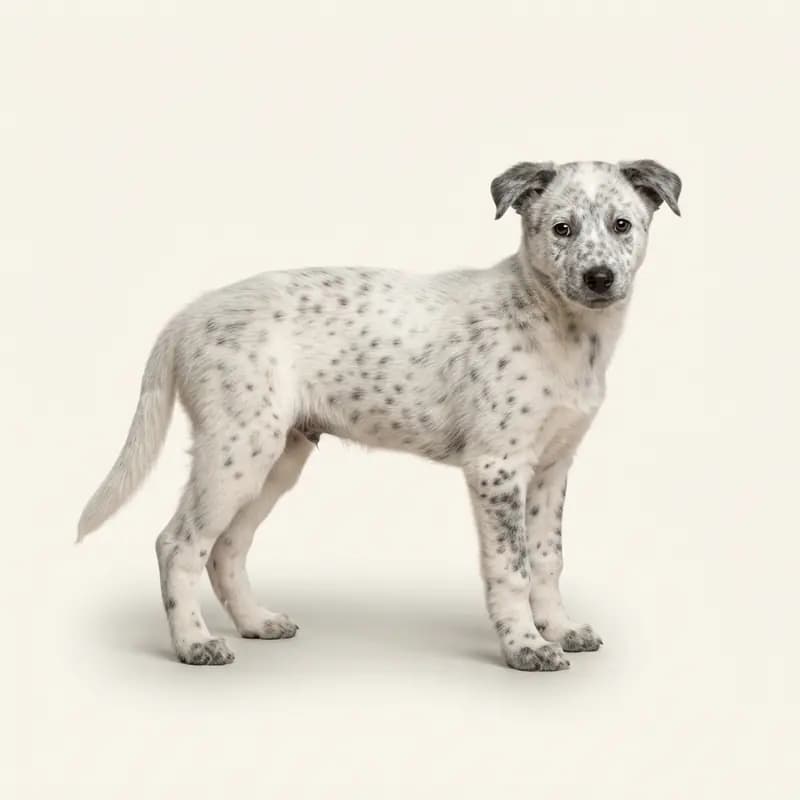
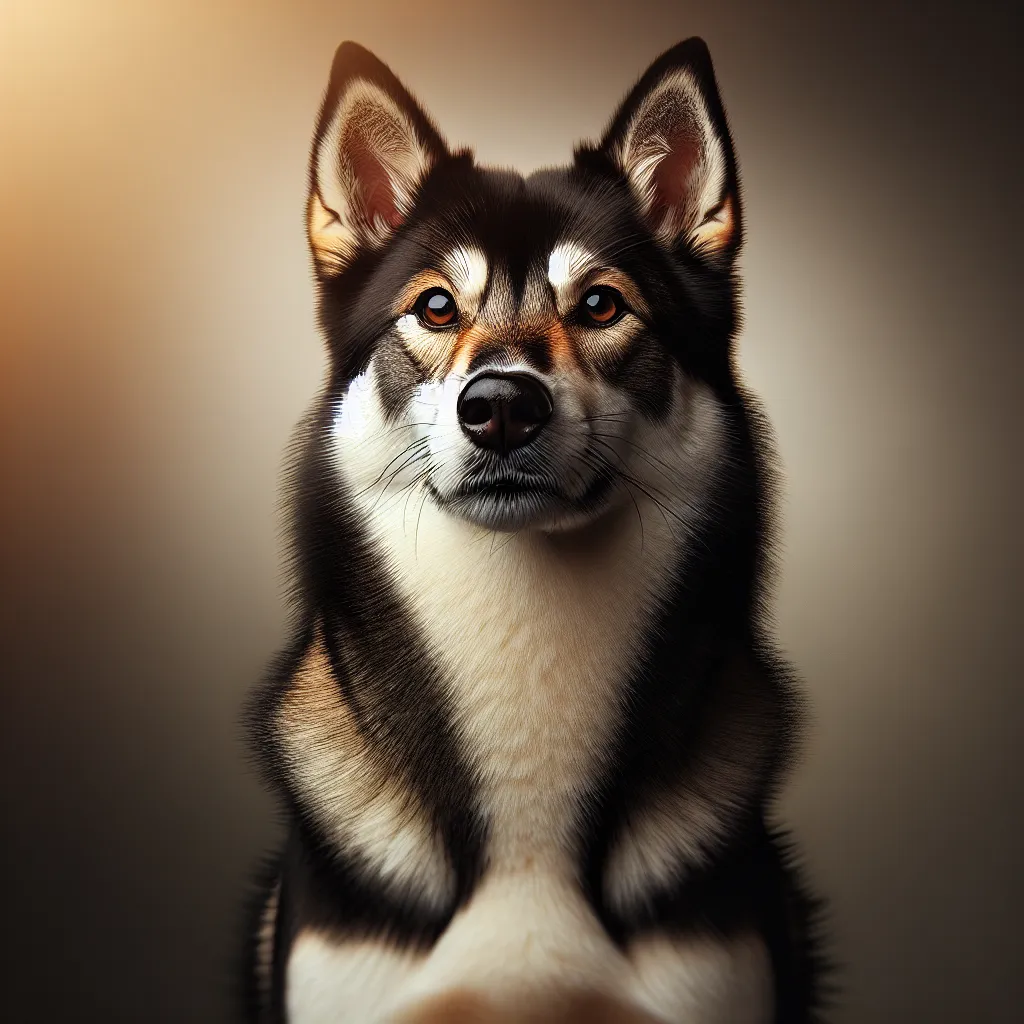 AI-generated image
The East Siberian Laika is a robust, independent Nordic hunting dog—bred to track and hold large game in the unforgiving taiga on its own, signaling its location with a loud bark. It combines extreme stamina with a survival instinct that leaves no room for blind obedience.
How the health grade is calculated
Sources for required breeding screenings. Deutscher Club für Nordische Hunde e.V. (DCNH)
Self-check
Answer 6 quick questions about your everyday life and see how well the East Siberian Laika fits you — including an honest cost estimate per month, per year, and across the dog's lifetime.
Question 1 of 6
Count honestly — the normal day, not the best one.
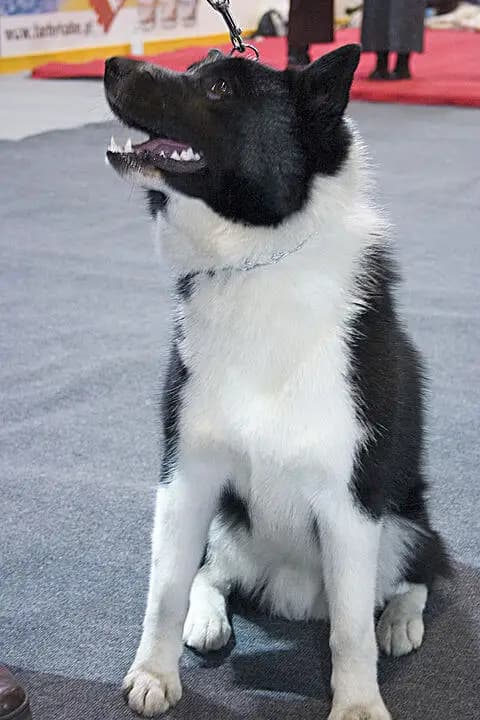
 AI image
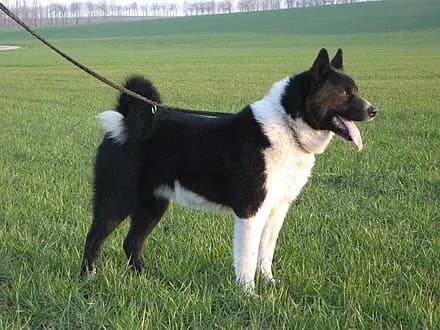
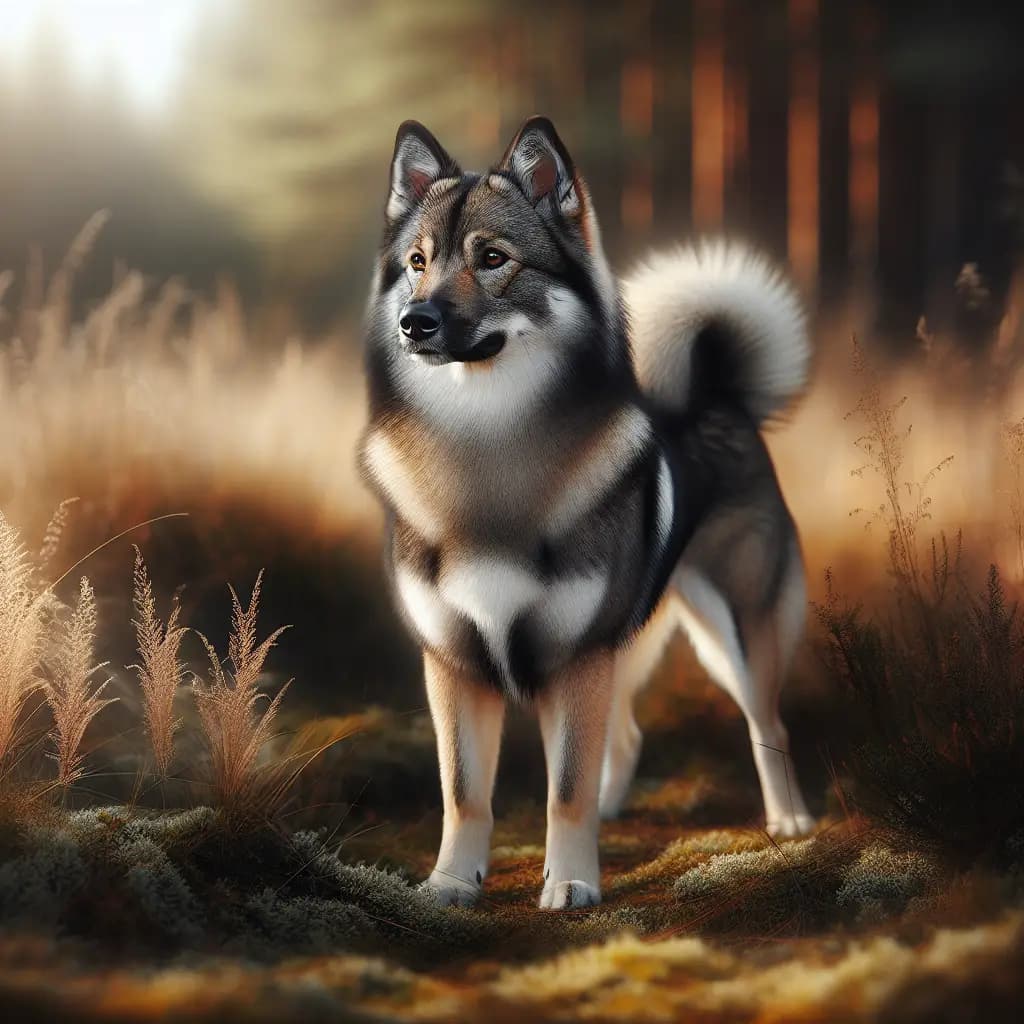 AI image

At a glance
The essentials — key facts, traits, and health priorities — before you dive deeper.
Lifespan
10–15 yrs
Shoulder height
53–64 cm
Weight
18–25 kg
Practical
Temperament
Daily life
What matters most
Especially with a East Siberian Laika, choosing the right breeder is the single most important decision you'll make. Serious breeders consistently test the parents for inherited conditions, prioritize healthy early socialization, and stay accountable long after handover. A cheap puppy without health screening tends to become the most expensive dog later on.
See HonestDog breeder standards →Colors & coat
The coat colors that occur in the East Siberian Laika — including which ones fall outside the breed standard and which carry genetic risk.
Eye colors
 Brown
Coat type
 Double coat
 Medium
The real vibes check
An East Siberian Laika is not a follower of commands, but a business partner on four paws that wants to verify the purpose of a task first. When you are out in the woods, it doesn't work for you, but with you—and only if it accepts you as an absolutely competent partner on equal footing. Those who love this raw, incorruptible wildness will gain an unshakable companion; those looking for a classic companion dog will be completely at their wit's end.
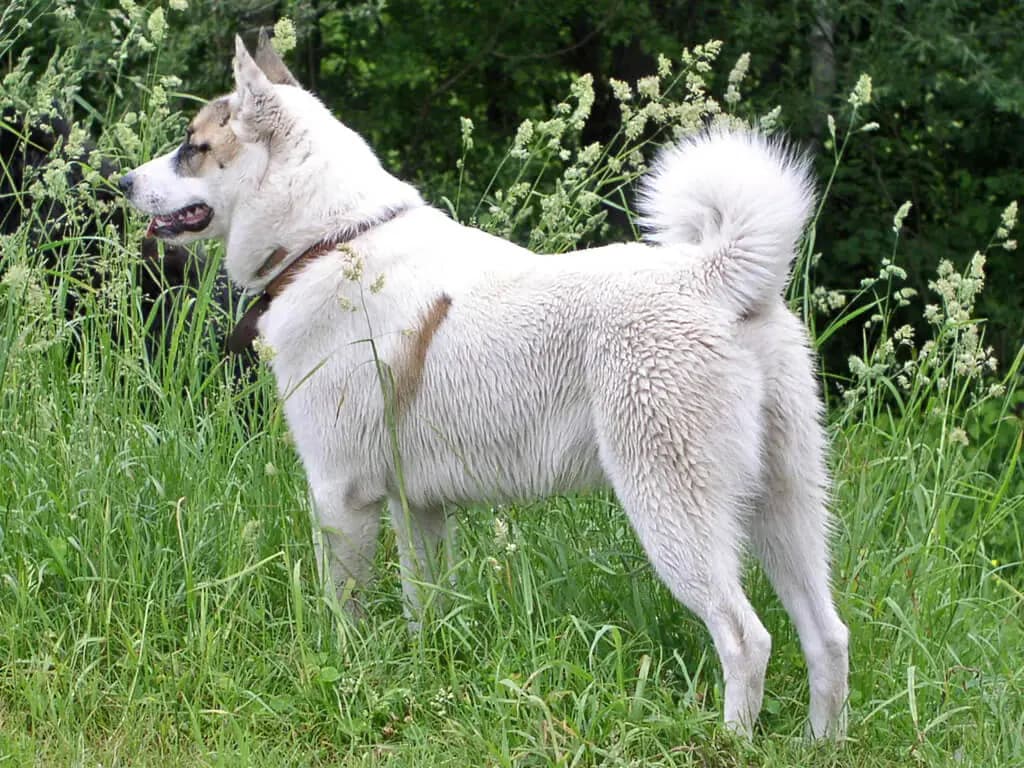
The East Siberian Laika is a versatile and robust dog breed that was originally bred in the forests of Siberia for hunting and herding. It belongs to the Spitz group and is especially valued for its endurance, intelligence, and adaptability. The East Siberian Laika has a compact, muscular body with a dense, weather-resistant coat that protects it from extreme temperatures. Its head is wedge-shaped with erect ears and lively, almond-shaped eyes that emphasize its alertness and vigilance. As with many working dogs, there are differences in breeding lines of the East Siberian Laika that can affect its areas of use and temperament. Overall, it is a loyal, eager-to-learn companion that excels both as a hunting dog and a family dog.
The East Siberian Laika is a versatile and robust dog, distinguished by its close bond with humans and pronounced eagerness to work. Originally bred as a hunting and guard dog, it exhibits strong prey drive and high endurance, making it a reliable partner in demanding environments. Its nature is characterized by alertness and loyalty, while remaining friendly and affectionate towards its family. The East Siberian Laika requires a lot of exercise and mental stimulation to stay balanced. Without sufficient activity, it can become restless or stubborn. It learns quickly and enjoys working with its human, which is why consistent but loving training is important. Compared to the Labrador and German Shepherd, the East Siberian Laika is somewhat more independent and self-reliant, yet also shows a strong bond with its family. It is especially suitable for active people who can offer it diverse tasks, such as hunting, tracking, or dog sports. As a guard dog, it is attentive and displays natural protective behavior without being unnecessarily aggressive. Overall, the East Siberian Laika is an intelligent, eager-to-work, and loyal companion who, with the right support and activity, can be a balanced family member and reliable partner.
| Watchfulness A natural watchdog with real protective instinct. | High |
| Openness to Strangers Careful around unfamiliar people — thaws slowly. | Cautious |
| Hunting or Herding Drive This drive runs deep — no amount of training eliminates it. | Very strong |
Fun Fact!
The East Siberian Laika is a true all-rounder from the vastness of Siberia: With its dense coat, it defies icy temperatures, while its pointed ears and pronounced hunting instinct make it the perfect companion for the wilderness – almost as versatile as a Labrador in the water and as clever as a German Shepherd in action!
The East Siberian Laika is a robust and hardworking dog from the Siberian forests. It is characterized by its endurance and adaptability and is traditionally used as a hunting and guard dog. These dogs are intelligent, alert, and require consistent but loving training. The East Siberian Laika is a loyal companion, well suited for active families who can provide it with sufficient activity.
East Siberian Laikas are robust and versatile dogs originally bred for hunting and working in harsh climates. They are very loyal and alert, yet at the same time show a friendly and balanced nature towards their family. These dogs require a lot of exercise and mental stimulation to remain balanced and content. Due to their strong hunting drive and independence, they are more suitable for experienced owners who can provide clear leadership and consistent training. When dealing with children, East Siberian Laikas are usually patient and friendly but should always be supervised, especially with small children. They can get along well with other dogs if socialized early, but are not always compatible with smaller pets due to their pronounced prey drive. Overall, they are ideal companions for active people who spend a lot of time outdoors and can offer their dog a meaningful task.
Gets on well with different people and varying routines.
Gets on well with children — with adult supervision.
Usually gets on fine with other dogs.
Suffers in tight urban conditions.
Owning a dog is a privilege, but it's also a real responsibility. Before you bring one into your life, be honest with yourself about the commitment it takes.
The East Siberian Laika is an intelligent and hardworking dog that requires clear and consistent leadership. Similar to the Labrador and German Shepherd, it is important to channel its natural hunting and working drive in a meaningful way. The Laika loves to be challenged, whether through retrieving games, search tasks, or other active activities that engage its mind and body. Training should be varied and positive to maintain motivation. Frustration tolerance is also a key point here, as the Laika can be independent and sometimes stubborn. Early socialization and building a trusting bond are crucial to channel its protective instinct and independence into orderly paths. The East Siberian Laika is well suited for dog sports such as obedience, mantrailing, or tracking work, where it can use its natural abilities. It is important not to overwhelm it but also to allow rest periods so that it remains balanced. Overall, the East Siberian Laika requires dedicated training with a lot of patience and consistency. Those willing to invest time and energy will gain a loyal, versatile, and hardworking companion who wants to be physically and mentally engaged.
The East Siberian Laika requires a balanced diet rich in high-quality proteins to support its active and robust nature. Make sure the food contains all essential nutrients and adjust the amount of food according to your dog's activity level to avoid overweight. Its dense, weather-resistant coat with thick underfur protects it excellently from the cold, which is why it is particularly well suited for cold climates. Nevertheless, the coat should be brushed regularly, at least 2-3 times a week, to remove loose hairs and prevent matting. During the shedding season in spring and autumn, East Siberian Laikas shed more heavily, so more frequent brushing is recommended then. The East Siberian Laika is accustomed to the harsh climate but also copes well with moderate temperatures. In heat, make sure your dog has enough shade and water to avoid overheating. Regular exercise and mental stimulation are important to satisfy its natural hunting and working drive.
| Care Level Regular brushing and occasional professional grooming. | Moderate |
| Exercise Needs Needs several hours of serious exercise every day. | Very active |
| Shedding Regular shedding — dog hair on clothes is now normal. | Moderate |
| Trainability Has its own ideas and will test limits. | Strong-willed |
Our experts are still reviewing this information. Spotted something wrong? Email us at info@honestdog.de.
Every puppy that finds a home through HonestDog should start with 30 days of free insurance cover, for a stress-free start. We're currently looking for the right insurance partner.
Solid, watch carefully
Health grade
In the East Siberian Laika, health risks primarily involve joint disorders such as hip dysplasia (HD) as well as various eye diseases, including primary lens luxation (PLL), cataract, and progressive retinal atrophy. For breeding approval, the Deutscher Club für Nordische Hunde e.V. (DCNH) mandatorily prescribes radiographic screening for hip dysplasia (HD) as well as an ophthalmological eye examination. Responsible breeders additionally test parent animals for degenerative myelopathy and specific eye conditions such as primary open-angle glaucoma. Before buying a puppy, have the breeder show you the official test results for hip dysplasia (HD) – maximum HD C, provided the mate is HD A or B – and proof of a current ophthalmological eye exam with the status 'clear'.
Grade is relative to other breeds — AI-assisted and editorially reviewed.
Methodology and data: HonestDog Dog Breed Health Report 2026
What matters most for this breed
Tap any item to see details.
In daily life this can mean
With joint-friendly rearing and regular eye exams, your dog will usually remain active and resilient well into old age.
The breeder's role
Responsible breeders mandatorily test for hip dysplasia (HD) and have eye problems examined, complemented by genetic tests for degenerative myelopathy and primary lens luxation (PLL).
Note: This health overview is AI-assisted and editorially reviewed. It is for orientation only and does not replace veterinary advice.
What matters most for this breed — what's common, how much it affects the dog's life, and how to protect yourself as a buyer.
Tap a body region to see the inherited conditions linked to it.
The three most important risks
Pick a region on the map to explore other areas.
Tier 1 is the core standard: the tests Deutscher Club für Nordische Hunde e.V. (DCNH) requires, plus further tests from the recommended health standard for this breed. Tiers 2 and 3 show how responsible breeders go beyond.
Core standard. Tests marked “Club standard” are required by Deutscher Club für Nordische Hunde e.V. (DCNH) for breeding approval; the others are part of the recommended health standard for this breed. Ask any reputable breeder for the results.
No entries in this tier.
Note: This health overview is AI-assisted and editorially reviewed. It is for orientation only and does not replace veterinary advice.
A East Siberian Laika costs around ~€180 per month (€100 – €340, depending on your setup). The first year adds up to roughly ~€5,430 including purchase, equipment and puppy school; across the dog's life (12.5 years) it comes to about ~€30,670.
With surgery cover, running costs come to about ~€180 per month — in return, your share of a major operation drops from several thousand euros to around 20 percent.
Per month
~€180
In the first year
~€5,430
Across the dog's life
~€30,670
Estimated purchase price from a breeder: €1,800 – €3,000
Estimate at a mid-range setup (suburban, dry food, 1–2 hours of daily exercise), average German prices, as of July 2026.
HonestDog Concierge
We currently have no breeders for this breed who have passed our verification. Create your short buyer profile: we'll set up your search alert, review a possible source and email you within 28 days.
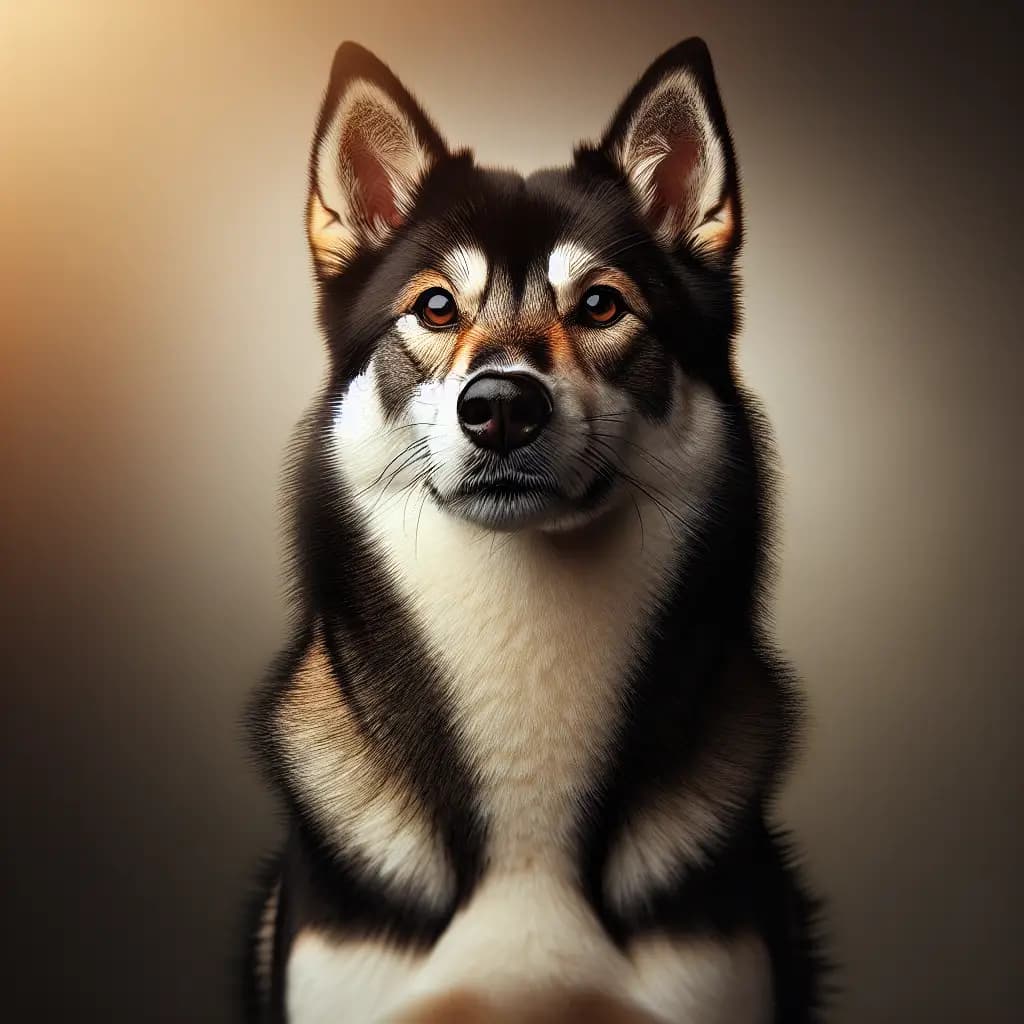 Illustrative image
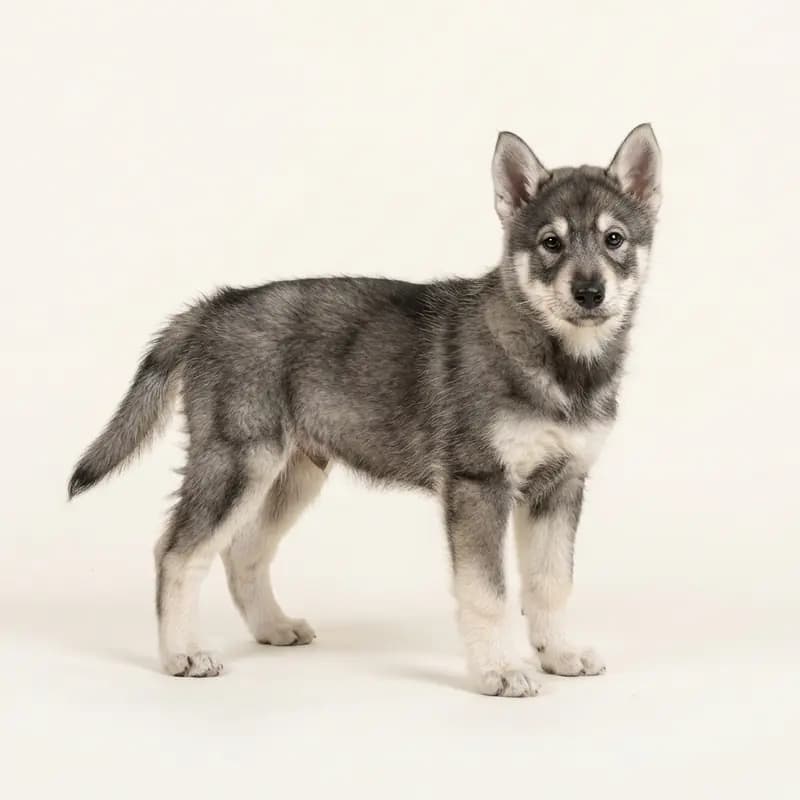 Illustrative image
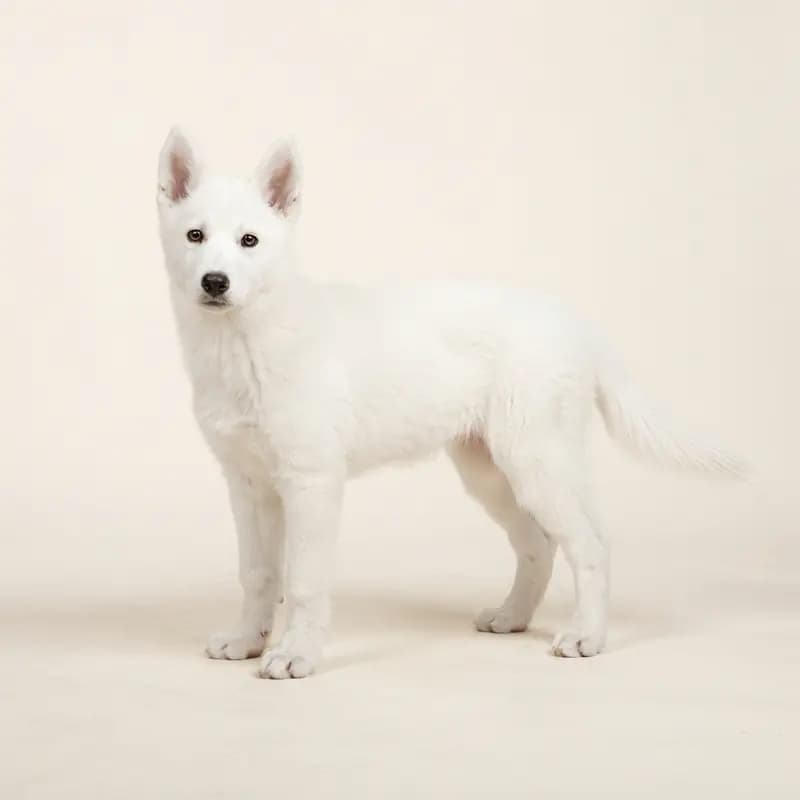 Illustrative image
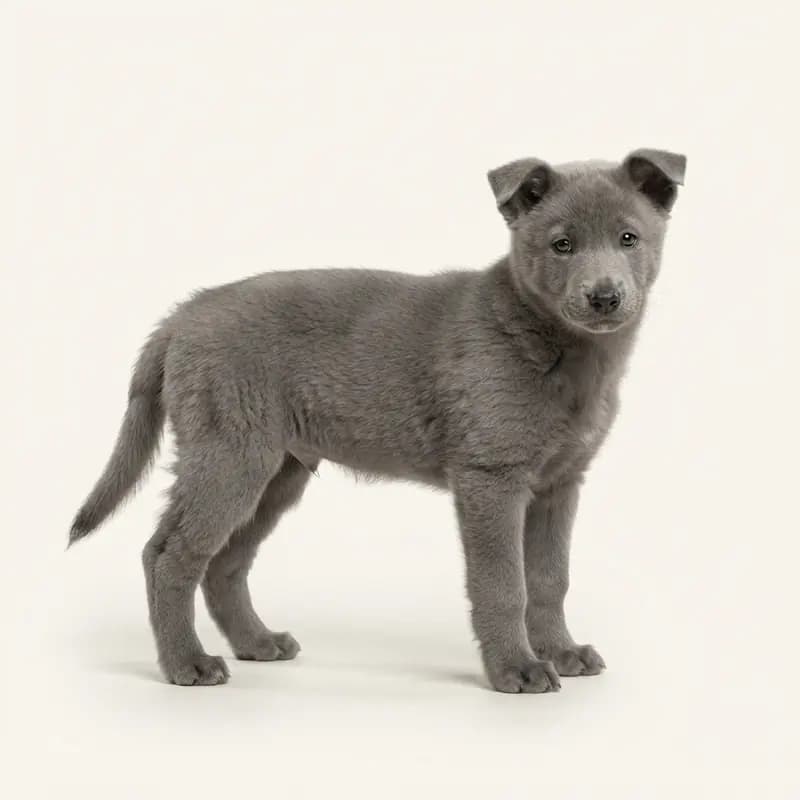 Illustrative image
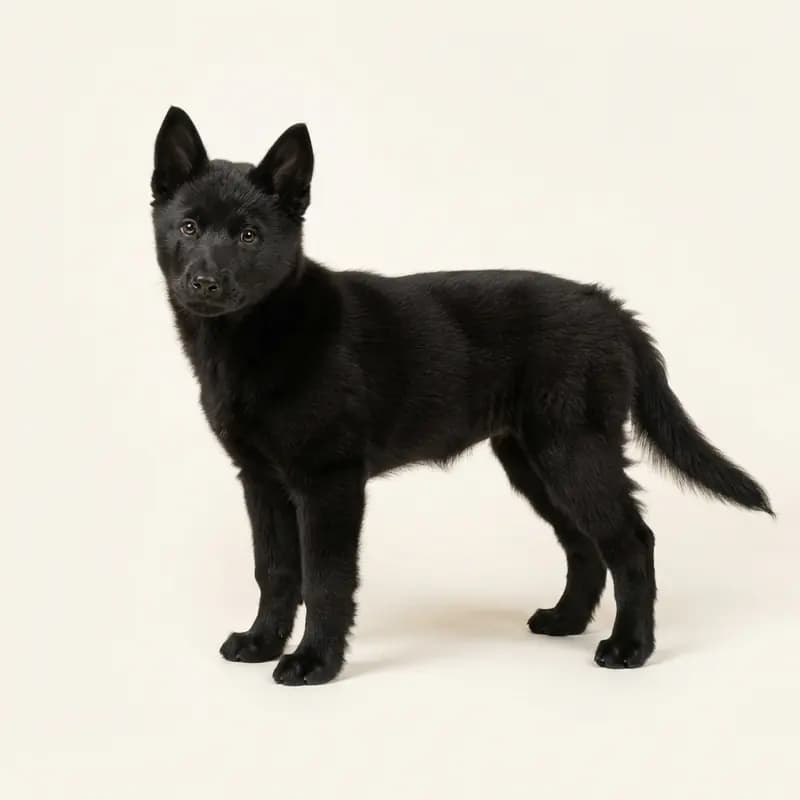 Illustrative image
The history of the East Siberian Laika begins in the vast, harsh regions of East Siberia, where indigenous peoples have been breeding robust and versatile hunting dogs for centuries. These dogs were specifically used for hunting game such as moose, bears, and birds, and were characterized by their endurance, intelligence, and adaptability to extreme climatic conditions. In the 20th century, the East Siberian Laika was systematically developed further through breeding to preserve its hunting abilities and temperament. Today, it is regarded as a versatile hunting and companion dog, appreciated both in its homeland and internationally.
Original Use
The East Siberian Laïka was bred in Siberian regions as a hunting dog for large game species such as bears and elk.
Origin
Russia
Date
1900
The average life expectancy of a East Siberian Laika is 10-15 years.
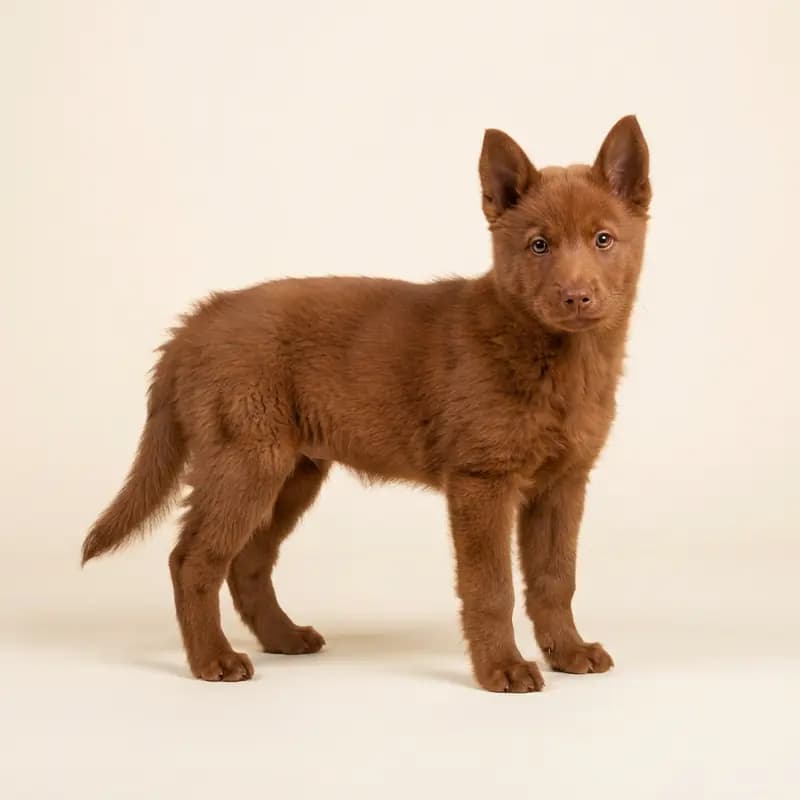
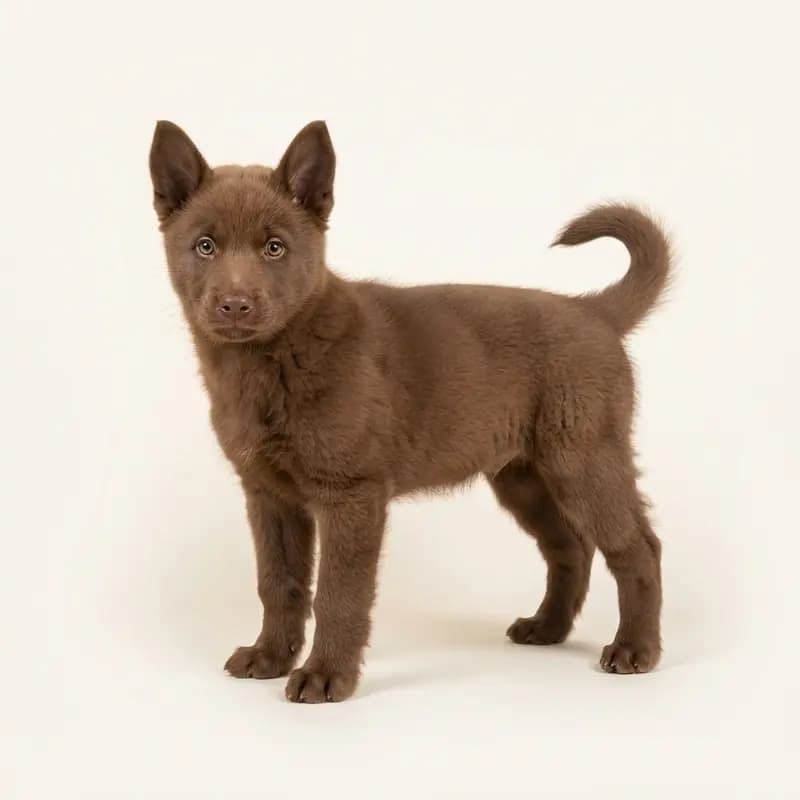
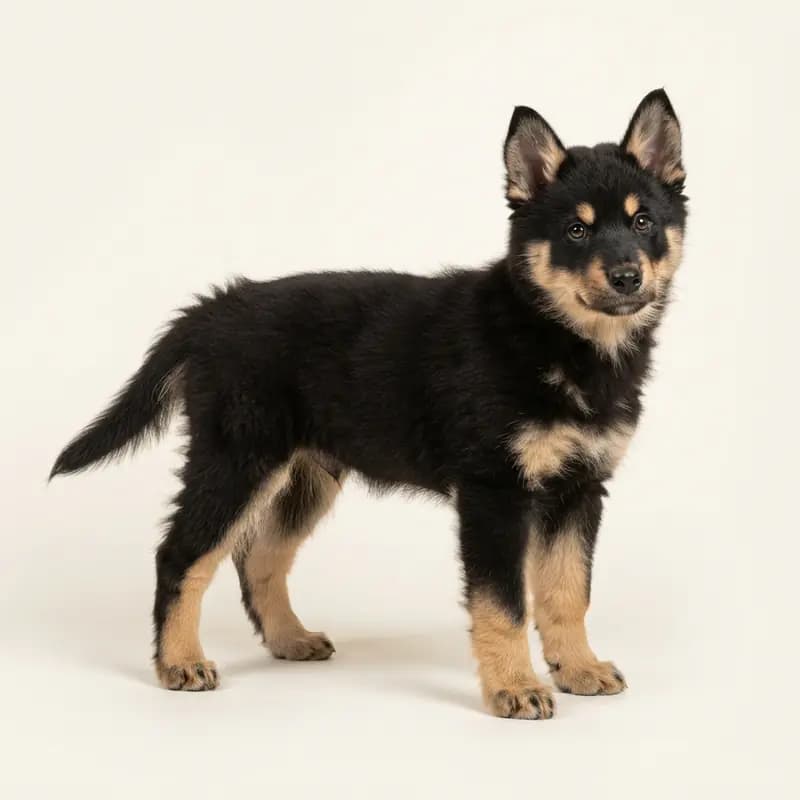
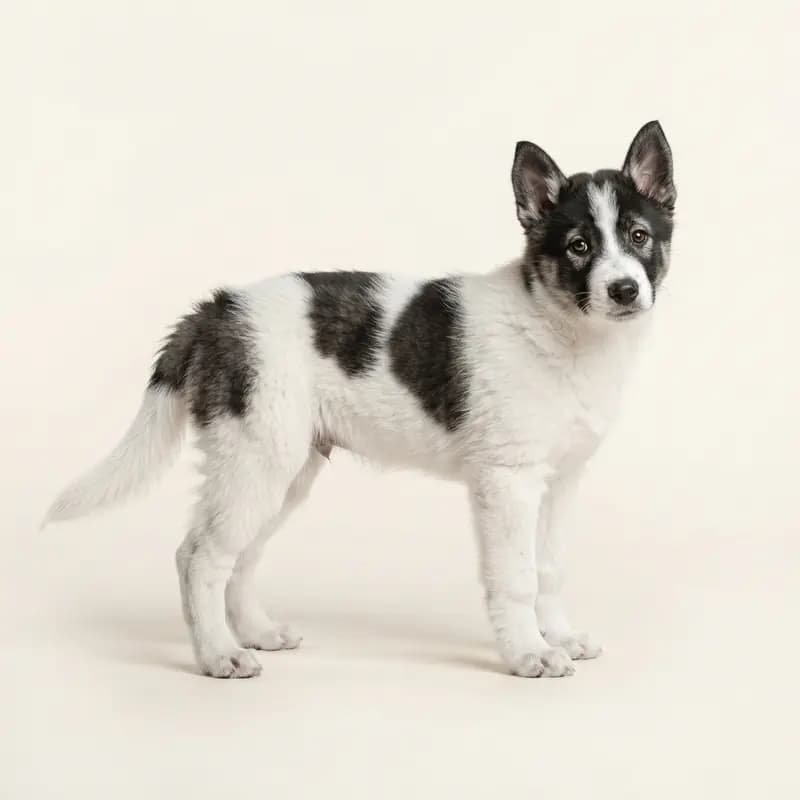
The East Siberian Laika comes in these colors: Salt and pepper, White, Grey, Black, Red, Brown, Black and tan, Piebald, Spotted.
Showcase your kennel on HonestDog and reach families searching for a responsibly bred East Siberian Laika.