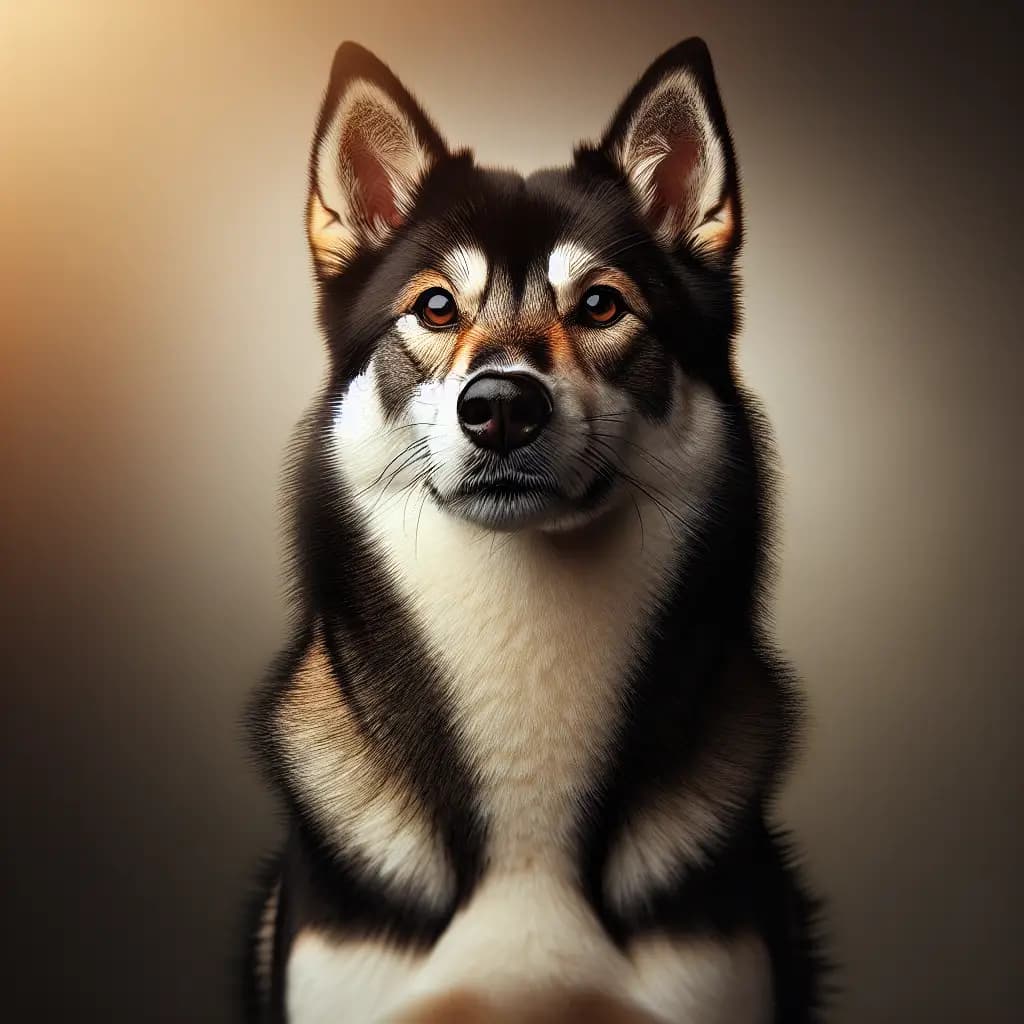
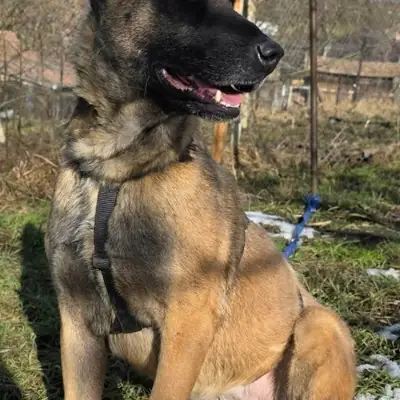
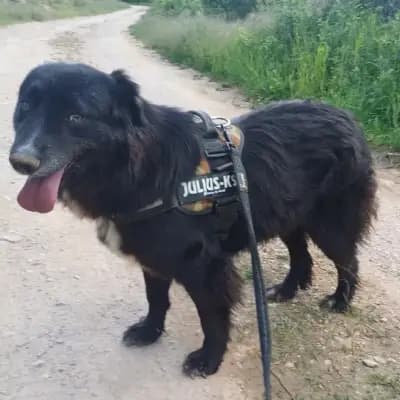
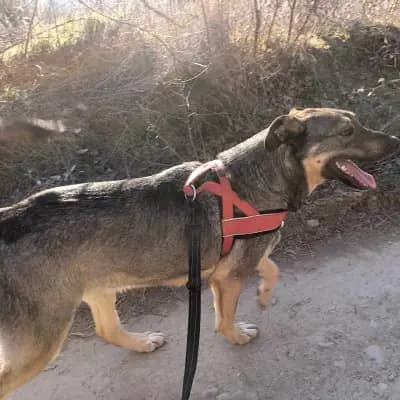
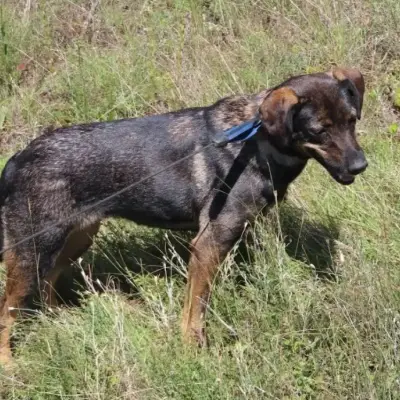
If you take in an adult Laika, you get a dog with a distinct personality. He is friendly and strongly bonded with his people, but, as is typical of the breed, wary of strangers. He usually gets on well to moderately well with children and other dogs, but needs clear places to retreat to and confident leadership.
In terms of health, the East Siberian Laika is considered very robust, but occasionally has breed-typical issues affecting the joints and eyes. Health-focused breeders (for example in the Deutscher Club für Nordische Hunde e.V.) X-ray their breeding dogs for hip dysplasia (HD), carry out comprehensive ophthalmological eye examinations (including for cataract, generalised PRA, glaucoma, entropion/ectropion and corneal dystrophy) and use DNA tests for degenerative myelopathy and primary lens luxation (PLL) to reduce the risk for the offspring. With rescue dogs, however, the genetic background is often unknown. Ask the shelter to show you all the available results, and make firm plans for regular eye checks and exercise that is gentle on the joints.