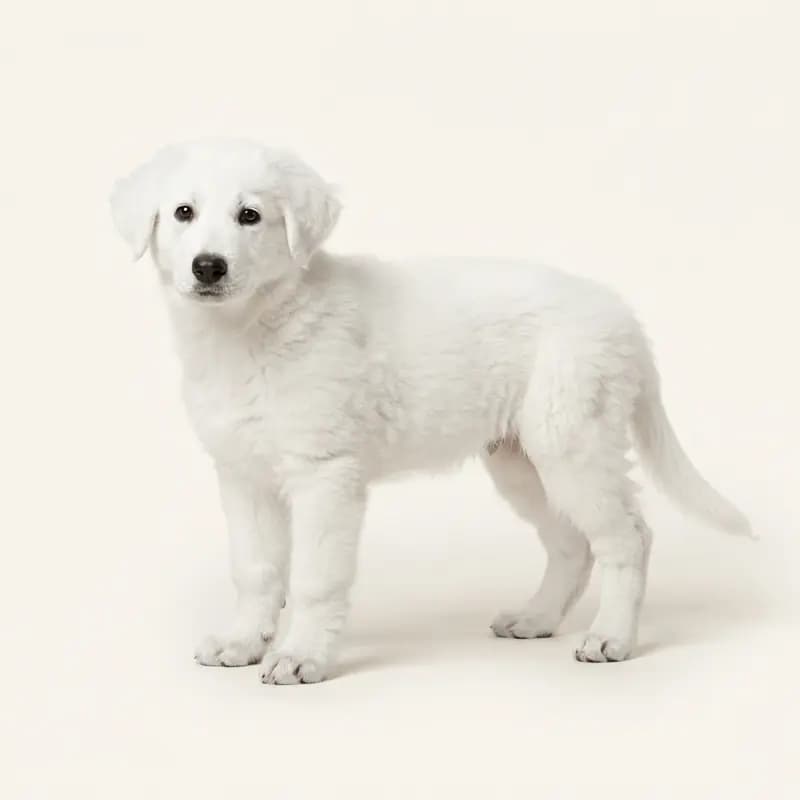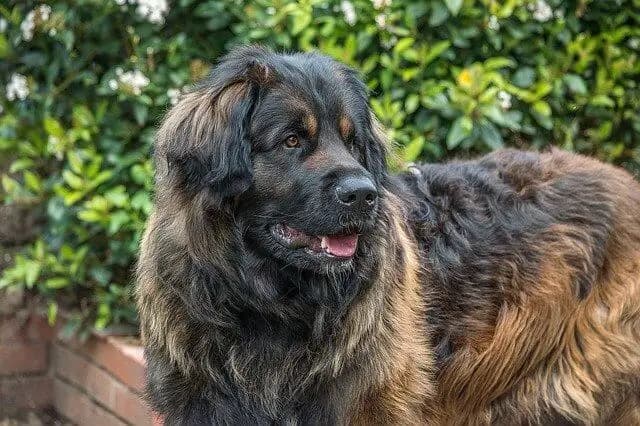
LeonbergerSame FCI section
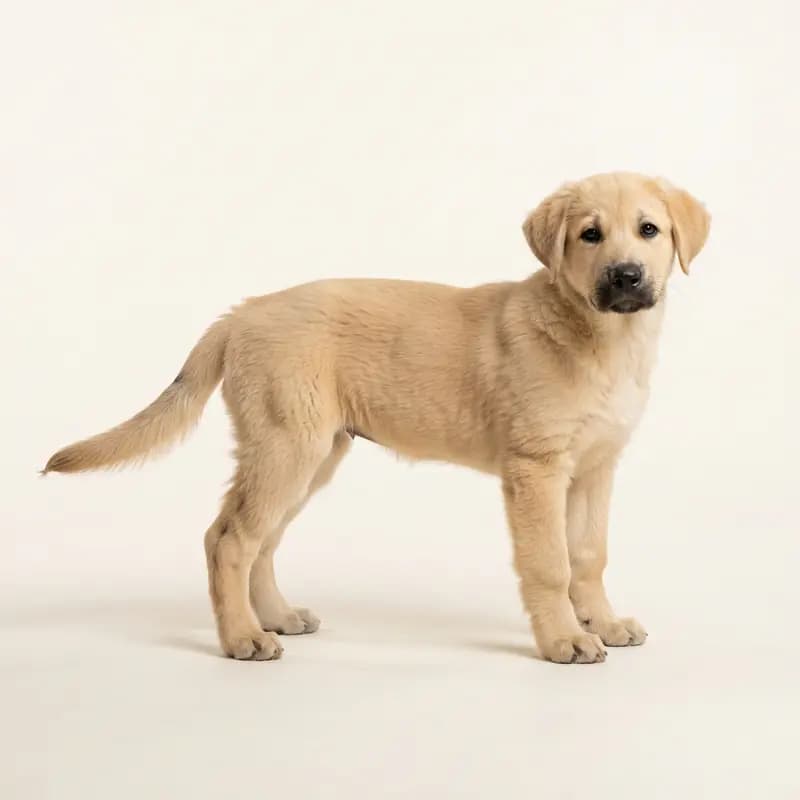
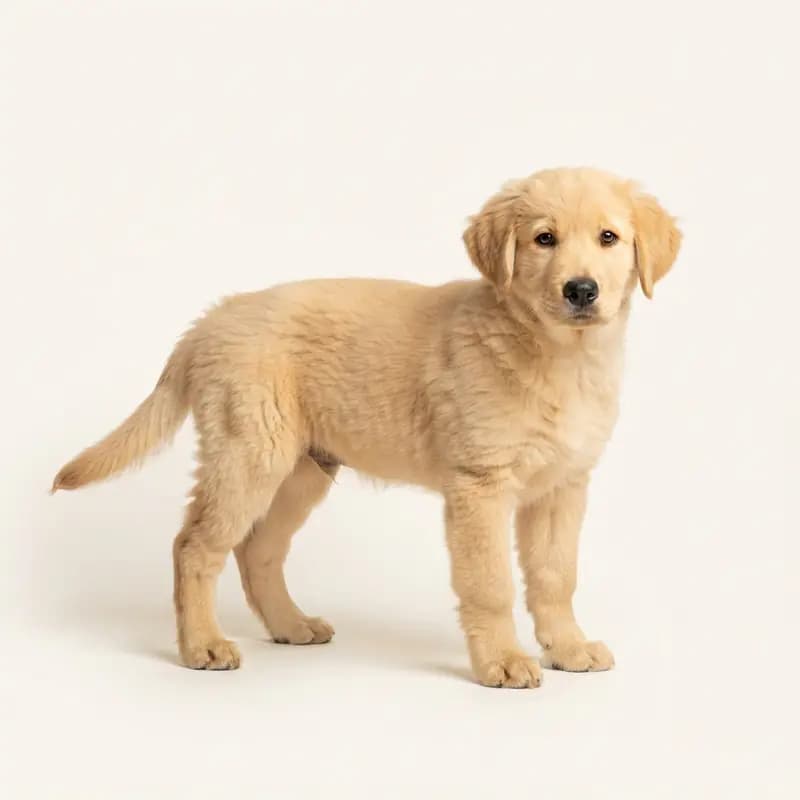
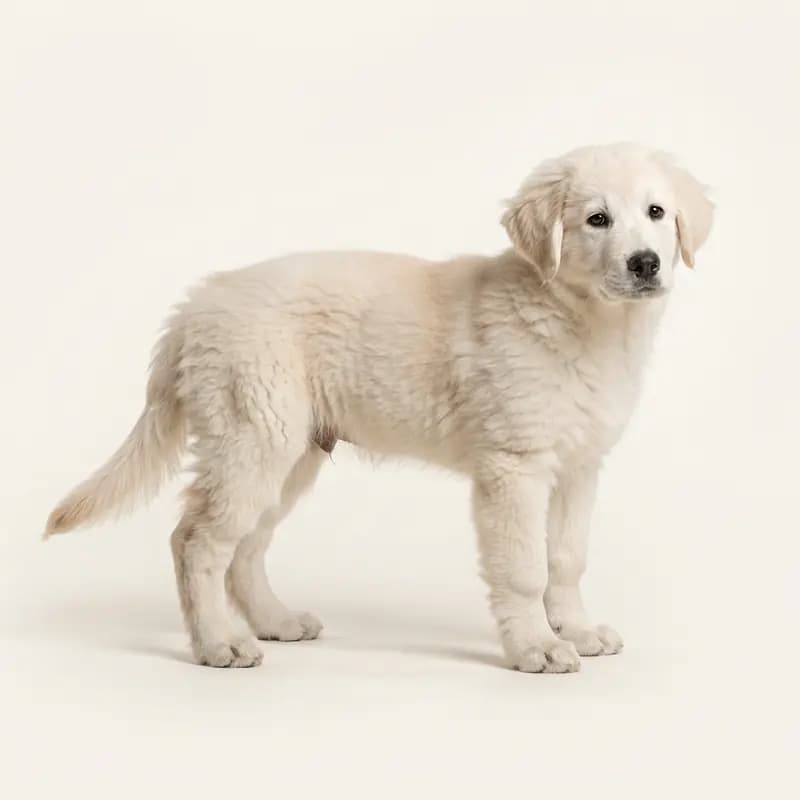
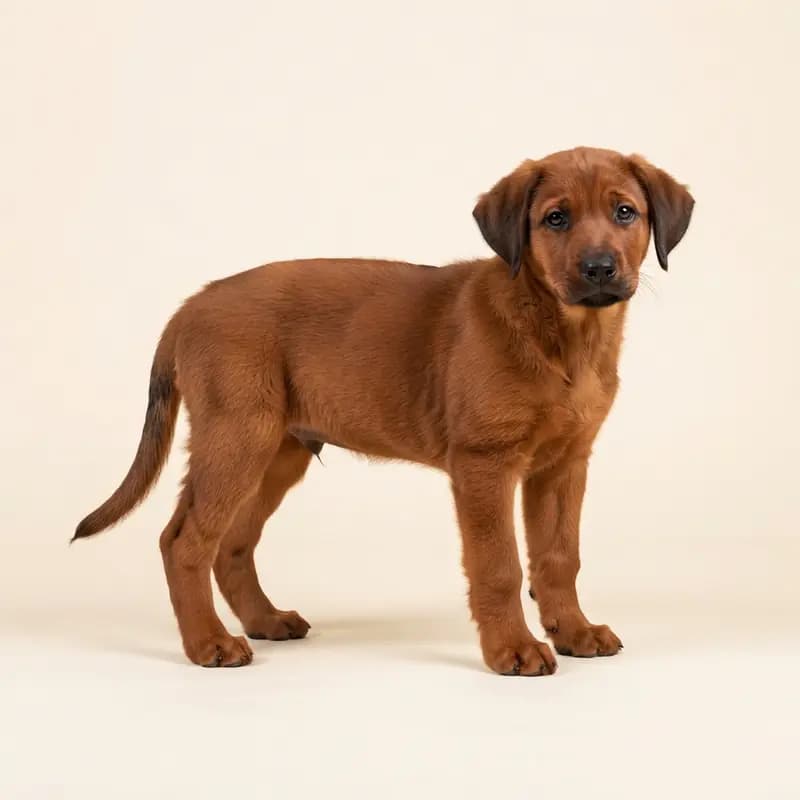
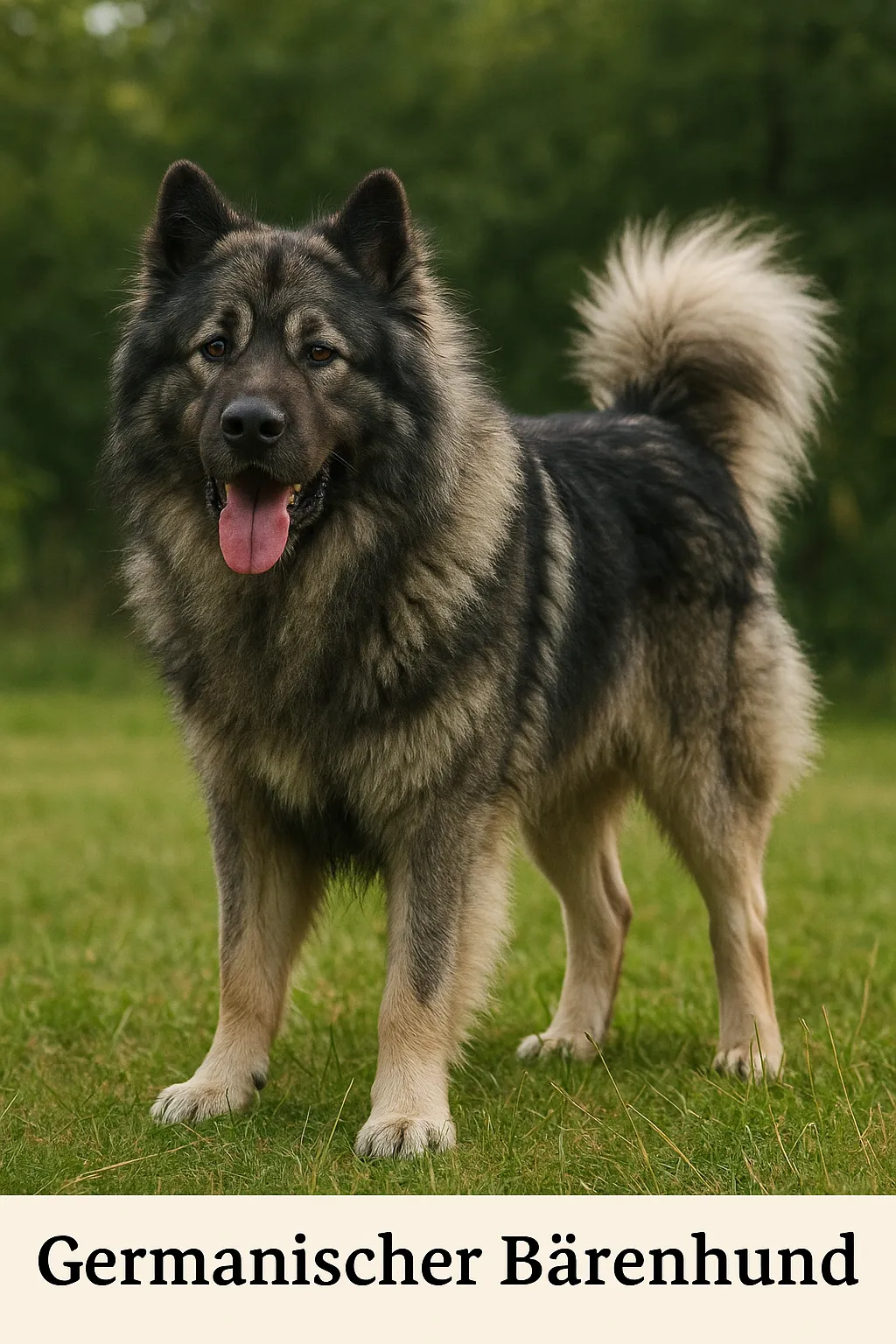 AI-generated image
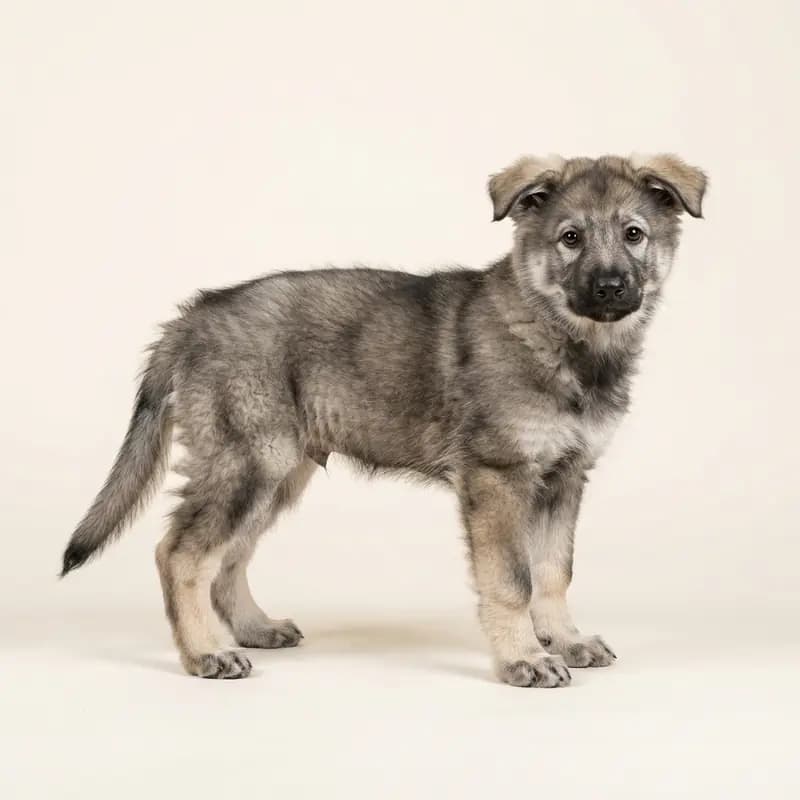
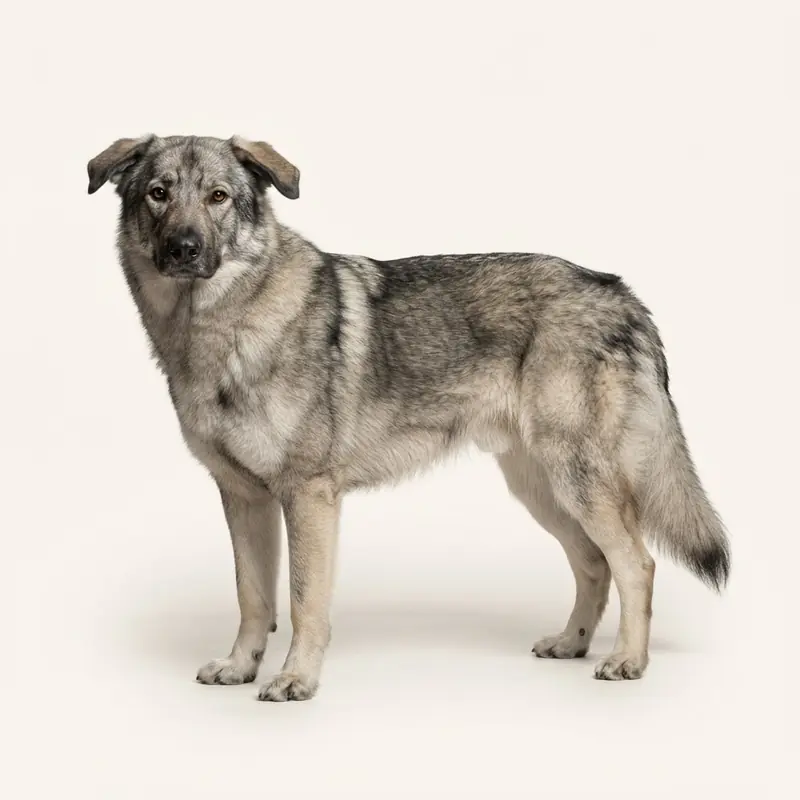
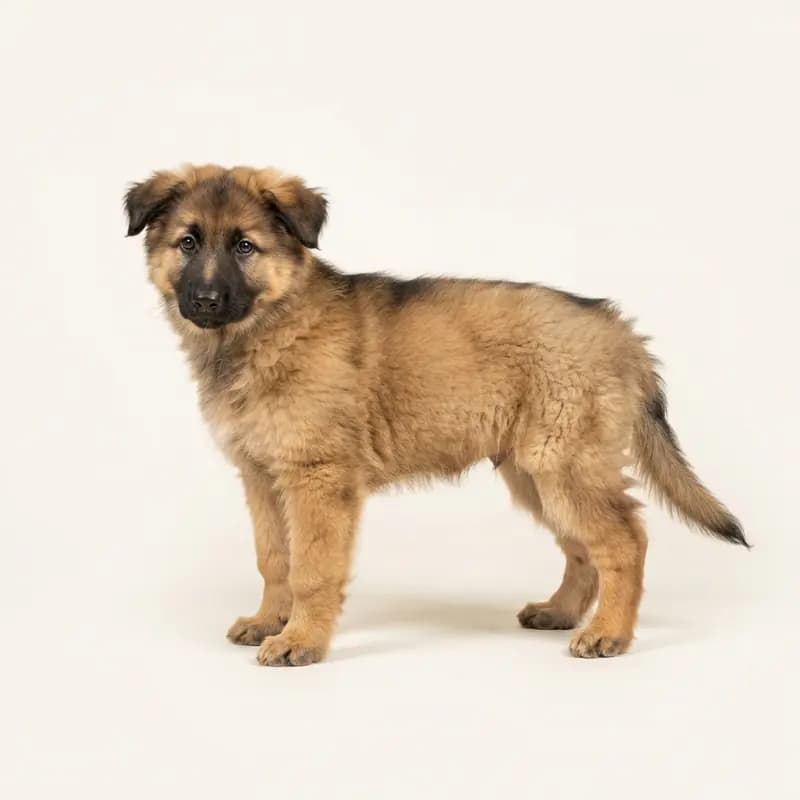
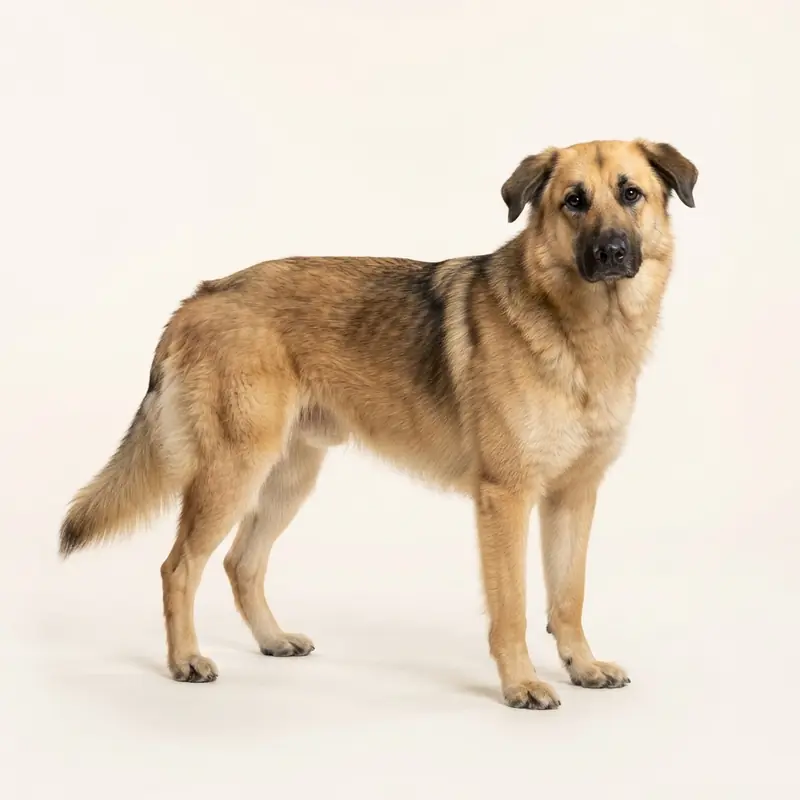
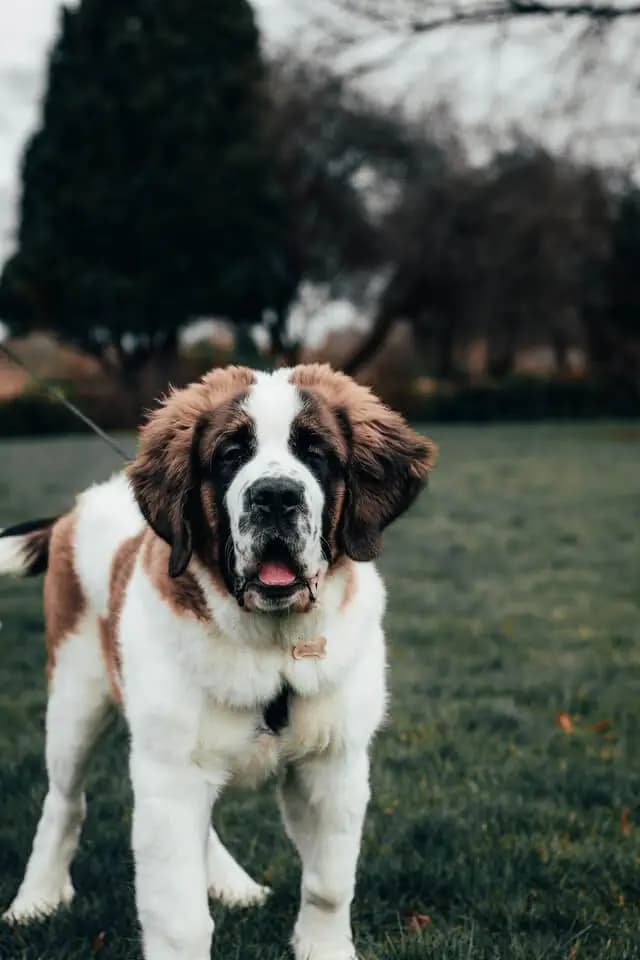
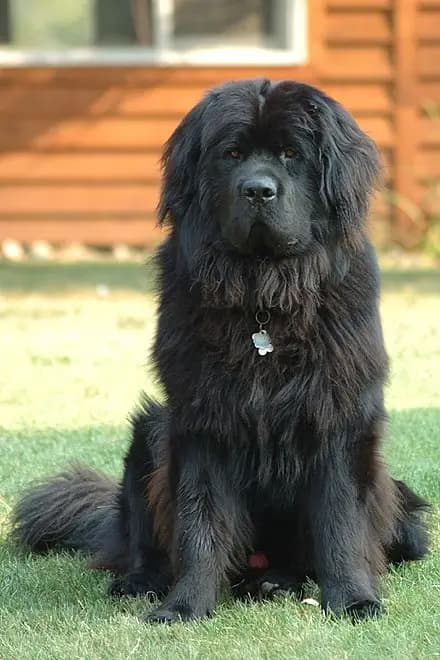
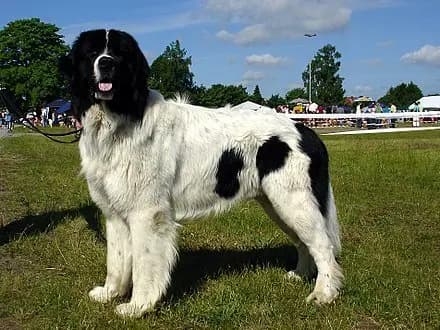
The Germanischer Bärenhund is a massive, calm giant—an imposing, self-reliant guardian bred from livestock guardian dogs and Molossers to protect home and hearth through sheer presence and independent decision-making.
Self-check
Answer 6 quick questions about your everyday life and see how well the Germanic Bear Dog fits you — including an honest cost estimate per month, per year, and across the dog's lifetime.
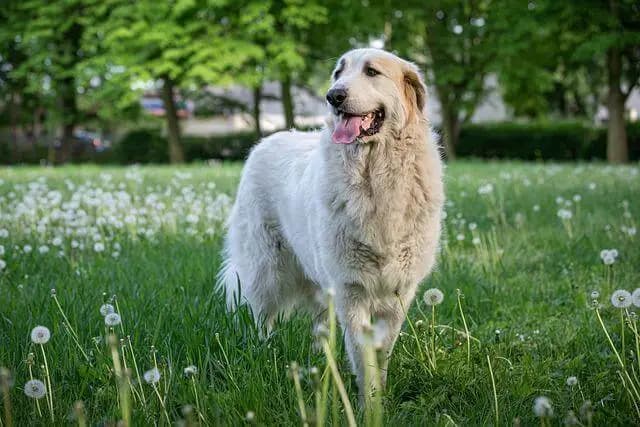
At a glance
The essentials — key facts, traits, and health priorities — before you dive deeper.
Lifespan
9–12 yrs
Shoulder height
65–85 cm
Weight
50–85 kg
Practical
Temperament
Daily life
What matters most
Especially with a Germanic Bear Dog, choosing the right breeder is the single most important decision you'll make. Serious breeders consistently test the parents for inherited conditions, prioritize healthy early socialization, and stay accountable long after handover. A cheap puppy without health screening tends to become the most expensive dog later on.
See HonestDog breeder standards →Colors & coat
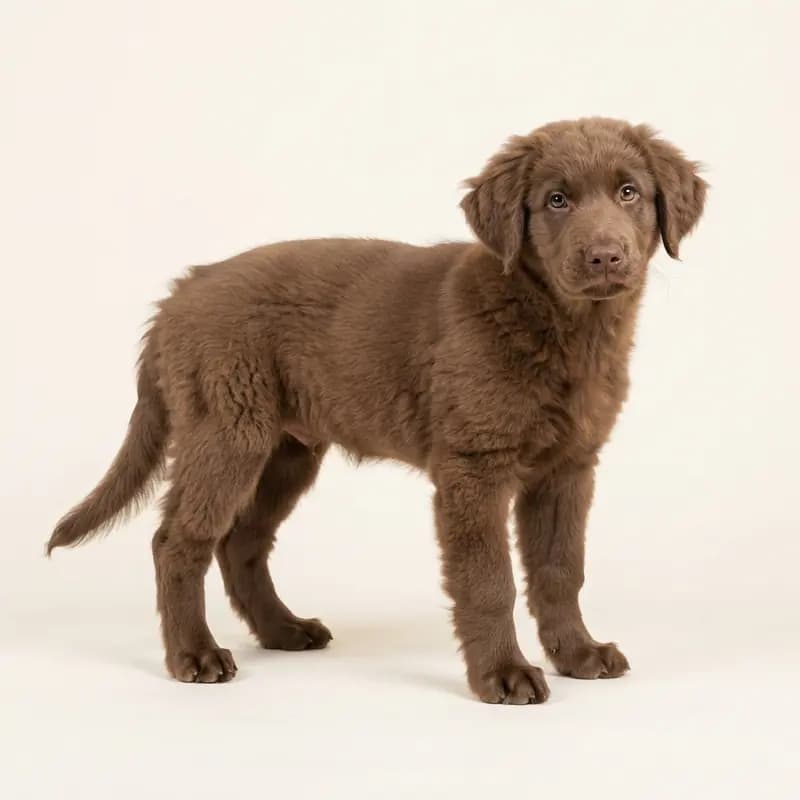
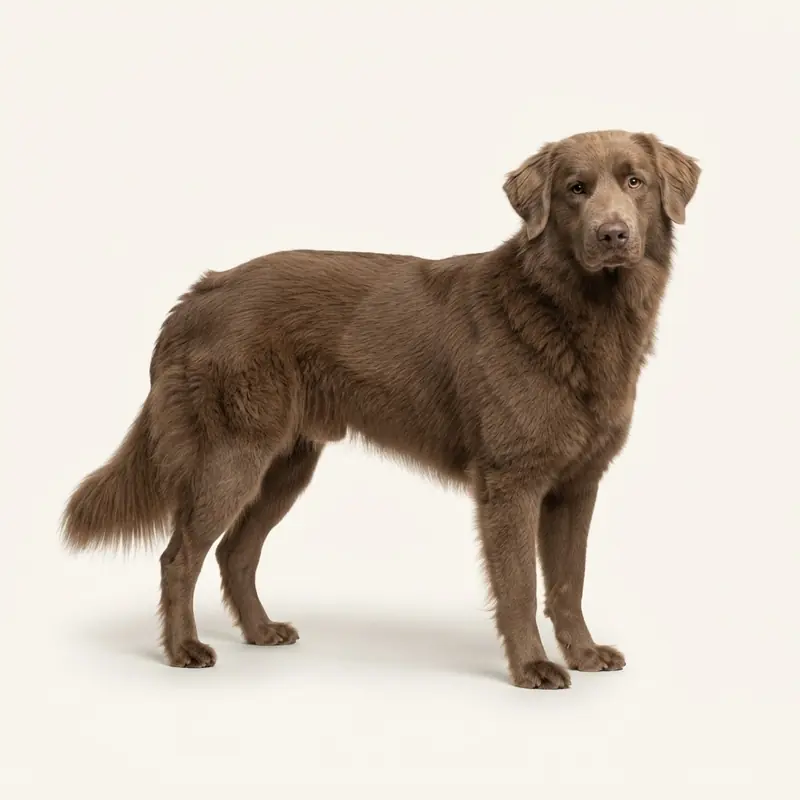
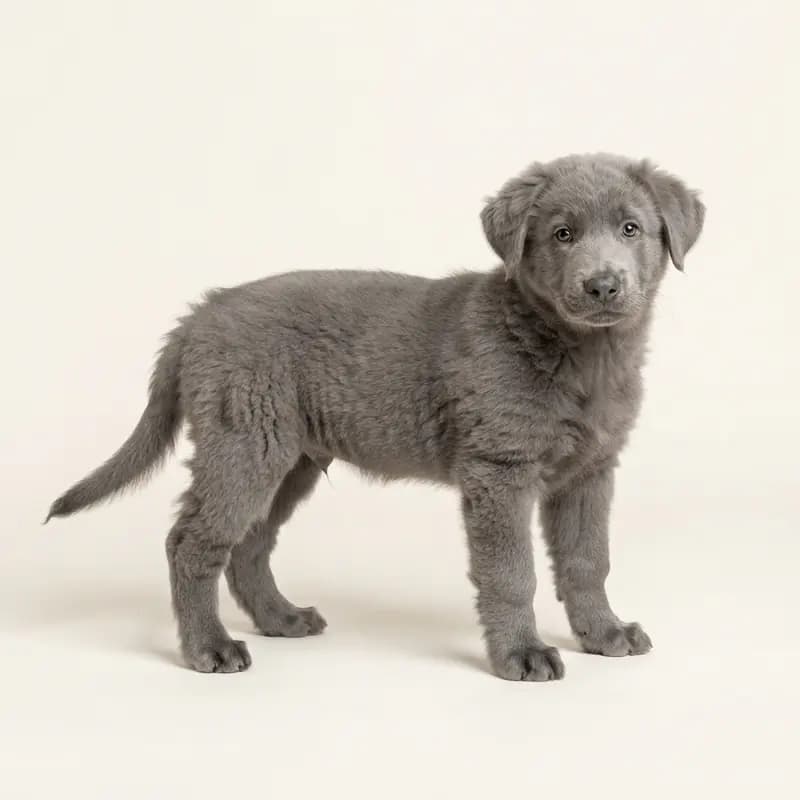
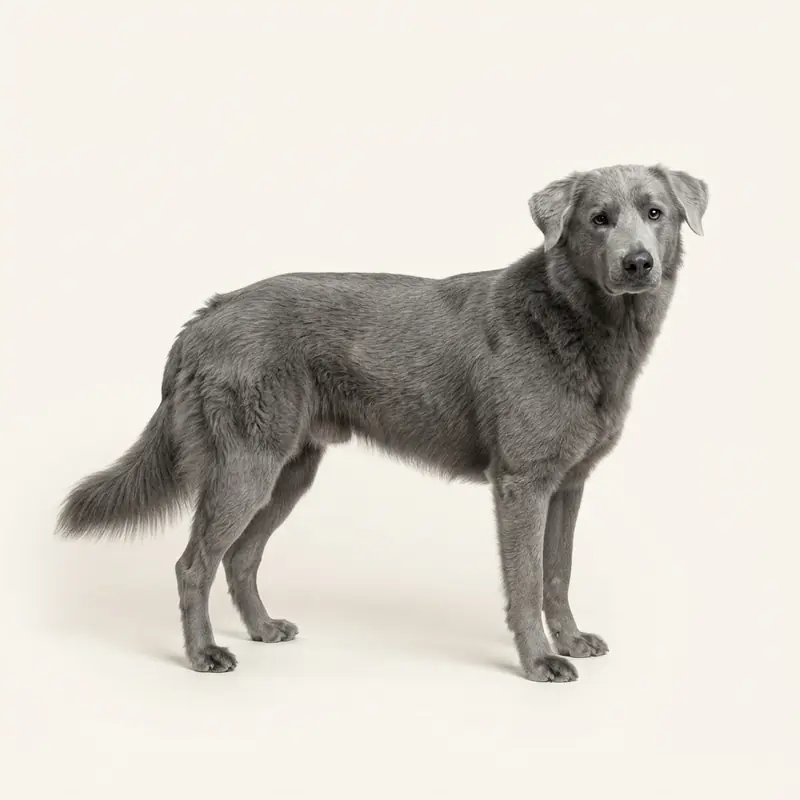
The coat colors that occur in the Germanic Bear Dog — including which ones fall outside the breed standard and which carry genetic risk.
Eye colors
 Brown
 Amber
Coat type
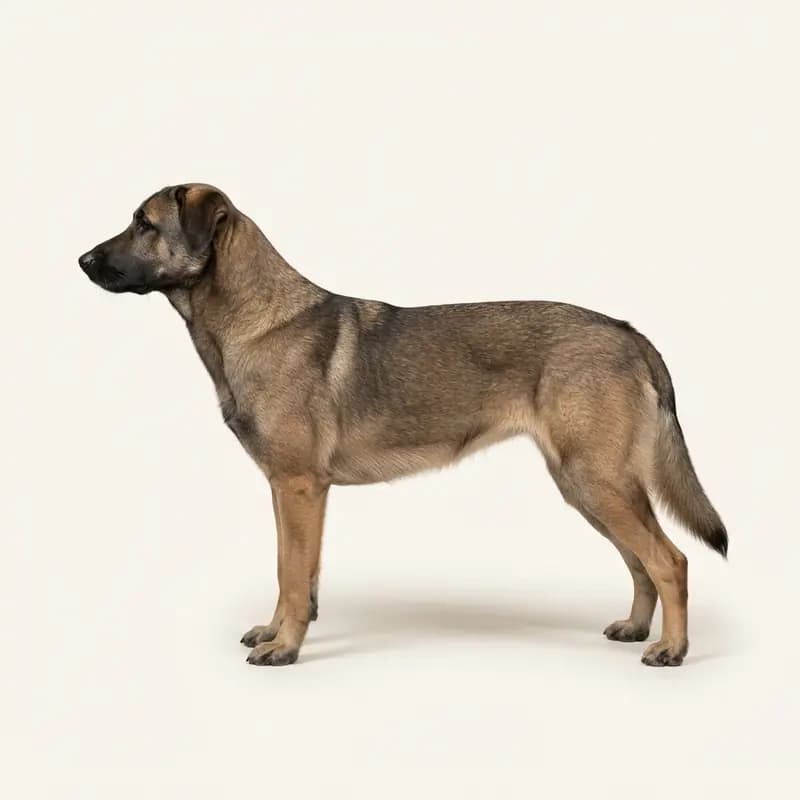 Illustrative image
Short
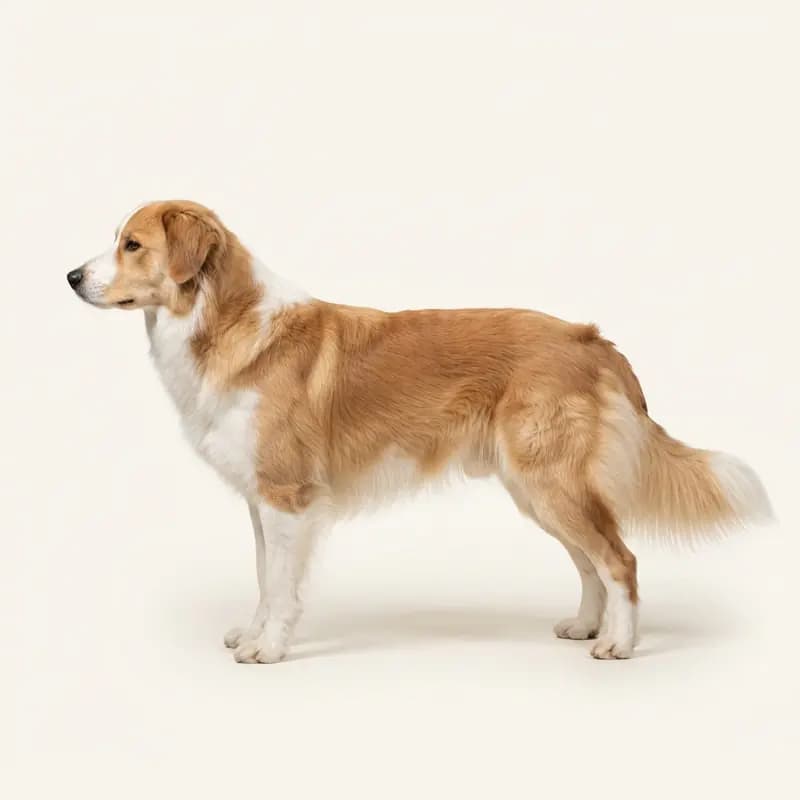 Illustrative image
Medium
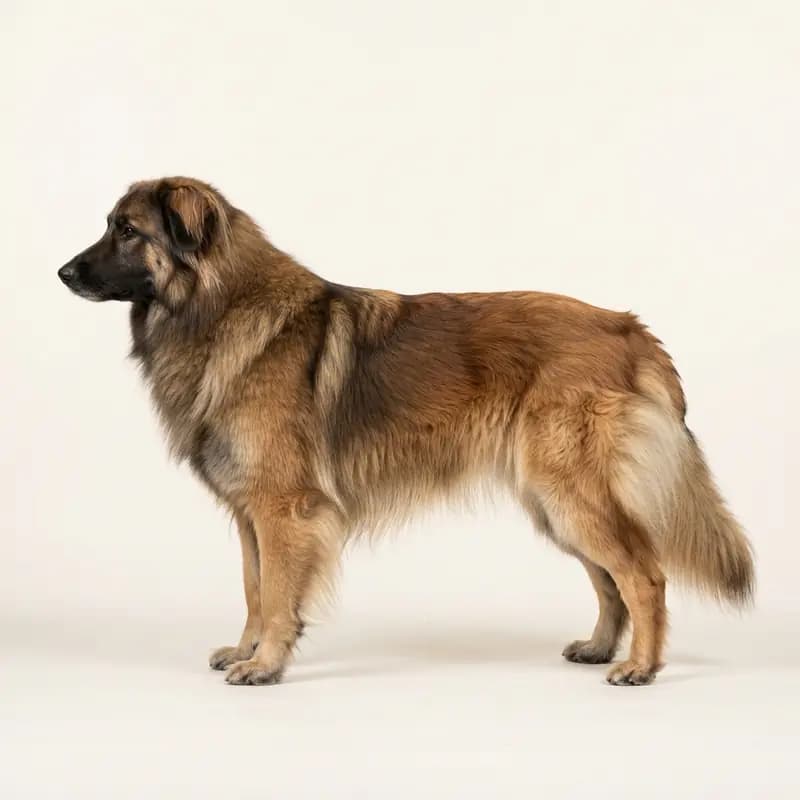 Illustrative image
Long
 Smooth
 Double coat
The real vibes check
A Germanischer Bärenhund is like a silent bouncer at an exclusive club—he doesn't make noise, but his mere presence and deep gaze set the tone. You aren't getting a dog that reads your every wish, but an independent guardian who will only follow you if he truly respects you as a leader.
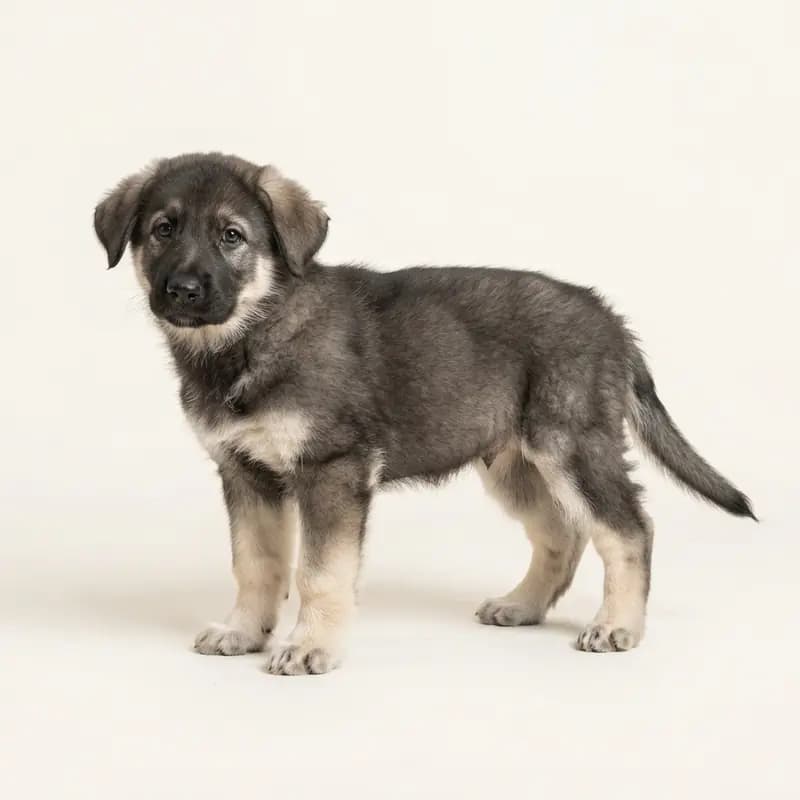
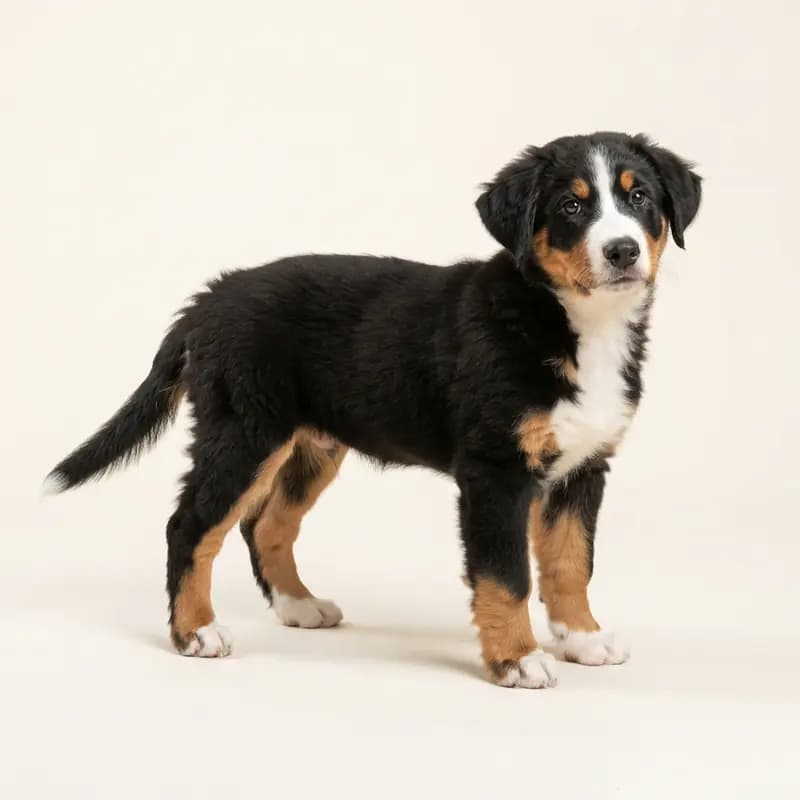
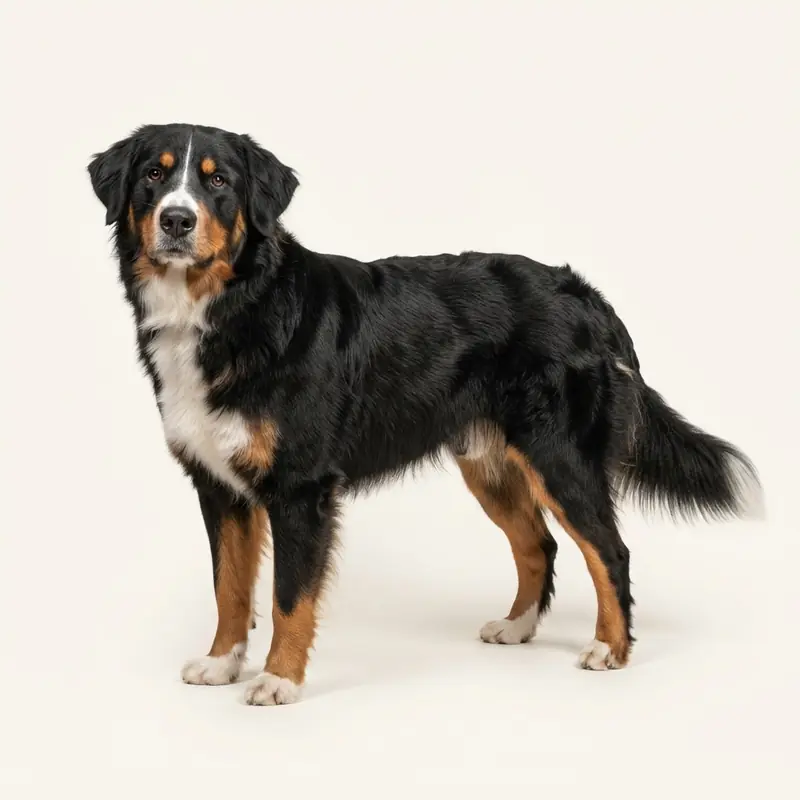
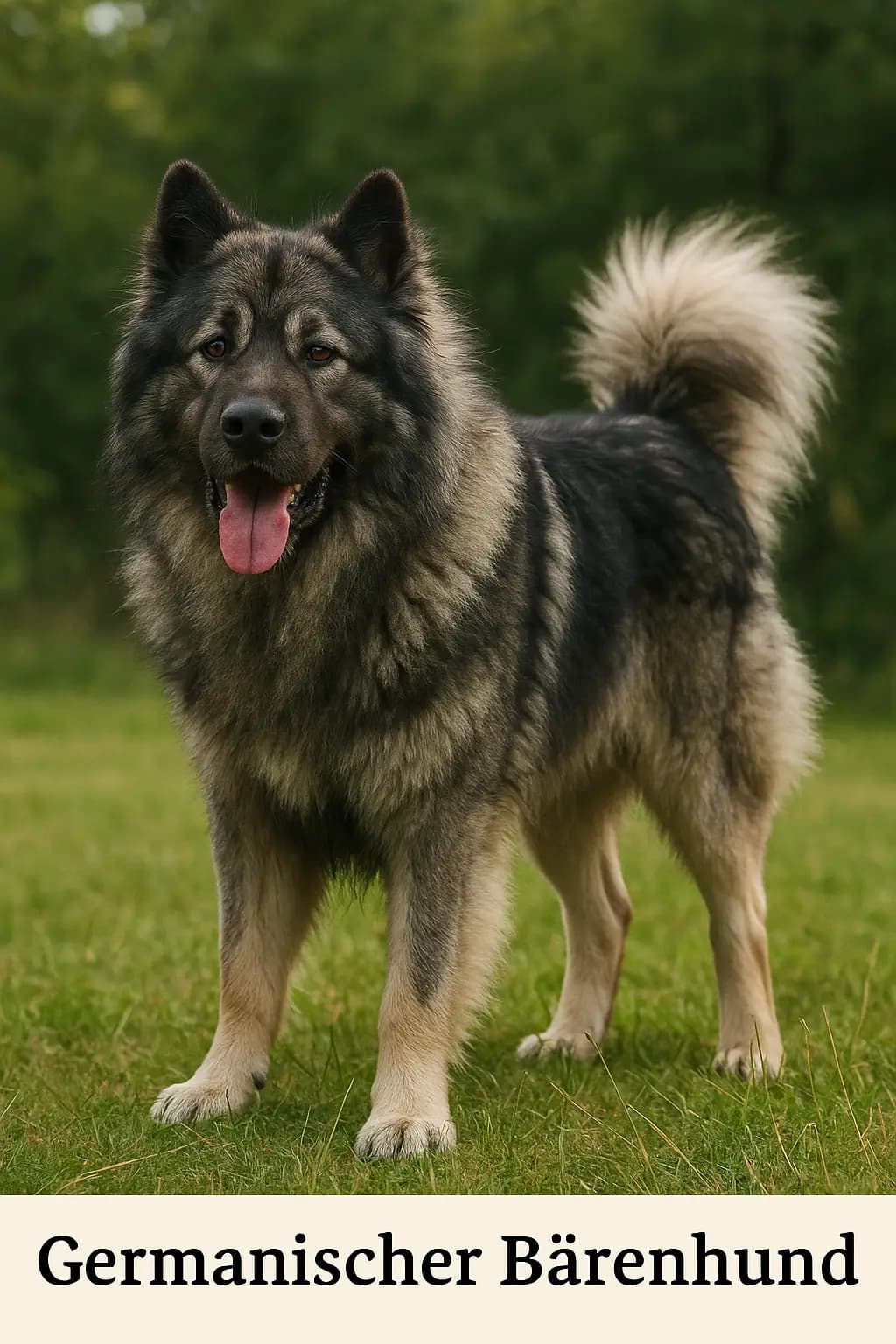
The Germanic Bear Dog is a robust and versatile dog breed that originates from Germany. It belongs to the group of working dogs and was originally bred for protection and guard duties. Its strong, muscular build and dense, weather-resistant coat give it an impressive appearance. Characteristic features include the broad head, attentive eyes, and well-developed, slightly drooping ears. The Germanic Bear Dog is distinguished by its balanced yet vigilant nature and is a reliable companion both as a family dog and in service. Within the breed, there are different lines that may vary slightly in temperament and appearance, with all variants being valued for their loyalty, intelligence, and protective instincts.
The Germanic Bear Dog is a powerful and balanced companion with a pronounced protective and guarding instinct. He shows a close bond to his family and is both vigilant and loyal. Despite his imposing appearance, he has a calm and balanced nature, making him a reliable partner in everyday life. His high intelligence and eagerness to work make him particularly suitable for demanding tasks such as protection work, rescue missions, or as a guard dog. At the same time, the Germanic Bear Dog requires a lot of mental and physical exercise to fully develop his potential. Without sufficient activity, he can quickly become bored and restless. The Germanic Bear Dog learns quickly and shows strong motivation to please his owner. Consistent but loving training is important to channel his temperament and ensure harmonious coexistence. He is watchful of strangers without being unnecessarily aggressive, making him well suited as a family and guard dog. His prey drive is moderately developed, which makes training easier, but impulse control should be worked on early. Overall, the Germanic Bear Dog is a loyal, intelligent, and versatile dog that, with the right guidance, becomes a reliable and loving companion.
| Watchfulness A natural watchdog with real protective instinct. | High |
| Openness to Strangers Careful around unfamiliar people — thaws slowly. | Cautious |
| Hunting or Herding Drive Mild interest in movement and small animals — easily managed. | Low |
Fun Fact!
The Germanic Bear Dog is a true powerhouse with a dense, weatherproof coat that makes him perfect for cold adventures – almost like a bear on four paws! Originally bred as a versatile guard and protection dog, he impresses today with his loyalty and courage, making him a great companion for active families.
The German Bear Dog is a strong and confident dog with a pronounced protective instinct. It requires consistent training and sufficient activity to fully realize its potential. These dogs are alert and well suited as guard and protection dogs. Despite their strength, they show a loyal and affectionate side to their family.
Germanic Bear Dogs are robust and confident dogs that require clear leadership and consistent training. They are very loyal and reliably protect their family, which makes them well suited as guard and companion dogs. Despite their strength, they are often calm and balanced in the home environment but need regular exercise and mental stimulation to remain balanced. When dealing with children, they usually show patience and friendliness but should always be supervised, especially with small children, to avoid misunderstandings. Socialization with other dogs and pets is important and should take place early so that they can integrate well. Germanic Bear Dogs are more suitable for experienced dog owners who can give them sufficient time and attention.
Loves family life and thrives in a group.
Takes boisterous and affectionate children in its stride.
Usually gets on fine with other dogs.
Suffers in tight urban conditions.
Owning a dog is a privilege, but it's also a real responsibility. Before you bring one into your life, be honest with yourself about the commitment it takes.
The Germanic Bear Dog is an intelligent and eager-to-work dog that requires consistent and patient training. Similar to the German Shepherd, it is important to promote its natural instincts and drive to work without overwhelming it. It learns quickly but also shows a certain independence, which is why a clearly structured and positive training approach is crucial. The Germanic Bear Dog needs varied activities that challenge it both physically and mentally. Fetch games, search tasks, or dog sports like obedience and mantrailing are well suited to develop its abilities and keep it occupied. Care should be taken to prevent it from developing obsessive behaviors, so rest periods and dealing with frustration must also be part of the training. Early socialization and building a trusting bond are essential to positively channel its protective instincts and alertness. Training should always be reward-based and motivating to strengthen cooperation and keep the dog balanced in the long term. Overall, the Germanic Bear Dog requires time, commitment, and understanding but rewards its owner with loyalty, versatility, and a strong willingness to work. Those willing to make this investment will gain a reliable and faithful companion.
The Germanic Bear Dog requires a balanced diet that meets its energy needs without leading to overweight. High-quality food with a good proportion of proteins and essential nutrients supports its health and vitality. Make sure to adjust the amount of food according to activity and age to optimally support joints and muscles. Its dense, weather-resistant coat with underfur protects it well from the cold, which is why it also does well in cooler regions. Regular brushing, at least 2-3 times a week, is important to remove loose hair and prevent matting. Especially during the shedding seasons in spring and autumn, Germanic Bear Dogs shed heavily, so more intensive coat care is advisable then. The Germanic Bear Dog is robust but should be protected from overheating in extreme heat. Sufficient shade and fresh water are essential. With proper care and nutrition, this dog remains healthy and balanced.
| Care Level Regular brushing and occasional professional grooming. | Moderate |
| Exercise Needs Enjoys daily movement but isn't a sports dog. | Moderate |
| Shedding Regular shedding — dog hair on clothes is now normal. | Moderate |
| Trainability Willing to learn with clear rules and regular training. | Balanced |
Our experts are still reviewing this information. Spotted something wrong? Email us at info@honestdog.de.
Solid, watch carefully
Health grade
In the Germanic Bear Dog, the enormous body mass and stature entail particular risks for the skeletal and cardiovascular systems, including hip dysplasia (HD), elbow dysplasia (ED), and dilated cardiomyopathy. A responsible breeder takes targeted countermeasures by x-raying the parent animals for joint diseases before mating and having their hearts cardiologically examined. Therefore, always ask to be shown official certificates with the threshold values HD A–B and ED 0–1. Also ensure that, in the case of test results for degenerative myelopathy, a carrier was mated exclusively with a clear partner.
Grade is relative to other breeds — AI-assisted and editorially reviewed.
Methodology and data: HonestDog Dog Breed Health Report 2026
What matters most for this breed
Tap any item to see details.
You must ensure a joint-friendly upbringing, keep an eye on his weight, and enforce strict rest periods after meals to lower the risk of gastric torsion.
Reputable breeders have the hips, elbows, and hearts of the parent animals thoroughly checked and pay attention to healthy eyes to specifically reduce risks in their lines.
Note: This health overview is AI-assisted and editorially reviewed. It is for orientation only and does not replace veterinary advice.
What matters most for this breed — what's common, how much it affects the dog's life, and how to protect yourself as a buyer.
Tap a body region to see the inherited conditions linked to it.
The three most important risks
Pick a region on the map to explore other areas.
Tier 1 is the recommended health standard for this breed. Tiers 2 and 3 show how responsible breeders go beyond.
Recommended standard. These tests make up the recommended health standard for this breed — the baseline of any careful breeding program. Ask any reputable breeder for the results.
No entries in this tier.
Note: This health overview is AI-assisted and editorially reviewed. It is for orientation only and does not replace veterinary advice.
A Germanic Bear Dog costs around ~€250 per month (€130 – €490, depending on your setup). The first year adds up to roughly ~€7,060 including purchase, equipment and puppy school; across the dog's life (10.5 years) it comes to about ~€35,330.
With surgery cover, running costs come to about ~€260 per month — in return, your share of a major operation drops from several thousand euros to around 20 percent.
Per month
~€250
In the first year
~€7,060
Across the dog's life
~€35,330
Estimated purchase price from a breeder: €2,500 – €4,000
Estimate at a mid-range setup (suburban, dry food, 1–2 hours of daily exercise), average German prices, as of July 2026.
HonestDog Concierge
We currently have no breeders for this breed who have passed our verification. Create your short buyer profile: we'll set up your search alert, review a possible source and email you within 28 days.
 Illustrative image
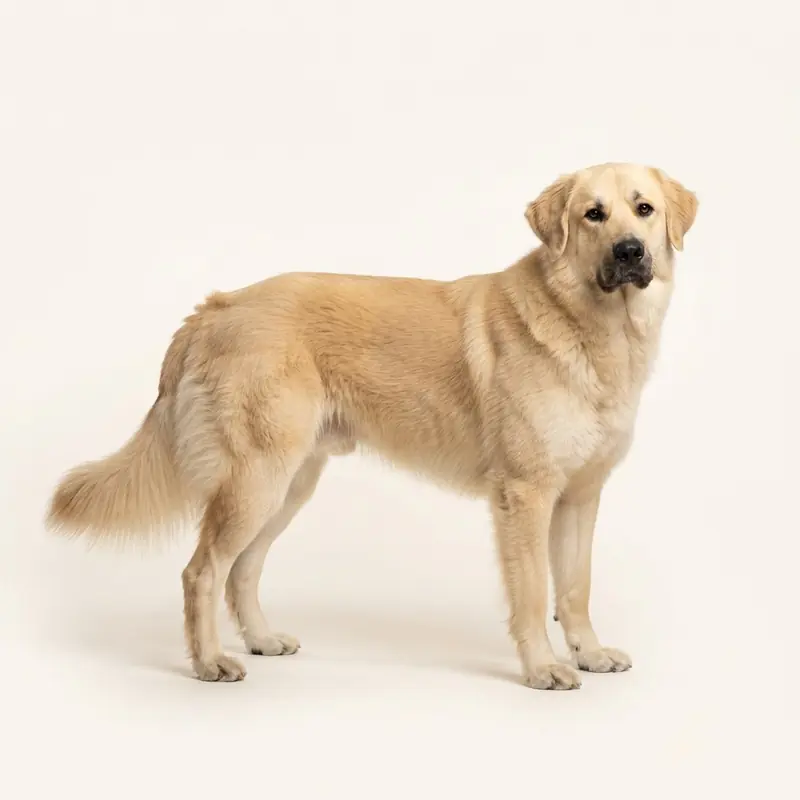 Illustrative image
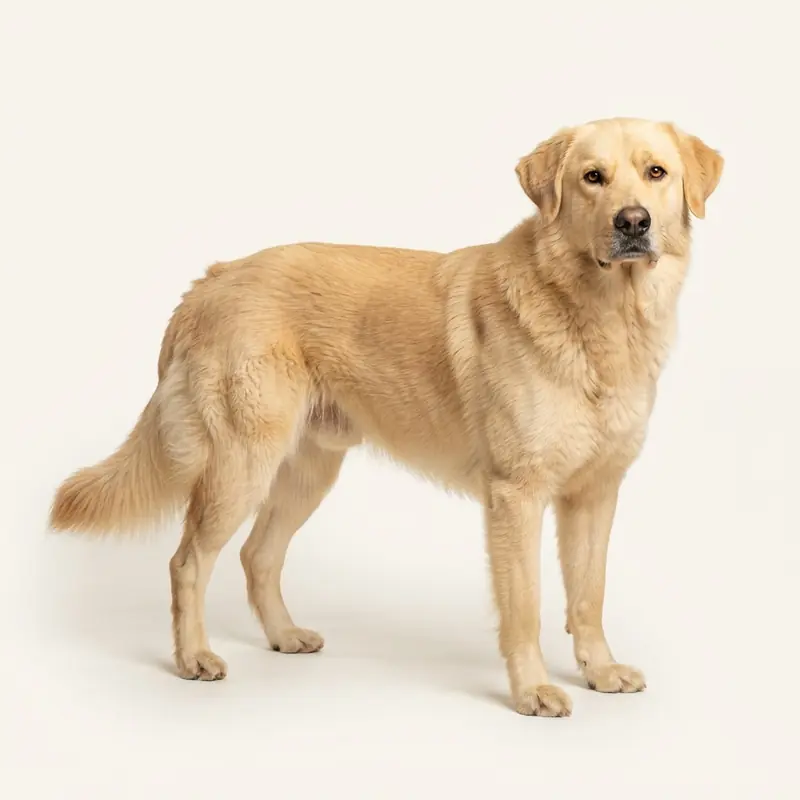 Illustrative image
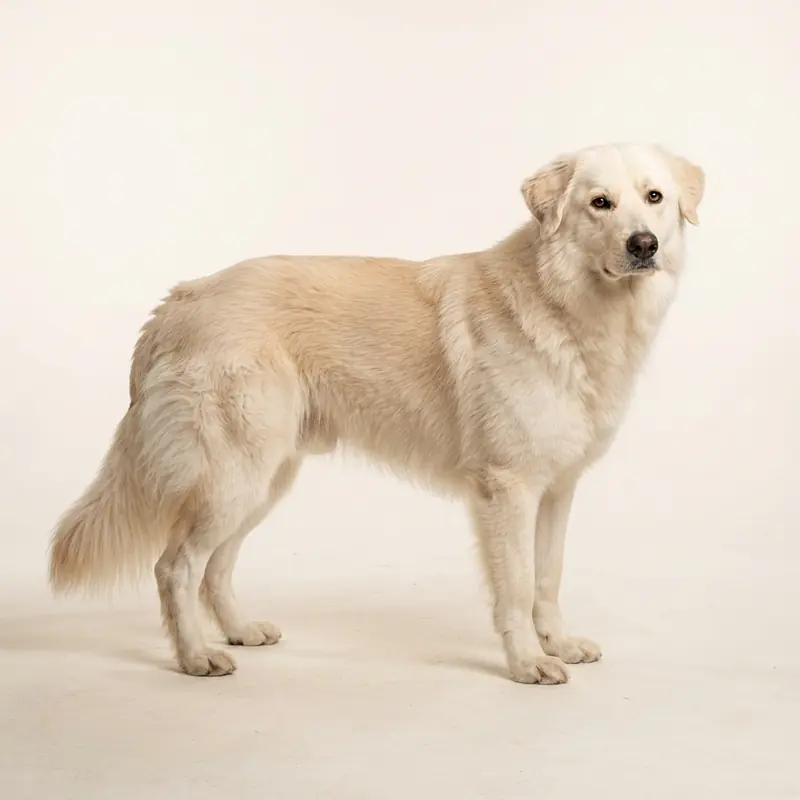 Illustrative image
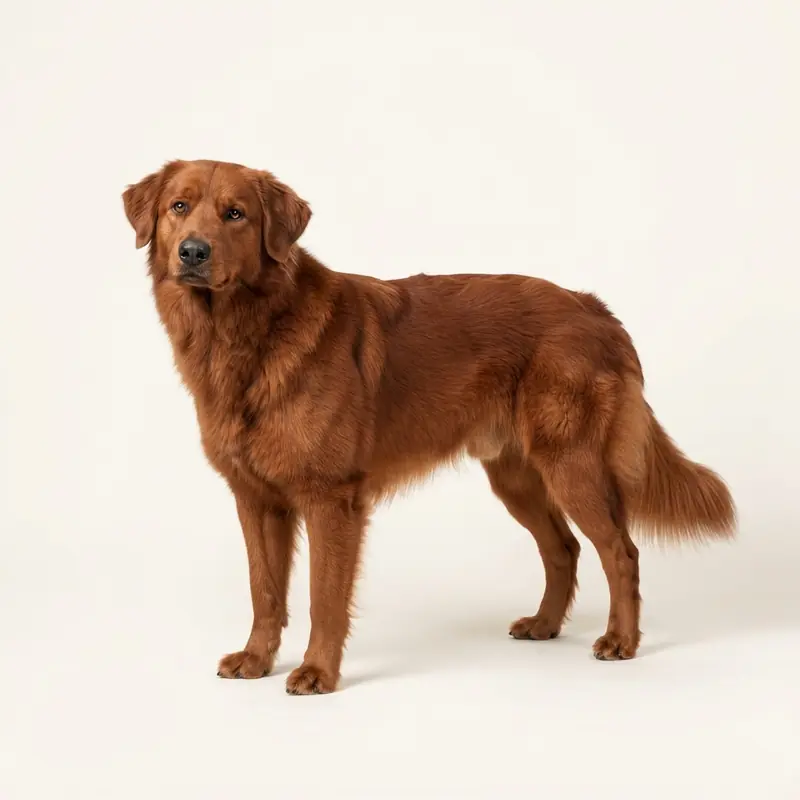 Illustrative image
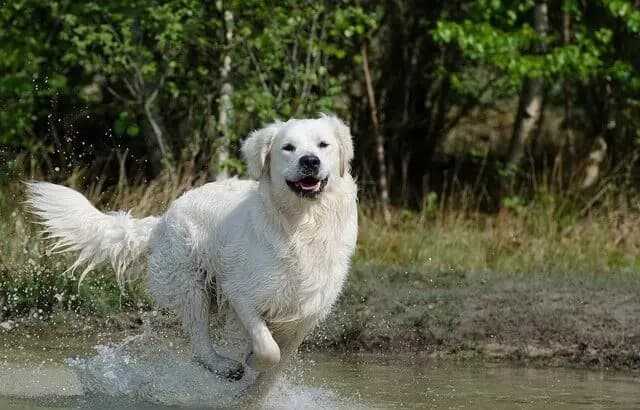
The Germanic Bear Dog is not a historical breed dating back to the Germanic tribes, but a modern creation originating in the 1990s. Targeted breeding began around 1994 in Germany. Contrary to popular breeder myths suggesting a centuries-old lineage as ancient hunting and guard dogs, these animals are the result of deliberate crosses between established large breeds. The primary foundation breeds include the St. Bernard, the Leonberger, and various white livestock guardian dogs. The original and still current breeding goal was to create an imposing yet steady-tempered family and guard dog, characterized by a high threshold for irritation and a friendly nature. To this day, the Germanischer Bärenhund is not recognized as an independent breed by the Fédération Cynologique Internationale (FCI) or the Verband für das Deutsche Hundewesen (VDH). Its status as a uniform breeding line remains controversial in the cynological community due to the lack of an internationally binding breed standard and closed studbook records. Nevertheless, the Germanischer Bärenhund has found enthusiasts in German-speaking regions who value the breed primarily for its impressive size and suitability as a loyal companion.
The Germanischer Bärenhund was bred as a family and guard dog, known for its size and friendly temperament.
Germany
2000
At home with the family, many owners describe the Germanischer Bärenhund as a surprisingly gentle, cuddly and steady-nerved "teddy bear." Despite its great weight and bulk, it is usually calm and unexcitable indoors. It seeks a close bond with its people, takes household chaos in stride and is generally very tolerant and remarkably considerate with children.
At the same time, reports keep stressing that these dogs need a clearly defined territory. Their sheer size and their habit of watching over the property make them a poor fit for a city apartment; a securely fenced area or a farmyard is seen as essential. On walks and outings, owners enjoy their love of water and of steady, calm exercise, but they stress that visits need to be managed: the dog rarely barks nonstop without a reason, but it instinctively takes on the job of protecting its family and its turf.
When it comes to training, many owners find an independent mind that shouldn't be mistaken for the unconditional obedience of classic working or service dogs. Owners often describe how the Germanischer Bärenhund "thinks over" a cue first and turns completely stubborn if handled with too much harshness or pressure. It needs confident, calm and unshakably consistent leadership built on positive motivation and mutual respect.
A major focus in owner reports is starting leash manners and impulse control very early. With adults often weighing 50 to over 80 kilograms, correcting unwanted behavior through physical strength alone is simply impossible in everyday life. Prey drive usually stays moderate to nearly absent depending on the bloodline, but the dog's inborn guarding instinct calls for thoughtful socialization from puppyhood so it learns to take strangers and new surroundings in stride.
Sources:mit-tier.dedie-auswaertige-presse.deedogs.dewamiz.dezooplus.de
On health and physical resilience, owners mainly point to the issues that come with such a giant build. Because this is a fairly young breeding program with mixed origins, there are no consistent long-term statistics, but the growth phase calls for special care. Many owners report that young dogs must never be fed too rich a diet, to keep the bones from growing too fast and to help prevent joint disease such as arthritis.
Most owners deliberately avoid long endurance work or sudden stop-and-go sports. They prefer steady exercise such as long walks or joint-friendly swimming instead. Grooming is another recurring everyday topic: the dense coat with plenty of undercoat needs regular brushing, especially during shedding season, and owners often point out with a wink that with a dog this size and this much coat, you have to be able to live with plenty of dirt and drool.
Sources:mit-tier.deforum.hundund.dedie-auswaertige-presse.dewamiz.dehundeseite.de
Paraphrased from real owner reports · translated from German
The Germanic Bear Dog is an adaptable dog that adjusts well to various lifestyles. Research the temperament, grooming needs, and space requirements before deciding.
The average life expectancy of a Germanic Bear Dog is 9-12 years. With proper care and regular vet visits, your dog can live a long, healthy life.
Germanic Bear Dog grooming requirements include regular brushing, nail trimming, and dental care. HonestDog provides detailed grooming tips for every breed.
The Germanic Bear Dog can be a great family dog. Proper training and socialization are key. HonestDog provides family suitability information for every breed.
The Germanic Bear Dog comes in these colors: Fawn, Yellow, Cream, Red, Brown, Grey, Wolf grey, Sable, Bicolor, Tricolor, Black, White. Colors that fall outside the breed standard are marked as such on the breed page.
Showcase your kennel on HonestDog and reach families searching for a responsibly bred Germanic Bear Dog.