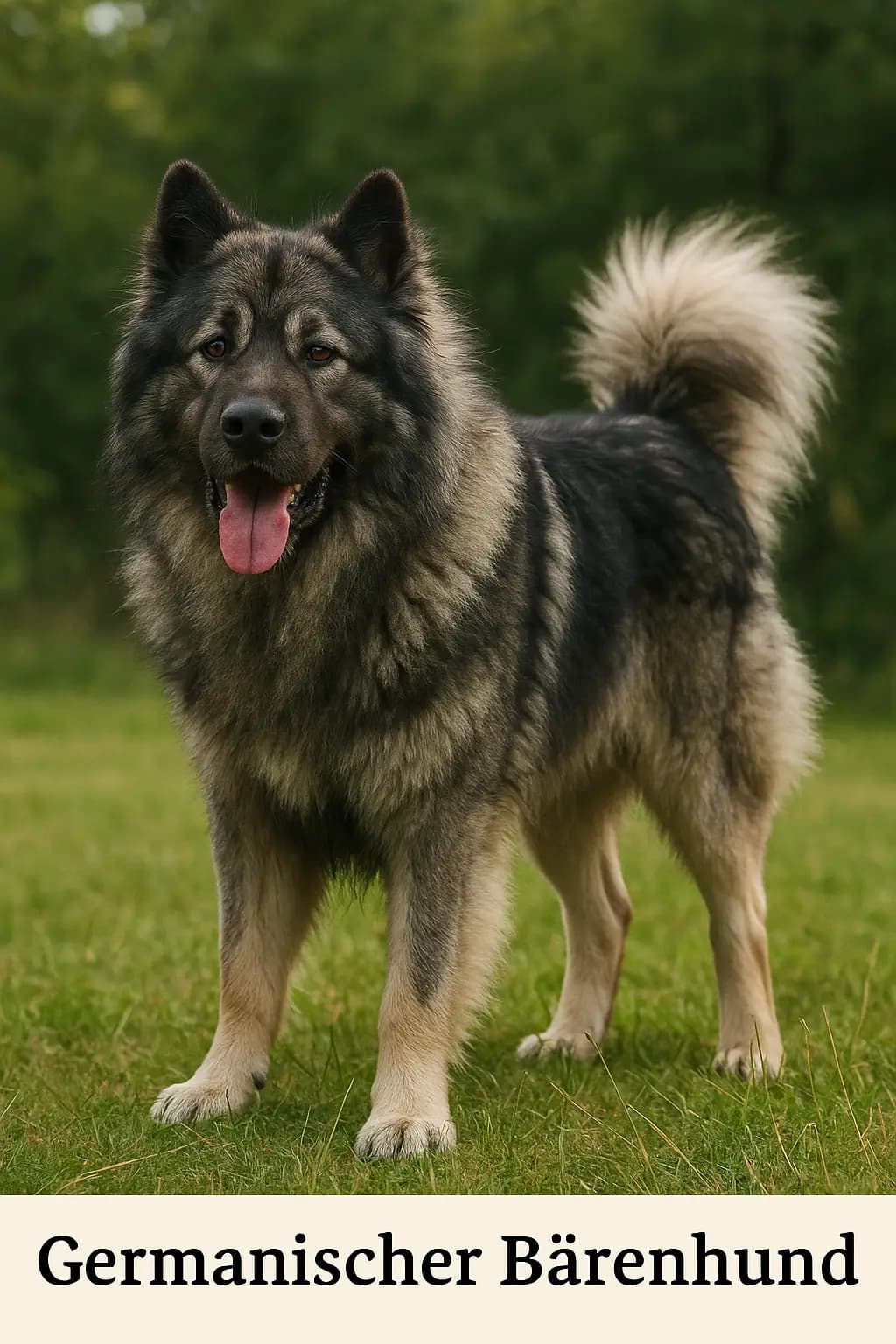
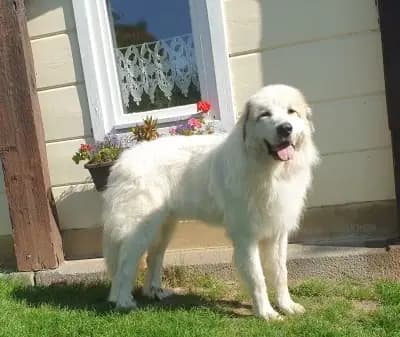
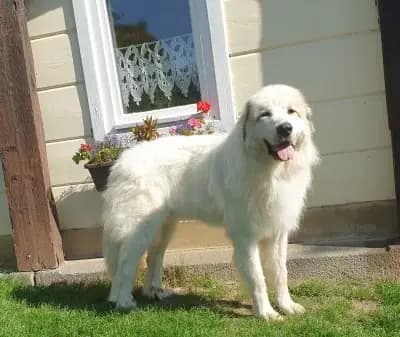
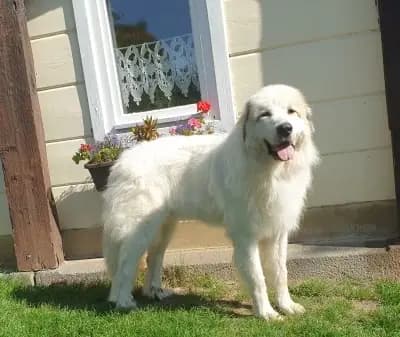
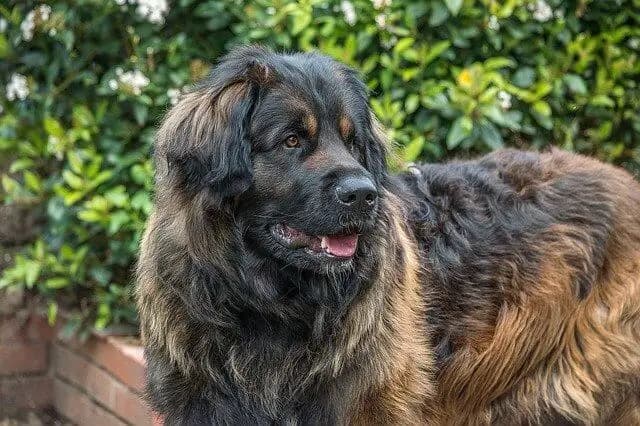
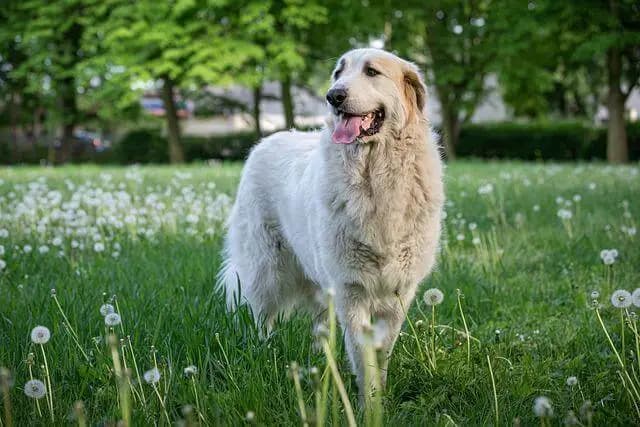
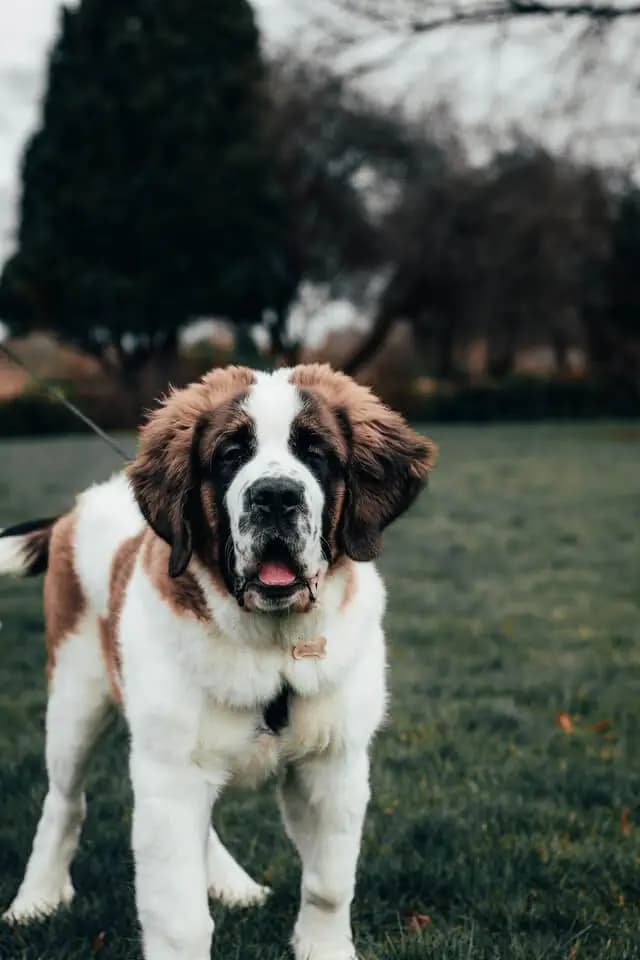
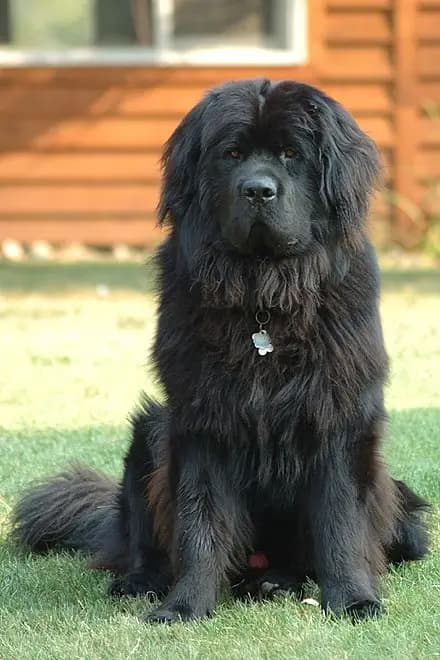
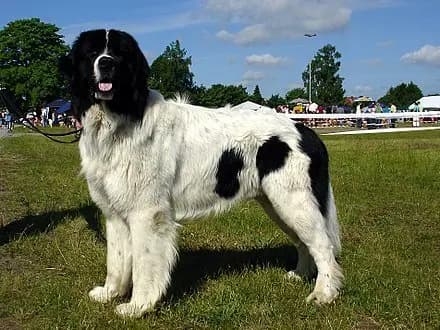
This dog is a wonderful, patient companion for families with children (4 out of 5 points), but he makes clear demands of his surroundings. His suitability for city life is 1 out of 5 points – a flat on an upper floor or a narrow terraced house in the city centre is simply unsuitable for this colossus. You need a house with a securely fenced garden where he can act on his innate guarding instinct without unsettling passers-by. His trainability and his compatibility with other dogs sit in the solid middle range (3 out of 5). As he is very intelligent and has a pronounced protective instinct, he needs calm, confident leadership, but not blind obedience. If you plan demanding tasks such as search and rescue work or thorough guard training, he visibly thrives. The grooming needs of his dense coat are moderate (3 out of 5), and for his size, shedding (2 out of 5) stays within pleasantly manageable limits – regular brushing is usually enough in everyday life.
Your checklist for the first conversation with the breeder
- See the official X-ray results: Ask to be shown the original written evaluations for hip dysplasia (HD) and elbow dysplasia (ED) for both parent dogs.
- Check the clinical findings: Ask specifically for current veterinary examination results on heart health (particularly with regard to DCM) and for eye examinations for ectropion or entropion.
- Question the bloodline history: Ask the breeder directly whether cases of osteochondritis dissecans (OCD), degenerative myelopathy or gastric torsion have occurred in the parent dogs’ lines, and what age the ancestors reached (life expectancy is 9 to 12 years).
- Observe the mother’s temperament: Meet the bitch in person. She may be watchful, but in the breeder’s presence she must come across as calm, balanced and friendly.
- Ask for a feeding and growth plan: A good breeder will give you a detailed plan for how to feed the puppy appropriately and how much exercise to give him in the first year, to help prevent joint damage caused by growing too quickly.
On HonestDog, a breeder’s profile only goes online once the breeder has completed registration: identity verification by ID and selfie, where applicable proof of club membership or a §11 permit, a knowledge test on breeding and animal welfare, and agreement to the HonestDog breeding standards, which among other things rule out breeding for traits that cause suffering. Health test results for the parent dogs uploaded by breeders are shown directly on the profile; ask to see the original results when you visit. Your next step: compare the profiles of the Germanic Bear Dog breeders on HonestDog, look at the health evidence they have uploaded and ask directly about the next litter.