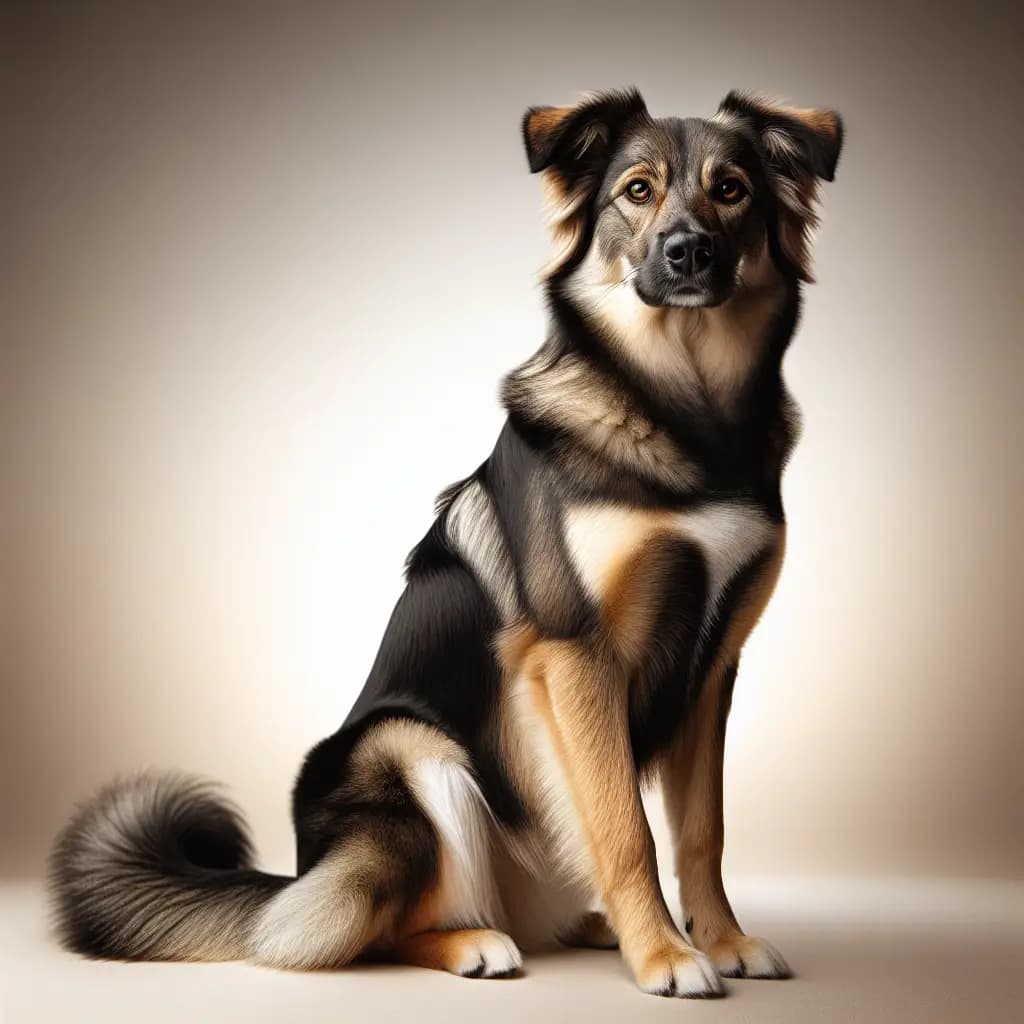
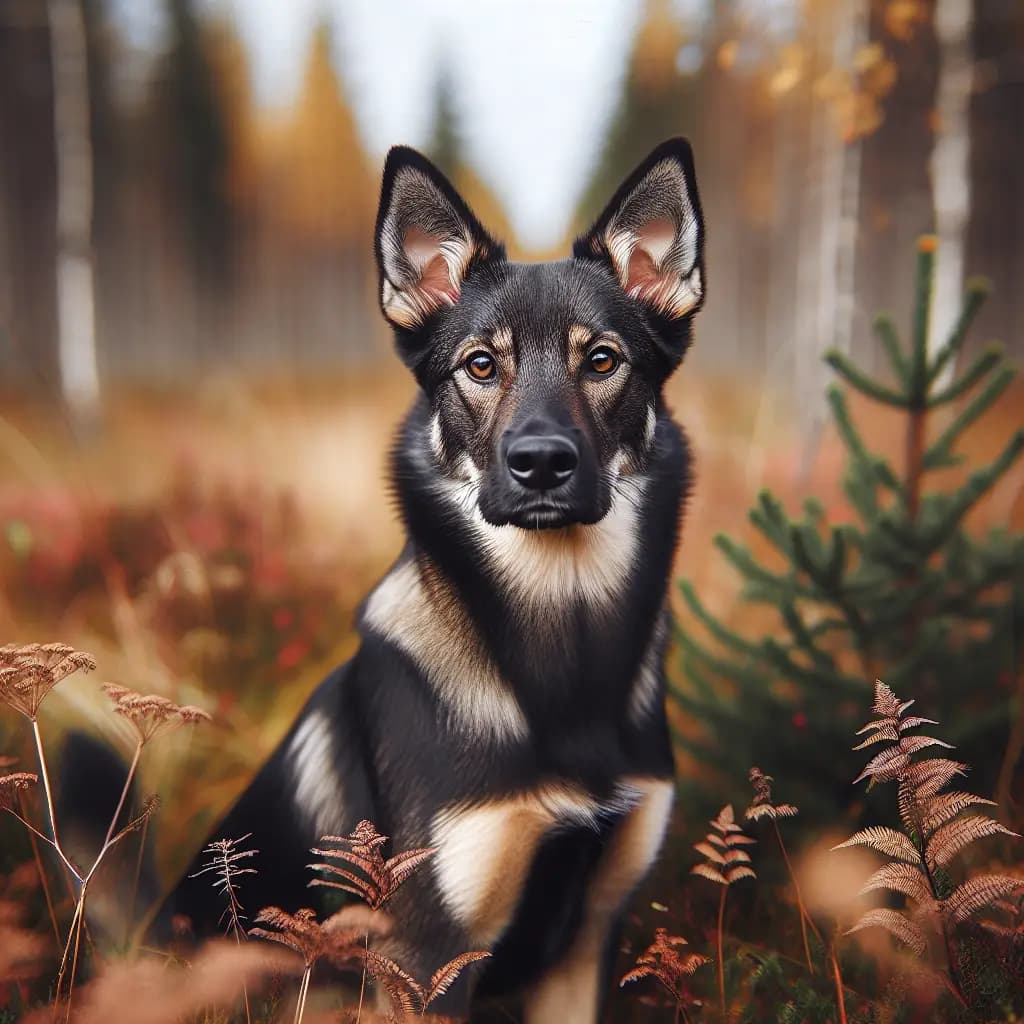
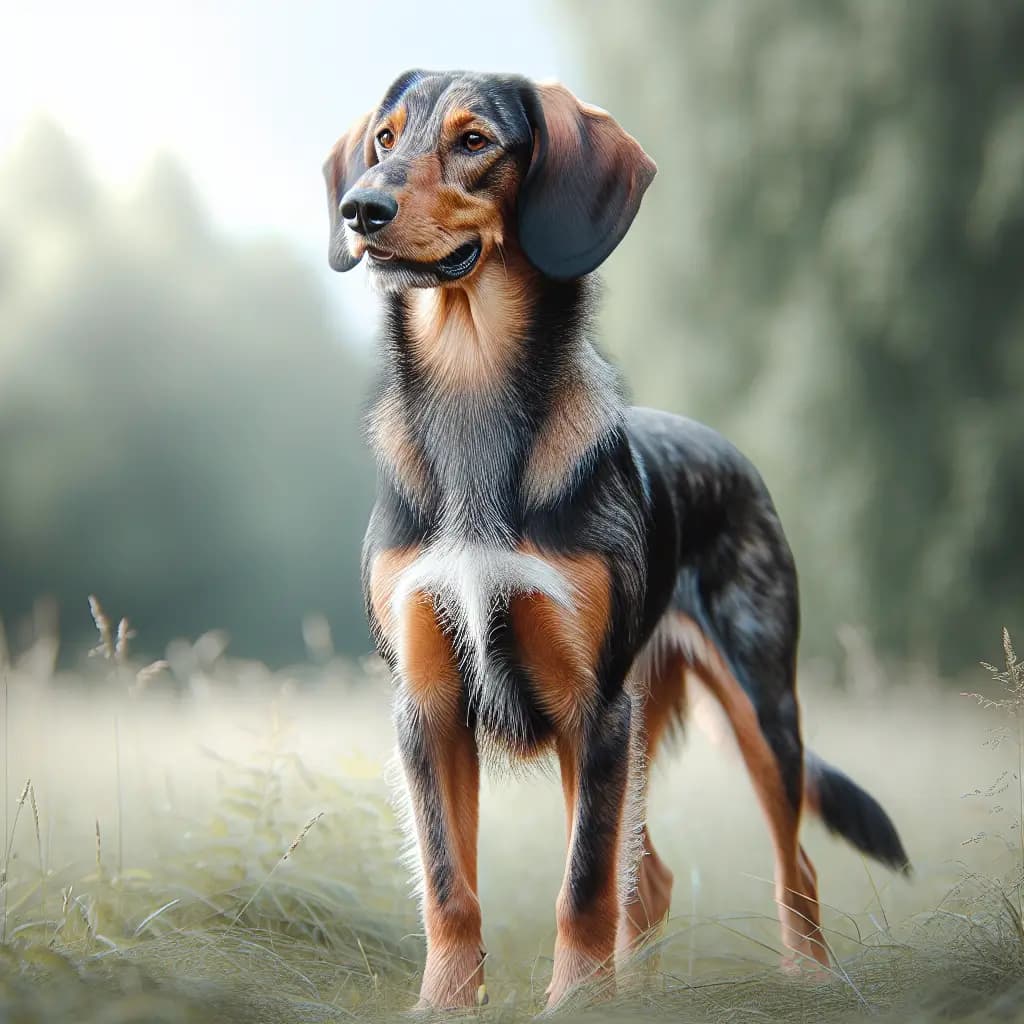
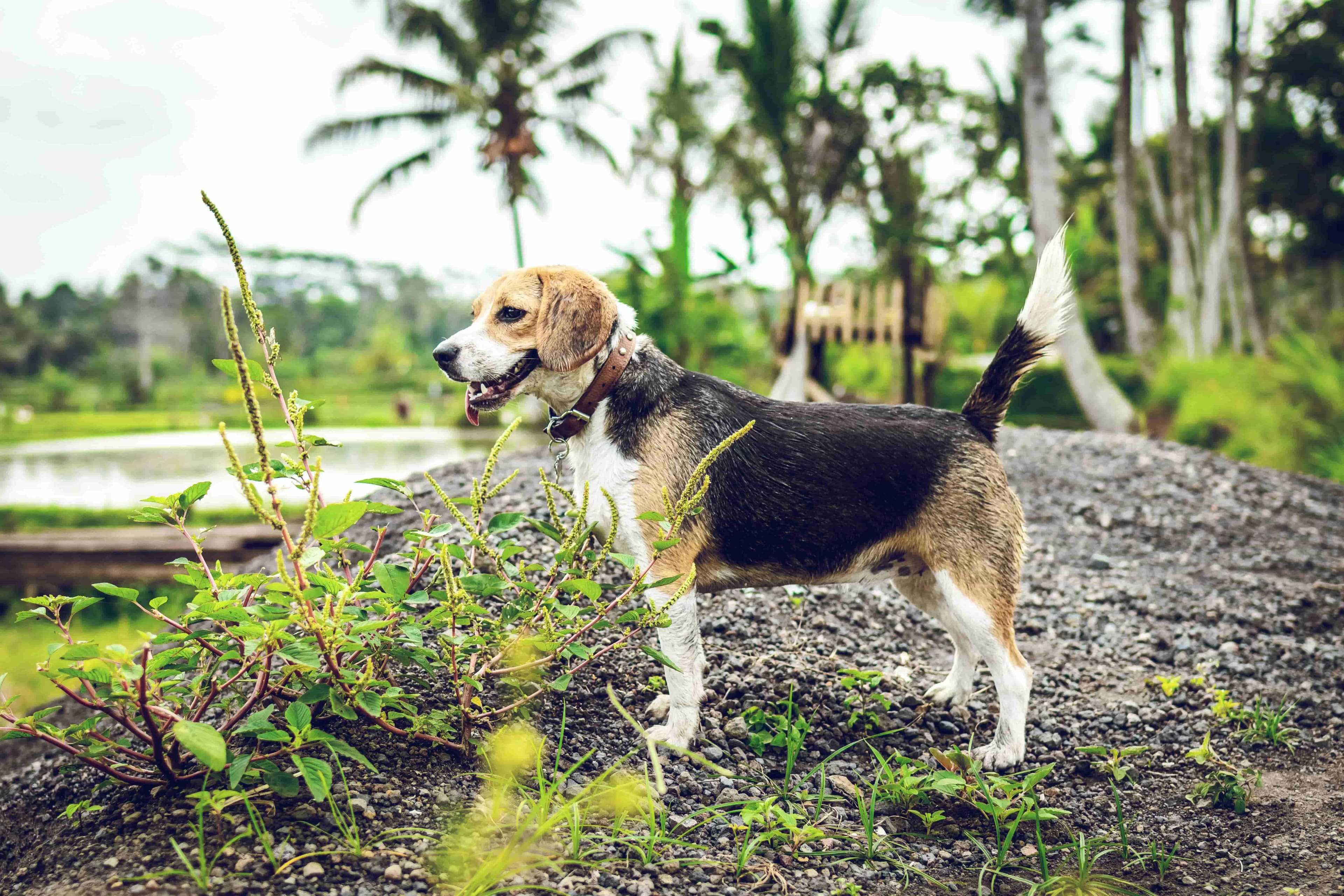
With an energy level of 4/5 and low suitability for city life (2/5), the Hamiltonstövare belongs in a rural setting with a securely fenced garden. This dog, which loves to run, will not be happy in a flat in the middle of a city. Its family-friendliness (4/5) and high tolerance of other dogs (4/5) make it a great companion for active people. It also gets on well with children (3/5), as long as they respect its space.
However, be aware of its trainability (2/5): the Hamiltonstövare was bred to make decisions independently on the trail. Once its nose picks up a scent, it stops listening to you. Letting it off the lead is often impossible in unsecured areas. You must be prepared to keep it mentally occupied with demanding nose work such as mantrailing or tracking. At least it makes grooming easy for you: its dense, short, smooth coat with an undercoat hardly sheds (1/5) and needs only minimal care (2/5).
Your checklist for the first conversation with the breeder
Take your time when you visit the breeding premises and check the conditions on site for yourself. These are the specific points that matter for the Hamiltonstövare:
- Look at the X-ray results: Ask to see the original official evaluations for hip dysplasia (HD) and, ideally, elbow dysplasia (ED) for both parent dogs.
- Check the eye results: Ask for up-to-date clinical eye examination reports on the parent dogs that cover cataracts.
- Discuss the pedigree and lines: Ask the breeder directly whether any cases of epilepsy or cerebellar ataxia are known in the parent dogs’ lines and how they took this risk into account when planning the litter.
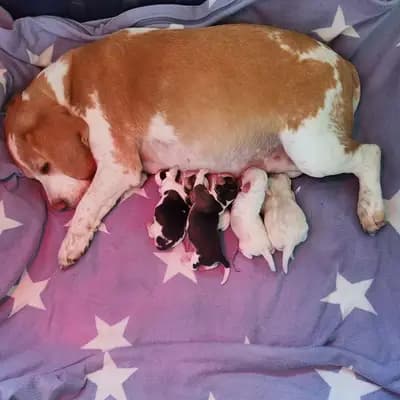
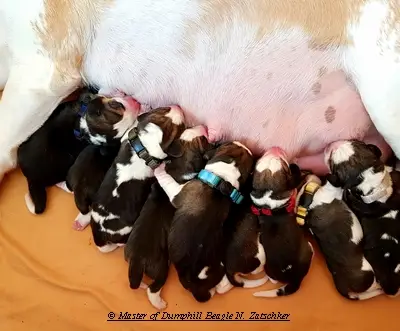
- Meet the mother: Make sure that, at home, the bitch shows the even-tempered, friendly nature that is typical of the Hamiltonstövare, and that she is neither shy nor nervous.
- Ask about everyday habituation: Ask them to explain how the puppies are introduced to environmental stimuli and first search games, so that their enormous willingness to work is channelled in the right direction from the start.
On HonestDog, a breeder profile only goes online once the breeder has completed registration: identity verification by ID and selfie, proof of club membership or a §11 permit where applicable, a knowledge test on breeding and animal welfare, and agreement to the HonestDog breeding standards, which among other things rule out breeding from dogs with traits associated with extreme breeding. Any health test results for the parent dogs that breeders upload are visible to you directly in their profile; ask to see the original results when you visit. Your next step: compare the profiles of the Hamiltonstövare breeders on HonestDog, look at the health evidence they have uploaded and ask directly about the next litter.