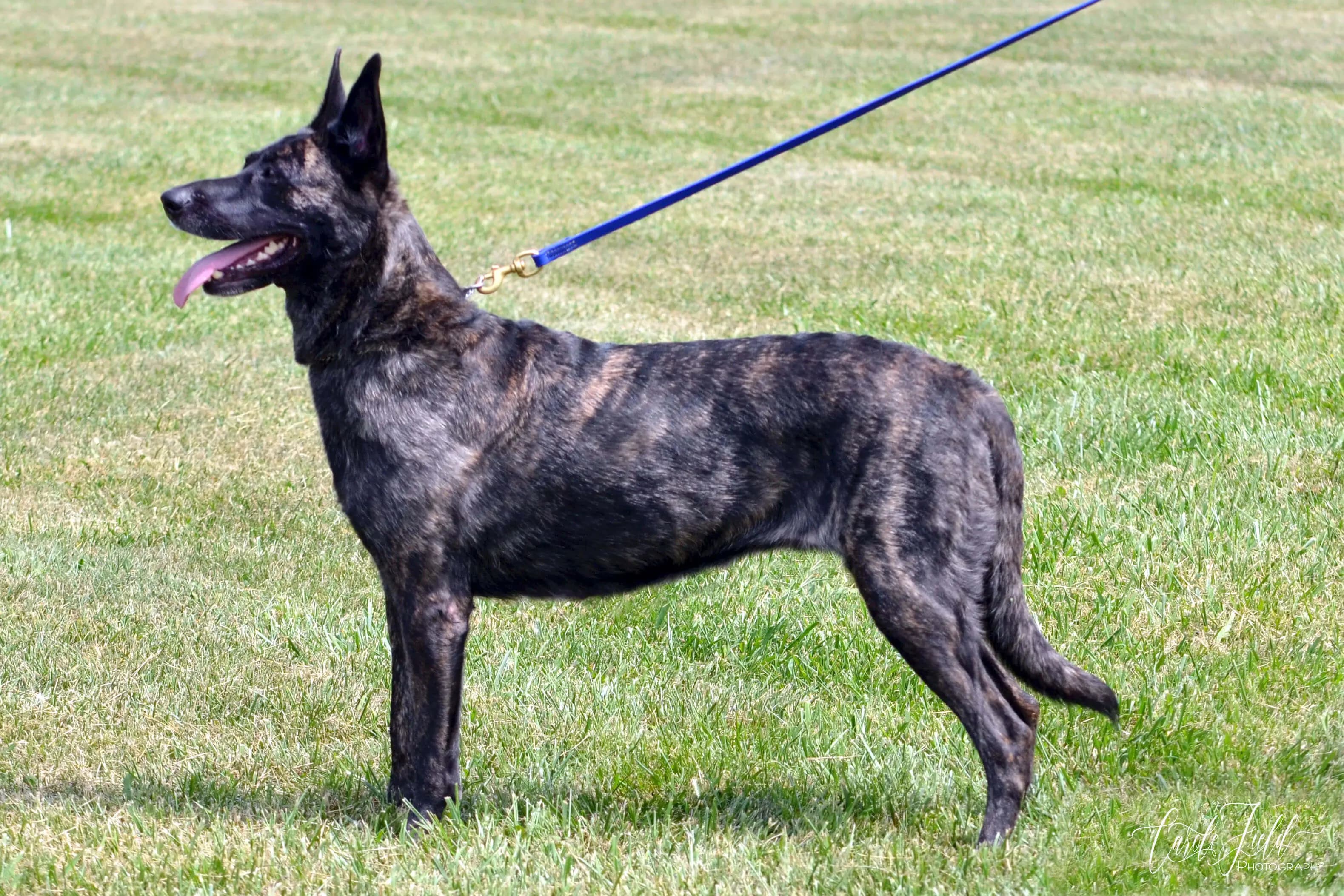
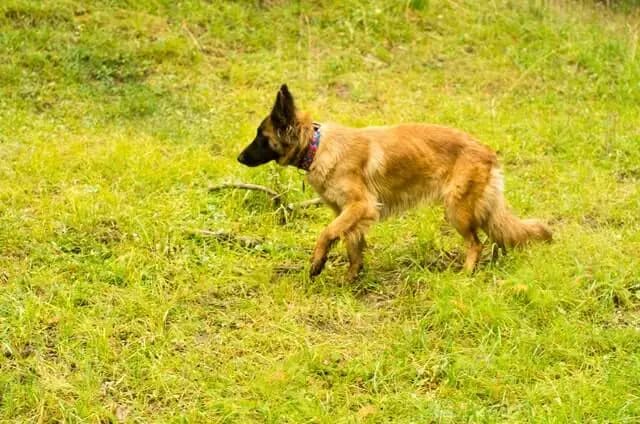
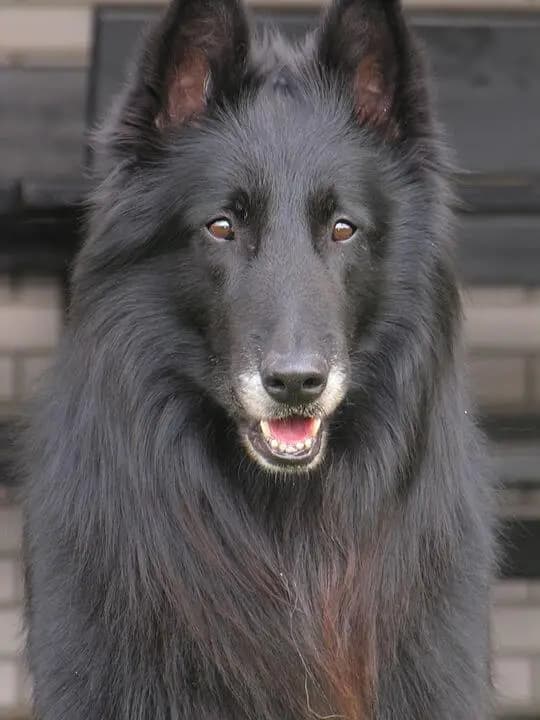
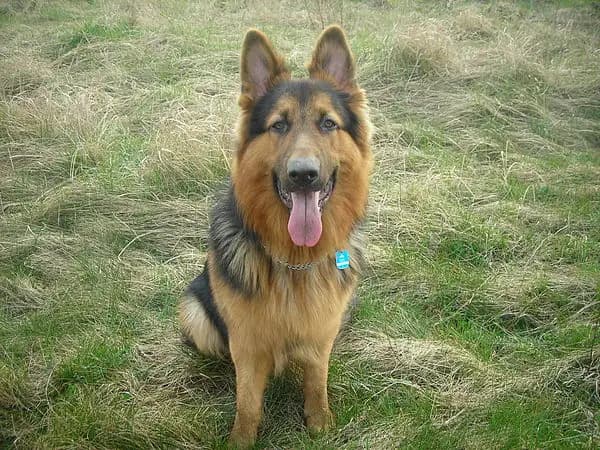
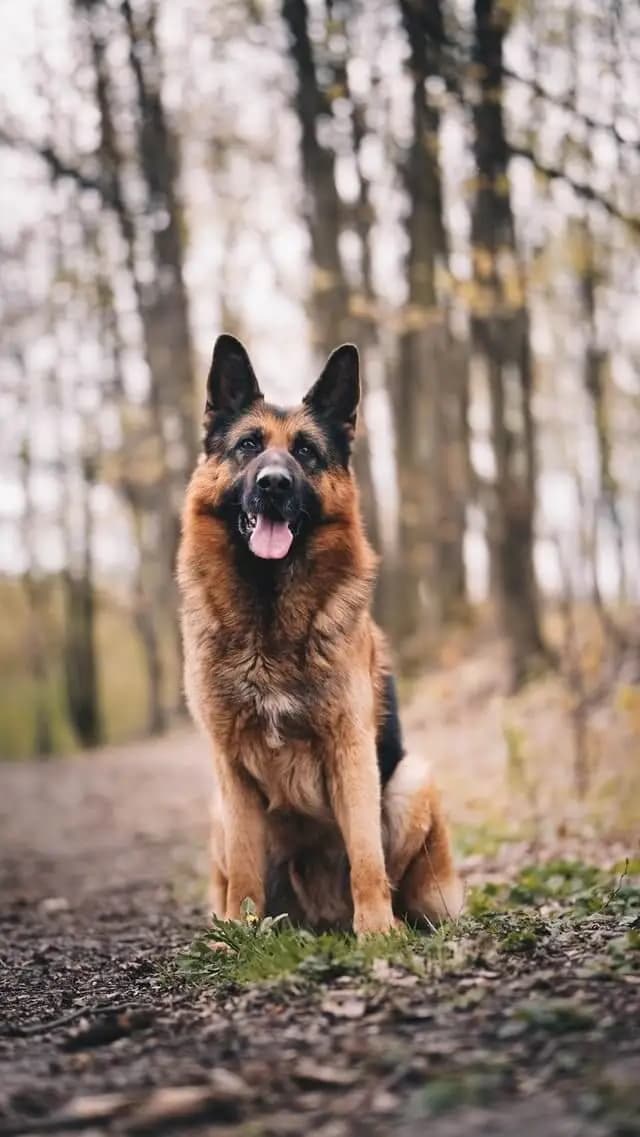
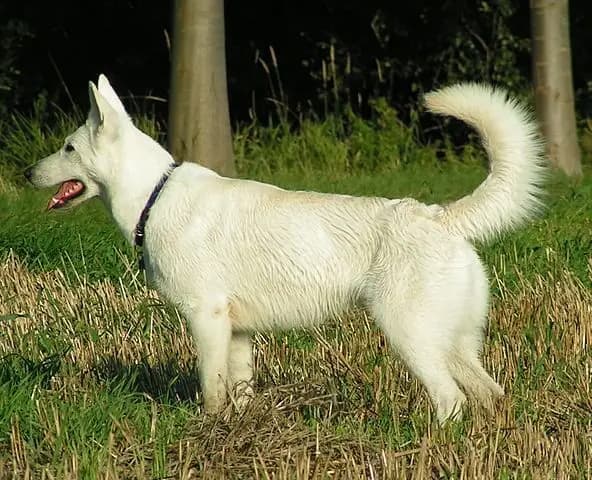
With an energy level and trainability of 4 out of 5 points each, the Longhair Herder is not a dog for casual strollers. He wants to work, think and be challenged. Whether it is obedience, tracking, agility or rescue dog sports, this dog needs a real task. If he gets this kind of exercise and mental stimulation, he proves to be an affectionate, child-friendly (4/5) and family-oriented companion at home.
His suitability for city life is moderate at 3 out of 5 points: in a cramped city flat without direct access to extensive green space, a dog with this guarding and herding drive is rarely happy. He is also only moderately sociable with other dogs (3/5) – he does not necessarily need to greet every canine he meets at the dog park, but is strongly oriented towards his people. Do not underestimate coat care either: although shedding is fairly moderate in everyday life (2/5), the long, dense coat with its undercoat needs regular, thorough brushing (grooming effort 3/5), particularly behind the ears and on the trousers, to prevent matting.
Your checklist for the first conversation with the breeder
Prepare well for your visit to the breeder, and ask to be shown the following documents and have these questions answered on the spot:
- X-ray results of the parent dogs: Ask to see the original official evaluations for hip dysplasia (HD), elbow dysplasia (ED) and transitional vertebrae.
- Eye examinations: Request current specialist veterinary results for the parent dogs for PRA and primary open-angle glaucoma.
- Genetic test certificates: Check the laboratory results for DM and SDCA2 to confirm that no high-risk mating was carried out.
- Questions about the breeding line: Ask specifically about known cases of epilepsy, thyroid disease or dental misalignment in the ancestors and in the parents’ siblings.
- Litter inspection report: When you collect your puppy, make sure the report documents the condition of the teeth, palate, hearing and eyesight and, for male puppies, that both testicles have descended.
- Behaviour of the mother: Watch how the bitch interacts with you. A typical Longhair Herder may be reserved with strangers, but should never appear panicky or uncontrollably aggressive.
On HonestDog, a breeder profile only goes online once the breeder has completed registration: identity verification by ID and selfie, where applicable proof of club membership or a §11 permit, a knowledge test on breeding and animal welfare, and agreement to the HonestDog breeding standards, which among other things rule out breeding with traits linked to extreme conformation. Health tests of the parent dogs that breeders upload are shown directly on the profile; ask to be shown the original results when you visit. Your next step: compare the profiles of the Dutch Shepherd (Longhair) breeders on HonestDog, look at the health evidence that has been uploaded and ask directly about the next litter.