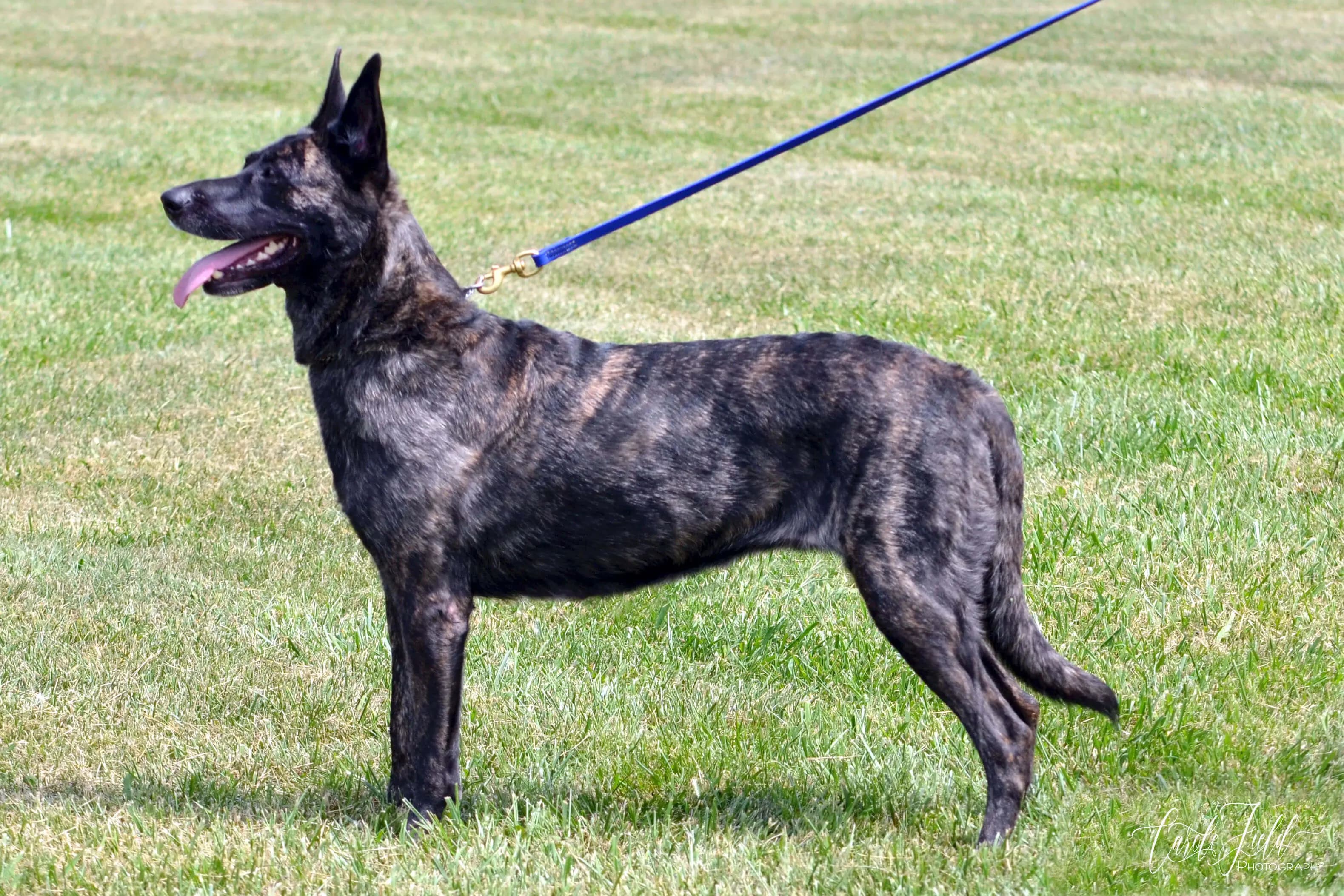
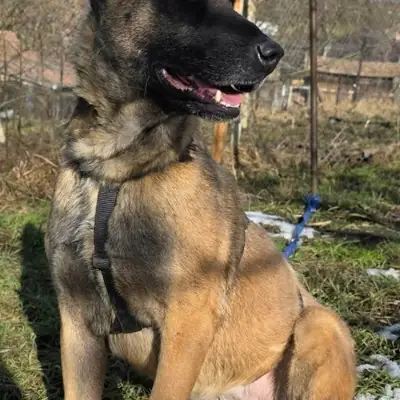
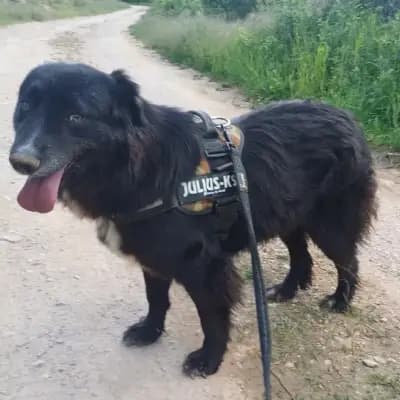
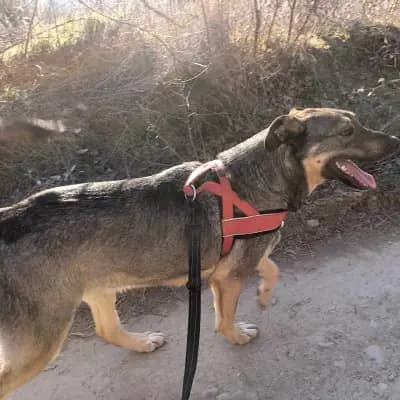
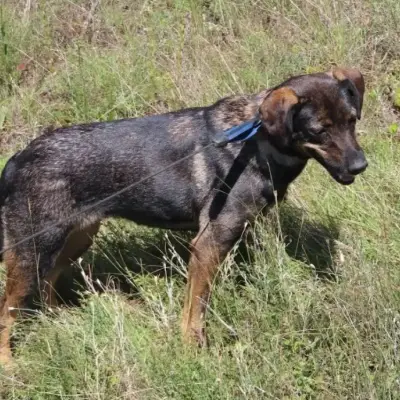
An adult Dutch Shepherd from a rescue already has its own personality and history. In the stressful everyday life of a shelter, these sensitive dogs, so keen to work, often seem overexcited or withdrawn. As soon as they have a reliable person to bond with, however, they show their friendly, well-balanced and trainable nature. As their compatibility with other dogs is average, you should handle encounters with other dogs proactively at first.
In terms of health, Dutch Shepherds are considered robust, with a life expectancy of 12 to 14 years, but they have a clear pattern: joints and eyes often remain a concern throughout life. Breed-typical risks include hip dysplasia (HD), elbow dysplasia (ED), transitional vertebrae and osteochondritis dissecans (OCD). Neurological and genetic conditions also occur, such as degenerative myelopathy (DM), spongy degeneration with cerebellar ataxia (SDCA1 and SDCA2), and the eye disease progressive retinal atrophy (prcd-PRA).
A health-focused breeder addresses these risks in a targeted way, for example within the requirements of clubs such as the Holländischer Schäferhund Club Deutschland e.V. (HSCD) or the American Dutch Shepherd Association (ADSA): X-ray examinations of the hips, elbows and spine, as well as clinical eye examinations, reduce the risk of joint and eye problems in the offspring. Established DNA tests for prcd-PRA, DM or SDCA2 also show whether a parent is clear, a carrier or affected, so that breeders can plan their matings to minimise risk. With a shelter dog (especially one of unknown origin or from irresponsible backyard breeders), these health checks on the parents are usually missing. So make a point of planning to manage physical exertion carefully and to schedule regular preventive veterinary check-ups.