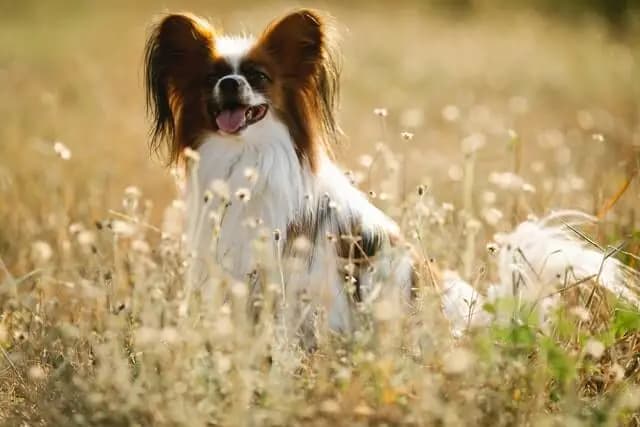
Continental Toy Spaniel (Papillon)Same FCI group
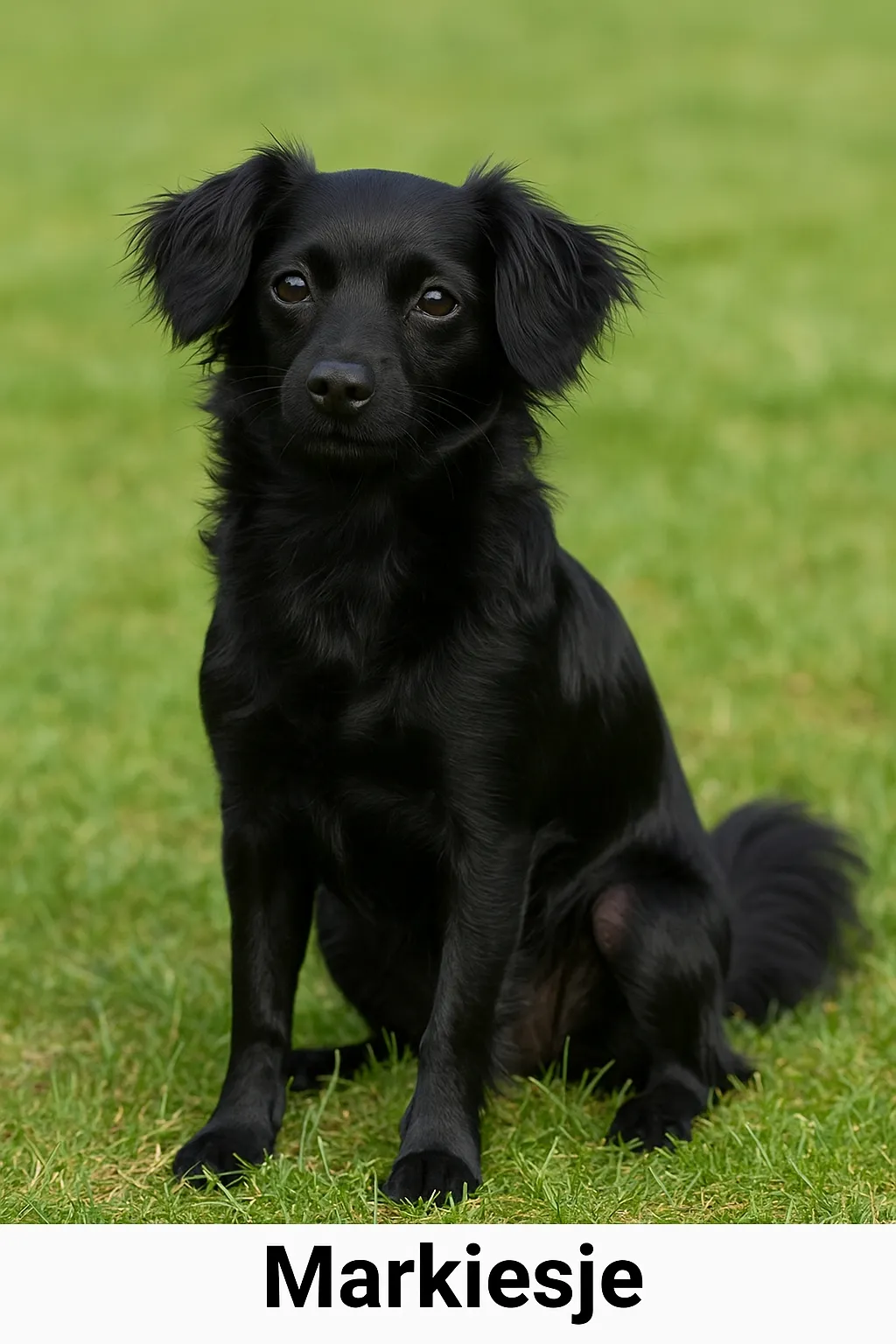 AI-generated image
The Markiesje is a cheerful, elegant toy spaniel—bred as a sporty companion dog that combines the refined sensitivity of a lapdog with the energy of a true little athlete.
How the health grade is calculated
Sources for required breeding screenings. Nederlandse Markiesjes Vereniging (NMV), Raad van Beheer
Self-check
Answer 6 quick questions about your everyday life and see how well the Markiesje fits you — including an honest cost estimate per month, per year, and across the dog's lifetime.
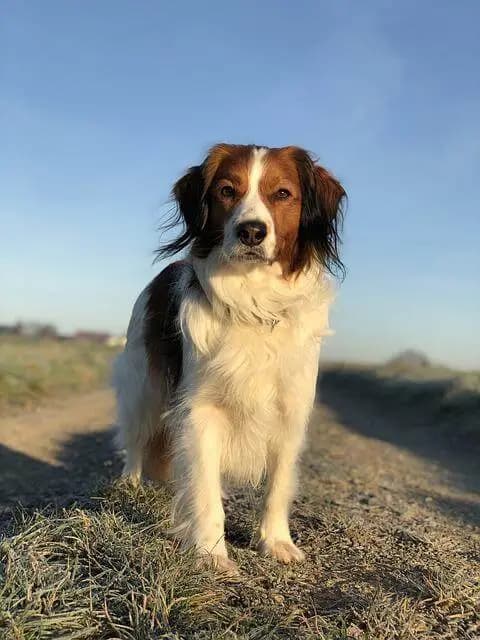
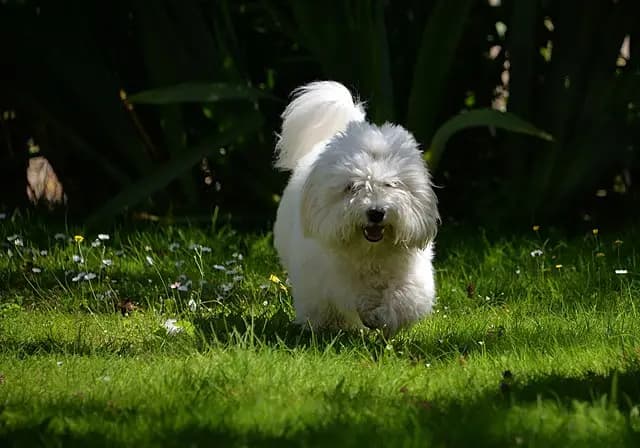
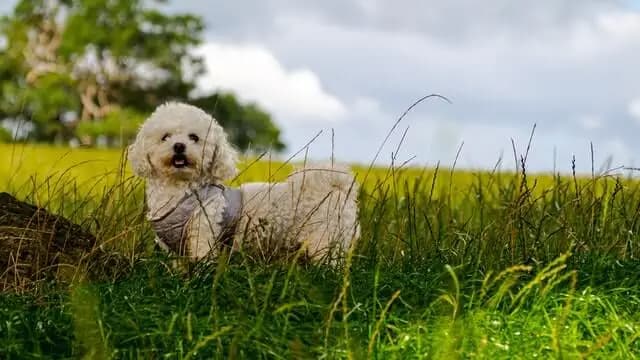
At a glance
The essentials — key facts, traits, and health priorities — before you dive deeper.
Lifespan
12–14 yrs
Shoulder height
31–37 cm
Weight
5–8 kg
Practical
Temperament
Daily life
What matters most
Especially with a Markiesje, choosing the right breeder is the single most important decision you'll make. Serious breeders consistently test the parents for inherited conditions, prioritize healthy early socialization, and stay accountable long after handover. A cheap puppy without health screening tends to become the most expensive dog later on.
See HonestDog breeder standards →Colors & coat
The coat colors that occur in the Markiesje — including which ones fall outside the breed standard and which carry genetic risk.
Eye colors
 Brown
Coat type
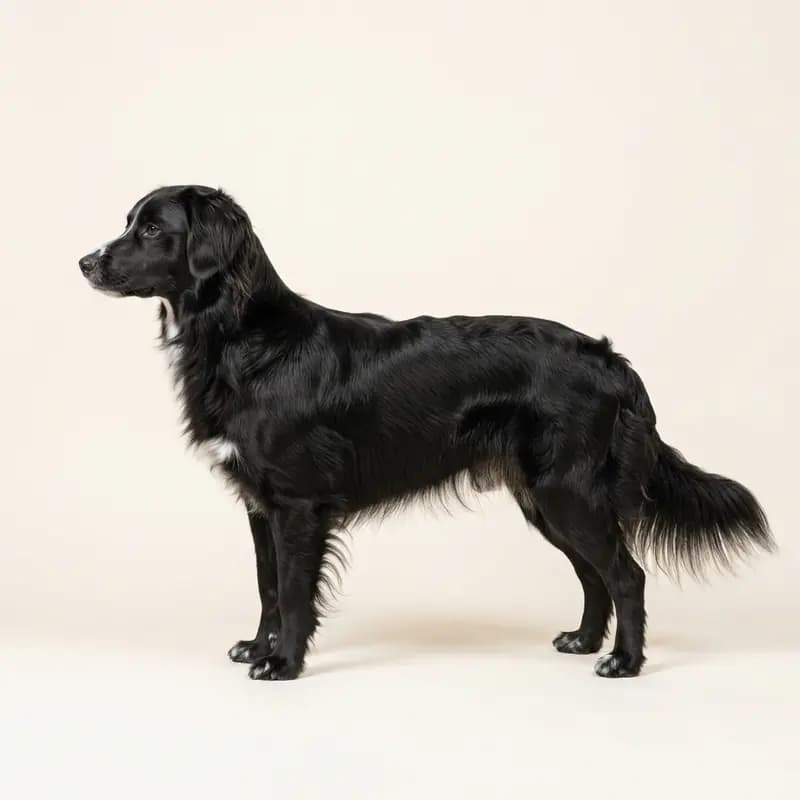 Illustrative image
Medium
 Illustrative image
Silky
 Smooth
The real vibes check
A Markiesje looks like a noble 17th-century painting, but acts like a tireless little athlete outdoors. You aren't getting a passive lap warmer, but a bright shadow who reads your every move and prefers to be everywhere you are. If you nurture this mix of tenderness and drive, you will gain a dog that will do absolutely anything for its human.
The Markiesje is a small, lively dog breed from the Netherlands, belonging to the group of companion and toy dogs. With its compact yet muscular build and its characteristic, slightly wavy coat, the Markiesje appears both elegant and agile. The breed is distinguished by its high intelligence, eagerness to learn, and keen alertness, making it an outstanding companion and watchdog. Despite its energy, the Markiesje is very affectionate and family-friendly. There are no distinct breeding lines as found in some other breeds, though the coat can vary in different shades from black to dark brown. The Markiesje requires regular exercise and mental stimulation to stay happy and balanced.
The Markiesje is a lively and intelligent companion with a friendly, balanced temperament. It is deeply people-oriented and thrives on being close to its family, getting along especially well with children and other pets. Its playful, curious nature makes it an active partner in daily life. Originally bred as a companion dog, the Markiesje appreciates regular mental and physical stimulation. It learns quickly and shows great motivation to master new tasks, whether in obedience training, scent games, or dog sports like agility. The Markiesje is alert without being aggressive, making it a fine family dog with a natural protective instinct. Its need for exercise should be taken seriously, as it may otherwise become restless or prone to destructive behavior. Consistent yet loving guidance is essential to channel its energy in positive directions. Its prey drive is moderate, meaning that while it enjoys playing and retrieving, it remains easily controllable. Overall, the Markiesje is a versatile, loyal, and spirited dog that stands out for its adaptability and friendly disposition.
| Watchfulness Occasionally alerts but is fundamentally open. | Low |
| Openness to Strangers Warms up quickly and is generally welcoming. | Friendly |
| Hunting or Herding Drive Mild interest in movement and small animals — easily managed. | Low |
Fun Fact!
Markiesje: The Markiesje, also known as the Dutch Tulip Dog, is a lively and cheerful companion that was originally bred as a guard and companion dog. Despite its small size, it has a big heart and remarkable alertness – perfect for keeping an eye on the house and yard!
The Markiesje is a lively and intelligent dog that needs plenty of exercise and mental stimulation. This small Dutch breed is alert and forms a close bond with its family. Markiesjes are eager to learn and are well suited to active households that support their natural drive to move. They are versatile companions known for their friendly nature.
Markiesje are lively and friendly dogs that are well suited as family companions. They are very affectionate and enjoy being close to their people, but also need a lot of exercise and mental stimulation to stay balanced. Markiesje are intelligent and eager to learn, which makes them suitable for active families or individuals who have time for training and shared activities. They usually show patience and playfulness when dealing with children, but like all dogs, they should always be supervised, especially with small children. They generally get along well with other dogs and pets if socialized early. Due to their need for exercise, they are more suitable for households with a garden or for people who can provide regular outings. Pure apartment living without sufficient activity is not ideal for the Markiesje.
Lives for its family — the born family companion.
Takes boisterous and affectionate children in its stride.
Actively enjoys the company of other dogs.
Adapts well to city living and urban environments.
Owning a dog is a privilege, but it's also a real responsibility. Before you bring one into your life, be honest with yourself about the commitment it takes.
Markiesje are intelligent and eager-to-learn dogs that require consistent and loving training. Similar to Labradors and German Shepherds, it is important to challenge the Markiesje both mentally and physically to avoid boredom and unwanted behavior. The breed shows a high motivation to cooperate and is well suited for various dog sports such as obedience, agility, or mantrailing. In training, you should rely on positive reinforcement and be patient, as the Markiesje is sensitive to harsh methods. Early socialization and learning frustration tolerance are crucial to fostering a balanced and confident dog. Markiesje have a strong work and play drive, so it is important to provide them with varied activities without overwhelming them. Overall, the Markiesje requires time, commitment, and clear leadership, but rewards you with a loyal, versatile, and lively companion who integrates well into family and sport.
Markiesje: The Markiesje is a lively and friendly dog breed that requires a balanced diet to stay healthy and fit. High-quality food with a good proportion of proteins and nutrients is important to support the energy of the active dog. Be careful to avoid overfeeding, as the Markiesje can be prone to overweight. The coat of the Markiesje is medium-length, dense, and wavy, with a light undercoat that provides protection against the cold. Regular brushing, ideally 2-3 times a week, helps to prevent matting and keeps the coat clean and shiny. Especially during the shedding seasons in spring and autumn, more intensive brushing is recommended to remove loose hairs. The Markiesje adapts well to the Central European climate. It is robust against cold but should have sufficient shade and water during high heat to avoid overheating. Regular exercise and mental stimulation are important to promote the active and intelligent character of the Markiesje.
| Care Level Minimal effort — occasional brushing and bathing. | Low-maintenance |
| Exercise Needs Needs 1–2 hours of real exercise daily. | Active |
| Shedding Regular shedding — dog hair on clothes is now normal. | Moderate |
| Trainability Picks up commands quickly and wants to please. | Eager to learn |
Our experts are still reviewing this information. Spotted something wrong? Email us at info@honestdog.de.
Solid
Health grade
In the Markiesje, health risks lie primarily in eye diseases such as progressive retinal atrophy (prcd-PRA), as well as patellar luxation (PL) and paroxysmal dyskinesia. The Nederlandse Markiesjes Vereniging (NMV) and the Raad van Beheer mandatorily require an ophthalmological eye examination for eye issues and a genetic test for progressive retinal atrophy (prcd-PRA) for breeding approval. A responsible breeder additionally screens the parent animals for patellar luxation (PL) and paroxysmal dyskinesia, as well as for cataracts and distichiasis. Ask to see proof that both parents are free of eye conditions, have a PL grade of at most 0–1, and that for paroxysmal dyskinesia or progressive retinal atrophy, carriers were mated exclusively with clear partners.
Grade is relative to other breeds — AI-assisted and editorially reviewed.
Methodology and data: HonestDog Dog Breed Health Report 2026
What matters most for this breed
Tap any item to see details.
With joint-friendly exercise to keep knees healthy and regular eye check-ups at the vet, you can contribute a great deal to a long, active life for your dog.
Responsible breeders test comprehensively for eye issues and progressive retinal atrophy (prcd-PRA) and additionally screen parent animals for patellar luxation (PL) as well as paroxysmal dyskinesia.
Note: This health overview is AI-assisted and editorially reviewed. It is for orientation only and does not replace veterinary advice.
What matters most for this breed — what's common, how much it affects the dog's life, and how to protect yourself as a buyer.
Tap a body region to see the inherited conditions linked to it.
The three most important risks
Pick a region on the map to explore other areas.
Tier 1 is the core standard: the tests Nederlandse Markiesjes Vereniging (NMV), Raad van Beheer requires, plus further tests from the recommended health standard for this breed. Tiers 2 and 3 show how responsible breeders go beyond.
Core standard. Tests marked “Club standard” are required by Nederlandse Markiesjes Vereniging (NMV), Raad van Beheer for breeding approval; the others are part of the recommended health standard for this breed. Ask any reputable breeder for the results.
No entries in this tier.
Note: This health overview is AI-assisted and editorially reviewed. It is for orientation only and does not replace veterinary advice.
A Markiesje costs around ~€150 per month (€80 – €280, depending on your setup). The first year adds up to roughly ~€4,810 including purchase, equipment and puppy school; across the dog's life (13 years) it comes to about ~€26,830.
With surgery cover, running costs come to about ~€140 per month — in return, your share of a major operation drops from several thousand euros to around 20 percent.
Per month
~€150
In the first year
~€4,810
Across the dog's life
~€26,830
Estimated purchase price from a breeder: €1,800 – €2,500
Estimate at a mid-range setup (suburban, dry food, 1–2 hours of daily exercise), average German prices, as of July 2026.
HonestDog Concierge
We currently have no breeders for this breed who have passed our verification. Create your short buyer profile: we'll set up your search alert, review a possible source and email you within 28 days.
 Illustrative imageIllustrative imageIllustrative image
 Illustrative image
 Illustrative image
The Markiesje, often referred to as the Dutch Tulip Spaniel, is a historic Dutch dog breed with roots dating back to the 17th century. Numerous paintings by old Dutch masters such as Pieter de Hooch and Jan Steen depict small, black, spaniel-like dogs that bear a striking resemblance to the modern Markiesje. Originally, the breed was developed as a pure companion dog and an elegant lapdog for noble and wealthy ladies, a role reflected in its name, which is derived from 'Marquis'. Over time, however, the little companion dog was increasingly forgotten and nearly vanished entirely. It was not until the late 1970s that a targeted reconstruction and breeding program began in the Netherlands to save this old national breed from extinction. This effort was led by a group of dedicated cynologists who searched for remaining dogs of the original type. In 1999, the Markiesje was finally officially recognized as a national breed by the Dutch kennel club, the Raad van Beheer. International recognition by the Fédération Cynologique Internationale (FCI) is still pending, which is why the breed remains a rare sight outside of the Netherlands. Today, the Markiesje continues to be valued as an affectionate and friendly companion dog, consistent with its original purpose.
The Markiesje was bred as a companion dog, known for its friendly nature and adaptability.
Netherlands
1600
Many owners describe the Markiesje as an affectionate, adaptable everyday companion. Indoors it is considered cuddly, actively seeks close contact with its family, and usually gets along very well with children and other pets. Its moderate size makes it easy to fit into apartment life or even the office.
At the same time, owners stress that it should never be underestimated as a mere lap dog. Its spaniel roots show in considerable stamina and playfulness outdoors. Without enough varied walks or things to do, its liveliness can turn into restlessness. Because of their very close bond with their people, some of these dogs also find it hard to be left alone, which needs to be practiced gently from the start.
Training reports describe the breed as very eager to learn, intelligent, and cooperative. Owners report that Markiesjes pick up new cues and tricks quickly and really enjoy dog sports such as agility, dog dancing, or flyball. Thanks to their noticeable "will to please," they are usually easy to handle even for committed first-time owners.
The challenges come mainly from their high sensitivity: they quickly become insecure or withdraw in response to harshness or loud correction. A loving approach based purely on positive reinforcement is therefore essential. Owners also describe a noticeable hunting or prey drive that can come through outdoors, especially when birds or small animals move nearby, which calls for solid impulse control and a reliable recall.
On health and grooming, owners and breed fans paint a picture of a pleasantly hardy, not overbred dog with a natural build. In daily life the medium-length, glossy coat usually turns out to be surprisingly easy to care for, since it isn't very prone to matting. Because the breed has little to no undercoat, it doesn't pick up much dirt, although it does shed a normal amount.
Owners agree that the biggest hurdle is the breed's rarity. Because the Markiesje is mostly looked after in the Netherlands and the official studbook is strictly monitored and kept limited, prospective owners often have to accept long waits for puppies. Owners therefore strongly advise sticking to reputable club breeders to keep the breed-typical risks monitored through screening, such as patellar luxation or eye diseases, as low as possible.
Sources:infohund.dede.wikipedia.orgdogforum.demarkiesje-verein.dedogorama.app
Paraphrased from real owner reports · translated from German
The Markiesje is an adaptable dog that adjusts well to various lifestyles. Research the temperament, grooming needs, and space requirements before deciding.
The average life expectancy of a Markiesje is 12-14 years. With proper care and regular vet visits, your dog can live a long, healthy life.
Markiesje grooming requirements include regular brushing, nail trimming, and dental care. HonestDog provides detailed grooming tips for every breed.
The Markiesje can be a great family dog. Proper training and socialization are key. HonestDog provides family suitability information for every breed.
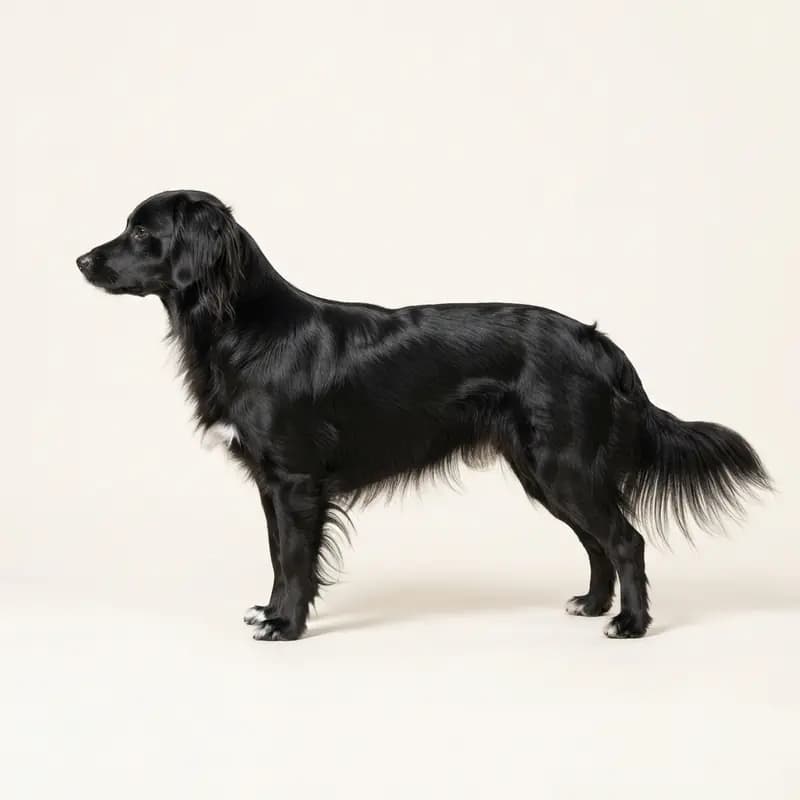
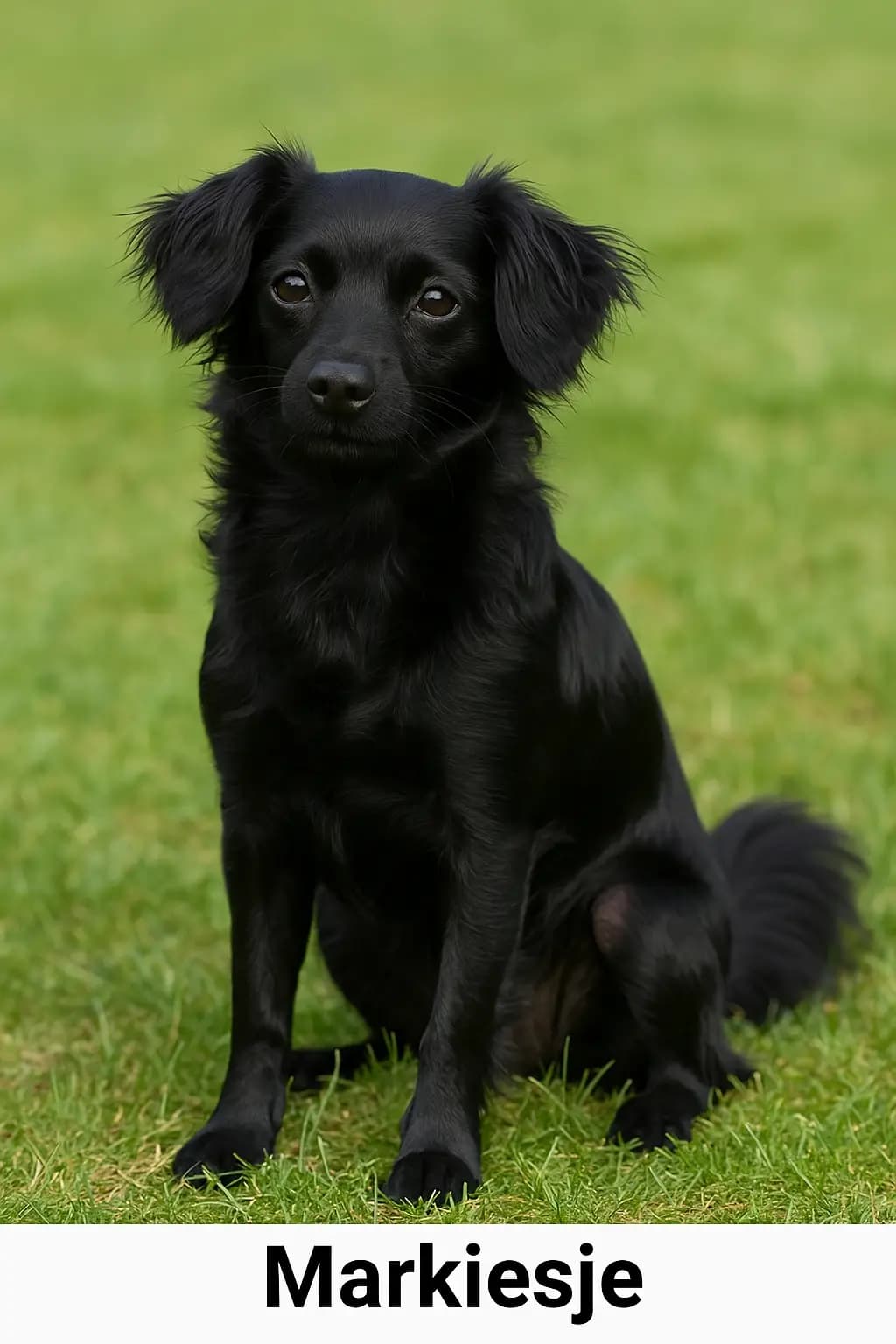
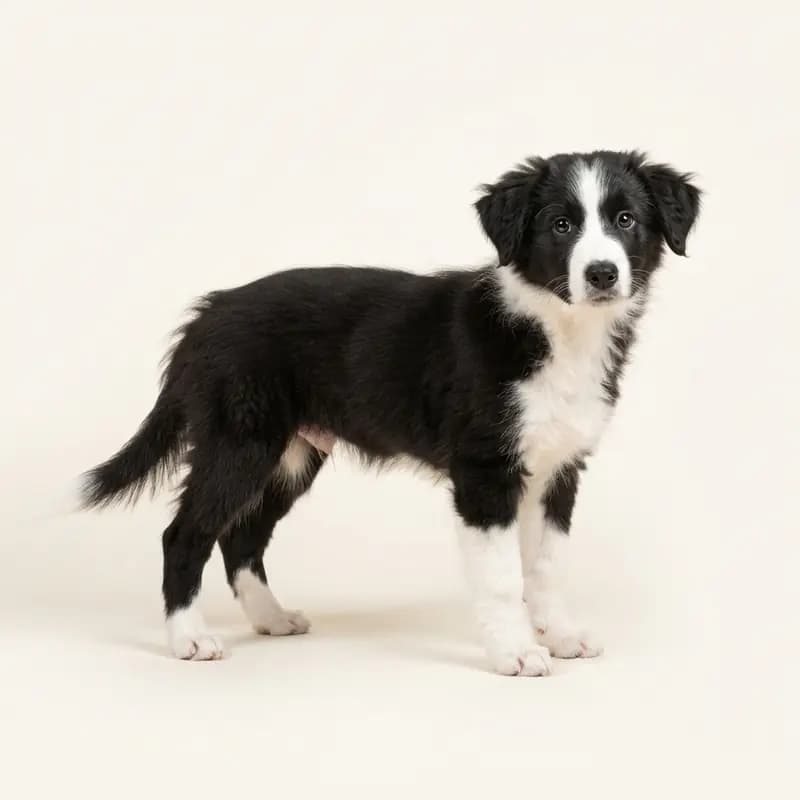
The Markiesje comes in these colors: Black, Black and white.
Showcase your kennel on HonestDog and reach families searching for a responsibly bred Markiesje.