
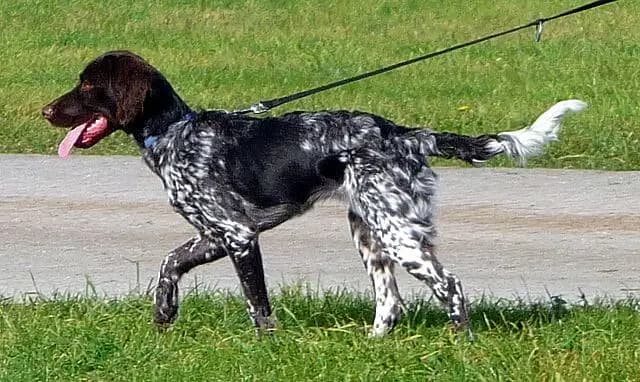
Nova Scotia Duck Tolling RetrieverSame working temperament
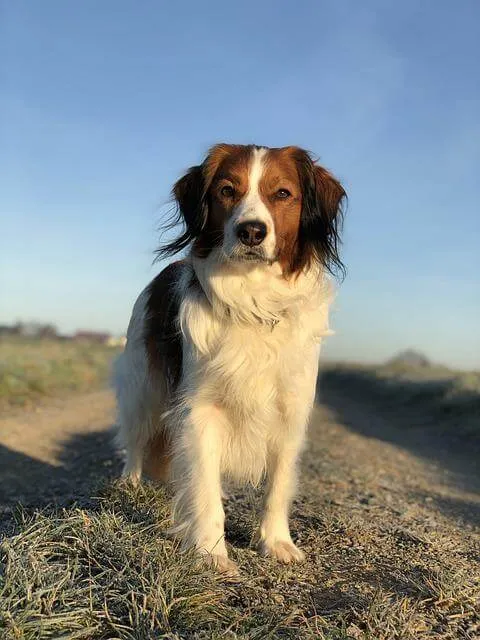
The Nederlandse Kooikerhondje is a sensitive, intelligent flushing and luring dog—bred to silently lure ducks into traps in Dutch canals and to vigilantly guard home and hearth.
Self-check
Answer 6 quick questions about your everyday life and see how well the Dutch Kooikerhondje fits you — including an honest cost estimate per month, per year, and across the dog's lifetime.
At a glance
The essentials — key facts, traits, and health priorities — before you dive deeper.
Health grade
Relative to other breeds
Very healthy — limited common concerns.
Common concerns in this breed
See full health info & tests →
Note: This health overview is AI-assisted and editorially reviewed. It is for orientation only and does not replace veterinary advice.
Lifespan
12–14 yrs
Height
35–42 cm
Weight
9–12 kg
Practical
Temperament
Daily life
What matters most
Especially with a Dutch Kooikerhondje, choosing the right breeder is the single most important decision you'll make. Serious breeders consistently test the parents for inherited conditions, prioritize healthy early socialization, and stay accountable long after handover. A cheap puppy without health screening tends to become the most expensive dog later on.
See HonestDog breeder standards →Colors & coat
The coat colors you will see in Dutch Kooikerhondje litters — including which ones fall outside the breed standard and which carry genetic risk.
Tricolor
Eye colors
 Brown
BrownCoat type
 Illustrative image
Medium
 Smooth
 Double coat
The real vibes check
A Kooikerhondje is like a fine instrument: if you lead him with quiet confidence, he works with you with high concentration and joy. He is not a robust, outgoing retriever in a spaniel costume, but a sensitive specialist who forms a deep, almost exclusive bond with his human and prefers to avoid big crowds.
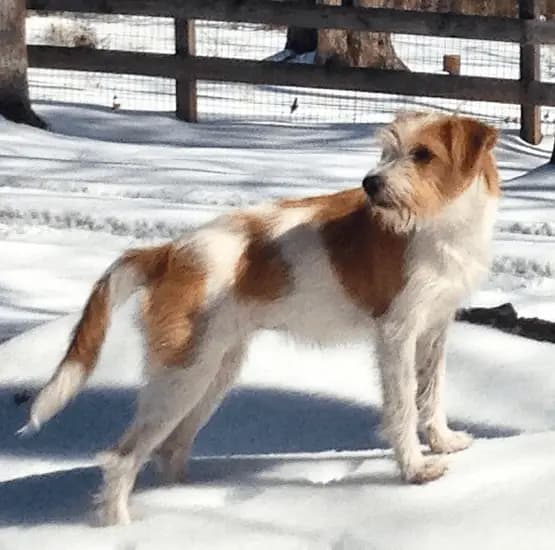
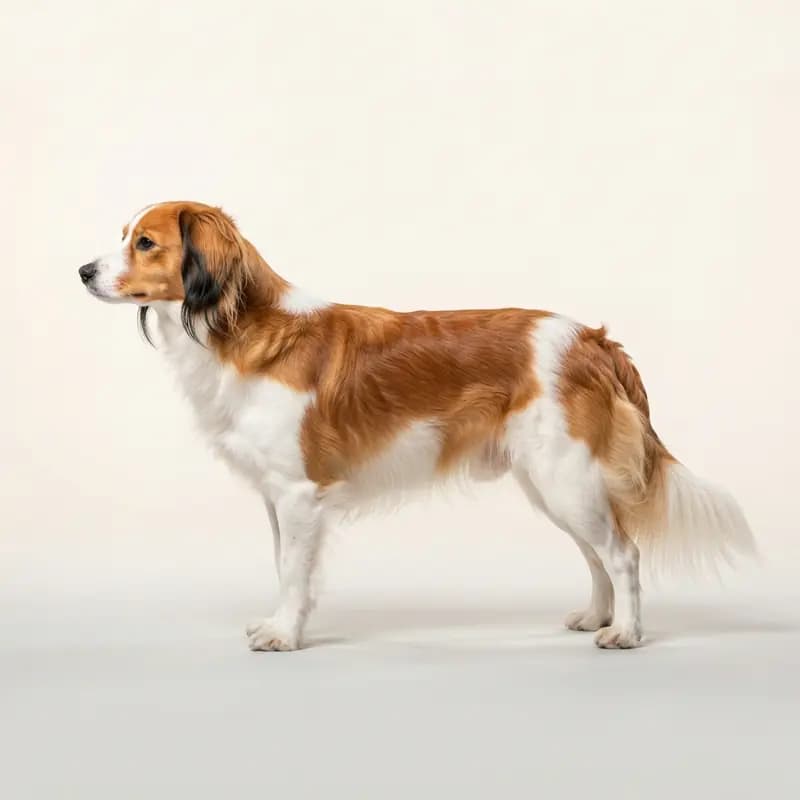
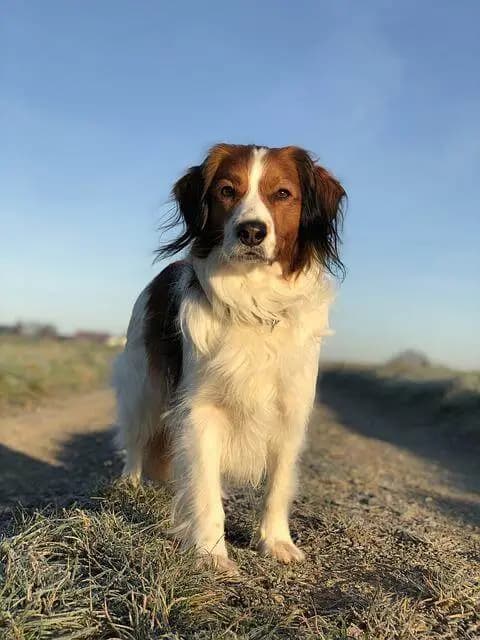
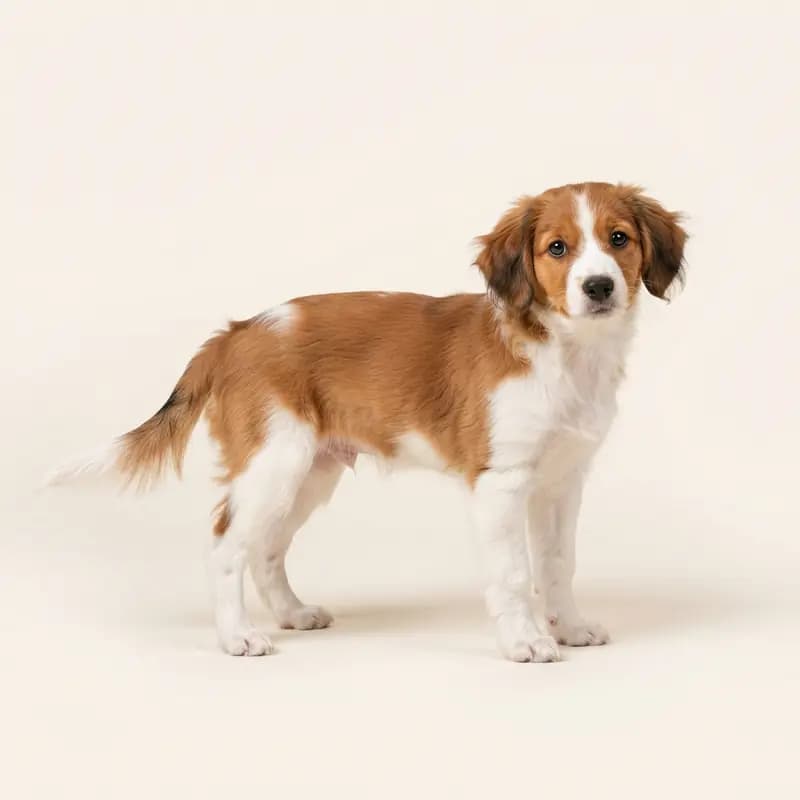
The Nederlandse Kooikerhondje, often simply called the Kooikerhondje, is a medium-sized dog breed characterized by its distinctive white coat with orange markings. This breed has an athletic build, with a well-proportioned body, a slightly domed skull and a cheerful facial expression. The ears are medium-sized and drooping, often with prominent black hair tips called "earrings." The tail is bushy and is carried happily. The Kooikerhondje belongs to FCI Group 8, which includes retrieving, searching and water dogs. There is no specific distinction between performance and show lines within this breed.
The Kooikerhondje is an extremely lively and intelligent dog. They love to play and are often full of energy. Their history as working dogs used for duck hunting is evident in their desire to keep busy and complete tasks. However, they are also very affectionate and people-oriented, which is why they are suitable as family dogs. Their intelligence and active temperament means they need to be challenged mentally and physically. So if you like walking, hiking or even dog sports, the Kooikerhondje could be the perfect companion for you. They are also known for their ability to learn quickly and perform well in dog sports such as agility. As for being alone, the Kooikerhondje can learn to stay alone for short periods of time with training, but it is important to remember that they love company and prefer to be with their people. Because of their history of duck hunting, Kooikerhondjes often have a strong hunting instinct. It is therefore advisable to keep them on a leash, especially in areas with wildlife, and to provide them with early retrieval training. They are also alert and can have good hearing, making them good watchdogs, although they are not overly barking. One of the Kooikerhondje's endearing characteristics is its cheerful nature. Their tail wags often, and they bring joy to the home they live in. However, their sensitivity also means they can respond to their owners' moods, and they thrive in a loving and positive environment. For active people or families who are willing to invest time in training and keeping their dog occupied and who appreciate the company of a happy, intelligent and active dog, the Kooikerhondje could be a wonderful choice. This breed not only offers an attractive appearance, but also a character that can enrich your life.
| Watchfulness Reports unusual activity but stays controlled. | Moderate |
| Openness to Strangers Warms up quickly and is generally welcoming. | Friendly |
| Hunting or Herding Drive Noticeable drive — needs attention around small animals. | Moderate |
Fun Fact!
The Kooikerhondje has a special type of fur around its ears called "earrings" is called "longer black hair that hangs from the tips of the ears and contributes to its characteristic appearance!
Kooikerhondje are dogs that are ambitious when it comes to hunting. They need employment and consistent education.
The Kooikerhondje can be kept in the city or in the country as long as it receives enough exercise and mental stimulation. They get along well with children, but as with all dogs, it is important that encounters with small children are supervised. The Kooikerhondje can also live with cats and other pets, especially if it is used to them from an early age.
Lives for its family — the born family companion.
Extraordinarily patient and loving — a true family dog.
Actively enjoys the company of other dogs.
Adapts well to city living and urban environments.
Owning a dog is a privilege, but it's also a real responsibility. Before you bring one into your life, be honest with yourself about the commitment it takes.
The Kooikerhondje is intelligent and eager to learn, which makes training easier. However, this breed also needs mental and physical stimulation. Dog sports like agility, obedience or flyball can be a great way to meet their energy needs and develop their intelligence. However, be careful not to “over-occupy” your dog. or to a "ball junkie" do by encouraging too much ball playing. Since they have a certain prey drive, it is important to offer them alternatives and promote their impulse control through training. It may also be important to teach them how to deal with frustration, as they can sometimes be impatient.
When feeding the Kooikerhondje, it is important to pay attention to high-quality food. Whether you choose dry food, wet food or raw feeding, make sure the diet is balanced and contains all the necessary nutrients. Fresh water should always be available. When it comes to grooming, the Kooikerhondje has a thick undercoat. The coat should be brushed regularly to prevent matting and remove dead hair. They shed moderately, but regular brushing can minimize this. The Kooikerhondje copes well with the climate in Germany; its undercoat provides protection from the cold.
| Care Level Minimal effort — occasional brushing and bathing. | Low-maintenance |
| Exercise Needs Needs several hours of serious exercise every day. | Very active |
| Shedding Hair everywhere, always — no white clothing survives. | Very heavy |
| Trainability Bred to work closely alongside humans. | Highly trainable |
Our experts are still reviewing this information. Spotted something wrong? Email us at info@honestdog.de.
Robust
Health grade
The Nederlandse Kooikerhondje is a vital breed, but it is susceptible to specific hereditary conditions due to a historical genetic bottleneck. Thanks to consistent breeding tests, the fatal Kooiker paralysis (Hereditary Necrotizing Myelopathy) and Von Willebrand disease (a blood clotting disorder) are now very well controlled. When purchasing a puppy, you should also check the patellar luxation status of the parent dogs.
Grade is relative to other breeds — AI-assisted and editorially reviewed.
Ensure your dog is raised in a way that is gentle on the joints and be sure to inform your veterinarian about the breed-specific risk for blood clotting disorders before any surgeries.
Reputable breeders have knees and eyes checked, use targeted genetic testing for neurological and blood clotting disorders, and pay strict attention to maintaining genetic diversity.
Note: This health overview is AI-assisted and editorially reviewed. It is for orientation only and does not replace veterinary advice.
What matters most for this breed — what's common, how much it affects the dog's life, and how to protect yourself as a buyer.
Tap a body region to see the inherited conditions linked to it.
The three most important risks
Pick a region on the map to explore other areas.
We sort tests into three tiers — from the mandatory club standard to a fully exemplary program.
Club standard. Tests the relevant breed-club (VDH / FCI / AKC parent club) mandates for registration. Any serious breeder should provide these.
No entries in this tier.
No entries in this tier.
Note: This health overview is AI-assisted and editorially reviewed. It is for orientation only and does not replace veterinary advice.
A Dutch Kooikerhondje costs around ~€160 per month (€90 – €300, depending on your setup). The first year adds up to roughly ~€5,170 including purchase, equipment and puppy school; across the dog's life (13 years) it comes to about ~€28,400.
With surgery cover, running costs come to about ~€150 per month — in return, your share of a major operation drops from several thousand euros to around 20 percent.
Per month
~€160
In the first year
~€5,170
Across the dog's life
~€28,400
Purchase from a breeder: €1,800 – €3,000
Estimate at a mid-range setup (suburban, dry food, 1–2 hours of daily exercise), average German prices, as of July 2026.
HonestDog Concierge
We currently have no breeders for this breed who have passed our verification. Create your short buyer profile: we'll set up your search alert, review a possible source and email you within 28 days.
 Illustrative image
 Illustrative image
 Illustrative image
The Kooikerhondje has a long history, dating back to the 16th century. It comes from the Netherlands, where it was traditionally used for duck hunting. The dogs helped to find waterfowl in so-called "kooien" (catching cages) by moving along the banks and thus arousing the curiosity of the birds. The breed was very popular among the Dutch aristocracy and is often depicted in artwork from the 17th and 18th centuries. However, the Kooikerhondje was almost extinct after hunting methods changed and the need for these dogs decreased. Fortunately, the breed was revived in the 1930s by a dedicated group of breeders led by the Baroness von Hardenbroek van Ammerstol. The breed was officially recognized by the Dutch Kennel Club in 1971 and recognized by the American Kennel Club in 2018.
The Nederlandse Kooikerhondje was used to lure ducks in so-called "kooien", where it drove ducks into nets.
Netherlands
1500
Als wir uns für unsere Hündin entschieden haben, dachten wir an den typischen, fröhlichen Familienhund. Im Alltag zeigt sich jedoch ganz deutlich die rassetypische Sensibilität und die extreme Reserviertheit gegenüber Fremden. Unsere Hündin möchte von fremden Menschen draußen absolut nicht angefasst werden – das fand sie schon als Welpe doof. Wenn man hier nicht frühzeitig gegensteuert und ihr Sicherheit gibt, kann diese Zurückhaltung schnell in unsicheres Kläffen umschlagen.
Zudem hat sie die Rassebeschreibung als 'Wasserhund' wohl komplett überlesen. Mehr als bis zum Bauch geht sie nicht ins Wasser. Trotz ihrer sensiblen, manchmal fast ängstlichen Art ist sie zu Hause aber eine unglaublich liebevolle, verschmuste Begleiterin und eine richtige kleine Prinzessin, die wir nicht mehr missen wollen. Man muss sich nur im Klaren darüber sein, dass diese Rasse ein sehr feines Gespür hat und eine extrem sanfte, geduldige Führung ohne Härte braucht.
Mein Rüde ist im Haus ein absolut ruhiger und vorsichtiger Hund, der kaum bellt. Draußen mutiert er dagegen zum absoluten Powerpaket. Er lernt Tricks unfassbar schnell und ist ein echter Streber, der vom Kopf her ausgelastet werden will. Suchspiele und Fährtenarbeit liebt er über alles.
Allerdings hat er auch einen ausgeprägten Freigeist und hinterfragt Dinge gern mal. Wenn wir im Agility-Parcours dreimal dieselbe Runde laufen, schaut er mich an, als wolle er fragen, ob das mein Ernst ist – da wird es ihm schlicht zu langweilig. Auch der Jagdtrieb ist nicht ohne: Wenn er Wild sieht oder eine frische Spur in die Nase bekommt, ist er trotz intensivem Training noch immer nicht zuverlässig abrufbar. Man darf die Eigenständigkeit dieser Rasse beim Spaziergang im Wald definitiv nicht unterschätzen.
Vor dem Kauf fand ich die rassetypische 'Reserviertheit gegenüber Fremden' irgendwie romantisch – so nach dem Motto: 'Ein Hund, der nur mich braucht'. Was ich unterschätzt habe, ist, dass diese Eigenschaft gepaart mit dem ausgeprägten Territorialverhalten des Kooikers ganz schnell umschlagen kann. Besuch zu empfangen war bei uns anfangs ein echtes Spießrutenlaufen, weil er unser Zuhause massiv verteidigen wollte. Da stecken eine Menge Erziehungsarbeit und konsequente Grenzen drin.
Ein ganz wichtiger Punkt, den jeder Interessent auf dem Schirm haben sollte, ist zudem die Gesundheit. Das Kooikerhondje basiert historisch auf einem sehr engen Genpool. Erbkrankheiten wie die Nekrotisierende Myelopathie (ENM) oder die Von-Willebrand-Krankheit sind in der Rasse verankert. Man sollte den Welpen daher wirklich nur bei absolut seriösen Züchtern kaufen, die alle genetischen Gesundheitstests lückenlos nachweisen können.
Paraphrased from real owner reports
The Dutch Kooikerhondje is an active dog that needs plenty of exercise and mental stimulation. Research the temperament, grooming needs, and space requirements before deciding.
The average life expectancy of a Dutch Kooikerhondje is 12-14 years. With proper care and regular vet visits, your dog can live a long, healthy life.
Dutch Kooikerhondje grooming requirements include regular brushing, nail trimming, and dental care. HonestDog provides detailed grooming tips for every breed.
The Dutch Kooikerhondje can be a great family dog. Proper training and socialization are key. HonestDog provides family suitability information for every breed.
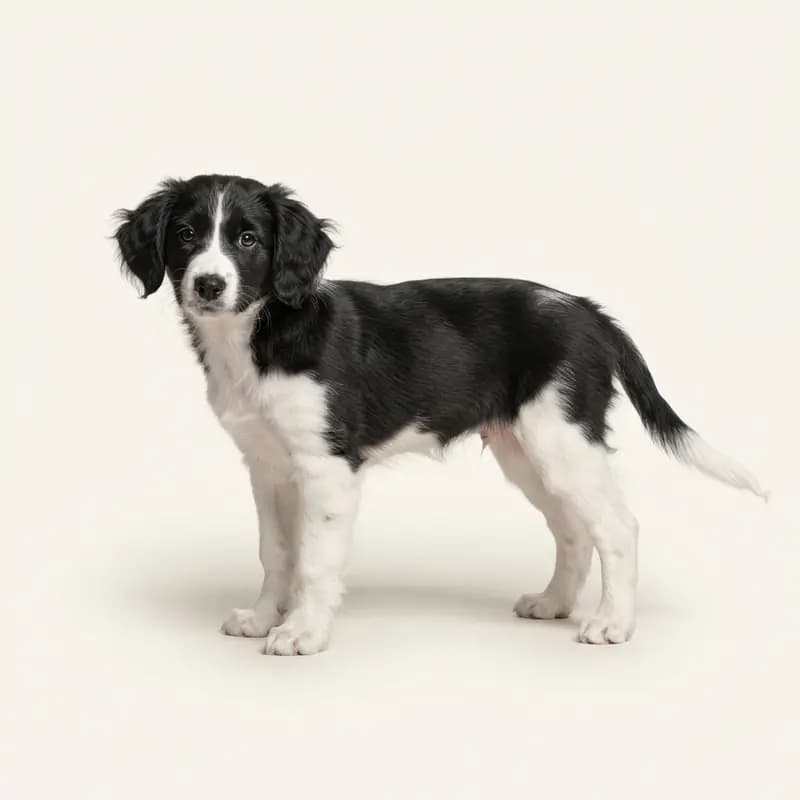
The Dutch Kooikerhondje comes in these colors: Red and white, Black and white, Tricolor. Colors that fall outside the breed standard are marked as such on the breed page.
Showcase your kennel on HonestDog and reach families searching for a responsibly bred Dutch Kooikerhondje.