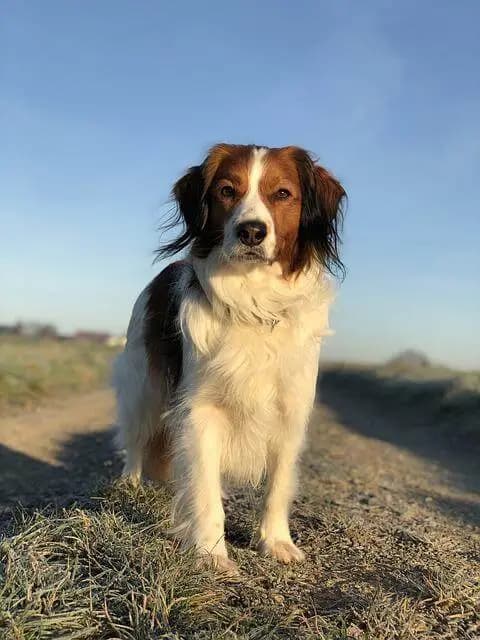
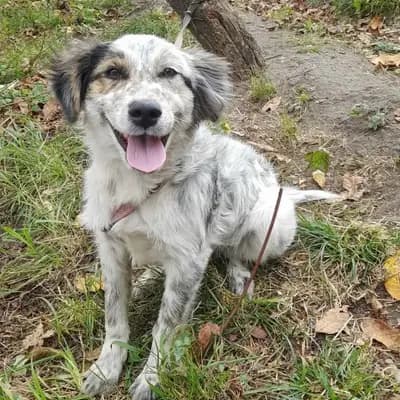
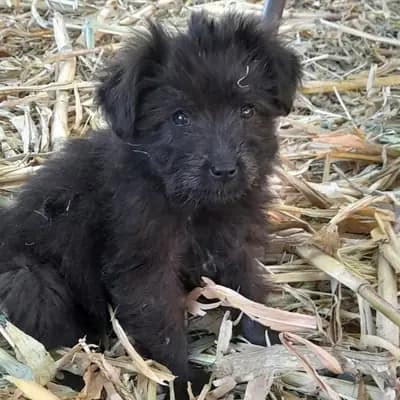
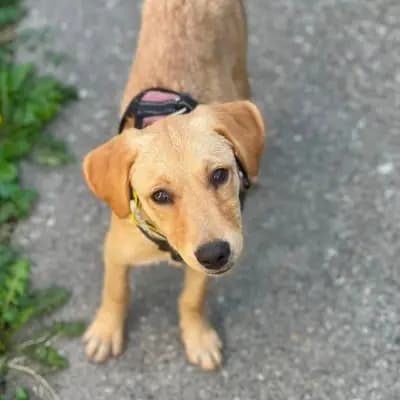
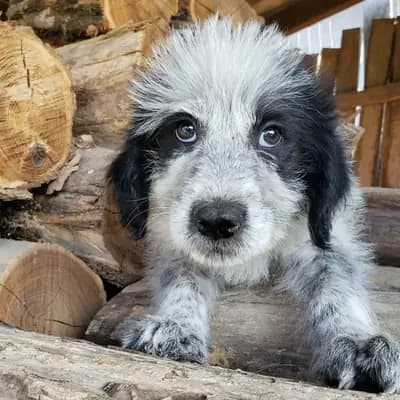
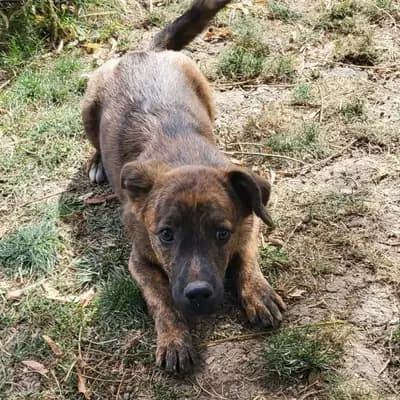
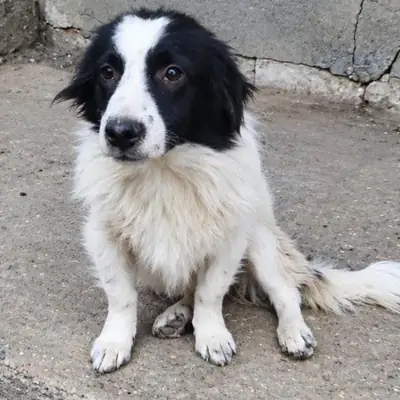
If you would like to adopt a Dutch Kooikerhondje, you will meet a sensitive dog that often suffers in the rescue centre from the loss of the people it was attached to. Despite being very good with children and families, some dogs seem reserved or watchful at first, until they have gained trust. Thanks to their excellent trainability, however, insecurities can be worked through well with loving consistency.
Health deserves particular attention. Dutch Kooikerhondjes are considered fit companions when well bred, but because of their extremely small gene pool they carry specific risks. In the Deutscher Club für Kooikerhondje e.V. (DCK), testing for hereditary necrotising myelopathy (ENM), polymyositis and patellar luxation (PL) is mandatory, as is an ophthalmological eye test. In addition, health-conscious breeders screen for hip dysplasia (HD), cataracts, Kooiker kidney disease (KND) and von Willebrand’s disease (a blood clotting disorder). DNA tests for ENM or clinical examinations for PL and eye problems reduce the risk significantly. However, if a rescue dog comes from an unknown background or from irresponsible breeders, these important health checks on the parent dogs are often missing. Be sure to tell your vet about the breed’s risk of blood clotting disorders before any operations.