Finding a reputable Dutch Kooikerhondje breeder: what to look for
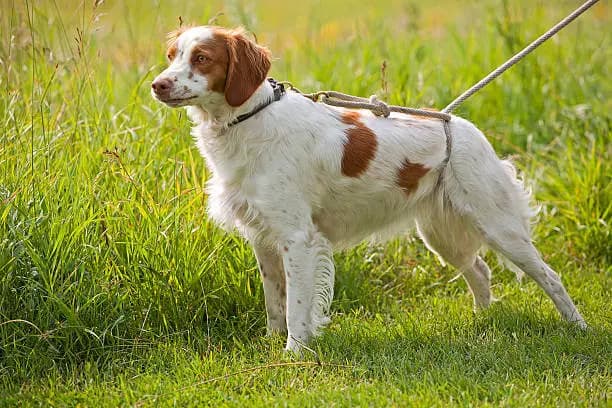
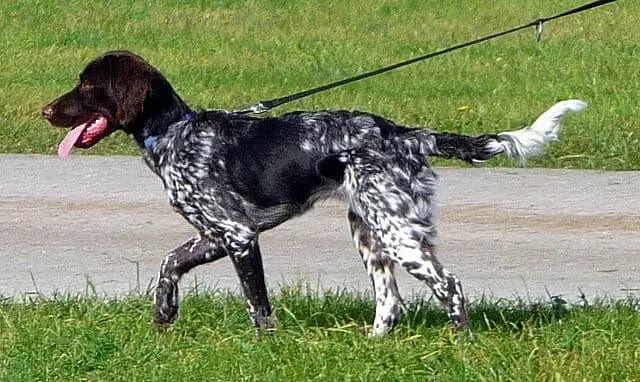
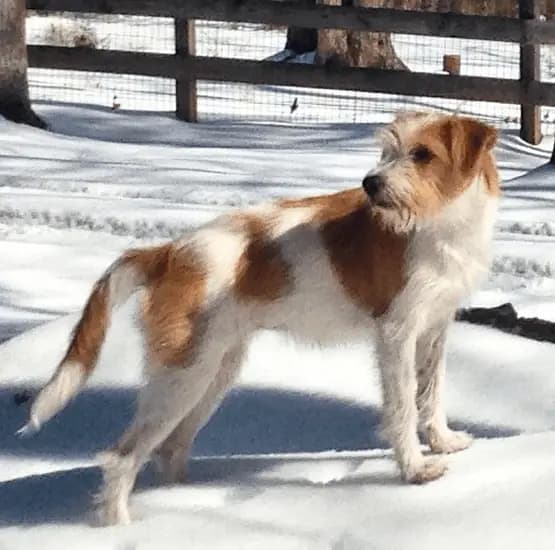
The Dutch Kooikerhondje is a lively, friendly and highly intelligent companion. Originally bred in the Netherlands for duck decoying in so-called “kooien”, this compact dog (males 37–42 cm and 10–12 kg, females 35–40 cm and 9–11 kg) still has plenty of working drive and alertness today. If you want to enjoy 12 to 14 years with a healthy, energetic family dog, choosing the right breeder is the most important step before buying a puppy.
Why the choice of breeder matters so much with the Dutch Kooikerhondje
With well-thought-out breeding, Dutch Kooikerhondjes are considered fit, athletic dogs. However, the entire current population is descended from a historically extremely small gene pool. This narrow genetic base brings specific risks of serious nervous system diseases, muscle inflammation, blood clotting disorders, and eye and joint problems.
Anyone who breeds without genetic expertise and strict selection multiplies the risk of these hereditary conditions dramatically. A competent Dutch Kooikerhondje breeder plans every mating meticulously to keep the inbreeding coefficient low and deliberately avoid known disease-causing genes. Through a structured, stimulating upbringing, they also lay the foundation for the sensitive, quick hunting dog to grow into a steady, confident everyday companion.
Health tests for the Dutch Kooikerhondje: mandatory screening and additional precautions
Before you decide to buy, always ask to see the original written results for both parents. The Deutscher Club für Kooikerhondje e.V. (DCK) already requires key examinations. A health-focused breeder covers all of the following areas:
- Hereditary necrotising myelopathy (ENM) and polymyositis: DNA tests exist for this neurological disease typical of the breed (ENM) and for the inflammatory muscle disease (polymyositis). A genetic test shows whether a parent is clear, a carrier or affected. With ENM, which is inherited as a simple recessive, a reputable breeder mates carriers only with genetically clear partners. That way, no puppy inherits the tested mutation from both parents, and the risk of this one disease falls significantly. The risk of polymyositis can also be determined by DNA testing and reduced through breeding.
- Patellar luxation (PL): The breeding dogs’ kneecaps are examined and graded clinically by a vet to reduce the risk of slipping kneecaps in the offspring.
- Ophthalmological eye test (including cataracts): Before being used for breeding, the dog undergoes a clinical eye examination by a specialist vet, which reduces the risk of hereditary eye problems such as cataracts.
- Von Willebrand’s disease (vWD): This hereditary blood clotting disorder is identified through laboratory tests or DNA analysis so that breeders can avoid high-risk matings. Important for your day-to-day life: before any operation, be sure to tell your vet about the breed’s known risk of blood clotting disorders.
- Hip dysplasia (HD) and Kooiker kidney disease (KND): Many responsible breeders also have their dogs’ hips X-rayed to reduce the risk of HD, and keep a close watch on the occurrence of KND, the kidney disease typical of the breed, in their breeding lines.
6 specific questions to ask the Dutch Kooikerhondje breeder
A reputable breeder welcomes your critical interest. On your first visit or phone call, ask these breed-specific questions:
- “Can you show me the parents’ official results for ENM, polymyositis, patellar luxation and their most recent eye examination?”
- “Do the parents also have results for von Willebrand’s disease and hip dysplasia (HD)?”
- “Have there been any known cases of Kooiker kidney disease (KND) or polymyositis in your breeding lines or among the parents’ relatives?”
- “What is the inbreeding coefficient of this mating, and what criteria did you use to choose the stud dog?”
- “How do you get the puppies used to environmental stimuli, strangers and everyday noises, so that they become neither shy nor overly alert?”
- “What tips can you give me for raising a puppy in a way that is kind to the joints, and for suitable mental stimulation in the first year of life?”
Warning signs: how to spot irresponsible backyard breeders straight away
A puppy from a reputable breeder usually costs between 1,800 and 3,000 euros. Walk away immediately if you come across any of the following warning signs:
- Missing documentation: The seller makes a blanket claim that the parents are “vet-checked and perfectly healthy”, but cannot show any official laboratory and specialist vet results for ENM, polymyositis, PL or eyes.
- Playing down hereditary diseases: Risks typical of the breed, such as blood clotting disorders or neurological problems, are dismissed, or the seller has never heard of them.
- Under-stimulating rearing: The puppies grow up isolated in an outbuilding or kennel, without close contact with the family. In the sensitive Kooikerhondje, this quickly leads to serious insecurity later in life.
- Bargain prices without pedigree papers: Without a traceable pedigree certificate, it is impossible to control inbreeding and hidden hereditary diseases in this breed with its small gene pool.
On HonestDog, every breeder goes through a registration process before being approved: identity verification by ID and selfie, proof of club membership or a §11 permit where applicable, a knowledge test on breeding and animal welfare, and agreement to the HonestDog breeding standards – including no breeding with traits associated with extreme breeding, and no breeding dogs under 18 months. Without a verified §11 permit, a breeder can list a maximum of two breeding bitches there, and you can report anything suspicious on a breeder profile directly via “Report content”. When you visit, ask to see the parents’ original test results. You can find current litters under Dutch Kooikerhondje puppies on HonestDog.