Loading breed
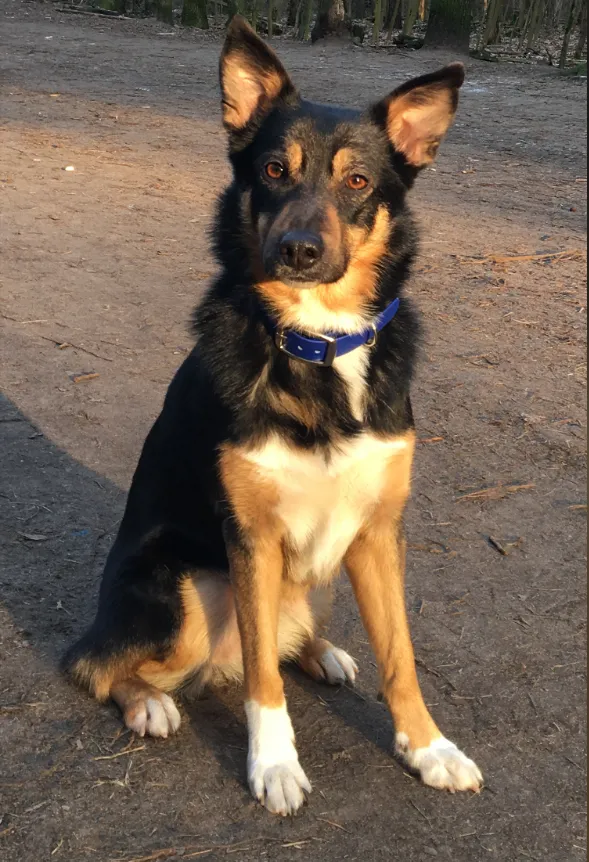
Mixed Breed Dog
Health grade B- Height10–80 cm
- Weight1–100 kg
- Life expectancy7–16 yrs
- Puppy price1,000–2,500 €
- Energy3/5
The Essentials at a Glance
A mixed-breed dog is a unique combination of diverse ancestors—a genetic lucky dip where you often only truly get to know the operating system as you live together.
- Health grade B: While mixed-breed dogs often benefit from genetic diversity, they are by no means immune to hereditary diseases.
- You are ready to adapt to your dog's individual operating system—a genetic lucky dip requires flexibility, as you don't know the hardware exactly beforehand.
- You enjoy discovering the hidden talents of your one-of-a-kind companion bit by bit, rather than working towards a specific dog sport from day one.
- You need to know exactly whether your dog will develop a hunting instinct, guarding instinct, or a strong will-to-please—with a mix, you aren't buying guaranteed hardware.
Self-check
Would the Mixed Breed Dog really fit your life?
Answer 6 quick questions about your everyday life and see how well the Mixed Breed Dog fits you — including an honest cost estimate per month, per year, and across the dog's lifetime.
Fit checkCost estimateRisk dice
Takes about 1 minute · free & anonymous
Is the Mixed Breed Dog right for you?
At a glance
Mixed Breed Dog overview
The essentials — key facts, traits, and health priorities — before you dive deeper.
Health grade
Relative to other breeds
S
A
B
C
D
E
Very healthyHigher risk
Solid — a handful of items a good breeder watches.
See full health info & tests →
Note: This health overview is AI-assisted and editorially reviewed. It is for orientation only and does not replace veterinary advice.
Lifespan
7–16 yrs
Height
10–80 cm
Weight
1–100 kg
Practical
- Puppy price: 1,000 – 2,500 €
- Coat: depending on the mix of parents and their race
- Origin: -
Temperament
Energy
Trainability
Family fit
With kids
Daily life
Care effort
Shedding
Barking
City-friendly
Guard instinct
What matters most
Especially with a Mixed Breed Dog, choosing the right breeder is the single most important decision you'll make. Serious breeders consistently test the parents for inherited conditions, prioritize healthy early socialization, and stay accountable long after handover. A cheap puppy without health screening tends to become the most expensive dog later on.
See HonestDog breeder standards →Colors & coat
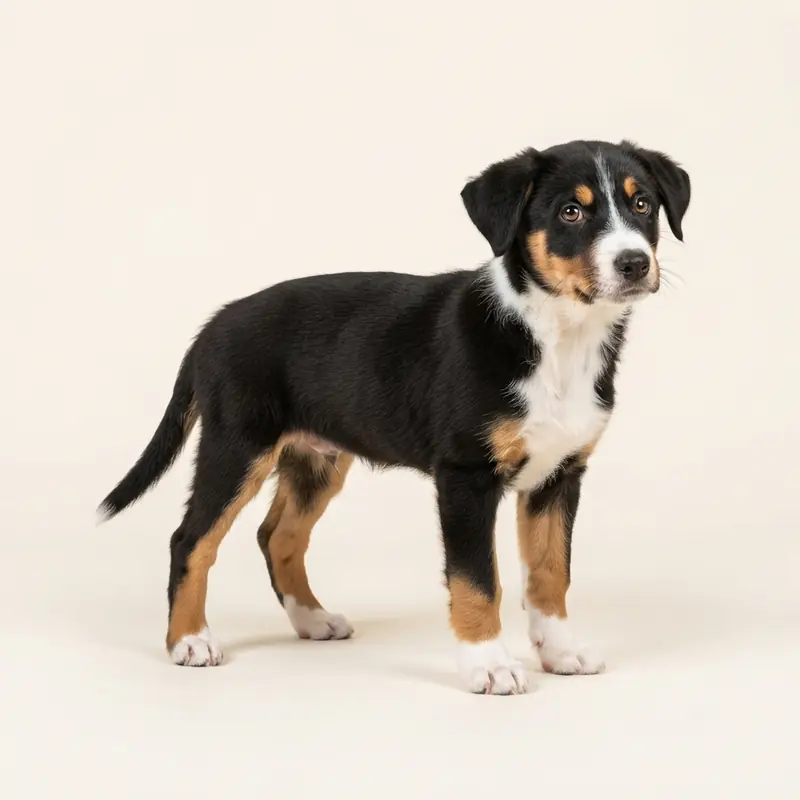
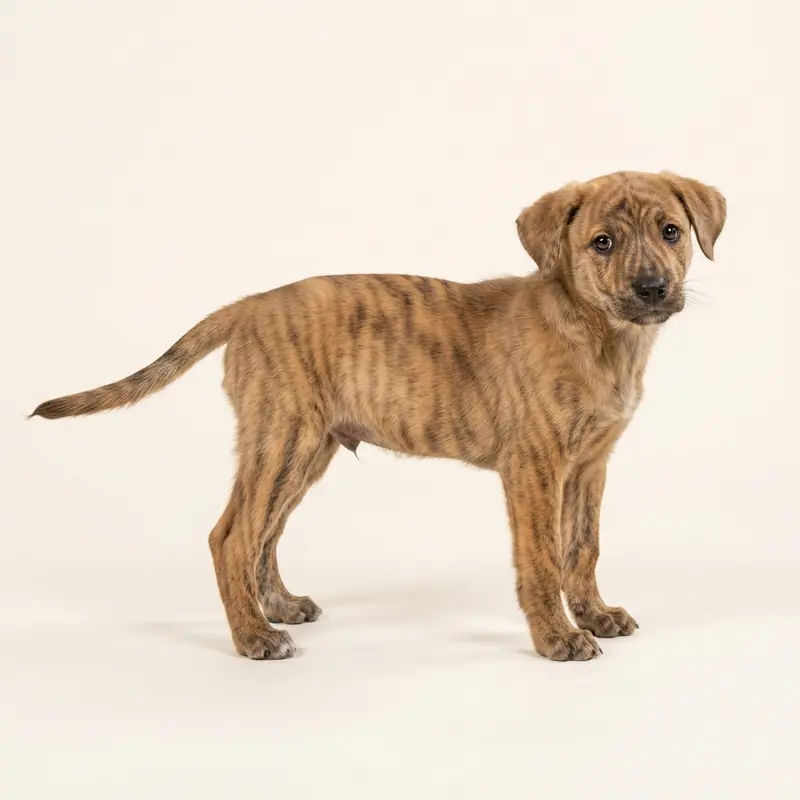
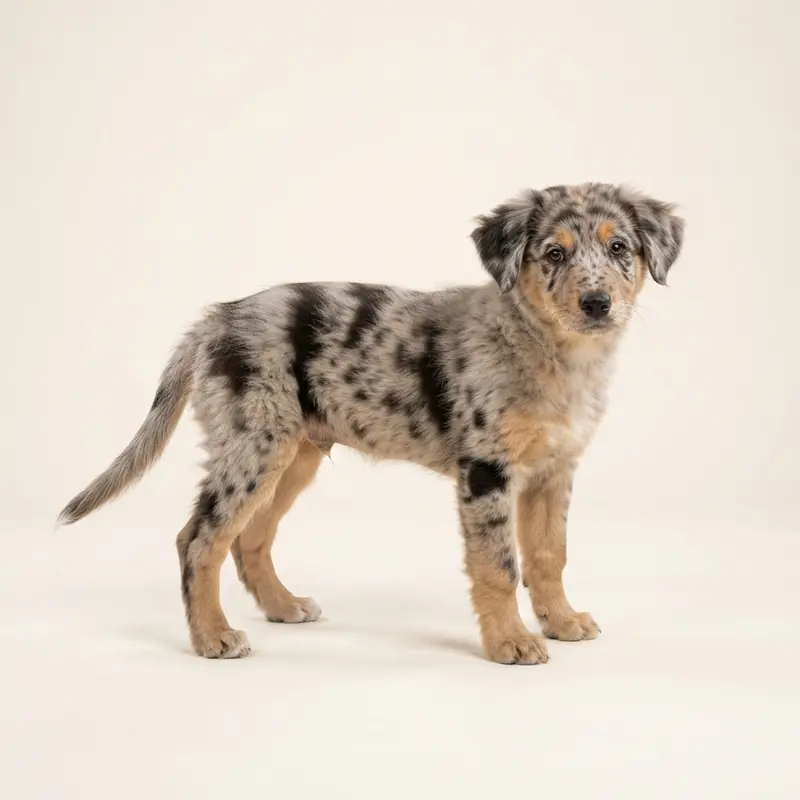
What colors does the Mixed Breed Dog come in?
The coat colors you will see in Mixed Breed Dog litters — including which ones fall outside the breed standard and which carry genetic risk.









Eye colors
 Brown
Brown Amber
Amber Blue
Blue Green
Green Odd-eyed
 Partial (split eye)
Coat type
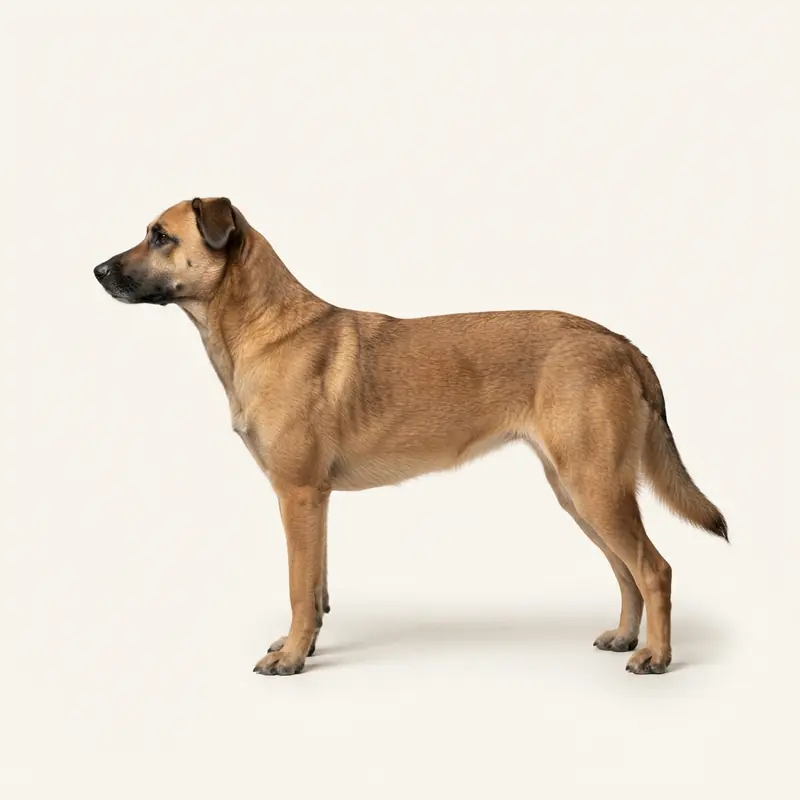 Illustrative image
Short
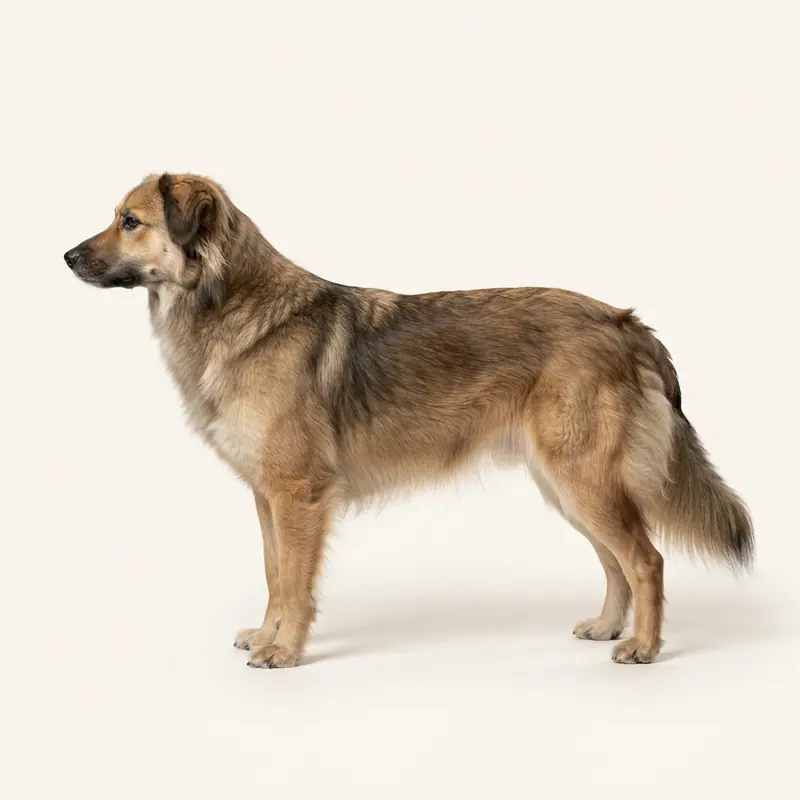 Illustrative image
Medium
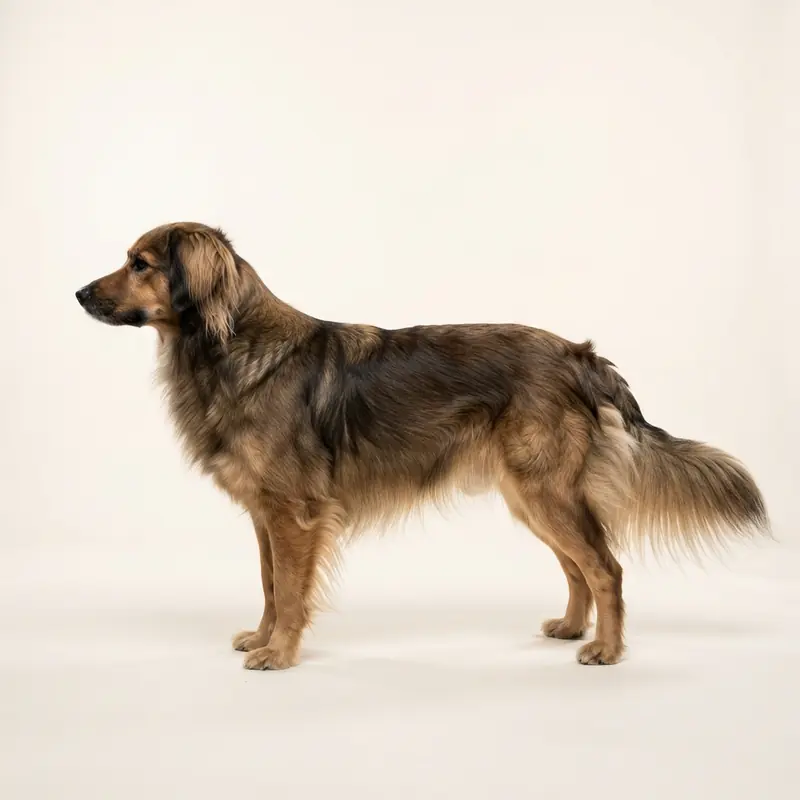 Illustrative image
Long
 Smooth
 Double coat
 Illustrative image
Wire
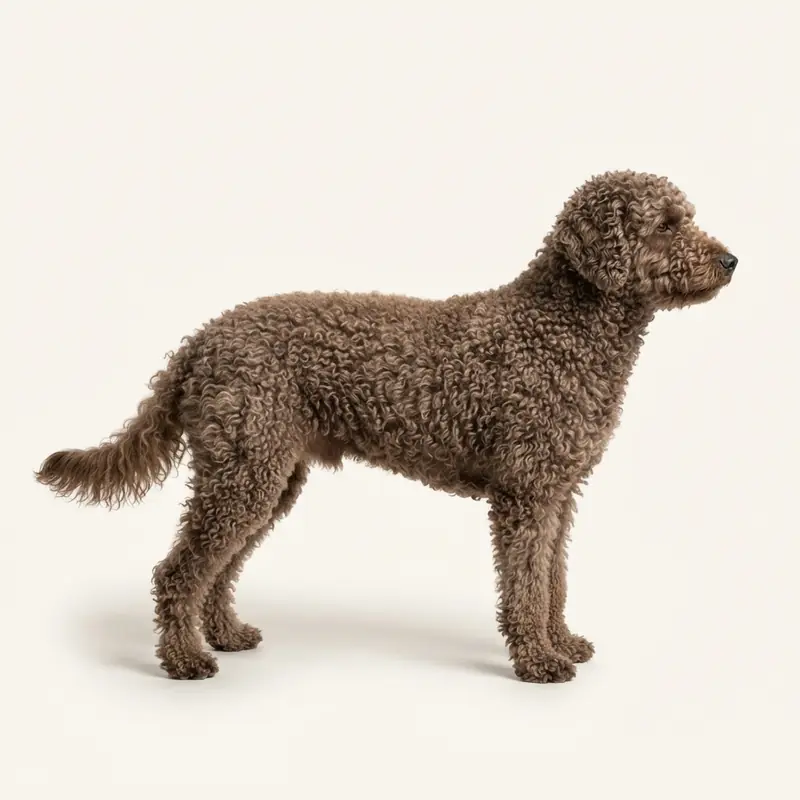 Illustrative image
Curly
 Silky
Silky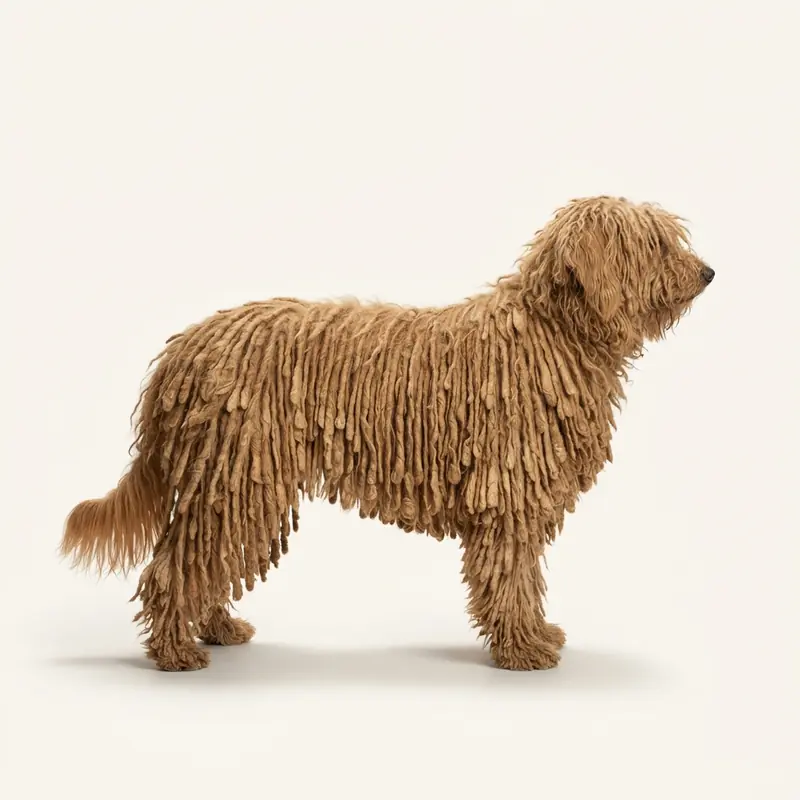 Illustrative image
Corded
 Illustrative image
Hairless
Is the Mixed Breed Dog right for you?
Perfect for you if:
- You are ready to adapt to your dog's individual operating system—a genetic lucky dip requires flexibility, as you don't know the hardware exactly beforehand.
- You enjoy discovering the hidden talents of your one-of-a-kind companion bit by bit, rather than working towards a specific dog sport from day one.
- You can approach a dog whose history is often a mystery with patience, confidence, and a good sense of humor.
- You don't care about pedigrees and view the adventure of dog ownership as an open book.
Less ideal if:
- You need to know exactly whether your dog will develop a hunting instinct, guarding instinct, or a strong will-to-please—with a mix, you aren't buying guaranteed hardware.
- You want absolute certainty about the final size and physical characteristics your puppy will have as an adult.
- You are looking for a highly specialized partner for a specific job like hunting, herding (Hütehund), or ambitious dog sports.
- You get frustrated easily if, during puberty, behaviors from a completely unexpected breed in the family tree suddenly emerge.
The real vibes check
Taking in a mixed-breed dog is like starting a puzzle without seeing the picture on the box. You aren't buying a predictable operating system, but an absolute original that will surprise you time and again. If you are ready to piece the picture together bit by bit, you're in for the most exciting adventure of your life.
Breed Profile
Mixed-breed dogs come from crossing different breeds and bring a unique combination of traits. Unlike purebred dogs, there are no fixed standards for appearance or temperament – every dog is individual. Genetic diversity can lower the risk of some hereditary diseases, but it is no free pass: a mixed-breed dog's health always depends on the health of its parents. Mixes are loyal, adaptable companions – as family dogs, sports partners, or watchful everyday companions. Training and socialization decide how well a mixed-breed dog can develop its potential.
All measurements in detail
- Height
- 10 - 80 cm (Female), 10 - 80 cm (Male)
- Weight
- 1 - 100 kg (Female), 1 - 100 kg (Male)
- Life Expectancy
- 7 - 16 yrs
- Character
- Every mixed-breed dog is one of a kind: temperament, energy level, and quirks depend on the parent breeds and can only partly be predicted in a puppy. If you like surprises, this is the most exciting dog there is.
- Coat
- depending on the mix of parents and their race
- Coat Color
- depending on the mix of parents and their race
- Price
- 1000 - 2500 €
Character & Temperament
A mixed-breed dog's character comes from the breeds of its parents – which makes it as individual as the dog itself. Many mixes are balanced, people-oriented companions; depending on their heritage, hunting, herding, or guarding instincts can surface, sometimes only in adolescence. More reliable than any prediction are the parent dogs: their temperament is the best clue to the dog inside the puppy. With an adult shelter dog, the character is already known – the shelter staff can tell you exactly how the dog handles people, other dogs, and everyday life. With patience, clear guidance, and the willingness to get to know the dog that actually moved in with you, mixed breeds become loyal, remarkably versatile partners.
| Watchfulness Reports unusual activity but stays controlled. | Moderate |
| Openness to Strangers Neither pushily friendly nor suspicious. | Neutral |
| Hunting or Herding Drive Noticeable drive — needs attention around small animals. | Moderate |
Fun Fact!
Mixed-breed dogs: Mixed-breed dogs are like surprise packages among dogs – they combine the best qualities of different breeds and often surprise with unique talents and character traits. Whether energetic, cuddly, or clever, every mixed-breed brings its own lovable mix!
What Awaits You
Mixed-breed dogs are diverse dogs that result from crossing different breeds. They are not automatically healthier than purebred dogs – their health depends on their parents – but many mixes are robust, balanced companions. Depending on the parents, they can be active and playful or calm and affectionate. Mixed breeds need meaningful activities and loving training – and most of them are waiting for a home in a shelter, not at a breeder's.
Housing & Care
Mixed-breed dogs are often very adaptable and versatile companions who can show different character traits depending on their parent breeds. They are usually friendly and open towards people and other animals, especially when socialized early. Mixed breeds need sufficient exercise and mental stimulation to remain balanced and content. They are suitable for both families with children and individuals, with the individual needs and temperament of each dog taken into account. A loving and consistent upbringing is important to fully realize the potential of the mixed breed.
- Family Friendly
Loves family life and thrives in a group.
Family-oriented - Child Friendly
Takes boisterous and affectionate children in its stride.
Patient with children - Dog Friendly
Usually gets on fine with other dogs.
Generally tolerant - City Friendly
City-appropriate with enough exercise and stimulation.
Manageable in cities
Owning a dog is a privilege, but it's also a real responsibility. Before you bring one into your life, be honest with yourself about the commitment it takes.
Training & Education
Mixed-breed dogs are as trainable as the breeds they come from – what matters is working with the dog actually in front of you. Watch which instincts your dog shows – hunting, herding, guarding – and shape training and exercise around them rather than around a label. Positive reinforcement, clear structure, and early impulse-control work suit every mix. For rescue dogs with an unknown history, a good dog school and plenty of patience help build trust and everyday confidence.
Nutrition & Care
Grooming depends on the coat your mix inherited: short-haired dogs usually get by with occasional brushing, a dense undercoat needs more frequent brushing during shedding season, and dogs with Poodle heritage need regular brushing and clipping to prevent matting. As with every dog, this includes nail, ear, and dental care, a balanced diet with controlled portions, and regular vet checks.
| Care Level Minimal effort — occasional brushing and bathing. | Low-maintenance |
| Exercise Needs Needs 1–2 hours of real exercise daily. | Active |
| Shedding Regular shedding — dog hair on clothes is now normal. | Moderate |
| Trainability Willing to learn with clear rules and regular training. | Balanced |
Our experts are still reviewing this information. Spotted something wrong? Email us at info@honestdog.de.
Health & hereditary diseases
Health
B
Solid
Health grade
While mixed-breed dogs often benefit from genetic diversity, they are by no means immune to hereditary diseases. Since unplanned litters rarely undergo health screening, there is an uncontrolled risk of hip dysplasia (HD) and elbow dysplasia (ED), particularly in larger mixed breeds. Without targeted health testing of the parents, buying a puppy remains somewhat of a health gamble.
Grade is relative to other breeds — AI-assisted and editorially reviewed.
In daily life this can mean
You should focus on maintaining a healthy weight and joint-friendly development, and depending on the mix, discuss any specific concerns regarding breathing or medication with your vet early on.
The breeder's role
Reputable breeders have the parents' hips, elbows, knees, and eyes checked, test for medication sensitivities, and ensure clear airways to minimize the risks inherited from the original breeds.
Note: This health overview is AI-assisted and editorially reviewed. It is for orientation only and does not replace veterinary advice.
No Health Tests Available
No specific health tests are currently available for this breed.
Costs & where to find one
How much does a Mixed Breed Dog cost?
A Mixed Breed Dog costs around ~€220 per month (€110 – €430, depending on your setup). The first year adds up to roughly ~€5,210 including purchase, equipment and puppy school; across the dog's life (11.5 years) it comes to about ~€32,840.
With surgery cover, running costs come to about ~€230 per month — in return, your share of a major operation drops from several thousand euros to around 20 percent.
Per month
~€220
In the first year
~€5,210
Across the dog's life
~€32,840
Purchase from a breeder: €1,000 – €2,500
Estimate at a mid-range setup (suburban, dry food, 1–2 hours of daily exercise), average German prices, as of July 2026.
Calculate your personal costs1-minute self-check with your own answers
Looking for a Mixed Breed Dog?
Appearance, variants & origin
 Illustrative imageIllustrative imageIllustrative imageIllustrative image
History
The full history
The history of mixed-breed dogs is as diverse as the dogs themselves. Mixed-breed dogs arise from the crossing of different dog breeds, often without specific breeding goals. For centuries, people have lived with dogs that do not belong to a particular breed but have come about through natural pairings or intentional crossings. These dogs are often characterized by their robustness, adaptability, and health. Today, mixed-breed dogs are becoming increasingly popular because they often possess unique character traits and an individual appearance. They are a living testament to the close bond between humans and dogs over the centuries.
Original Use
Mixed-breed dogs are dogs without a defined breed, often with a variety of characteristics and no specific original purpose.
Origin
-
Date
-
Owner experiences
What owners say about the Mixed Breed Dog
Jasmin B., Halterin aus Hessen (Hündin, seit 2014)
Wir haben unsere Hündin Zera damals als Welpen aus einem ungeplanten Wurf bekommen. Damals hielt sich bei uns hartnäckig das Gerücht, dass Mischlinge grundsätzlich viel robuster und gesünder sind als Rassehunde vom Züchter. Heute wissen wir, dass das so pauschal einfach nicht stimmt.
Zera hatte im Laufe der Jahre immer wieder mit gesundheitlichen Problemen zu kämpfen, darunter häufiger Durchfall und verstopfte Analdrüsen. Mittlerweile wird sie im Alter auch langsam blind. Trotz allem ist sie vom Wesen her extrem fit und wir lieben unseren „Senfhund“ über alles. Man sollte sich vor dem Kauf nur von dem Gedanken verabschieden, dass ein Mix automatisch frei von Erbkrankheiten ist – es sind eben Lebewesen, und man kann bei jeder Paarung Glück oder Pech haben.
Thomas M., Halter aus Niedersachsen (Rüde, seit 2018)
Unser Mischling Leon kam über den Auslandstierschutz zu uns und war anfangs ein echtes Überraschungspaket. Er hatte einige unschöne Macken im Gepäck, zeigte extreme Angst vor bestimmten Alltagssituationen und neigte in Stressmomenten sogar zum Schnappen.
Es hat uns sehr viel Zeit, Geduld und konsequentes Training gekostet, ihn aus diesem Zustand herauszuholen. Heute hat er sich zu einem absolut wunderbaren Begleithund entwickelt, der uns vertraut und im Alltag super mitläuft. Wer sich für einen Mischling aus dem Tierschutz entscheidet, sollte sich bewusst sein, dass man die Vorgeschichte oft nicht kennt und charakterlich flexibel auf das reagieren muss, was der Hund an Eigenschaften mitbringt.
Sabine K., Halterin aus Bayern (Hündin, seit 2021)
Als wir uns für unsere Hündin Klio, einen Border-Collie-Mischling, entschieden haben, hatte ich anfangs riesige Angst vor einer chronischen Unterforderung. Man liest ja überall, wie extrem arbeitswillig und aktiv diese Hütehund-Gene sind und dass man sie ununterbrochen beschäftigen muss.
In der Praxis mussten wir jedoch schnell lernen, dass genau das Gegenteil der Fall ist: Ein agiler Arbeits-Mix muss vor allem lernen, Ruhe zu geben. Wir bestimmen heute ganz klar, wann Action angesagt ist und wann Sendepause herrscht. Wenn wir uns gerade nicht mit ihr beschäftigen, liegt sie völlig entspannt in ihrem Körbchen und döst vor sich hin. Sobald wir sie dann zum Spielen auffordern, ist sie aber sofort mit Feuereifer dabei. Die richtige Balance zwischen Auslastung und Ruhe ist hier das A und O.
Paraphrased from real owner reports
Loading owner stories
Community Posts
FAQ & more
Frequently asked questions about the Mixed Breed Dog
Is a Mixed Breed Dog the right dog for me?
The Mixed Breed Dog is an adaptable dog that adjusts well to various lifestyles. Research the temperament, grooming needs, and space requirements before deciding.
How long does a Mixed Breed Dog live?
The average life expectancy of a Mixed Breed Dog is 7-16 years. With proper care and regular vet visits, your dog can live a long, healthy life.
How much grooming does a Mixed Breed Dog need?
Mixed Breed Dog grooming requirements include regular brushing, nail trimming, and dental care. HonestDog provides detailed grooming tips for every breed.
Is a Mixed Breed Dog good for families with children?
The Mixed Breed Dog can be a great family dog. Proper training and socialization are key. HonestDog provides family suitability information for every breed.
What colors does the Mixed Breed Dog come in?
The Mixed Breed Dog comes in these colors: Black, White, Brown, Yellow, Red, Fawn, Grey, Black and tan, Bicolor, Tricolor, Brindle, Merle.
Loading related articles
Are you a Mixed Breed Dog breeder?
Showcase your kennel on HonestDog and reach families searching for a responsibly bred Mixed Breed Dog.