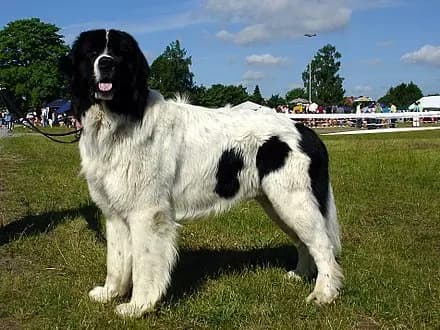
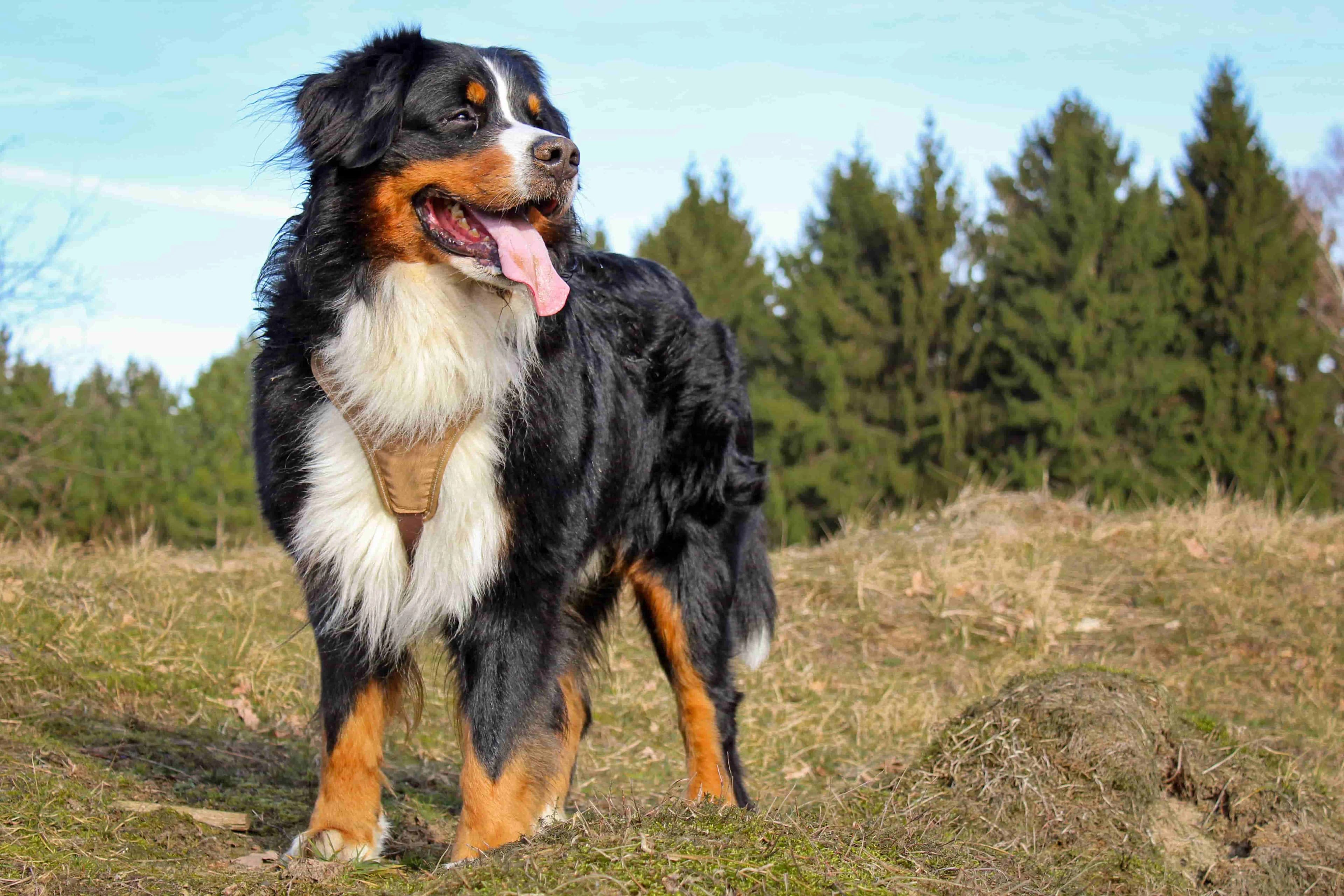
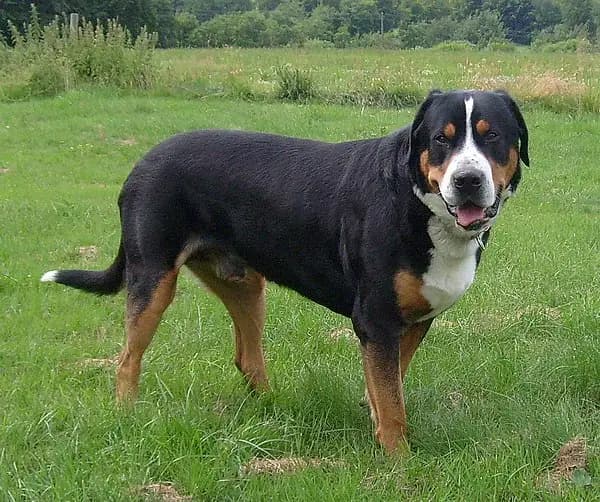
LandseerClose relative
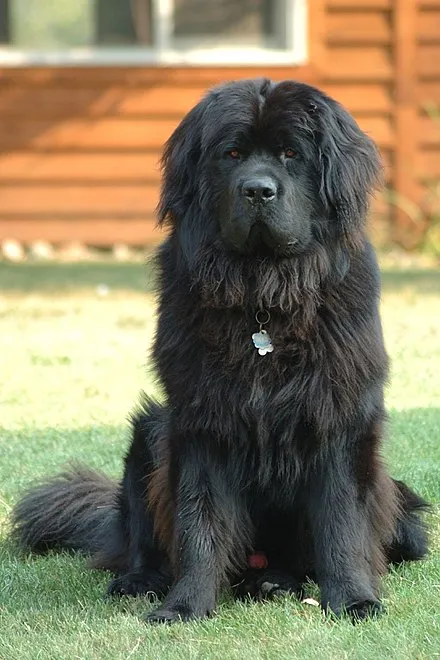
The Newfoundland is a deeply relaxed, extremely people-oriented giant—bred as a massive water rescue and draft dog for Canadian fishermen, capable of working with immense strength even in icy waters.
Self-check
Answer 6 quick questions about your everyday life and see how well the Newfoundland fits you — including an honest cost estimate per month, per year, and across the dog's lifetime.
At a glance
The essentials — key facts, traits, and health priorities — before you dive deeper.
Lifespan
8–10 yrs
Shoulder height
63–74 cm
Weight
45–70 kg
Practical
Temperament
Daily life
What matters most
Especially with a Newfoundland, choosing the right breeder is the single most important decision you'll make. Serious breeders consistently test the parents for inherited conditions, prioritize healthy early socialization, and stay accountable long after handover. A cheap puppy without health screening tends to become the most expensive dog later on.
See HonestDog breeder standards →Colors & coat
The coat colors that occur in the Newfoundland — including which ones fall outside the breed standard and which carry genetic risk.
Eye colors
 Brown
BrownCoat type
 Double coat
 Long
LongThe real vibes check
In everyday life, a Newfoundland is a deeply relaxed bear that stoically blocks the hallway—until you get to the water. If he decides that you need 'help' in the lake, he will pull you to the shore with the gentle, unstoppable force of a tractor, whether you like it or not. You will have to say goodbye to a spotlessly clean home, but in return, you gain a dog with a soul that is literally impossible to rattle.
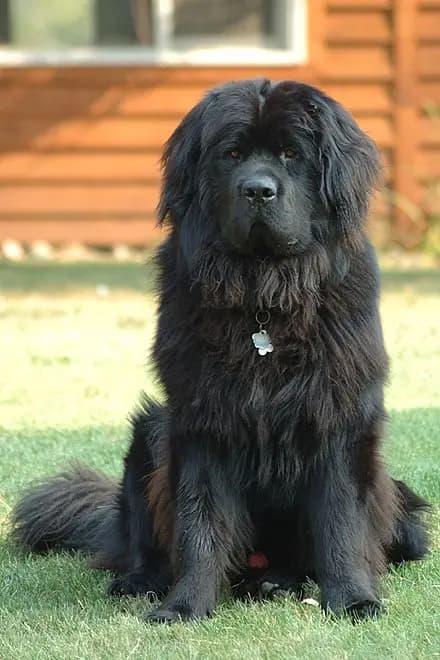
The Newfoundland dog is an impressive presence. Its large, strong body is covered in thick, long fur that protects it from the cold of its native Canada. Its head is broad and massive with deep-set eyes that have a warm and friendly aura. Its legs are powerful and strong, well suited for swimming - an activity that this breed is very comfortable with. It belongs to FCI Group 2, the Pinscher and Schnauzer - Molossoide "Swiss Mountain Dogs and other breeds.
Despite their size, Newfoundlands are known for their gentle and friendly nature. They are very people-oriented and build a close bond with their family. Their patience and amiable nature make them excellent family dogs. They get along well with children and generally behave in a friendly and balanced manner towards other animals. The Newfoundland is a working dog by nature, but its temperament is rather calm and even-tempered. They have a medium activity level and require regular but not excessive exercise. Swimming is a particularly good activity for this breed because it suits their natural inclination while training their strong body. This dog can stay alone well provided it is well socialized and trained. However, he enjoys the company of his people and should not be left alone for long periods of time. When it comes to hunting behavior, the Newfoundland dog does not tend to show strong prey-catching behavior. His alertness is moderate. He will protect his home and family, but he is not an aggressive guard dog. Instead, he is more of a gentle giant who would rather make friends than make enemies. There are no differences in the Newfoundland's lines like some other breeds. All Newfoundlands, regardless of their specific pedigree, share the same basic characteristics and temperaments.
| Watchfulness Occasionally alerts but is fundamentally open. | Low |
| Openness to Strangers Neither pushily friendly nor suspicious. | Neutral |
| Hunting or Herding Drive Barely any prey drive — small animals trigger nothing. | Very low |
Fun Fact!
Despite their massive build, Newfoundlands are excellent swimmers and have historically been used as lifeguards!
Newfoundlands are great swimmers and are often used in water work and also in water rescue. They are considered friendly but also stubborn and are therefore not necessarily suitable for beginners. Their life expectancy is rather low and, among other things, problems with the musculoskeletal system are very common.
Newfoundlands can live in both urban and rural areas provided they have enough space to move around. They are very child-friendly and are well suited for families with children. Their gentle and calm nature also makes them good companions for other pets, including cats.
Lives for its family — the born family companion.
Extraordinarily patient and loving — a true family dog.
Actively enjoys the company of other dogs.
Can manage in the city, but only with very active owners.
Owning a dog is a privilege, but it's also a real responsibility. Before you bring one into your life, be honest with yourself about the commitment it takes.
Raising a Newfoundland is usually a joyful experience as they are intelligent, eager to learn, and eager to please their owners. They respond well to positive reinforcement and gentle, consistent leadership. It's important to socialize them from a young age and get them used to different people, places and situations. This helps build their confidence and ensures they grow into well-adjusted, well-adjusted dogs. Newfoundlands are working dogs originally bred for swimming and rescue swimming. Therefore, they benefit from activities that stimulate their body and mind. This can include swimming, fetch, search games, and obedience training. They tend to have a calm and relaxed temperament and are not known for being "ball junkies." to become. Still, it's important to offer them a variety of games and activities to keep them mentally and physically healthy.
A Newfoundland dog's diet should be balanced and nutritious, with a good balance of proteins, carbohydrates, fats, vitamins and minerals. They are prone to becoming overweight, so it is important to monitor their food intake and ensure they get enough exercise. Grooming the Newfoundland can be challenging as they have a thick, double coat that requires regular grooming. They shed quite heavily, especially during the shedding season in spring and fall. However, they are well adapted to the climate in Germany and their thick fur protects them from both the cold in winter and the heat in summer.
| Care Level Needs regular professional grooming — time-consuming and costly. | High-maintenance |
| Exercise Needs Needs 1–2 hours of real exercise daily. | Active |
| Shedding Hair everywhere, always — no white clothing survives. | Very heavy |
| Trainability Willing to learn with clear rules and regular training. | Balanced |
Our experts are still reviewing this information. Spotted something wrong? Email us at info@honestdog.de.
Elevated risks
Health grade
The Newfoundland is rated D for health, as the breed carries a high risk of severe, breed-typical diseases of the musculoskeletal system and the heart. Among the biggest health drivers are hip dysplasia (HD), elbow dysplasia (ED), and life-threatening aortic stenosis, generic. A responsible breeder actively counteracts these risks by only mating dogs that demonstrably meet the strict limit values. Before buying a puppy, make sure to ask to see the official test results of the parent animals: these must show a result of C or better for hip dysplasia (HD), grade 1 or better for elbow dysplasia (ED), and be clear of aortic stenosis, generic, as well as other heart diseases. In addition, a DNA test result for cystinuria must be available, adhering to the limit value of clear or carrier (the latter only if the other partner is demonstrably clear).
Grade is relative to other breeds — AI-assisted and editorially reviewed.
Methodology and data: HonestDog Dog Breed Health Report 2026
What matters most for this breed
Tap any item to see details.
You must strictly ensure slow growth, a healthy weight, and joint-friendly exercise to avoid overloading his skeleton, and you should plan for regular preventative check-ups.
Reputable breeders have the hips, elbows, knees, and hearts of the parent animals tested and ensure well-fitting eyelids as well as bloodlines without a genetic predisposition for bladder stones.
Note: This health overview is AI-assisted and editorially reviewed. It is for orientation only and does not replace veterinary advice.
What matters most for this breed — what's common, how much it affects the dog's life, and how to protect yourself as a buyer.
Tap a body region to see the inherited conditions linked to it.
The three most important risks
Pick a region on the map to explore other areas.
We sort tests into three tiers — from the mandatory club standard to a fully exemplary program.
Club standard. Tests that the relevant breed club (VDH / FCI / AKC parent club) requires. Any serious breeder should be able to show you these.
No entries in this tier.
Note: This health overview is AI-assisted and editorially reviewed. It is for orientation only and does not replace veterinary advice.
A Newfoundland costs around ~€240 per month (€130 – €470, depending on your setup). The first year adds up to roughly ~€6,480 including purchase, equipment and puppy school; across the dog's life (9 years) it comes to about ~€29,700.
With surgery cover, running costs come to about ~€260 per month — in return, your share of a major operation drops from several thousand euros to around 20 percent.
Per month
~€240
In the first year
~€6,480
Across the dog's life
~€29,700
Estimated purchase price from a breeder: €2,000 – €3,500
Estimate at a mid-range setup (suburban, dry food, 1–2 hours of daily exercise), average German prices, as of July 2026.
HonestDog Concierge
We currently have no breeders for this breed who have passed our verification. Create your short buyer profile: we'll set up your search alert, review a possible source and email you within 28 days.
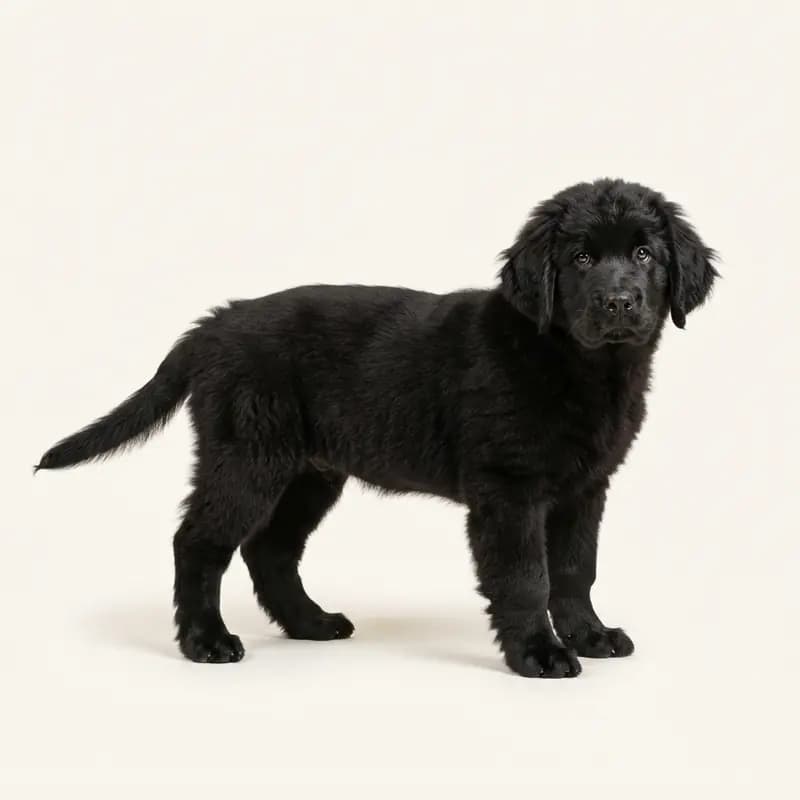 Illustrative image
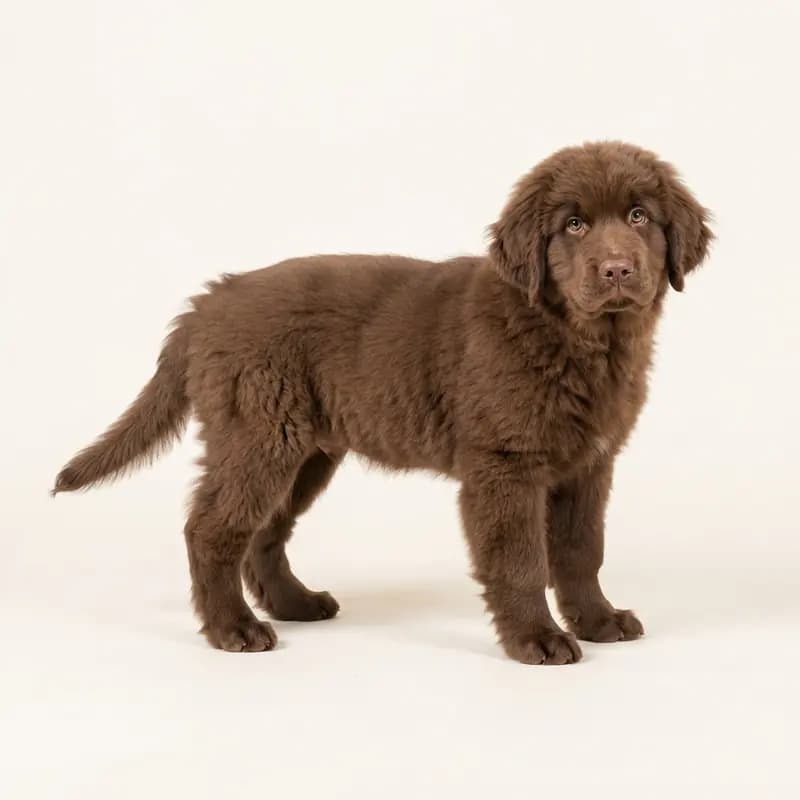 Illustrative image
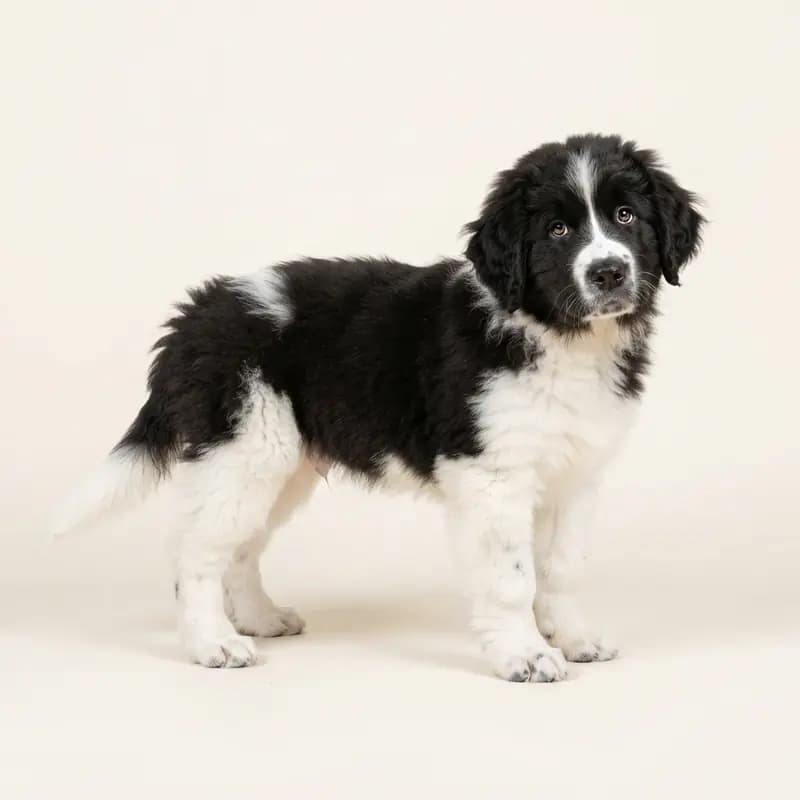 Illustrative image
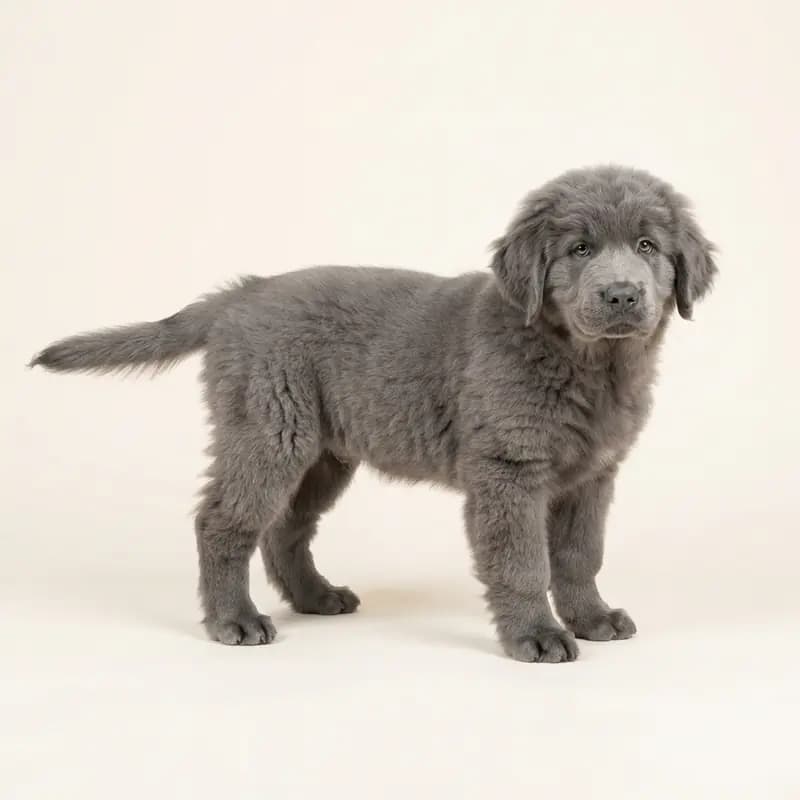 Illustrative image
The breed, as the name suggests, comes from the island of Newfoundland in Canada. They have been kept as working dogs by the local fishermen since the 17th century. They pulled nets ashore, rescued fishermen who had fallen overboard and even retrieved drifted fish. Their swimming ability, height and strength made them perfect for these tasks. In 1886 the Newfoundland was recognized as a separate breed.
The Newfoundland was bred as a working dog for fishermen to haul in nets and rescue people who had fallen overboard.
Canada (Newfoundland)
1700
Owners almost without exception describe the Newfoundland as a very affectionate, good-natured and deeply relaxed companion in family life. Many stress that these dogs often simply forget how massive they are: they constantly seek close contact, lean their full weight against their people's legs or try to lie in a lap despite their size. With children and other pets, owners consistently credit them with remarkable patience and a strong protective instinct without any aggression. Kept only in a kennel or outdoors, they become sad, because they really need to be part of their "pack."
At the same time, experienced owners point out that getting a Newfoundland means fundamentally rethinking your standards for your home. Dirt, sand and piles of shed hair are a constant, as is the breed's typical drooling. Several owners joke that towels have to be placed strategically around the house, since slobber flung by a head shake can land even on walls and ceilings. The dog's sheer bulk also calls for planning ahead in everyday life, for example when transporting it by car or working out how you'd carry a 60-kilo dog in an emergency without an elevator.
Sources:tierforum.detierliebe.attierchenwelt.deforum.hundund.deeinfachtierisch.de
Many owners warn against the illusion that a Newfoundland's gentle nature means it will train itself. A strong stubborn streak comes up again and again as the biggest challenge. Once a Newfoundland has decided to stay lying in one spot or not to go any farther, sheer muscle power will hardly budge it. Owners stress, however, that harshness, yelling or pressure backfire completely with this sensitive breed; the dogs turn stubborn and stop cooperating altogether.
Owner accounts agree that only calm, consistent leadership works, paired with strong food or play motivation and lots of patience. Loose-leash walking and breaking the habit of jumping up in particular have to be trained meticulously during puppyhood and adolescence. An untrained, still-growing young dog quickly develops a strength few owners can handle. As for prey drive, most owners report a welcome calm: wildlife and birds are usually ignored off leash, which makes off-leash walks very relaxed.
Sources:tierforum.dereddit.comtierliebe.attierisch-verliebt.de
In owner accounts of grooming and health, the dense double coat takes up the most space. Owners report a huge amount of grooming: the coat needs a thorough brushing several times a week, because the dense undercoat mats very quickly, especially behind the ears, on the britches and in the armpits. During the seasonal coat change, more than one household vacuum gives up, which is why many owners swear by special dog dryers (blowers) to get dirt and loose undercoat out after walks. Since every pond or puddle, however muddy, draws the breed like a magnet, drying and cleaning up is a daily ritual.
On the health side, owners emphasize the risk of joint problems such as hip and elbow dysplasia (HD/ED) and arthritis. In the first year, owners are therefore strict about avoiding stairs, sudden hard stops and excess weight to protect the heavy frame. Another recurring theme is how poorly the breed handles heat: while Newfoundlands come alive in winter and snow, on warm summer days they mostly doze listlessly on the coolest tiles and should not be put under any physical strain. On a wistful note, owners mention the short life expectancy typical of giant breeds, often only 8 to 10 years.
Sources:tierchenwelt.deforum.hundund.dereddit.comtierisch-verliebt.de
Paraphrased from real owner reports · translated from German
The Newfoundland is an adaptable dog that adjusts well to various lifestyles. Research the temperament, grooming needs, and space requirements before deciding.
The average life expectancy of a Newfoundland is 8-10 years. With proper care and regular vet visits, your dog can live a long, healthy life.
Newfoundland grooming requirements include regular brushing, nail trimming, and dental care. HonestDog provides detailed grooming tips for every breed.
The Newfoundland can be a great family dog. Proper training and socialization are key. HonestDog provides family suitability information for every breed.
The Newfoundland comes in these colors: Black, Brown, Black and white, Grey. Colors that fall outside the breed standard are marked as such on the breed page.
Showcase your kennel on HonestDog and reach families searching for a responsibly bred Newfoundland.