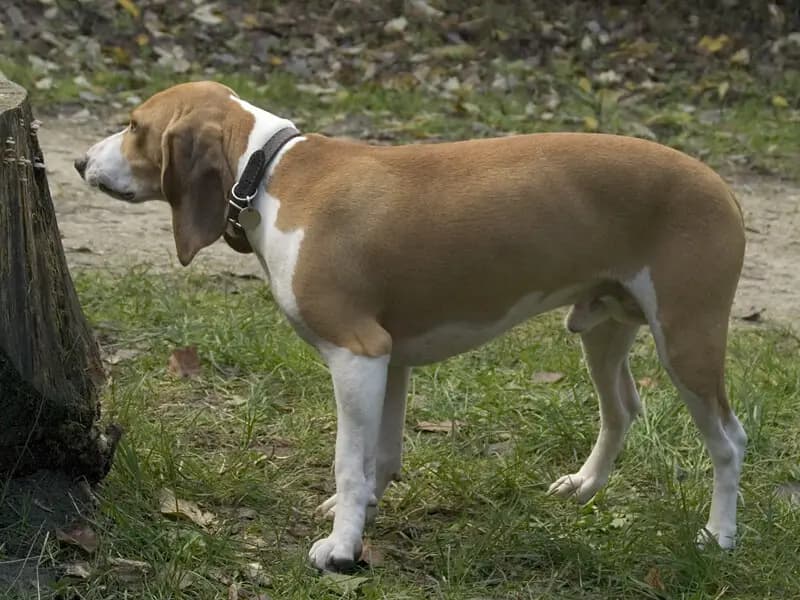
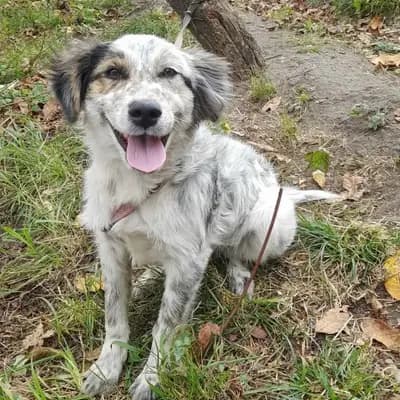
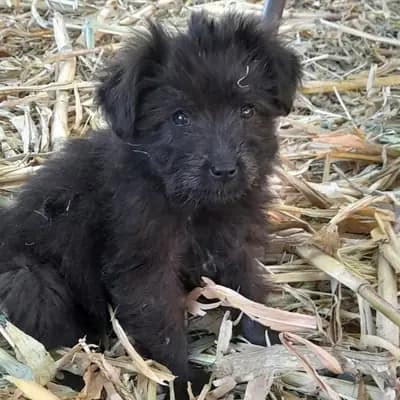
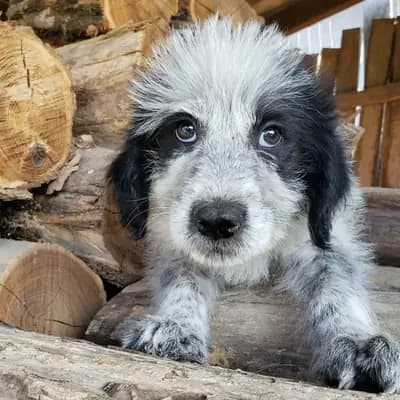
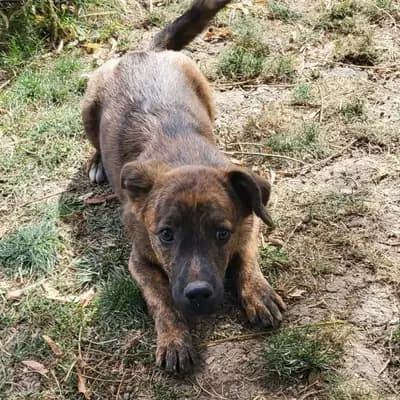
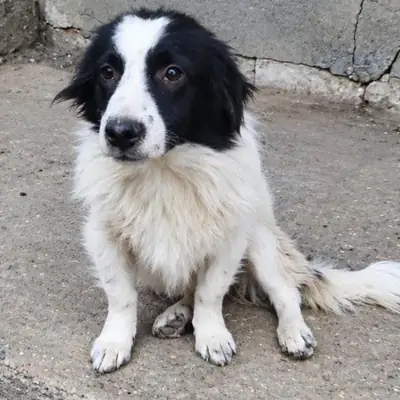
If you take a Small Schwyz Hound in from a shelter, you will usually find a sensitive but eager-to-work companion. Often little is known about the dog’s past – some dogs have never lived in a house or show insecurity around environmental stimuli.
Pay attention to breed-typical health issues too: because the back is long in proportion to the short legs, and because of chondrodystrophy (CDDY), the spine is more vulnerable to strain. Hip dysplasia (HD) and eye conditions such as cataracts, generalised progressive retinal atrophy (PRA) or primary open-angle glaucoma (ADAMTS10-associated) also occur in the breed. The metabolic disease neuronal ceroid lipofuscinosis type 7 (NCL7) is also a documented risk. A health-focused breeder uses DNA tests for hereditary conditions such as NCL7 and has the parent dogs X-rayed and examined by a veterinary ophthalmologist, so that carriers are mated selectively and the risks are significantly reduced. With a shelter dog, this kind of preventive screening is usually not fully in place. Vaccinations, microchip and an intake examination are usually covered; ask to see all the available medical records and go through them carefully.