Small Swiss Hound
Close relative
Dogs love cookies, and so do we
Cookies for analytics and ads. Privacy
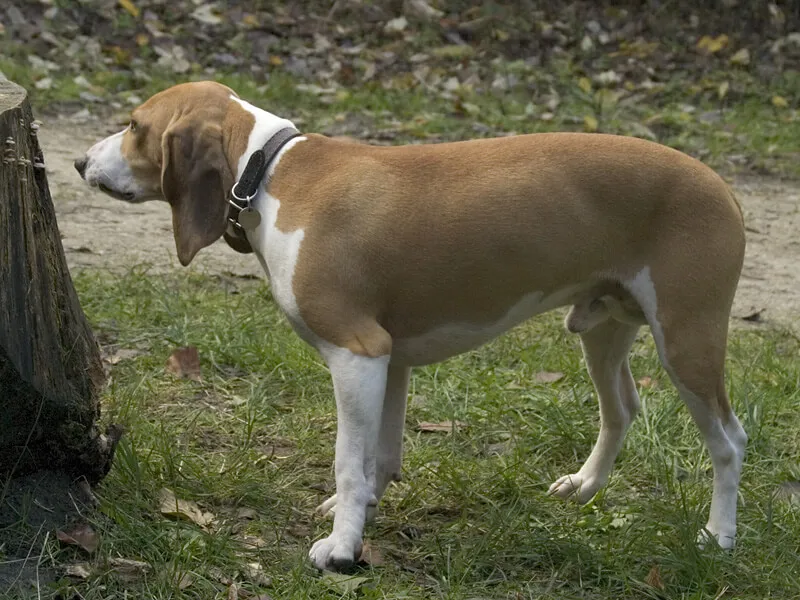
The Small Schwyz Hound is a passionate, sharp-nosed little hound—bred as a tireless scent-tracking specialist that independently tracks and hunts game in rugged alpine terrain.
How the health grade is calculated
Sources for required breeding screenings. Verein für Französische und Schweizer Laufhunde e.V. (CCFS)
Self-check
Answer 6 quick questions about your everyday life and see how well the Small Schwyz Hound fits you — including an honest cost estimate per month, per year, and across the dog's lifetime.
Question 1 of 6
Count honestly — the normal day, not the best one.
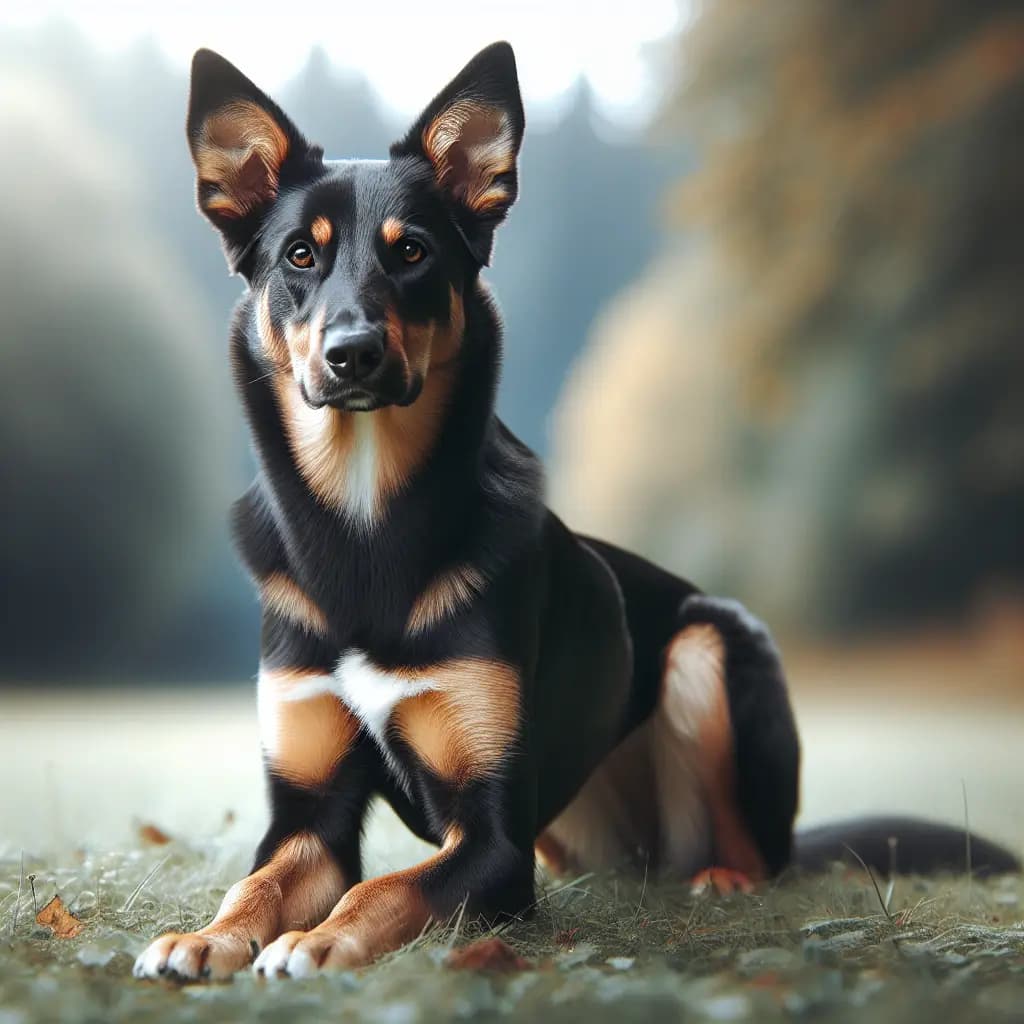 AI image
At a glance
The essentials — key facts, traits, and health priorities — before you dive deeper.
Lifespan
12–14 yrs
Shoulder height
33–43 cm
Weight
12–16 kg
Practical
Temperament
Daily life
What matters most
Especially with a Small Schwyz Hound, choosing the right breeder is the single most important decision you'll make. Serious breeders consistently test the parents for inherited conditions, prioritize healthy early socialization, and stay accountable long after handover. A cheap puppy without health screening tends to become the most expensive dog later on.
See HonestDog breeder standards →Colors & coat
The coat colors that occur in the Small Schwyz Hound — including which ones fall outside the breed standard and which carry genetic risk.
Eye colors
 Brown
Coat type
 Short
 Smooth
The real vibes check
In the living room, he is a gentle cuddle bug who will sleep on the sofa for hours—but as soon as he gets a scent in the woods, he transforms into a highly specialized, vocal hunter. You aren't getting a classic command-follower, but an independent explorer who perceives the world primarily through scents. Those who provide him with this nose work will be rewarded with a deep, calm bond.
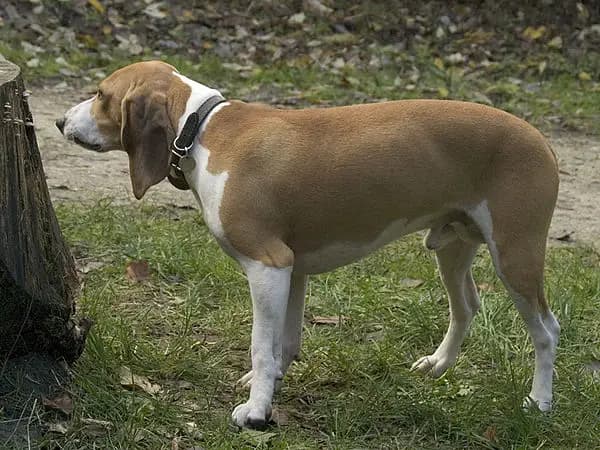
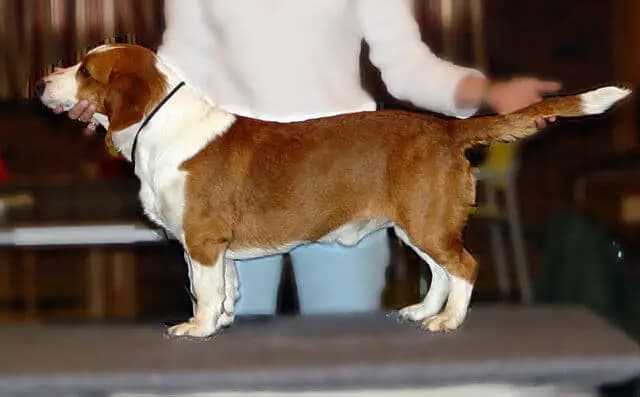
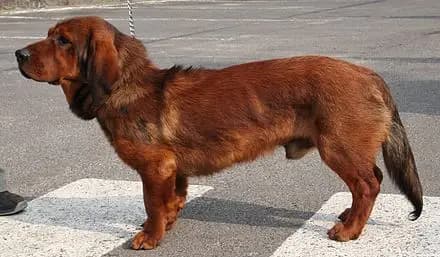
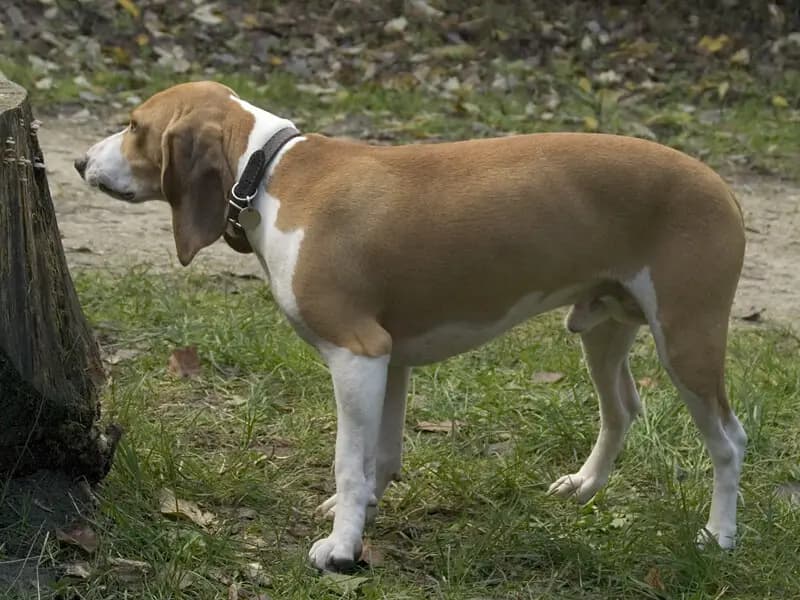
The Small Swiss Hound (Schwyz), also known as the Small Schwyz Hound, is a small to medium-sized dog that originated in Switzerland. He belongs to FCI Group 6, which includes scent hounds and blood trackers. These dogs are characterized by their keen sense of smell and their ability to track game over long distances. The Small Swiss Hound has an elegant appearance with a strong, muscular build and pronounced running legs, indicating its use as a working dog. Its coat is short, dense and smooth-fitting, making it easy to care for and suitable for a wide range of climate conditions. Coat colors can vary, with white with black or orange markings being the most common. There is no clear distinction between performance and show lines in this breed. This means that, regardless of their area of application, all Small Schwyz Hounds meet the same breed standards and can be kept both as working dogs and as show dogs.
The Small Swiss Hound is an extremely adaptable dog with a balanced and loyal character. Although originally bred for hunting, it shows amazing versatility and can adapt well to different lifestyles as long as it gets enough physical and mental exercise. Its nature is based on its use as a scent hound. He is an active and energetic dog who loves exercise and has strong stamina. At the same time, he is also a very people-oriented dog who loves the company of his people and enjoys spending time with them. He is perfectly capable of remaining alone if properly prepared, but he is happiest when involved in his family's daily activities. By nature, the Small Swiss Hound is rather calm and balanced. He doesn't tend to be hyperactive, but he still needs enough exercise and activity to stay happy and healthy. He is a good learner and can learn a variety of tasks and tricks, making him an ideal candidate for various dog sports such as agility, obedience or tracking. The Small Swiss Hound usually shows a moderate hunting instinct. Although he was bred to pursue game, his hunting instincts are usually well controlled, especially if he receives good socialization and training from an early age. However, this does not mean that he does not exhibit prey catching behavior - he may well be interested in small animals or moving objects, but with solid training this can be well managed. One of the most notable characteristics of the Small Swiss Hound is its alertness. Although not a classic guard dog, he is very alert and will likely bark to alert his humans to visitors or unusual situations. This alertness coupled with his loyal and people-oriented nature makes him an excellent family dog and companion. Although the Small Swiss Hound is a relatively unknown dog, it still has a lot to offer. With his combination of activity and balance, his versatility and his strong bond with his people, he is a wonderful companion for active families and individuals looking for a loyal and adaptable dog. With the right exercise and a loving environment, the Small Swiss Hound will certainly lead a happy and fulfilling life.
| Watchfulness Reports unusual activity but stays controlled. | Moderate |
| Openness to Strangers Warms up quickly and is generally welcoming. | Friendly |
| Hunting or Herding Drive This drive runs deep — no amount of training eliminates it. | Very strong |
Fun Fact!
Did you know that the Small Swiss Hound is one of the oldest dog breeds in Switzerland and can trace its origins back to the Middle Ages?
The Small Swiss Hound is a lively and enduring hunting dog, particularly suitable for tracking and retrieving. It is characterized by its good obedience and pronounced sense of smell. These dogs are friendly and eager to work but require consistent training and sufficient activity. The Small Swiss Hound is a reliable companion for active people and families with an interest in hunting.
The Small Swiss Hound is a versatile dog that can get along well in both the city and the country. It is important that he gets enough exercise and mental exercise. He goes well with active families and will enjoy the daily walk in the park or the weekend hike. His adaptability and calm temperament make him a pleasant companion in various environments. He is well compatible with children and other pets as long as he has been well socialized from an early age. His friendly and patient nature makes him a great family dog. He can also get along well with cats or other pets in the family as long as proper introductions and supervision are provided.
Loves family life and thrives in a group.
Takes boisterous and affectionate children in its stride.
Actively enjoys the company of other dogs.
City-appropriate with enough exercise and stimulation.
Owning a dog is a privilege, but it's also a real responsibility. Before you bring one into your life, be honest with yourself about the commitment it takes.
The Small Swiss Hound is an intelligent and docile dog that enjoys training. He responds well to positive reinforcement and reward-based training methods. He is a natural tracker and can enjoy activities such as tracking or mantrailing. At the same time, he should learn to control his impulses and not chase every interesting smell. His endurance and energy make him a good candidate for dog sports such as agility or obedience. It is important to be careful not to over-exercise or over-stimulate the dog to avoid stress or anxiety. The Small Swiss Hound shows a moderate hunting instinct. That's why it's important to get him used to good recall exercise from an early age and to keep him off-leash in safe areas. Frustration tolerance and impulse control are important aspects of training.
The Small Swiss Hound has no special nutritional requirements and gets along well with a balanced, high-quality dog food. It is important to ensure an adequate supply of all necessary nutrients, especially during the puppy's growth phase. A balanced diet not only supports the puppy's growth and development, but also helps maintain the ideal weight and prevent possible health problems. The Small Swiss Hound has a short, dense coat without an undercoat that is relatively easy to care for. Regular brushing helps remove dead hair and keeps the coat clean and healthy. They shed on average, so expect a bit of shedding, especially during shedding periods. When it comes to the climate in Germany, the Small Swiss Hound can cope well with the different seasons. Although he doesn't have a thick undercoat, his fur keeps him warm enough in winter. However, in extremely cold temperatures, additional measures such as a coat may be necessary.
| Care Level Minimal effort — occasional brushing and bathing. | Low-maintenance |
| Exercise Needs Needs several hours of serious exercise every day. | Very active |
| Shedding Regular shedding — dog hair on clothes is now normal. | Moderate |
| Trainability Has its own ideas and will test limits. | Strong-willed |
Our experts are still reviewing this information. Spotted something wrong? Email us at info@honestdog.de.
Solid
Health grade
The Small Schwyz Hound is considered a robust breed, but carries risks for severe hereditary diseases such as Neuronal Ceroid Lipofuscinosis Type 7 (NCL7) and Chondrodystrophy (CDDY). The Verein für Französische und Schweizer Laufhunde e.V. (CCFS) makes genetic testing for NCL7 mandatory, whereby carriers may only be mated with clear partners. Responsible breeders also test for CDDY and additionally have the parent animals examined for hip dysplasia (HD) as well as eye diseases such as cataract, progressive retinal atrophy, and primary open-angle glaucoma (ADAMTS10). Before buying a puppy, demand the written results of both parents: NCL7 must be clear or carrier with a clear partner, CDDY ideally clear, and for HD at least the result HD A–B must be present.
Grade is relative to other breeds — AI-assisted and editorially reviewed.
Methodology and data: HonestDog Dog Breed Health Report 2026
What matters most for this breed
Tap any item to see details.
You should pay attention to a healthy weight and joint-friendly exercise to relieve pressure on the back, and keep his long, hanging ears well-maintained.
Responsible breeders mandatorily test for NCL7 and additionally screen parent animals for CDDY, hip dysplasia (HD), and eye diseases such as cataracts to consistently rule out severe hereditary conditions.
Note: This health overview is AI-assisted and editorially reviewed. It is for orientation only and does not replace veterinary advice.
What matters most for this breed — what's common, how much it affects the dog's life, and how to protect yourself as a buyer.
Tap a body region to see the inherited conditions linked to it.
The three most important risks
Pick a region on the map to explore other areas.
Tier 1 is the core standard: the tests Verein für Französische und Schweizer Laufhunde e.V. (CCFS) requires, plus further tests from the recommended health standard for this breed. Tiers 2 and 3 show how responsible breeders go beyond.
Core standard. Tests marked “Club standard” are required by Verein für Französische und Schweizer Laufhunde e.V. (CCFS) for breeding approval; the others are part of the recommended health standard for this breed. Ask any reputable breeder for the results.
No entries in this tier.
Note: This health overview is AI-assisted and editorially reviewed. It is for orientation only and does not replace veterinary advice.
A Small Schwyz Hound costs around ~€160 per month (€90 – €300, depending on your setup). The first year adds up to roughly ~€4,640 including purchase, equipment and puppy school; across the dog's life (13 years) it comes to about ~€28,120.
With surgery cover, running costs come to about ~€160 per month — in return, your share of a major operation drops from several thousand euros to around 20 percent.
Per month
~€160
In the first year
~€4,640
Across the dog's life
~€28,120
Estimated purchase price from a breeder: €1,200 – €2,500
Estimate at a mid-range setup (suburban, dry food, 1–2 hours of daily exercise), average German prices, as of July 2026.
HonestDog Concierge
We currently have no breeders for this breed who have passed our verification. Create your short buyer profile: we'll set up your search alert, review a possible source and email you within 28 days.
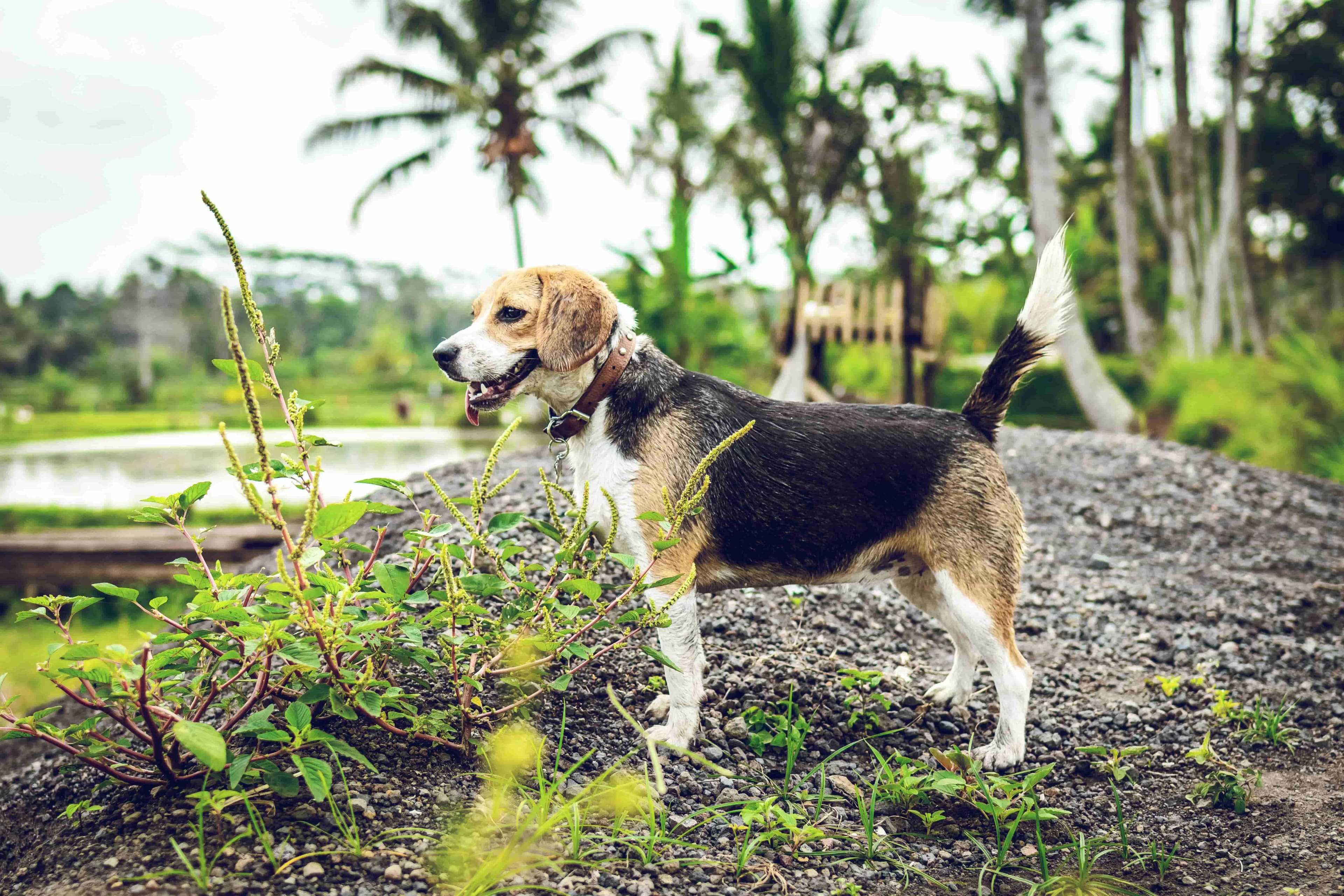
 Illustrative image
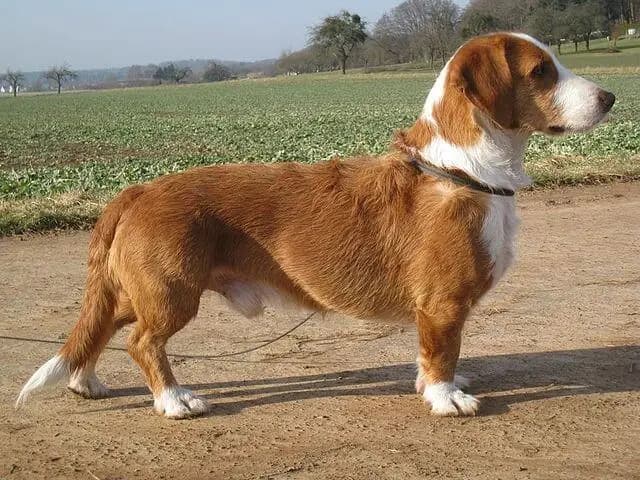
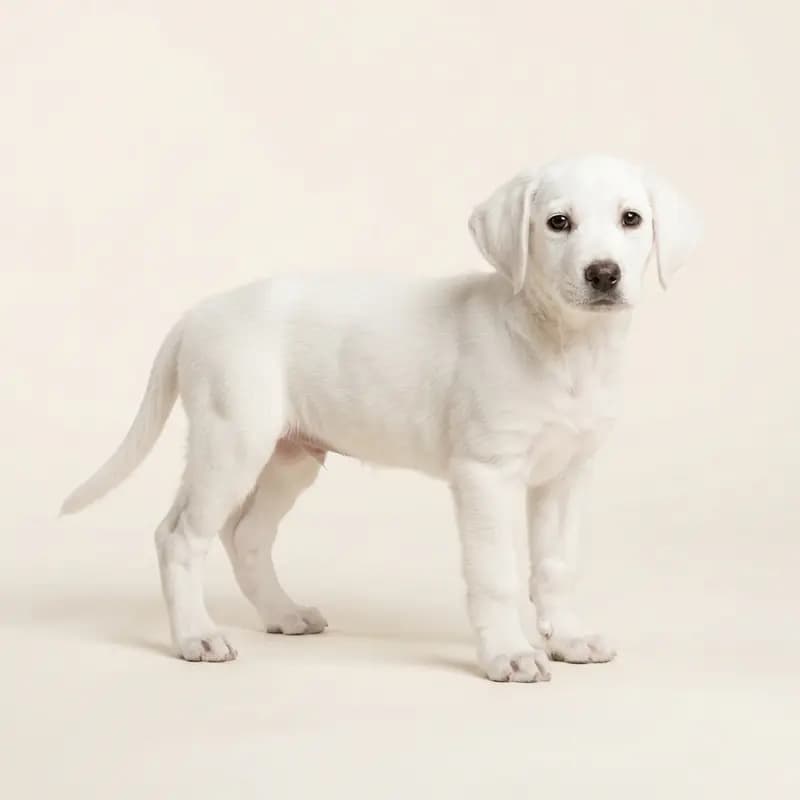 Illustrative image
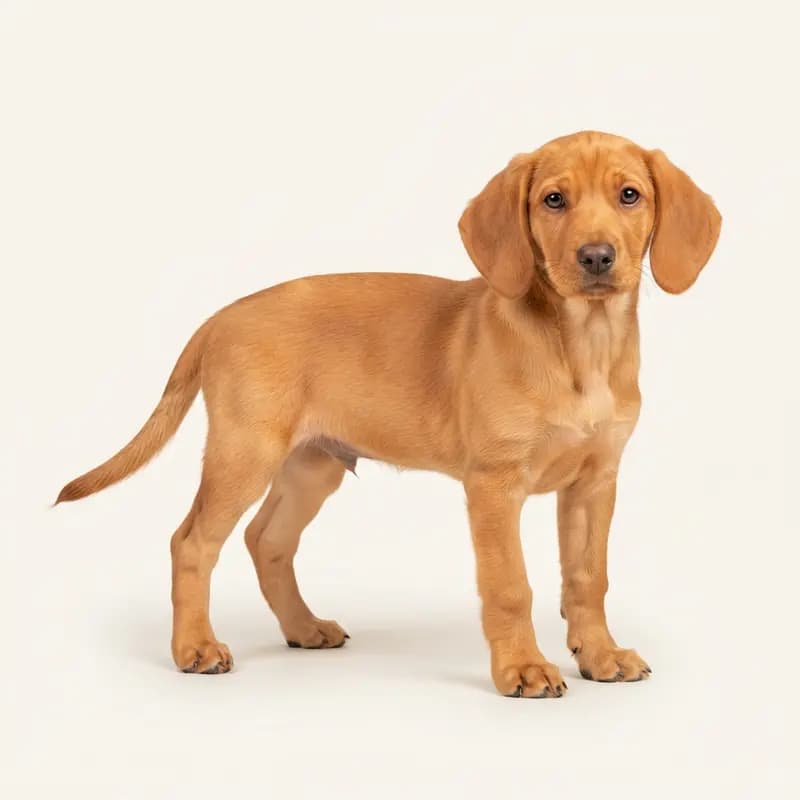 Illustrative image
The Small Schwyz Hound is one of the four variants of the Swiss hounds, a breed group that has been known in Switzerland since the Middle Ages. The Small Schwyz Hound itself was only officially recognized as a separate breed in the 1900s, but its roots go back much further. The breed originated from crossing native Swiss hounds with French hounds to produce a smaller, more agile dog suitable for hunting smaller game species. Despite its long history and contribution to Swiss dog breeding, the Small Swiss Hound is relatively unknown outside of its homeland. However, in Switzerland itself, he is highly valued and is a valued addition to both hunters and families looking for a loyal and versatile companion dog.
The Small Swiss Hound was bred for hunting small game in rough terrain, known for its endurance and fine nose.
Switzerland
1900
Many owners and breeders describe the Small Swiss Hound (or the Small Schwyz Hound) at home as a very pleasant, affectionate and sensitive housemate. Indoors, the breed is usually calm, cuddly and closely bonded to its people. Life with children and other dogs is also often described as easy and harmonious, since these dogs naturally have little tendency toward aggression.
At the same time, experienced owners emphasize that this calm indoors depends on the dog getting enough to do. The Small Schwyz Hound is a passionate hound and flushing dog that needs a lot of exercise out in nature. If it doesn't get the chance to use its considerable stamina and urge to move outdoors, it can become restless or pushy indoors. With visitors it is usually alert and reliably announces anything unusual in its sonorous voice, but it quickly settles down again afterward.
Sources:hundschweiz.chforum.hundund.deforum.wildundhund.deedogs.dezoomalia.de
Owner reports on training repeatedly stress that the Small Swiss Hound is a true scent hound: highly intelligent and quick to learn, but also bred to make its own decisions in the field. Owners report that training with pressure or harshness fails completely, since these dogs are very sensitive to a stern tone and tend to withdraw in insecurity or dig in their heels. With patience, consistency and positive reinforcement, such as food rewards, you can build very reliable handling, though.
The biggest everyday challenge is its hunting and tracking drive. For many owners, letting the dog run loose in areas with lots of wildlife is possible only to a limited extent or only after intensive training, since these dogs "lock on" with their nose to the ground in a flash and often follow a trail persistently and faithfully. Targeted nose work such as tracking, mantrailing or dummy work is therefore consistently recommended as an essential alternative for dogs owned by non-hunters, to channel their passion in a controlled way.
Sources:hundschweiz.chedogs.detackenberg.dewildundhund.demartinruetter.com
Owners and breed clubs such as the Schweizer Niederlaufhund-Club often stress the general sturdiness and remarkable longevity of this breed, which with good care quite often reaches 14 to 16 years. These dogs are considered weatherproof, tough working dogs that show no overbred traits and are not very prone to common lifestyle diseases.
A recurring topic of discussion among owners and clubs, however, is the breed's small breeding pool. Because the population is small, committed owners and breeders warn against buying puppies from unregulated breeders outside the recognized clubs, since inherited neurological diseases have already been seen in individual cases. For day-to-day care, owners also point out that the long, low-set drop ears need regular checks, since, as is typical for floppy ears, they can be more prone to moisture and infections.
Sources:hundschweiz.chforum.wildundhund.dezoomalia.deschweizer-niederlaufhunde.delaufhunde.eu
Paraphrased from real owner reports · translated from German
The Small Schwyz Hound is an active dog that needs plenty of exercise and mental stimulation. Research the temperament, grooming needs, and space requirements before deciding.
The average life expectancy of a Small Schwyz Hound is 12-14 years. With proper care and regular vet visits, your dog can live a long, healthy life.
Small Schwyz Hound grooming requirements include regular brushing, nail trimming, and dental care. HonestDog provides detailed grooming tips for every breed.
The Small Schwyz Hound can be a great family dog. Proper training and socialization are key. HonestDog provides family suitability information for every breed.
The Small Schwyz Hound comes in these colors: Red and white, White, Orange.
Showcase your kennel on HonestDog and reach families searching for a responsibly bred Small Schwyz Hound.