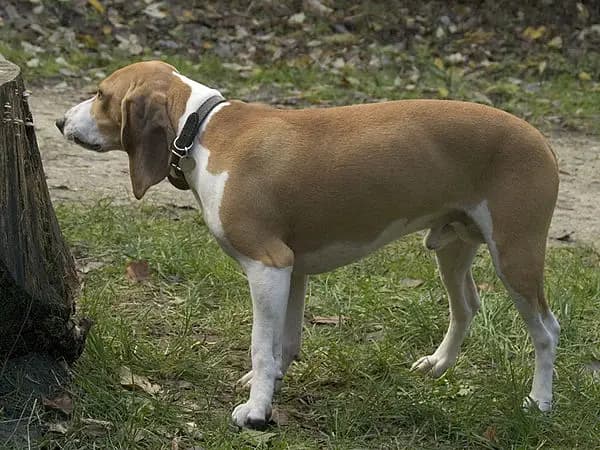
Small Swiss HoundClose relative
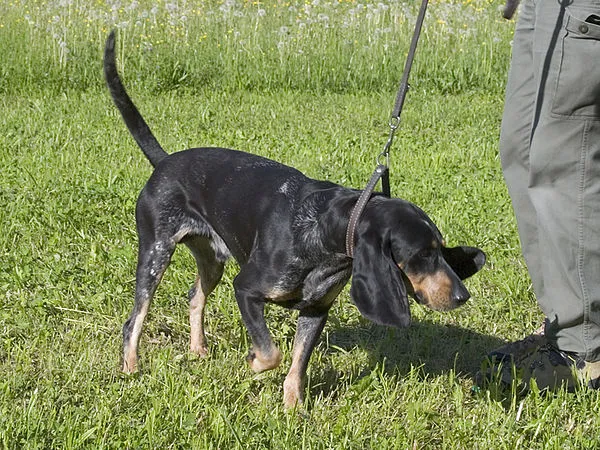
Self-check
Answer 6 quick questions about your everyday life and see how well the Small Lucerne Hound fits you — including an honest cost estimate per month, per year, and across the dog's lifetime.
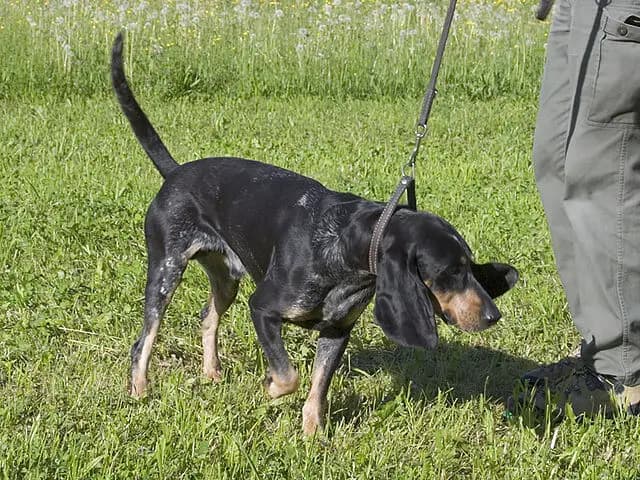
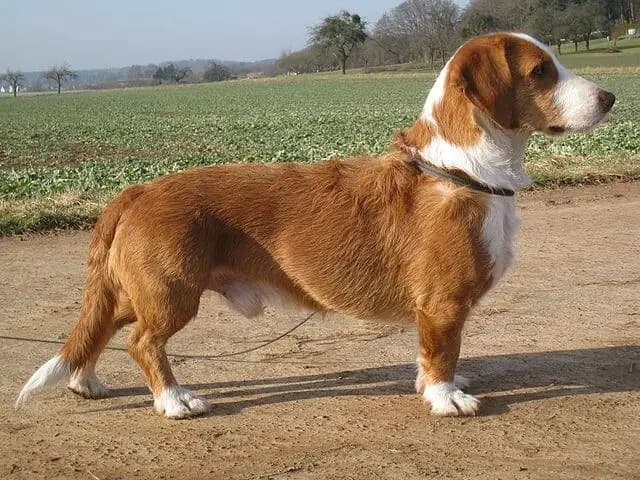
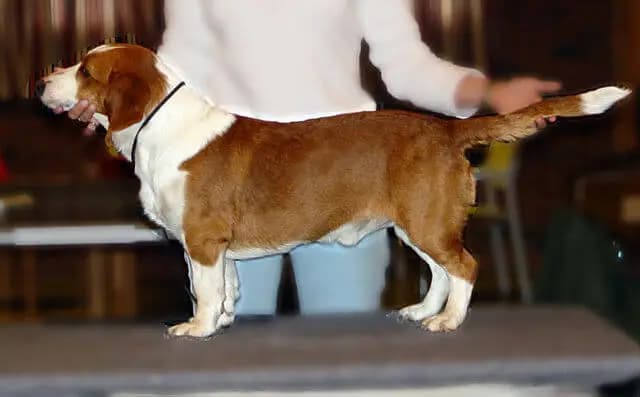
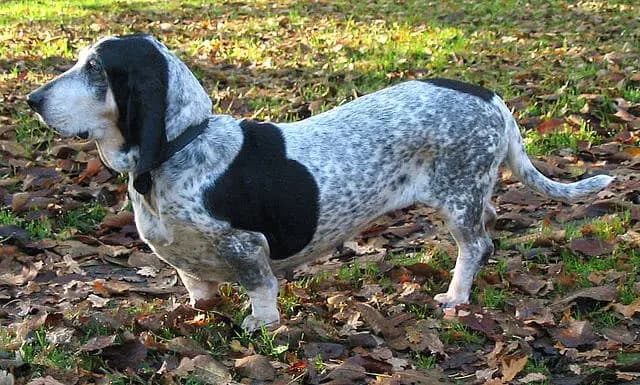
At a glance
The essentials — key facts, traits, and health priorities — before you dive deeper.
Health grade
Relative to other breeds
Solid — a handful of items a good breeder watches.
Common concerns in this breed
See full health info & tests →
Note: This health overview is AI-assisted and editorially reviewed. It is for orientation only and does not replace veterinary advice.
Lifespan
12–14 yrs
Shoulder height
33–43 cm
Weight
13–18 kg
Practical
Temperament
Daily life
What matters most
Especially with a Small Lucerne Hound, choosing the right breeder is the single most important decision you'll make. Serious breeders consistently test the parents for inherited conditions, prioritize healthy early socialization, and stay accountable long after handover. A cheap puppy without health screening tends to become the most expensive dog later on.
See HonestDog breeder standards →Colors & coat
The coat colors that occur in the Small Lucerne Hound — including which ones fall outside the breed standard and which carry genetic risk.
Eye colors
 Brown
BrownCoat type
 Short
Short Smooth
The Luzerner Low Running Dog is a versatile Swiss hunting breed (FCI 060), known for endurance, a keen nose, and its distinctive blue-speckled coat.
The Swiss Niederlaufhund (Lucerne Niederlaufhund) is a lively and versatile hunting dog with a keen sense of smell and a strong bond with its owner. It is characterized by its endurance and pronounced hunting instinct, while remaining friendly and sociable with the family. This dog is very eager to learn and enjoys working closely with its owner, making it an ideal partner for small game hunting. It requires a lot of exercise and mental stimulation to stay balanced. Without sufficient activity, it can become restless or stubborn. The Lucerne Niederlaufhund is attentive and alert but does not show excessive protective behavior. Its prey drive is strongly developed, which is why consistent training and a reliable recall from an early age are important. Despite its hunting instinct, it is family-friendly and enjoys being close to its people, integrating well into everyday life.
| Watchfulness Reports unusual activity but stays controlled. | Moderate |
| Openness to Strangers Warms up quickly and is generally welcoming. | Friendly |
| Hunting or Herding Drive This drive runs deep — no amount of training eliminates it. | Very strong |
Fun Fact!
The Swiss Niederlaufhund, also called the Lucerne Niederlaufhund, is a true specialist on short legs: Despite its compact size, it has an impressive sense of smell and was traditionally used for hunting small game. Its agile nature and tireless hunting drive make it the perfect companion for anyone looking for a small but highly dedicated hunting dog!
The Swiss Niederlaufhund (Lucerne Niederlaufhund) is a lively and enduring hunting dog, particularly suitable for tracking and retrieving. It is characterized by its good obedience and pronounced sense of smell. These dogs are friendly in nature but require consistent training and sufficient activity. Due to their strong hunting drive, they are active companions who need plenty of exercise and mental stimulation.
The Swiss Niederlaufhund (Lucerne Niederlaufhund) is a lively and friendly companion that is well suited for active families. It shows a strong enthusiasm for work and requires regular mental and physical exercise to remain balanced. Despite its hunting passion, it is generally compatible with other dogs and pets if socialized early. The Lucerne Niederlaufhund is attentive and eager to learn, making it a reliable family dog. It feels comfortable both in rural areas with plenty of space to run and in a home with sufficient activities. It is usually friendly and patient with children, but interactions should always be respectful and supervised.
Loves family life and thrives in a group.
Takes boisterous and affectionate children in its stride.
Actively enjoys the company of other dogs.
City-appropriate with enough exercise and stimulation.
Owning a dog is a privilege, but it's also a real responsibility. Before you bring one into your life, be honest with yourself about the commitment it takes.
The Swiss Niederlaufhund (Lucerne Niederlaufhund) is an intelligent and eager-to-work hunting dog that requires consistent and varied training. Similar to the Labrador, it is important to give the Lucerne Niederlaufhund meaningful tasks that promote its natural scenting ability and endurance. Retrieving and search games are excellent for challenging its skills, but a balanced mix of activity and rest periods should be maintained. Compared to the German Shepherd, the Lucerne Niederlaufhund shows a pronounced hunting drive that must be controlled and channeled early to avoid unwanted behavior. Frustration tolerance and impulse control are therefore central training elements. Positive, reward-based training strengthens the bond between you and your dog and motivates it to work reliably. The Lucerne Niederlaufhund is well suited for various dog sports such as tracking, obedience, or retrieving trials. It is important that the training is varied to prevent boredom and to mentally and physically challenge the dog. Due to its friendly and willing-to-learn nature, it is a loyal companion that, with the right support, becomes a balanced and content family dog. Note that the Lucerne Niederlaufhund requires time, patience, and consistency in training. Those willing to make this investment will be rewarded with an intelligent, eager-to-work, and affectionate dog.
The Swiss Niederlaufhunde, especially the Luzerner Niederlaufhund, require a balanced diet that supports their active urge to move. High-quality food with a good proportion of proteins and essential nutrients is essential to strengthen the muscles and promote health. Be careful to avoid overfeeding, as these dogs can tend to become overweight despite their endurance. The coat of the Luzerner Niederlaufhund is short and dense, which makes grooming easier. Regular brushing, about once a week, is sufficient to remove loose hair and keep the skin healthy. During the shedding season in spring and autumn, increased hair loss can occur, making more intensive grooming advisable. The Luzerner Niederlaufhund is well adapted to the Central European climate. Its coat protects it from the cold, but in very hot weather, sufficient shade and water should be provided to prevent overheating. Regular exercise and mental stimulation are important to balance the natural hunting instinct and energy of this lively dog.
| Care Level Minimal effort — occasional brushing and bathing. | Low-maintenance |
| Exercise Needs Needs several hours of serious exercise every day. | Very active |
| Shedding Regular shedding — dog hair on clothes is now normal. | Moderate |
| Trainability Has its own ideas and will test limits. | Strong-willed |
Our experts are still reviewing this information. Spotted something wrong? Email us at info@honestdog.de.
What matters most for this breed — what's common, how much it affects the dog's life, and how to protect yourself as a buyer.
Tap a body region to see the inherited conditions linked to it.
The three most important risks
Pick a region on the map to explore other areas.
We sort tests into three tiers — from the mandatory club standard to a fully exemplary program.
Club standard. Tests that the relevant breed club (VDH / FCI / AKC parent club) requires. Any serious breeder should be able to show you these.
No entries in this tier.
No entries in this tier.
Note: This health overview is AI-assisted and editorially reviewed. It is for orientation only and does not replace veterinary advice.
A Small Lucerne Hound costs around ~€170 per month (€90 – €310, depending on your setup). The first year adds up to roughly ~€4,670 including purchase, equipment and puppy school; across the dog's life (13 years) it comes to about ~€28,550.
With surgery cover, running costs come to about ~€160 per month — in return, your share of a major operation drops from several thousand euros to around 20 percent.
Per month
~€170
In the first year
~€4,670
Across the dog's life
~€28,550
Estimated purchase price from a breeder: €1,200 – €2,500
Estimate at a mid-range setup (suburban, dry food, 1–2 hours of daily exercise), average German prices, as of July 2026.
HonestDog Concierge
We currently have no breeders for this breed who have passed our verification. Create your short buyer profile: we'll set up your search alert, review a possible source and email you within 28 days.
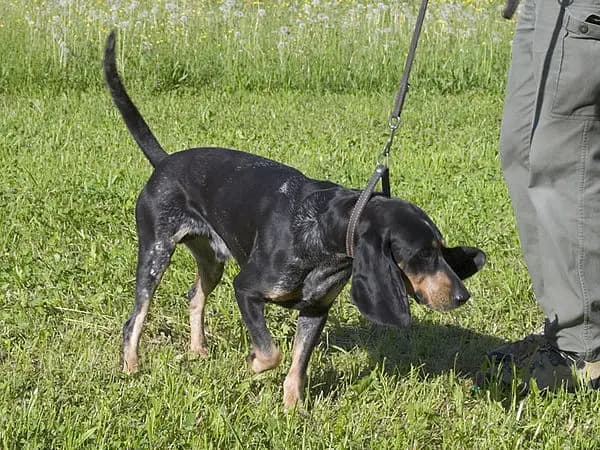
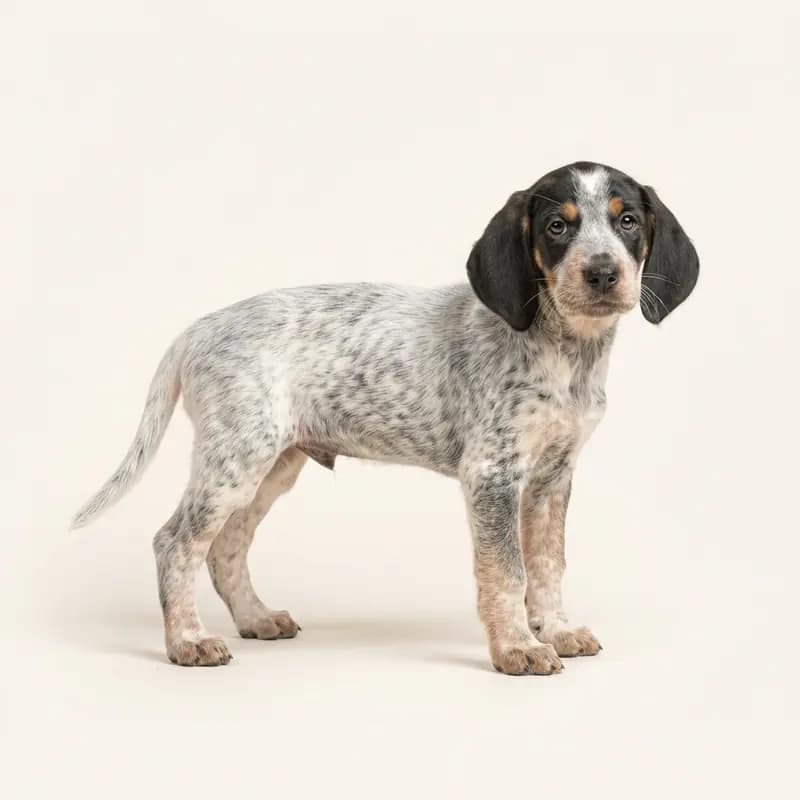 Illustrative image
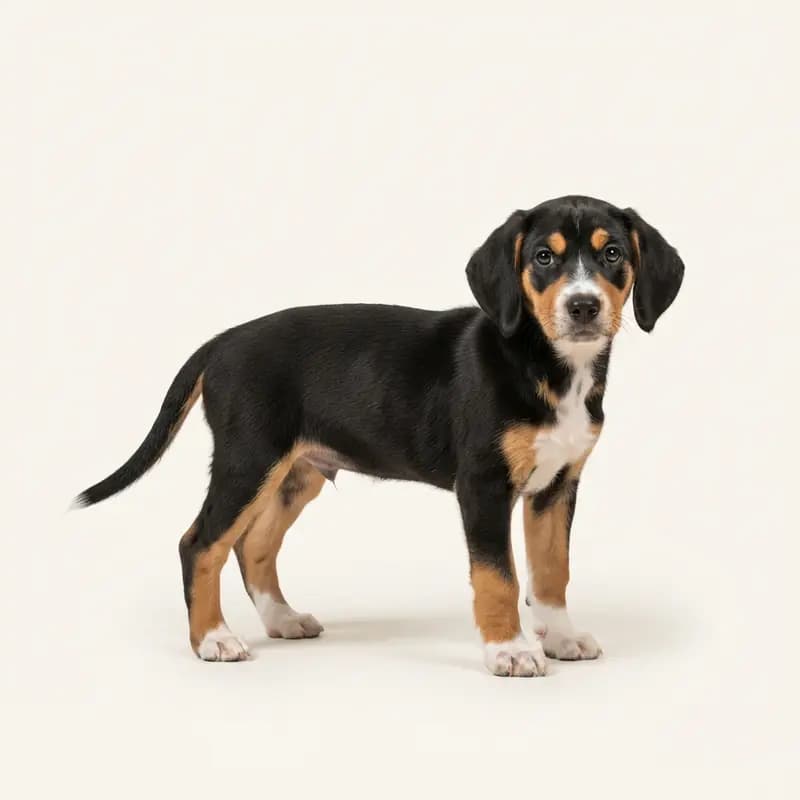 Illustrative image
The history of the Swiss Niederlaufhund, especially the Lucerne Niederlaufhund, dates back to the 19th century. Originally, these dogs were bred in Switzerland to serve as versatile hunting and companion dogs. They were characterized by their endurance, keen sense of smell, and calm yet eager-to-work nature. Especially in the Lucerne region, they were valued as reliable Niederlaufhunde used for hunting small game such as hares and rabbits. Over time, the Lucerne Niederlaufhund was selectively bred to preserve its hunting abilities and pleasant character. Today, the breed is considered a valuable companion for hunters and nature enthusiasts and is a symbol of the Swiss hunting dog tradition.
The Lucerne Low Hound is a variety of the Swiss Low Hound and was bred to hunt hares and foxes.
Switzerland
1900
Many owners and hunters describe living with the Small Lucerne Hound indoors as surprisingly pleasant and easy. In familiar surroundings the breed is considered affectionate, gentle, and very cuddly. These dogs actively seek out their people and value being a full part of the family. Owners also repeatedly praise how well they get along with other dogs, which they attribute to the breed's roots as a pack hunter.
Once they head outside, though, owners see a noticeable change in personality: as soon as a scent hits their nose, these dogs switch fully into work mode. A plain walk on a loose leash is nowhere near enough for them. Experienced owners stress again and again that life as a pure couch dog doesn't work; if you don't hunt with the dog, you need to provide challenging nose work such as blood tracking or mantrailing, or it becomes restless and finds its own things to do.
Owner accounts of training agree in warning against pressure or harshness with this breed. These dogs are considered very willing to learn and easy to handle, but they have the independence typical of scent hounds and a strong mind of their own. Push them too hard and they shut down; what they need instead is patience, a light touch, and complete consistency.
The biggest practical hurdle in daily life is the dog's strong drive to find and follow a scent. Many owners report that reliable off-leash freedom in wooded areas with lots of wildlife takes a great deal of training, and sometimes can't be made safe at all. Once the nose goes to the ground and the typical trail voice starts, the rest of the world fades into the background for the dog. A working recall therefore has to be built from puppyhood on, under heavy distraction.
Sources:forum.wildundhund.dewelpen.vdh.derundum.dogclaridenfirn.ch
Paraphrased from real owner reports · translated from German
The Small Lucerne Hound is an active dog that needs plenty of exercise and mental stimulation. Research the temperament, grooming needs, and space requirements before deciding.
The average life expectancy of a Small Lucerne Hound is 12-14 years. With proper care and regular vet visits, your dog can live a long, healthy life.
Small Lucerne Hound grooming requirements include regular brushing, nail trimming, and dental care. HonestDog provides detailed grooming tips for every breed.
The Small Lucerne Hound can be a great family dog. Proper training and socialization are key. HonestDog provides family suitability information for every breed.
The Small Lucerne Hound comes in these colors: Roan, Tricolor.
Showcase your kennel on HonestDog and reach families searching for a responsibly bred Small Lucerne Hound.