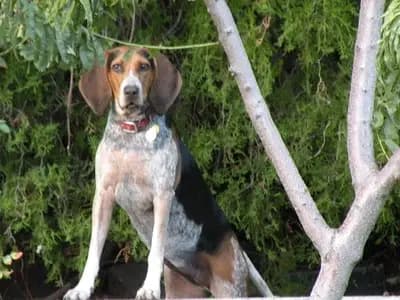
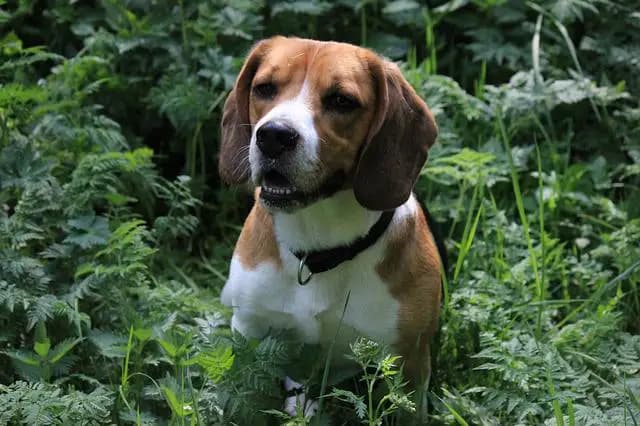
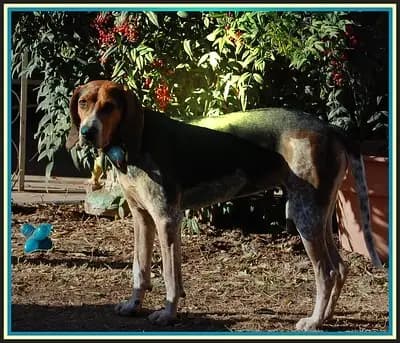
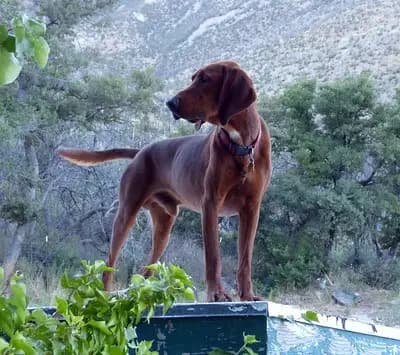
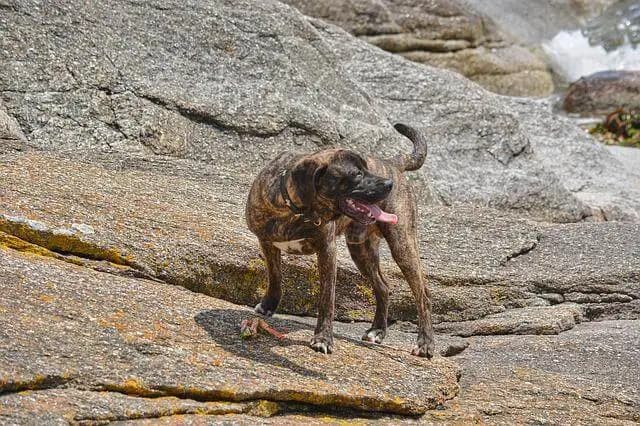
With careful breeding selection, the Treeing Walker Coonhound is considered a robust athlete with a life expectancy of 12 to 13 years. Even so, the breed carries specific health risks affecting the joints, eyes, ears and heart.
The breed’s recommended health standard includes X-ray screening for hip dysplasia (HD). As elbow dysplasia (ED) is also among the issues typical of the breed, health-focused breeders have both joints of the parent dogs officially scored in order to reduce the risk of joint problems in the offspring. In addition, hereditary cataracts and the heart disease dilated cardiomyopathy (DCM) occur in the breed. Reputable breeders address this with regular clinical eye and heart examinations of their breeding dogs, and also pay attention to healthy ear carriage. The neurological disease degenerative myelopathy and the risk of life-threatening gastric torsion (bloat), which the deep chest makes more likely, are also relevant in the Treeing Walker Coonhound.
In everyday life, you contribute a great deal to your dog’s health yourself: in the first year, be strict about joint-friendly exercise and avoid overexertion such as running alongside a bike. Keep the long, low-set drop ears regularly clean and dry to prevent inflammation in the warm, moist environment. Plan consistent rest periods after meals to reduce the risk of gastric torsion, and have your vet check the eyes and heart at preventive check-ups.