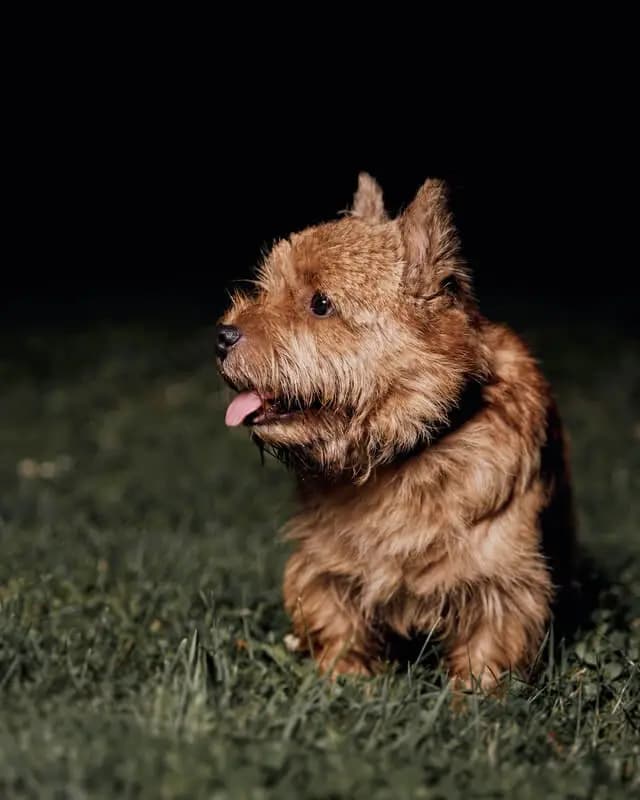
With thoughtful breeding, West Highland White Terriers are considered robust little dogs, but they do come with specific risks affecting the skin, knees, eyes, jaw and lungs. A reputable breeder will talk openly with you about these issues and show you the parents’ test results, as targeted screening significantly lowers the risk for the offspring.
Of particular importance are clinical examinations of the joints for patellar luxation (dislocation of the kneecap), X-ray results for hip dysplasia, and awareness of Legg-Calvé-Perthes disease. A very breed-specific issue in the Westie is craniomandibular osteopathy (lion jaw), a painful bony overgrowth on the jaw during the growing period; health-focused breeders check the jawbones and select their lines strictly. The eyes also require examination by a specialist to minimise the risk of cataract, lens luxation, keratoconjunctivitis sicca (KCS, dry eye), ectropion / entropion, retinal dysplasia, persistent pupillary membranes (PPM) and generalised progressive retinal atrophy (PRA).
The breed is also known for sensitive skin: seborrhoea, atopic dermatitis, epidermal dysplasia and ichthyosis all occur in the Westie. Because there are no simple DNA tests to exclude affected dogs from breeding for many of these skin conditions, or for the breed’s typical lung problems, chronic hepatitis, pulmonic stenosis, congenital deafness and shaker dog syndrome, good breeders are meticulous about breeding only from lines with no clusters of cases in the family. Rare metabolic and nervous system disorders such as globoid cell leukodystrophy (galactocerebrosidosis) and pyruvate kinase (PK) deficiency are also among the breed’s known health issues. In everyday life later on, keep your dog at a healthy weight and have any changes in the skin or breathing checked by a vet straight away.