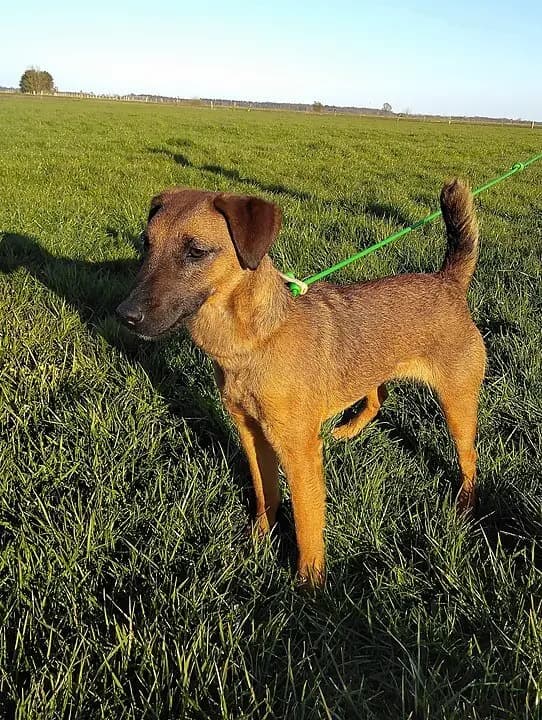
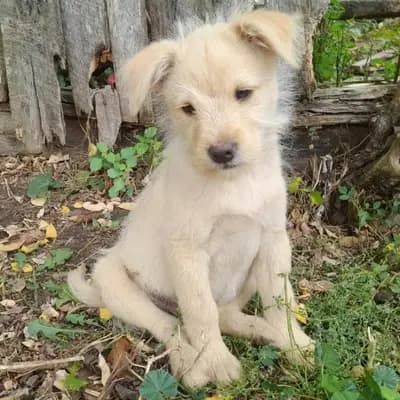
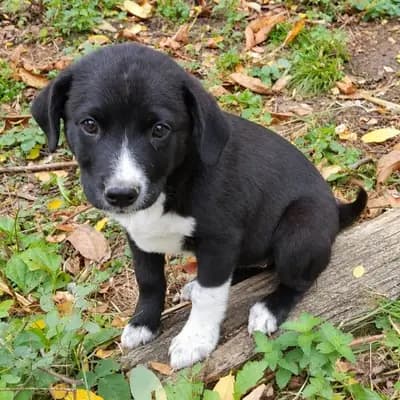
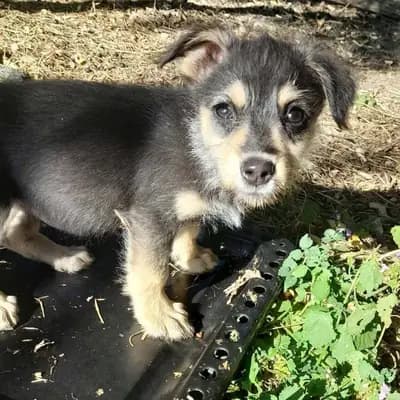
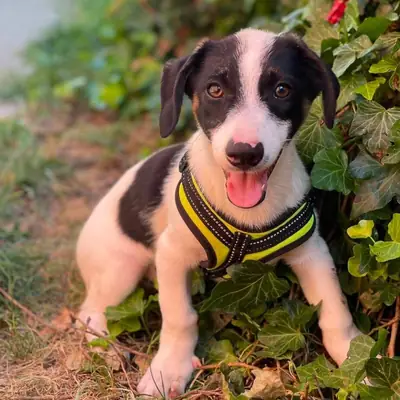
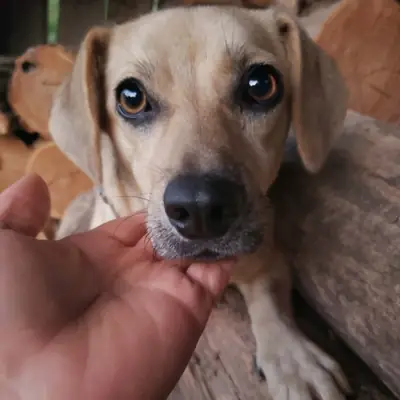
If you adopt a Westphalian Terrier from a rescue, you get a dog with a history. After a short settling-in period, many of these dogs show their typical nature: they bond extremely closely with their people, are good with children and want to please their owners. At the same time, outdoors you must expect a keen prey drive and a certain independence. He generally gets on well with other dogs, but some individuals need clear guidance from you.
Westphalian Terriers are generally regarded as very robust dogs with a long life expectancy of 13 to 15 years, but, as is typical for the breed, they have a few issues affecting the knees and eyes. Health-conscious breeders (for example in the Verein für Westfalenterrier e.V.) have the parent dogs thoroughly screened for lens luxation and their kneecaps checked, in order to reduce hereditary risks in the line from the outset, whereas the origin of a shelter dog is often unknown. If the dog comes from irresponsible puppy farmers, these important health checks on the parents are missing. With a shelter dog, therefore, pay particular attention to the following breed-typical health issues:
- Eyes and joints: Lens luxation (displacement of the lens of the eye) and patellar luxation (a slipping kneecap) are known risks. Be sure to plan regular eye checks and a check of the knee joints with the vet.
- Other breed-typical risks: Neurological conditions such as spinocerebellar ataxia and cerebellar ataxia, as well as the metabolic disorder hyperuricosuria (a tendency to urinary stones), occur in the breed. Keep a close eye on his gait and his behaviour when urinating.