JagdterrierSame FCI group
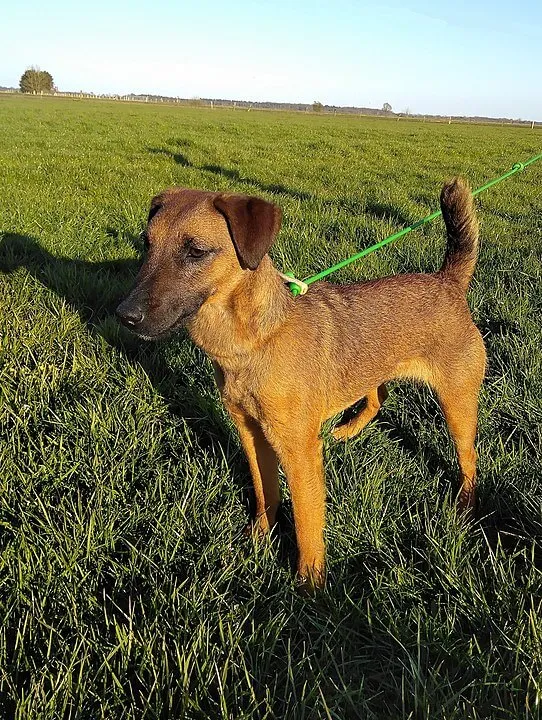
The Westfalenterrier is a highly passionate, fearless Erdhund (earth dog)—bred for the uncompromising hunt of wild boar and fox both underground and above ground. Although it was conceived as a slightly more manageable alternative to the Jagdterrier, it remains an absolute working dog.
How the health grade is calculated
Sources for required breeding screenings. Verein für Westfalenterrier e.V. (VWT)
Self-check
Answer 6 quick questions about your everyday life and see how well the Westphalian Terrier fits you — including an honest cost estimate per month, per year, and across the dog's lifetime.

At a glance
The essentials — key facts, traits, and health priorities — before you dive deeper.
Lifespan
13–15 yrs
Shoulder height
32–40 cm
Weight
7–10 kg
Practical
Temperament
Daily life
What matters most
Especially with a Westphalian Terrier, choosing the right breeder is the single most important decision you'll make. Serious breeders consistently test the parents for inherited conditions, prioritize healthy early socialization, and stay accountable long after handover. A cheap puppy without health screening tends to become the most expensive dog later on.
See HonestDog breeder standards →Colors & coat
The coat colors that occur in the Westphalian Terrier — including which ones fall outside the breed standard and which carry genetic risk.
Eye colors
 Brown
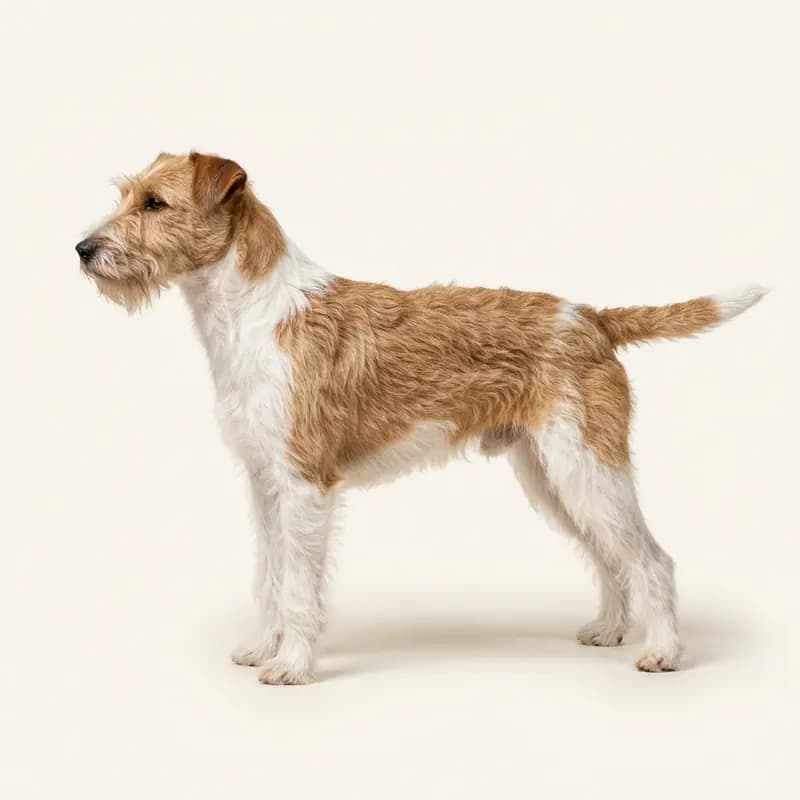
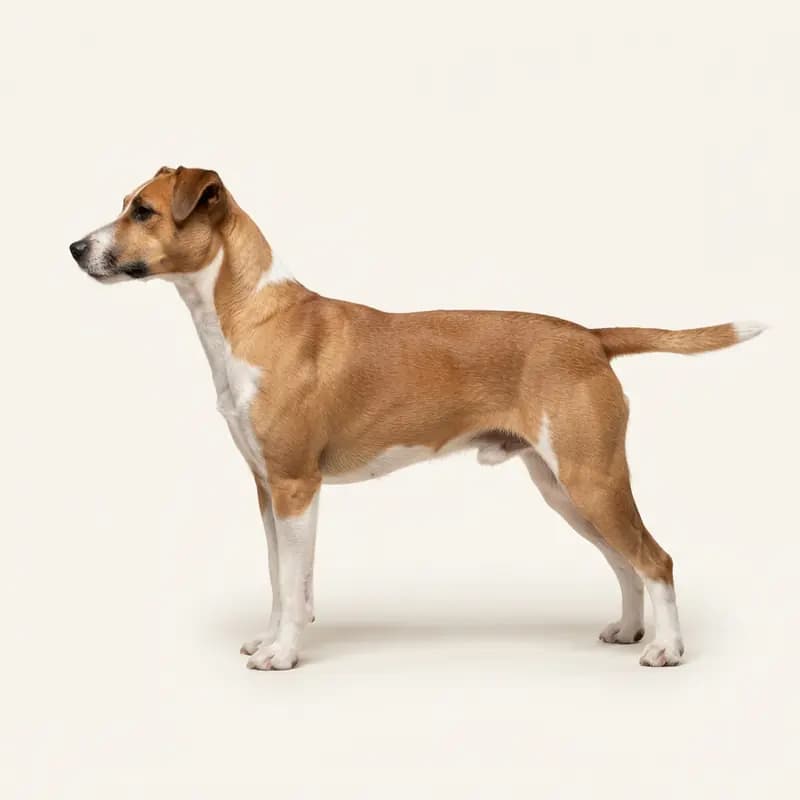
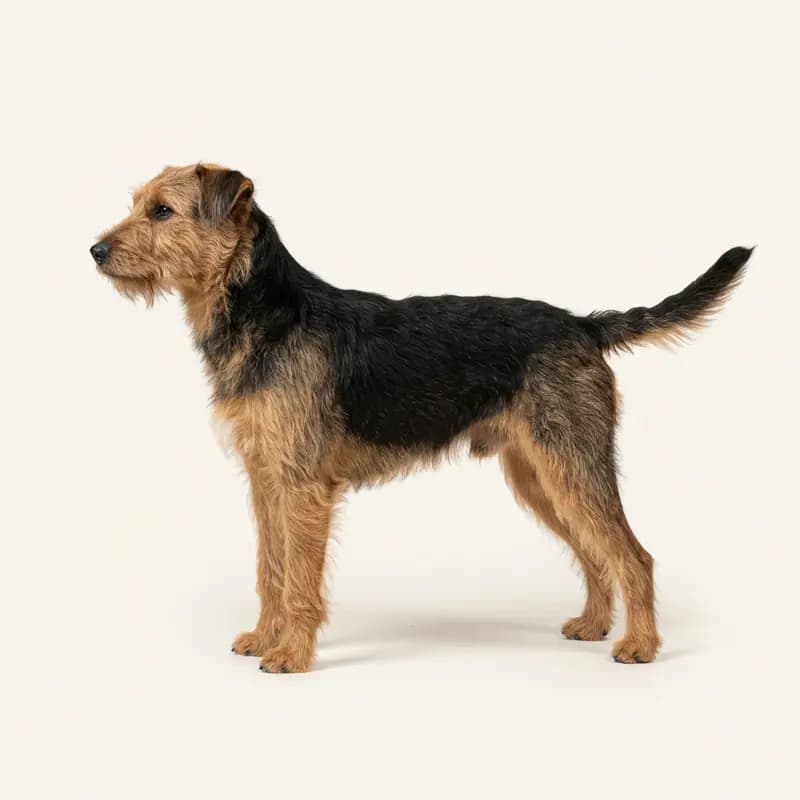
Coat type
 Illustrative image
Wire
 Illustrative image
Smooth
 Double coat
 Illustrative image
Medium
The real vibes check
A Westfalenterrier is not a cute, fluffy dog, but a highly specialized tool for the forest. If he has a fresh game trail in his nose, his brain switches to autopilot and ignores you as unimportant. If you cannot channel this uncompromising hunting passion into real work, he will ruthlessly carry out his own program—without you.
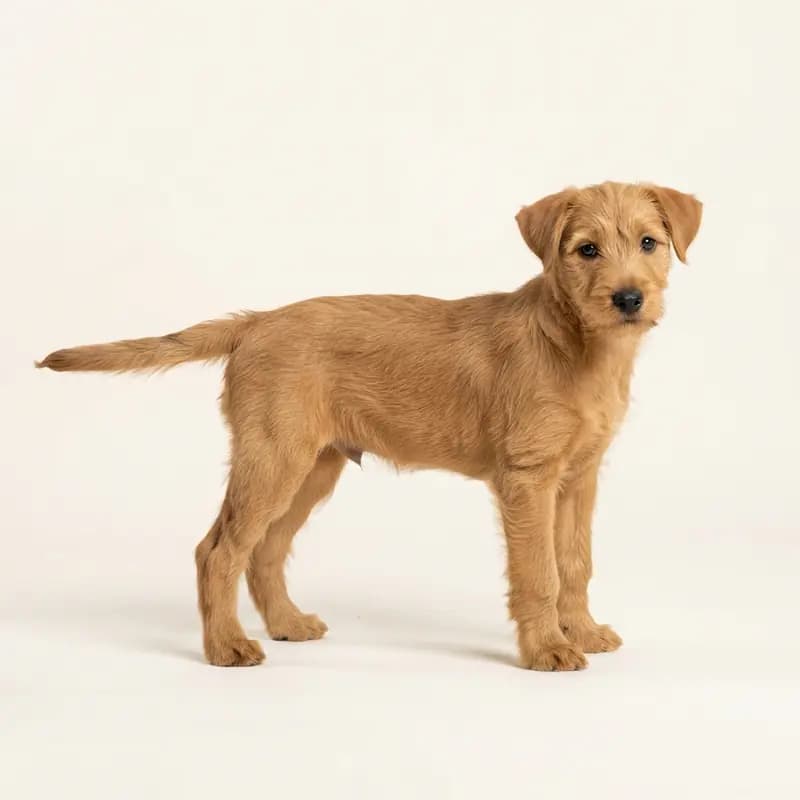
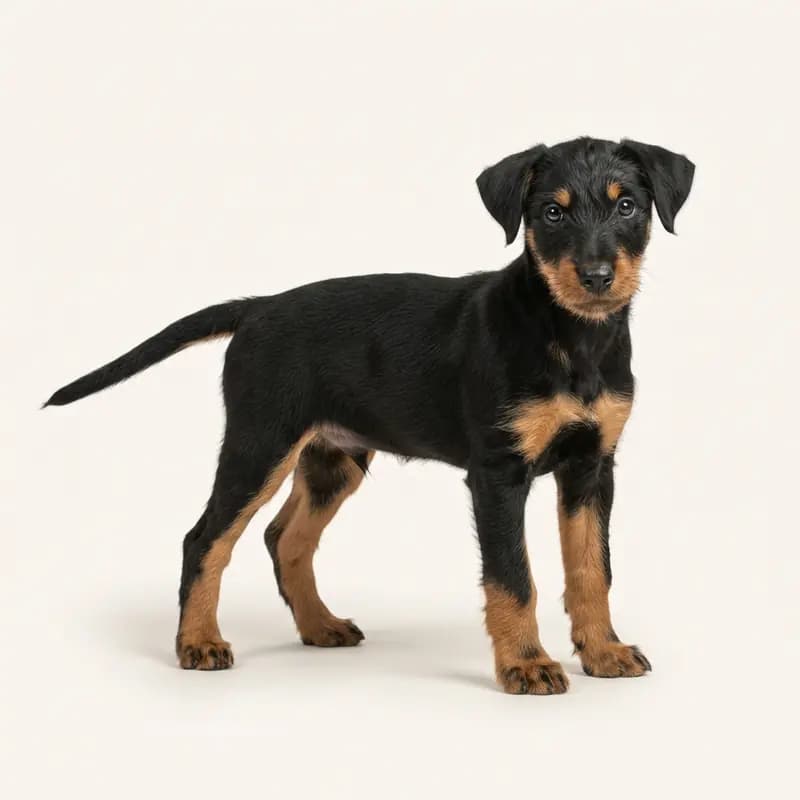
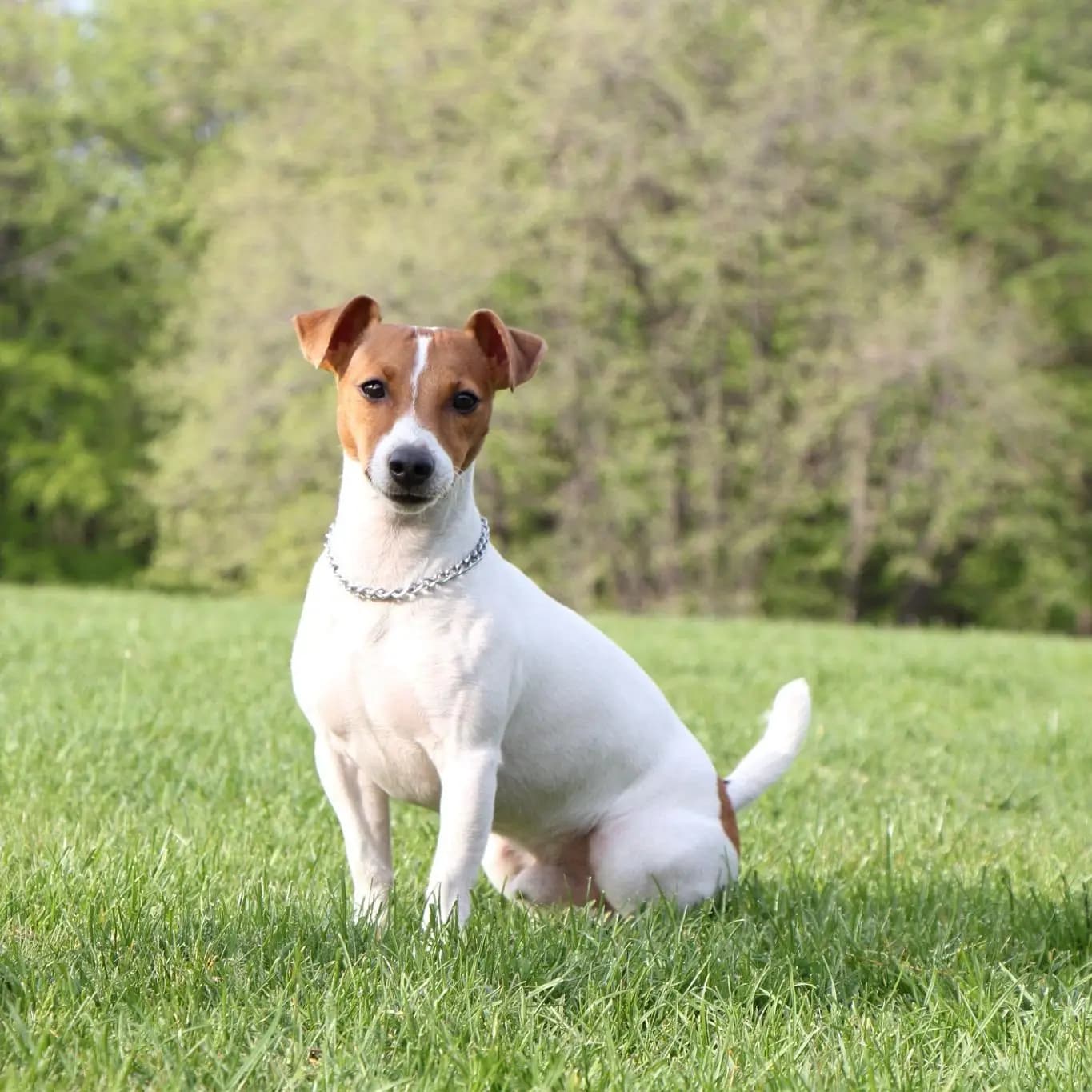
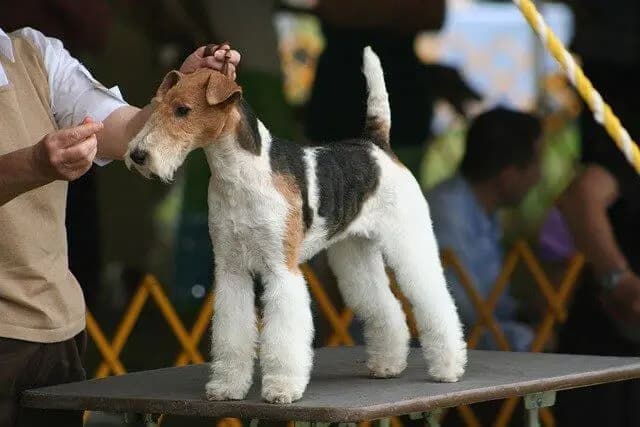
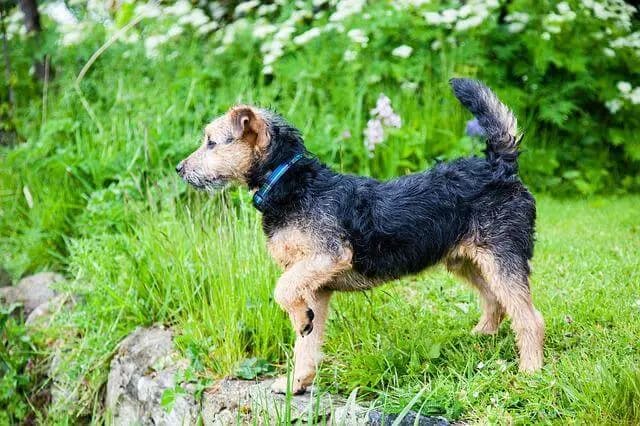
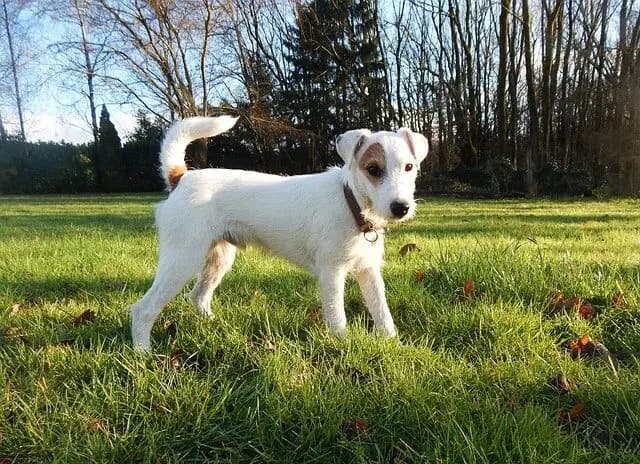
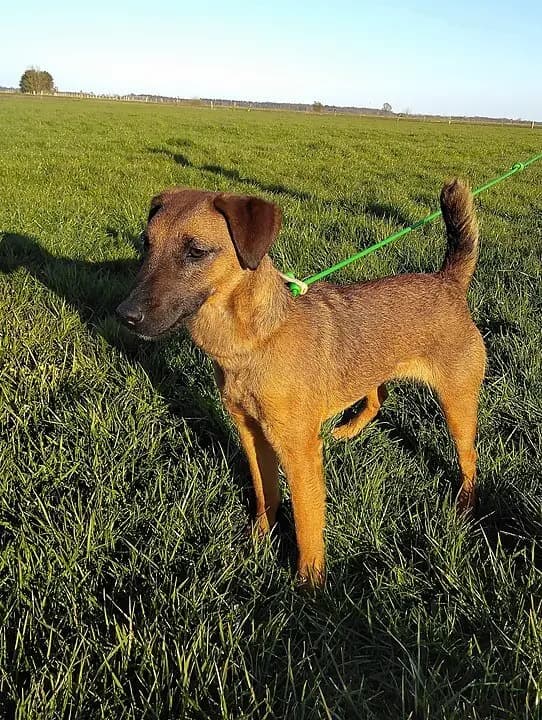
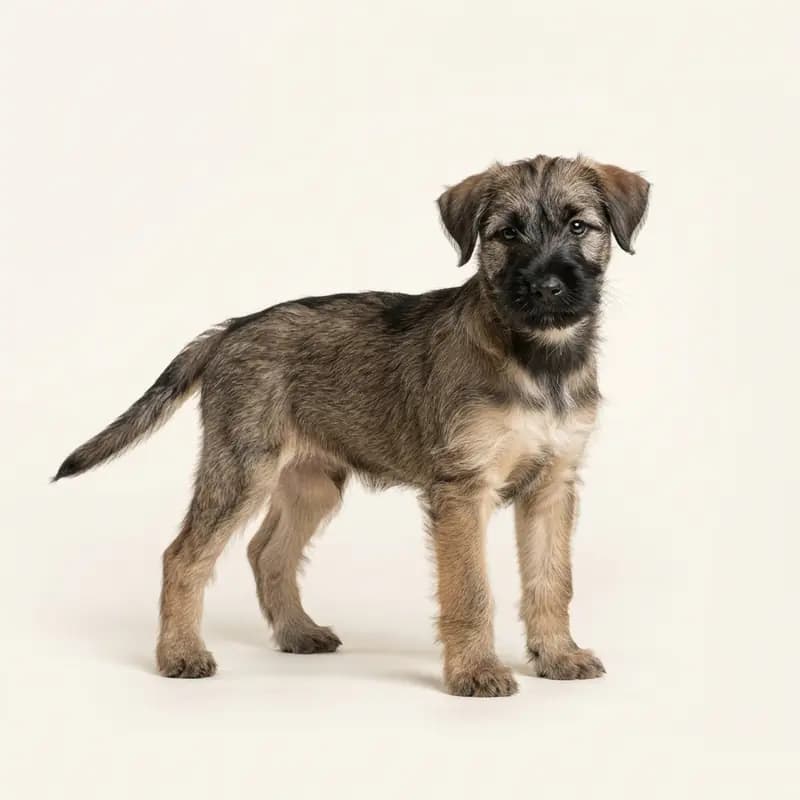
The Westphalian Terrier, also known as the Westfälischer Terrier, is a medium-sized dog with a robust yet elegant appearance. Its body is compact and well proportioned, giving it impressive physical performance. The breed is recognized by the VDH as a national breed (Group 3, Terrier), but not by the FCI, and is particularly popular in its home region of Westphalia. The Westphalian Terrier's head is quite small compared to the rest of the body, with medium-sized, dark eyes that exude intelligence and curiosity. The ears are medium-sized and V-shaped, they fall down to the sides of the head and give the dog an alert appearance. The tail is traditionally carried upright, but in some countries it is docked. His coat is rough and dense, with sufficient undercoat to protect him from the elements. It is mostly black and white, often with tan markings. The breed has a medium size, which allows it to cope well in both rural and urban environments.
The Westphalian Terrier is a lively, active dog with a strong bond with its people. Its original role as a working dog is evident in its eager desire to please and alert demeanor. This makes him an excellent guard dog, ready to protect his home and family from any threats. Although he is a true terrier, with the independence and energy typical of the breed, the Westphalian terrier is also an extremely people-oriented dog. He loves spending time with his family and enjoys both active playtime and relaxed cuddle time. This makes him an excellent family dog as long as he receives enough physical and mental stimulation. His active temperament and intelligence mean that the Westphalian Terrier can stay alone well as long as he is well exercised and has enough to do. However, it is important to remember that as a very social breed, he thrives best in a home where he has plenty of company and interaction. The Westphalian Terrier is a vigilant dog that is always on guard and keeps a close eye on its territory. It also has strong prey-catching behavior, meaning it is best served in an environment where it can express this behavior in a safe and controlled manner. The different lines of Westphalian Terriers can vary in terms of their temperament and working ability. Some lines are more work-oriented, with a stronger hunting instinct and higher energy levels, while other lines are more focused on life as a companion dog. Regardless of the lineage, however, it is important to note that the Westphalian Terrier is an active, intelligent dog that needs both physical and mental stimulation to be happy and balanced.
| Watchfulness Reports unusual activity but stays controlled. | Moderate |
| Openness to Strangers Warms up quickly and is generally welcoming. | Friendly |
| Hunting or Herding Drive Mild interest in movement and small animals — easily managed. | Low |
Fun Fact!
Did you know that although the Westphalian Terrier is an excellent hunting dog, it is also used in rescue and therapy dog work thanks to its intelligence and friendly nature?
The Westphalian Terrier is a lively and courageous dog with a strong hunting instinct. This breed is characterized by its endurance and agility and is especially suitable for active owners who provide the dog with meaningful activities. Westphalian Terriers are loyal companions that require consistent training and are well suited as family dogs when sufficiently challenged.
Due to its size and adaptability, the Westphalian Terrier is well suited as a city dog, as long as it gets enough exercise and mental stimulation. He is generally good with children, although, as with any dog breed, he should never be left unattended with small children. Westphalian Terriers can also get along well with other pets, including cats, as long as they are used to them from an early age.
Loves family life and thrives in a group.
Takes boisterous and affectionate children in its stride.
Usually gets on fine with other dogs.
City-appropriate with enough exercise and stimulation.
Owning a dog is a privilege, but it's also a real responsibility. Before you bring one into your life, be honest with yourself about the commitment it takes.
The Westphalian Terrier is an intelligent, energetic dog that needs clear, consistent training and positive reinforcement. They love mental challenges and learn quickly, so activities like agility or nose work are great ways to keep them busy while practicing their skills. However, the Westphalian Terrier can also be a “ball junkie” if he is not mentally and physically stressed in other ways. It is important to control toy play and ensure the dog also receives other forms of activity and training. Frustration tolerance and impulse control are important skills for a Westphalian Terrier to learn. These dogs can sometimes be impatient and impulsive, so it is important to teach them to wait and control their impulses.
When it comes to nutrition, Westphalian terriers are not particularly demanding. They need a balanced diet with a good mix of proteins, carbohydrates, vitamins and minerals. The amount of food should be tailored to the dog's age, weight and activity level. Some Westphalian Terriers can be prone to obesity, so it is important to keep an eye on their weight and food intake. When it comes to grooming, the Westphalian Terrier has a rough, dense coat with an undercoat that should be brushed regularly to avoid matting and skin irritation. This is especially important during shedding when they tend to shed more. Despite its thick coat, the Westphalian Terrier copes well with the climate in Germany.
| Care Level Minimal effort — occasional brushing and bathing. | Low-maintenance |
| Exercise Needs Needs several hours of serious exercise every day. | Very active |
| Shedding Regular shedding — dog hair on clothes is now normal. | Moderate |
| Trainability Has its own ideas and will test limits. | Strong-willed |
Our experts are still reviewing this information. Spotted something wrong? Email us at info@honestdog.de.
Solid
Health grade
In the Westfalenterrier (national breed), breed-specific risks exist for the severe eye disease primary lens luxation (PLL) as well as neurological disorders such as spinocerebellar ataxia and cerebellar ataxia (CA1). The Verein für Westfalenterrier e.V. (VWT) strictly mandates that parent animals must be free of primary lens luxation (PLL) for breeding approval. Responsible breeders additionally test parent animals for patellar luxation (PL) with the goal of PL 0, as well as for hyperuricosuria (HUU), spinocerebellar ataxia, and cerebellar ataxia (CA1). Have the corresponding DNA test results and veterinary certificates shown to you before purchasing a puppy; for hereditary diseases, a carrier may only be mated with a demonstrably clear partner.
Grade is relative to other breeds — AI-assisted and editorially reviewed.
Methodology and data: HonestDog Dog Breed Health Report 2026
What matters most for this breed
Tap any item to see details.
With joint-friendly rearing and regular eye check-ups at the vet, most dogs remain active and healthy well into old age.
Responsible breeders mandatorily test breeding dogs for primary lens luxation (PLL) and additionally for patellar luxation (PL), spinocerebellar ataxia, cerebellar ataxia (CA1), and hyperuricosuria (HUU).
Note: This health overview is AI-assisted and editorially reviewed. It is for orientation only and does not replace veterinary advice.
What matters most for this breed — what's common, how much it affects the dog's life, and how to protect yourself as a buyer.
Tap a body region to see the inherited conditions linked to it.
The three most important risks
Pick a region on the map to explore other areas.
Tier 1 reflects the tests Verein für Westfalenterrier e.V. (VWT) actually mandates. Tiers 2 and 3 show how responsible breeders go beyond.
Club standard. Verein für Westfalenterrier e.V. (VWT) requires these tests for breeding approval. Ask any reputable breeder for the results.
No entries in this tier.
Note: This health overview is AI-assisted and editorially reviewed. It is for orientation only and does not replace veterinary advice.
A Westphalian Terrier costs around ~€160 per month (€80 – €290, depending on your setup). The first year adds up to roughly ~€4,570 including purchase, equipment and puppy school; across the dog's life (14 years) it comes to about ~€29,090.
With surgery cover, running costs come to about ~€150 per month — in return, your share of a major operation drops from several thousand euros to around 20 percent.
Per month
~€160
In the first year
~€4,570
Across the dog's life
~€29,090
Estimated purchase price from a breeder: €1,200 – €2,500
Estimate at a mid-range setup (suburban, dry food, 1–2 hours of daily exercise), average German prices, as of July 2026.
HonestDog Concierge
We currently have no breeders for this breed who have passed our verification. Create your short buyer profile: we'll set up your search alert, review a possible source and email you within 28 days.
 Illustrative imageIllustrative imageIllustrative image
 Illustrative image
The Westfalenterrier is a relatively young German dog breed, with targeted breeding beginning only in 1970. Breeder Manfred Rüter from Dorsten in Westphalia aimed to create a versatile, steady-tempered, and easily trainable hunting dog. To achieve this goal, he selectively crossed German Hunting Terriers with Lakeland Terriers and Fox Terriers. The result was a robust and passionate dog specifically designed for demanding work both above and below ground. Its original and still primary field of application is earthdog work for fox and badger, as well as flushing and water work. Unlike older terrier breeds, the Westfalenterrier was not developed as a simple ratter on historical farms, but as a highly specialized companion for the modern hunter. The breed is characterized by high hunting drive combined with balance and social compatibility, distinguishing it from some more aggressive terrier breeds. Although the Westfalenterrier is not yet recognized internationally by the Fédération Cynologique Internationale, it is maintained as an independent breed nationally in Germany and enjoys steadily growing popularity among hunting circles. Consistent performance-based breeding ensures that the hunting instincts and robust health of this regionally rooted breed are preserved to this day.
The Westfalenterrier was bred as a versatile hunting dog for work above and below ground, particularly for earthdog hunting of fox and badger.
Germany
1970
At home, many owners find the Westfalenterrier surprisingly cuddly, friendly and closely attached to its people. Several reports describe it indoors as a calm, very affectionate companion that seeks close physical contact and can relax easily when it gets enough to do. It's also often credited with a patient nature around children in the household, as long as it's included as a full member of the family and handled reliably.
At the same time, experienced owners and trainers stress firmly that the Westfalenterrier should never be mistaken for an easy, low-effort family dog. If it doesn't get enough mental and physical work, its calm nature quickly turns into restlessness, barking or territorial behavior. Owners point out that while it's a gentle companion indoors, it switches straight into work mode outside and therefore needs people who actively channel its huge drive every single day.
Sources:geartester.deforum.wildundhund.deedogs.detierforum.dehundeforum.com
In owners' accounts of handling and training, the Westfalenterrier is often compared with the classic German Hunting Terrier: many owners find it more biddable, more cooperative and a bit more level-headed, without losing its terrier energy. They describe it as very eager to learn and attentive, so it picks up cues and tasks quickly and likes working in close contact with its person.
Even so, owners are very clear about its strong hunting drive. These dogs react to game trails, scents or movement in a flash and with a lot of passion. Reliable off-leash time therefore requires consistent anti-hunting and recall training from puppyhood on. Anyone who doesn't give it clear structure and firm boundaries will see the typical terrier nature: it makes its own decisions and gets its own way. Owners agree that pressure or harshness have no place with this breed; what's needed instead is calm consistency and targeted tasks such as tracking, dummy work or scent work.
Sources:geartester.deforum.wildundhund.deedogs.detierforum.dehundeforum.com
From the owner's point of view, the Westfalenterrier is physically a robust, weatherproof and tough working dog that needs very little grooming day to day. The dense coat, whether rough or smooth, is easy to brush out, although some owners note that the smooth coat in particular can shed quite noticeably during the seasonal shed.
Because of the breed's relatively small breeding base and its breeding history, committed owners and people who follow the breeding closely stress paying very close attention to where a dog comes from. Owners mainly discuss breed-typical genetic risks also found in other terriers, especially eye diseases (such as primary lens luxation) and metabolic defects, which is why the parents should have the relevant DNA tests. In dogs used for hunting or active in rough terrain, owners also occasionally report scrapes or minor injuries, since these dogs show little sensitivity to pain outdoors and throw themselves fearlessly into thick brush.
Sources:geartester.deedogs.dehundeforum.comforum.wildundhund.dewelpen.vdh.de
Paraphrased from real owner reports · translated from German
The Westphalian Terrier is an active dog that needs plenty of exercise and mental stimulation. Research the temperament, grooming needs, and space requirements before deciding.
The average life expectancy of a Westphalian Terrier is 13-15 years. With proper care and regular vet visits, your dog can live a long, healthy life.
Westphalian Terrier grooming requirements include regular brushing, nail trimming, and dental care. HonestDog provides detailed grooming tips for every breed.
The Westphalian Terrier can be a great family dog. Proper training and socialization are key. HonestDog provides family suitability information for every breed.
The Westphalian Terrier comes in these colors: Wild boar, Tan, Black and tan. Colors that fall outside the breed standard are marked as such on the breed page.
Showcase your kennel on HonestDog and reach families searching for a responsibly bred Westphalian Terrier.