StabyhounSimilar profile
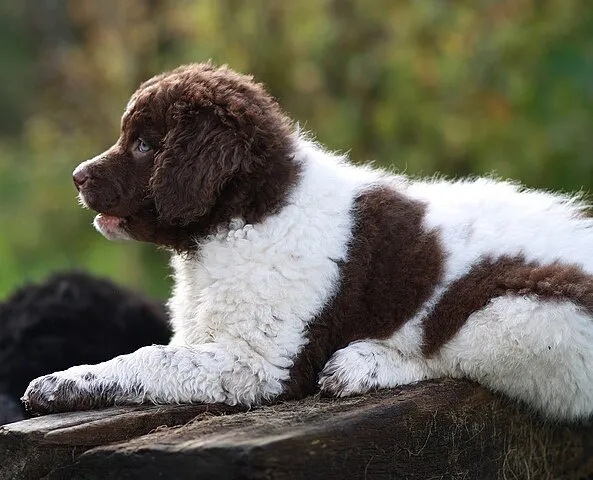
The Wetterhoun is a headstrong, robust Frisian—bred as a fearless water dog and self-sufficient farm guardian that once hunted otters in muddy canals. Beneath his rough exterior lies an extremely loyal, albeit stubborn, heart.
Self-check
Answer 6 quick questions about your everyday life and see how well the Wetterhoun fits you — including an honest cost estimate per month, per year, and across the dog's lifetime.


At a glance
The essentials — key facts, traits, and health priorities — before you dive deeper.
Lifespan
12–14 yrs
Shoulder height
53–61 cm
Weight
25–40 kg
Practical
Temperament
Daily life
What matters most
Especially with a Wetterhoun, choosing the right breeder is the single most important decision you'll make. Serious breeders consistently test the parents for inherited conditions, prioritize healthy early socialization, and stay accountable long after handover. A cheap puppy without health screening tends to become the most expensive dog later on.
See HonestDog breeder standards →Colors & coat
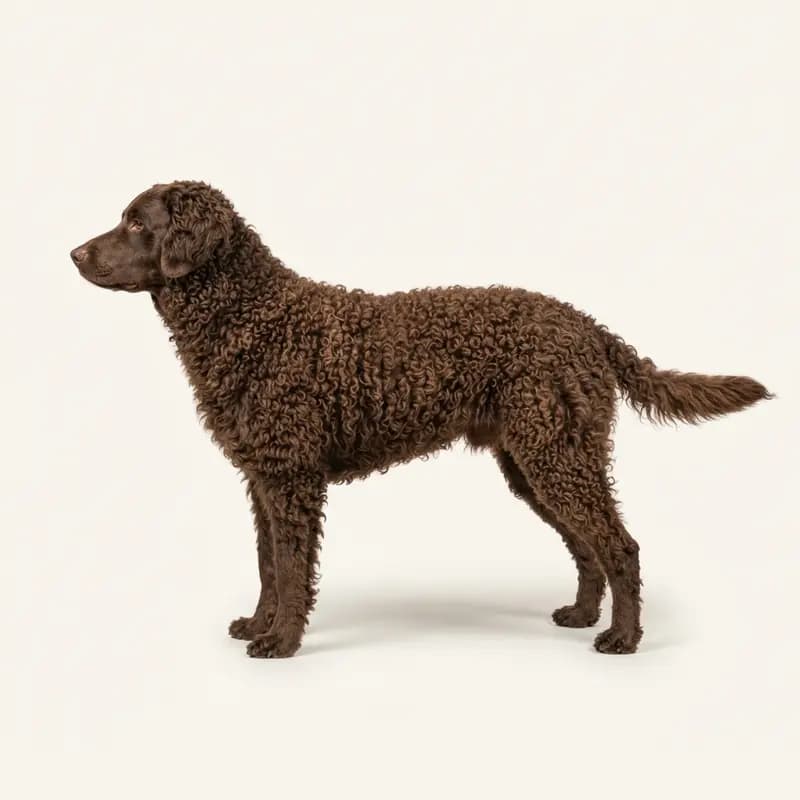
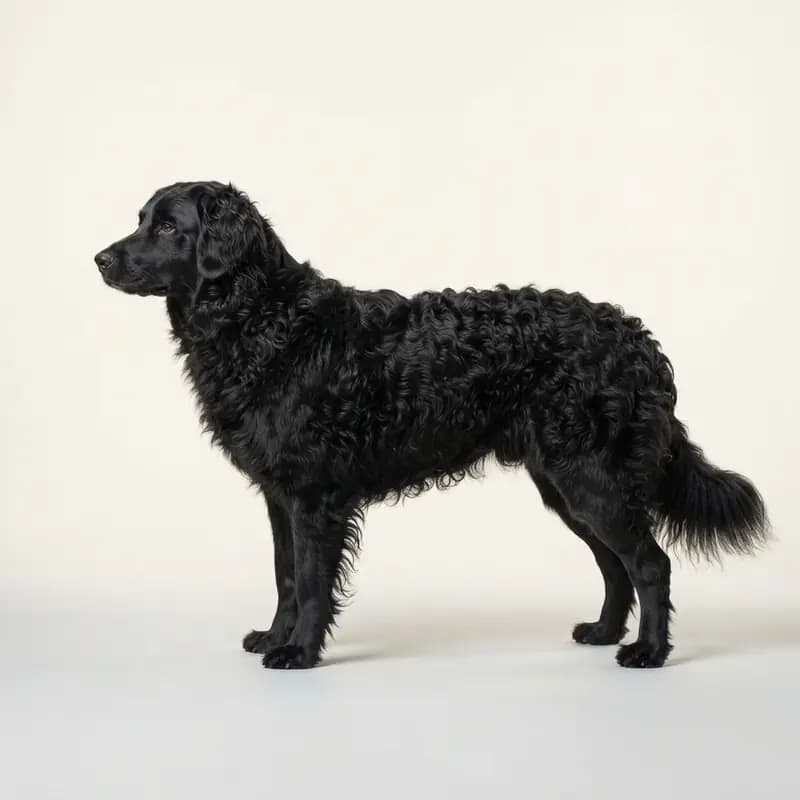
The coat colors that occur in the Wetterhoun — including which ones fall outside the breed standard and which carry genetic risk.
Eye colors
 Brown
Coat type
 Illustrative image
Curly
 Illustrative image
Medium
 Double coat
The real vibes check
A Wetterhoun is like a Frisian fisherman: weather-hardened, taciturn toward strangers, and completely unfazed by hustle and bustle. He will never blindly follow orders but will first check every task for its purpose. If you respect this stubborn independence, you will gain an incorruptible companion who will go through the deepest water for you.
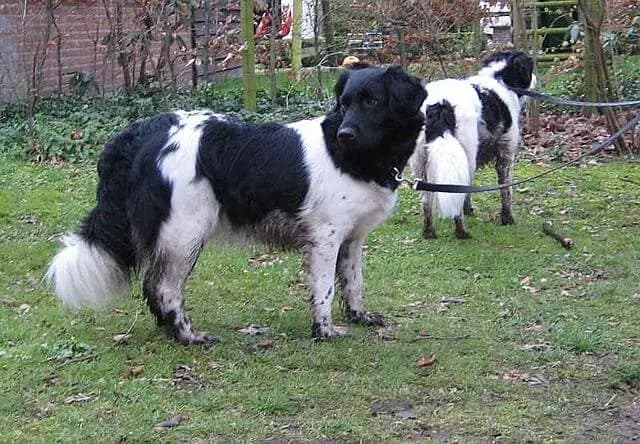
The Wetterhoun, also known as the Friesian Waterhond, is an impressive dog with a strong, robust constitution and a distinctive, curly coat. He is medium to large in size with a powerful build that reflects his versatility and origins as a working dog. His head is broad and strong, with medium-sized eyes that express a calm and alert intelligence. The Wetterhoun's FCI group is Group 8 (Retrievers, Water Dogs, Flushing Dogs). The breed is not divided into different lines as breeding is primarily aimed at health, longevity and the preservation of the original breed characteristics. This makes the Wetterhoun a uniform and highly predictable breed in terms of temperament and appearance.
The Wetterhoun is a dog of remarkable calm and equanimity. He is known for his independent yet loyal nature. These dogs are very people-oriented and form strong bonds with their families. They are also very tolerant of children and tend to make excellent family dogs. Despite their attachment to their humans, Wetterhouns are known for their independence and self-sufficiency. They enjoy being around their humans, but are equally happy being alone. This means that they are well capable of staying on their own if they have been well socialized and trained properly. They are not prone to developing separation anxiety as long as they feel safe and loved. In terms of temperament, the Wetterhoun tends to be rather calm and even-tempered. He is not hyperactive and does not require an excessive amount of physical activity to be happy. Of course, he needs regular exercise and mental stimulation to stay healthy and happy, but he is not as demanding or energetic as some other breeds. Wetterhouns are naturally alert and make excellent watchdogs. They are always alert to their surroundings and will quickly point out something that they believe is out of the norm. However, they are not aggressive dogs and generally will not bark or threaten without good reason. Despite their alertness, Wetterhouns are generally good with other animals and are not prone to display aggressive behavior. They have a natural tolerance for other dogs and often do well in homes with other pets. The Wetterhoun has a natural hunting instinct and can show pronounced prey behavior. This may manifest as a strong interest in small animals and birds, or a tendency to dig and browse. It is important to recognize and manage this instinct by providing the dog with appropriate outlets for his natural urges. A final important aspect of the Wetterhoun's character is his ability to learn. Wetterhouns are intelligent dogs and can learn a wide range of commands and tasks. However, they are also independent and can be stubborn at times, which can make training a challenge. However, with patience, consistency, and positive reinforcement, the Wetterhoun can be a well-behaved and responsive dog.
| Watchfulness A natural watchdog with real protective instinct. | High |
| Openness to Strangers Neither pushily friendly nor suspicious. | Neutral |
| Hunting or Herding Drive Noticeable drive — needs attention around small animals. | Moderate |
Fun Fact!
Did you know? The name "Wetterhoun" is Frisian for "water dog" - and rightly so, because this breed loves to swim!
Although originally bred for otter hunting, the Wetterhoun is now an excellent companion and guard dog, able to excel in a variety of sports thanks to its persistent nature. The Wetterhoun is almost never seen apart from its owner; he enjoys the owner's company as much as the owner enjoys his.
The Wetterhoun is an excellent family dog that gets along well with children and other pets. His patient and calm nature means he can fit in well in a city environment, but he needs a lot of exercise and mental stimulation. A house with a garden would therefore be ideal. With sufficient socialization, the Wetterhoun can also live well with cats and other pets.
Loves family life and thrives in a group.
Takes boisterous and affectionate children in its stride.
Usually gets on fine with other dogs.
Can manage in the city, but only with very active owners.
Owning a dog is a privilege, but it's also a real responsibility. Before you bring one into your life, be honest with yourself about the commitment it takes.
The Wetterhoun is an intelligent and independent dog that requires clear and consistent training. Since he was originally bred as a working dog, he needs both physical and mental stimulation. Agility or search games can be a good way to meet these needs. However, it is important to ensure there is a balance between activity and rest periods so as not to overwhelm the dog. Frustration tolerance and impulse control are important aspects of raising a Wetterhoun, as he can sometimes tend to make decisions on his own. However, with positive, patient and consistent training you can achieve wonderful results and have a happy, balanced dog.
Wetterhouns are adaptable dogs that do well on both commercial and home-cooked foods. It is important to have a balanced diet that contains all the necessary nutrients. Overfeeding should be avoided as these dogs can be prone to becoming overweight. When it comes to grooming, Wetterhouns have a dense, curly coat with an undercoat that protects them from cold and wet conditions. They are therefore well suited to the German climate. However, they shed a lot of fur twice a year, and thorough grooming is particularly important during this time. Regular brushing keeps the coat clean and healthy and minimizes the amount of fur in the house.
| Care Level Regular brushing and occasional professional grooming. | Moderate |
| Exercise Needs Needs several hours of serious exercise every day. | Very active |
| Shedding No or minimal hair loss — suitable for allergy sufferers. | No shedding |
| Trainability Has its own ideas and will test limits. | Strong-willed |
Our experts are still reviewing this information. Spotted something wrong? Email us at info@honestdog.de.
Solid
Health grade
With the Wetterhoun, you must pay particular attention to severe combined immunodeficiency (SCID) and hip dysplasia (HD), both of which are mandatorily regulated by the breed club. Responsible breeders also have their dogs screened for elbow dysplasia (ED) as well as ectropion / entropion, and keep the risk of epilepsy in mind. Ask to see the official HD X-ray results and the parental SCID test results before buying. For the SCID genetic test, the following applies: a carrier may only be bred to a demonstrably clear partner.
Grade is relative to other breeds — AI-assisted and editorially reviewed.
Methodology and data: HonestDog Dog Breed Health Report 2026
What matters most for this breed
Tap any item to see details.
You should ensure a healthy weight and joint-friendly exercise, as well as schedule regular eye and health check-ups to detect potential problems early.
Responsible breeders test for SCID, take X-rays for hip dysplasia (HD), and voluntarily screen for elbow dysplasia (ED) as well as ectropion / entropion.
Note: This health overview is AI-assisted and editorially reviewed. It is for orientation only and does not replace veterinary advice.
What matters most for this breed — what's common, how much it affects the dog's life, and how to protect yourself as a buyer.
Tap a body region to see the inherited conditions linked to it.
The three most important risks
Pick a region on the map to explore other areas.
Tier 1 reflects the tests Nederlandse Vereniging voor Stabij- en Wetterhounen (NVSW) - Dutch country-of-origin breed club; in Germany VDH keeps Wetterhoun directly actually mandates. Tiers 2 and 3 show how responsible breeders go beyond.
Club standard. Nederlandse Vereniging voor Stabij- en Wetterhounen (NVSW) - Dutch country-of-origin breed club; in Germany VDH keeps Wetterhoun directly requires these tests for breeding approval. Ask any reputable breeder for the results.
No entries in this tier.
Note: This health overview is AI-assisted and editorially reviewed. It is for orientation only and does not replace veterinary advice.
A Wetterhoun costs around ~€200 per month (€100 – €380, depending on your setup). The first year adds up to roughly ~€5,690 including purchase, equipment and puppy school; across the dog's life (13 years) it comes to about ~€34,060.
With surgery cover, running costs come to about ~€200 per month — in return, your share of a major operation drops from several thousand euros to around 20 percent.
Per month
~€200
In the first year
~€5,690
Across the dog's life
~€34,060
Estimated purchase price from a breeder: €2,000 – €3,000
Estimate at a mid-range setup (suburban, dry food, 1–2 hours of daily exercise), average German prices, as of July 2026.
HonestDog Concierge
We currently have no breeders for this breed who have passed our verification. Create your short buyer profile: we'll set up your search alert, review a possible source and email you within 28 days.
 Illustrative imageIllustrative image
 Illustrative image
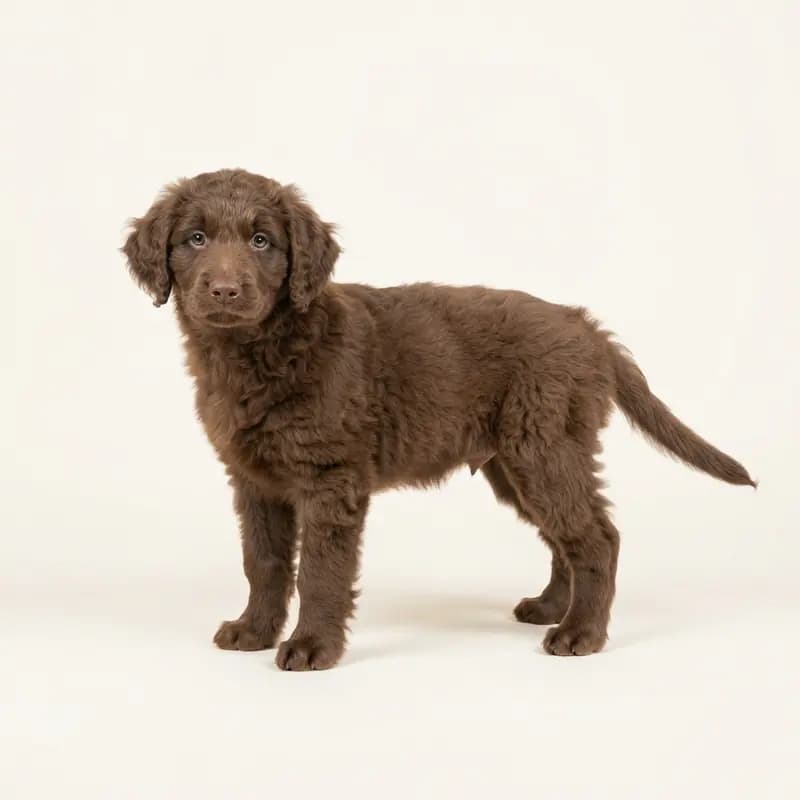 Illustrative image
The Wetterhoun originally comes from the province of Friesland in the Netherlands and has a long history dating back to the 17th century. It was originally bred to be a versatile working dog, used for a variety of tasks including hunting waterfowl, guarding the home and yard, and even fishing. The breed was first recognized by the Dutch Kennel Club in the 1940s. Despite its long history and valuable contribution to the working and hunting dog scene in the Netherlands, the breed is relatively unknown outside of its homeland. The preservation and promotion of the breed is continued by a dedicated group of breeders and enthusiasts who strive to preserve the unique qualities and historical significance of the Wetterhoun.
The Wetterhoun was bred to hunt otters and other water game and as a guard dog on farms.
Netherlands
1500
Many owners stress that the Wetterhoun has a remarkable inner calm at home. Within its own household, it's considered very affectionate, loyal and sensitive toward its people. It does well living with a family, though experienced owners note that it gets along best with steady, sensible children. When things get too hectic or it's handled roughly, the breed tends to withdraw, since it's sensitive despite its rugged exterior.
On its own property, its heritage as a farm and water dog shows very clearly: it reliably announces visitors or anything unusual. With strangers, the Wetterhoun is usually aloof and waits to see, but it warms up once the owner signals that everything is fine. Most owners don't see it as a dog for a city apartment alone; a yard or farm and, above all, regular chances to get out into nature and swim are described as key to its contentment.
Sources:zooroyal.dewelpen.vdh.dehappieanimals.comdehunderassen.deedogs.de
Owners' accounts of training unanimously warn against the mistake of thinking you're dealing with a biddable retriever with a strong "will to please." Wetterhouns were historically bred to hunt and guard independently, so they like to question commands on their own terms. Owners describe with a smile how the dog tends toward selective deafness when an exercise makes no obvious sense to it. Monotonous repetition on the training field quickly bores it.
At the same time, owners point out how surprisingly soft the Wetterhoun is, and how it holds a grudge, when it meets pressure or harsh words. Strictness or a dominant training style often makes the dog shut down completely. According to owners, the key to training success is patience, a pinch of humor, positive reinforcement and meaningful motivation. Scent work, flushing, dummy training and tasks in the water in particular are where the breed's independent mind can be channeled enthusiastically into something constructive.
Sources:zooroyal.dewelpen.vdh.dedehunderassen.dereddit.comedogs.de
From the owner's point of view, the Wetterhoun is a hardy outdoor type that really comes into its own in wind, rain and snow. Its typical, slightly oily curly coat repels dirt surprisingly well: mud and grime usually fall off on their own once dry, and apart from regular brushing the coat needs hardly any elaborate grooming. Owners do say, however, that the breed's typical smell and the greasy texture of the coat take some getting used to for sensitive noses.
When it comes to the breed itself, owners and people interested in breeding repeatedly share their concern about the very small worldwide population. As a result, breeding is closely monitored. Besides the hip dysplasia common in medium-sized breeds, the relevant health issues include above all hereditary diseases such as severe combined immunodeficiency (SCID), which had a major impact on puppy mortality in the past. Breeders and clubs now counter this with strict DNA testing and outcross programs, which is why owners strongly advise buying puppies only through recognized breed clubs.
Sources:welpen.vdh.dedehunderassen.deedogs.dereddit.comsteverheide-ponys.de
Paraphrased from real owner reports · translated from German
The Wetterhoun is an active dog that needs plenty of exercise and mental stimulation. Research the temperament, grooming needs, and space requirements before deciding.
The average life expectancy of a Wetterhoun is 12-14 years. With proper care and regular vet visits, your dog can live a long, healthy life.
Wetterhoun grooming requirements include regular brushing, nail trimming, and dental care. HonestDog provides detailed grooming tips for every breed.
The Wetterhoun can be a great family dog. Proper training and socialization are key. HonestDog provides family suitability information for every breed.
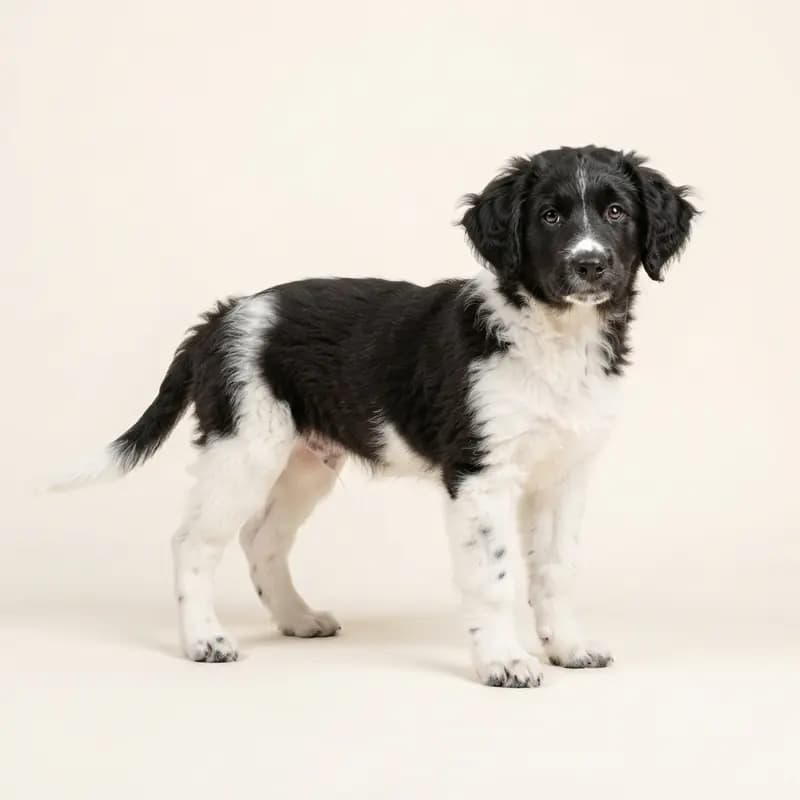
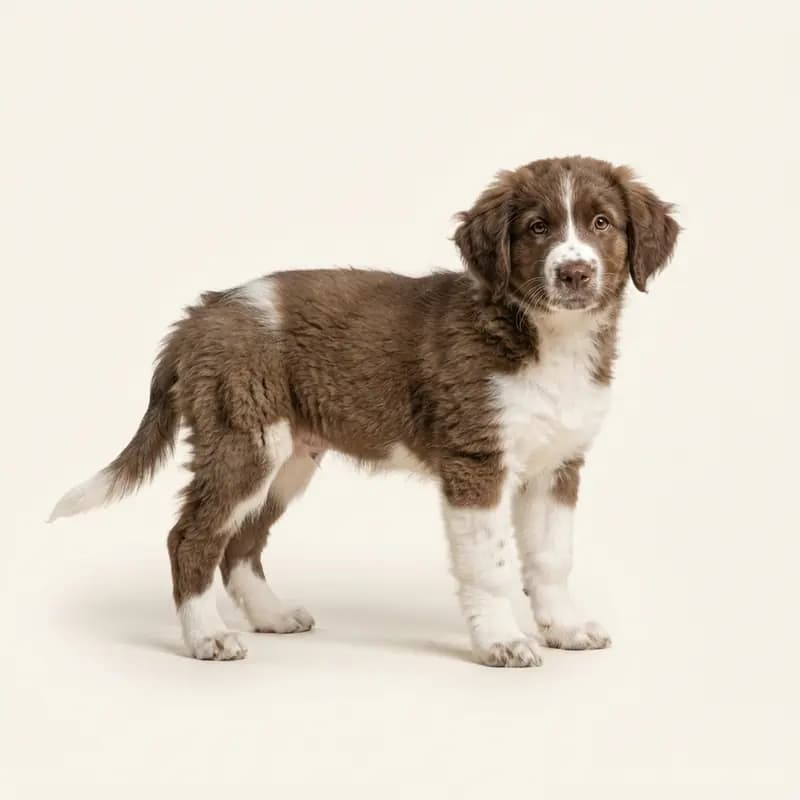
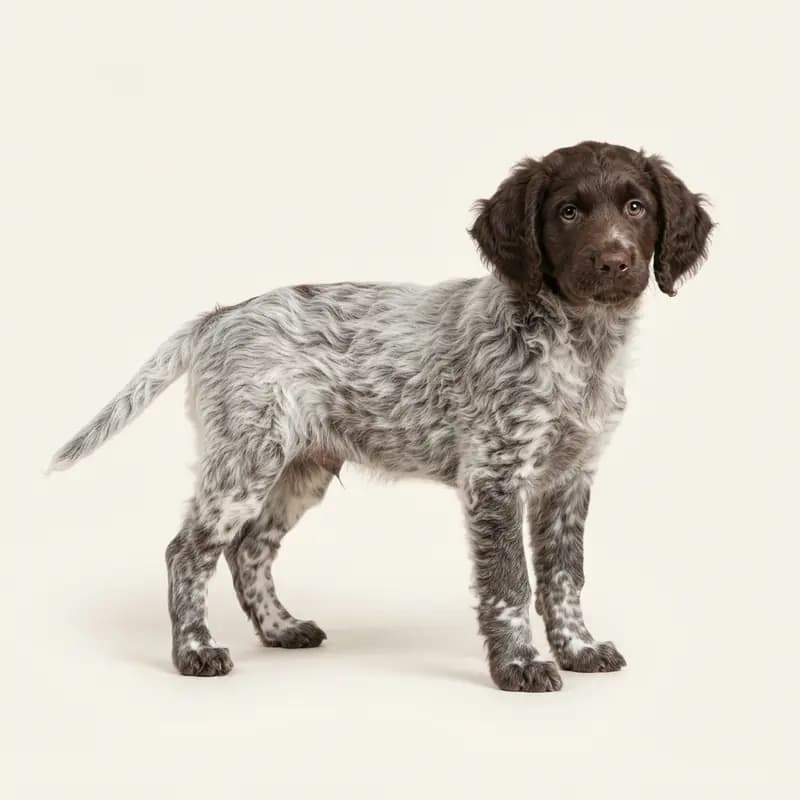
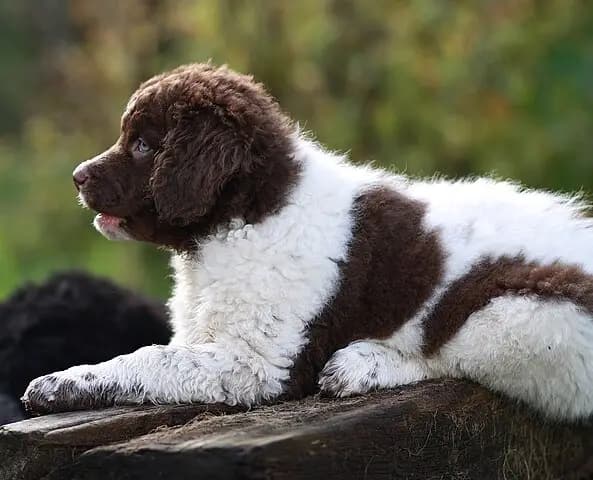
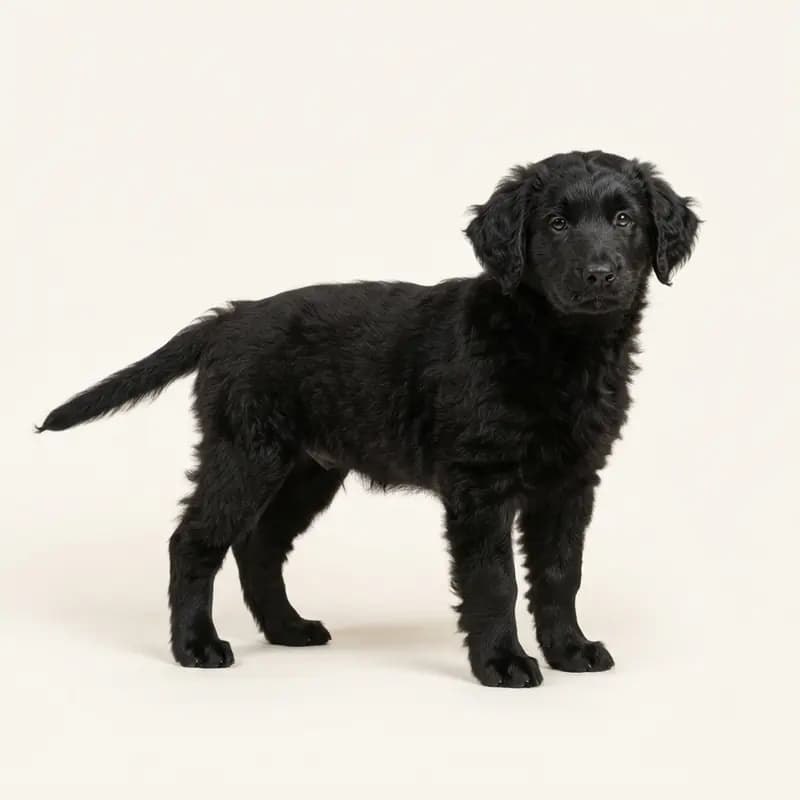
The Wetterhoun comes in these colors: Black, Brown, Black and white, Brown and white, Roan.
Showcase your kennel on HonestDog and reach families searching for a responsibly bred Wetterhoun.