Drentsche PatrijshondSame FCI section
The Stabijhoun is a gentle yet headstrong all-round Vorstehhund (pointing dog)—bred in the Dutch province of Friesland for hunting birds and vermin, it charmingly combines a willingness to cooperate with independent thinking.
How the health grade is calculated
Sources for required breeding screenings. Nederlandse Vereniging voor Stabij- en Wetterhounen (NVSW)
Self-check
Answer 6 quick questions about your everyday life and see how well the Stabyhoun fits you — including an honest cost estimate per month, per year, and across the dog's lifetime.
At a glance
The essentials — key facts, traits, and health priorities — before you dive deeper.
Lifespan
13–15 yrs
Shoulder height
48–55 cm
Weight
18–25 kg
Practical
Temperament
Daily life
What matters most
Especially with a Stabyhoun, choosing the right breeder is the single most important decision you'll make. Serious breeders consistently test the parents for inherited conditions, prioritize healthy early socialization, and stay accountable long after handover. A cheap puppy without health screening tends to become the most expensive dog later on.
See HonestDog breeder standards →Colors & coat
The coat colors that occur in the Stabyhoun — including which ones fall outside the breed standard and which carry genetic risk.
Eye colors
 Brown
Coat type
 Medium
 Double coat
The real vibes check
A Stabijhoun is not a robotic command-follower, but a Frisian free spirit in a hunting dog's coat. It loves working with you, but it will briefly consider whether your command actually makes sense before acting. If you can take this charming stubbornness with a sense of humor, you will have a loyal buddy for every country lane.
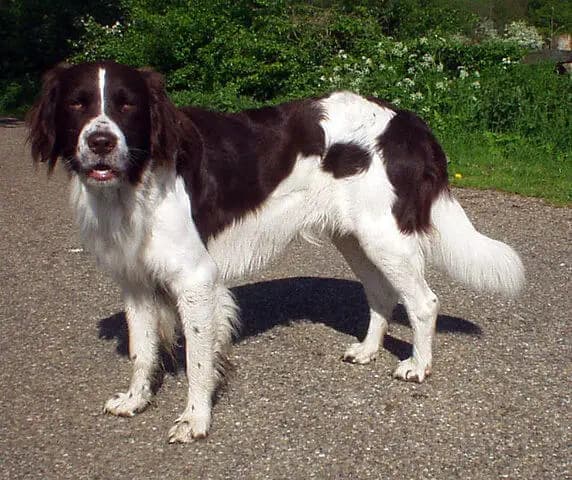
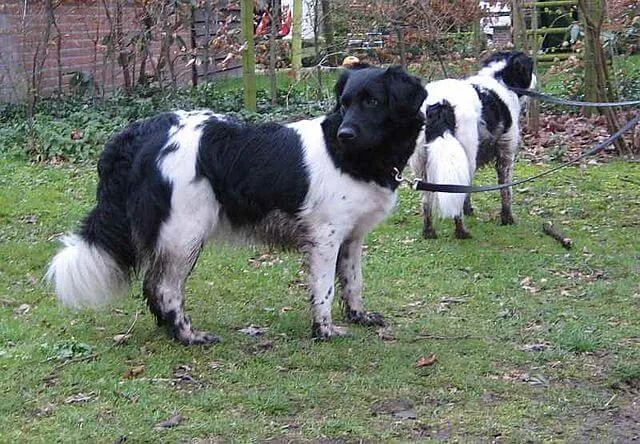
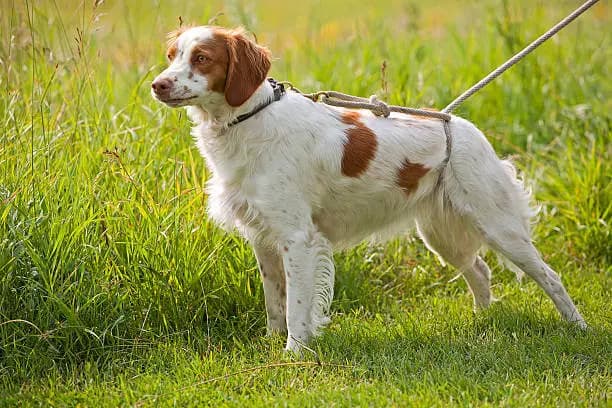
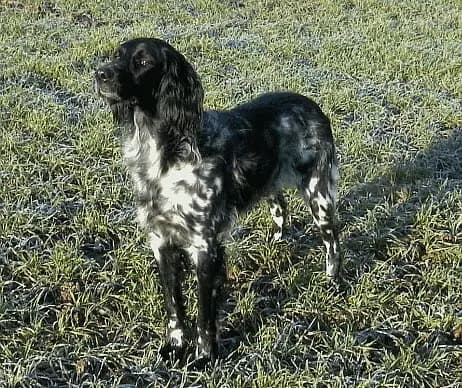
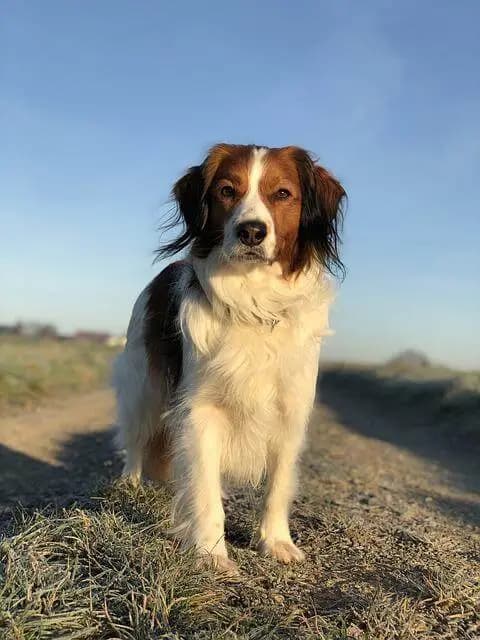
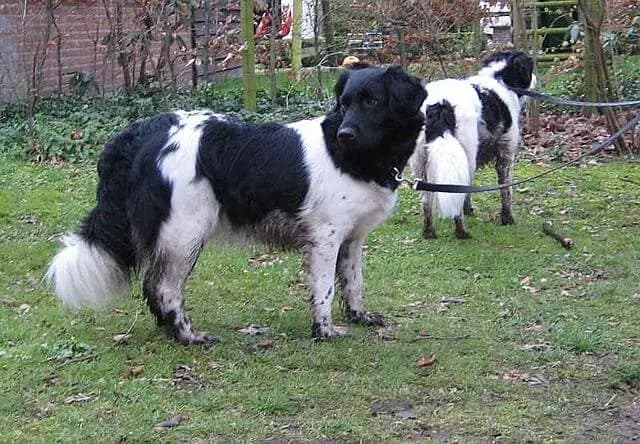
The Stabijhoun is a medium-sized dog with a strong but elegant appearance. His body is slightly stretched and his stature appears balanced and harmonious. The head is quite narrow with a prominent muzzle and dark, friendly eyes that exude a certain softness. The ears are medium sized and hanging. The tail is long and is generally held in a relaxed position but may become erect when excited. The Stabijhoun belongs to FCI Group 7, which includes pointers. Although the Stabijhoun was originally used as a working dog for various tasks such as hunting, guarding and training livestock, today there is no longer any distinction between performance and show lines. The breed is now primarily kept as a family and companion dog, but can also be successful in various dog sports due to its working history and intelligence.
The Stabijhoun is a friendly and balanced dog that is very affectionate and people-oriented. He is known for his calmness and gentleness and is rather calm and relaxed despite his working dog past. Although he can show a strong alert behavior and can initially be reserved towards strangers, he is not a particularly watchdog and usually points no aggressive behavior. Its intelligent and easily trainable nature makes the Stabijhoun a great companion for various activities. Although he is not hyperactive, he needs regular physical and mental exercise to be happy. Its original use as a hunting dog still allows it to use its nose, so it can be well suited to activities such as mantrailing or tracking. However, his hunting instinct is usually not very strong and he can usually live well with other animals. The Stabijhoun is a very affectionate dog that needs close contact with its family. He can learn to stay alone for short periods of time, but he should not be left alone for long periods of time. He is very playful and enjoys playing time with his family. His calm and gentle nature also makes him a good dog for families with children. The different lines of Stabijhoun can vary somewhat in their temperament. Some dogs can be more active and eager to work, while others are more calm and relaxed. It is important to research the characteristics of each line before choosing a puppy to ensure the dog is a good fit for your lifestyle and preferences. The Stabijhoun is a dog that is very happy when it has a task and is busy. Although he is not overly active, he still needs regular exercise and mental stimulation to be happy and balanced. His intelligent and eager to learn nature makes him a great companion for various activities and dog sports. At the same time, he is also very content just being with his family and enjoying their company. Overall, the Stabijhoun is a great dog for people looking for an affectionate, intelligent and versatile companion. He is a loyal and loving family dog that adapts well to different lifestyles and is an asset to any home.
| Watchfulness Reports unusual activity but stays controlled. | Moderate |
| Openness to Strangers Warms up quickly and is generally welcoming. | Friendly |
| Hunting or Herding Drive Noticeable drive — needs attention around small animals. | Moderate |
Fun Fact!
Did you know that the name "Stabijhoun" comes from Frisian and "Stand by me dog" means, which perfectly reflects the deep bond between this race and its people?
Although sometimes stubborn by nature, the Stabyhoun is an obedient, gentle and patient dog who loves his family very much and wants to please his owner. It is both a soft-mouthed retriever and a pointer, particularly suited to hunting ducks and upland birds. He is a fine retriever and water work is one of his strengths. He is very sharp-sighted, has a good sense of smell and aptitude, and works quickly and efficiently.
The Stabijhoun is a versatile and adaptable dog that can be kept both in rural areas and in the city. It is important that he gets enough exercise and mental exercise. He is a friendly and tolerable dog that gets along well with children and other pets, including cats. His calm and balanced nature makes him a pleasant roommate.
Lives for its family — the born family companion.
Takes boisterous and affectionate children in its stride.
Actively enjoys the company of other dogs.
City-appropriate with enough exercise and stimulation.
Owning a dog is a privilege, but it's also a real responsibility. Before you bring one into your life, be honest with yourself about the commitment it takes.
The Stabijhoun is an intelligent and eager-to-learn dog who enjoys learning new things and taking on tasks. He's eager to work, but not hyperactive, and there's no danger of him becoming a "ball junkie." Nevertheless, you should pay attention to a balanced activity and not overwhelm the dog. In addition to physical exercise, mental activity is also important. For example, nose work, agility or tricks are ideal here. An important aspect of raising the Stabijhoun is training frustration tolerance and impulse control. As a former hunting dog, he may have a certain hunting instinct, so you should work early on to channel this instinct and offer the dog alternatives. For example, training in search games or working on the towline can be helpful.
The Stabijhoun is an active dog and requires a balanced diet that meets its energy needs. Depending on the size, activity level and age of the dog, the amount and composition of the food can vary. A mixture of high-quality dry or wet food and fresh ingredients can provide a good basis for a healthy diet. It is always important to ensure that your dog is at a healthy weight, as being overweight can lead to various health problems. The Stabijhoun's coat is long and has a thick undercoat. It requires regular care to avoid matting and skin problems. Weekly grooming with a brush or comb is usually sufficient. During shedding, which usually occurs twice a year, increased hair loss may occur and it may be necessary to brush the dog more frequently. The Stabijhoun's fur provides him with good protection from cold weather, which is where he comes from As a rule, they also cope well with the German climate.
| Care Level Regular brushing and occasional professional grooming. | Moderate |
| Exercise Needs Needs several hours of serious exercise every day. | Very active |
| Shedding Hair everywhere, always — no white clothing survives. | Very heavy |
| Trainability Willing to learn with clear rules and regular training. | Balanced |
Our experts are still reviewing this information. Spotted something wrong? Email us at info@honestdog.de.
Solid
Health grade
In the Stabijhoun, breed-typical risks primarily include joint disorders such as elbow dysplasia (ED) and hip dysplasia (HD), as well as an Alzheimer's-like disease. The Nederlandse Vereniging voor Stabij- en Wetterhounen (NVSW) therefore mandatorily prescribes radiographic screenings for HD (A–C, where C may only be mated with A/B) and ED (0–1, where 1 may only be mated with 0). Health-conscious breeders additionally test for the Alzheimer's-like disease and have their animals examined for patent ductus arteriosus (PDA) and cataracts. Before buying a puppy, have the breeder present the official findings for HD and ED, as well as proof of freedom from cataracts and an unremarkable PDA result for the parent animals.
Grade is relative to other breeds — AI-assisted and editorially reviewed.
Methodology and data: HonestDog Dog Breed Health Report 2026
What matters most for this breed
Tap any item to see details.
With joint-friendly rearing and regular eye check-ups, most dogs stay active and healthy for a long time.
Responsible breeders mandatorily have parent animals X-rayed for ED and HD and additionally test them for cataracts, patent ductus arteriosus (PDA), and Alzheimer-like disease.
Note: This health overview is AI-assisted and editorially reviewed. It is for orientation only and does not replace veterinary advice.
What matters most for this breed — what's common, how much it affects the dog's life, and how to protect yourself as a buyer.
Tap a body region to see the inherited conditions linked to it.
The three most important risks
Pick a region on the map to explore other areas.
Tier 1 is the core standard: the tests Nederlandse Vereniging voor Stabij- en Wetterhounen (NVSW) requires, plus further tests from the recommended health standard for this breed. Tiers 2 and 3 show how responsible breeders go beyond.
Core standard. Tests marked “Club standard” are required by Nederlandse Vereniging voor Stabij- en Wetterhounen (NVSW) for breeding approval; the others are part of the recommended health standard for this breed. Ask any reputable breeder for the results.
No entries in this tier.
Note: This health overview is AI-assisted and editorially reviewed. It is for orientation only and does not replace veterinary advice.
A Stabyhoun costs around ~€180 per month (€100 – €340, depending on your setup). The first year adds up to roughly ~€5,030 including purchase, equipment and puppy school; across the dog's life (14 years) it comes to about ~€33,560.
With surgery cover, running costs come to about ~€180 per month — in return, your share of a major operation drops from several thousand euros to around 20 percent.
Per month
~€180
In the first year
~€5,030
Across the dog's life
~€33,560
Estimated purchase price from a breeder: €1,500 – €2,500
Estimate at a mid-range setup (suburban, dry food, 1–2 hours of daily exercise), average German prices, as of July 2026.
HonestDog Concierge
We currently have no breeders for this breed who have passed our verification. Create your short buyer profile: we'll set up your search alert, review a possible source and email you within 28 days.
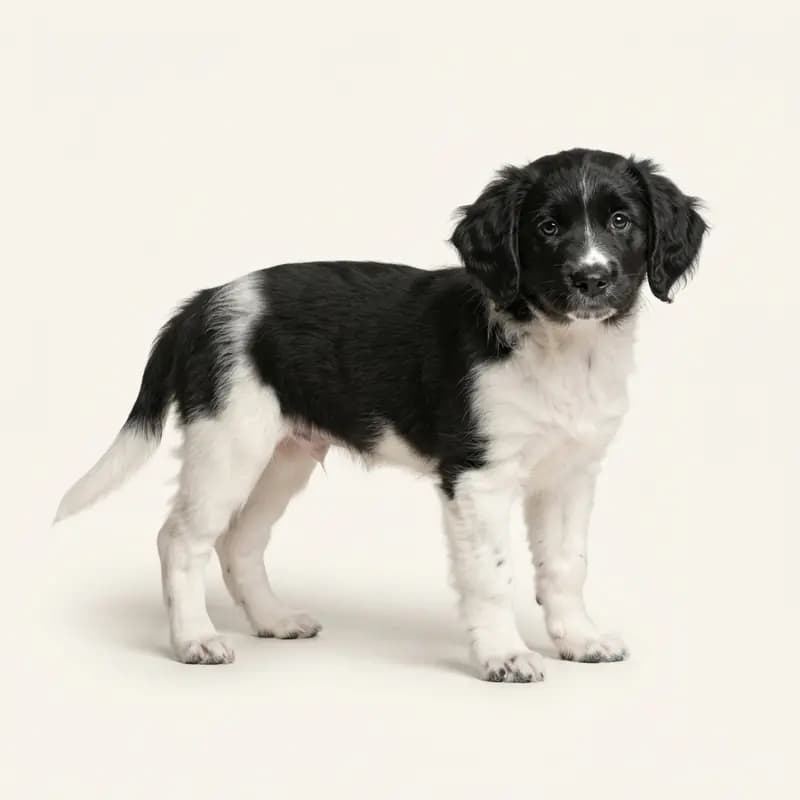 Illustrative image
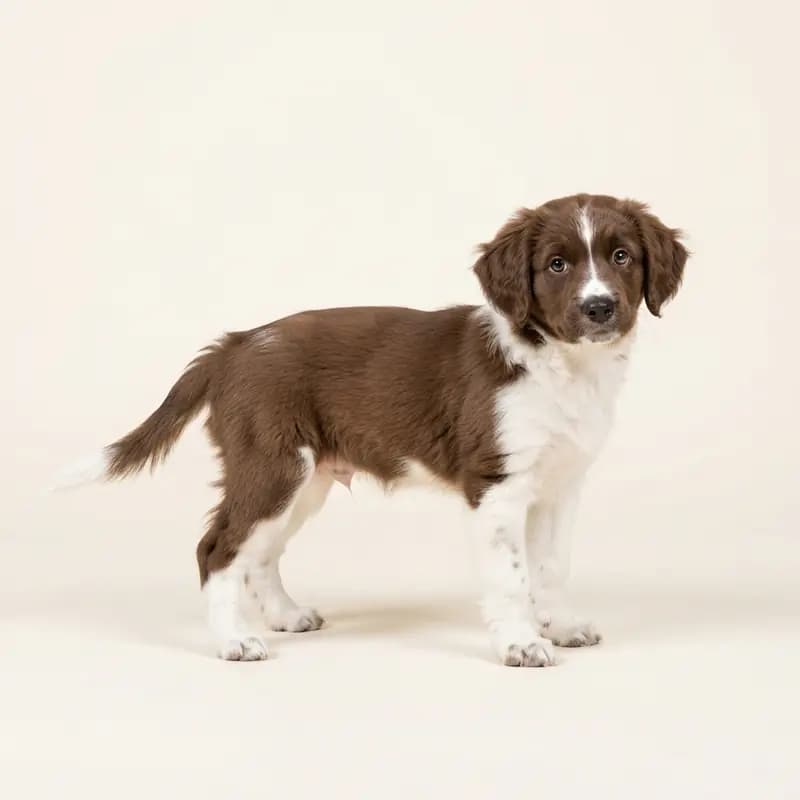 Illustrative image
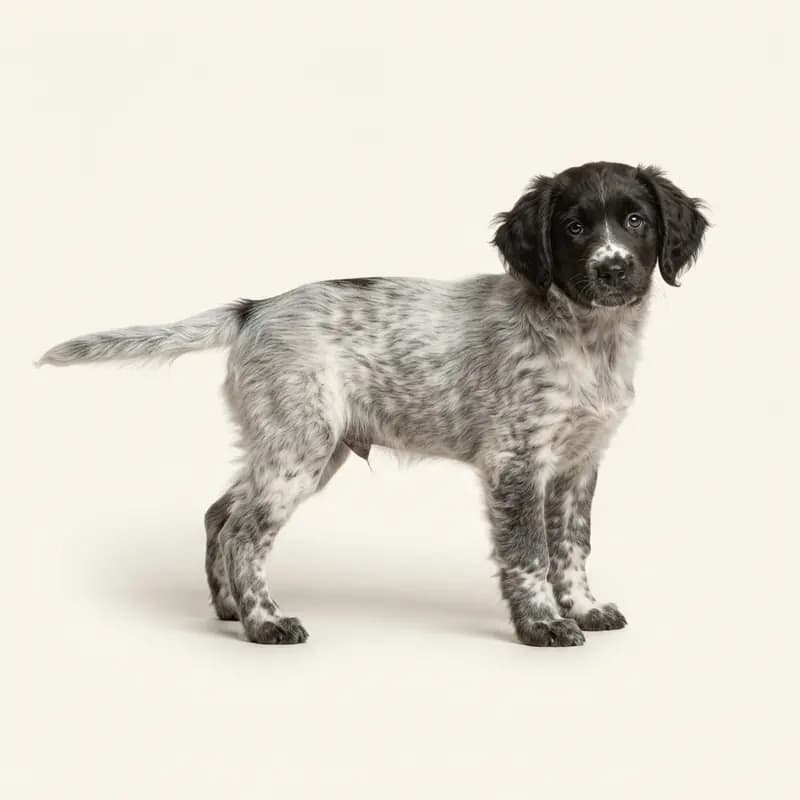 Illustrative image
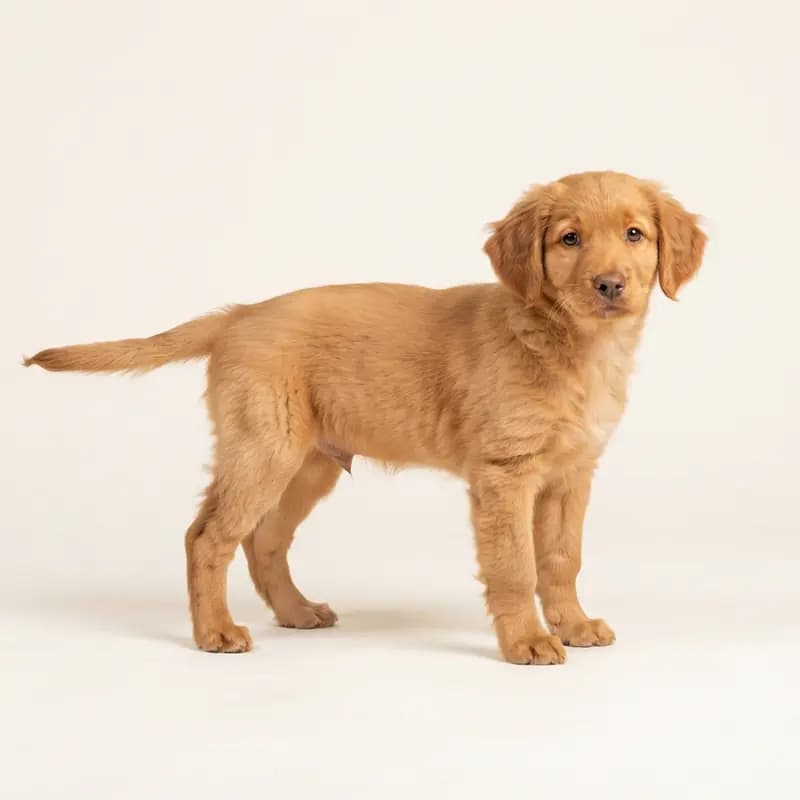 Illustrative image
The Stabijhoun is an ancient breed that originally comes from the Netherlands. Her name means “Stand-by-me-Dog” in the Frisian language, which underlines her close relationship with her people. The breed was traditionally kept in the Dutch province of Friesland, where it was used for various farm work and hunting. Their versatility and high work ethic made them extremely valuable to the region's farmers. The exact origin of the breed is unclear, but it is believed to have descended from ancient Spanish dogs that were common in the Netherlands. The Stabijhoun was first mentioned in texts in the 19th century, but it took until 1942 for the breed to be officially recognized by the Dutch Kennel Club.
The Stabijhoun was used as an all-purpose hunting dog for hunting small game and controlling pests on farms.
Friesland, Netherlands
1800
At home, owners describe the Stabyhoun as a very affectionate, gentle, child-loving companion that actively seeks closeness to its family and likes to be right in the middle of things. With the right amount of activity it is usually calm and unobtrusive indoors. Its former role as a Frisian farm dog still shows clearly in a natural watchfulness, though: many owners find it notices any change on the property immediately and announces visitors. It isn't aggressive toward strangers, but it is often reserved and watchful in the typical way until it has built trust.
Life gets harder when the Stabyhoun is underestimated as a dog that simply tags along. Despite its medium size and adaptability, it needs more than a quick lap around the block. If it gets too little mental stimulation or isn't included in family life, it can become frustrated or find its own jobs to do around the property. Most owners find the coat easier to care for than expected, because the weatherproof coat repels dirt well, but regular brushing out of the undercoat is still a must.
Sources:mit-tier.deedogs.dedogdna.dehundeforum.comzooplus.de
In training, owners keep pointing to the fine balance between high intelligence and Frisian stubbornness. The Stabyhoun grasps tasks very quickly and cooperates well, but it is very sensitive to pressure, loud voices or harshness. Owners consistently report that with a training style that is too brusque it shuts down or becomes insecure; the key to success, they say, is loving, completely dependable consistency and positive reinforcement.
Hunting drive is a point of debate in owner reports. While breed profiles often describe it as moderate, many owners on forums warn against underestimating the pointing-dog genes. They often describe dogs that show a strong fascination with game trails, birds or small animals when outside. In areas with a lot of wildlife, off-leash time is therefore often only possible with intensive anti-hunting training and a long line. In practice, tracking, mantrailing and dummy searches have proven excellent outlets that let the dog use its nose in a controlled way.
When it comes to health, people who know the breed and breed clubs generally consider the Stabyhoun a hardy, weatherproof breed with a pleasingly long life expectancy, often 13 to 14 years. Because the global gene pool is fairly small and the population remains limited, though, experienced owners and people who follow the breeding closely point to breed-specific risks that call for targeted screening.
Breeding and health reports mention hip dysplasia (HD) and, above all, cerebral dysfunction (CCD, an inherited condition similar to Alzheimer's), von Willebrand disease (a blood-clotting disorder) and congenital heart defects such as patent ductus arteriosus (PDA). Buyers therefore strongly advise getting puppies only from breeders who breed through official breed clubs and have both parents fully checked by DNA test and cardiac ultrasound. Another practical everyday issue is feeding: without enough exercise, some dogs quickly put on weight if they're fed too generously.
Sources:zooplus.depetbook.deedogs.destabijhoun-schweiz.weebly.com
Paraphrased from real owner reports · translated from German
The Stabyhoun is an active dog that needs plenty of exercise and mental stimulation. Research the temperament, grooming needs, and space requirements before deciding.
The average life expectancy of a Stabyhoun is 13-15 years. With proper care and regular vet visits, your dog can live a long, healthy life.
Stabyhoun grooming requirements include regular brushing, nail trimming, and dental care. HonestDog provides detailed grooming tips for every breed.
The Stabyhoun can be a great family dog. Proper training and socialization are key. HonestDog provides family suitability information for every breed.
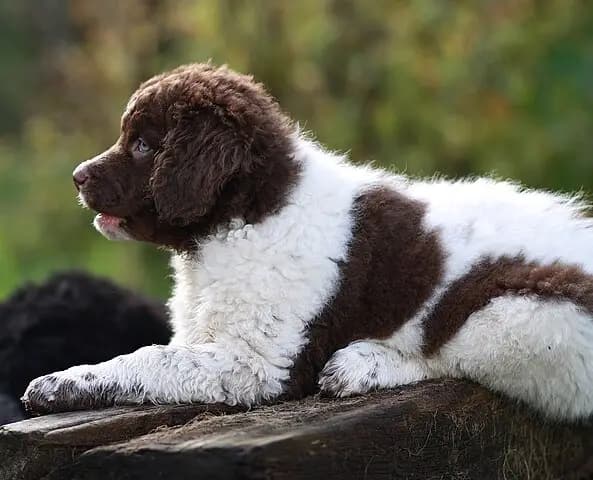
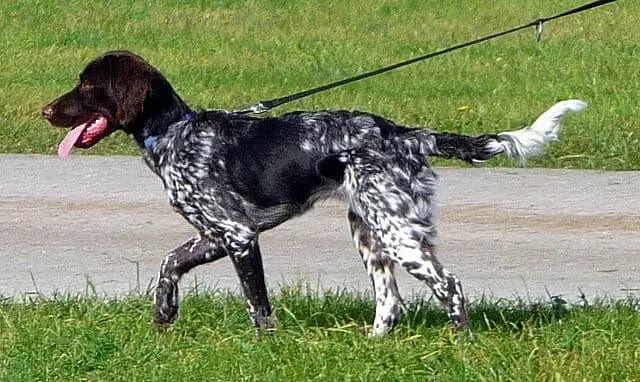
The Stabyhoun comes in these colors: Black and white, Brown and white, Roan, Orange.
Showcase your kennel on HonestDog and reach families searching for a responsibly bred Stabyhoun.