Brachycephalic obstructive airway syndrome (BOAS)(BOAS)
Also known as: Brachycephalic Obstructive Airway Syndrome · Brachyzephales Atemnotsyndrom · Brachyzephales Syndrom · BAS · Brachycephalic Airway Syndrome · …
Overview
What it is
Brachycephalic obstructive airway syndrome (BOAS) is a severe respiratory condition affecting short-muzzled dog breeds, where the physical shortening of the skull leaves insufficient space for the upper airways. This structural compression forces tissues like the soft palate and nasal passages into a restricted area, significantly obstructing the flow of oxygen to the lungs. Over time, the increased effort required to breathe puts chronic strain on the dog's respiratory and cardiovascular systems.
How it presents
Owners typically notice symptoms within the first year of life, including loud snoring, wheezing, extreme sensitivity to heat, and rapid tiring during exercise. In severe cases, dogs may experience acute breathing crises, blue-tinted gums from lack of oxygen, or fainting spells during physical exertion.
Treatment
While the underlying skull shape cannot be changed, surgical procedures to widen the nostrils and shorten the soft palate can significantly improve airflow. These corrective surgeries are typically one-time interventions, though some dogs may require ongoing management, with costs generally ranging from 1,500 to 6,000 EUR.
How it's tested
BOAS-Atemfunktionsprüfung (Respiratory Function Grading, RFG)(RFG)
Primary testClinical examDas Respiratory Function Grading Scheme (RFG) ist eine klinische Untersuchung zur funktionellen Beurteilung der Atemwege vor und nach Belastung, speziell für brachyzephale Rassen.
Issuing body: vet
Affected breeds
24 of 24 breeds
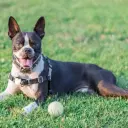 Boston TerrierRecommended standard
 BulldogRecommended standard
 Continental BulldogMandatory testMandated by Continental Bulldog Club Deutschland e.V. (CBCD) - VDH member (approved March 2024); ACBD (acbd.de) not VDH and its site has an SSL error
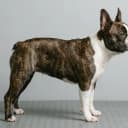 FrenchtonRecommended standard
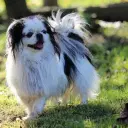 Japanese ChinRecommended standard
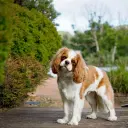 King Charles SpanielRecommended standard
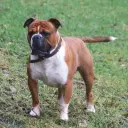 Old English BulldogRecommended standard
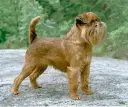 Petit BrabançonRecommended standard
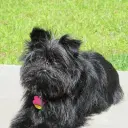 AffenpinscherAlso recommended
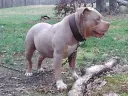 American BullyAlso recommended
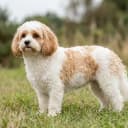 CavachonAlso recommended
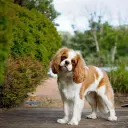 Cavalier King Charles SpanielAlso recommended
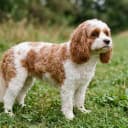 CavapooAlso recommended
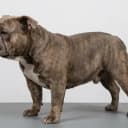 Exotic BullyAlso recommended
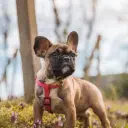 French BulldogAlso recommended
 Lhasa ApsoAlso recommended
 PekingeseAlso recommended
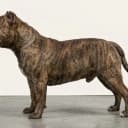 Pocket BullyAlso recommended
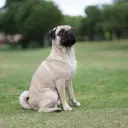 PugAlso recommended
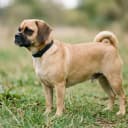 PuggleAlso recommended
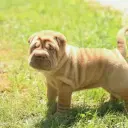 Shar-PeiAlso recommended
 Shih TzuAlso recommended
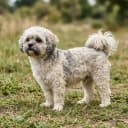 ShihpooAlso recommended
 ShorkieAlso recommended
Why is this linked to extreme breeding?
This condition can be tied to a trait dogs are bred for. These pages explain how it arises, which breeds are affected and how to recognize dogs bred for health.
Treatment cost
Estimated range of typical treatment costs. Actual costs depend on severity, clinic and region.
Frequently asked questions
What is Brachycephalic obstructive airway syndrome (BOAS)?
Brachycephalic obstructive airway syndrome (BOAS) is a severe respiratory condition affecting short-muzzled dog breeds, where the physical shortening of the skull leaves insufficient space for the upper airways. This structural compression forces tissues like the soft palate and nasal passages into a restricted area, significantly obstructing the flow of oxygen to the lungs. Over time, the increased effort required to breathe puts chronic strain on the dog's respiratory and cardiovascular systems.
How is Brachycephalic obstructive airway syndrome (BOAS) tested?
Tests currently in our database: BOAS-Atemfunktionsprüfung (Respiratory Function Grading, RFG).
Which breeds are most affected?
Most commonly affected: Boston Terrier, Bulldog, Continental Bulldog, Frenchton, Japanese Chin, King Charles Spaniel, Old English Bulldog, Petit Brabançon.