Growth hormone-responsive dermatosis; adrenal sex hormone-responsive dermatosis
Also known as: Alopecia X · Growth hormone-responsive alopecia · Adrenal hyperplasia-like syndrome · Castration-responsive dermatosis · Pseudo-Cushing's syndrome · …
Overview
What it is
This is a hormonal skin condition affecting the endocrine system, where an imbalance in adrenal sex hormones or a lack of growth hormone leads to symmetrical hair loss. The skin's hair follicles stop producing new hair, causing them to enter a permanent resting phase. While the skin and coat are affected, the dog's internal organs and overall physical health typically remain completely normal.
How it presents
Owners usually notice progressive hair loss on the dog's trunk and thighs, often starting between 1 and 5 years of age. The skin in these bald areas may also darken over time, while the fur on the head and legs typically remains unaffected.
Treatment
Because the condition is primarily cosmetic, treatment is not medically necessary, but it can be managed with neutering or hormone therapies. Management is often lifelong and costs typically range from 500 to 3000 EUR depending on the chosen therapy and required veterinary monitoring.
How it's tested
Affected breeds
Treatment cost
Estimated range of typical treatment costs. Actual costs depend on severity, clinic and region.
Frequently asked questions
What is Growth hormone-responsive dermatosis; adrenal sex hormone-responsive dermatosis?
This is a hormonal skin condition affecting the endocrine system, where an imbalance in adrenal sex hormones or a lack of growth hormone leads to symmetrical hair loss. The skin's hair follicles stop producing new hair, causing them to enter a permanent resting phase. While the skin and coat are affected, the dog's internal organs and overall physical health typically remain completely normal.
How is Growth hormone-responsive dermatosis; adrenal sex hormone-responsive dermatosis tested?
Various clinical and genetic tests are used depending on the breed and presentation.
Which breeds are most affected?
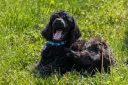
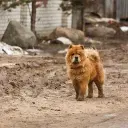
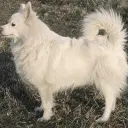
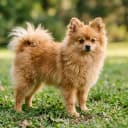
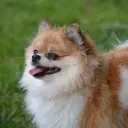
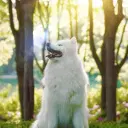
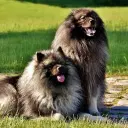
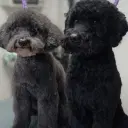
Most commonly affected: American Water Spaniel, Chow Chow, German Spitz, Pomapoo, Pomeranian, Samoyed, Wolfspitz, Miniature Poodle.