
Cranioschisis
Also known as: Lacunar skull · Craniolacunia · Schädelspalte · Cranial cleft defect
Overview
What it is
Lacunar skull (Lückenschädel) is a congenital developmental defect affecting the skeletal system, specifically the skull. It occurs when the bones of the cranial vault fail to harden or ossify completely, leaving thin spots, depressions, or actual gaps in the bone structure. This defect is often associated with increased pressure within the skull and other brain abnormalities.
How it presents
Symptoms typically become noticeable during puppyhood. Owners may observe physical indentations on the puppy's head, coordination issues, or neurological signs like seizures, which are often linked to fluid buildup in the brain.
Treatment
While the bone defect itself cannot be cured, treatment focuses on managing associated neurological symptoms and protecting the brain. Depending on the severity and required supportive care, lifelong management typically costs between 500 and 4,500 EUR.
How it's tested
Affected breeds
11 of 11 breeds
 Bedlington TerrierRecommended standard
 Cesky TerrierRecommended standard
 Dandie Dinmont TerrierRecommended standard
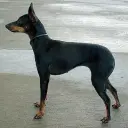 English Toy Terrier (Black and Tan)Recommended standard
 Parson Russell TerrierRecommended standard
 Australian TerrierAlso recommended
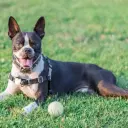 Boston TerrierAlso recommended
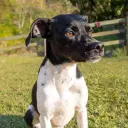 Brazilian TerrierAlso recommended
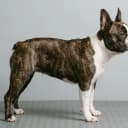 FrenchtonAlso recommended
 Jack Russell TerrierAlso recommended
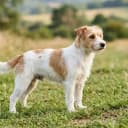 JackapooAlso recommended
Treatment cost
Estimated range of typical treatment costs. Actual costs depend on severity, clinic and region.
Frequently asked questions
What is Cranioschisis?
Lacunar skull (Lückenschädel) is a congenital developmental defect affecting the skeletal system, specifically the skull. It occurs when the bones of the cranial vault fail to harden or ossify completely, leaving thin spots, depressions, or actual gaps in the bone structure. This defect is often associated with increased pressure within the skull and other brain abnormalities.
How is Cranioschisis tested?
Various clinical and genetic tests are used depending on the breed and presentation.
Which breeds are most affected?
Most commonly affected: Bedlington Terrier, Cesky Terrier, Dandie Dinmont Terrier, English Toy Terrier (Black and Tan), Parson Russell Terrier, Australian Terrier, Boston Terrier, Brazilian Terrier.