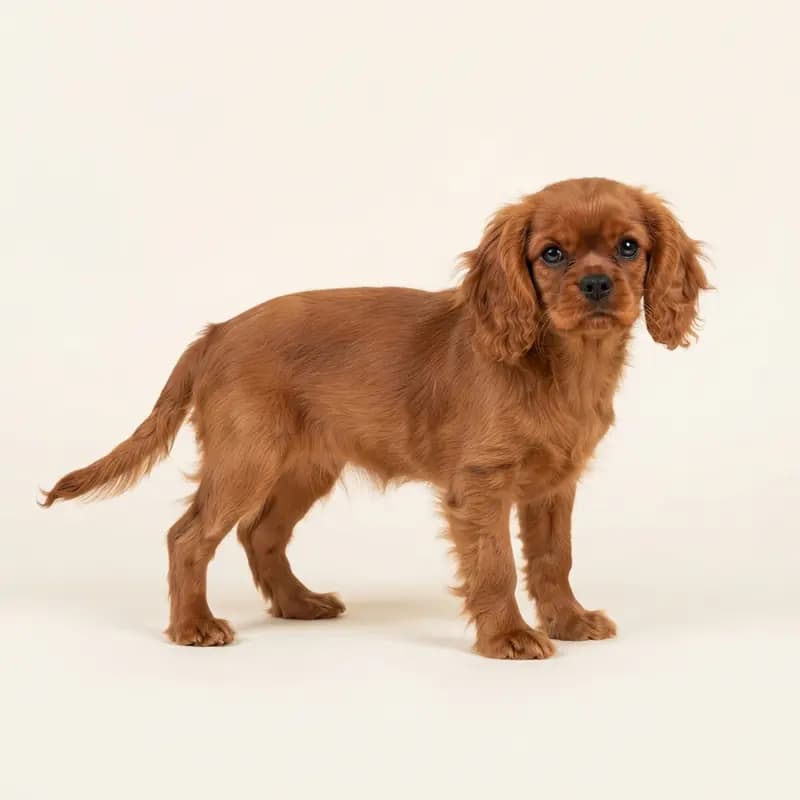
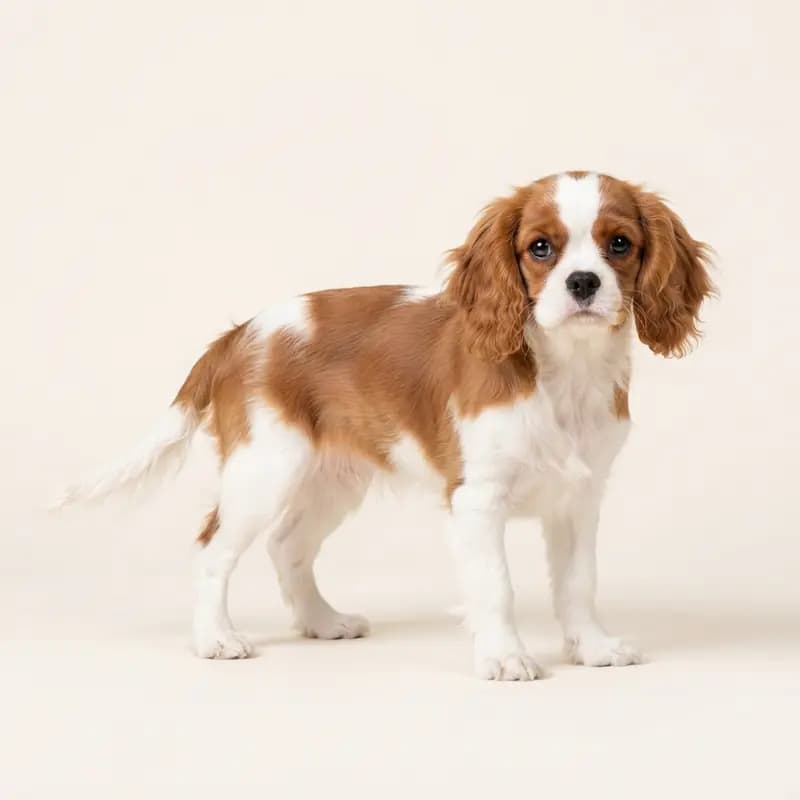
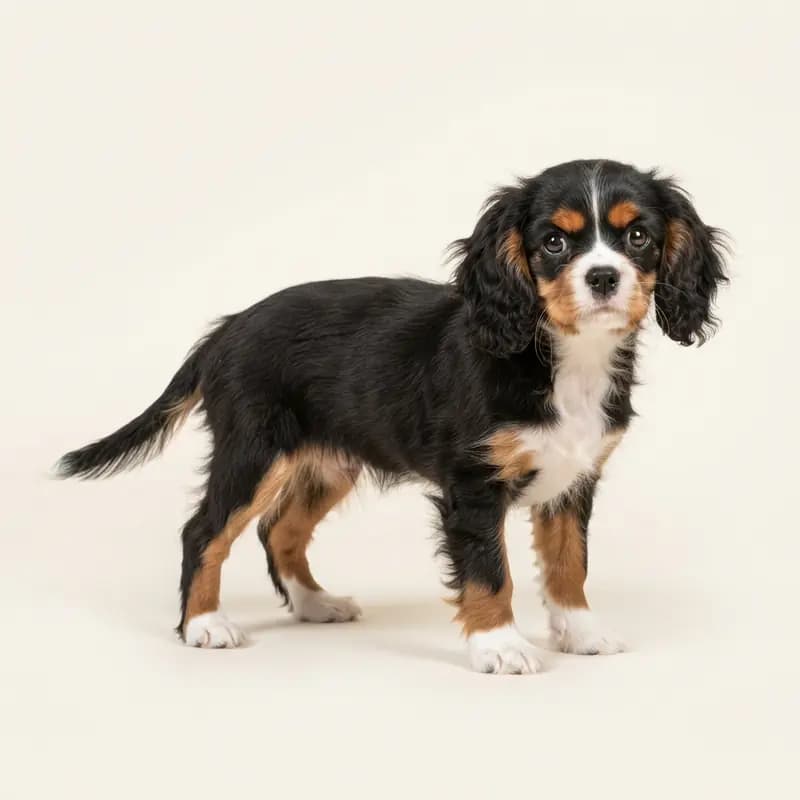
Cavalier King Charles Spaniel Training: The Foundation for a Harmonious Bond
Anyone who has ever looked into the large, gentle eyes of a Cavalier King Charles Spaniel knows that this dog captures hearts instantly. With its affectionate, cheerful, and graceful nature, it is the quintessential companion dog. Yet even the most charming pup needs guidance. Fortunately, Cavalier King Charles Spaniel training is a truly rewarding journey that not only ensures stress-free everyday life, but also deepens the bond between you and your dog.
Experienced dog trainers agree: this little Brit, who once enchanted the English aristocracy, is far more than just a pretty lapdog. Boasting a trainability score of 5 out of 5, it ranks among the most eager-to-learn breeds of all. This guide shows you how to unlock your companion's full potential – from early puppyhood milestones to engaging activities for adult dogs.
The Cavalier as a Learner: Why Training Is Such a Joy
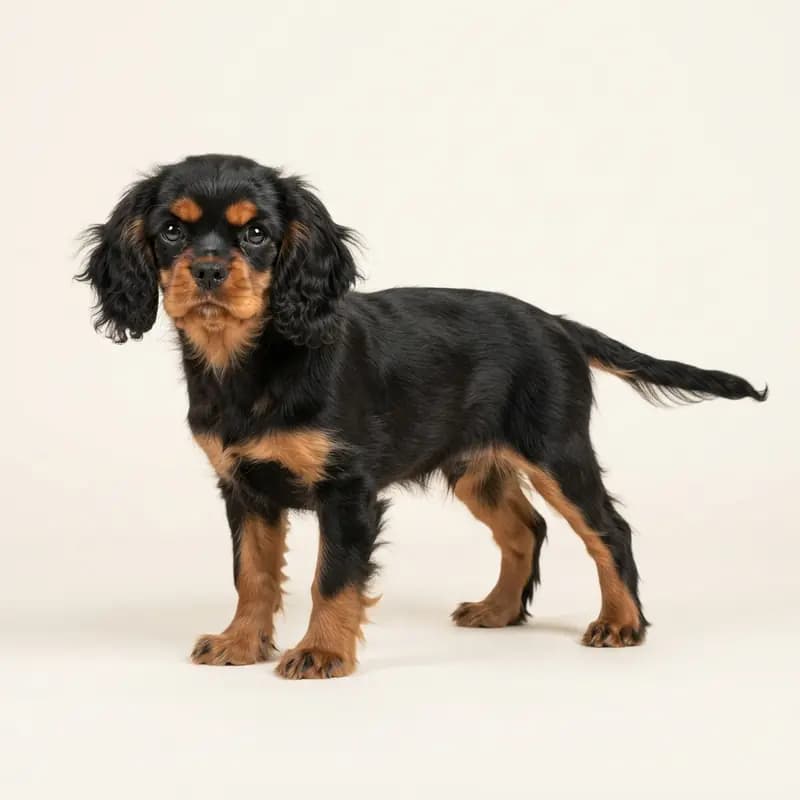
To train your dog effectively, you need to understand its temperament. The Cavalier belongs to the toy and companion dog group. For centuries, its breeding focused on pleasing humans and forming a close, affectionate bond. This innate "will to please" makes the Cavalier an exceptionally responsive student.
They are gentle, adaptable, and free of aloofness. Whether you live in a bustling city or a peaceful rural setting, your Cavalier will seamlessly adjust to your lifestyle as long as they can stay by your side. Harsh corrections, yelling, or heavy-handed methods have no place in dog training anyway, but with this highly sensitive breed, they cause genuine harm. A stern look or a disappointed tone of voice is usually more than enough to let them know they are on the wrong track. Positive reinforcement through praise, play, and well-timed treats is your key to success.
If you'd like to dive deeper into the history and temperamental nuances of this breed, check out our comprehensive Cavalier King Charles Spaniel breed profile.
Cavalier King Charles Spaniel Puppy Training: The Golden First 16 Weeks
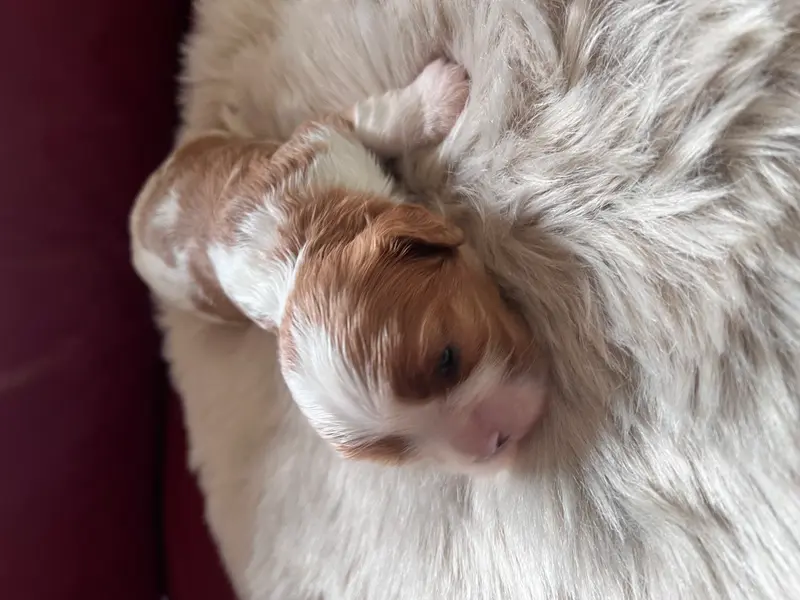
Bringing a young Cavalier home marks the start of an exciting adventure. Cavalier King Charles Spaniel puppy training lays the groundwork for your dog's entire adult life. The first 16 weeks represent a critical developmental window. Whatever your puppy learns to associate positively during this phase will keep them calm and confident later on.
House-Training: Patience and Proper Timing
Small dogs have small bladders. Your Cavalier puppy will need to go outside frequently at first – after every nap, play session, and meal. Take them straight to their designated potty spot and praise them enthusiastically once they finish. If an accident happens indoors, clean it up without a word. Scolding will only confuse your puppy and may drive them to relieve themselves secretly in a hidden corner.
Teaching Bite Inhibition Through Play
Like all puppies, Cavaliers explore the world with their razor-sharp baby teeth. Because they adore human attention, they will often nip at your hands during play. This is never malicious, but they must learn that human skin is sensitive. If they nip too hard, stop the play immediately with a sharp "Ouch" and turn away for a few seconds. Offer a suitable chew toy instead. They will quickly grasp how to soften their bite.
Socialization: Exploring the World
Even though Cavaliers are naturally outgoing and friendly, they still require diverse, positive real-world experiences. Introduce them gently to:
- Different surfaces (grass, pavement, metal grates)
- Everyday sounds (vacuum cleaners, traffic, doorbells)
- Unfamiliar people (men, women, children, people wearing hats or carrying umbrellas)
- Other dogs and household pets
Be careful not to overwhelm them. Short, positive sessions are vastly more effective than hours of overstimulation that spiral into stress. For further details on breed-appropriate rearing and standards, visit the Cavalier-King-Charles-Spaniel Club Deutschland e.V., the responsible breed club.
Essential Cavalier King Charles Spaniel Commands
A well-behaved dog enjoys far more freedom. Teaching basic Cavalier King Charles Spaniel commands should be woven into daily life early on with plenty of fun.
The Recall: The Most Critical Cue
Even though Cavaliers lack an intense prey drive, they are still spaniels at heart. A fluttering bird or a hopping frog can prove tempting in an instant. Build a solid recall by crouching down, calling their name in an upbeat voice, and giving the cue "Come" or "Here". When your pup races back to you, reward them with a high-value jackpot (such as a piece of cheese or liver sausage) and a fun game. The recall must always be an overwhelmingly positive experience.
Sit, Down, and Stay
The bright Cavalier picks up these core cues in no time using lure-and-reward training. Hold a treat right in front of their nose and slowly move it backward over their head – their head goes up, their bottom drops into a "Sit". Reward instantly. For the "Down", lower the treat from the sit position straight down between their front paws. Build the "Stay" by stepping back just a fraction of an inch initially, rewarding immediately while they hold the position. Increase distance and duration very gradually.
Mat Training (Learning to Settle)
Although their energy level is moderate (3 out of 5), Cavaliers love being part of the action. They need to learn how to switch off. Send them to their bed and reward calm, relaxed behavior. This skill is worth its weight in gold at restaurants, when guests arrive, or during a day at the office.
Breed-Specific Challenges in Cavalier King Charles Spaniel Training
Every breed carries unique traits. When raising a Cavalier, two particular factors demand your attention during training.
Separation Anxiety and Being Left Alone
The Cavalier's greatest strength – its profound attachment to people – can also become its biggest vulnerability. These dogs are affectionate shadows that dislike being left behind. Separation anxiety is a common challenge. You must build alone-time tolerance in tiny, gradual steps. Start by closing doors behind you when stepping into another room, returning immediately before your dog whines. Stretch the time from seconds to minutes. Keep departures and arrivals low-key and matter-of-fact. Being alone must feel completely normal.
Health Considerations During Training
Unfortunately, Cavaliers can be predisposed to certain hereditary health conditions, including cardiac issues (primarily mitral valve disease) and neurological conditions like syringomyelia – fluid-filled cavities within the spinal cord that can be triggered or aggravated by neck pressure in affected dogs. This directly affects your training setup: always walk your Cavalier on a well-fitted chest harness rather than a neck collar. This protects the delicate cervical spine – an essential precaution for a breed with known structural risks. The Bundestierärztekammer (Federal Chamber of Veterinarians) also generally advises sparing the neck and cervical spine when walking breeds with known predispositions.
Advanced Training: Mental Enrichment for Your Spaniel
Mastered the basics of Cavalier King Charles Spaniel training? Excellent! Now it's time for more engagement. Your dog may be small, but they thrive on countryside walks and love using their sharp brain.
Scent Work and Search Games
Spaniels have exceptional noses. Hide treats around the living room, use snuffle mats, or introduce target scent detection. Scent work demands focused concentration and tires your dog out in a healthy, calm way. At the same time, searching together for a hidden dummy or treat pouch builds fantastic teamwork.
Trick Training
Because Cavaliers adore being the center of attention and soaking up affection, they are naturals at learning tricks. Sitting pretty, weaving through your legs, rolling over, or playing shy – they tackle tricks with genuine enthusiasm. Clicker training works wonders here for pinpoint timing and positive reinforcement.
Canine Sports for Small Athletes
This elegant spaniel also holds its own in canine sports. Activities like Rally Obedience (combining heelwork and obstacle stations), Dog Dancing, or low-impact, joint-friendly agility (without high jumps) offer great fun. Check out local dog training clubs, as many host groups tailored specifically for small breeds. For an overview of recognized canine sports, explore the VDH (Verband für das Deutsche Hundewesen).
Common Training Mistakes to Avoid
Even with an agreeable dog, bad habits can develop. Steer clear of these frequent pitfalls:
- Small Dog Syndrome: Just because your dog is petite and adorable doesn't mean boundaries don't apply. A jumping or yapping Cavalier is just as ill-mannered as an unruly German Shepherd. Set loving, clear boundaries.
- Inconsistency: If they are allowed on the couch once, they will expect to be allowed on it forever. Dogs don't understand exceptions. Decide on your house rules beforehand and make sure all family members enforce them consistently.
- Too Many Treats: Cavaliers are prone to weight gain. When rewarding heavily with treats during training sessions, deduct that amount from their daily food ration. You can also use a portion of their regular kibble as training rewards.
- Understimulation: A Cavalier isn't merely a decorative couch cushion. They require daily outdoor exercise and mental stimulation. A bored dog will quickly invent its own (usually unwanted) entertainment.
Frequently Asked Questions (FAQ)
Is a Cavalier King Charles Spaniel difficult to train?
No, quite the opposite. The breed is considered exceptionally easy to train. They possess a strong will to please and absorb new cues quickly. This makes training very manageable even for first-time dog owners – as long as you don't let those sweet puppy-dog eyes persuade you to drop your boundaries.
How long can a Cavalier King Charles Spaniel be left alone?
Cavaliers are deeply people-oriented and prone to separation anxiety. They are not suited to being left home alone for 8 hours a day. With thoughtful, step-by-step training, an adult Cavalier can manage around 3 to a maximum of 4 hours alone. However, they are happiest when they can accompany their human everywhere.
Do Cavalier King Charles Spaniels have a hunting drive?
While "Spaniel" is in their name, selective breeding as companion dogs over generations has greatly softened their hunting instincts. Nevertheless, a Cavalier may still show brief interest in fluttering birds, butterflies, or a darting rabbit. A reliable recall cue keeps this well under control.
What gear do I need for training?
You need very little: a soft, well-fitted Y-harness (to relieve pressure on the neck and spine), a lightweight leash (about 2 meters), a long training line for recall practice, high-value bite-sized treats, and optionally a clicker. Above all, you'll need patience and a positive attitude.
Conclusion: Your Path to a Wonderful Companion
Training a Cavalier King Charles Spaniel comes naturally when you lead with empathy, consistency, and positive reinforcement. Invest time during the first few months into gentle socialization, gradual separation training, and a comfortable harness over a collar – the cooperative nature of this breed will handle the rest. With confident, loving guidance, your puppy will blossom into a loyal, well-mannered companion for life.
Want to learn more about the Cavalier King Charles Spaniel's temperament, health, and care requirements? In the Cavalier King Charles Spaniel breed profile on HonestDog.de, you'll find comprehensive breed insights – including breeding-related risks (mitral valve disease, syringomyelia) and which cardiac and MRI screening clearances you should ask breeders to show. And if you'd like to open your home to a Cavalier: dogs of this breed are also waiting in shelters and breed-specific rescues.