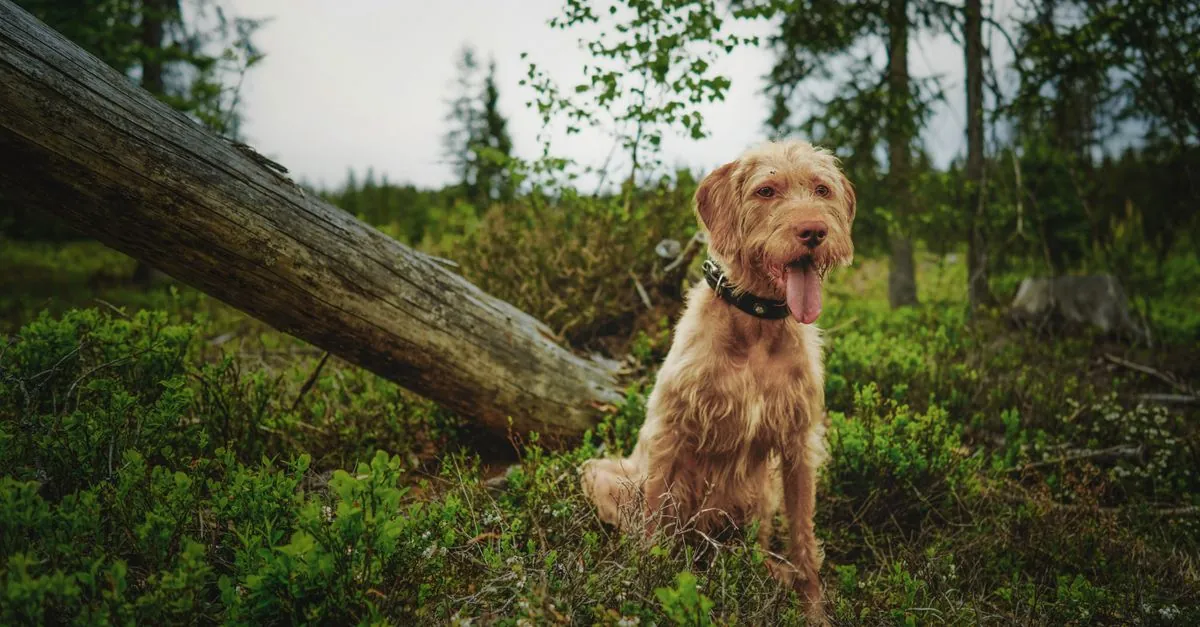
Are acorns poisonous to dogs? A sunny afternoon in late September 2026, golden sunlight filtering through the canopy, and a young Golden Retriever happily rustles his nose through fallen leaves along a woodland path. What looks like a peaceful autumn scene carries an often underestimated risk for dog owners every year: autumn foliage hazards don't just stem from sharp twigs or parasites, but primarily from the seemingly harmless nuts of oak trees. With the start of the autumn acorn drop in September, veterinary clinics and emergency hospitals regularly see a sharp spike in poisonings and intestinal blockages in dogs. The primary culprits are acorns and their highly concentrated tannins.
Why Acorns Aren't Toys: The Toxic Effects of Tannins
Many dogs love catching falling nuts, chewing on them, or fetching them like little balls. But acorns—from both English oak and sessile oak trees—contain large amounts of bitter compounds known as tannins. These chemical compounds evolved as the tree's natural defense against herbivores, but they are highly toxic to the canine body.
When tannins enter a dog's gastrointestinal tract, they denature proteins and aggressively irritate the delicate mucous lining. Once absorbed into the bloodstream, their breakdown products place intense strain on two vital organs: the liver and the kidneys. In severe cases, undetected tannin poisoning can lead to acute kidney failure or severe liver damage.
Green vs. Brown: Which Acorns Are More Dangerous?
In early autumn, especially in September, gusts of wind often knock unripe nuts from branches. Green, unripe acorns contain the highest concentration of soluble tannins, making them toxicologically far more dangerous than mature brown acorns. However, brown acorns still pose significant threats: they become brittle, splinter easily into sharp fragments, and damp autumn foliage often harbors invisible mold mycelium that can release additional mycotoxins.
The Danger of Acorn Water: The Overlooked Puddle Trap
Direct consumption isn't the only risk. When acorns and fallen oak leaves steep for days in forest puddles or drainage ditches, tannins leach directly into the water. If a thirsty dog drinks from one of these brown-tinted puddles after romping around, they ingest a concentrated brew of tannins. Always pack fresh drinking water and a collapsible bowl on every autumn walk.
A Double Threat: Poisoning and Mechanical Bowel Obstruction
Beyond the biochemical effects of tannins, acorns present a purely mechanical hazard: they are hard, oval foreign bodies. If swallowed whole—which happens in an instant with food-motivated or ball-obsessed dogs—they often pass through the stomach only to lodge firmly in the narrow lumen of the small intestine.
This type of mechanical intestinal obstruction (ileus) is an acute, life-threatening emergency that almost always requires immediate emergency surgery. Smaller dogs face the highest risk: for a Dachshund, a terrier, or a Pug, a single swallowed acorn is enough to block the intestine entirely. While larger dogs might swallow multiple nuts, crushed acorn shells scratch the stomach and intestinal lining, creating a real risk of perforation.
Typical Symptoms: How to Spot Acorn Poisoning in Dogs
Initial clinical signs of toxicity usually appear within one to six hours after ingestion, though gradual poisoning can develop over one to two days. Watch closely for these red flags after your walks:
- Gastrointestinal tract: Severe, repeated vomiting (sometimes containing visible acorn pieces or blood), abdominal cramping, excessive drooling, and profuse diarrhea that may look tarry black or contain fresh blood.
- General condition: Marked lethargy, dullness, loss of appetite, and an arched back (a guarded posture due to abdominal pain).
- Kidney involvement: A sudden, dramatic spike in thirst (polydipsia), followed by frequent urination or, in advanced stages, a complete cessation of urine production.
- Signs of intestinal blockage: Unproductive straining to defecate, vomiting shortly after drinking water, a rock-hard, tender abdomen, and progressive circulatory collapse.
According to veterinary toxicologists, ingesting just five to ten acorns can prove fatal for a medium-sized dog (around 10–15 kg / 22–33 lbs). If you suspect your dog has eaten acorns, never wait to see if things improve on their own.
Emergency Steps: What to Do If Your Dog Ate Acorns
If you catch your dog chewing or swallowing acorns, prompt, level-headed action is essential:
- Don't waste time: Contact your nearest vet clinic or animal hospital immediately. Call ahead to let them know you're coming so the team can prepare.
- Never induce vomiting yourself: Do not try to make your dog vomit using salt water or home remedies. The risk of fatal salt toxicosis or aspirating stomach contents into the lungs is extremely high.
- Safe veterinary emesis: If you reach the vet within roughly 60 to 90 minutes of ingestion, they can safely induce controlled vomiting using an injection (such as apomorphine) before the toxins move into the intestines.
- Activated charcoal and supportive care: If more time has passed, veterinarians often administer medical-grade activated charcoal to bind remaining toxins in the gut, accompanied by IV fluid therapy to support kidney function.
Authoritative guidance on poisonous local plants and trees is available through veterinary associations like the Federal Chamber of Veterinarians (Bundestierärztekammer) or regional poison control centers. While poison hotlines provide valuable direction in uncertain situations, they never replace prompt veterinary treatment.
Practical Autumn Tips: Keeping Your Dog Safe
To eliminate autumn hazards before problems arise, follow these straightforward walking habits:
- Train a reliable drop/leave-it cue: Commands like "Drop it!" or "Leave it!" must be rock solid, especially in the fall. Offer high-value rewards whenever your dog ignores something on the ground.
- Bring their own toys: If your dog loves carrying objects outside, offer a sturdy treat dummy or a solid rubber ball right from the start to redirect the urge to forage natural items.
- Keep your garden clear of acorns: If mature oaks grow on your property, rake up and dispose of fallen nuts daily—especially before letting your dog out unsupervised.
- Use a basket muzzle for natural scavengers: For breeds or individual dogs that compulsively vacuum up debris in the undergrowth, a well-fitted basket muzzle with a stool guard is a practical lifesaver that brings peace of mind back to daily walks.
The drive to track down and pick up fallen objects varies widely from breed to breed. While retrievers and flushing dogs often collect anything they can find, other breeds show little interest. Explore HonestDog's comprehensive breed profiles to learn more about the unique traits and needs of different dog breeds.
Frequently Asked Questions (FAQ)
Are horse chestnuts poisonous to dogs as well?
Yes. Much like acorns, horse chestnuts (conkers) contain toxic compounds (saponins and glycosides) that cause vomiting, drooling, and abdominal cramping. Additionally, their smooth, rounded shape makes them a severe choking hazard and a frequent cause of intestinal blockages.
Is it safe if my dog only chews acorns and spits them out?
No, this still carries real risks. Chewing crushes the nut and releases tannin-rich juices that mix with saliva, allowing bitter toxins to be absorbed directly through the oral mucosa. Sharp shell fragments can also cut the gums and tongue.
Can dogs eat dried oak leaves?
No. Oak leaves contain the same tannins found in the nuts, albeit in slightly lower concentrations. Ingesting foliage frequently triggers stomach upset, diarrhea, and mucosal irritation. Damp leaf litter can also harbor toxic mold spores.
Conclusion: Navigating Autumn Safely with HonestDog
The vibrant autumn months offer the perfect setting for long hikes and woodland adventures. With the right awareness of autumn foliage hazards and a mindful eye around oak trees, you can keep your dog safe throughout the season. HonestDog is here to support you with transparent guidance—from evidence-based dog health insights and practical training tips to connecting with responsible, health-tested breeders. Explore HonestDog today and make every day with your dog safer and more rewarding.