When people look for dogs that don't shed, they often picture a freshly groomed Standard Poodle lounging peacefully on a dark blue velvet sofa in a classic Berlin apartment—without a single loose hair on the cushions. While millions of German households run their vacuums around the clock in November 2026 due to the late autumn coat change and dry central heating, Google searches for low-shedding pets continue to surge. Both future and exhausted current owners are looking for ways to keep their living spaces fur-free. Professional organizations such as the Verband für das Deutsche Hundewesen (VDH), the Bundestierärztekammer (BTK), and the Deutscher Allergie- und Asthmabund (DAAB) put this into clear perspective: biologically speaking, there is no such thing as a dog that sheds zero hair. However, certain breeds like Poodles, Havanese, or Giant Schnauzers feature a unique single coat without an undercoat. Paired with straightforward winter grooming and lifestyle routines, you can easily reduce hair drop in your home to a virtually invisible minimum.
Why Interest in Low-Shedding Dogs Peaks in November 2026
There are concrete biological and environmental reasons why search interest in dogs that don't shed hits an annual high in late November. Autumn shedding in dogs is not primarily triggered by the outdoor temperature, but by the photoperiod—the decreasing daylight hours. As days grow shorter in October and November, your dog's brain releases more melatonin, prompting hair follicles to shed the light summer coat and build a dense winter coat. According to the Verband für das Deutsche Hundewesen (VDH), this natural transition takes around 6 to 8 weeks on average.
In November 2026, the final stretch of seasonal shedding coincides with two modern indoor realities: closed windows and dry radiator heat. Dogs living primarily in evenly warmed homes often lose their strictly defined seasonal rhythm, shedding persistently straight through into spring. On top of that, late autumn brings dark wool coats, knit sweaters, and fleece jackets back into our wardrobes, where every single light undercoat hair instantly stands out. Anyone thinking about welcoming a new companion into their family or looking to organize daily routines is actively searching for ways to tame the flood of fur on upholstery and rugs.
Biology Over Myth: What Sets Low-Shedding Dogs Apart
From a veterinary perspective, the popular search term "dogs that don't shed" is technically a myth. Every hair follicle goes through a natural cycle consisting of a growth phase (anagen), a transitional phase (catagen), and a resting phase (telogen), after which the hair dies and falls out. The noticeable difference in your living room comes down to two factors: the presence of an undercoat and the length of the growth cycle.
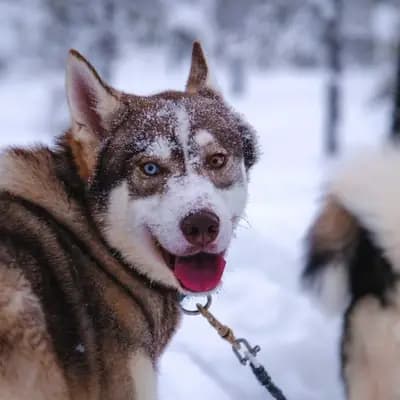
Double-coated dog breeds—such as German Shepherd Dogs, Labrador Retrievers, and Siberian Huskies—have a coarse topcoat and an extremely dense, soft undercoat. They blow this undercoat in thick clumps twice a year. In contrast, dogs that barely shed typically have a single-layer coat without an undercoat. Their hair grows continuously, similar to human hair, and drops out only occasionally. Curly or wirehaired coats offer an added bonus: dead hairs don't tumble onto your hardwood floors; they get caught in the surrounding coat until you actively brush or hand-strip them out.
These Breeds Shed the Least
If you value a clean home and want to keep sweeping to a minimum, three coat categories are worth exploring. In our detailed breed overview on HonestDog, you can explore and compare the unique character traits of these dogs:
- Curly and Water Dogs: The classic low-shedding choice is the Poodle, across all four size varieties (from Toy to Standard Poodle). Other standout options in this group include the Lagotto Romagnolo (Italian Waterdog), the Portuguese Water Dog, and the Barbet. Their dense, woolly curls lack a typical undercoat that sheds naturally, trapping loose hairs reliably until groomed.
- Silky-Coated Companion Breeds: Breeds like the Havanese, Maltese, Bichon Frise, Russian Tsvetnaya Bolonka, and Yorkshire Terrier don't experience a seasonal coat blow. Their fine hair grows steadily and leaves practically no trace on clothing or furniture.
- Wirehaired and Stripping Breeds: If you prefer a distinctive, sporty companion, the Miniature, Standard, or Giant Schnauzer, as well as wirehaired terriers (like the Airedale or Border Terrier), are excellent partners. Their wiry topcoat dies off over time, but it stays firmly in the coat until it's manually plucked by hand or with a stripping knife.
The Everyday Grooming Trade-Off
Fewer stray hairs on your floor does not mean less work for you—the effort simply shifts from your vacuum cleaner to your grooming brush. Because the coats of Poodles, Maltese, and similar breeds grow continuously and hold on to loose strands, they will quickly mat right down to the skin without proper maintenance. Dense pelt mats block air circulation, pull painfully with every step, and invite skin infections and hot spots. You need to be ready to comb your dog thoroughly several times a week and have their coat clipped, trimmed, or hand-stripped every 6 to 8 weeks.
Understanding Allergies: What "Hypoallergenic" Really Means
A major reason people search for dogs that don't shed is pet-related allergies. Here, the Deutscher Allergie- und Asthmabund (DAAB) advises caution regarding false claims around the marketing buzzword "hypoallergenic." From a medical standpoint, people with pet allergies aren't reacting to the dog hair itself, but to specific proteins found in the dog's saliva, sebum, urine, and microscopic dander (shed skin flakes).
When dogs groom and lick themselves, these allergens transfer directly onto their coat. The genuine benefit of low-shedding dogs is reduced distribution: because millions of hairs and attached skin flakes aren't drifting across your living space, the allergen load in your air and on your furniture stays significantly lower. Still, every dog produces differing amounts of allergenic proteins. Before bringing a puppy or adult dog home, always spend several uninterrupted hours with that specific dog, and consult an allergist for professional testing if you have concerns.
Practical Winter Lifestyle Tips to Try Right Now
Whether you currently share your home with a heavy shedder or want to streamline your grooming setup for a low-shedding dog in November 2026, these actionable routines will help keep loose hair and dander firmly under control.
- Move grooming outdoors and upgrade your tools: As emphasized by the Bundestierärztekammer (BTK), daily brushing during peak coat transitions stimulates skin circulation and catches loose fur before it settles into your rugs. Make this 5-minute ritual an outdoor habit on your balcony, in your garden, or in the hallway. Avoid cheap plastic combs during winter, as they create static electricity in dry coats, which can feel uncomfortable for your dog. Use rounded metal greyhound combs or slicker brushes for long coats, and a slightly dampened rubber curry brush for short-coated dogs.
- Balance your indoor climate in November: Dry radiator air strips moisture from your dog's skin, leading to flaking dander, brittle hair, and accelerated breakage. Keep indoor humidity levels between 45 and 55 percent using humidifiers or water bowls placed near heating elements. An air purifier equipped with a true HEPA filter will also capture floating hair fragments and airborne dander directly out of the room.
- Support hair roots through their diet: Excessive shedding outside normal seasonal cycles often points to a nutritional gap. Give your dog's skin metabolism targeted support from within during the colder months. High-quality protein and daily additions of unsaturated omega-3 and omega-6 fatty acids—such as a teaspoon of cold-pressed salmon oil or flaxseed oil mixed into their food—strengthen cell membranes and hair root resilience. You can find comprehensive nutrition and coat care guides anytime in the HonestDog Education Center.
- Smart textile management in living areas: Establish clear zones throughout your home in late autumn. A wipeable dog bed made from faux leather or tightly woven outdoor fabric prevents stray hairs from burrowing into the weave. If your dog is allowed on the sofa, lay down a tightly woven washable throw blanket and wash it once a week at 60 degrees. A simple everyday trick: before vacuuming, put on a slightly damp rubber household glove and wipe your hand across couches and car seats—friction quickly rolls stubborn, needle-like hairs into easily removable bundles.
- Create an entryway buffer zone: Wet November walks leave coats damp. As damp fur dries and your dog shakes off inside, loose hairs go flying. Keep an absorbent microfiber towel right by your front door. Giving your dog a brisk, thorough rubdown immediately after every walk catches a large portion of loosened hairs before they ever reach your living room.
Frequently Asked Questions (FAQ)
Do short-haired dogs shed less than long-haired breeds?
No, this is a very common misconception. Many short-haired breeds like Pugs, Beagles, or Dalmatians shed heavily. Their short, stiff guard hairs act like tiny barbs that embed deeply into upholstery, car seats, and clothing fabrics, making them significantly harder to vacuum up than the long, soft fur shed by a Golden Retriever.
How do I tell if my dog's shedding is normal or caused by an illness?
During natural seasonal coat changes or normal hair cycles, fur sheds evenly across the entire body, while the remaining coat stays dense and glossy over pale, calm skin. However, if you notice circular bald spots, a brittle or dull coat, intense itching, red patches, or dandruff flakes, schedule a veterinary visit promptly to rule out parasites, fungal infections, food allergies, or thyroid conditions like hypothyroidism.
Are crossbreeds like Labradoodles or Goldendoodles guaranteed not to shed?
There is no shedding guarantee with designer hybrid dogs (doodles). Because breeders cross a low-shedding breed (Poodle) with a heavy-shedding, double-coated breed (such as a Labrador or Golden Retriever), the genetics split unpredictably among the offspring. Even within a single litter, some puppies may inherit curly, low-shedding Poodle coats while their siblings end up with heavily shedding retriever-type double coats.
Bottom Line: Honest Guidance Prevents Disappointment
Wanting a hair-free home during dreary November 2026 is completely understandable, but shedding tendencies should never be your only consideration when picking a dog. Low-shedding breeds—from the cheerful Bichon Frise and the driven Lagotto Romagnolo to the athletic Giant Schnauzer—have entirely different requirements when it comes to daily exercise, mental enrichment, training, and professional grooming routines. When you are looking for a four-legged family member that genuinely fits your life, HonestDog provides trusted support through responsible dog adoption and rehoming. You'll find verified breeders, transparent health screening standards, and honest breed insights—ensuring your life together stays clean on the couch and harmonious for the long haul.