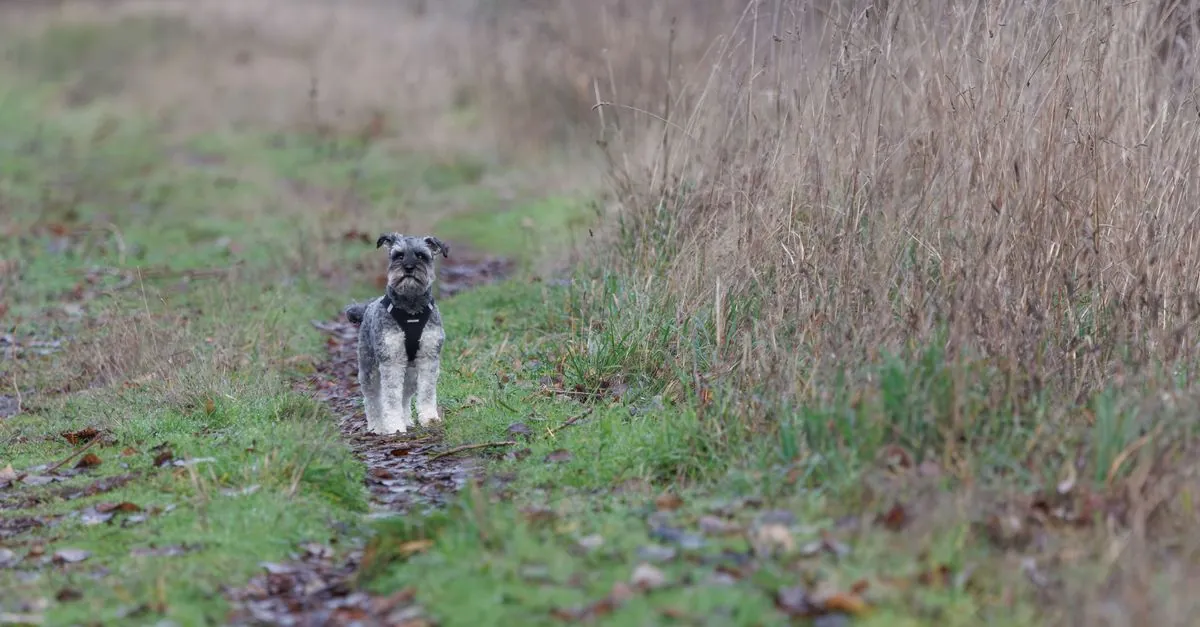
When hiking with dogs in the fall, the cooler air and vibrant foliage transform mountain trails and forests into a paradise for active companions. With the sweltering summer heat finally behind us, athletic breeds like the Rhodesian Ridgeback, Border Collie, or Hungarian Vizsla thrive on challenging ascents. Yet beneath the golden canopy, autumn fundamentally alters trail conditions. Shorter daylight hours, chilly damp weather, fallen nuts, and the beginning of the big-game mating season mean that a safe autumn trek requires careful preparation.
Autumn Trails: Hidden Hazards Along the Way
Autumn hikes mean non-stop sniffing through wet moss and colorful leaf piles. That is precisely where hidden dangers lurk—often going unnoticed until acute symptoms appear. A watchful eye will keep your companion safe from unnecessary trips to the veterinary clinic.
Acorns, Chestnuts, and Wild Mushrooms
September marks the start of heavy mast drop across forest floors. Acorns contain concentrated tannins that can cause severe gastrointestinal inflammation, colic, and organ damage if ingested . Horse chestnuts pose toxic risks due to saponins and glycosides; swallowed whole, they can quickly cause a life-threatening intestinal obstruction in smaller dogs . Mushroom season also reaches its peak: species like the death cap (Amanita phalloides) or the panther cap are lethal to dogs . Because dogs have no natural instinct to distinguish between edible and deadly fungi, make it a golden rule: foraging, chewing, or retrieving forest fruits and wild mushrooms is strictly off-limits .
Wildlife Activity and the Rutting Season
Early fall triggers the rutting season for red and fallow deer. Game animals become significantly more active, cross trails unpredictably, and react aggressively to disturbances. Off-trail dogs not only risk severe injury from defensive stags but also subject wildlife to tremendous stress during a critical life cycle . In national parks and nature preserves, strict leash laws apply year-round . Opt for a long line or a hands-free canicross leash with a supportive hip belt to give your dog roaming freedom while maintaining full physical control.
Stagnant Puddles: The Risk of Leptospirosis
Wet leaf litter creates standing pools and muddy wallows contaminated with urine from rodents and forest wildlife . Leptospira bacteria thrive in these cold, damp reservoirs. Ingesting this water creates a real risk of leptospirosis, a severe bacterial infection that can rapidly cause acute kidney and liver failure . Always pack plenty of clean drinking water and a collapsible bowl in your pack .
Gear Up: Your Autumn Trail Packing List
Weather shifts rapidly during fall: thick morning fog in low valleys gives way to midday sun on the ridges, followed by a sharp drop in temperature as darkness falls. Intentional gear makes the difference between an invigorating hike and a shivering emergency.
- Visibility gear: An LED safety collar or high-visibility reflective harness is non-negotiable. Mountain fog and early twilight swallow daylight quickly, and bright gear alerts hunters, cyclists, and trail runners to your dog's presence.
- Weather and core insulation: Breeds without an insulating undercoat (such as Sighthounds or Doberman Pinschers), senior dogs, and those with arthritis lose body heat quickly during rest stops in cold winds. A water-resistant, windproof canine shell protects vital core muscles.
- Packable sitting pad: A folding closed-cell foam pad or an insulated travel blanket protects your resting dog from cold ground moisture while you take in the summit views.
- Paw protection & booties: Damp trails soften paw pads, leaving them vulnerable to cuts from sharp rocks and hidden roots beneath the leaves. Apply a natural wax-based paw balm before heading out, and carry two well-fitted dog booties for emergency field protection.
- Trail first-aid kit: Pack self-adhesive cohesive bandages, antiseptic spray, a tick removal tool, sterile saline pods for eye irrigation, and blunt bandage scissors.
Route Planning in Autumn: Navigating the Elements
Autumn trekking requires a calibrated pace. Beneath wet beech and oak leaves lie slick boulders, treacherous root tangles, and hidden crevices. Trails that felt effortless in mid-summer become demanding tests of footing in the fall.
Plan shorter distances than you would tackle in midsummer. Because the sun dips below ridgelines early, choose your routes to return to your trailhead or cabin at least one hour before dusk. Pay close attention to grazing pastures: while fall marks the annual cattle drive down from high alpine meadows, many high pastures still host nursing herds. Follow established safety guidance from alpine clubs like the German Alpine Club (DAV): maintain a generous distance from livestock, keep your dog calm on a short leash, and release the leash immediately only if a grazing animal charges, allowing your dog to run to safety unhindered .
Avoid exposed via ferratas, steep technical scrambles, or metal grating walkways. Metal mesh can trap claws and cause severe pad lacerations. Well-maintained mountain trails, rolling forest paths, and low-altitude ridges provide rewarding alternatives for full-day excursions.
Matching the Trail to Your Dog's Fitness
Not every dog is built for steep, sustained mountain inclines. While athletic working breeds like the Australian Shepherd or German Shepherd Dog will effortlessly log miles and elevation, brachycephalic (flat-faced) breeds or massive, heavy-boned dogs require flatter profiles, frequent rests, and moderate routes. If you are unsure what physical and mental demands your dog can safely handle, the comprehensive breed guide on HonestDog helps you evaluate vital traits like endurance, drive, and prey drive.
FAQ: Common Questions About Autumn Trail Hikes with Dogs
Does my dog have to stay leashed in autumn woodlands?
Regulations vary across regions and federal states, but strict year-round leash laws apply in all nature reserves and national parks . During autumn, heightened wildlife movements and active foraging make unprompted chases far more likely. Unless your dog has a bulletproof, emergency recall under high distraction, keep them secure on a standard leash or long line .
What should I do if my dog eats an acorn or a wild mushroom?
Stay calm, but act swiftly: do not attempt home remedies or force your dog to vomit using salt solutions, which can prove fatal . Take a clear photo of the consumed plant or fungus for identification and immediately contact the nearest emergency veterinary practice . Within the first 60 to 90 minutes, a veterinarian can safely induce vomiting medically before toxins enter the bloodstream .
Does my dog need extra calories on autumn hikes?
Yes. Sustained mountain elevation gains combined with damp, chilling temperatures burn through caloric reserves quickly, as the body works hard to maintain its core temperature. Increase your dog's daily rations by 10 to 20 percent on strenuous hiking days or offer calorie-dense snacks during breaks to keep blood glucose stable . However, hold off on feeding large main meals until your dog has rested for at least two hours after heavy exertion to prevent gastric dilatation-volvulus (GDV/bloat).
Embrace the Season Together
Autumn brings some of the most memorable trail moments of the year—provided you plan ahead with foresight. With the right gear packed, eyes open for trailside toxins, and a route suited to your dog's natural stamina, you can look forward to unforgettable adventures across golden landscapes.
Are you looking for an active breed that fits your outdoor lifestyle, or searching for transparent guidance on temperament and care before choosing a new mountain companion? HonestDog guides you with verified breeder profiles, honest breed insights, and expert knowledge every step of the way.