
Dandie Dinmont Terrier
Close relative

Dogs love cookies, and so do we
Cookies for analytics and ads. Privacy
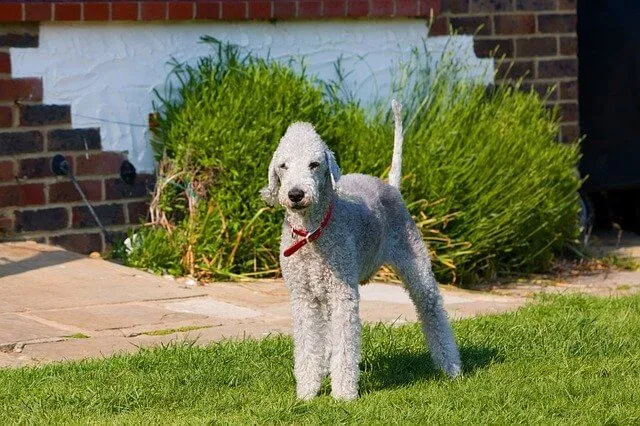
The Bedlington Terrier looks like a gentle lamb, but it is a lightning-fast, uncompromising Erdhund (earth dog) — bred to hunt rabbits and vermin with the speed of a sighthound and the toughness of a terrier.
How the health grade is calculated
Sources for required breeding screenings. Klub für Terrier e.V.
Self-check
Answer 6 quick questions about your everyday life and see how well the Bedlington Terrier fits you — including an honest cost estimate per month, per year, and across the dog's lifetime.
Question 1 of 6
Count honestly — the normal day, not the best one.

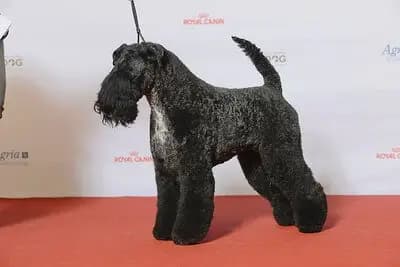

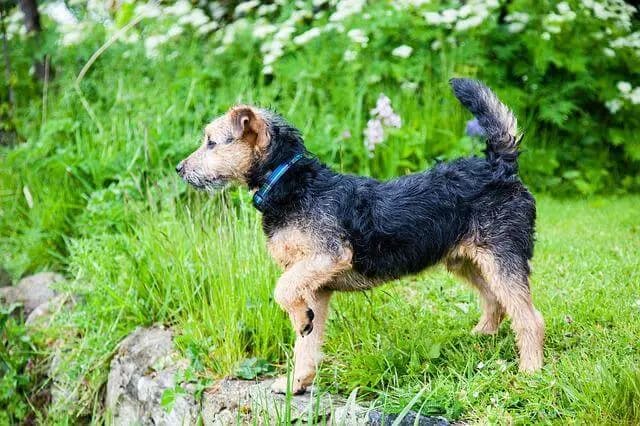
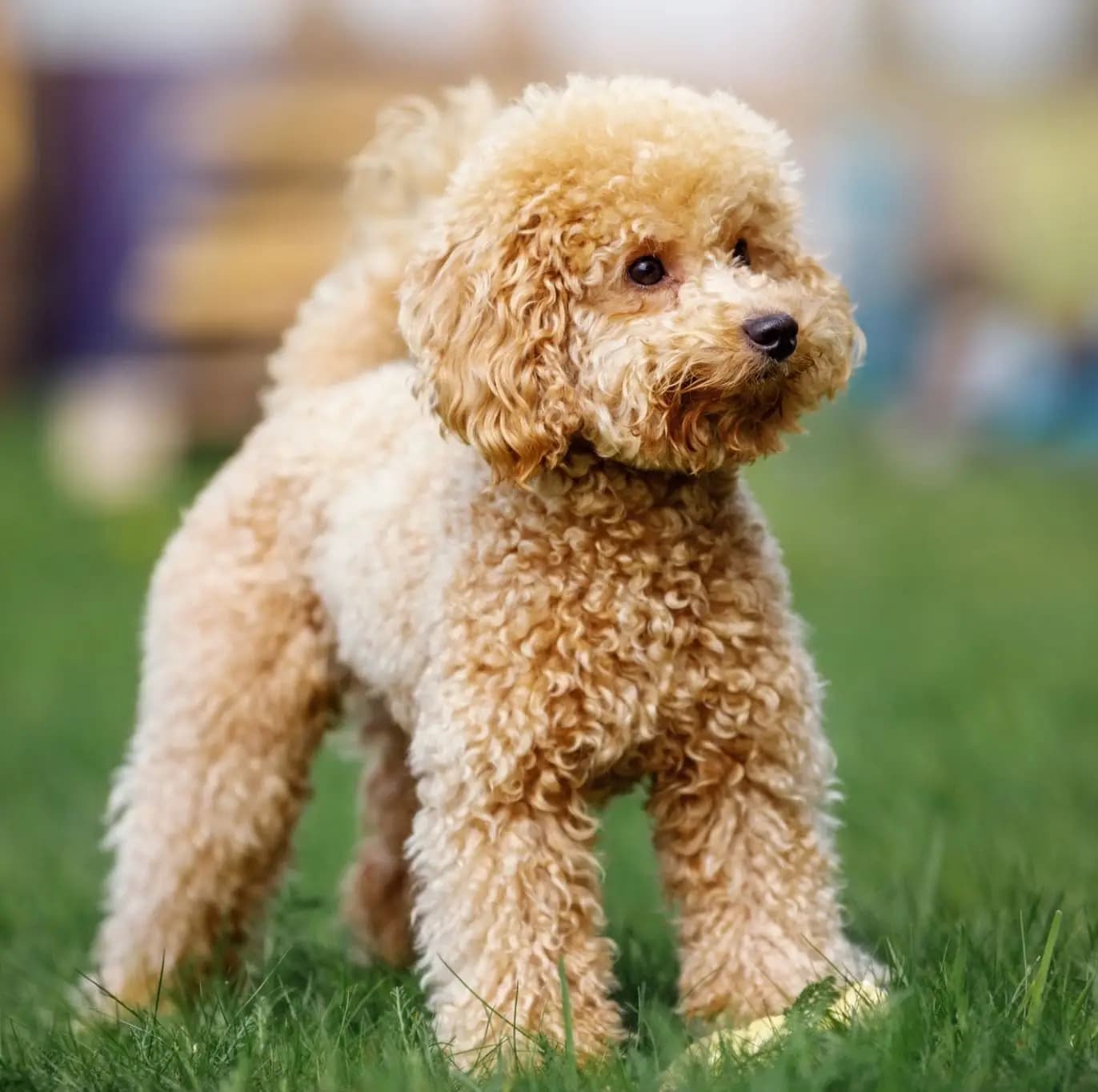
At a glance
The essentials — key facts, traits, and health priorities — before you dive deeper.
Lifespan
12–14 yrs
Shoulder height
39–43 cm
Weight
8–12 kg
Practical
Temperament
Daily life
What matters most
Especially with a Bedlington Terrier, choosing the right breeder is the single most important decision you'll make. Serious breeders consistently test the parents for inherited conditions, prioritize healthy early socialization, and stay accountable long after handover. A cheap puppy without health screening tends to become the most expensive dog later on.
See HonestDog breeder standards →Colors & coat
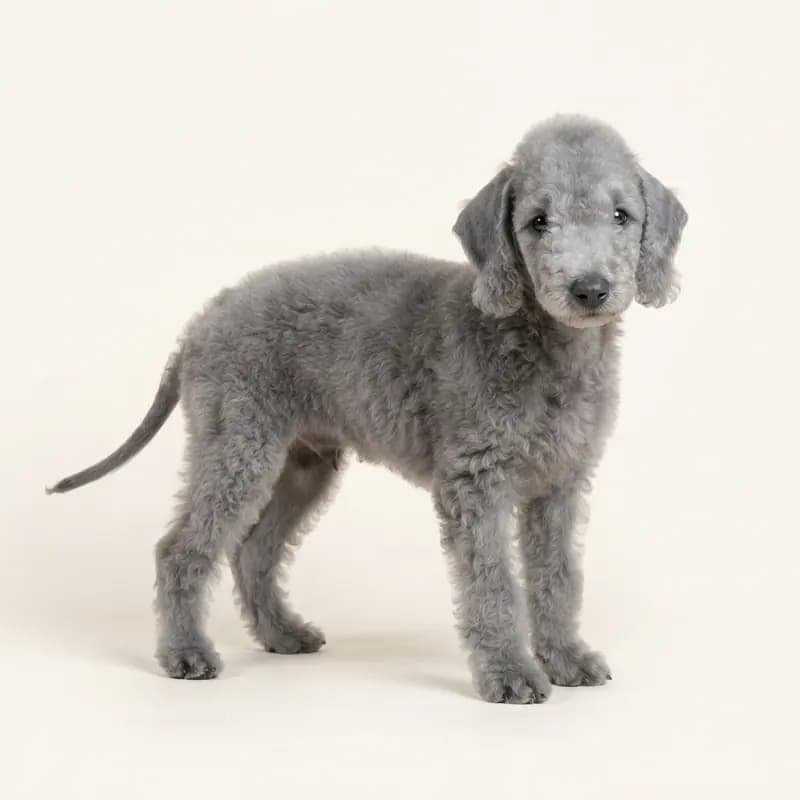
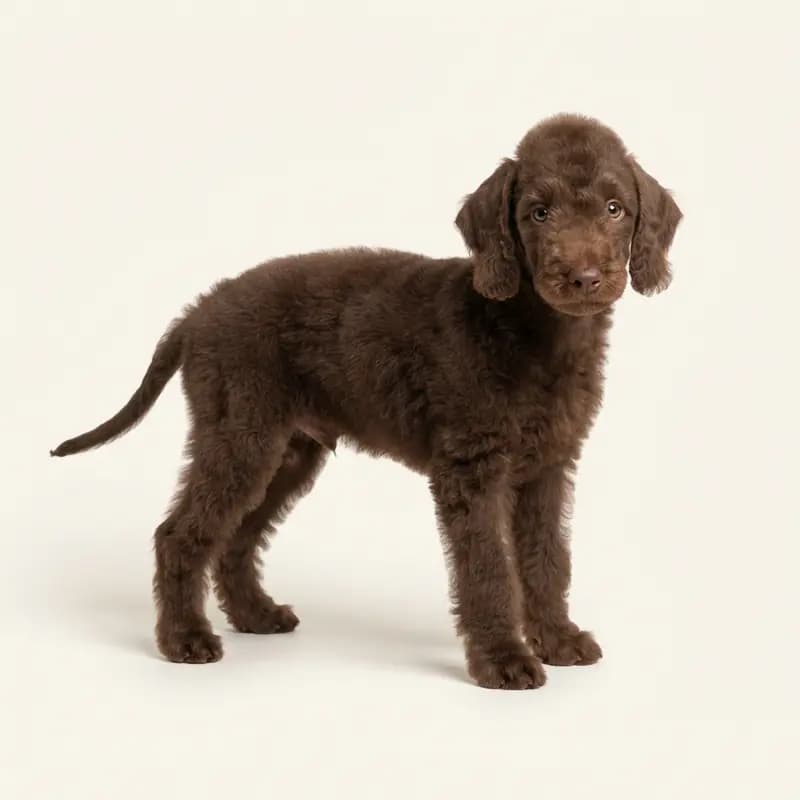
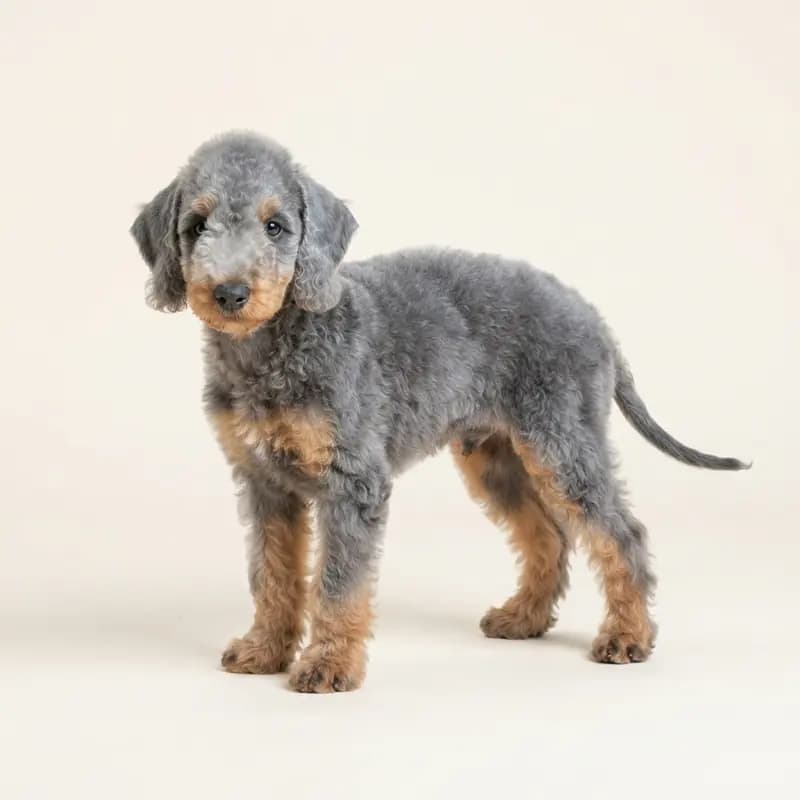
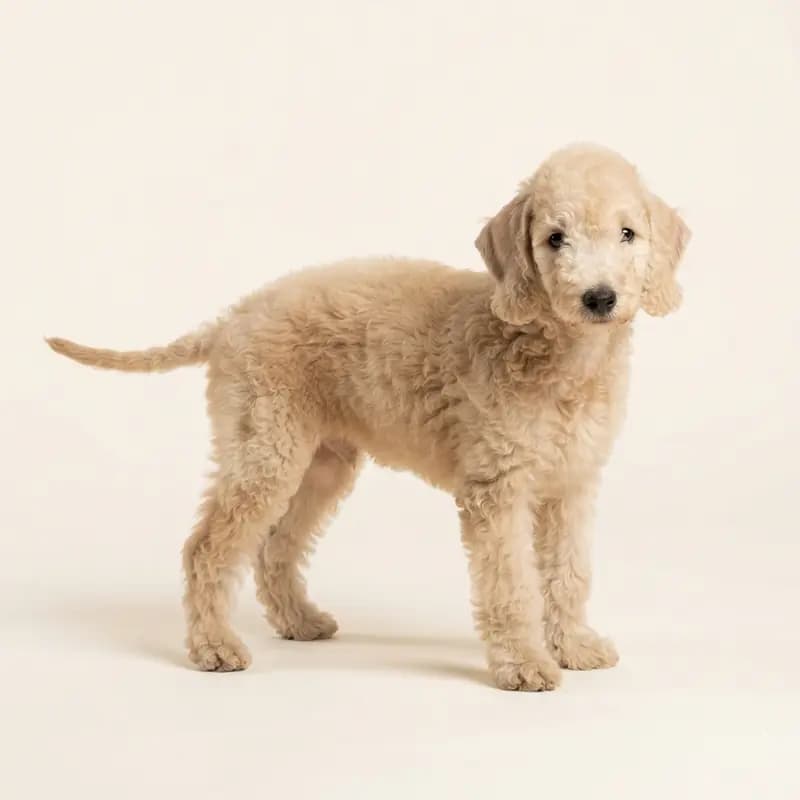
The coat colors that occur in the Bedlington Terrier — including which ones fall outside the breed standard and which carry genetic risk.
Eye colors
 Brown
 Amber
Coat type
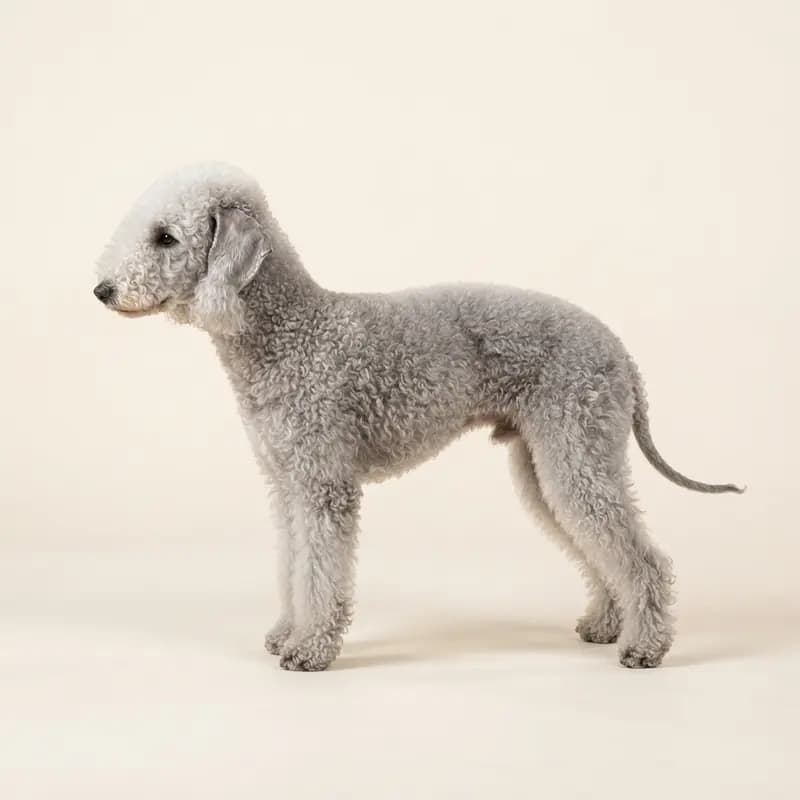 Illustrative image
Curly
 Illustrative image
Medium
 Double coat
The real vibes check
The Bedlington Terrier is the literal wolf in sheep's clothing. Anyone fooled by its soft appearance will be surprised outdoors by an explosive hunter that takes no prisoners. If you love this contrast, you will get a fascinating companion who loves to cuddle on the sofa and turns into a rocket in the field.
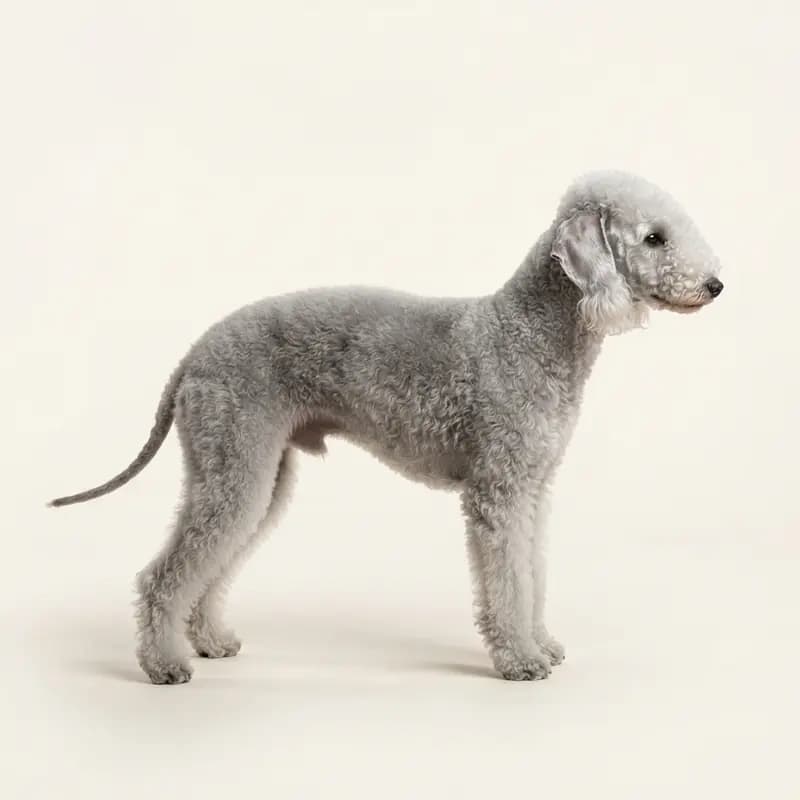
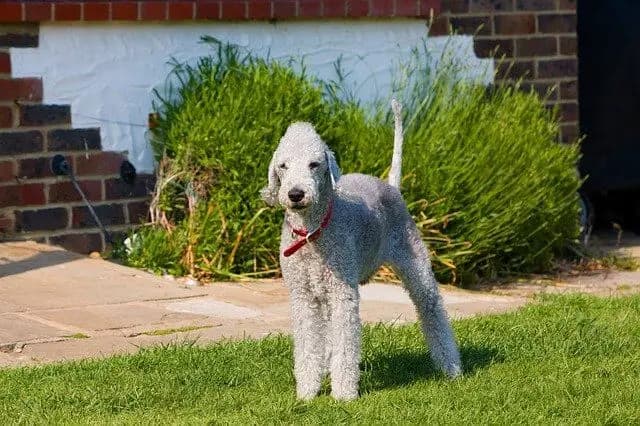
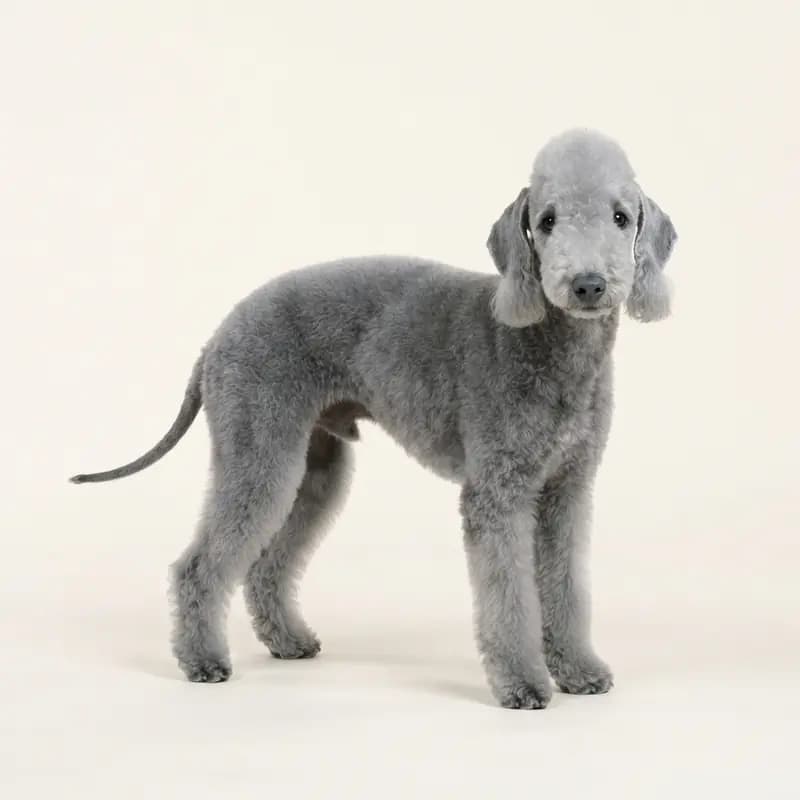
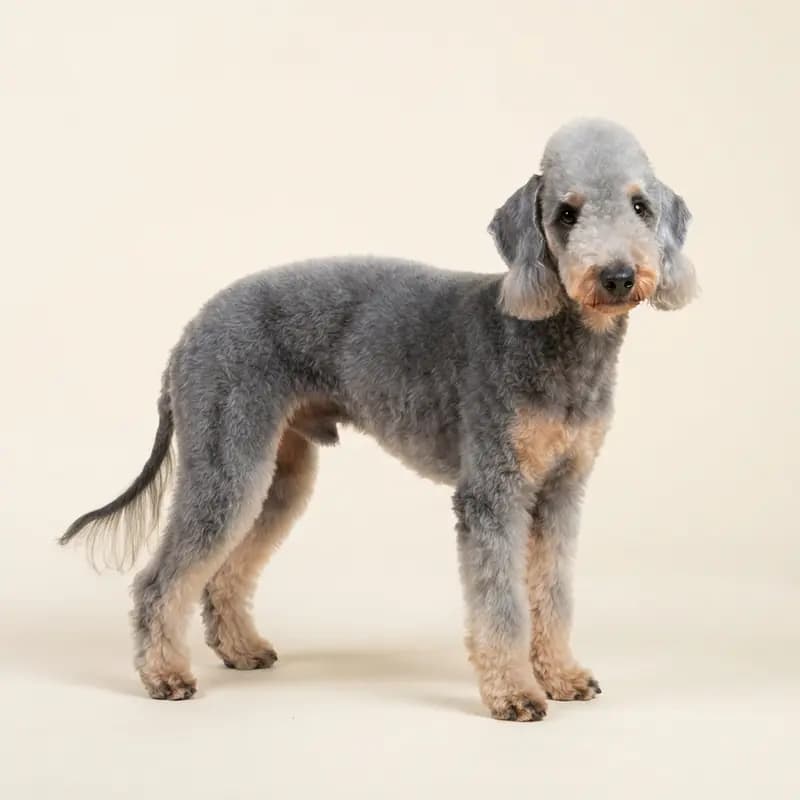
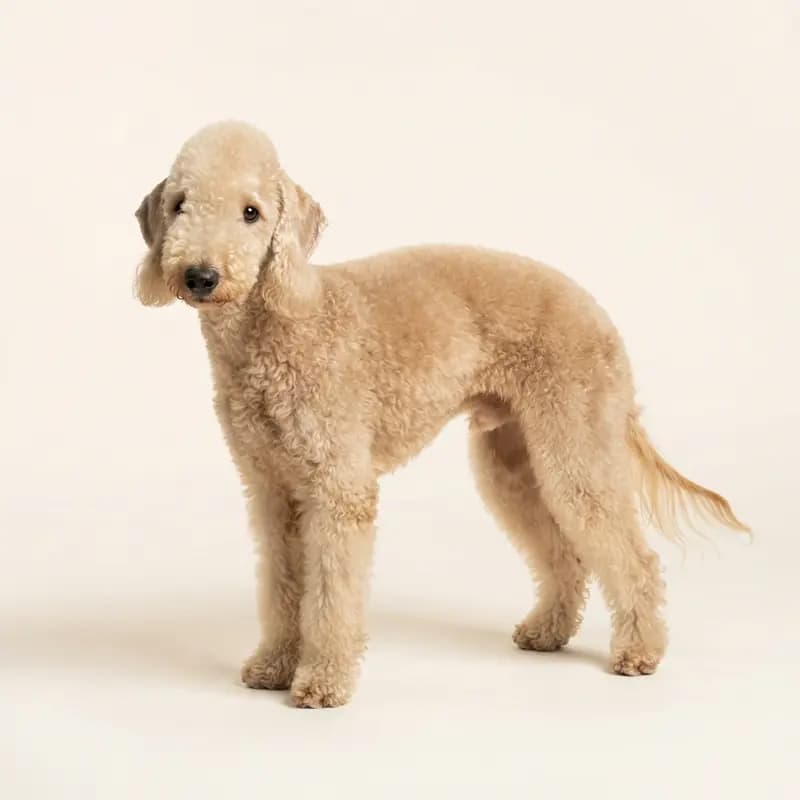
The Bedlington Terrier, often affectionately known as “lamb on a dog’s body”, can be recognized at first glance by its unique appearance. His slim yet muscular build, combined with a wedge-shaped head and almond-shaped eyes, gives him an almost elf-like appearance. But despite its delicate appearance, you shouldn't be fooled because this dog is anything but fragile. The Bedlington Terrier belongs to FCI Group 3 Terriers, Section 1 High-legged Terriers. This terrier does not differentiate between show and performance lines. The Bedlington's coat is dense and curly, similar to a lamb's wool, and has a distinctive "top knot" or "pompon" on the head. The color of the coat is also interesting because it can change over the course of the dog's life. Puppies are often born darker and their coat color lightens around one year of age.
Despite its roots as a working dog, the Bedlington Terrier has evolved into a beloved family dog. He is known for his playful and friendly nature and has a strong desire to please. This terrier loves being part of the family and is always happy to be where his people are. By nature, the Bedlington Terrier is a very active dog. He has a lot of energy and loves to play and run around. Nevertheless, he is able to regulate his energy well and can also enjoy quiet moments. Thanks to his intelligence and ingenuity, there is never a dull moment with him. Another important aspect of the Bedlington Terrier's character is its independence. He is able to keep himself busy and also enjoys times of peace and solitude. However, he should not be left alone all the time, as he also builds a strong bond with his people. While the Bedlington Terrier is a friendly and outgoing dog, he can also have a watchful side. He is always ready to protect his territory and his family if he believes it is necessary. That's why it's important that you socialize him from an early age and teach him to correctly assess strangers and situations. When it comes to his hunting instincts, you should note that the Bedlington Terrier was originally bred to hunt small prey. This instinct can still shine through today, especially when seeing small animals or moving objects. It is therefore important that you teach him to control this instinct and ensure that he is in a safe environment when he is allowed to run around without a leash. In conclusion, the Bedlington Terrier is a versatile, charming and fun-loving dog that can bring great joy to both active people and families. With the right socialization and training, he will become a loyal and lovable companion who will make every day an adventure.
| Watchfulness Occasionally alerts but is fundamentally open. | Low |
| Openness to Strangers Warms up quickly and is generally welcoming. | Friendly |
| Hunting or Herding Drive Mild interest in movement and small animals — easily managed. | Low |
Fun Fact!
Although at first glance the Bedlington Terrier looks more like a lamb than a dog, in the past it was a feared rat hunter and was also used for dog fighting.
The Bedlington Terrier is considered an easily excitable, hunting-motivated dog. It is adaptable and therefore versatile. Type-appropriate employment is important.
Despite its energy and stamina, the Bedlington Terrier makes a good city dog as long as it gets enough exercise and mental stimulation. He gets along well with children, but as with any dog, encounters between dogs and small children should always be supervised. He is also generally friendly with cats and other pets as long as he has been properly socialized.
Loves family life and thrives in a group.
Takes boisterous and affectionate children in its stride.
Usually gets on fine with other dogs.
Adapts well to city living and urban environments.
Owning a dog is a privilege, but it's also a real responsibility. Before you bring one into your life, be honest with yourself about the commitment it takes.
The Bedlington Terrier is an intelligent dog that enjoys learning and challenges. He responds well to positive reinforcement and reward-based training methods. He is also a good candidate for dog sports such as agility or obedience. You should make sure that the Bedlington Terrier gets enough mental stimulation to avoid boredom and destructive behavior. However, it is also important that he gets enough rest and does not become overly busy. Bedlington Terriers can easily become "ball junkies," so you should keep these types of games in balance and also offer other activities and training methods. An important aspect of training a Bedlington Terrier is training impulse control and frustration tolerance. Because they were originally bred for hunting, they can have a strong prey drive and hunting instinct that need to be controlled.
The Bedlington Terrier's diet should be balanced and nutritious to meet its high energy needs. High-quality dry or wet food that is tailored to the dog's age, size and activity level works well. Some Bedlingtons may be prone to food allergies, so their diet should be carefully monitored. The Bedlington Terrier has a dense, curly coat with an undercoat that requires regular grooming. A weekly brushing will help prevent tangles and keep the coat nice. The Bedlington Terrier sheds little and is often considered hypoallergenic.
| Care Level Regular brushing and occasional professional grooming. | Moderate |
| Exercise Needs Needs 1–2 hours of real exercise daily. | Active |
| Shedding No or minimal hair loss — suitable for allergy sufferers. | No shedding |
| Trainability Bred to work closely alongside humans. | Highly trainable |
Our experts are still reviewing this information. Spotted something wrong? Email us at info@honestdog.de.
Solid, watch carefully
Health grade
In the Bedlington Terrier, copper toxicosis (COMMD1-associated), chronic hepatitis, and eye diseases such as cataract and retinal dysplasia are significant health risks. For breeding approval, the Klub für Terrier e.V. makes testing for copper toxicosis (COMMD1) mandatory. Responsible breeders also examine their dogs for patellar luxation (PL), ectropion / entropion, as well as skull deformities such as apple head and open fontanelle (cranioschisis). Before purchasing a puppy, ask to see the DNA status regarding copper toxicosis (COMMD1), inspect findings for chronic hepatitis proving that both parents are clear or that carriers were only mated with clear partners, and insist on clear results for cataract and PL 0.
Grade is relative to other breeds — AI-assisted and editorially reviewed.
Methodology and data: HonestDog Dog Breed Health Report 2026
What matters most for this breed
Tap any item to see details.
By providing joint-friendly exercise during puppyhood and regular routine check-ups at the vet for eyes and knees, you lay the foundation for a long, active life for your dog.
Responsible breeders test for copper toxicosis (COMMD1) and patellar luxation (PL) and voluntarily screen for cataract, retinal dysplasia, and chronic hepatitis.
Note: This health overview is AI-assisted and editorially reviewed. It is for orientation only and does not replace veterinary advice.
What matters most for this breed — what's common, how much it affects the dog's life, and how to protect yourself as a buyer.
Tap a body region to see the inherited conditions linked to it.
The three most important risks
Pick a region on the map to explore other areas.
Tier 1 is the core standard: the tests Klub für Terrier e.V. requires, plus further tests from the recommended health standard for this breed. Tiers 2 and 3 show how responsible breeders go beyond.
Core standard. Tests marked “Club standard” are required by Klub für Terrier e.V. for breeding approval; the others are part of the recommended health standard for this breed. Ask any reputable breeder for the results.
No entries in this tier.
Note: This health overview is AI-assisted and editorially reviewed. It is for orientation only and does not replace veterinary advice.
A Bedlington Terrier costs around ~€170 per month (€90 – €320, depending on your setup). The first year adds up to roughly ~€4,720 including purchase, equipment and puppy school; across the dog's life (13 years) it comes to about ~€29,250.
With surgery cover, running costs come to about ~€160 per month — in return, your share of a major operation drops from several thousand euros to around 20 percent.
Per month
~€170
In the first year
~€4,720
Across the dog's life
~€29,250
Estimated purchase price from a breeder: €1,200 – €2,500
Estimate at a mid-range setup (suburban, dry food, 1–2 hours of daily exercise), average German prices, as of July 2026.
 Illustrative image
 Illustrative image
 Illustrative imageIllustrative image
The Bedlington Terrier originally comes from the English county of Northumberland, specifically from the small mining town of Bedlington, after which it was named. In the 19th century, he was primarily kept by workers in the local coal mines as a rat catcher and guard dog. But he also made a name for himself as a hunting dog, pursuing predators such as foxes and badgers. The Bedlington Terrier as we know it today is the result of various breedings, including the Dandie Dinmont Terrier and the Whippet. The latter was crossed to improve the Bedlington's speed and slender build. The Bedlington Terrier was first recognized as a separate breed in 1877.
The Bedlington Terrier was originally bred for hunting small animals and pest control, but is now a popular companion dog.
Great Britain
1800
At home, many owners find the Bedlington Terrier a very cuddly, sensitive and calm companion. It seeks closeness to its people, loves a good snuggle and fits smoothly into family life. Despite its gentle nature indoors, owners notice that it is very watchful: unusual noises or strangers near the property are reliably announced.
Outside, the coziness gives way to a lot of drive. Owners keep pointing out that this delicate-looking dog hides a lightning-fast sighthound and flushing hunter. With small prey like rabbits or mice in particular, the hunting instinct kicks in in a flash. According to owner accounts, carefree off-leash time can't be taken for granted; it takes intensive training or, in areas with poor visibility, a long line.
Sources:kiezdogs.comamba-versicherungen.deedogs.devdh.dereddit.com
In training, owners describe the Bedlington Terrier as very intelligent and eager to learn, but with the typical terrier stubborn streak. Unlike some of its tougher relatives, it is considered more sensitive in temperament. Owners agree that harshness or pressure is completely out of place with this breed, since it quickly shuts down or turns stubborn. Calm, consistent leadership with positive reinforcement, on the other hand, leads to fast progress.
Owners name impulse control and a reliable recall around wildlife as the biggest training challenges. The breed bonds closely with its people, but when something moves, the hunting drive often wins unless you work on it from the start. Experienced owners also warn against underestimating how much exercise it needs: without mental stimulation and the chance to really run off energy outdoors, this clever dog tends to find its own, unwanted things to do.
In discussions about health and grooming, one topic dominates: hereditary copper toxicosis (copper storage disease of the liver). Owners strongly advise newcomers to choose puppies only from breeders who can show complete records of the relevant genetic tests (such as COMMD1 and ATP7B) for both parents. Selective breeding has lowered the risk, but it remains the breed's most important health checkpoint.
When it comes to the coat, owners really appreciate that the woolly texture barely sheds, which makes living with the dog in an apartment pleasant. At the same time, newcomers often underestimate the grooming: brushing several times a week is essential to prevent mats. On top of that, the coat needs clipping or trimming every few weeks, which takes either some skill on the owner's part or regular trips to the groomer.
Sources:kiezdogs.comamba-versicherungen.devdh.decurafyt.comzooplus.de
Paraphrased from real owner reports · translated from German
The Bedlington Terrier is an adaptable dog that adjusts well to various lifestyles. Research the temperament, grooming needs, and space requirements before deciding.
The average life expectancy of a Bedlington Terrier is 12-14 years. With proper care and regular vet visits, your dog can live a long, healthy life.
Bedlington Terrier grooming requirements include regular brushing, nail trimming, and dental care. HonestDog provides detailed grooming tips for every breed.
The Bedlington Terrier can be a great family dog. Proper training and socialization are key. HonestDog provides family suitability information for every breed.
The Bedlington Terrier comes in these colors: Blue, Liver, Blue and tan, Fawn.
Showcase your kennel on HonestDog and reach families searching for a responsibly bred Bedlington Terrier.