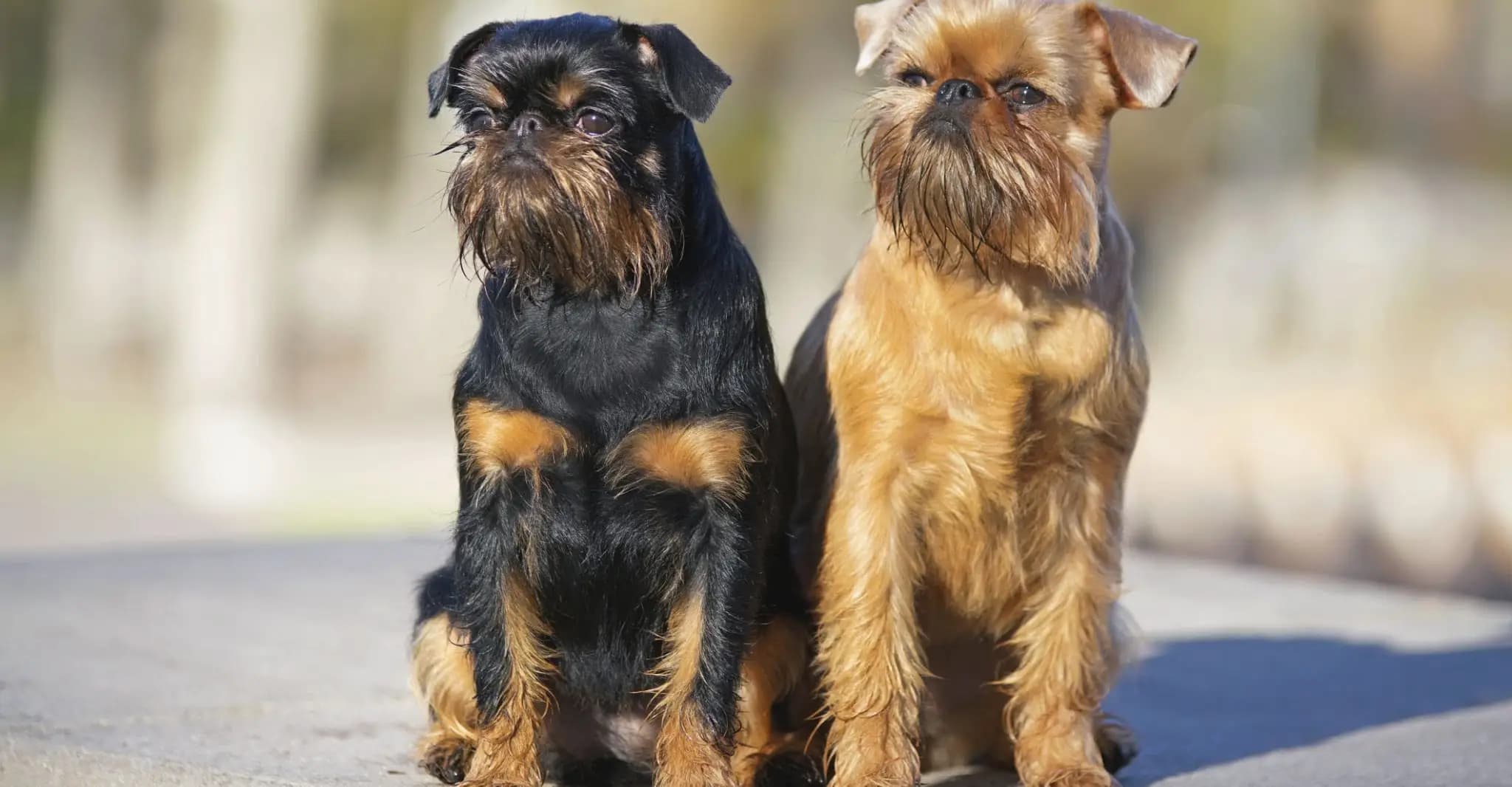
Brussels GriffonClose relative
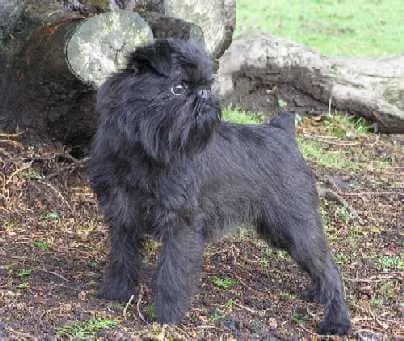
The Belgian Griffon is a strong-willed, alert companion dog—bred from small stable dogs that once guarded carriages and hunted rodents. Behind that almost human-like facial expression lies a robust, terrier-like personality that forms a deep bond with its humans.
Self-check
Answer 6 quick questions about your everyday life and see how well the Belgian Griffon fits you — including an honest cost estimate per month, per year, and across the dog's lifetime.

At a glance
The essentials — key facts, traits, and health priorities — before you dive deeper.
Lifespan
12–15 yrs
Shoulder height
21–28 cm
Weight
4–6 kg
Practical
Temperament
Daily life
What matters most
Especially with a Belgian Griffon, choosing the right breeder is the single most important decision you'll make. Serious breeders consistently test the parents for inherited conditions, prioritize healthy early socialization, and stay accountable long after handover. A cheap puppy without health screening tends to become the most expensive dog later on.
See HonestDog breeder standards →Colors & coat
The coat colors that occur in the Belgian Griffon — including which ones fall outside the breed standard and which carry genetic risk.
Eye colors
 Brown
Coat type
 Wire
 Double coat
The real vibes check
A Belgian Griffon is not just a lap dog, but a big personality in a very small package. On the couch, he will stick to you like Velcro—but outside, he marches forward with the self-confidence of a guard dog. You get an almost human-like observer who knows exactly how to wrap you around his finger with just one look.
The Belgian Griffon is a small but proud dog that originated in Belgium. Its striking appearance, with its prominent lower jawline and large, round eyes, gives it an unmistakable charm. In FCI Group 9 they are classified as companion and toy dogs. In terms of lines, there is no distinction between performance and show lines for the Belgian Griffon, as the breed is primarily kept as a companion dog.
Although the Belgian Griffon is a small dog, don't be fooled. They have a big character and a big heart. They are curious, confident and very affectionate. Their use as a companion dog reflects their close bond with their people. They love being the center of attention and are always ready for a cuddle session. Their temperament is active rather than calm. They love to play and explore, but are also happy just being near you. They adapt well to different lifestyles and can live in both an apartment in the city and a house in the country. The Belgian Griffon is a very people-oriented dog. They are loving and loyal to their family and usually get along well with strangers if they have been properly socialized. They are often playful and enjoy interactive games and activities. Belgian Griffons are typically independent and can learn to stay alone, but they prefer the company of their humans. They are not dogs that like to be left alone for long periods of time and can suffer from separation anxiety if left alone too often or for too long. Despite their small size and charming appearance, Belgian Griffons have a strong prey drive, which stems from their original use as rat catchers. They can have a tendency to chase small animals and should always be well supervised, especially around small pets. Although they were not originally bred to be guard dogs, Belgian Griffons are alert and attentive. They will probably warn you if they hear or see something suspicious, although they probably wouldn't make good guard dogs since they aren't particularly large or threatening. Despite their small size, Belgian Griffons have a lot of energy and need daily exercise and mental stimulation to be healthy and happy. They love walks, games, and other activities that help them burn off their energy. Overall, the Belgian Griffon is a small dog with a big heart and a charming personality that is perfect for people looking for an affectionate, lively and curious companion.
| Watchfulness Occasionally alerts but is fundamentally open. | Low |
| Openness to Strangers Neither pushily friendly nor suspicious. | Neutral |
| Hunting or Herding Drive Mild interest in movement and small animals — easily managed. | Low |
Fun Fact!
A fun fact about the Belgian Griffon is that due to its appearance and friendly nature, this breed has appeared in several films and television series, including the well-known film 'As Good as It Gets' with Jack Nicholson.
The Belgian Griffon is a lively and affectionate companion dog. It is characterized by its pronounced alertness and independent character. Despite its small size, it requires consistent training and sufficient activity to balance its temperament. The Belgian Griffon is a loyal family dog that adapts particularly well to city life and apartments.
Belgian Griffons are adaptable dogs that can adapt well to different living conditions, including city life. While they require regular exercise, their small size makes them well suited to apartment or city living. They are generally friendly with other pets and can get along well with children, although it is always important to monitor interactions between dogs and small children.
Loves family life and thrives in a group.
Takes boisterous and affectionate children in its stride.
Usually gets on fine with other dogs.
Small space, noise, lots of people — no problem at all.
Owning a dog is a privilege, but it's also a real responsibility. Before you bring one into your life, be honest with yourself about the commitment it takes.
Raising and training a Belgian Griffon can be a rewarding task as these dogs are intelligent and willing to learn. They respond well to positive reinforcement and can learn a variety of commands and tricks. Because of their energy and agility, Belgian Griffons can excel in dog sports such as agility and obedience. They have a natural need to work and please, which makes training a joy. However, it is important to balance work and training and be careful not to overuse the dog. Because this breed has high frustration tolerance and impulse control, too much or too intense training can lead to stress and behavior problems.
The Belgian Griffon's diet should be balanced and nutritious to support their health and well-being. Because of their small size, they require less food than larger breeds, but their diet should be rich in high-quality proteins and healthy fats to meet their energy needs. It's important to keep an eye on portion sizes and the amount of treats to avoid gaining weight. In terms of care, the Belgian Griffon is relatively easy to care for. They have a coarse, medium-length coat with no undercoat that should be brushed regularly to keep it clean and healthy. They don't shed heavily, which can make them a good choice for people with allergies. The climate in Germany should not be a problem for a Belgian Griffon as they are adapted to different weather conditions. However, in very cold or hot weather, you should make sure that your dog is adequately protected.
| Care Level Regular brushing and occasional professional grooming. | Moderate |
| Exercise Needs Needs 1–2 hours of real exercise daily. | Active |
| Shedding Regular shedding — dog hair on clothes is now normal. | Moderate |
| Trainability Willing to learn with clear rules and regular training. | Balanced |
Our experts are still reviewing this information. Spotted something wrong? Email us at info@honestdog.de.
Elevated risks
Health grade
In the Griffon Belge, there are clear breed-specific health risks, particularly from Chiari-like malformation (CM) and syringomyelia (SM), patellar luxation (PL), and hereditary cataract. A health-oriented breeder addresses these risks specifically and has their breeding animals thoroughly examined before use. When buying a puppy, consistently pay attention to written proof: both parent animals should have patellar luxation (PL) with a result of PL 0, they must be free of hereditary cataract, and ideally show results of grade 0–1 for Chiari-like malformation (CM) and syringomyelia (SM).
Grade is relative to other breeds — AI-assisted and editorially reviewed.
Methodology and data: HonestDog Dog Breed Health Report 2026
What matters most for this breed
Tap any item to see details.
You should strictly limit heat and exertion, have his eyes checked regularly, and honestly budget for a significantly higher veterinary fund for potential treatments.
Reputable breeders have the knees, eyes, and nervous system checked and pay attention to clear airways—though the fundamental risks of this breed cannot be completely eliminated even with that.
Note: This health overview is AI-assisted and editorially reviewed. It is for orientation only and does not replace veterinary advice.
What matters most for this breed — what's common, how much it affects the dog's life, and how to protect yourself as a buyer.
Tap a body region to see the inherited conditions linked to it.
The three most important risks
Pick a region on the map to explore other areas.
Tier 1 is the recommended health standard for this breed. Tiers 2 and 3 show how responsible breeders go beyond.
Recommended standard. These tests make up the recommended health standard for this breed — the baseline of any careful breeding program. Ask any reputable breeder for the results.
No entries in this tier.
Note: This health overview is AI-assisted and editorially reviewed. It is for orientation only and does not replace veterinary advice.
A Belgian Griffon costs around ~€170 per month (€90 – €310, depending on your setup). The first year adds up to roughly ~€4,690 including purchase, equipment and puppy school; across the dog's life (13.5 years) it comes to about ~€29,850.
With surgery cover, running costs come to about ~€160 per month — in return, your share of a major operation drops from several thousand euros to around 20 percent.
Per month
~€170
In the first year
~€4,690
Across the dog's life
~€29,850
Estimated purchase price from a breeder: €1,200 – €2,500
Estimate at a mid-range setup (suburban, dry food, 1–2 hours of daily exercise), average German prices, as of July 2026.
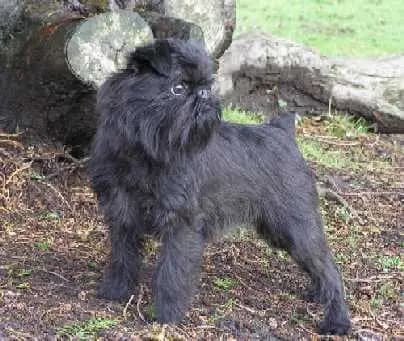
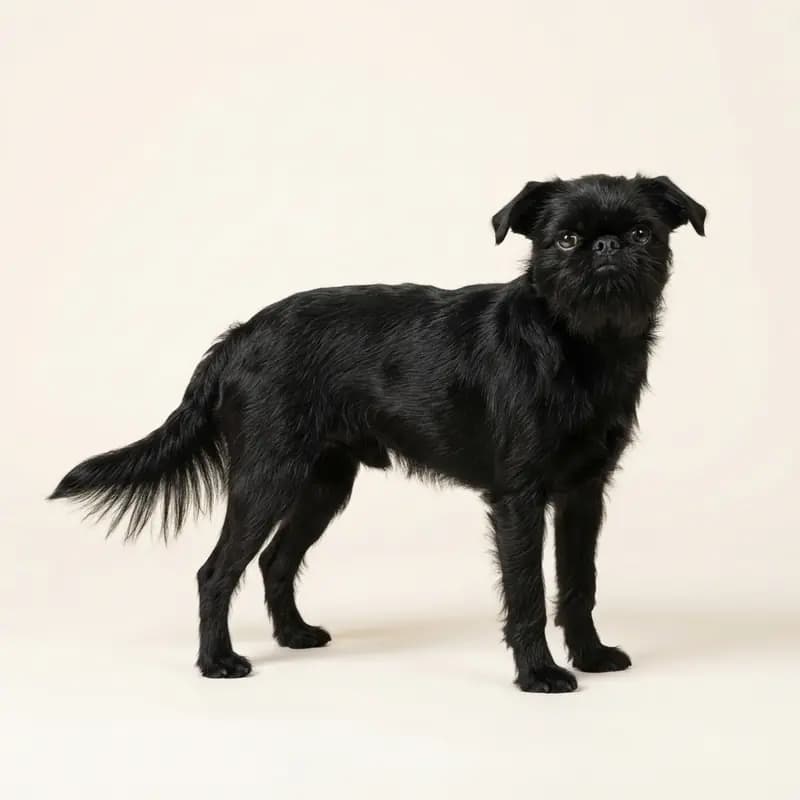 Illustrative image
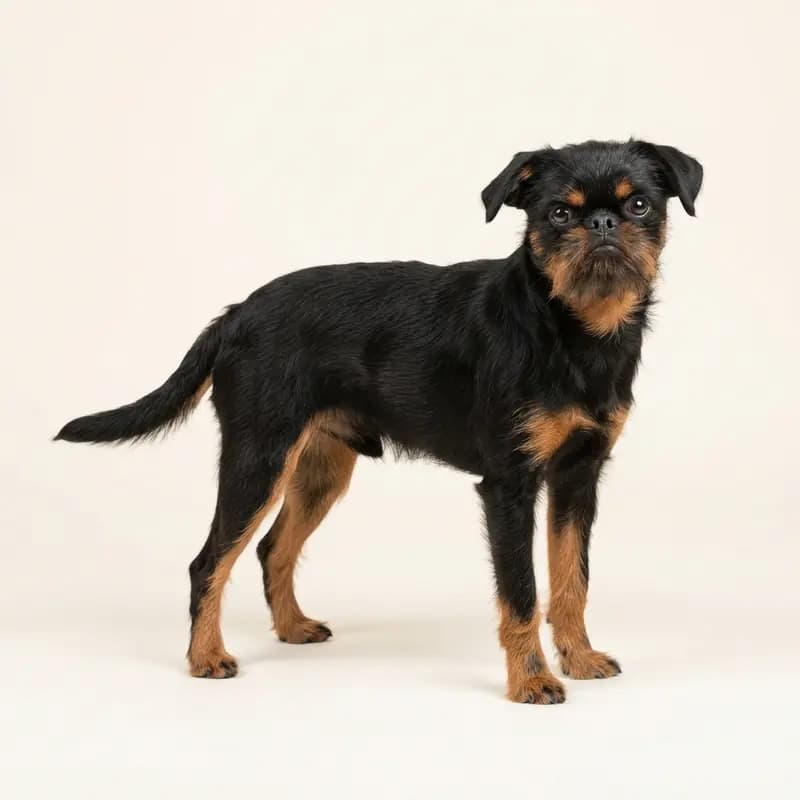 Illustrative image
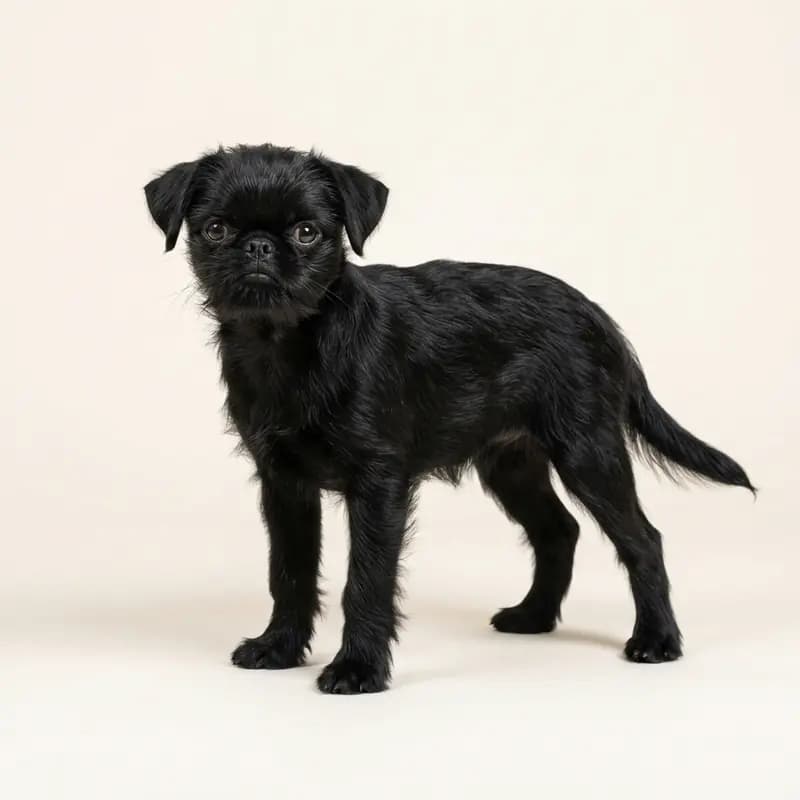 Illustrative image
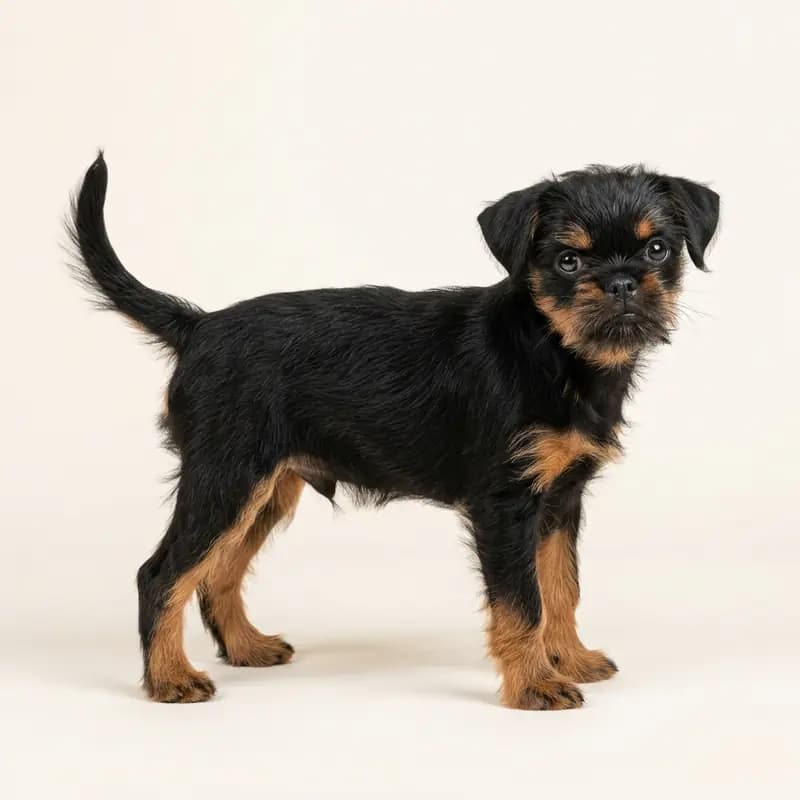 Illustrative image
The Belgian Griffon breed originally comes from Belgium and was bred mainly in Brussels and the surrounding area in the 19th century. It was created from a mix of Affenpinscher and probably other small dog breeds. They were originally kept in stables to catch rats and mice, but their charming looks and affectionate nature quickly made them popular companion dogs. The breed has been recognized as independent since 1883.
The Belgian Griffon was originally bred to hunt rats, but is now a popular companion dog with a lively nature.
Belgium
1800
Owners describe the Belgian Griffon in everyday life as a very attached, people-focused companion that acts like a little shadow around the house. It constantly seeks physical contact, demands cuddles and would love to be taken everywhere. Its handy size and general adaptability make it an easy companion in the city and on trips, as long as it gets to stay close to its family.
On the flip side, many owner accounts stress that the breed has real trouble being left alone. If Griffons are isolated for long periods, they quickly tend toward separation stress and frustration behavior. With strangers, they also often lack the exuberance typical of other small dogs: visitors or unfamiliar people are frequently eyed with suspicion at first or loudly announced. For households with very boisterous toddlers, owners often find this sensitive little dog too delicate, while it really blossoms in families with considerate children or with couples and single people.
Sources:allekleinehunderassen.derundum.dogtackenberg.deanimalia.bio
When it comes to training and activities, owners regularly point out how much energy and willingness to work this compact dog really has. The Belgian Griffon is by no means just a lapdog; it enjoys longer walks, little search games and trick training. It catches on quickly, but it is also very sensitive in training: harshness or loud scolding quickly makes it withdraw or stubbornly refuse, which is why owners consistently recommend positive reinforcement and patience.
Its inherited watchdog instinct needs particular attention. Owners often report that Griffons immediately and loudly comment on new noises in the hallway or at the edge of the property. Without early, consistent guidance, this can turn into a real yapping habit. The leftover urge to hunt mice, rats and other small animals also shows up regularly in daily life, so off-leash time calls for handling that thinks ahead.
Sources:rundum.dogtackenberg.dedoctorbark.dedogforum.dezoomalia.de
Owner accounts of health and grooming make it clear that the wiry coat of the rough-coated Griffon needs regular combing and occasional hand-stripping to prevent mats and keep it dirt-repellent. The typical beard easily collects bits of food and water and needs cleaning just as often.
A recurring topic among owners is the shape of the head. In dogs bred with very flat faces, owners report restricted breathing, snorting and greater sensitivity to heat in summer. Many owners therefore stress how crucial it is to choose a breeder who prioritizes open airways and healthy nostrils. Owners also name dental health, because of the short jaw, and sensitive eyes as points that need careful routine checks. From a healthy bloodline, though, these dogs are experienced as tough and surprisingly long-lived companions.
Sources:rundum.dogdogforum.dezuechter-net.deelbpfoten.netsantevet.de
Paraphrased from real owner reports · translated from German
The Belgian Griffon is an adaptable dog that adjusts well to various lifestyles. Research the temperament, grooming needs, and space requirements before deciding.
The average life expectancy of a Belgian Griffon is 12-15 years. With proper care and regular vet visits, your dog can live a long, healthy life.
Belgian Griffon grooming requirements include regular brushing, nail trimming, and dental care. HonestDog provides detailed grooming tips for every breed.
The Belgian Griffon can be a great family dog. Proper training and socialization are key. HonestDog provides family suitability information for every breed.
The Belgian Griffon comes in these colors: Black, Black and tan.
Showcase your kennel on HonestDog and reach families searching for a responsibly bred Belgian Griffon.