HavaneseSame FCI section
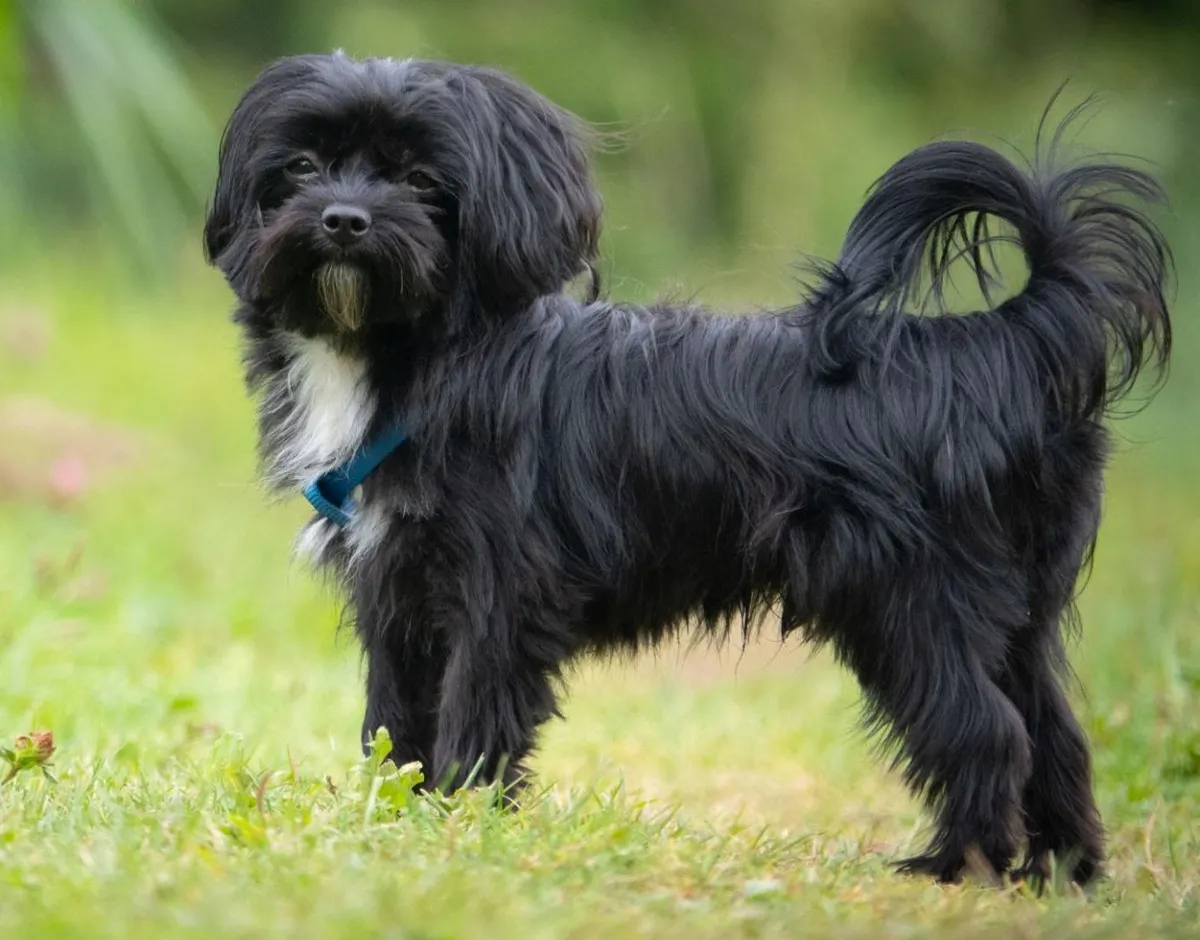
The Bolonka Zwetna is an adaptable, cheerful companion dog—bred to be by your side every step of the way. This deep attachment to people makes them the perfect everyday companion, but it also means they absolutely despise being left alone.
How the health grade is calculated
Sources for required breeding screenings. Verband Deutscher Kleinhundezüchter e.V. · Verband Deutscher Kleinhundezüchter e.V.
Self-check
Answer 6 quick questions about your everyday life and see how well the Bolonka Zwetna fits you — including an honest cost estimate per month, per year, and across the dog's lifetime.

At a glance
The essentials — key facts, traits, and health priorities — before you dive deeper.
Lifespan
12–15 yrs
Shoulder height
24–26 cm
Weight
3–4 kg
Practical
Temperament
Daily life
What matters most
Especially with a Bolonka Zwetna, choosing the right breeder is the single most important decision you'll make. Serious breeders consistently test the parents for inherited conditions, prioritize healthy early socialization, and stay accountable long after handover. A cheap puppy without health screening tends to become the most expensive dog later on.
See HonestDog breeder standards →Colors & coat
The coat colors that occur in the Bolonka Zwetna — including which ones fall outside the breed standard and which carry genetic risk.
Eye colors
 Brown
 Amber
Coat type
 Illustrative image
Long
 Illustrative image
Curly
 Silky
 Double coat
The real vibes check
A Bolonka Zwetna is like a living, watchful shadow that follows you from the sofa to the kitchen. They don't need a job, a flock of sheep, or a trail to follow—their only purpose in life is you. If you are ready to share your daily life closely with them, you will get a dog whose heart is much bigger than their short legs.
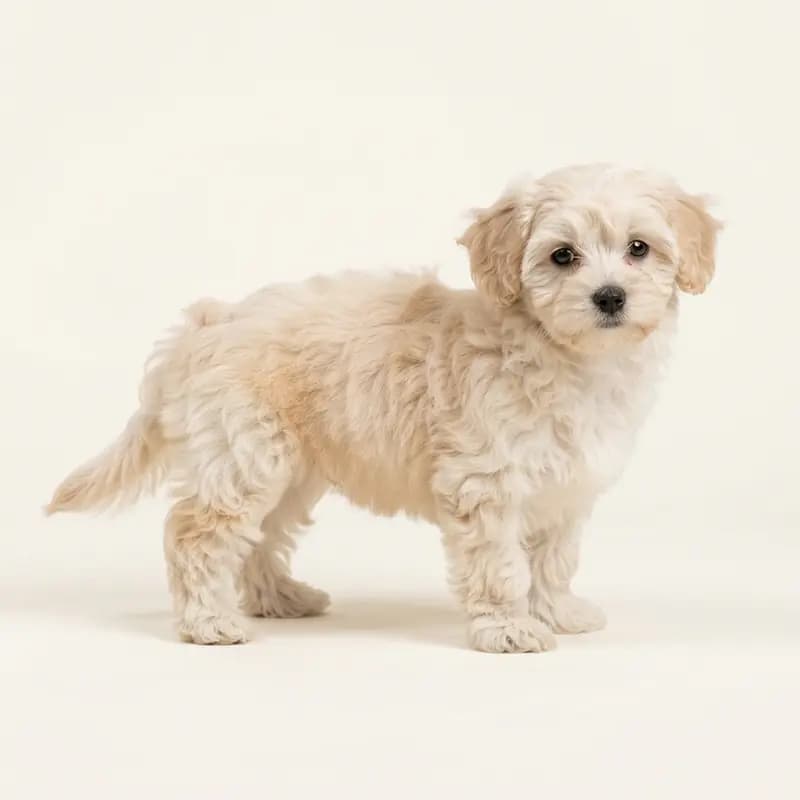
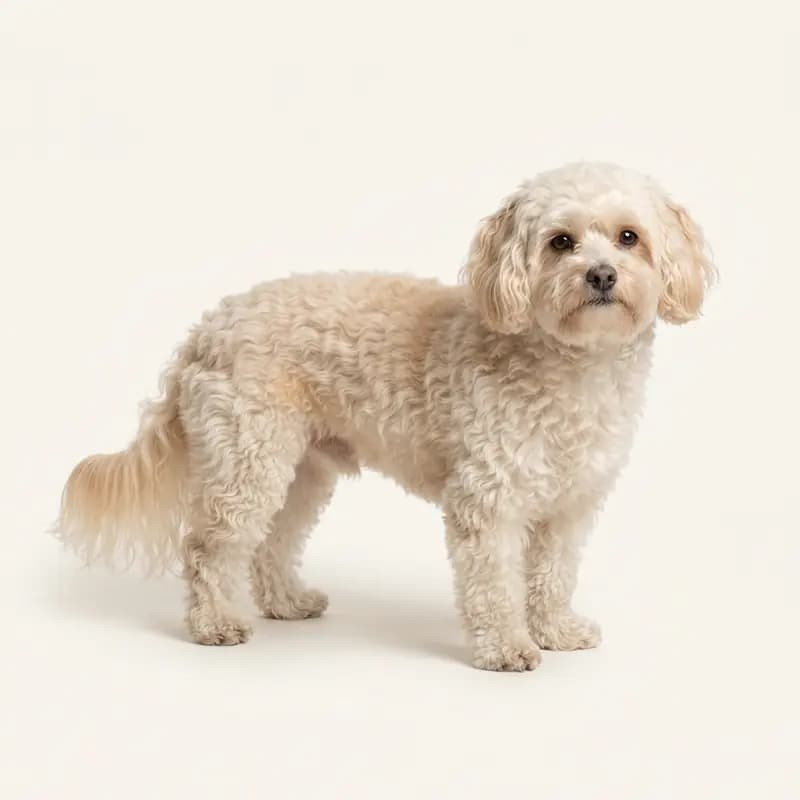
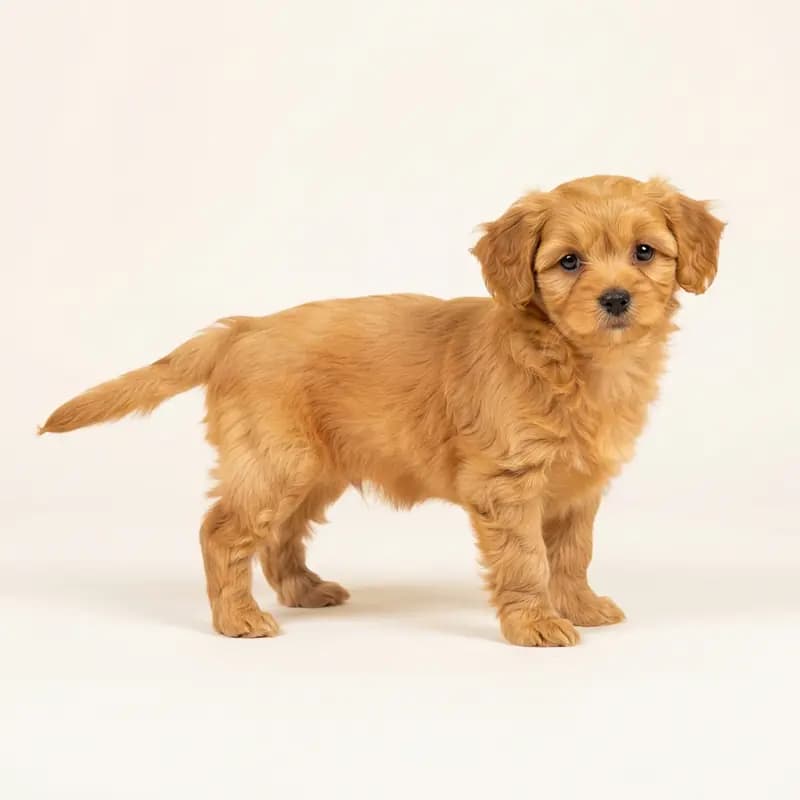
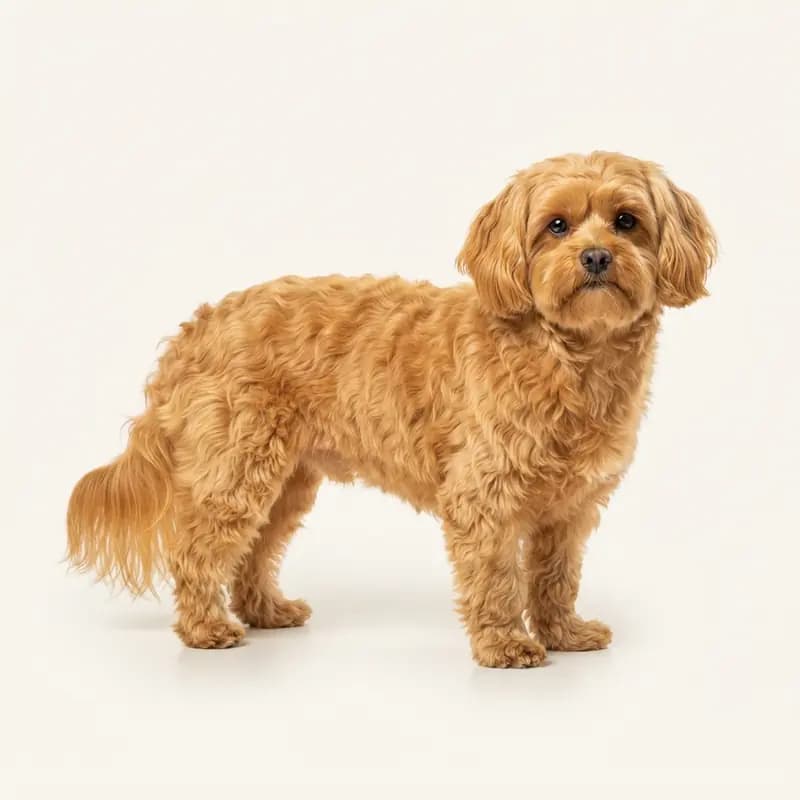
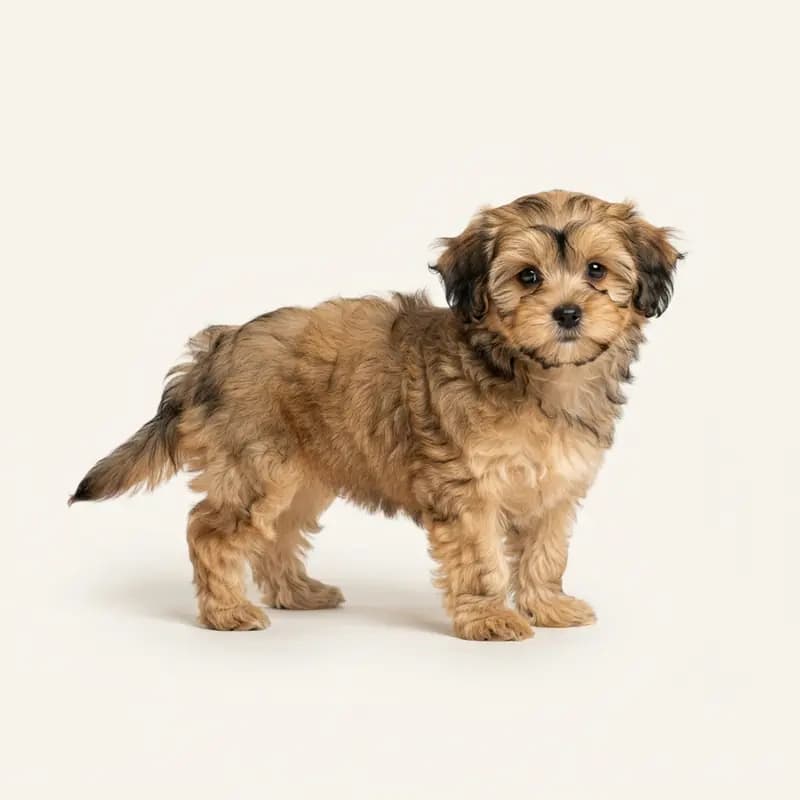
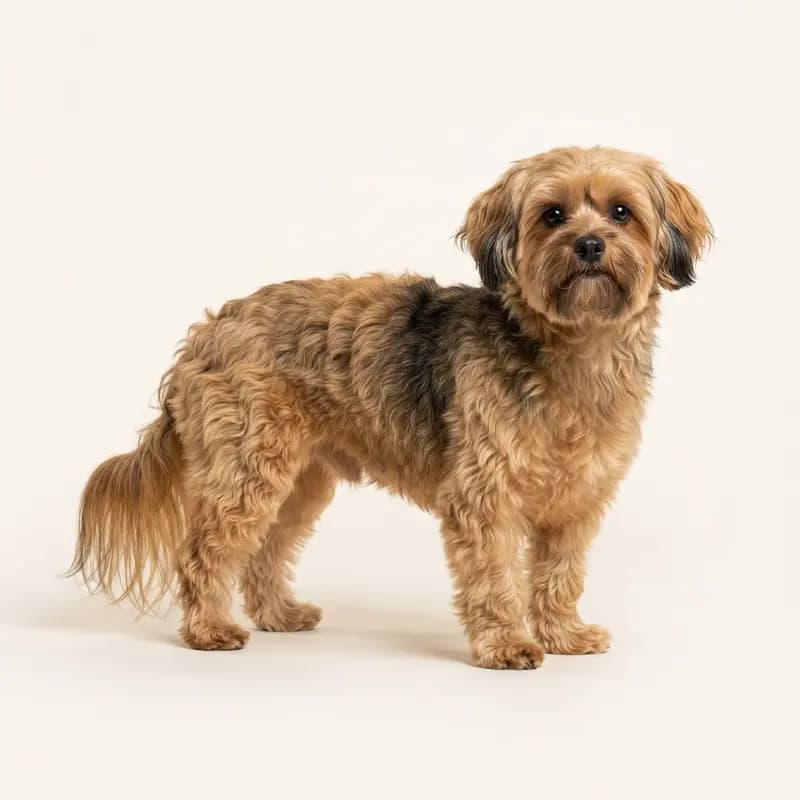
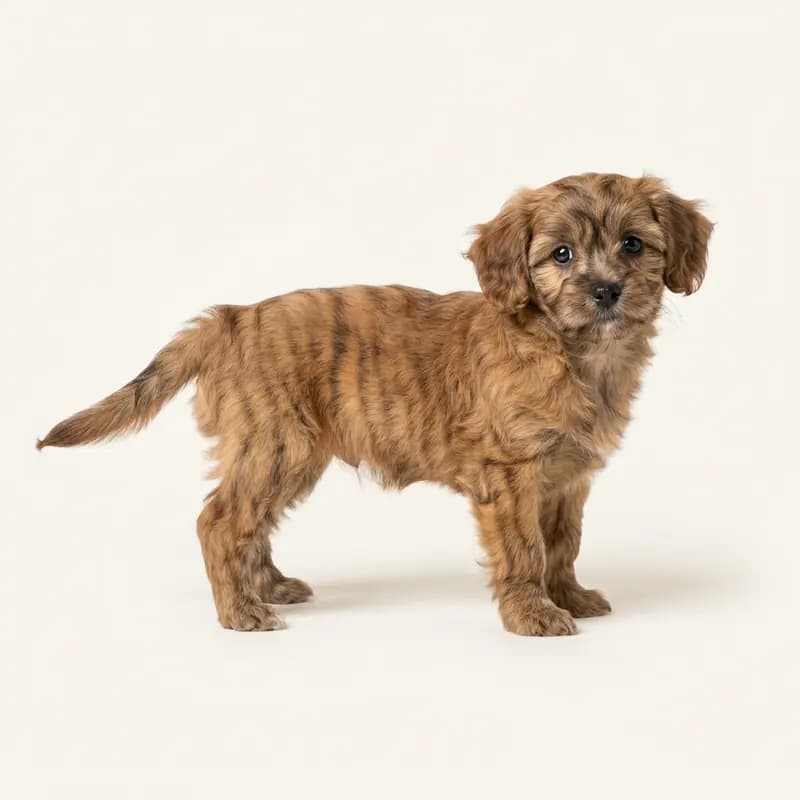
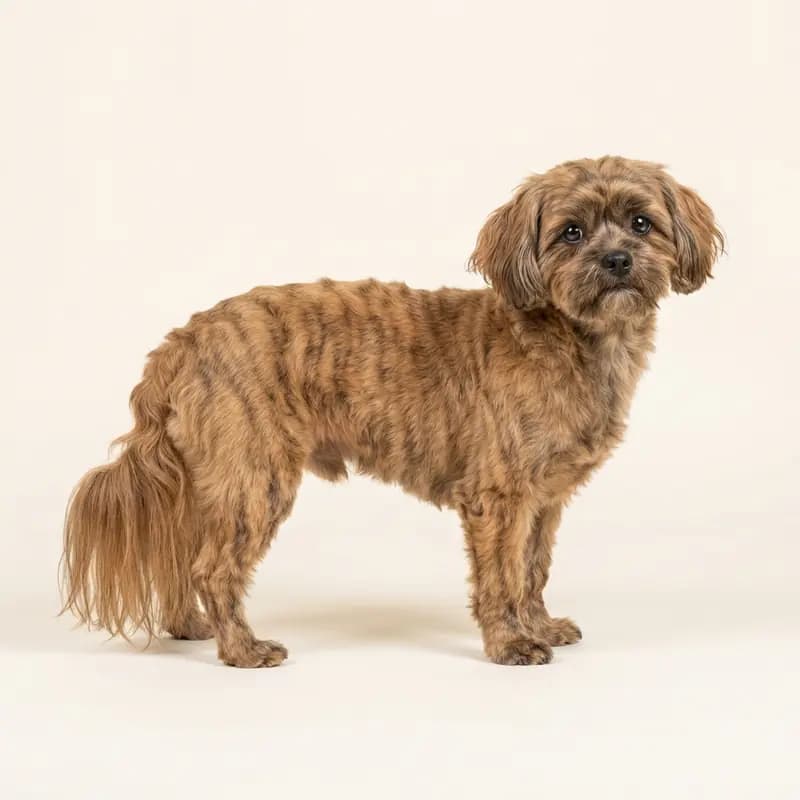
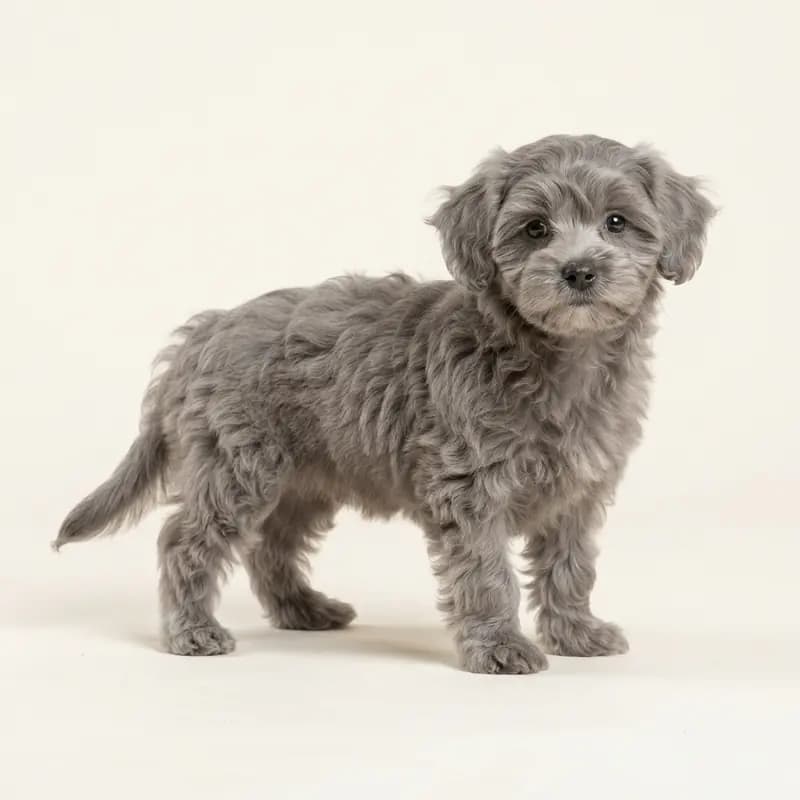
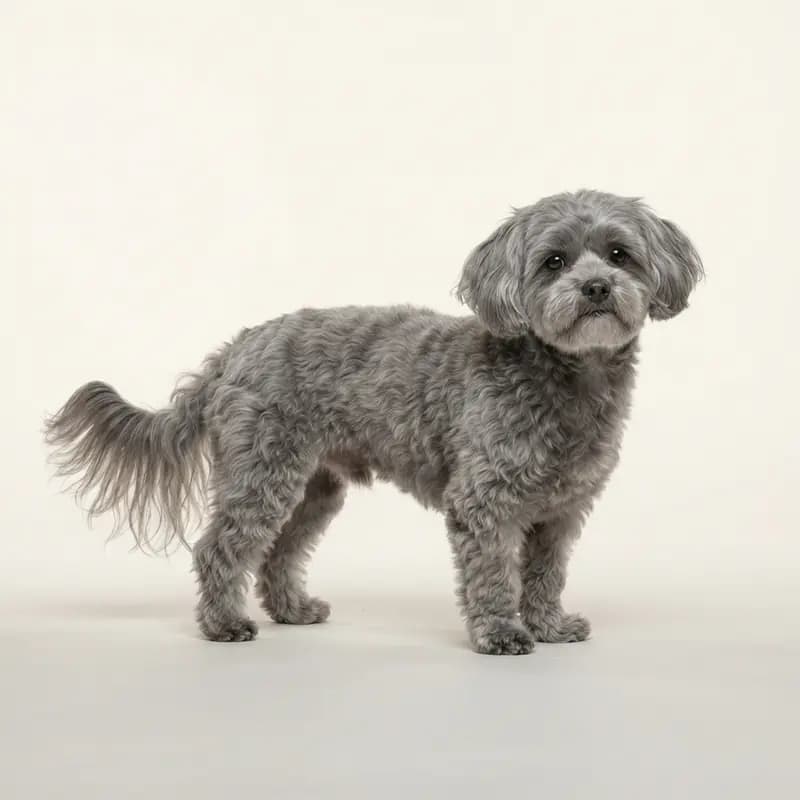
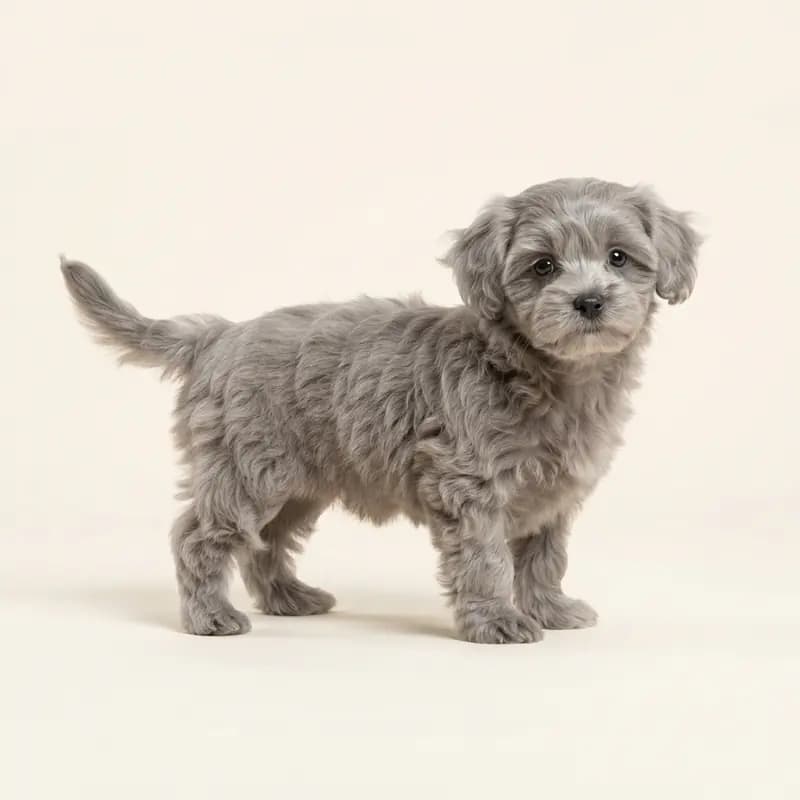
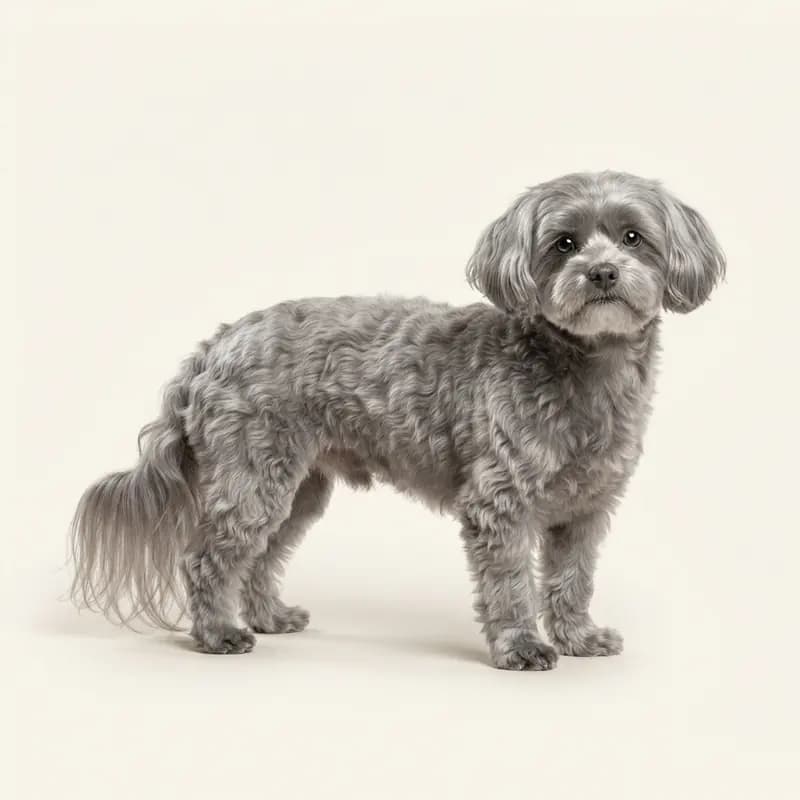
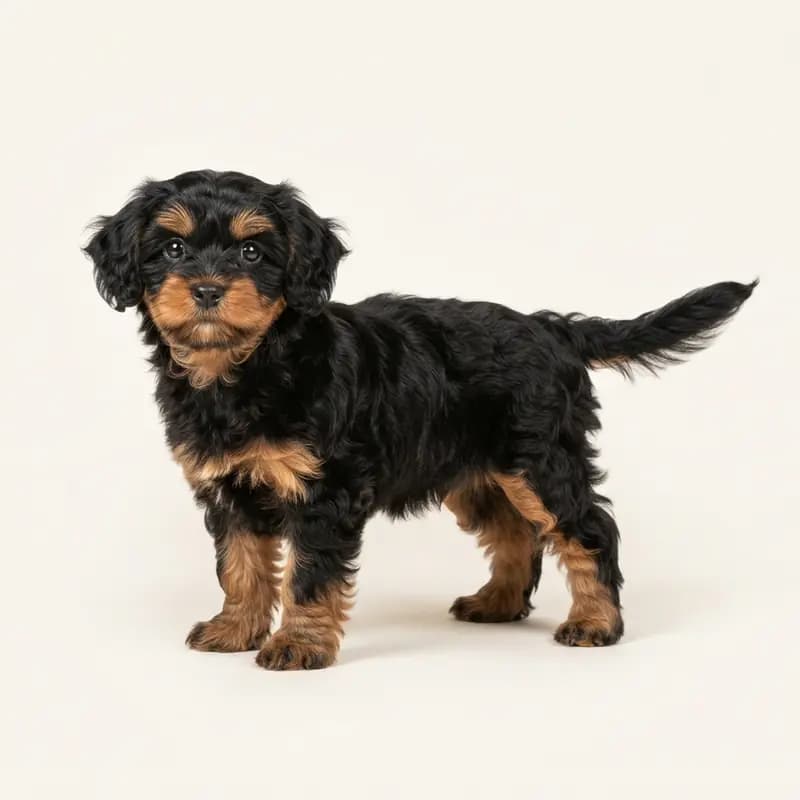
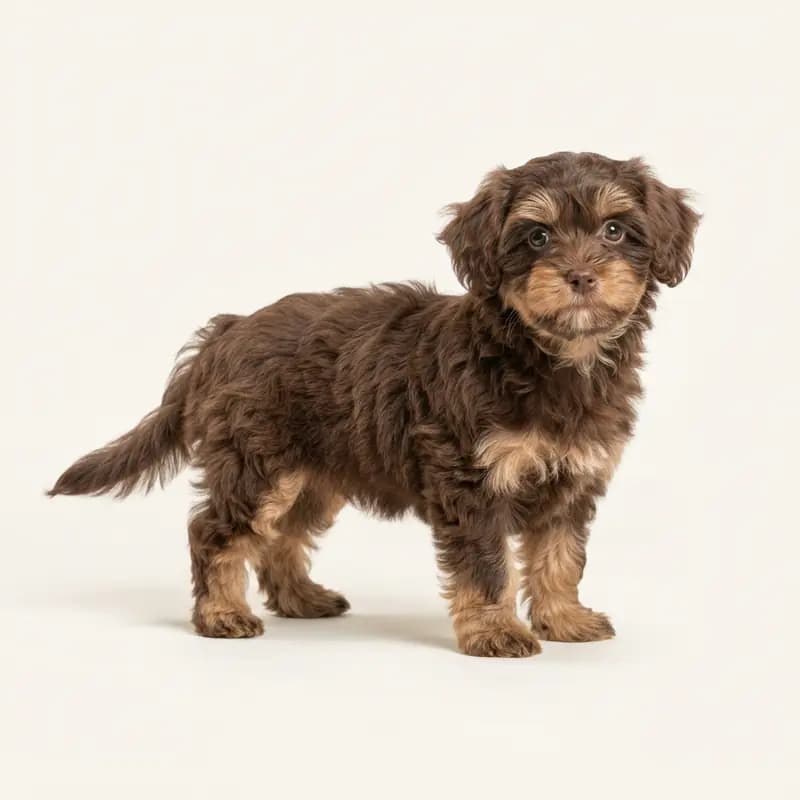
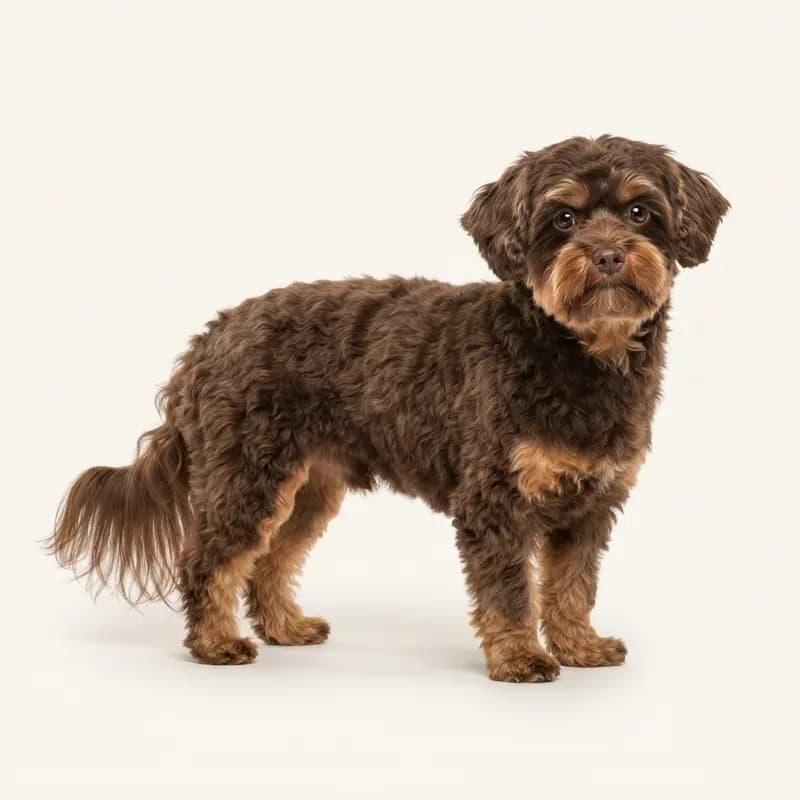
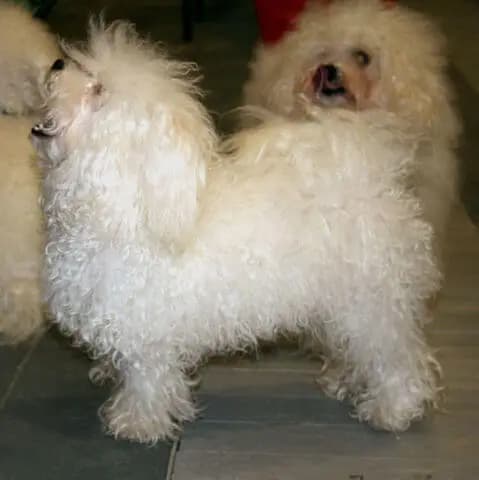
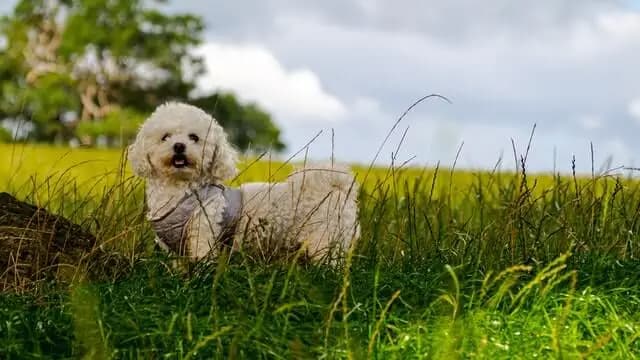
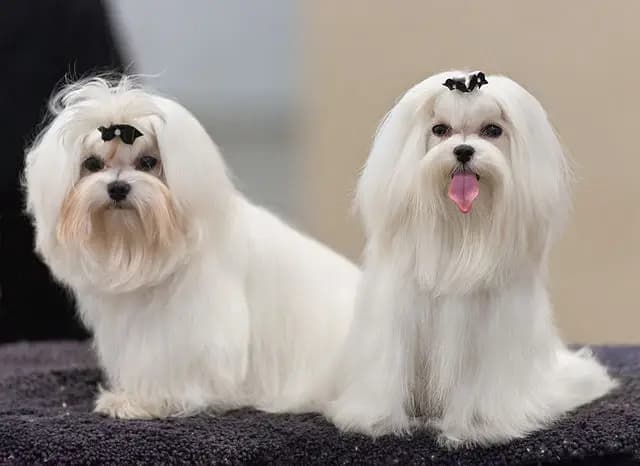
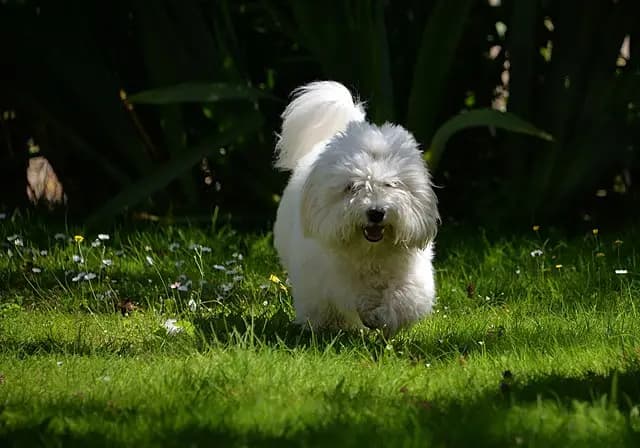
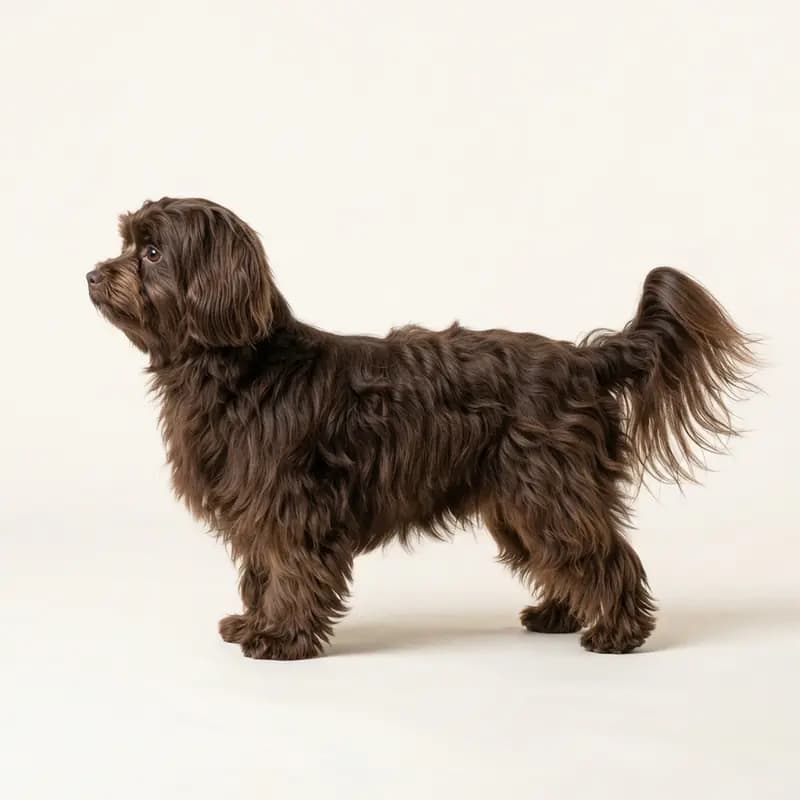
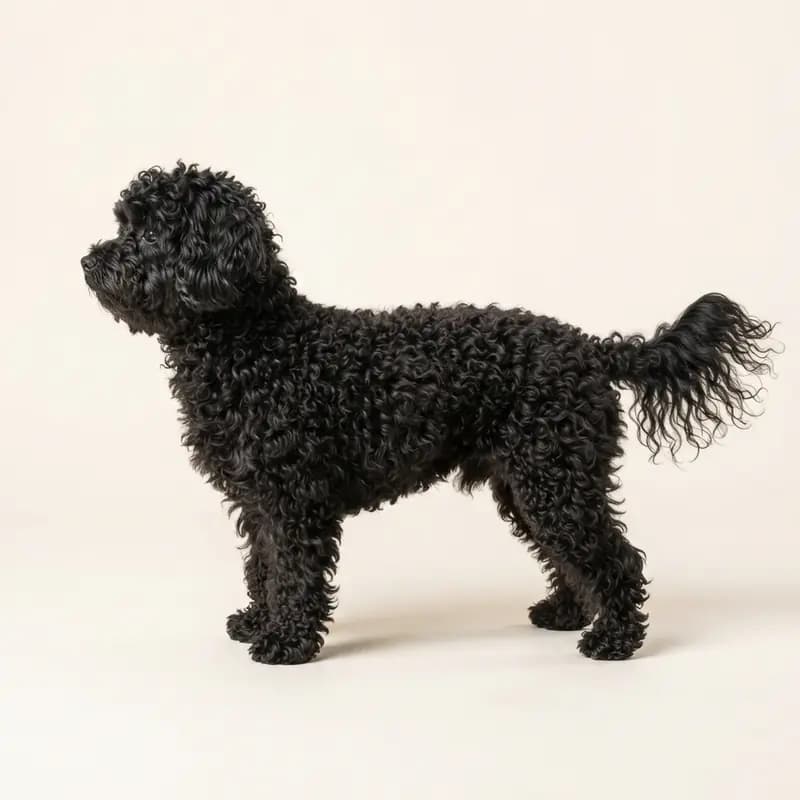
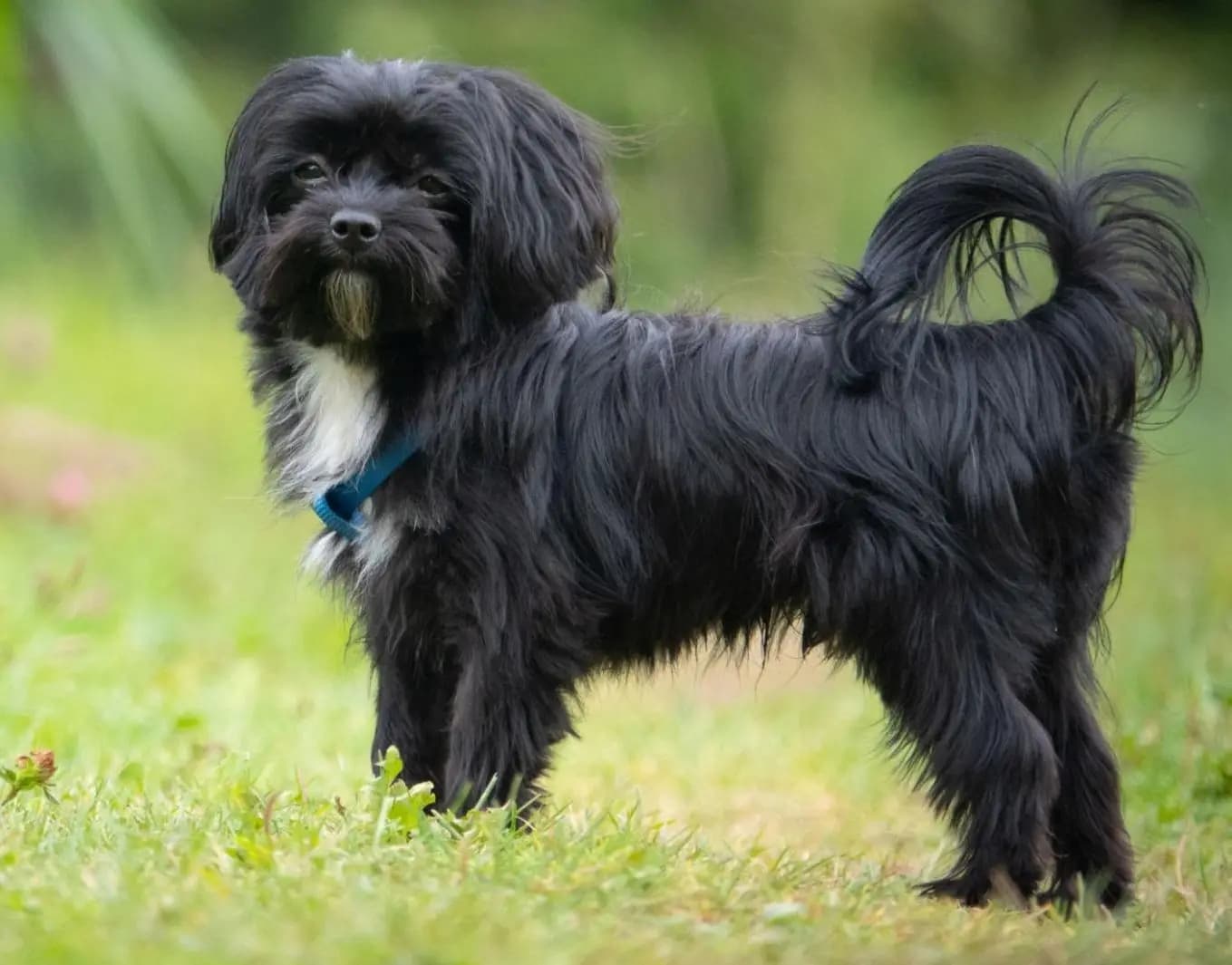
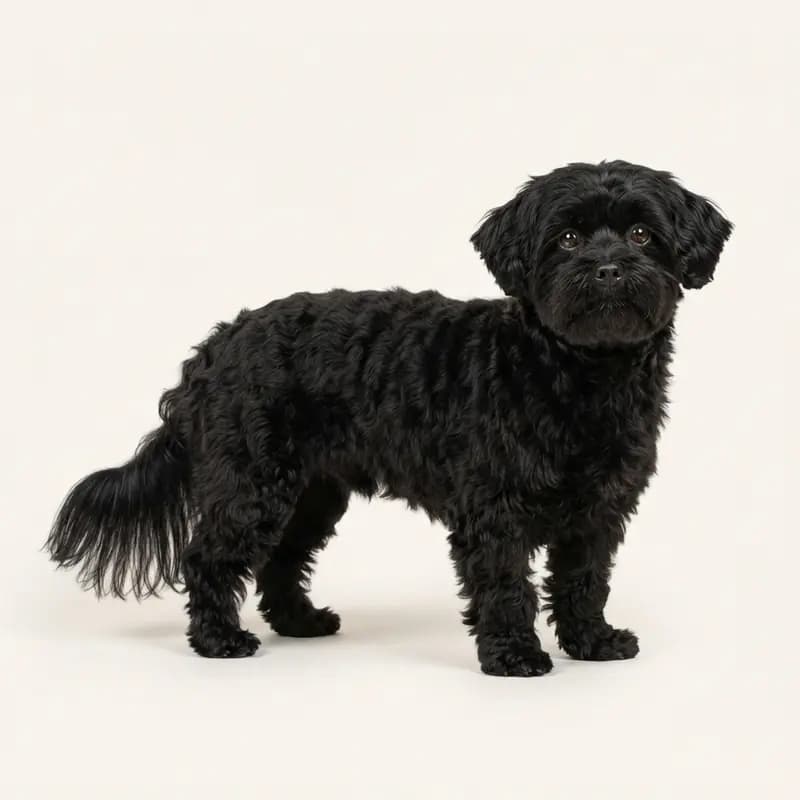
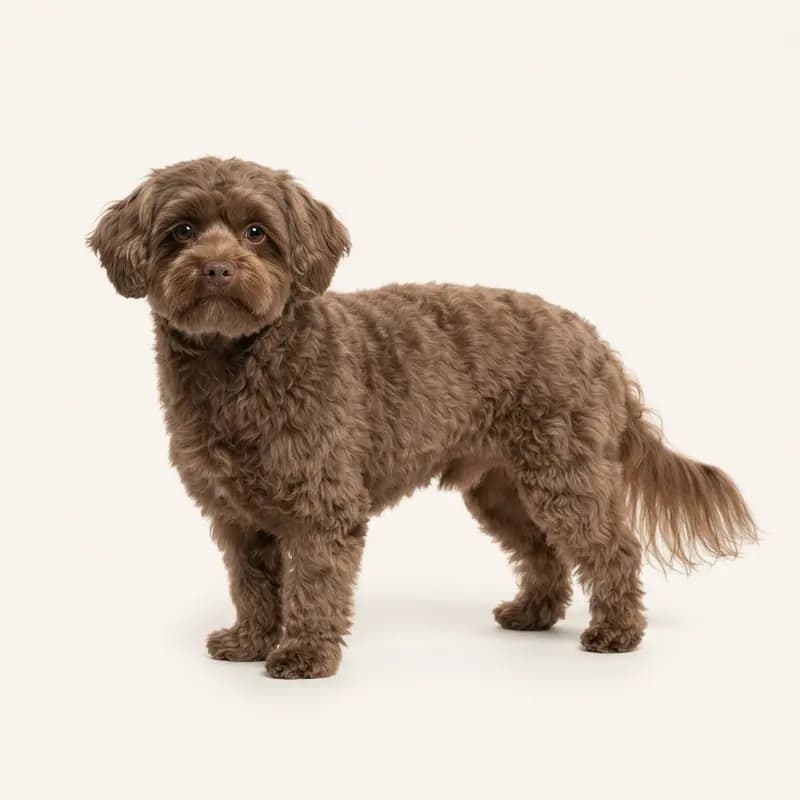
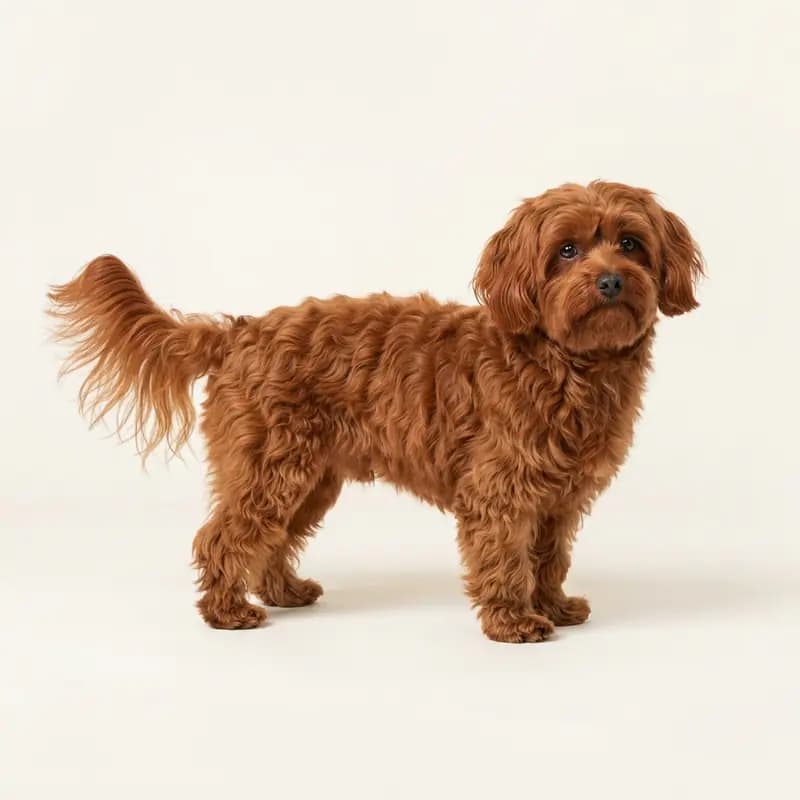
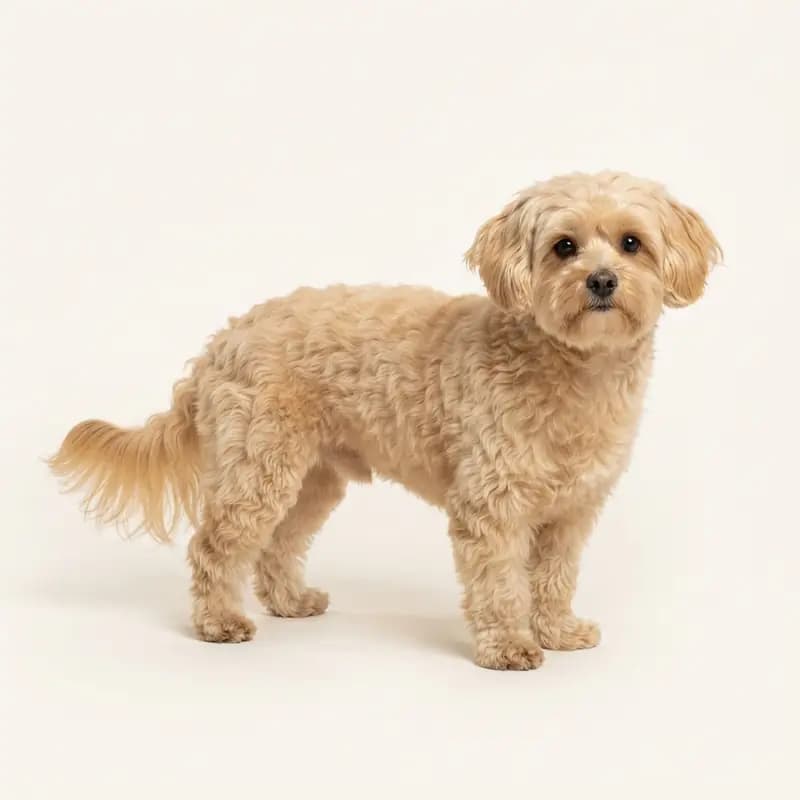
With her charming appearance and sparkling, lively eyes, it is hard to avoid falling in love with a Bolonka Zwetna at first sight. Their small, compact bodies are well proportioned, with height at the withers equal to or slightly less than body length. The tail is carried cheerfully across the back and is often covered with long, silky hairs. Their long, wavy coat is dense and has a soft undercoat that provides additional warmth. They come in every color and color combination imaginable, adding to the diversity and attractiveness of this breed. The Bolonka Zwetna is not recognized by the FCI; the VDH lists it as a nationally recognized breed in the companion and toy dog group. They are known for their adorable appearance, adaptable nature, and friendly, loving nature. There is no distinction between show and performance lines in this breed.
The Bolonka Zwetna is characterized by a charming and loving nature. They are lively, intelligent and very affectionate dogs who develop close bonds with their people. Despite their small size, they are brave and curious and are not afraid to explore their surroundings. They are known for their adaptability and can live well in both a city and the countryside. However, they need regular walks and playtime to burn off their energy and be happy. The Bolonka Zwetna are wonderful companion dogs that are well suited for older people, families and singles. They get along well with children and can also get along well with other pets as long as they have been properly socialized. They are extremely people-oriented and enjoy the company of their people. They like to be close to their family and are often "shadows" who follow their humans everywhere. They are also known as lap dogs who love to spend their time cuddling on their humans' laps. The Bolonka Zwetna has a calm and balanced temperament, but can also be very playful and active when he is in the mood. They learn quickly and are easy to train, making them a great dog for first-time owners. They do not tend to exhibit strong hunting or prey-catching behavior, making them a good choice for families with other pets. As companion dogs, Bolonka Zwetnas are used to being with their people and may have difficulty staying alone. They may develop separation anxiety if left alone for long periods of time. It's important to teach them that it's okay to be alone and that you'll always come back. Early and positive socialization is the key here. Bolonka Zwetnas are alert and attentive, and although they are not guard dogs, they will alert their family to visitors or unusual noises. They are not aggressive and will usually respond to guests with a happy wagging tail as soon as they realize there is no danger. Overall, the Bolonka Zwetna is a happy, friendly and loving little dog who loves his family more than anything and loves nothing more than spending time with them. They are little dogs with big hearts and they are sure to delight anyone who is lucky enough to share their life with them. With their adaptability and loving nature, they are a wonderful choice for many different people and lifestyles. With the right care, love and attention, the Bolonka Zwetna will be a loyal and loving companion who will delight you with his love and affection.
| Watchfulness Occasionally alerts but is fundamentally open. | Low |
| Openness to Strangers Warms up quickly and is generally welcoming. | Friendly |
| Hunting or Herding Drive Barely any prey drive — small animals trigger nothing. | Very low |
Fun Fact!
A nice little detail about the breed: Bolonka Zwetna means "colorful lap dog" in Russian, which wonderfully describes her favorite position and her colorful coat!
Russkaya Tsvetnaya Bolonka translates as “Russian colored lap dog”. Bolonki were originally bred to be the ultimate apartment pet. Sweet, loving, intelligent and willing to please, he is friendly to everyone and shows no signs of aggression.
Bolonka Zwetnas are extremely adaptable and are well suited to both city life and country life. They are small dogs and do not require a lot of space, which makes them ideal for keeping in an apartment. They get along well with children and can also get along well with other pets provided they have been properly socialized.
Lives for its family — the born family companion.
Extraordinarily patient and loving — a true family dog.
Actively enjoys the company of other dogs.
Small space, noise, lots of people — no problem at all.
Owning a dog is a privilege, but it's also a real responsibility. Before you bring one into your life, be honest with yourself about the commitment it takes.
Raising and training the Bolonka Zwetna is not particularly difficult as they are intelligent, willing to learn and attentive. Despite their small size, they are quite active and need enough mental and physical stimulation to be happy. However, it is important not to overwhelm the dog or turn him into a “ball junkie”. Balance is the key word. Train the Bolonka in a playful way and build enough rest breaks into every training session. Due to their small size and low urge to move, they are not suitable for dog sports such as agility or flyball. Instead, they enjoy interactive playtime, short walks and training sessions that develop their intelligence and curiosity.
Bolonka Zwetnas are small dogs and therefore do not require a lot of food. A balanced, high-quality dog food is sufficient to meet their nutritional needs. However, due to their small size, they can tend to become overweight if they are overfed. It is important to closely control the amount of feeding and ensure they get enough exercise. When it comes to grooming, Bolonka Zwetnas are a little more demanding. Their beautiful, long, wavy coat has a soft undercoat and should be brushed daily to prevent mats and knots. Despite their dense undercoat, they are well adapted to the climate in Germany. They don't shed a lot, which is a big plus for many owners.
| Care Level Minimal effort — occasional brushing and bathing. | Low-maintenance |
| Exercise Needs Needs 1–2 hours of real exercise daily. | Active |
| Shedding No or minimal hair loss — suitable for allergy sufferers. | No shedding |
| Trainability Willing to learn with clear rules and regular training. | Balanced |
Our experts are still reviewing this information. Spotted something wrong? Email us at info@honestdog.de.
Robust
Health grade
In the Bolonka Zwetna, the main health concerns are primarily patellar luxation (PL) and hereditary eye diseases such as progressive retinal atrophy (prcd-PRA), progressive retinal atrophy, rod-cone dysplasia 4, and cone-rod dystrophy (progressive retinal atrophy). The Verband Deutscher Kleinhundezüchter e.V. mandates binding tests for these: a finding of PL 0 is mandatory for breeding, and carriers of the eye diseases may only be mated with clear partners. Responsible breeders additionally have their dogs examined for cataracts to rule out hereditary lens opacities. Before buying a puppy, ask to see the complete test results of both parent animals and make sure that for carrier animals, the respective breeding partner has been proven to test clear.
Grade is relative to other breeds — AI-assisted and editorially reviewed.
Methodology and data: HonestDog Dog Breed Health Report 2026
What matters most for this breed
Tap any item to see details.
You should ensure a healthy body weight and regular dental care—in return, you will usually have a long-lived companion with moderate veterinary needs.
Responsible breeders mandatorily test in advance for patellar luxation (PL) and several forms of progressive retinal atrophy, as well as additionally for cataract, to ensure healthy matings.
Note: This health overview is AI-assisted and editorially reviewed. It is for orientation only and does not replace veterinary advice.
What matters most for this breed — what's common, how much it affects the dog's life, and how to protect yourself as a buyer.
Tap a body region to see the inherited conditions linked to it.
The three most important risks
Pick a region on the map to explore other areas.
Tier 1 reflects the tests Verband Deutscher Kleinhundezüchter e.V. actually mandates. Tiers 2 and 3 show how responsible breeders go beyond.
Club standard. Verband Deutscher Kleinhundezüchter e.V. requires these tests for breeding approval. Ask any reputable breeder for the results.
No entries in this tier.
Note: This health overview is AI-assisted and editorially reviewed. It is for orientation only and does not replace veterinary advice.
A Bolonka Zwetna costs around ~€150 per month (€80 – €270, depending on your setup). The first year adds up to roughly ~€4,390 including purchase, equipment and puppy school; across the dog's life (13.5 years) it comes to about ~€26,980.
With surgery cover, running costs come to about ~€140 per month — in return, your share of a major operation drops from several thousand euros to around 20 percent.
Per month
~€150
In the first year
~€4,390
Across the dog's life
~€26,980
Estimated purchase price from a breeder: €1,000 – €2,500
Estimate at a mid-range setup (suburban, dry food, 1–2 hours of daily exercise), average German prices, as of July 2026.
 Illustrative image
 Illustrative image
 Illustrative image
 Illustrative image
The Bolonka Zwetna is a relatively young dog breed that originated in the early 1950s in the former Soviet Union, specifically in Leningrad. At that time, the import of dogs from Western countries was strictly limited, prompting Russian cynologists to begin developing their own national toy dog breed. The goal was to breed a robust yet small and adaptable companion dog suitable for urban apartment living. The foundation consisted of small dogs brought into the country by French aristocrats, as well as crosses with breeds such as the Shih Tzu, Lhasa Apso, Toy Poodle, and Pekingese. The name Bolonka Zwetna translates literally from Russian as 'colored lapdog,' referring to its lush, curly coat that appears in many color variations. Initially, the breed enjoyed great popularity primarily in Russia and later in the GDR. To this day, the Bolonka Zwetna is not officially recognized internationally by the Fédération Cynologique Internationale (FCI). However, it enjoys national recognition by the Russian Kynological Federation (RKF) and in Germany by the Verband für das Deutsche Hundewesen (VDH).
Companion dog
Russia
1950er Jahre
In everyday family life, many owners describe the Bolonka Zwetna as a very affectionate, cheerful and uncomplicated companion. Owners often point out how adaptable these dogs are: they do just as well in a small city apartment as in a house with a yard, and they would rather go everywhere with their people. Their good nature with children and other dogs gets regular praise. Many owners also appreciate that, despite their compact size, Bolonkas are by no means mere "purse dogs" but keep up on longer walks with surprising stamina and enthusiasm.
The biggest practical downside of this strong attachment to people is being left alone. Many owners report that their Bolonkas tend to follow them around the home like a "shadow." If being alone isn't practiced gently and consistently from puppyhood, many of these dogs develop separation stress, which can show up as whining, barking or restlessness. Experienced owners also stress that while these dogs are cuddly, when bored or under-stimulated they quickly start working off frustration by sounding off more at noises by the front door.
Sources:dogorama.apptierforum.derudel.teamdogforum.dezoobedarf-hitzegrad.de
Grooming dominates the conversation in owner forums. Almost all owners value the big advantage that the Bolonka Zwetna doesn't shed, so hardly any dog hair ends up on furniture or clothes, but that perk takes ongoing work. Many owners warn against underestimating coat care: especially during the change from puppy to adult coat, the dense hair mats very quickly, particularly in friction spots behind the ears, on the legs and around the belly.
Owner experience shows that combing, anywhere from daily to several times a week, has to become a fixed routine, since matted hair is painful for the dog and at the groomer's often only the clippers will help. There is also lively debate among owners about scissoring versus clipping, and about the different coat textures (wavy or tightly curled), which have a big effect on how much grooming is needed. Anyone choosing this breed, owners say, should be aware that a regular clip or a scissor trim every few weeks is unavoidable.
Sources:dogforum.dedogorama.apphundeforum.commedical-trainer.com
In training and temperament, the Bolonka Zwetna is mostly seen as very eager to learn, sensitive and cooperative. Most owners confirm that its prey drive is absent or very weak, so off-leash time in open, easy-to-overlook terrain is often no problem. Experienced owners do warn against not taking the breed seriously because of its cute looks and small size; a lack of boundaries quite often leads these little dogs to get cheeky or become territorial.
Alertness is a recurring theme in training. Bolonkas like to sound off at unfamiliar noises, at the front door or on walks. If owners don't work on this early, an annoying yapping habit can quickly set in. On the health side, owners mainly talk about the typical weak spots of toy breeds: the most discussed are kneecap problems (luxating patella), sensitive eyes prone to tearing, and a tendency toward tartar in the cramped jaw, which makes early tooth brushing necessary.
Paraphrased from real owner reports · translated from German
The Bolonka Zwetna is an adaptable dog that adjusts well to various lifestyles. Research the temperament, grooming needs, and space requirements before deciding.
The average life expectancy of a Bolonka Zwetna is 12-15 years. With proper care and regular vet visits, your dog can live a long, healthy life.
Bolonka Zwetna grooming requirements include regular brushing, nail trimming, and dental care. HonestDog provides detailed grooming tips for every breed.
The Bolonka Zwetna can be a great family dog. Proper training and socialization are key. HonestDog provides family suitability information for every breed.
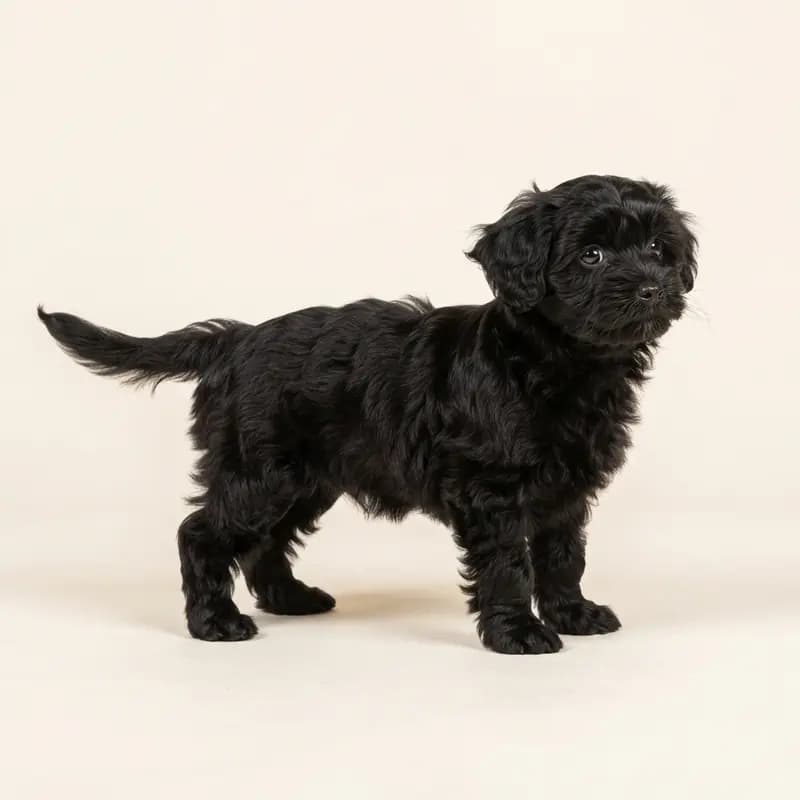
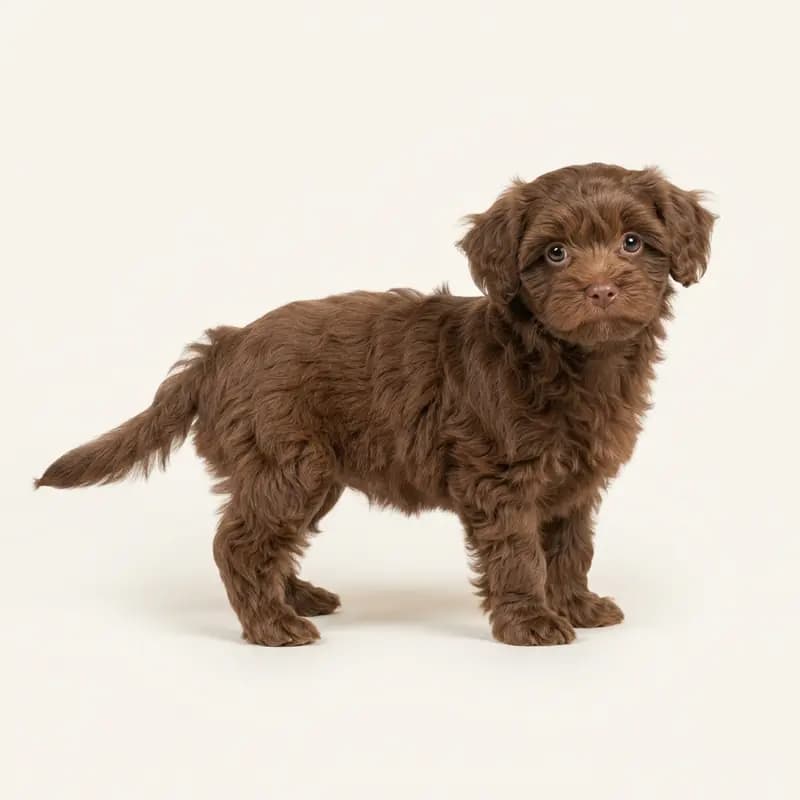
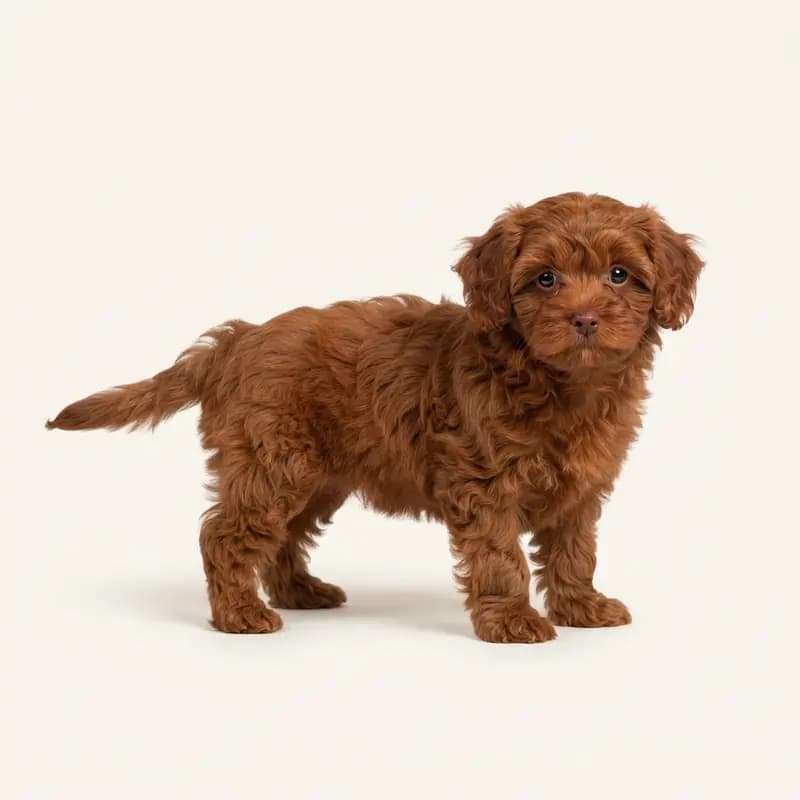
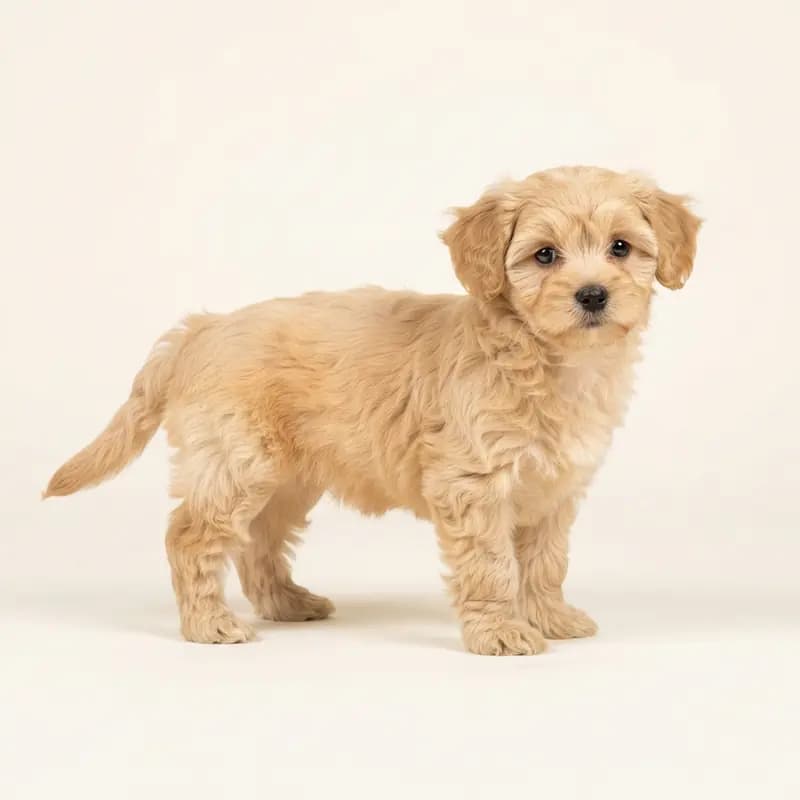
The Bolonka Zwetna comes in these colors: Black, Brown, Red, Fawn, Cream, Gold, Sable, Brindle, Grey, Silver, Black and tan, Brown and tan.
Showcase your kennel on HonestDog and reach families searching for a responsibly bred Bolonka Zwetna.