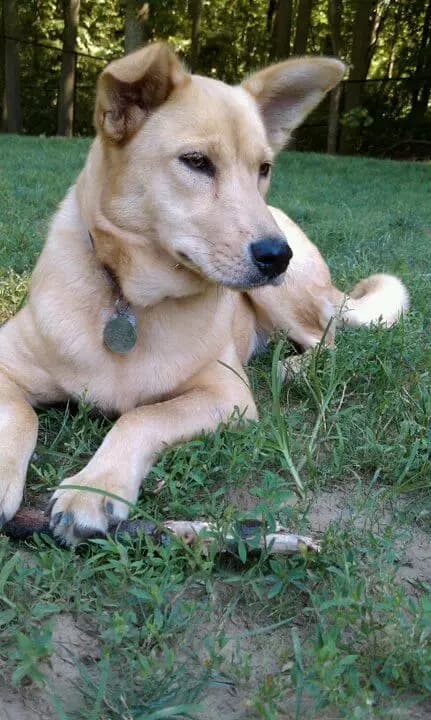
Carolina DogSame FCI section
The Canaan Dog is a highly intelligent, responsive, and primitive guardian—shaped by thousands of years of natural selection in the desert, where constant vigilance and suspicion toward strangers were essential for survival.
How the health grade is calculated
Sources for required breeding screenings. Deutscher Club für Nordische Hunde e.V. (DCNH) · Deutscher Club für Nordische Hunde e.V. (DCNH)
Self-check
Answer 6 quick questions about your everyday life and see how well the Canaan Dog fits you — including an honest cost estimate per month, per year, and across the dog's lifetime.




At a glance
The essentials — key facts, traits, and health priorities — before you dive deeper.
Lifespan
12–15 yrs
Shoulder height
50–60 cm
Weight
18–27 kg
Practical
Temperament
Daily life
What matters most
Especially with a Canaan Dog, choosing the right breeder is the single most important decision you'll make. Serious breeders consistently test the parents for inherited conditions, prioritize healthy early socialization, and stay accountable long after handover. A cheap puppy without health screening tends to become the most expensive dog later on.
See HonestDog breeder standards →Colors & coat
The coat colors that occur in the Canaan Dog — including which ones fall outside the breed standard and which carry genetic risk.
Eye colors
 Brown
Coat type
 Illustrative image
Short
 Illustrative image
Medium
 Double coat
The real vibes check
A Canaan Dog is like a radar outpost in the desert: he registers everything, assesses danger in milliseconds, and acts with complete independence. You aren't buying a dog that follows orders, but a highly sensitive survivalist who will only grant you his loyalty once you prove yourself as a confident partner. If you respect this wild, primitive nature, he will never leave your side.
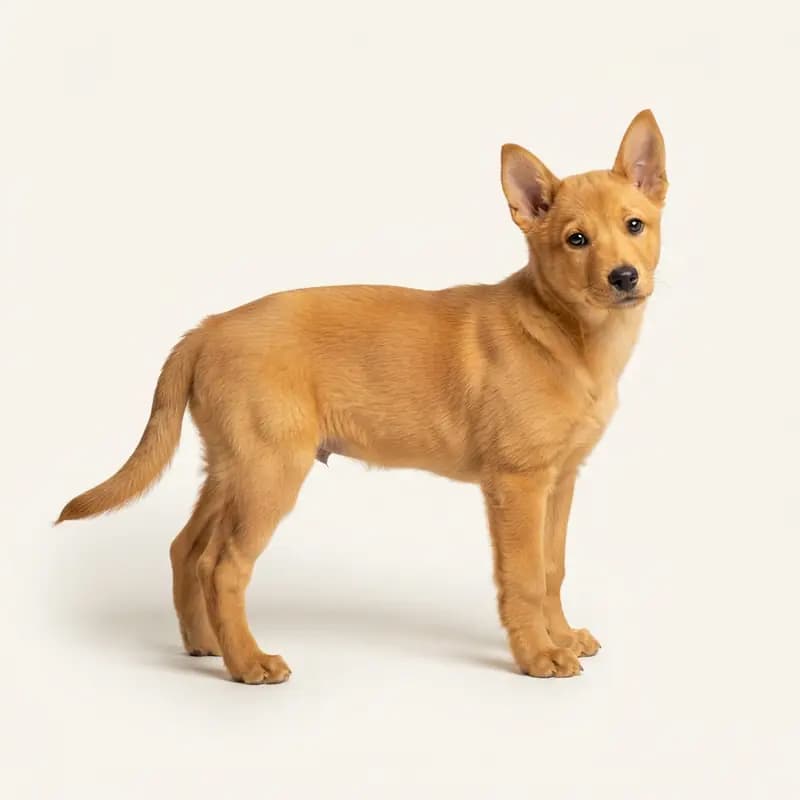
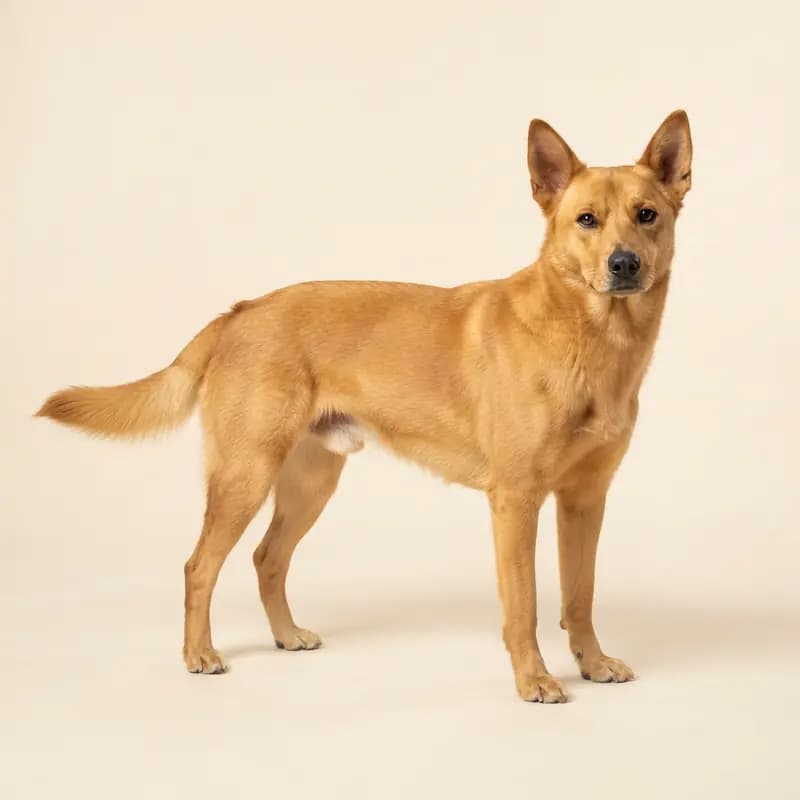
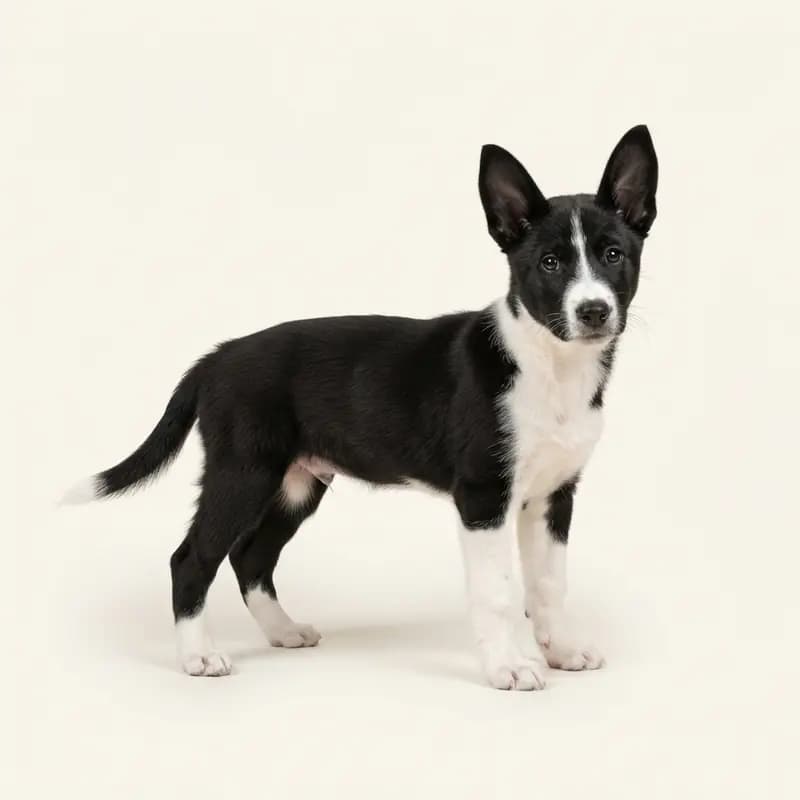
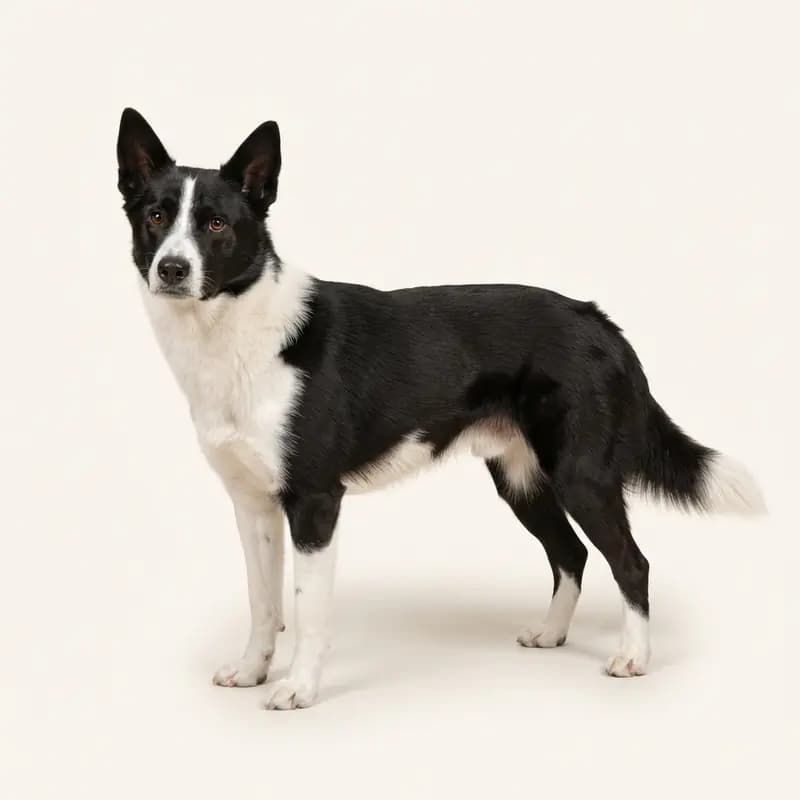
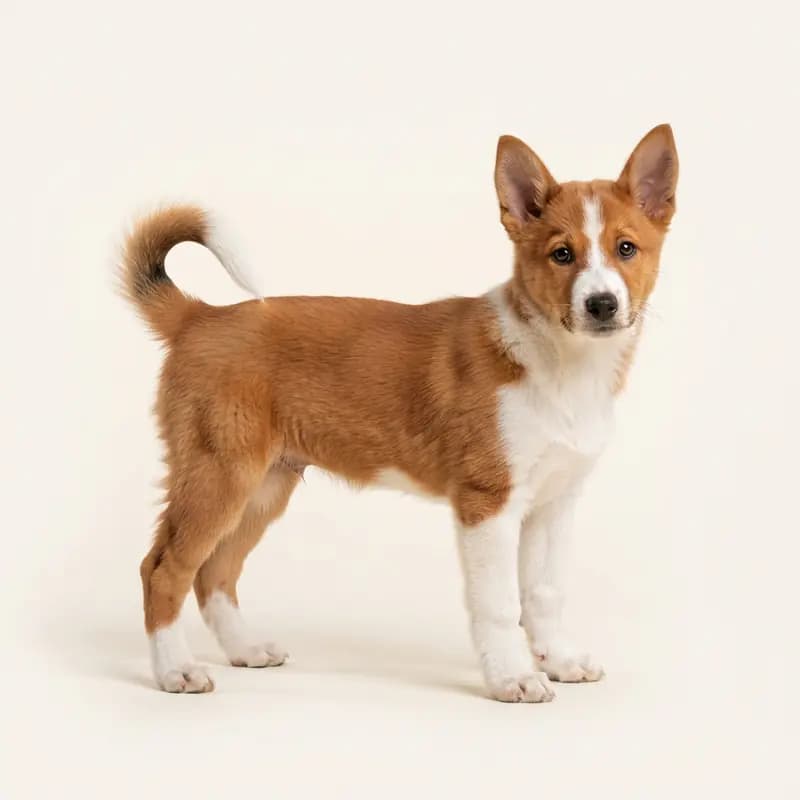
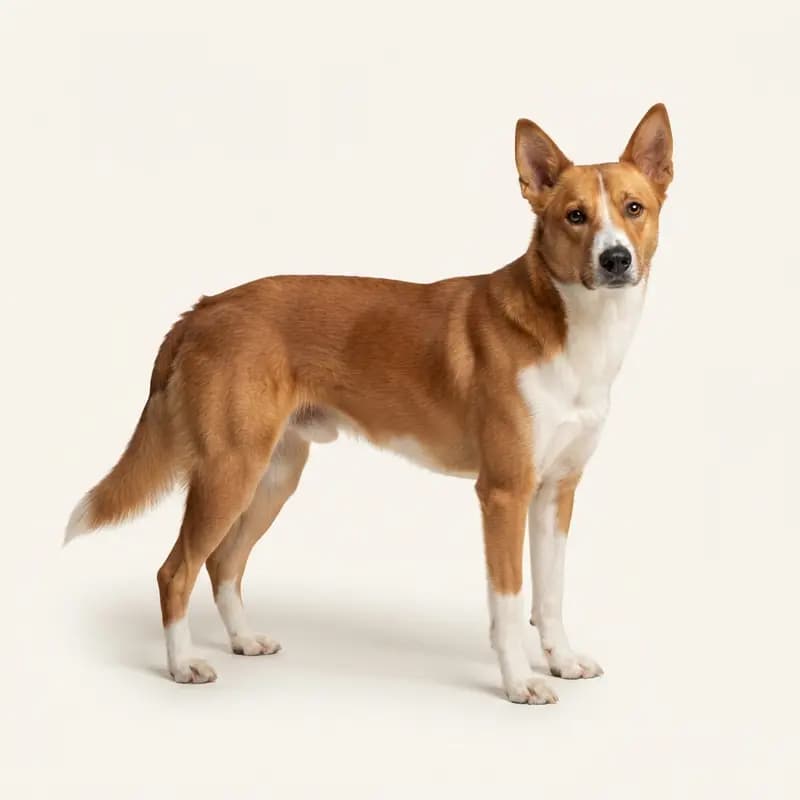
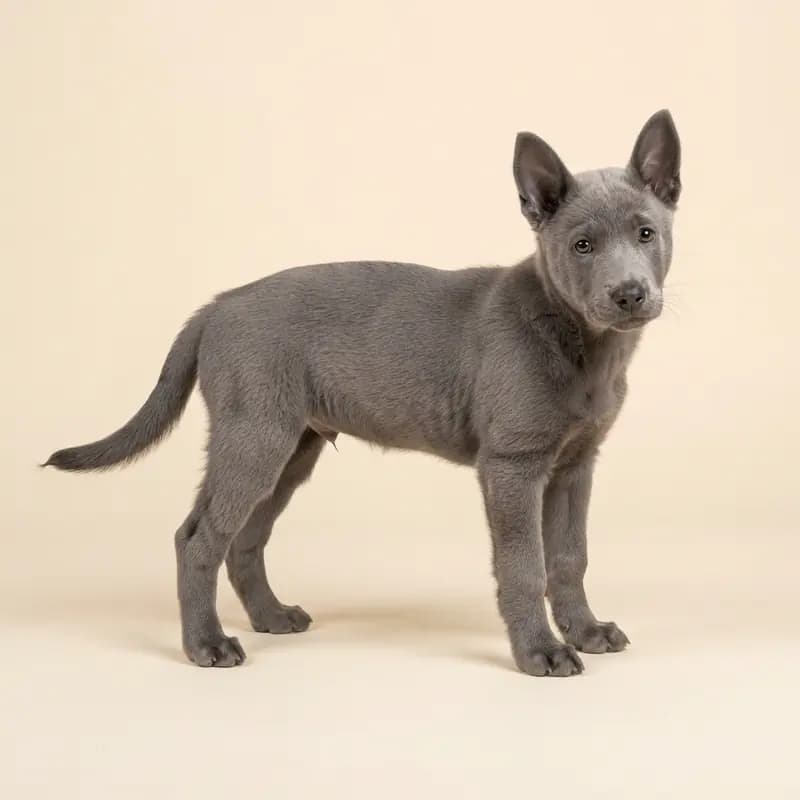
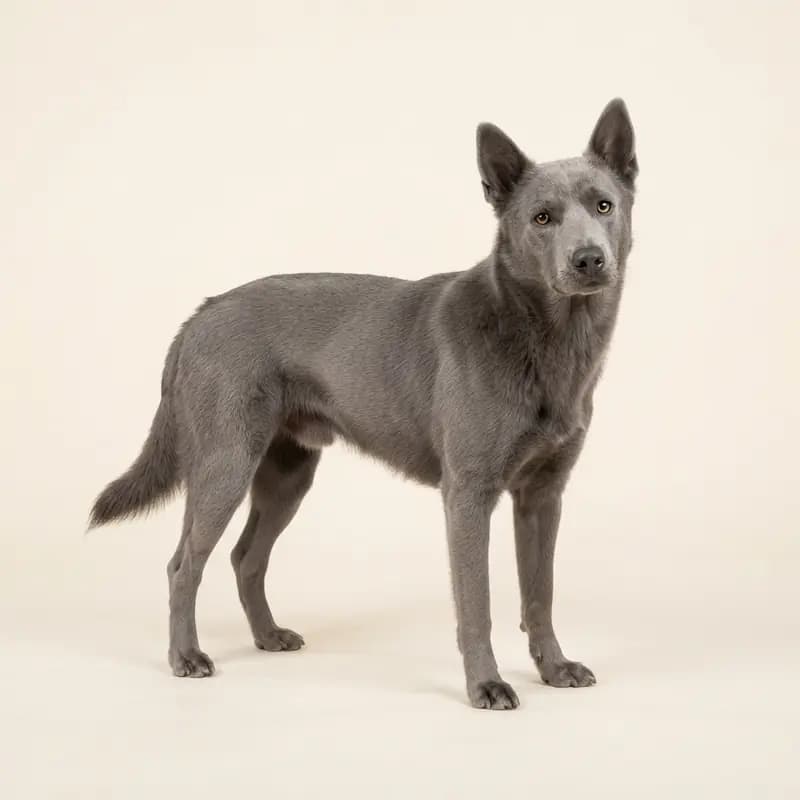
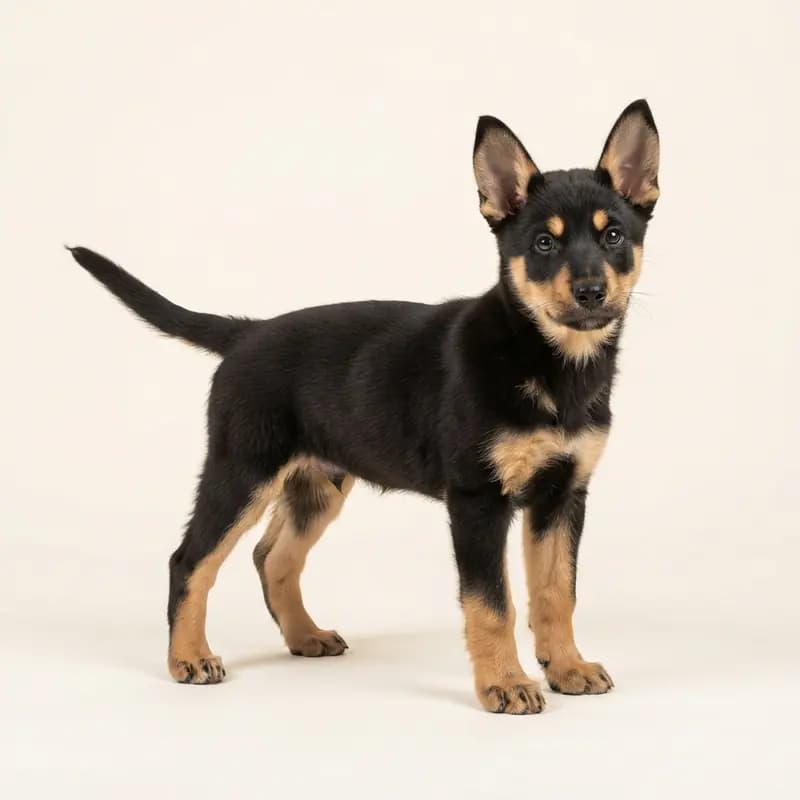
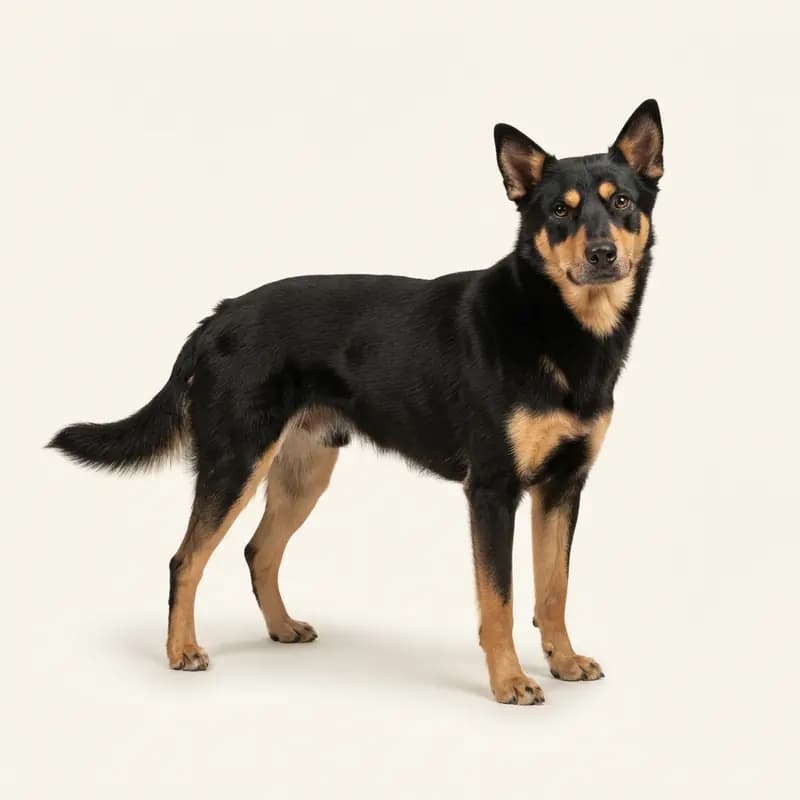
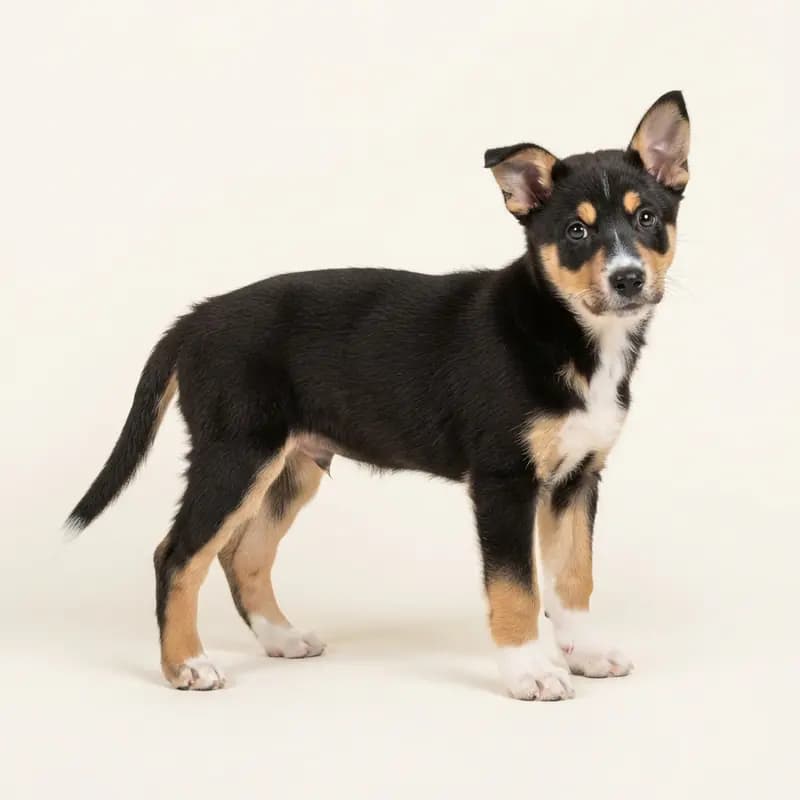
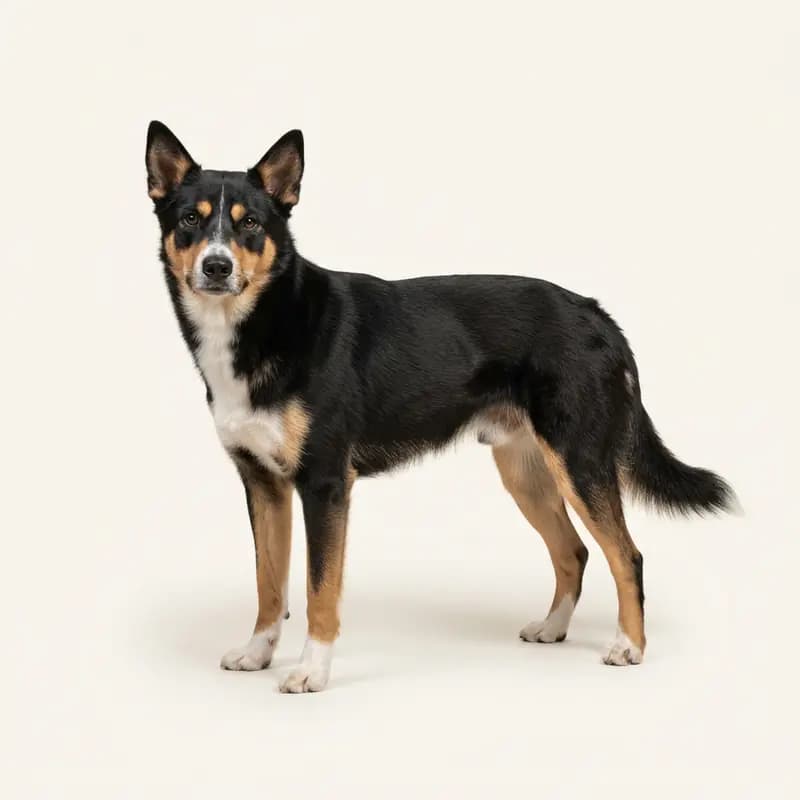
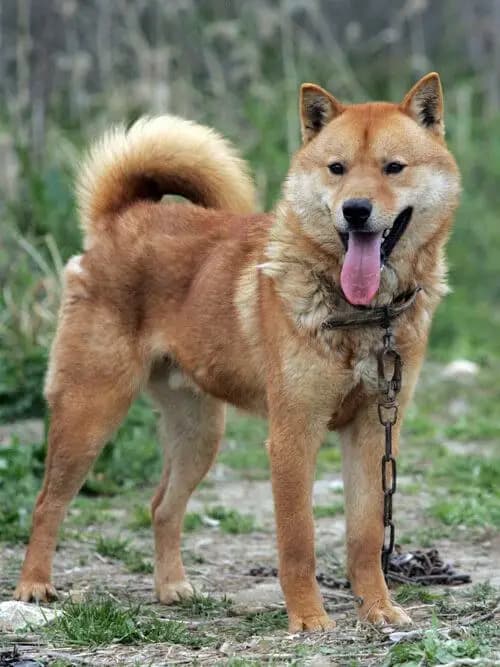
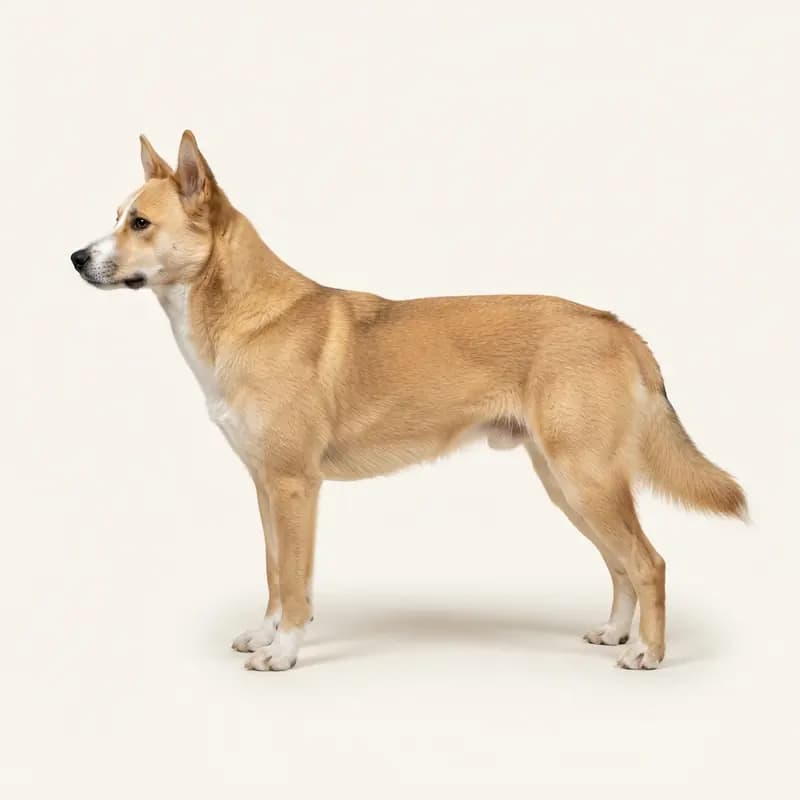
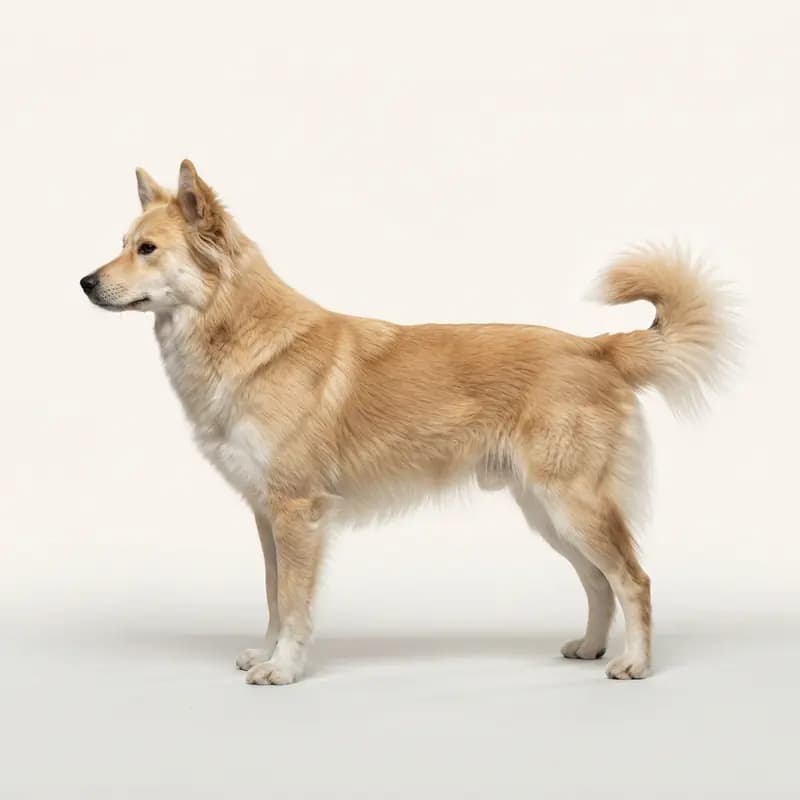
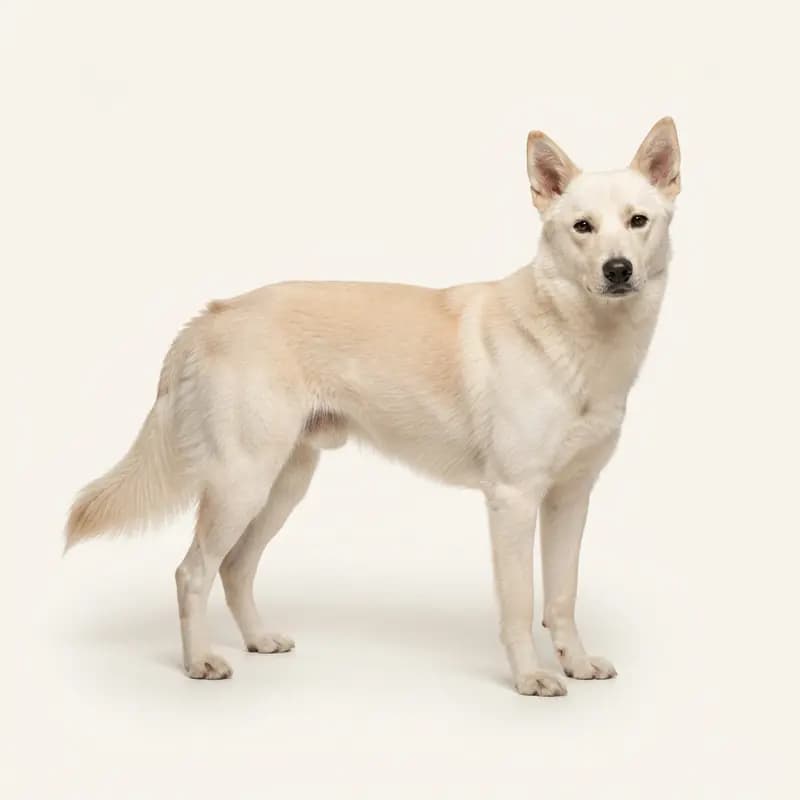
The Canaan Dog, also known as the Canaanhund, is a graceful and well-proportioned breed with a wedge-shaped head, straight legs, and a bushy tail that is often carried over its back. This breed has almond-shaped, dark eyes that convey expressiveness and intelligence. Their ears are medium sized and erect. The coat is short to medium long, dense and has a weatherproof undercoat. The Canaan dogs belong to FCI Group 5, Section 6 (original type), and are known as herding and guard dogs. They are very versatile and were originally used for herding and guarding livestock. There is no distinction between show and performance lines as the breed has largely retained its original type.
If you are interested in a Canaan Dog, there are a few aspects you should know about the nature and character of this breed. Canaan Dogs are highly intelligent, alert and independent-thinking dogs. This independence can sometimes be interpreted as stubbornness, but they are actually very trainable and adaptable when managed correctly. As herding dogs, they tend to be very territorial and protective of their home and family. This makes them excellent guard dogs, but it also means they can be wary of strangers. That's why it's important to socialize them from a young age. Canaan Dogs are generally calm dogs, but can also be very active and playful, especially when they are young. They are often reserved, but they can form a close bond with their owners and are often very people-oriented. Their independent nature makes it easier for them to stay alone, but as with all dogs, this should be kept in moderation. Another interesting aspect of the Canaan Dog is its hunting instinct. Because they come from an environment where they had to fend for themselves, they often have a strong hunting instinct. It's important to take this into consideration, especially if you live in an area where there is a lot of wildlife. In conclusion, the Canaan Dog is a versatile, intelligent and independent breed that makes an excellent guard dog. He needs early socialization and consistent training to reach his full potential. If you are willing to invest the time and energy required to train and socialize this wonderful dog, you will find that the Canaan Dog can be a loyal and capable partner.
| Watchfulness Strong territorial instinct — may actively confront intruders. | Very high |
| Openness to Strangers Careful around unfamiliar people — thaws slowly. | Cautious |
| Hunting or Herding Drive Powerful instinct that can override recall when triggered. | Strong |
Fun Fact!
Did you know that the Canaan Dog is one of the oldest dog breeds and can trace its roots back to biblical times? He was originally kept by the Bedouins as a guard and herding dog!
Canaan Dogs are considered to be rather original dogs. They are very intelligent and independent. According to owners and breeders, sharing life with a Canaan Dog is different from keeping other dogs. If you want to keep a Canaan Dog, you should take a close look at the special features of this type of dog before purchasing it.
Canaan Dogs are more suitable for living in the country or in a house with a garden than for keeping in the city. They have a natural alertness and enjoy being active. They generally get along well with children, but it is advisable to instruct children on how to treat dogs respectfully. They are cautious around other pets, but can do well with early socialization.
Loves family life and thrives in a group.
Gets on well with children — with adult supervision.
Usually gets on fine with other dogs.
City-appropriate with enough exercise and stimulation.
Owning a dog is a privilege, but it's also a real responsibility. Before you bring one into your life, be honest with yourself about the commitment it takes.
Canaan Dogs are intelligent and willing to learn, but they can also have an independent nature. It's important to start training early and take a positive, consistent approach. Canaan Dogs need regular exercise, but they are not ball junkies. It is better to keep them busy with varied activities such as walks, sniffing games and agility. Because Canaan Dogs have natural alertness, it is important to socialize them early and teach them how to respond appropriately in different situations. Learning impulse control and frustration tolerance is also important for a well-balanced dog.
Canaan Dogs are not particularly picky about their diet, but it is always good to give them a balanced meal that contains all the necessary nutrients. Fresh water should always be available. When it comes to care, Canaan Dogs are pretty straightforward. They have a dense undercoat and a short to medium-length top coat that protects them from extreme temperatures. In Germany they get along well with the climate. They shed moderately, so regular brushing is recommended to keep their coat in good condition.
| Care Level Minimal effort — occasional brushing and bathing. | Low-maintenance |
| Exercise Needs Needs several hours of serious exercise every day. | Very active |
| Shedding Hair everywhere, always — no white clothing survives. | Very heavy |
| Trainability Has its own ideas and will test limits. | Strong-willed |
Our experts are still reviewing this information. Spotted something wrong? Email us at info@honestdog.de.
Solid
Health grade
In the Canaan Dog, hip dysplasia (HD) and the neurological condition degenerative myelopathy primarily play a role in long-term health. The Deutscher Club für Nordische Hunde e.V. (DCNH) therefore mandates radiographic examinations for hip dysplasia (HD) as well as genetic testing for degenerative myelopathy. A responsible breeder also checks the parent animals for elbow dysplasia (ED), patellar luxation (PL), and hypothyroidism. Ask to see the official test results before purchasing a puppy: for degenerative myelopathy, carriers may only be mated with proven clear partners, and for the hips, the result should be in the range of HD A to C.
Grade is relative to other breeds — AI-assisted and editorially reviewed.
Methodology and data: HonestDog Dog Breed Health Report 2026
What matters most for this breed
Tap any item to see details.
By ensuring joint-friendly development during puppyhood and scheduling regular veterinary check-ups for his eyes and thyroid, you lay the foundation for a long, active life.
Responsible breeders test for degenerative myelopathy and hip dysplasia (HD), and voluntarily check for elbow dysplasia (ED), patellar luxation (PL), and hypothyroidism.
Note: This health overview is AI-assisted and editorially reviewed. It is for orientation only and does not replace veterinary advice.
What matters most for this breed — what's common, how much it affects the dog's life, and how to protect yourself as a buyer.
Tap a body region to see the inherited conditions linked to it.
The three most important risks
Pick a region on the map to explore other areas.
Tier 1 is the core standard: the tests Deutscher Club für Nordische Hunde e.V. (DCNH) requires, plus further tests from the recommended health standard for this breed. Tiers 2 and 3 show how responsible breeders go beyond.
Core standard. Tests marked “Club standard” are required by Deutscher Club für Nordische Hunde e.V. (DCNH) for breeding approval; the others are part of the recommended health standard for this breed. Ask any reputable breeder for the results.
Note: This health overview is AI-assisted and editorially reviewed. It is for orientation only and does not replace veterinary advice.
A Canaan Dog costs around ~€180 per month (€90 – €330, depending on your setup). The first year adds up to roughly ~€4,720 including purchase, equipment and puppy school; across the dog's life (13.5 years) it comes to about ~€31,400.
With surgery cover, running costs come to about ~€170 per month — in return, your share of a major operation drops from several thousand euros to around 20 percent.
Per month
~€180
In the first year
~€4,720
Across the dog's life
~€31,400
Estimated purchase price from a breeder: €1,000 – €2,500
Estimate at a mid-range setup (suburban, dry food, 1–2 hours of daily exercise), average German prices, as of July 2026.
HonestDog Concierge
We currently have no breeders for this breed who have passed our verification. Create your short buyer profile: we'll set up your search alert, review a possible source and email you within 28 days.

 Illustrative image
 Illustrative image
 Illustrative image
 Illustrative image
The history of the Canaan Dog is fascinating and dates back thousands of years. It comes from the Middle East and is one of the oldest dog breeds in the world. It is believed to have descended from the semi-wild dogs that lived in the biblical region of Canaan. These dogs were used by the Bedouins as guard and herding dogs. The Canaan Dog as we know it today was created in the 1930s by Dr. Rudolphina Menzel, an Austrian cynologist who emigrated to Palestine. She was asked by the Hagana, a Jewish paramilitary organization, to develop a breed that could serve as a service dog for the Hagana. Menzel began collecting and taming semi-wild dogs from the region and specifically bred the most intelligent and versatile dogs. The breed was quickly put to use as guard, search and rescue dogs. The Canaan Dog was recognized as a separate breed by the Fédération Cynologique Internationale (FCI) in 1966. In the 1970s, the first Canaan Dogs were imported to the United States, where they also became popular.
The Canaan Dog was used as a herding and guard dog for Bedouin tribes in the Middle East and is known for its adaptability.
Israel
Antike
Owners describe living with a Canaan Dog as fascinating but fundamentally different from owning a classic companion dog. At home and with their own close group, these dogs are considered very loyal, clean and affectionate, without ever being clingy. They like to be near their people but also value their personal space, and day to day they often come across as independent housemates that simply withdraw when they want to.
At the same time, owners' accounts repeatedly highlight the breed's strong watchdog and territorial instincts. Canaan Dogs notice even the smallest change in their surroundings right away and announce suspicious noises or passersby very loudly. Several owners point out that the breed tends to bark a lot and that a secure, high fence around the yard is a must, since these dogs are very good climbers and jumpers and have a reputation as real escape artists.
With strangers they are typically reserved to evasive; many simply will not let unfamiliar people touch them and skillfully dodge any attempt. On walks, meeting other dogs isn't always easy: some stay neutral, but quite a few react with real intolerance or snappishness toward unfamiliar dogs. Experienced owners therefore usually find life in a busy city apartment a big challenge.
On training, owners consistently report that drilling, mechanical repetition or harshness get nowhere with this breed. The Canaan Dog has no inborn "will to please." According to owners' practical experience, training success rests almost entirely on deep, mutual trust and working together as partners. Owners describe how you can't simply "order" this dog around; you have to "negotiate" situations with it instead.
In owners' experience, conventional dog training classes also quickly reach their limits with this primitive-type breed. These dogs understand commands in a flash but simply refuse to cooperate as soon as an exercise makes no sense to them or is repeated too often. Instead of pure obedience drills, many owners recommend doing environmental and scent work together, plus varied exploratory walks, to strengthen the bond.
Off-leash time remains an ongoing issue in daily life. Several owners point out that a reliable recall in open country often stays wishful thinking. Because of the breed's strong independence, its constant readiness to react to movement and its instinctive prey drive, many owners choose to keep their dogs on a long line whenever they are in unfenced areas.
Sources:spitzville.dewelpen.vdh.dedcnh.dereddit.commit-tier.de
Owners' reports on health and care paint a picture of a very robust, natural primitive dog. In practice, the breed is considered remarkably tough, unbothered by weather and free of the exaggerated features common in modern breeds. Many are also easy, frugal eaters.
Owners generally describe coat care as low-effort, since dirt usually falls off on its own. They do warn about shedding season, though: twice a year the dense undercoat comes out in huge amounts, which calls for intensive daily brushing.
Experienced owners and breeders see the biggest practical challenge in the breed's rarity and the small worldwide gene pool that comes with it. The breed community also often discusses how sensitive the primitive temperament is: careless breeding choices or poor early socialization can leave Canaan Dogs prone to marked neophobia (fear of the unfamiliar), jumpiness or strong insecurity. According to owners, a carefully chosen environment and a gentle puppyhood with plenty of exposure to new experiences are therefore key.
Paraphrased from real owner reports · translated from German
The Canaan Dog is an active dog that needs plenty of exercise and mental stimulation. Research the temperament, grooming needs, and space requirements before deciding.
The average life expectancy of a Canaan Dog is 12-15 years. With proper care and regular vet visits, your dog can live a long, healthy life.
Canaan Dog grooming requirements include regular brushing, nail trimming, and dental care. HonestDog provides detailed grooming tips for every breed.
The Canaan Dog can be a great family dog. Proper training and socialization are key. HonestDog provides family suitability information for every breed.
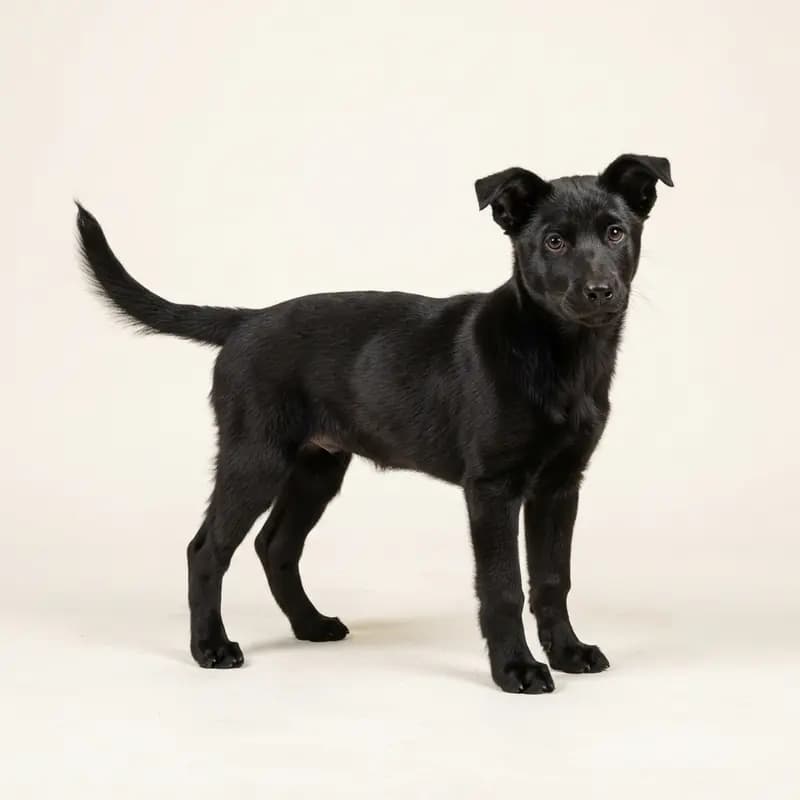
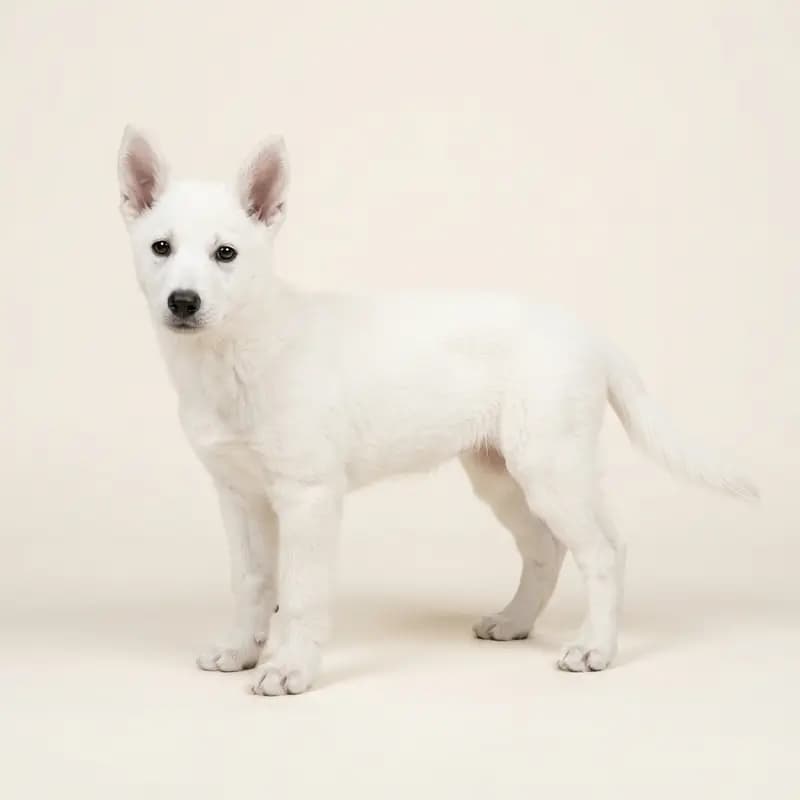
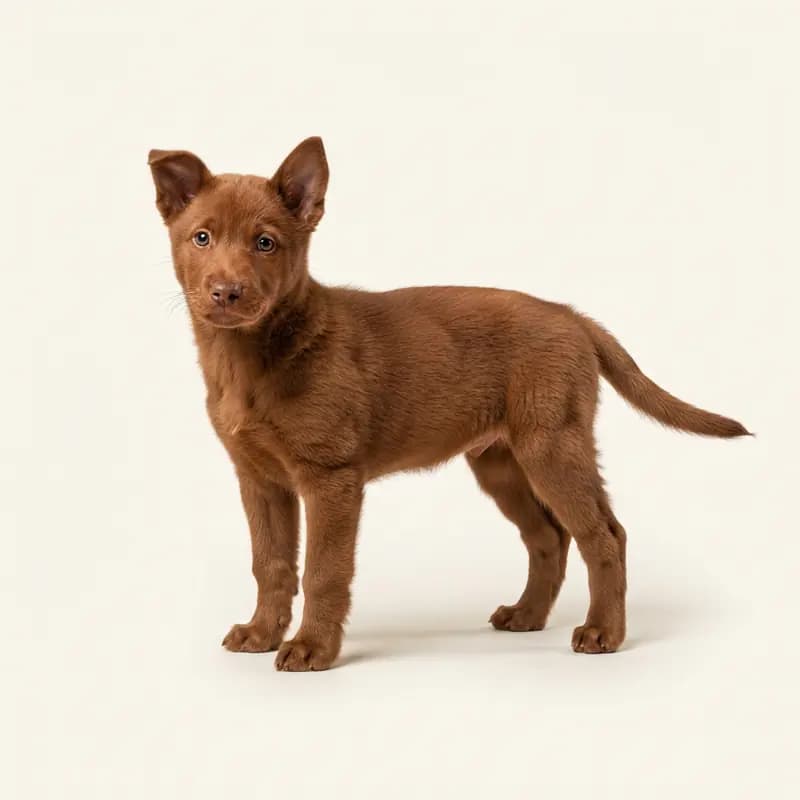
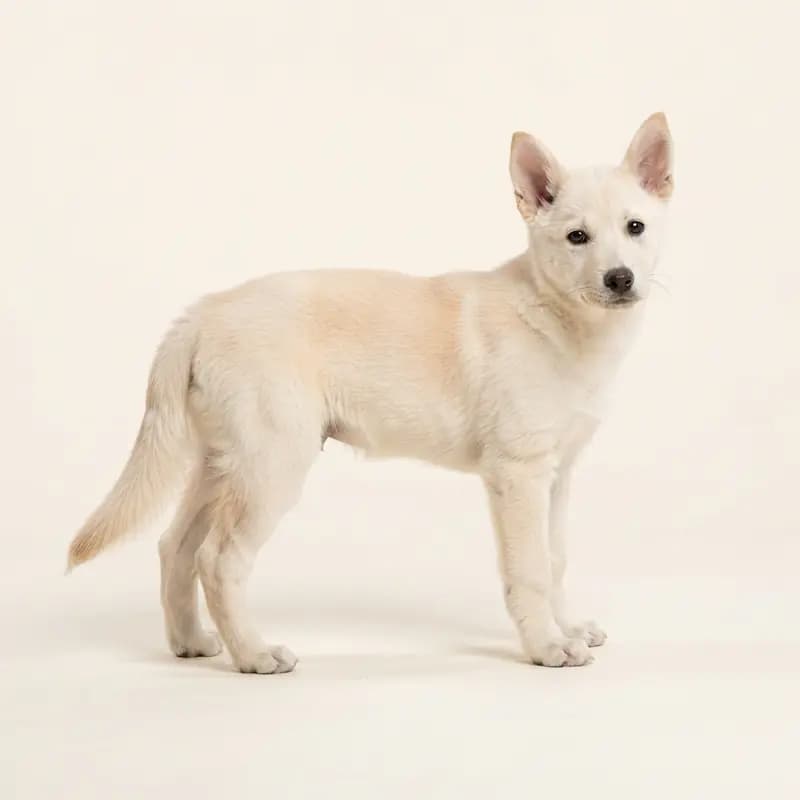
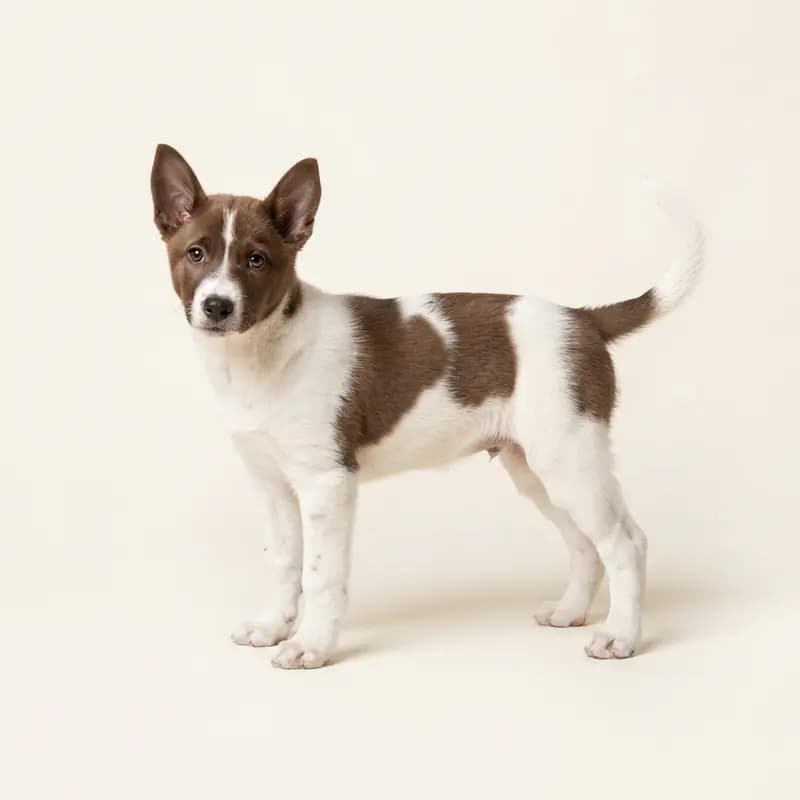
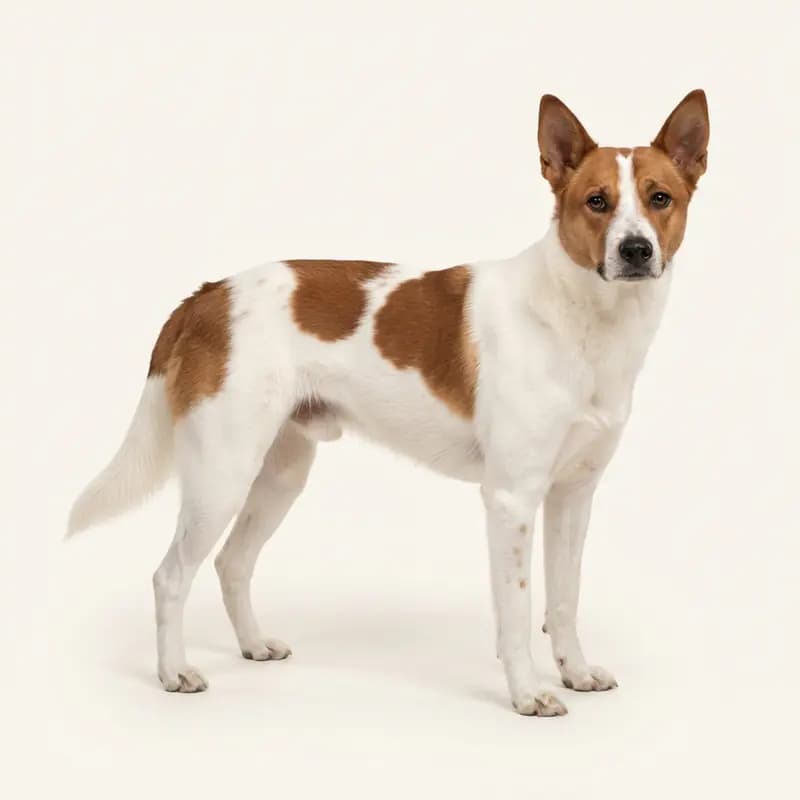
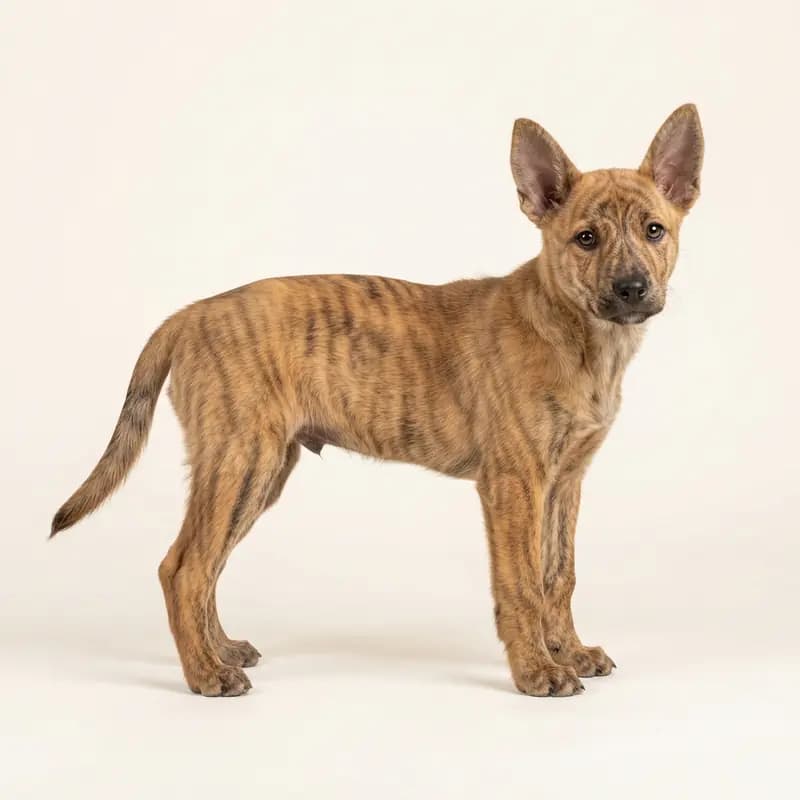
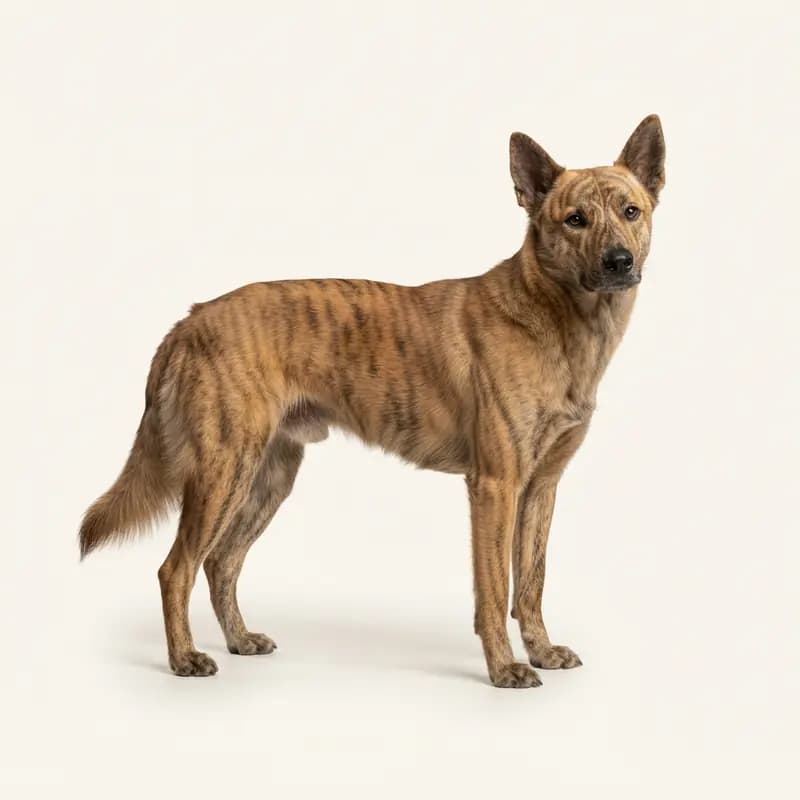
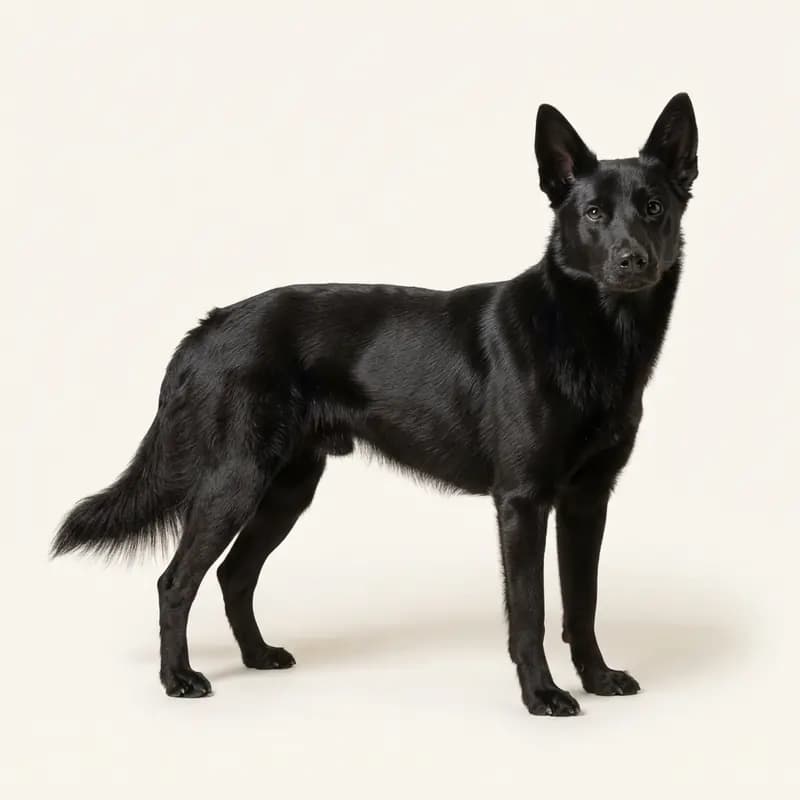
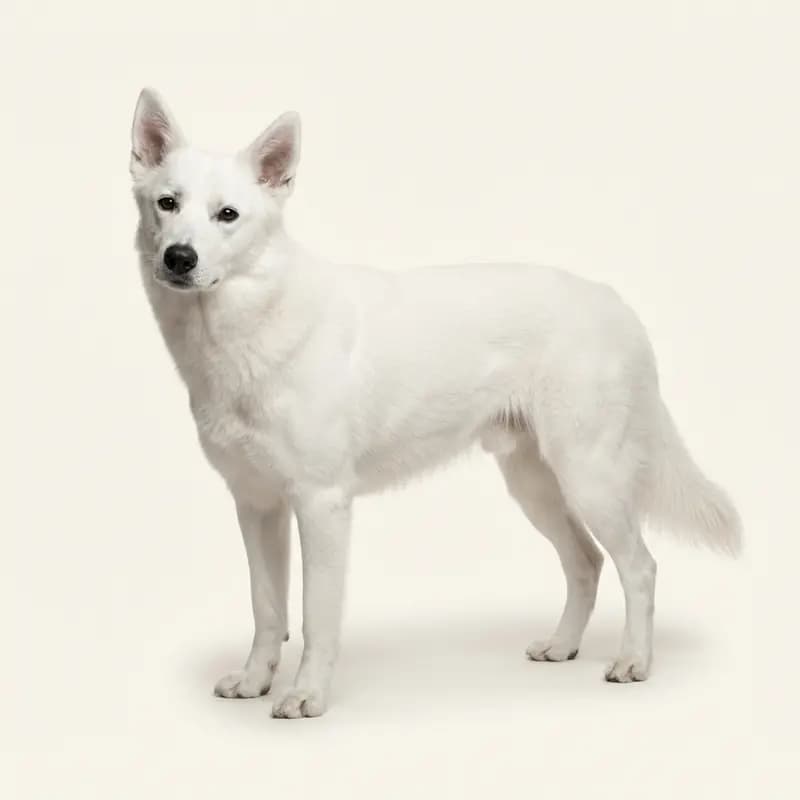
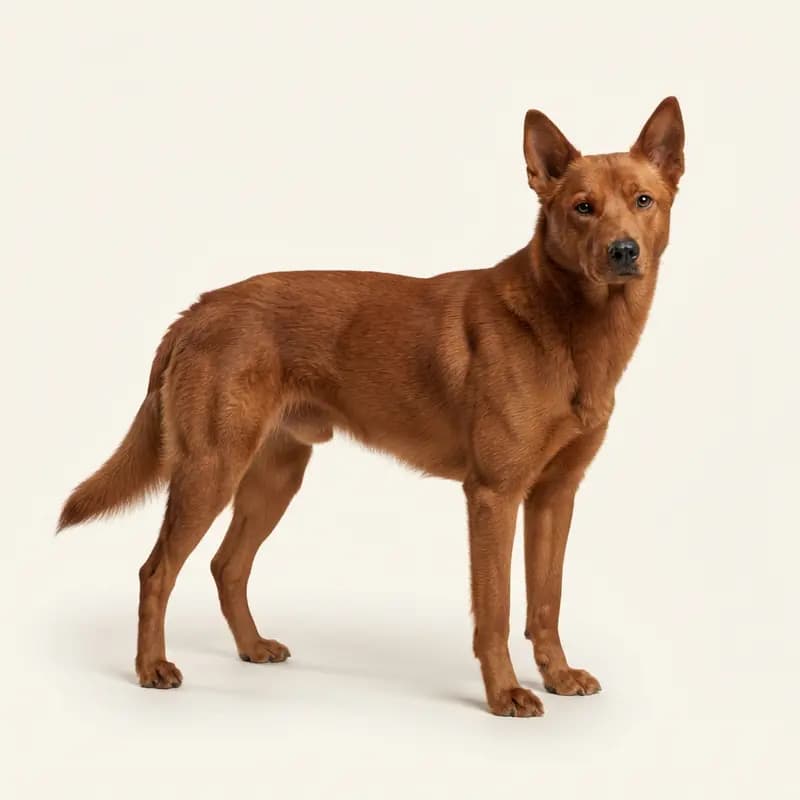
The Canaan Dog comes in these colors: Black, White, Red, Cream, Gold, Piebald, Black and white, Red and white, Grey, Brindle, Black and tan, Tricolor. Colors that fall outside the breed standard are marked as such on the breed page.
Showcase your kennel on HonestDog and reach families searching for a responsibly bred Canaan Dog.