Canaan DogSame FCI section
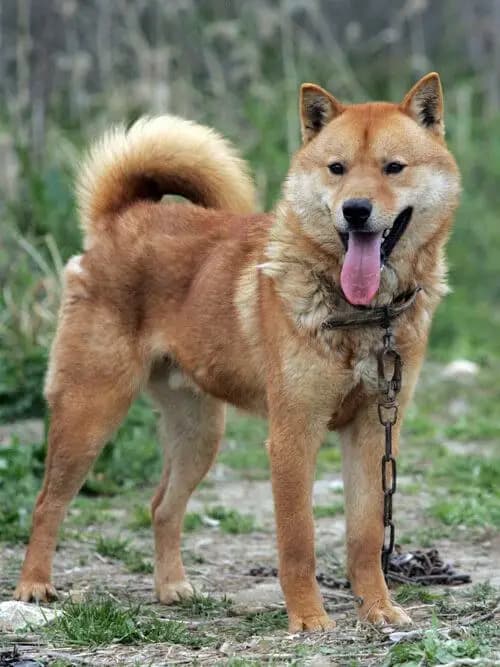
The Carolina Dog is a highly intelligent, extremely family-oriented pariah dog—shaped by natural selection in the swamps of America, which makes it a self-sufficient survivalist. This heritage means absolute loyalty to its pack, but deep suspicion toward anything unfamiliar.
Self-check
Answer 6 quick questions about your everyday life and see how well the Carolina Dog fits you — including an honest cost estimate per month, per year, and across the dog's lifetime.

At a glance
The essentials — key facts, traits, and health priorities — before you dive deeper.
Lifespan
12–15 yrs
Shoulder height
45–61 cm
Weight
15–20 kg
Practical
Temperament
Daily life
What matters most
Especially with a Carolina Dog, choosing the right breeder is the single most important decision you'll make. Serious breeders consistently test the parents for inherited conditions, prioritize healthy early socialization, and stay accountable long after handover. A cheap puppy without health screening tends to become the most expensive dog later on.
See HonestDog breeder standards →Colors & coat
The coat colors that occur in the Carolina Dog — including which ones fall outside the breed standard and which carry genetic risk.
Eye colors
 Brown
 Amber
Coat type
 Illustrative image
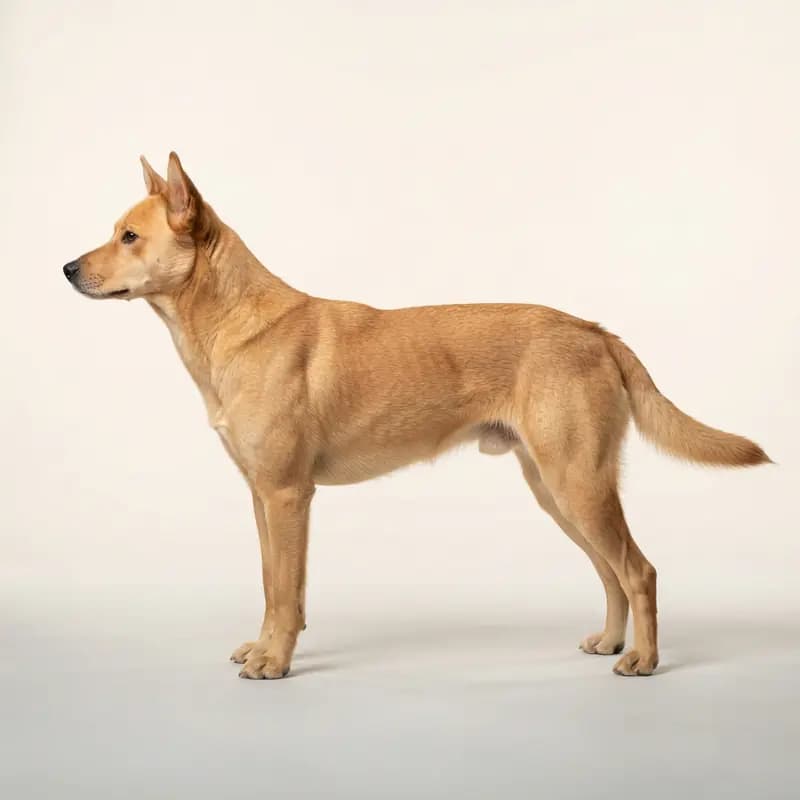
Short
 Illustrative image
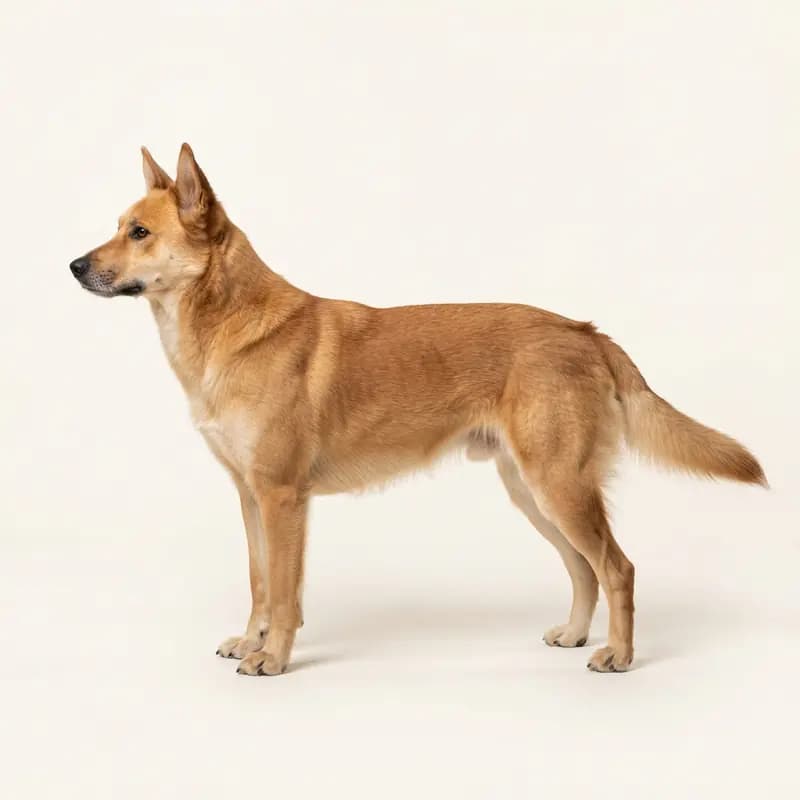
Medium
 Double coat
The real vibes check
A Carolina Dog is not a classic companion dog that wants to please you—it is a wild roommate that decides whether you deserve its trust. If you try to mold it like a Labrador, you will despair; but if you respect its original nature, you will gain a shadow that remains silently and unshakeably by your side.
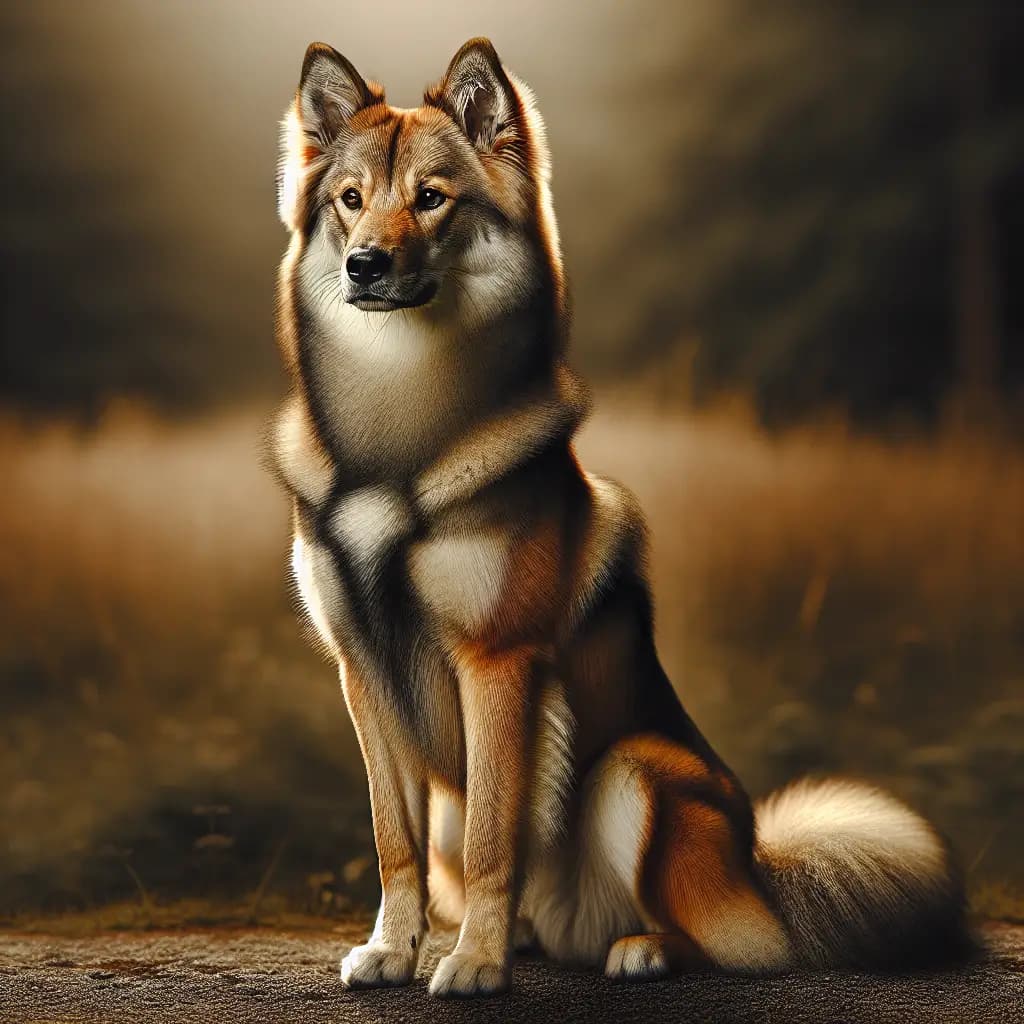
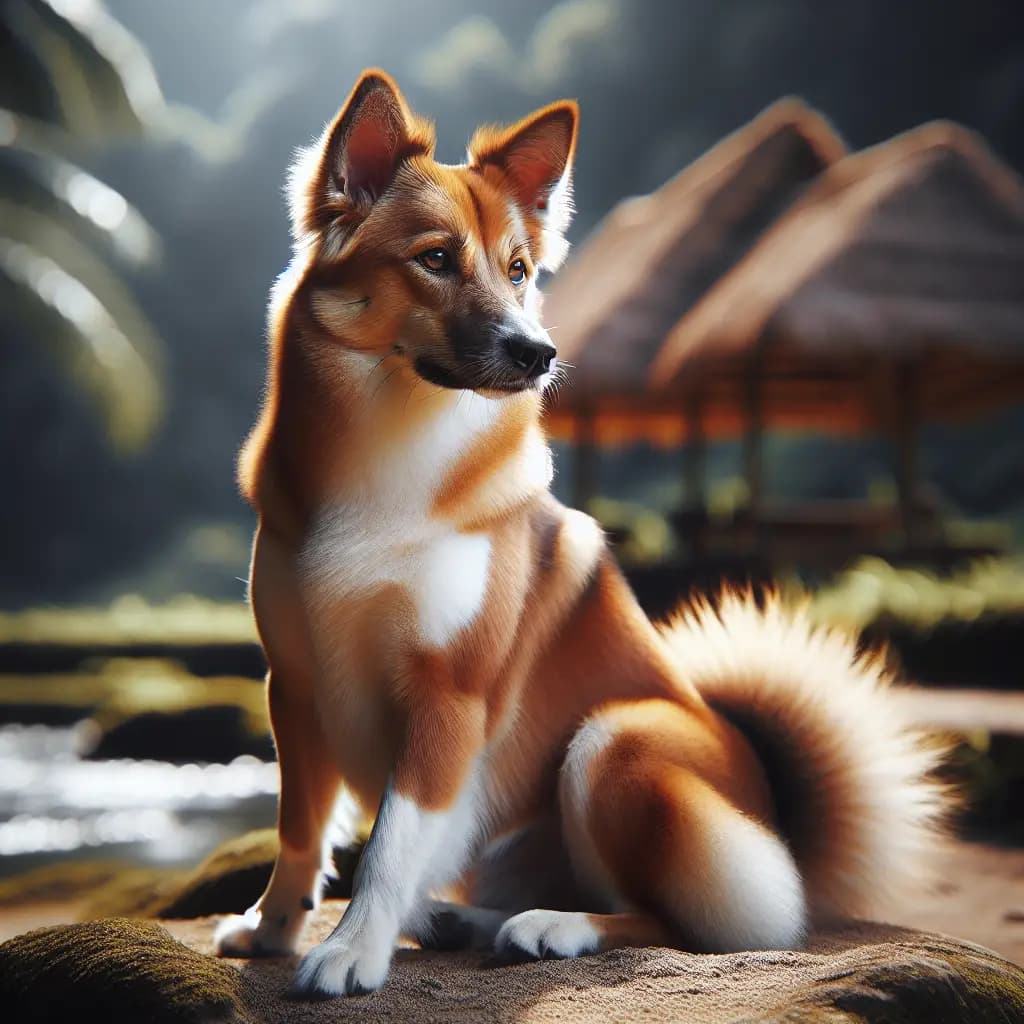
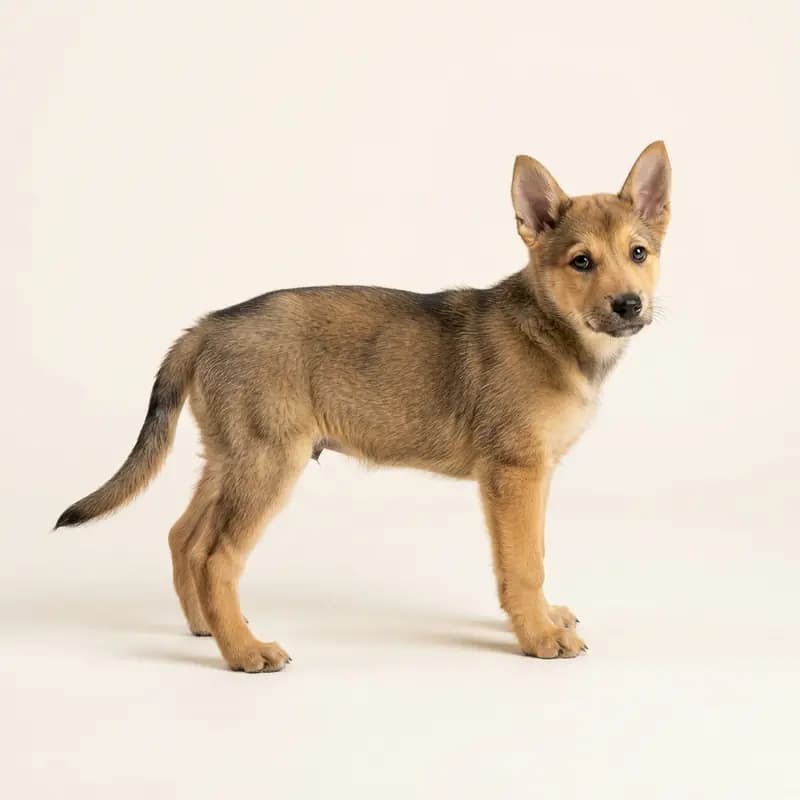
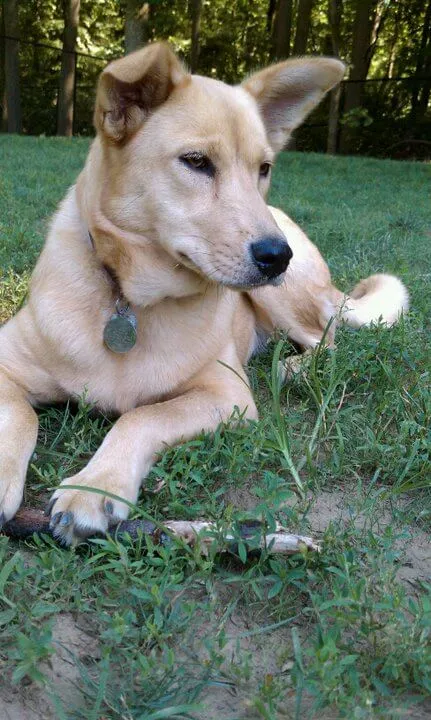
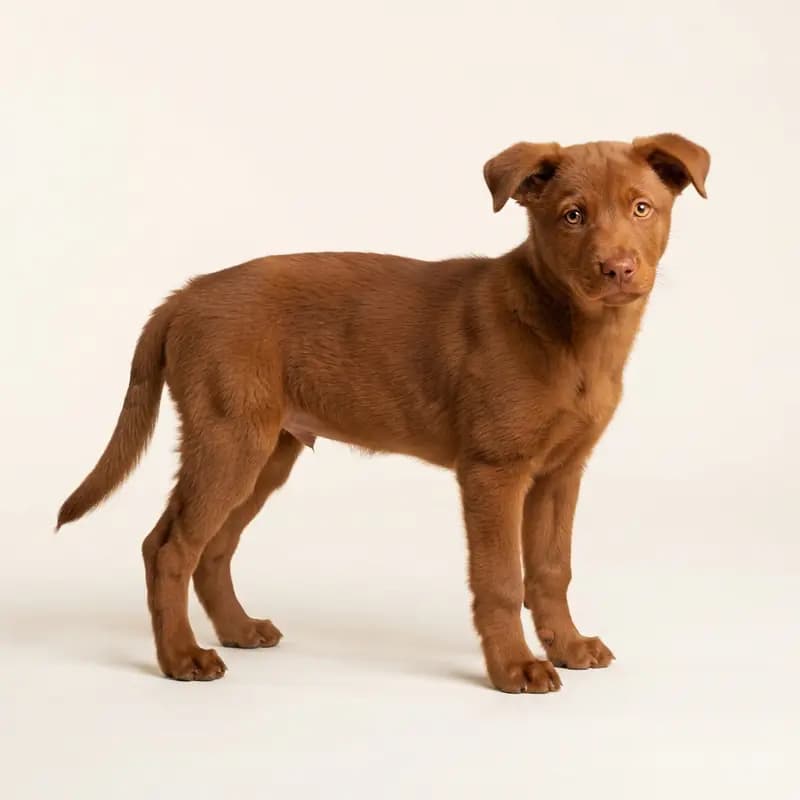
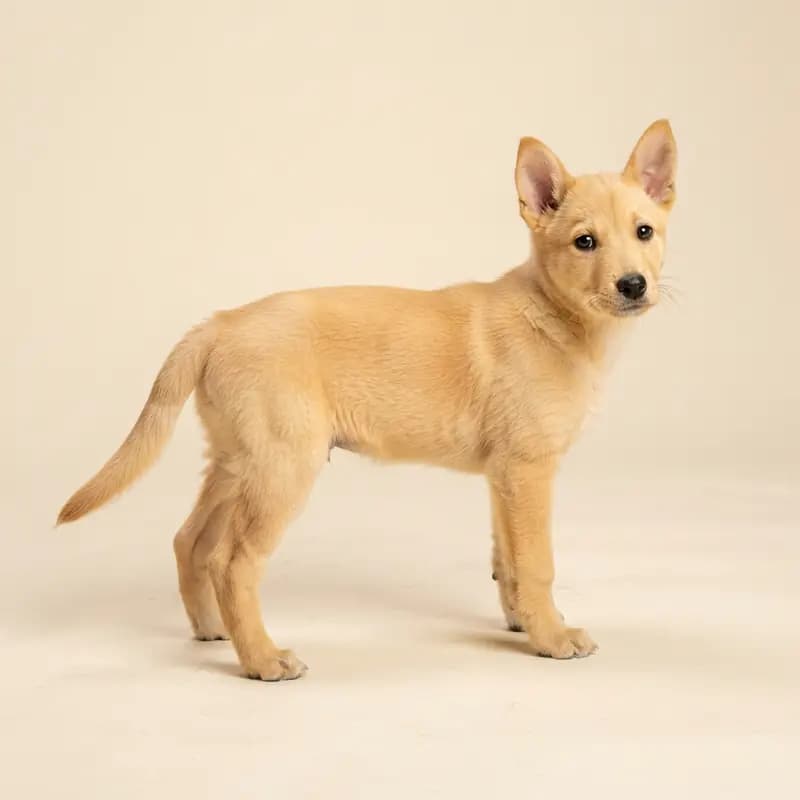
The Carolina Dog, often called the "American Dingo" is one of the dog breeds that are closest to their wild origins. This medium-sized dog breed has a strong, slim and athletic body structure reminiscent of a dingo or pariah dog. The head is wedge-shaped with erect ears and dark-rimmed eyes that give a wise and curious expression. The tail is strong at the base and is often carried in a fishhook shape. The Carolina Dog does not have a specific breeding program for show or performance lines. All Carolina Dogs, whether bred for show, work or as pets, maintain the same general shape and appearance.
The Carolina Dog is a unique breed with a fascinating personality that reflects its wild past. They are intelligent and independent animals with strong adaptability and survivability. While they are cautious and reserved around strangers, they are also very loyal and committed to their human family. Carolina Dogs are hunters and gatherers by nature. Their original life in the wild has made them very active and agile dogs. They are excellent swimmers and diggers and they are known for their natural instinct to hunt foxes and other small animals. Their natural instinct to hunt can be strong, and they may also have the urge to wander out and explore, especially when they are bored or underwhelmed. Although they have a high level of independence, they are not known for being good at staying alone. They tend to be very people-oriented and form strong bonds with their owners. They value the company of their human family and they can suffer from separation anxiety when left alone. They are also not known to be particularly alert or territorial, although they are likely to bark or alert if something unusual happens in their environment. Although they have an independent spirit, Carolina Dogs are intelligent and willing to learn. They respond well to positive reinforcement and can learn a variety of commands and tasks. However, they are not "command robots" and they can be a little stubborn if they don't care about a task or if they don't see how it will benefit them. The Carolina Dog is a breed best suited to active people who spend a lot of time outdoors and who appreciate this breed's independence and natural instincts. They are also good for families as they are known to be very gentle and loving with children. As with any dog breed, it is important to remember that each Carolina Dog is an individual and that their behavior and personality can be influenced by a variety of factors, including their genetics, their environment, their upbringing and their experiences. It's therefore important to spend plenty of time with a potential new canine companion and learn about their personality and needs to ensure that you and your new dog can have a happy and harmonious relationship.
| Watchfulness A natural watchdog with real protective instinct. | High |
| Openness to Strangers Neither pushily friendly nor suspicious. | Neutral |
| Hunting or Herding Drive Powerful instinct that can override recall when triggered. | Strong |
Fun Fact!
The Carolina Dog, also known as the "American Dingo," is one of the few breeds known as "pariah dogs" (also known as "natural" or "primitive" dogs) that have survived in the wild without much human intervention.
Carolina Dogs are generally shy and wary, but once a dog accepts a human into its pack, these behaviors toward humans disappear. The Carolina Dog is medium in size and has the general appearance of a jackal or wolf.
Carolina Dogs are very adaptable and can live in both the city and the country as long as they get enough exercise and mental stimulation. They are family-oriented and tend to get along well with children, but as with any dog, interactions between children and dogs should always be supervised. They can also get along well with other dogs and pets, especially if they are introduced to it from a young age.
Loves family life and thrives in a group.
Gets on well with children — with adult supervision.
Usually gets on fine with other dogs.
City-appropriate with enough exercise and stimulation.
Owning a dog is a privilege, but it's also a real responsibility. Before you bring one into your life, be honest with yourself about the commitment it takes.
Carolina Dogs are intelligent and eager to learn, but they also have an independent streak that can sometimes make training challenging. Positive reinforcement and reward-based training methods work best with this breed. Due to their wild background, they have a strong hunting instinct and can quickly become "ball junkies" if they are encouraged to do so. Therefore, it is important to find a good balance when playing and training and to teach the dog how to express his hunting instincts in a healthy and controlled way. It's also important to give them alternatives to hunting, such as nose work or agility. Because they have a natural alertness, they should be introduced to different people, places and situations from an early age to ensure they are well socialized and balanced.
Carolina Dogs are active dogs that require a nutrient-dense, balanced diet to support their energy and health. High-quality dog food that has meat as the main ingredient and is low in fillers and artificial ingredients is the best choice. Specific nutrient needs can vary depending on age, activity level and health status, so it is advisable to speak to a veterinarian or qualified nutritionist to determine your dog's individual nutritional needs. Carolina Dogs have a short to medium length coat with an undercoat that becomes thin in the summer and thicker in the winter. They shed moderately and require regular brushing to remove dead hair and keep the coat clean and healthy. They can adapt well to the climate in Germany, even though they come from warmer areas.
| Care Level Minimal effort — occasional brushing and bathing. | Low-maintenance |
| Exercise Needs Needs several hours of serious exercise every day. | Very active |
| Shedding Hair everywhere, always — no white clothing survives. | Very heavy |
| Trainability Bred to make decisions without human direction. | Very independent |
Our experts are still reviewing this information. Spotted something wrong? Email us at info@honestdog.de.
Very robust
Health grade
The Carolina Dog is considered an exceptionally healthy breed, yet orthopedic issues such as hip dysplasia (HD), elbow dysplasia (ED), and patellar luxation (PL) can still occur. A health-oriented breeder therefore has their breeding animals X-rayed and examined for these joint disorders. Before buying, you should ask to see the relevant certificates: make sure that the parent animals have been evaluated as HD A–B for hip dysplasia (HD), ED 0 for elbow dysplasia (ED), and PL 0 for patellar luxation (PL).
Grade is relative to other breeds — AI-assisted and editorially reviewed.
Methodology and data: HonestDog Dog Breed Health Report 2026
With joint-friendly rearing during the first year of life and regular check-ups, these highly active dogs usually remain fit well into old age.
Reputable breeders have the hips, elbows, and eyes of the parent animals tested and specifically rule out neurological conditions to reduce risks in the lineage.
Note: This health overview is AI-assisted and editorially reviewed. It is for orientation only and does not replace veterinary advice.
What matters most for this breed — what's common, how much it affects the dog's life, and how to protect yourself as a buyer.
Tap a body region to see the inherited conditions linked to it.
The three most important risks
Pick a region on the map to explore other areas.
We sort tests into three tiers — from the core standard to a fully exemplary program.
Recommended standard. These tests make up the recommended health standard for this breed — the baseline of any careful breeding program. Ask any reputable breeder for the results.
No entries in this tier.
No entries in this tier.
Note: This health overview is AI-assisted and editorially reviewed. It is for orientation only and does not replace veterinary advice.
A Carolina Dog costs around ~€170 per month (€90 – €320, depending on your setup). The first year adds up to roughly ~€4,610 including purchase, equipment and puppy school; across the dog's life (13.5 years) it comes to about ~€30,020.
With surgery cover, running costs come to about ~€160 per month — in return, your share of a major operation drops from several thousand euros to around 20 percent.
Per month
~€170
In the first year
~€4,610
Across the dog's life
~€30,020
Estimated purchase price from a breeder: €1,000 – €2,500
Estimate at a mid-range setup (suburban, dry food, 1–2 hours of daily exercise), average German prices, as of July 2026.
HonestDog Concierge
We currently have no breeders for this breed who have passed our verification. Create your short buyer profile: we'll set up your search alert, review a possible source and email you within 28 days.
 Illustrative imageIllustrative image
 Illustrative image
 Illustrative image
Carolina Dogs are one of the oldest dog breeds, and their roots date back to pre-Columbian times in North America. For centuries, they lived largely untouched by humans in the remote swamps and forests of the southeastern United States. They were only discovered and studied in the 1970s by Dr. I. Lehr Brisbin Jr., an ecologist at the Savannah River Ecology Laboratory in South Carolina. Their ancestry has been confirmed through genetic research, and they are now considered one of the few remaining "primitive dogs". The breed was recognized by the United Kennel Club in 1995, and since 2017 it has also been listed by the American Kennel Club in its Foundation Stock Service, a kind of preliminary stage toward full recognition. However, the breed is still relatively unknown and its numbers are limited, meaning that most Carolina Dogs today still live a semi-feral life in the remote areas of southeastern America.
The Carolina Dog is an originally wild dog breed from the USA, which is now kept as a companion dog and is known for its originality.
USA
Antike
Many owners stress the Carolina Dog's strong pack behavior and its close, almost symbiotic bond with its own group. Within the family, the dog is often described as gentle, affectionate and surprisingly calm indoors. The flip side of this close bond, however, is a marked reserve toward strangers. Owners repeatedly report that visitors are first met with skepticism or avoidance, and it takes several relaxed encounters before a new person is accepted.
Being left alone also comes up again and again among owners. Because they are so strongly fixated on their people, many of these dogs tend toward separation stress unless they are gradually and gently used to time alone from an early age. The dog is therefore considered a poor fit for hectic city apartments or households with a constant stream of visitors; most owners find it much more balanced in quieter, rural settings with its own well-fenced yard.
Sources:markt.dereddit.competbook.de
In reports on training, experienced owners highlight the Carolina Dog's quick understanding but also the typical independence of a primitive breed. Carolina Dogs usually learn new cues in a flash but will question the point of repetition when motivation or rewards are missing. Owners consistently describe the breed as very sensitive to pressure, raised voices or harshness; authoritarian methods quickly lead to insecurity or complete withdrawal.
Its deep-rooted prey drive is a major everyday challenge. Many owners describe how squirrels, rabbits or birds trigger instant attention and tension, so reliable off-leash time is only possible with very intensive recall training or in areas with little wildlife. Early socialization in small steps is also described as fundamental, so that the dog's inborn caution about new things doesn't turn into lasting jumpiness.
Sources:reddit.competbook.de
Experiences with dogs kept partly or fully outdoors paint a picture of a very primitive, weatherproof and physically agile dog. Owners often report breed-typical behaviors reminiscent of wild dogs: a strong urge to dig (often "snout pits" in the soil) and impressive jumping ability. To be content, the dog needs regular exercise through long hikes, scent work or exploring together.
Health-wise, many owners describe the Carolina Dog as a robust breed that hardly suffers from the typical overbreeding problems of modern breeds. The coat is easy to care for and often stays clean on its own, but it sheds noticeably during the seasonal coat change. Another point owners regularly mention is the breed's rarity in Europe: many supposed Carolina Dogs are actually mixes, which makes exchanging experiences with other people who know pariah dogs especially valuable for understanding their nature.
Paraphrased from real owner reports · translated from German
The Carolina Dog is an active dog that needs plenty of exercise and mental stimulation. Research the temperament, grooming needs, and space requirements before deciding.
The average life expectancy of a Carolina Dog is 12-15 years. With proper care and regular vet visits, your dog can live a long, healthy life.
Carolina Dog grooming requirements include regular brushing, nail trimming, and dental care. HonestDog provides detailed grooming tips for every breed.
The Carolina Dog can be a great family dog. Proper training and socialization are key. HonestDog provides family suitability information for every breed.
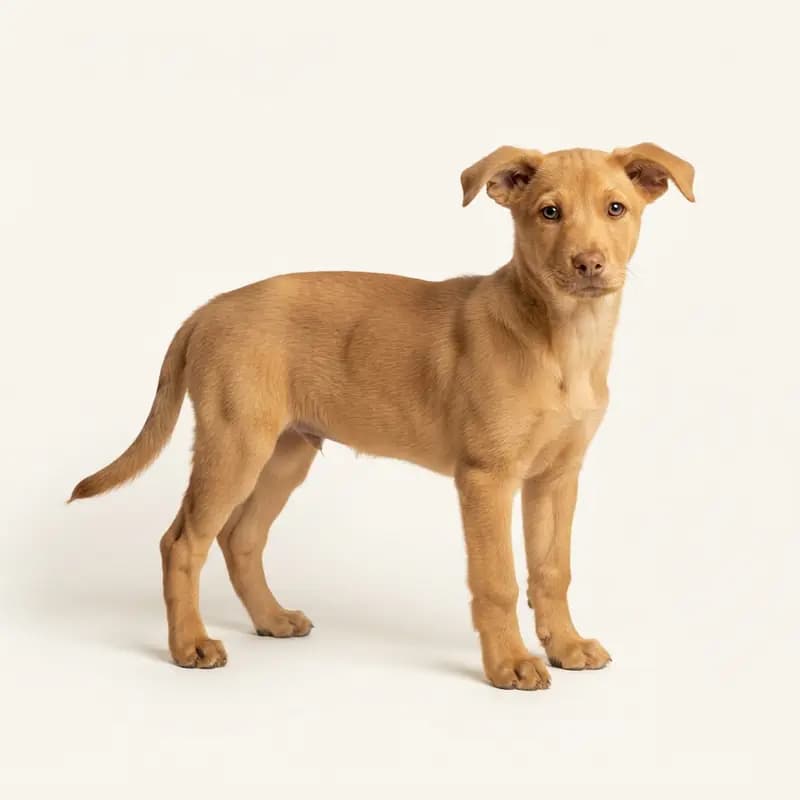
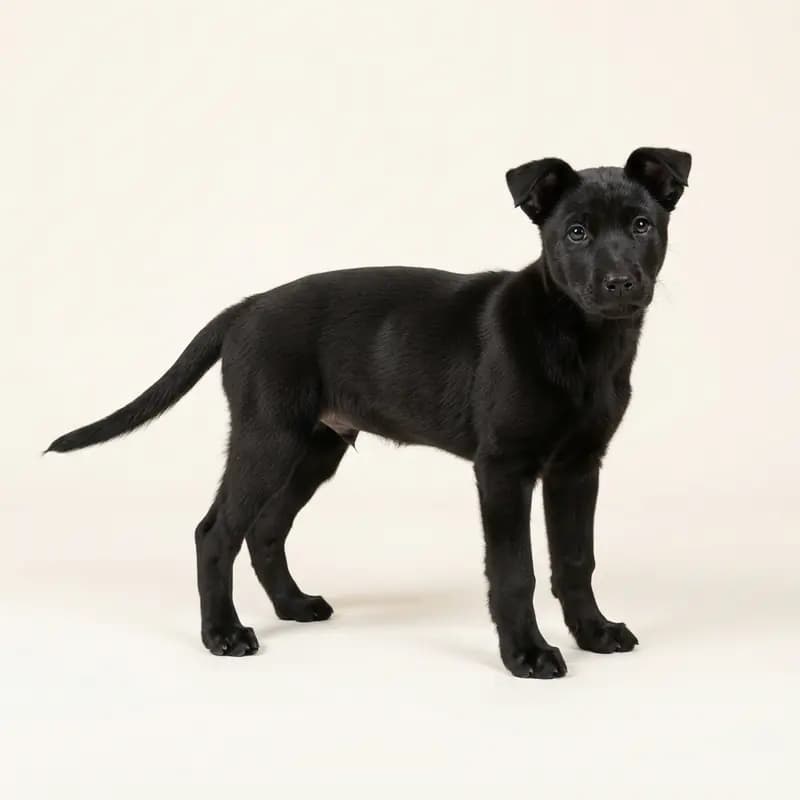
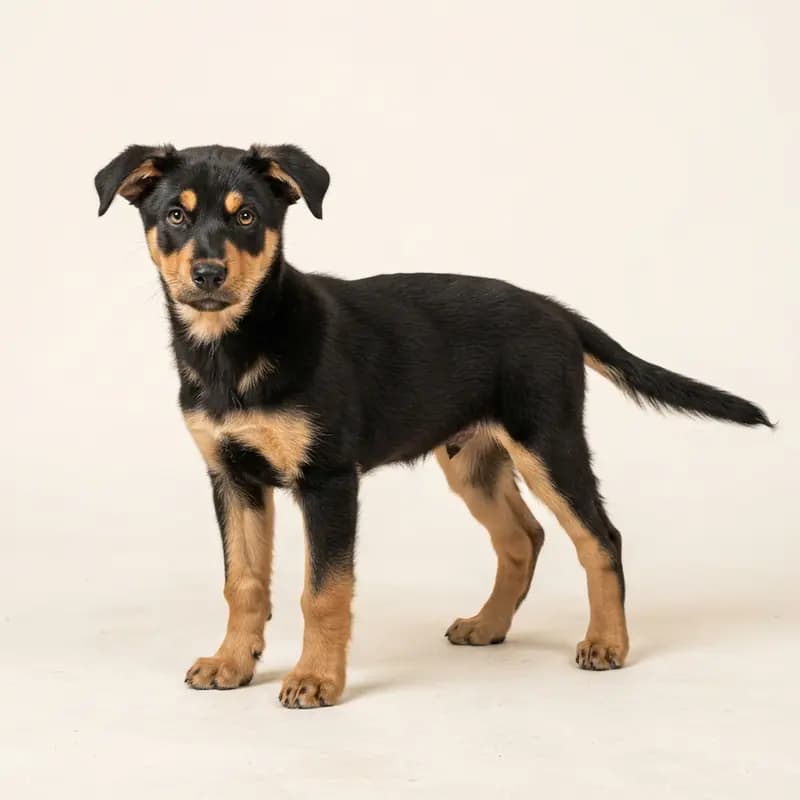
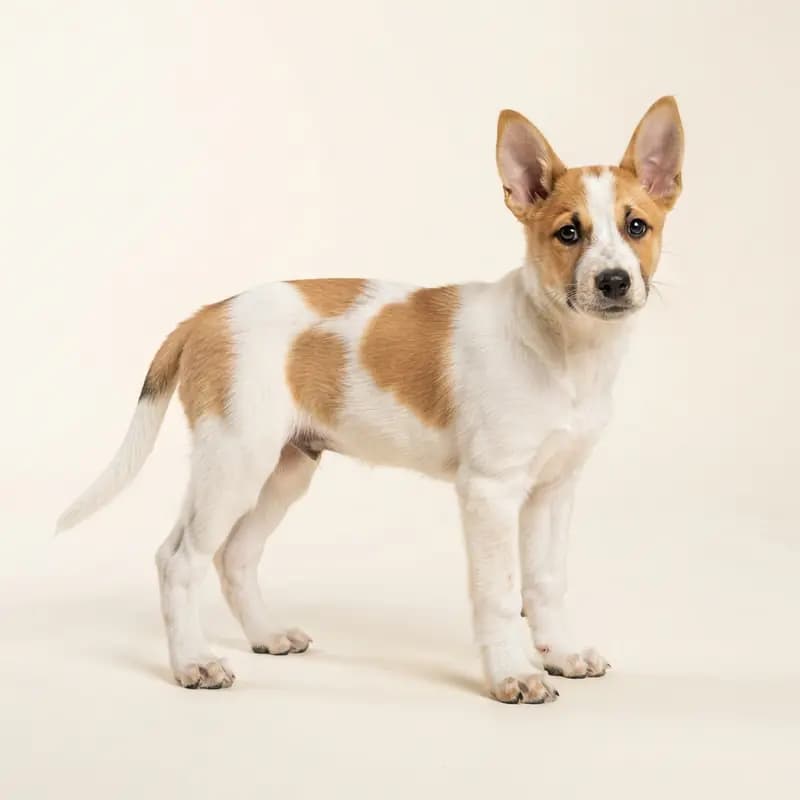
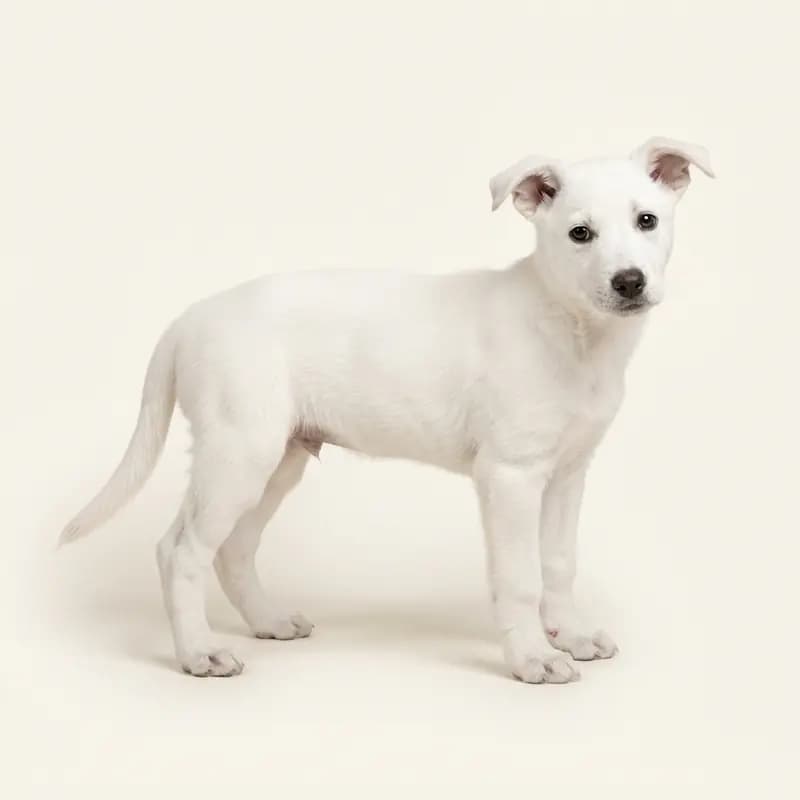
The Carolina Dog comes in these colors: Red, Yellow, Fawn, Wheaten, Tan, Black, Black and tan, Piebald, Sable, White.
Showcase your kennel on HonestDog and reach families searching for a responsibly bred Carolina Dog.