Alaskan MalamuteSame FCI section
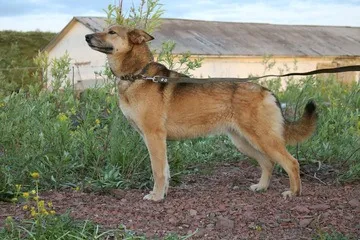
The Chinook is a people-oriented, athletic sled dog—bred in the USA for endurance pulling work in the snow, combined with a willingness to bond that is unusually high for Nordic breeds.
Self-check
Answer 6 quick questions about your everyday life and see how well the Chinook fits you — including an honest cost estimate per month, per year, and across the dog's lifetime.

At a glance
The essentials — key facts, traits, and health priorities — before you dive deeper.
Lifespan
12–15 yrs
Shoulder height
56–69 cm
Weight
23–41 kg
Practical
Temperament
Daily life
What matters most
Especially with a Chinook, choosing the right breeder is the single most important decision you'll make. Serious breeders consistently test the parents for inherited conditions, prioritize healthy early socialization, and stay accountable long after handover. A cheap puppy without health screening tends to become the most expensive dog later on.
See HonestDog breeder standards →Colors & coat
The coat colors that occur in the Chinook — including which ones fall outside the breed standard and which carry genetic risk.
Black
Eye colors
 Brown
 Amber
Coat type
 Medium
 Double coat
The real vibes check
A Chinook is a rare compromise between a robust pulling machine and a soft family dog. Outside in his harness, he pulls with the strength of a true sled dog, but inside, he turns into an affectionate shadow who would prefer nothing more than to curl up on the sofa with you. You aren't getting a stubborn loner, but a sensitive team player who needs your presence like oxygen.
The Chinook is a handsome and powerful dog that comes from the United States. It is not recognized by the FCI, but is recognized by other kennel clubs such as the American Kennel Club (AKC) and the United Kennel Club (UKC). Chinooks have an athletic, muscular build that makes them ideal for various types of work and activities. Their expression is friendly and alert, with almond-shaped, dark eyes and a black nose. The ears are medium sized and are carried either hanging or erect. The Chinook's coat is double, with a dense undercoat and a longer top coat that provides protection from the elements. There is no distinction between show and performance lines in this breed; they are known for being both employable and attractive.
The Chinook is an exceptional dog when it comes to its nature and character. He is highly intelligent and has a strong work ethic that makes him suitable for various tasks. Originally bred as a sled dog, the Chinook still loves activities that challenge him physically and mentally. It is an excellent companion for hiking, dog training and other outdoor activities. Another notable feature of the Chinook is its friendly and gentle nature. He is very people-oriented and loves being part of the family. He's also amazingly adaptable; Although he feels most comfortable in rural areas with plenty of space to run and play, he can also adapt to life in urban areas as long as he gets enough exercise and mental stimulation. In terms of temperament, the Chinook is balanced. He is neither hyperactive nor too calm. This makes him a pleasant companion who feels comfortable in different environments and situations. Chinooks have a natural alertness, but they do not tend to be overly barky or aggressive. This makes them good watchdogs that protect their family without raising unnecessary alarms. As for staying alone, it is important for the Chinook to learn this from an early age. He is very attached to his people and should slowly get used to being alone. With patience and training, he can learn to stay alone for short periods of time without becoming stressed. Hunting or prey catching behavior is not particularly strong in Chinooks, but as with any dog, this varies from individual to individual. It is advisable to start training early and pay attention to how the dog reacts to wildlife or other small animals. In conclusion, the Chinook is a wonderful, versatile dog that excels as both a working dog and a loving family companion. His friendly nature, intelligence, and adaptability make him a great choice for active families looking for a dog that wants to be kept both physically and mentally occupied. If you are willing to invest the time and energy necessary to train and exercise this wonderful dog, then the Chinook could be just the right companion for you and your family.
| Watchfulness Reports unusual activity but stays controlled. | Moderate |
| Openness to Strangers Warms up quickly and is generally welcoming. | Friendly |
| Hunting or Herding Drive Mild interest in movement and small animals — easily managed. | Low |
Fun Fact!
Did you know that the Chinook was named the official state dog of New Hampshire in the USA in 2009?
Chinooks are not particularly strenuous dogs, but they do need constant exercise to stay in good condition. The pride of Wonalancet, New Hampshire, the Chinook is a hardy working dog and loyal family pet known for its intelligence, patience and diligence. Once endangered, the Chinook is now one of the rarest AKC breeds.
Chinooks are incredibly adaptable and can live in both the city and the country as long as they get enough exercise. They are friendly with children, but it is always a good idea to monitor interactions between dogs and small children. Chinooks also tend to be friendly with cats and other pets, especially if they are socialized from an early age.
Lives for its family — the born family companion.
Takes boisterous and affectionate children in its stride.
Actively enjoys the company of other dogs.
City-appropriate with enough exercise and stimulation.
Owning a dog is a privilege, but it's also a real responsibility. Before you bring one into your life, be honest with yourself about the commitment it takes.
Because Chinooks were originally bred as sled dogs, they have natural stamina and willingness to work. They love pulling dog sports like canicross or skijoring. It is important to balance mental and physical workload without overworking the dog. They don't tend to become ball junkies, but as with any dog, play should be controlled. In Chinooks, it is important to promote frustration tolerance and impulse control through training and positive reinforcement. Socialization is also a key aspect of ensuring your Chinook is happy and well-adjusted.
Chinooks are active dogs and need a balanced diet with high quality proteins and fat. Make sure that you do not give your pet food that is loaded with artificial additives. Fresh water should be available at all times. Now for the care: Chinooks have an undercoat and a medium-length top coat that protects them from the elements. In Germany they get along well with the climate. However, they shed quite a bit, especially during shedding periods. Regular brushing (at least once a week) is a must!
| Care Level Regular brushing and occasional professional grooming. | Moderate |
| Exercise Needs Needs several hours of serious exercise every day. | Very active |
| Shedding Hair everywhere, always — no white clothing survives. | Very heavy |
| Trainability Picks up commands quickly and wants to please. | Eager to learn |
Our experts are still reviewing this information. Spotted something wrong? Email us at info@honestdog.de.
Solid
Health grade
The Chinook is considered a robust breed, but carries risks for hip dysplasia (HD) as well as genetically determined chondrodysplasia (SLC13A1). In addition, elbow dysplasia (ED), hypothyroidism, cataracts, and epilepsy can occur in the population. A responsible breeder tests their breeding animals comprehensively to identify these conditions early and specifically keep them out of the breeding line. Before purchasing, ask to see the X-ray evaluations for hip dysplasia (HD) with a finding of HD A–B, the genetic test for chondrodysplasia, SLC13A1-associated with clear status, as well as clear results for elbow dysplasia (ED) and cataracts.
Grade is relative to other breeds — AI-assisted and editorially reviewed.
Methodology and data: HonestDog Dog Breed Health Report 2026
What matters most for this breed
Tap any item to see details.
With joint-friendly rearing, appropriate exercise, and regular eye exams, you lay the foundation for a long, active life for your dog.
Reputable breeders have the hips, elbows, and eyes of the parent animals tested, consistently exclude affected lines regarding neurological diseases, and pay special attention to genetic diversity due to the rarity of the breed.
Note: This health overview is AI-assisted and editorially reviewed. It is for orientation only and does not replace veterinary advice.
What matters most for this breed — what's common, how much it affects the dog's life, and how to protect yourself as a buyer.
Tap a body region to see the inherited conditions linked to it.
The three most important risks
Pick a region on the map to explore other areas.
Tier 1 is the recommended health standard for this breed. Tiers 2 and 3 show how responsible breeders go beyond.
Recommended standard. These tests make up the recommended health standard for this breed — the baseline of any careful breeding program. Ask any reputable breeder for the results.
No entries in this tier.
Note: This health overview is AI-assisted and editorially reviewed. It is for orientation only and does not replace veterinary advice.
A Chinook costs around ~€200 per month (€100 – €370, depending on your setup). The first year adds up to roughly ~€5,180 including purchase, equipment and puppy school; across the dog's life (13.5 years) it comes to about ~€34,620.
With surgery cover, running costs come to about ~€200 per month — in return, your share of a major operation drops from several thousand euros to around 20 percent.
Per month
~€200
In the first year
~€5,180
Across the dog's life
~€34,620
Estimated purchase price from a breeder: €1,500 – €2,500
Estimate at a mid-range setup (suburban, dry food, 1–2 hours of daily exercise), average German prices, as of July 2026.
HonestDog Concierge
We currently have no breeders for this breed who have passed our verification. Create your short buyer profile: we'll set up your search alert, review a possible source and email you within 28 days.
 Illustrative image
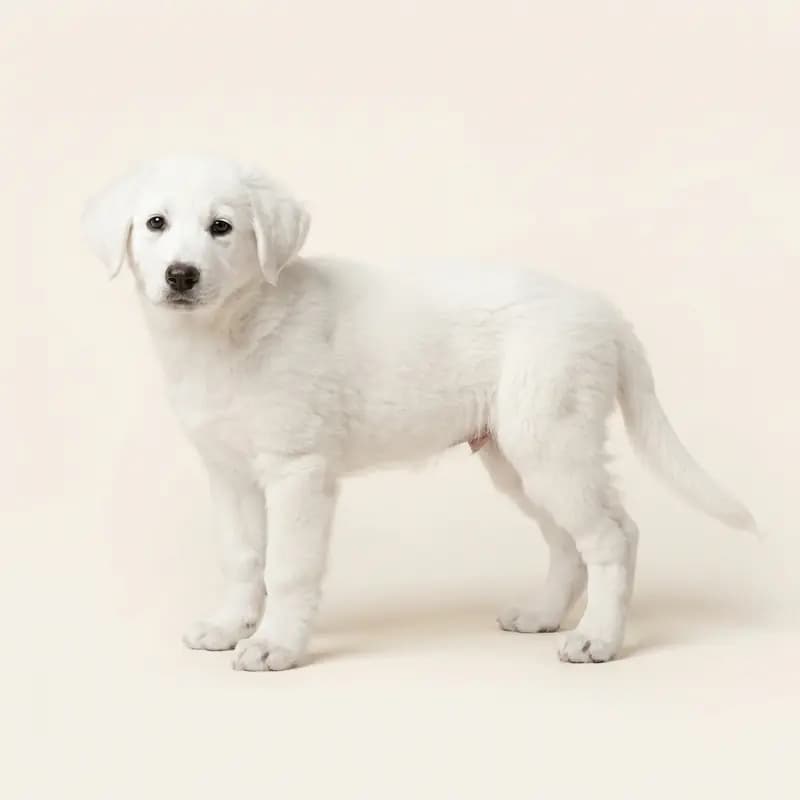 Illustrative image
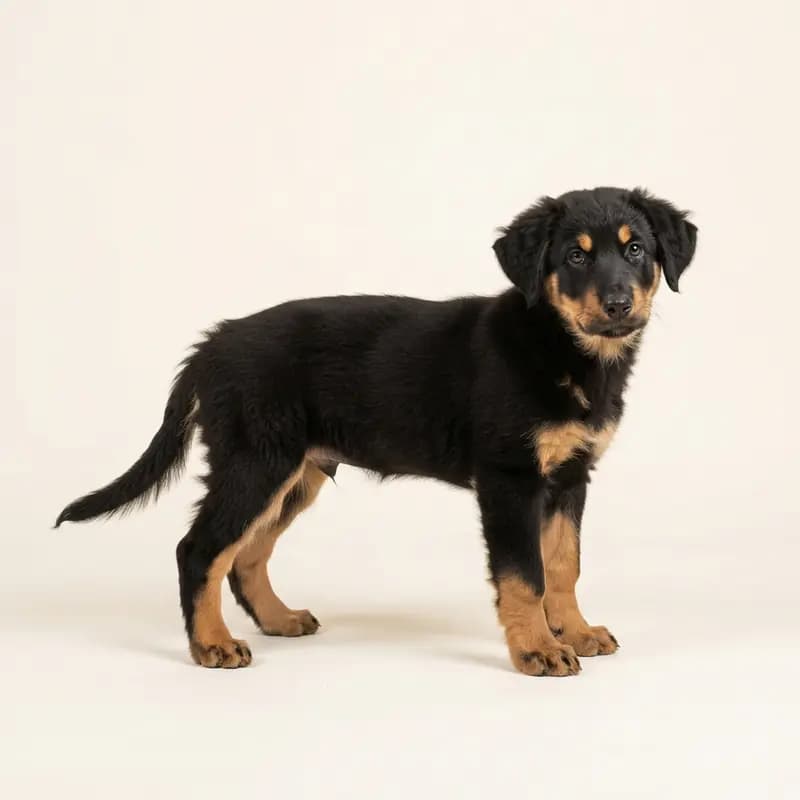 Illustrative image
The story of the Chinook is one of adventure and pioneering spirit. The breed was developed in the USA, more specifically in New Hampshire, in the early 1900s by a man named Arthur Walden. Walden was a sled dog handler and adventurer who wanted to create a breed with both the strength to pull sleds and a friendly, people-oriented nature. He crossed different breeds, including the Husky and the Mastiff, and ultimately created the Chinook. The name "Chinook" means "warm wind" in the language of the native people of the northwest, and Walden gave this name to his first breeding dog, which later became the namesake for the entire breed. Initially used primarily as sled dogs, Chinooks quickly gained popularity for their strength and endurance. They were even part of the first American expedition to the South Pole in 1928. The breed was only officially recognized by the American Kennel Club (AKC) in 2013. Although they are still relatively rare in the United States, the Chinook's popularity as a family and working dog is growing.
The Chinook was bred as a sled dog for pulling work and is known for its strength and friendly nature.
USA
1900
Owners describe the Chinook in family life as a very devoted, gentle and loving companion. Many jokingly call it a real "cuddle dog" that, despite its substantial size, would rather lie on the sofa or right in its people's laps. At home, Chinooks are usually considered remarkably calm and considerate, so they fit in very well with families with children and, if introduced early, also live with cats or other dogs without any trouble.
Their strong attachment to their pack, however, is a central everyday challenge. Several owners stress that Chinooks don't cope well with isolation. Alone time has to be built up very gently from puppyhood, because they quickly suffer from separation stress if left too long. Many Chinooks are reserved or aloof with strangers at first but warm up quickly to familiar visitors; with their thoroughly peaceful nature, they are practically useless as classic guard or protection dogs.
Owners also report a communication style all their own: Chinooks rarely bark without reason but tend toward melodic vocalizations, a typical voiced howl or cooing sound they use at home to demand their people's attention.
Sources:intervalechinooks.mypixieset.comvcahospitals.comreddit.comhoundsy.comomlet.co.uk
Owners find the Chinook eager to learn and cooperative in training. Unlike some purely Nordic sled dogs, the Chinook has a noticeable "will to please" and wants to make its people happy. Still, it doesn't follow orders blindly: owners describe it as sensitive, so it reacts very strongly to harshness, yelling or pressure and then withdraws, unsure of itself. Positive, fair reward-based training gets results fastest.
As a working dog with a history of pulling, the Chinook has forward motion in its blood. Owner reports repeatedly stress how much work early loose-leash training takes: because these dogs are strong and naturally love to pull, you have to start very early and stay consistent to get relaxed walks without pulling. On the flip side, they thrive when they can channel this drive in a controlled way into draft dog sports (such as canicross or skijoring) or hiking.
Many owners also note that Chinooks mature mentally and physically relatively late. As adolescents they can sometimes get overexcited or have impulsive "zoomies" if stimulation isn't dialed back in time. Calm, clear leadership and early socialization are therefore essential.
Sources:intervalechinooks.mypixieset.comvcahospitals.comreddit.comhoundsy.comomlet.co.uk
Chinooks are generally considered robust, weatherproof dogs with a pleasingly long life expectancy for their size, often 12 to 15 years. Still, breeders and experienced owners point out that the breed's gene pool has stayed small because it nearly went extinct. Carefully chosen pairings and veterinary screening before breeding are therefore a big topic in the owner community.
One health problem that owners and breed clubs mention again and again is hip dysplasia (HD). Older dogs can develop joint problems, so it pays to focus on gentle growth, a healthy body weight and regular checkups. Another breed-specific issue is episodic movement disorders, often called "Chinook Seizures" or paroxysmal dystonia in English, in which a dog can have bouts of muscle stiffness or trembling while fully conscious.
Grooming is also sometimes underestimated: the dense, insulating double coat reliably protects against cold and wet, but it sheds heavily, especially during the seasonal coat change in spring and fall, and needs regular, thorough brushing.
Sources:houndsy.comwachusettchinooks.comsitmeanssitnewhampshire.commit-tier.dewebmd.com
Paraphrased from real owner reports · translated from German
The Chinook is an active dog that needs plenty of exercise and mental stimulation. Research the temperament, grooming needs, and space requirements before deciding.
The average life expectancy of a Chinook is 12-15 years. With proper care and regular vet visits, your dog can live a long, healthy life.
Chinook grooming requirements include regular brushing, nail trimming, and dental care. HonestDog provides detailed grooming tips for every breed.
The Chinook can be a great family dog. Proper training and socialization are key. HonestDog provides family suitability information for every breed.
The Chinook comes in these colors: Fawn, Black, White, Black and tan. Colors that fall outside the breed standard are marked as such on the breed page.
Showcase your kennel on HonestDog and reach families searching for a responsibly bred Chinook.