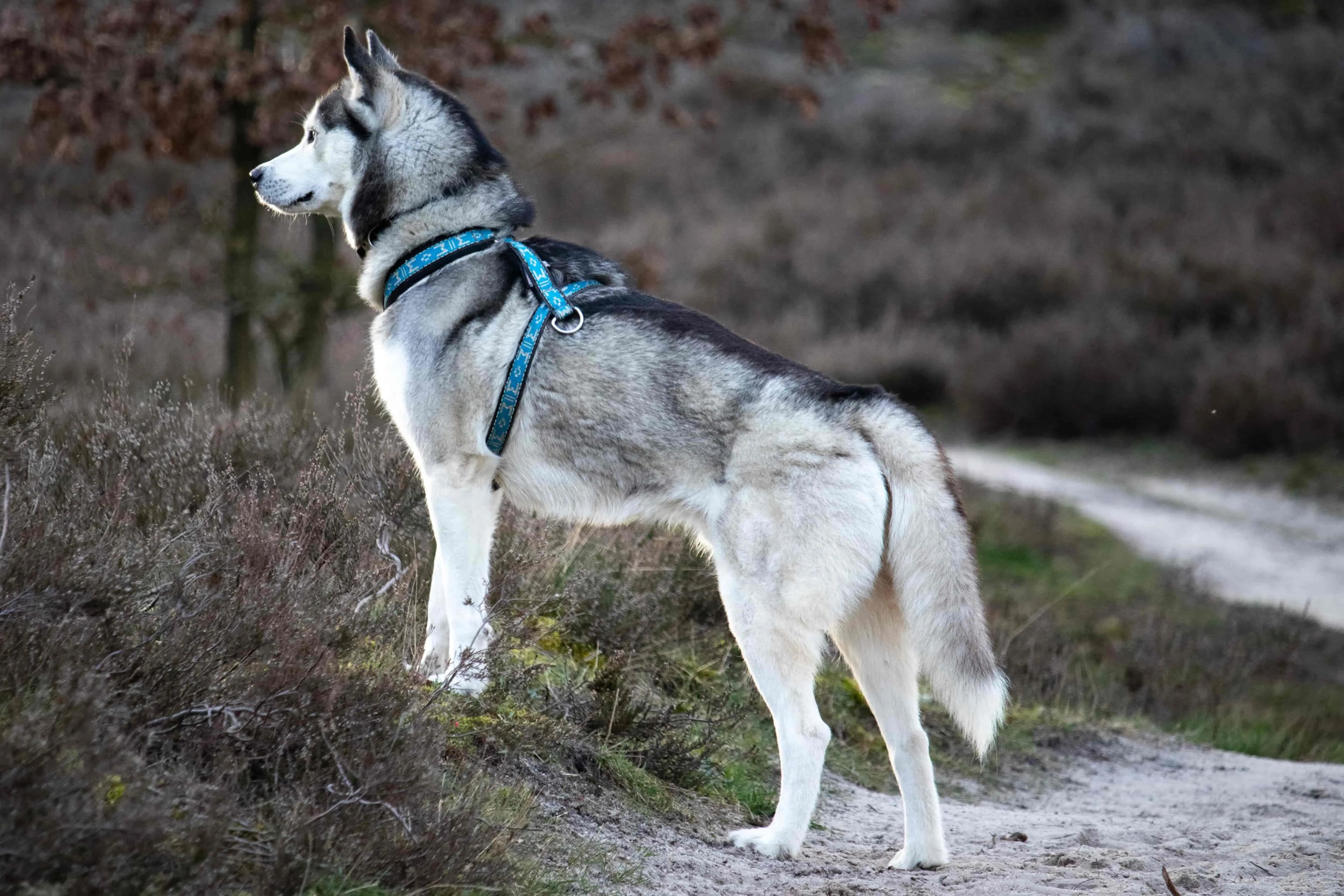
At heart, Chinooks are considered robust, enduring working dogs. Even so, the small gene pool brings specific risks for the joints, eyes, metabolism and nervous system, which you need to know about in detail before buying.
In the musculoskeletal system, hip dysplasia (HD) and elbow dysplasia (ED) are relevant issues. A health-focused breeder has the parent dogs' hips and elbows officially X-rayed and scored before they are used for breeding, in order to reduce the risk of joint malformation in the offspring. A particular feature of the breed is also SLC13A1-associated chondrodysplasia (a form of dwarfism with skeletal malformations). Testing for this as well as for HD is part of the breed's recommended health standard. An established DNA test exists for SLC13A1-associated chondrodysplasia, showing whether a dog is clear, a carrier or affected. Because this defect is inherited as a simple recessive trait, careful breeders mate carriers only with genetically clear partners.
In addition, the eye disease cataract, hypothyroidism (underactive thyroid) and neurological problems in the form of epilepsy occur in the Chinook. As there are no genetic tests for these three conditions in the Chinook, clinical screening is crucial: reputable breeders have their breeding dogs regularly examined by a veterinary eye specialist and check thyroid values with a blood test. With epilepsy, honest pedigree research is essential – responsible breeders do not use affected dogs for breeding, in order to reduce the risk within the lines. Once your dog has moved in, you yourself make a major contribution to a long, active life through joint-friendly rearing, exercise suited to its age and regular eye checks.