Finding a reputable East European Shepherd breeder: what really matters when you choose
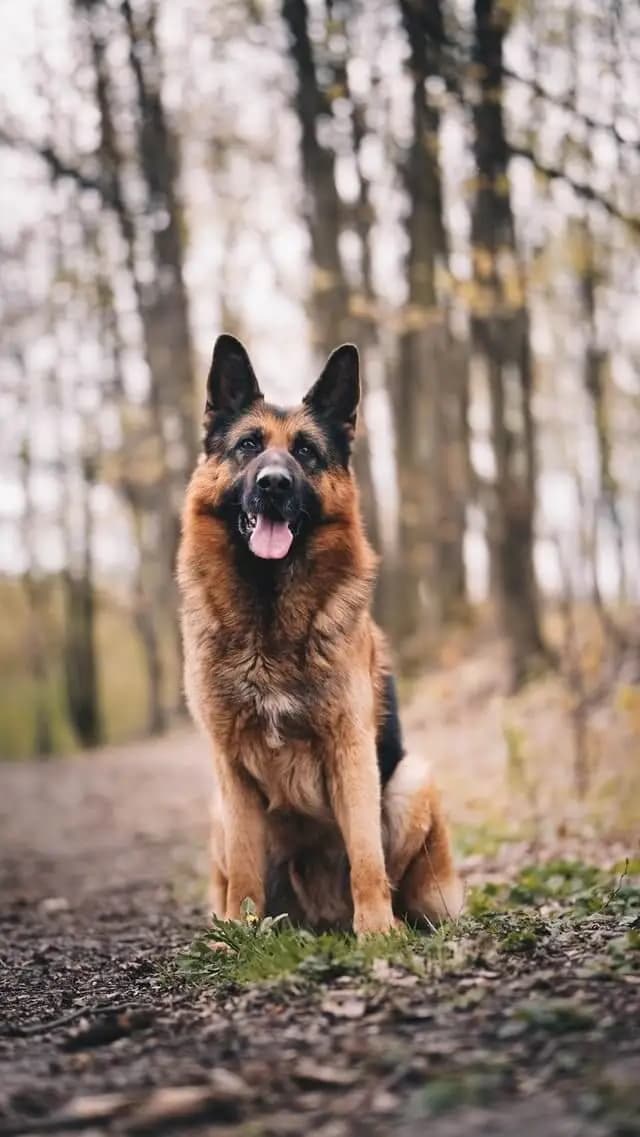
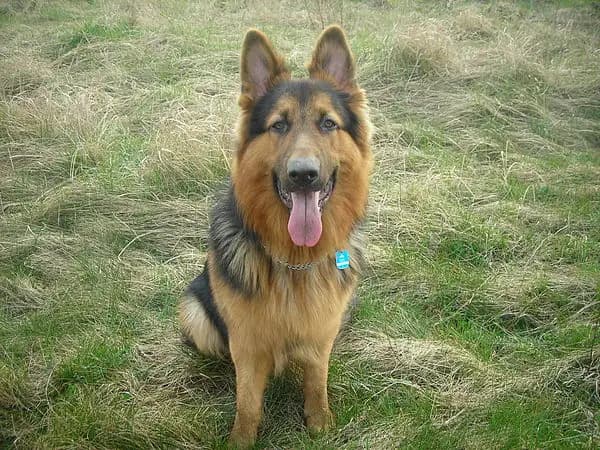
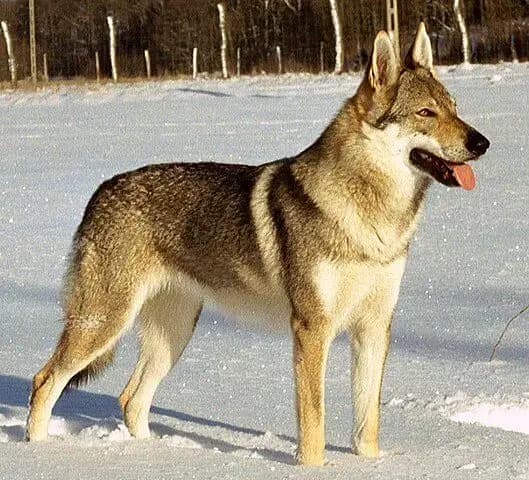
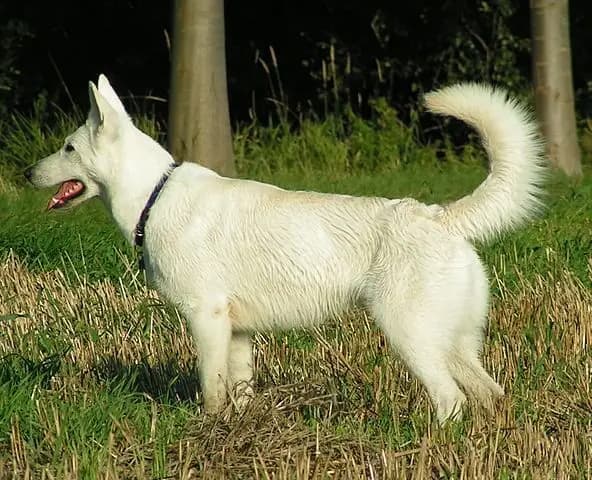
The East European Shepherd is an imposing, intelligent and courageous working dog. Originally bred in Russia for demanding military and police work as well as guarding, a fully grown male stands 66 to 76 centimetres at the shoulder and weighs a hefty 40 to 60 kilograms. This enormous physical presence, combined with a high energy level and a strong protective instinct, makes finding the right breeder the most important decision you will make before buying a puppy. A reputable East European Shepherd breeder lays the foundation for a sound-tempered, physically robust companion through careful selection and expert rearing.
Why the choice of breeder is crucial with the East European Shepherd
East European Shepherds are regarded as a robust breed with a life expectancy of 10 to 14 years. Even so, dogs of this size and weight class show a clear health pattern: joints, the back and also the eyes often remain a relevant issue throughout life. If compromises are made on these points when choosing breeding stock, it quickly leads to painful limitations later in the dog’s life and high vet bills.
Then there is the demanding temperament. The East European Shepherd forms an extremely close bond with its people and is exceptionally trainable, but it also has a pronounced guarding and protective instinct. It is hardly suited to life in a small city flat, and around children or unfamiliar dogs it also needs confident handling. A responsible breeder therefore only pairs parent dogs with strong nerves and a clear head, and invests a lot of time in the first weeks of life in thorough environmental socialisation of the puppies.
Health screening: the tests that must be available
Health-focused breeders do not leave the resilience of their offspring to chance. They have the parent dogs’ hips, elbows and back X-rayed and assessed, and use targeted DNA tests to minimise known genetic risks in their lines. Before you decide to buy, ask to see the original written results for the parent dogs for the following breed-typical issues:
- Hip dysplasia (HD) and elbow dysplasia (ED): Because their high body weight puts heavy strain on the joints, official X-ray scoring of the hips and elbows is the basic standard. Screening markedly reduces the risk of severe joint problems in the offspring when only dogs proven to be healthy are bred from.
- Degenerative myelopathy (DM): This is a progressive spinal cord disease that appears in later life. A DNA test shows whether a breeding dog is clear, a carrier or affected. Reputable breeders use this knowledge to plan matings carefully and reduce the risk for the puppies.
- Other genetic risks (HUU and dwarfism): The breed is also affected by hyperuricosuria (HUU, a predisposition to forming bladder and kidney stones) and by POU1F1-associated pituitary hormone deficiency (pituitary dwarfism). Specific genetic tests exist for these too. A breeder who only pairs carriers with tested clear partners greatly reduces the risk of these conditions occurring.
6 specific questions to ask the East European Shepherd breeder
Use the first conversation and the visit in person to put the breeder to the test. An expert will welcome your pointed questions and answer them openly:
- Can you show me the official X-ray results for HD, ED and the back for both parent dogs?
- What were the parents’ DNA test results for degenerative myelopathy (DM), hyperuricosuria (HUU) and POU1F1-associated pituitary hormone deficiency?
- Have there been any problems with the eyes or joints in your breeding lines in the past?
- How will you show me the dam’s temperament in everyday life, and in which areas (sport, service work, family) are the parent dogs worked?
- How do you accustom the puppies to environmental stimuli and unfamiliar people and build their first frustration tolerance, so that their natural guarding and protective instinct is channelled in an orderly way from the very start?
- What advice would you give me on weight management in the first year of life, so that the joints are not overloaded during growth?
Warning signs: how to spot irresponsible breeders straight away
A puppy of this breed from a reputable breeder typically costs 1,500 to 2,500 euros. Offers that are significantly cheaper are almost always a sign of irresponsible breeders who cut corners on veterinary care and rearing. Walk away from the purchase immediately if the seller cannot show written X-ray and genetic test results and instead merely claims in general terms that the parents are “vet-checked and perfectly healthy”.
Other clear warning signs are puppies kept in isolation in dark sheds or purely in kennel runs with no family contact, and a dam who reacts to visitors in an extremely nervous, fearful or uncontrollably aggressive way. Anyone who is willing to sell you a demanding working dog such as the East European Shepherd without asking critical questions about your living situation, your dog experience and the time you have available is not acting in the animal’s best interests.
On HonestDog, every breeder goes through a registration process before being activated: identity verification by ID and selfie, proof of club membership or a §11 permit where applicable, a knowledge test on breeding and animal welfare, and agreement to the HonestDog breeding standards – including no breeding for traits that cause suffering and no breeding dogs under 18 months. Without a verified §11 permit, a breeder can register no more than two breeding bitches there, and you can report anything unusual about a breeder’s profile directly via “Report content”. When you visit, ask to see the parent dogs’ original test results. You can find current litters under East European Shepherd puppies on HonestDog.