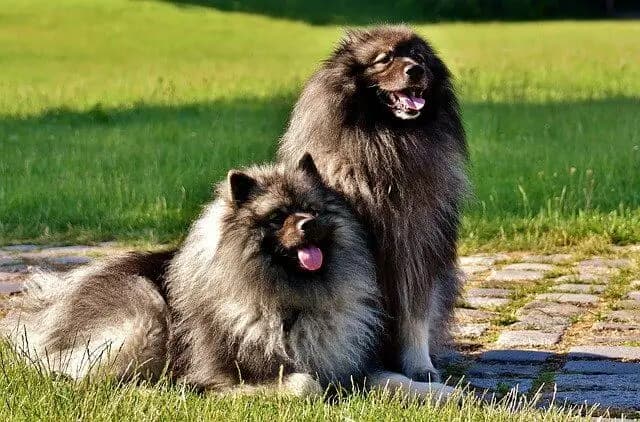
WolfspitzClose relative
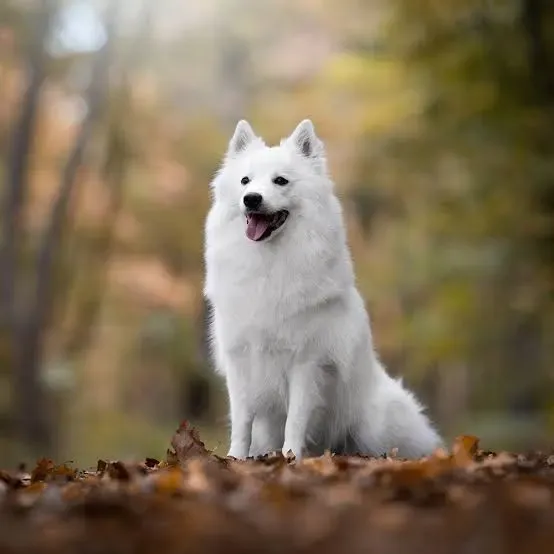
The Großspitz is a loyal, extremely attentive farm guardian—bred to protect home and hearth in all weather conditions, to announce strangers with a loud bark, and never to go off hunting. He is a piece of living cultural heritage that still takes his job very seriously to this day.
How the health grade is calculated
Sources for required breeding screenings. Verein für Deutsche Spitze e.V.
Self-check
Answer 6 quick questions about your everyday life and see how well the Great Spitz fits you — including an honest cost estimate per month, per year, and across the dog's lifetime.
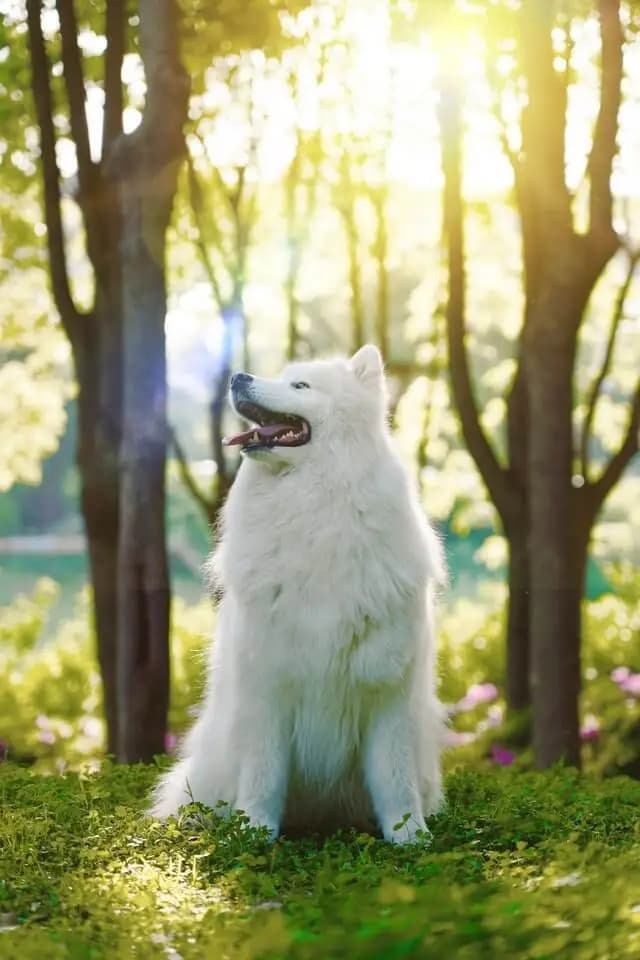
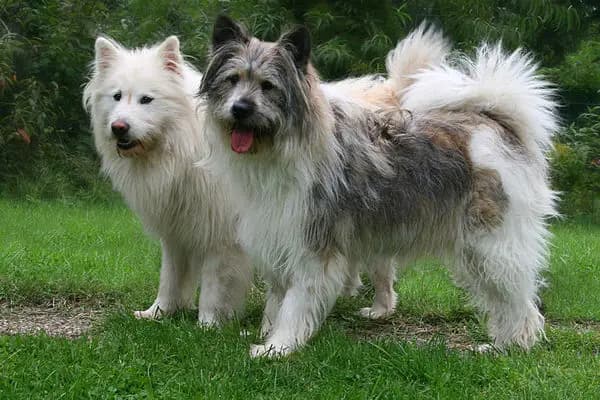
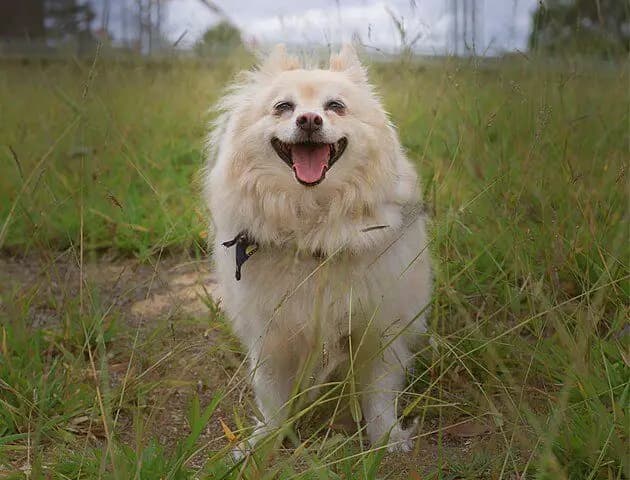
At a glance
The essentials — key facts, traits, and health priorities — before you dive deeper.
Lifespan
12–15 yrs
Shoulder height
42–50 cm
Weight
14–20 kg
Practical
Temperament
Daily life
What matters most
Especially with a Great Spitz, choosing the right breeder is the single most important decision you'll make. Serious breeders consistently test the parents for inherited conditions, prioritize healthy early socialization, and stay accountable long after handover. A cheap puppy without health screening tends to become the most expensive dog later on.
See HonestDog breeder standards →Colors & coat
The coat colors that occur in the Great Spitz — including which ones fall outside the breed standard and which carry genetic risk.
Eye colors
 Brown
BrownCoat type
 Long
Long Double coat
The real vibes check
Beneath the soft, plush facade of a teddy bear lies an incorruptible, serious guardian. A Großspitz cannot be bribed with treats by strangers or lured into the woods by a scent—he stays with you and keeps watch. You aren't getting a trendy fashion dog, but a rock-solid, loyal partner who makes your home his absolute life's mission.
The Großspitz is a medium-sized dog breed that is classified in FCI Group 5 (Spitzes and dogs of the original type). With his elegant appearance and his thick, long fur, he is a real eye-catcher. The Großspitz originally comes from the Nordic Spitz and is one of the oldest dog breeds in Europe. There is no specific distinction between performance and show lines in the Spitz.
The Great Spitz is a highly adaptable dog that is suitable both as a family dog and as a companion for individuals. He is intelligent and alert, which makes him a good watchdog. The Great Spitz is people-oriented and bonds closely with his family. He is playful and enjoys showing his affection. Although he loves spending time with his humans, he can also handle staying alone well, as long as he gets sufficient activity and mental stimulation. The Great Spitz does not tend to show pronounced hunting or prey-drive behavior. However, his guarding instinct makes him attentive and watchful. He will quickly sound the alarm if strangers approach or if he hears unusual noises.
| Watchfulness Reports unusual activity but stays controlled. | Moderate |
| Openness to Strangers Warms up quickly and is generally welcoming. | Friendly |
| Hunting or Herding Drive Mild interest in movement and small animals — easily managed. | Low |
Fun Fact!
Großspitzes are one of the oldest German dog breeds and can look back on a long history. They were already known as popular companion dogs and guard dogs in the 18th century.
Great Spitz: The Great Spitz is a lively and intelligent dog that forms a close bond with its family. It is alert and well-suited as a guard and companion dog. With its dense, curly coat, it requires regular grooming. Great Spitz dogs are active and need meaningful activities to stay balanced. They are friendly but also independent and require consistent training.
The Great Spitz can be kept in the city as well as in the countryside, as long as he receives sufficient exercise and mental stimulation. It is important to provide the Great Spitz with enough outdoor activity and give him the opportunity to channel his energy meaningfully. The Great Spitz is generally well-suited to young children if he is introduced to them early on and interactions are always supervised. As with any dog, it is important to guide interactions between children and dogs to ensure that both sides treat each other with respect. The Great Spitz usually gets along well with other pets, including cats, if he is socialized early. A slow and positive introduction is essential to ensure a harmonious integration.
Loves family life and thrives in a group.
Takes boisterous and affectionate children in its stride.
Usually gets on fine with other dogs.
Adapts well to city living and urban environments.
Owning a dog is a privilege, but it's also a real responsibility. Before you bring one into your life, be honest with yourself about the commitment it takes.
The Great Spitz is an intelligent dog that loves to learn and wants to please his owner. He responds well to positive reinforcement and gentle, consistent training methods. Training should be varied and engaging to challenge the Great Spitz mentally. He is well suited for various dog sports such as agility, obedience training, or trick training. It is important not to overwhelm or overstimulate the Great Spitz, as he can otherwise become restless or unhappy. A balanced mix of physical and mental activity is ideal to keep the Great Spitz happy and content. There is no specific risk of the Great Spitz turning into a ball junkie. However, it is important that the dog learns frustration tolerance and impulse control to foster balanced behavior. Early socialization is essential to ensure that the Great Spitz is well-adjusted and behaves positively toward other dogs and people.
The Great Spitz requires a balanced, high-quality diet that meets his nutritional needs. It is important to adjust the amount of food according to the dog's age, weight, and activity level. Regular exercise and mental stimulation are equally important to maintain the health and well-being of the Great Spitz. The Great Spitz has a long, dense topcoat with a thick undercoat. The coat requires regular care, including consistent brushing to prevent matting and tangles. Regarding the climate in Germany, the Great Spitz is very adaptable and copes well with both cold and warm weather. Due to his long coat, the Great Spitz sheds regularly, especially during the coat change in spring and autumn.
| Care Level Minimal effort — occasional brushing and bathing. | Low-maintenance |
| Exercise Needs Needs 1–2 hours of real exercise daily. | Active |
| Shedding Hair everywhere, always — no white clothing survives. | Very heavy |
| Trainability Picks up commands quickly and wants to please. | Eager to learn |
Our experts are still reviewing this information. Spotted something wrong? Email us at info@honestdog.de.
Solid
Health grade
The Giant Spitz is considered a robust breed with an average genetic load (Grade B), yet breed-specific risks such as hip dysplasia (HD) and eye diseases like progressive retinal atrophy (prcd-PRA) and progressive rod-cone degeneration, PRCD-associated still occur. Albinism is also a relevant breeding issue, which is why reputable breeders have their parent animals undergo targeted genetic and orthopedic examinations before using them for breeding. When buying a puppy, make sure that the breeding dogs have been X-rayed for hip dysplasia (HD) with a result of HD A–C. In addition, ask to see the genetic tests for albinism and progressive retinal atrophy (prcd-PRA): both parents must be clear, or at most one partner may be a carrier provided the other is genetically clear.
Grade is relative to other breeds — AI-assisted and editorially reviewed.
Methodology and data: HonestDog Dog Breed Health Report 2026
What matters most for this breed
Tap any item to see details.
You should pay attention to a lean physique and the grooming of his thick coat—in return, you will often have a long-lived companion with rather moderate veterinary needs.
Responsible breeders focus on healthy hearts and sound joint movement so that Großspitze remain healthy and mobile for as long as possible.
Note: This health overview is AI-assisted and editorially reviewed. It is for orientation only and does not replace veterinary advice.
What matters most for this breed — what's common, how much it affects the dog's life, and how to protect yourself as a buyer.
Tap a body region to see the inherited conditions linked to it.
The three most important risks
Pick a region on the map to explore other areas.
Tier 1 reflects the tests Verein für Deutsche Spitze e.V. actually mandates. Tiers 2 and 3 show how responsible breeders go beyond.
Club standard. Tests that the relevant breed club (VDH / FCI / AKC parent club) requires. Any serious breeder should be able to show you these.
No entries in this tier.
No entries in this tier.
Note: This health overview is AI-assisted and editorially reviewed. It is for orientation only and does not replace veterinary advice.
A Great Spitz costs around ~€170 per month (€90 – €310, depending on your setup). The first year adds up to roughly ~€4,700 including purchase, equipment and puppy school; across the dog's life (13.5 years) it comes to about ~€29,980.
With surgery cover, running costs come to about ~€160 per month — in return, your share of a major operation drops from several thousand euros to around 20 percent.
Per month
~€170
In the first year
~€4,700
Across the dog's life
~€29,980
Estimated purchase price from a breeder: €1,200 – €2,500
Estimate at a mid-range setup (suburban, dry food, 1–2 hours of daily exercise), average German prices, as of July 2026.
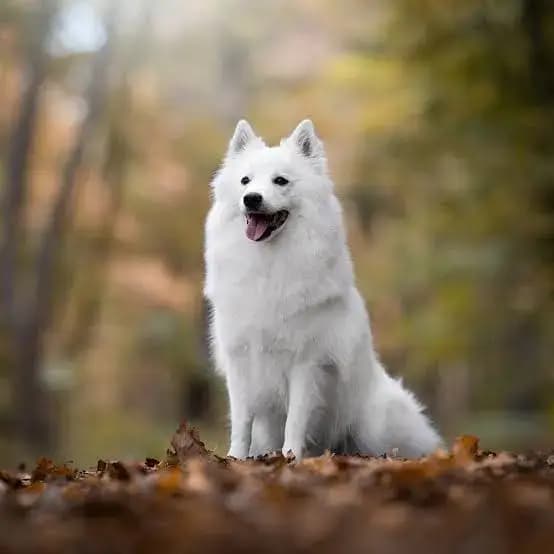
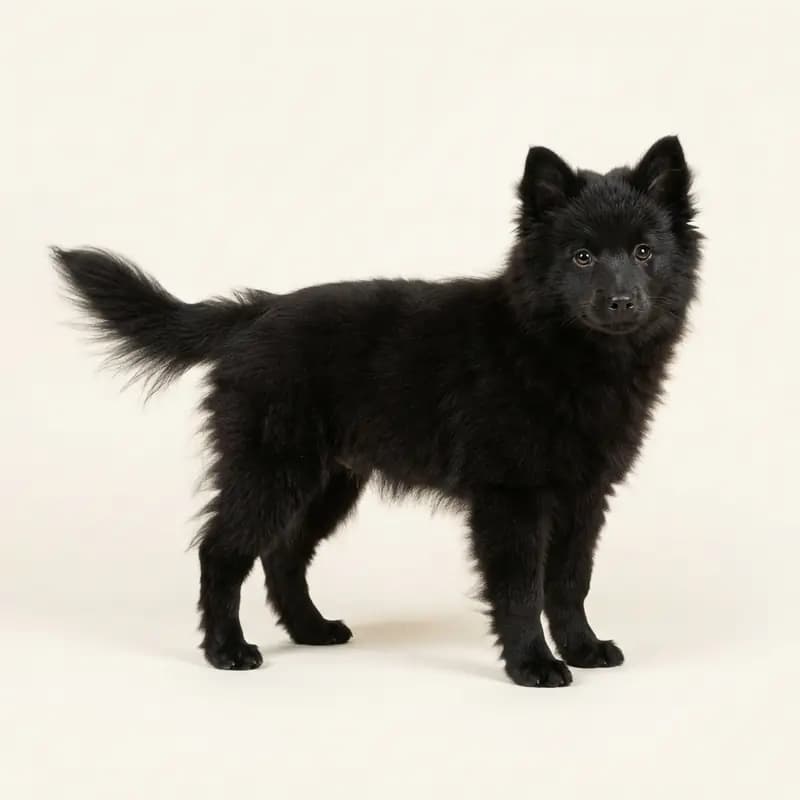 Illustrative image
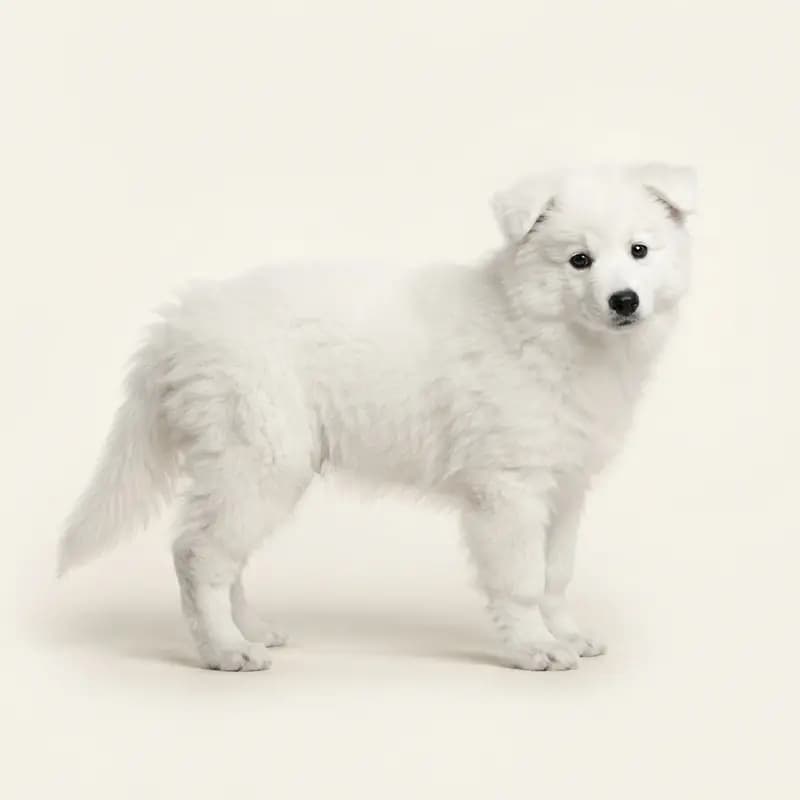 Illustrative image
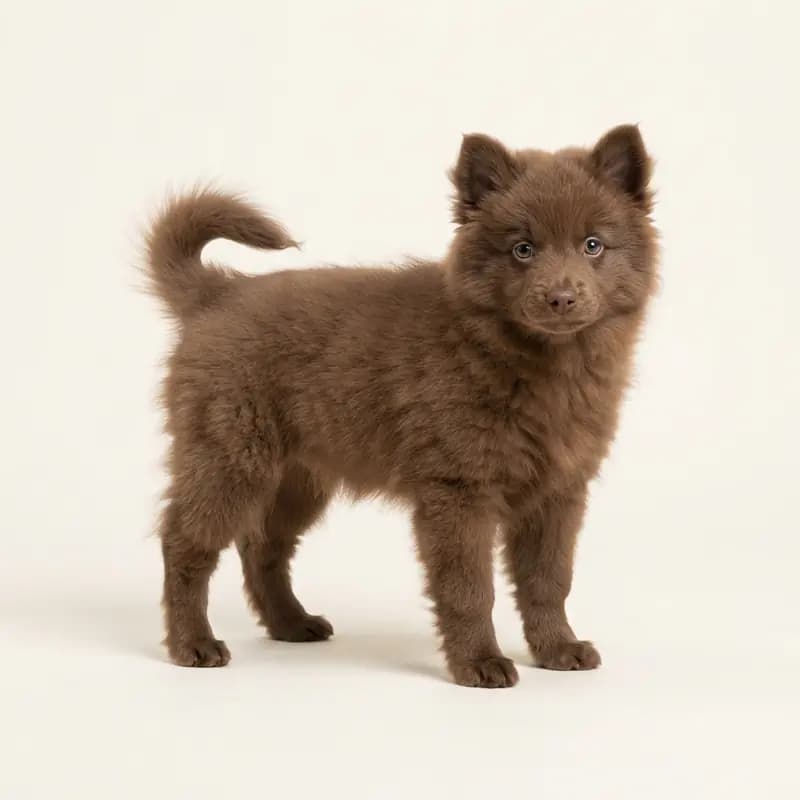 Illustrative image
The history of the Großspitz goes back a long way. The breed has its roots in Northern Europe, where it was used as a companion dog and guard. They were valued for their attentive and reliable nature. The Great Spitz was recognized as an independent breed as early as the 18th century and enjoyed great popularity, especially in Germany.
The Spitz was bred as a guard dog for farms and homes, known for its alertness and thick coat.
Germany
Mittelalter
Owners consistently describe the Giant German Spitz as a very devoted family dog that shadows its people and wants to be part of everything. Its well-known attachment to home and its little-to-no hunting drive make off-leash time and walks far more relaxed than with many hunting or herding breeds. It doesn't wander off, keeps track of the group on its own, and is often very gentle with children and other pets it knows.
The flip side is its traditional role as a farm guard, and that shouldn't be underestimated. Giant Spitzes are naturally wary and reserved with strangers and unfamiliar situations; visitors are rarely greeted with open enthusiasm and are checked out carefully first. Barking to announce noises or anyone approaching the house or yard is deeply ingrained. Owners point out again and again that without clear leadership the breed tends to appoint itself head of household security, so life in a thin-walled rental apartment takes a lot of training done well ahead of time.
Sources:spitz-info.demit-tier.dedogorama.appvom-gut-glueck.dezooplus.de
On training, owners highlight how quickly the Giant Spitz picks things up and how smart it is. It learns cues and tricks fast and is easy to get excited about shared activities, from moderate dog sports like agility or tracking games to long hikes, without the restless drive of specialized sport dogs. It adapts well and is happy with a normal, busy household as long as its brain gets a workout.
At the same time, people warn again and again against the myth that the Giant Spitz is an easy dog that trains itself. Owners describe an independent mind and a keen sense for inconsistency: Spitzes like to ask what an exercise is for, and they have a stubborn streak. Harshness, pressure, or raised voices quickly make the dog shut down or lose trust. According to experienced owners, the key is calm, low-key consistency and a clear sense of who is responsible for what, especially when it comes to managing the barking and keeping the protective instinct in check.
Sources:mit-tier.devom-gut-glueck.detackenberg.dedogforum.depreussenspitz.de
Despite the common worry that such a full coat must be a lot of work, owners say the Giant Spitz is surprisingly easy to groom. The outer coat sheds dirt and water: even after a muddy walk, it's usually enough to let the dog dry, and the dried mud simply falls out or brushes out quickly. Outside of shedding season, a thorough combing once a week or every few days is usually plenty. Owners do note, though, that the seasonal coat change is intense and releases mountains of undercoat, which means regular, thorough brushing. Shaving the coat is strongly discouraged, because it undermines the protective function of the double coat.
In day-to-day life, the Giant Spitz is considered a rugged, tough, long-lived dog that often reaches well over 12 years without trouble. Built for all weather, it is in its element in cold and snow, but in summer heat its dense undercoat makes it noticeably sluggish, so activities need to move to the cool morning or evening hours. Breeder and owner forums also point out that, given the limited gene pool of this rare breed, it pays to watch for screening for hip dysplasia (HD) and the skin problems typical of Spitzes (such as alopecia X).
Sources:dogorama.appvom-gut-glueck.demit-tier.detackenberg.dexn--grossspitze-untermhle-qic.de
Paraphrased from real owner reports · translated from German
The Great Spitz is an adaptable dog that adjusts well to various lifestyles. Research the temperament, grooming needs, and space requirements before deciding.
The average life expectancy of a Great Spitz is 12-15 years. With proper care and regular vet visits, your dog can live a long, healthy life.
Great Spitz grooming requirements include regular brushing, nail trimming, and dental care. HonestDog provides detailed grooming tips for every breed.
The Great Spitz can be a great family dog. Proper training and socialization are key. HonestDog provides family suitability information for every breed.
The Great Spitz comes in these colors: Black, White, Brown.
Showcase your kennel on HonestDog and reach families searching for a responsibly bred Great Spitz.