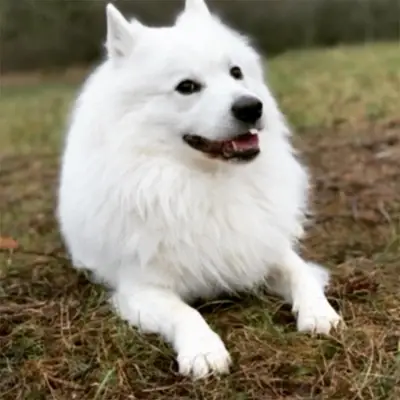
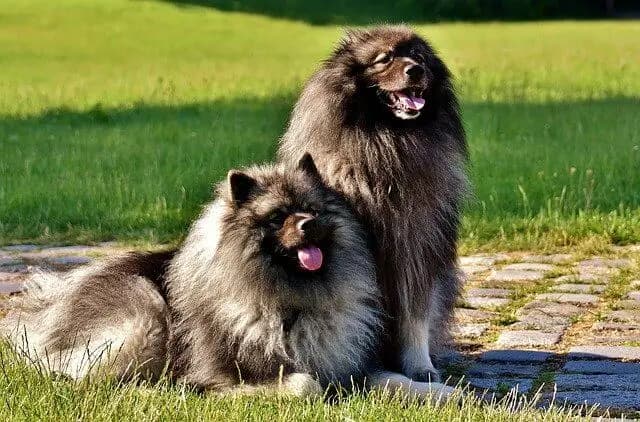
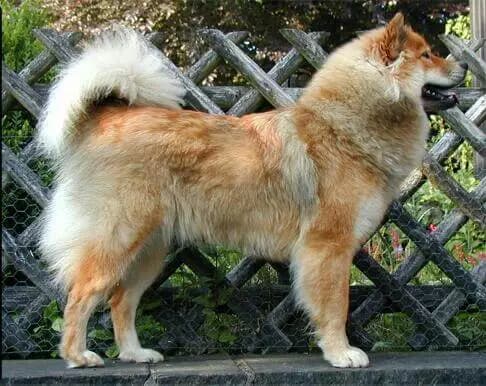
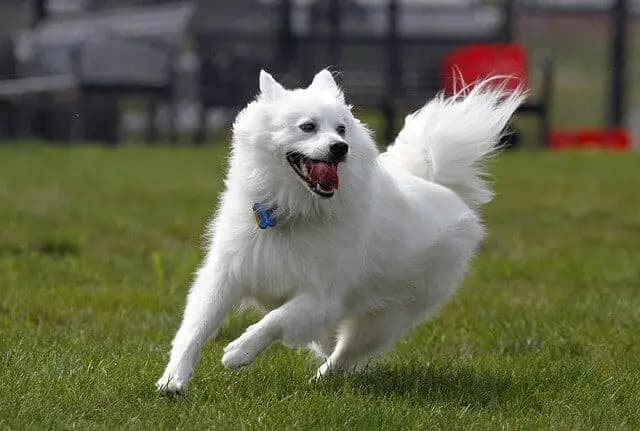
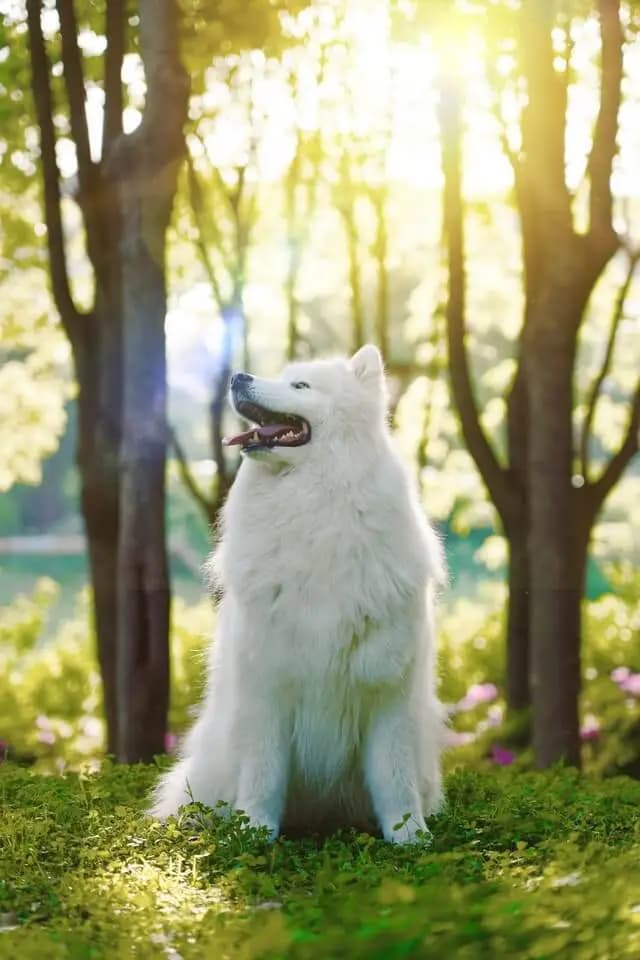
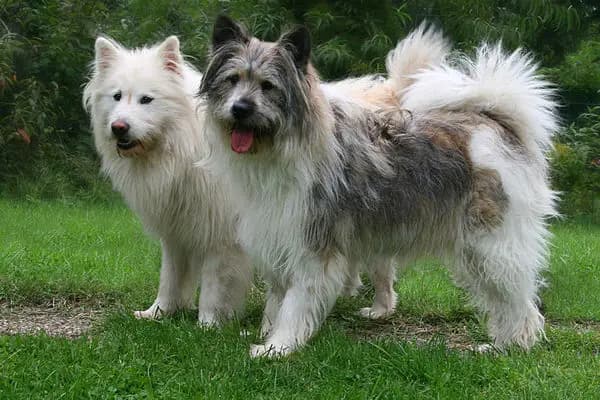
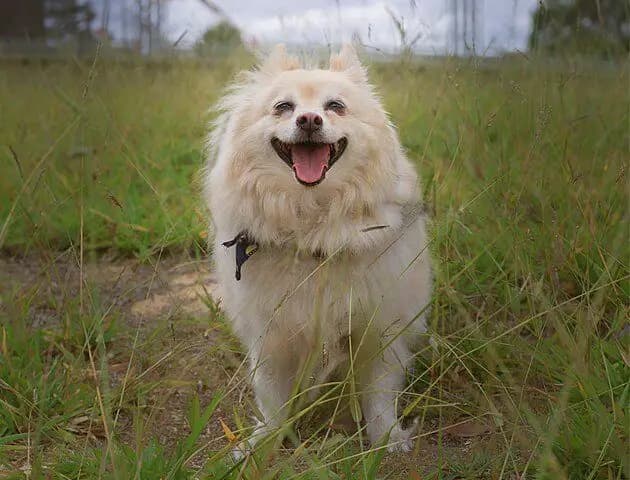
The Great Spitz is a highly adaptable companion that suits both families with children (child-friendliness: 4/5) and single people. With a medium energy level (3/5), it doesn't demand hours of forced marches, but it does need mental stimulation and activity. Its trainability is high (4/5), as long as you work with positive reinforcement – its cheeky character responds to unfair harshness with typical Spitz stubbornness.
You need to take an honest look at its heritage as a farm guardian: the Great Spitz is extremely alert and reliably alerts you to unusual noises. Thanks to its good suitability for city life (4/5), it can also live in a flat, provided that you channel its alert barking properly from puppyhood, so that it doesn't become a yapper. With other dogs it is usually reasonably sociable (3/5), but it doesn't necessarily need every unfamiliar dog to play with. Its long, stand-off outer coat with its dense undercoat looks imposing, but is surprisingly easy to care for in everyday life (grooming effort: 2/5). Dirt often falls out of the dry coat by itself. Only during the moult (shedding: 3/5) do you need to reach for the brush regularly to comb out the undercoat thoroughly.
Your checklist for the first conversation with the breeder
When you visit the breeder's premises, don't rely on mere promises, but check the facts on the spot. Look out for the following points:
- Official HD results: Ask to see the original X-ray evaluations of the hip joints of both parent dogs.
- Genetic and clinical eye results: Request the evidence for prcd-PRA and albinism, as well as current clinical eye examination certificates for the parent dogs.
- Musculoskeletal system: Watch the mother moving – she should walk smoothly and without pain.
- The mother's temperament: A Great Spitz may be reserved and watchful with strangers at first, but in the breeder's presence it should appear friendly, curious and never panicked or aggressive.
- Rearing within the family: As the Great Spitz forms a very close bond with its people, the puppies must grow up in the midst of everyday life – rearing purely in a kennel or barn is a clear warning sign.
On HonestDog, a breeder profile only goes online once the breeder has completed registration: identity verification by ID and selfie, proof of club membership or a §11 permit where applicable, a knowledge test on breeding and animal welfare, and agreement to the HonestDog breeding standards, which among other things rule out breeding from dogs with traits that cause suffering. Any health tests of the parent dogs that breeders upload are shown directly in their profile; ask to see the original results when you visit. Your next step: compare the profiles of Great Spitz breeders on HonestDog, look at the uploaded health evidence and ask directly about the next litter.