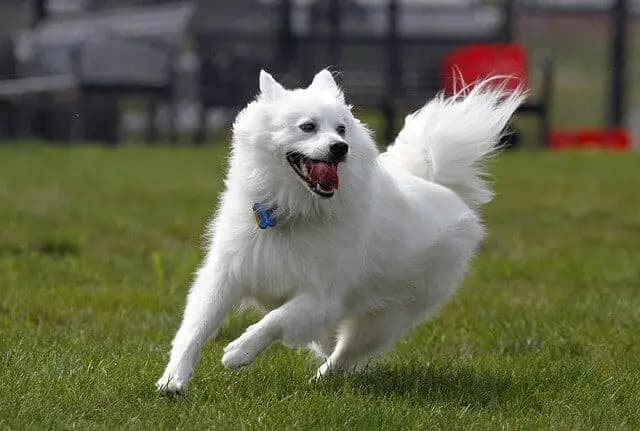
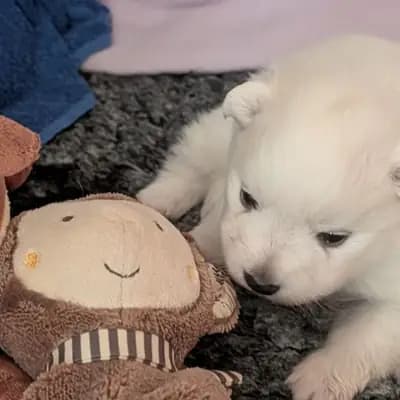
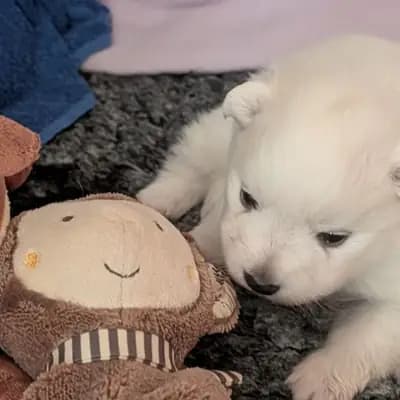
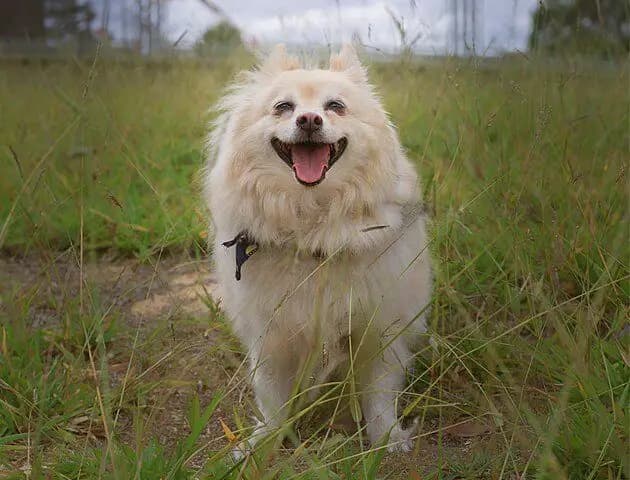
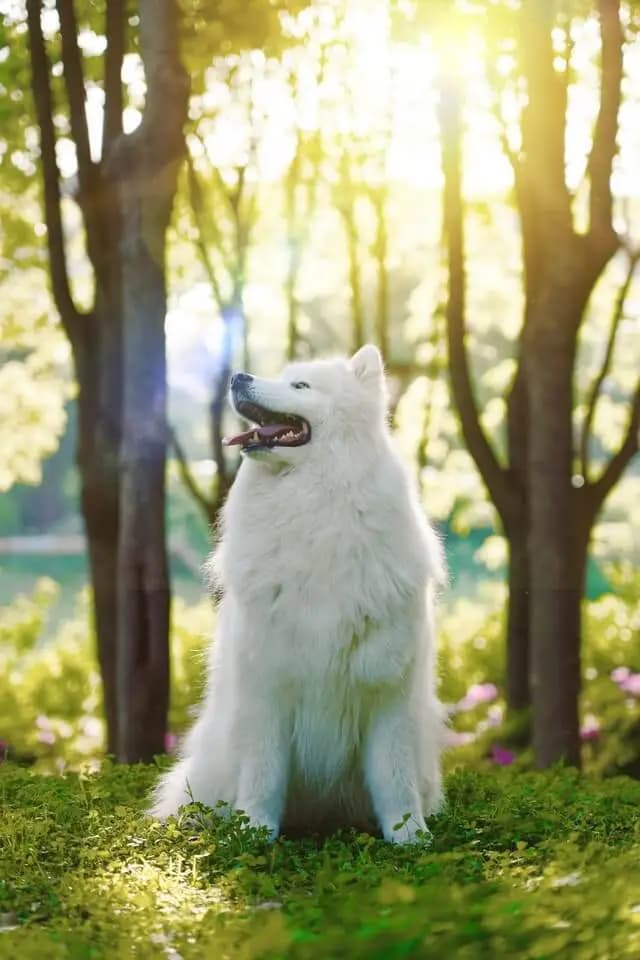
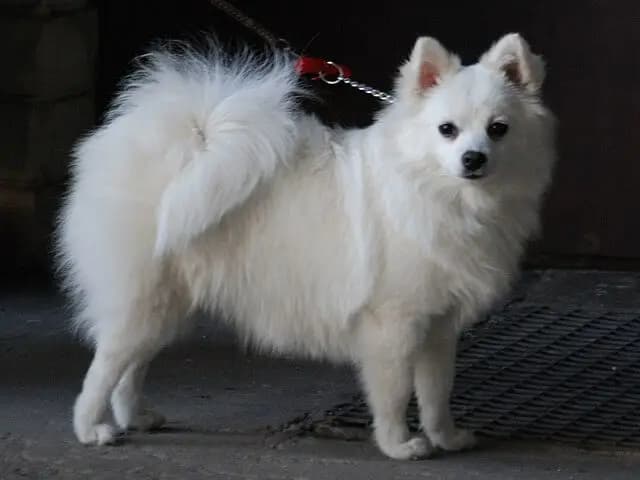
With an energy level of 3 out of 5, the American Eskimo Dog doesn’t need gruelling hours-long hikes, but it does need variety every day. Thanks to its high trainability (4/5) and its cheeky intelligence, it picks up tricks in no time – but it also sees through any inconsistency immediately. Its history as a watchdog shows in everyday life as a high level of alertness: an Eskie reliably announces visitors. It copes well in a city flat thanks to its high suitability for urban life (4/5), provided you guide its alert barking into calmer channels from puppyhood.
It is extremely well suited to families with children (4/5 for each), as it loves a lively household and is very people-oriented. Being left alone, on the other hand, is hard for this devoted breed and has to be built up in small steps. Its compatibility with other dogs is in the solid middle range (3/5), which is why attending a well-run puppy class is a must. You should plan realistically for grooming effort and shedding (3/5 for each): the medium-length, dense coat with undercoat has to be brushed thoroughly several times a week to stop it from matting.
Your checklist for the first conversation with the breeder
When buying a puppy, don’t rely on mere promises; check the facts on site. These are the specific points that matter with the American Eskimo Dog:
- Look at the joint results: Ask to see the official X-ray evaluations of the parents for hip dysplasia (HD), as well as the vet’s examination reports on the knee joints for patellar luxation.
- Check the eye examinations: Ask for up-to-date findings from a specialist veterinary ophthalmologist for both parents, giving information on progressive retinal atrophy (PRA) and other eye abnormalities.
- Ask about the line’s history: Ask specifically whether any cases of pyruvate kinase (PK) deficiency are known in the breeding line and how the breeder takes this risk into account when pairing dogs.
- Clarify the size variety: As males vary between 23 and 48 cm, look at the mother on site and ask about the size and weight of the stud dog, so you can realistically estimate your puppy’s final size.
- Observe the mother’s temperament: In line with the breed standard, she should come across as alert and friendly. She may bark briefly at first, but should settle quickly and must never seem panicky or aggressive.
- Rearing as part of the family: As Eskies are extremely people-oriented, the puppies must grow up in the middle of the household – rearing purely in a kennel or barn is a clear warning sign.
On HonestDog, a breeder profile only goes online once the breeder has completed registration: identity verification by ID and selfie, proof of club membership or a §11 permit where applicable, a knowledge test on breeding and animal welfare, and agreement to the HonestDog breeding standards, which rule out, among other things, breeding with traits that cause suffering (Qualzucht). You can see any health test results for the parents uploaded by the breeder right there in the profile; ask to see the original results when you visit. Your next step: compare the profiles of the American Eskimo Dog breeders on HonestDog, look at the health evidence they have uploaded and ask directly about the next litter.