PomeranianClose relative
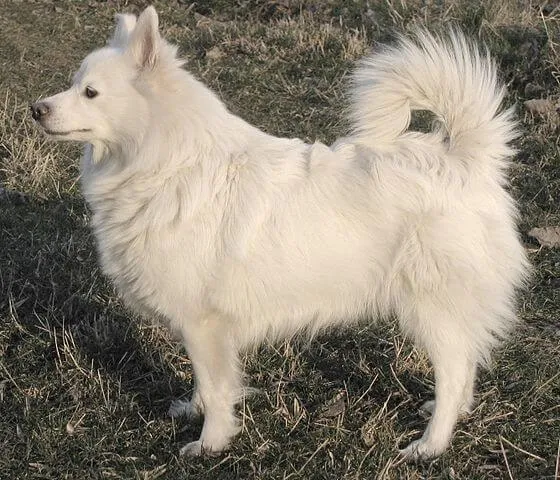
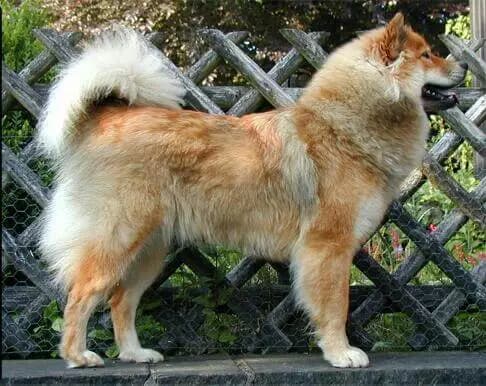
The Deutscher Spitz is a weather-resistant, incorruptible guardian of the home—bred to announce visitors loudly without wandering off or hunting. A loyal soul that values its territory and its people above all else.
How the health grade is calculated
Sources for required breeding screenings. Verein für Deutsche Spitze e.V.
Self-check
Answer 6 quick questions about your everyday life and see how well the German Spitz fits you — including an honest cost estimate per month, per year, and across the dog's lifetime.

At a glance
The essentials — key facts, traits, and health priorities — before you dive deeper.
Lifespan
13–15 yrs
Shoulder height
18–55 cm
Weight
2–30 kg
Practical
Temperament
Daily life
What matters most
Especially with a German Spitz, choosing the right breeder is the single most important decision you'll make. Serious breeders consistently test the parents for inherited conditions, prioritize healthy early socialization, and stay accountable long after handover. A cheap puppy without health screening tends to become the most expensive dog later on.
See HonestDog breeder standards →Colors & coat
The coat colors that occur in the German Spitz — including which ones fall outside the breed standard and which carry genetic risk.
Eye colors
 Brown
Coat type
 Long
 Double coat
The real vibes check
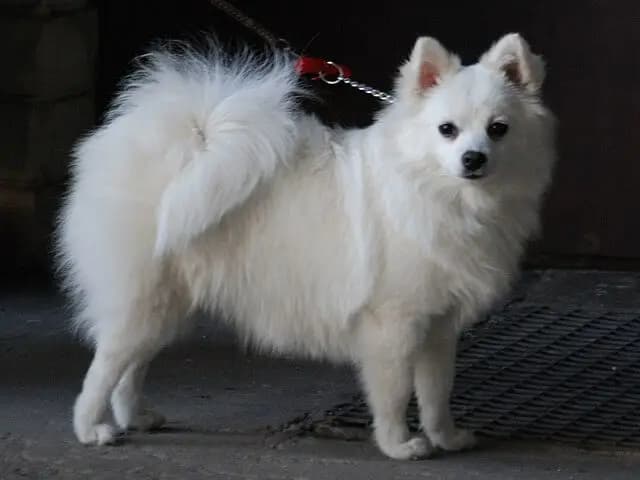
A Deutscher Spitz is like a fluffy, living alarm system with a built-in cuddle mode for its own family. They prefer to sit in an elevated spot in the garden or by the window to keep an eye on everything—they don't hunt, they don't roam, they look after you. If you lovingly manage their need to communicate, you get the most loyal shadow you could ever wish for.
The German Spitz is always attentive, lively and extremely devoted to its owner. He is very docile and easy to train. His distrust of strangers and lack of hunting instinct make him an ideal guard dog for the house. Its weather resistance, robustness and longevity are its outstanding qualities. Typical of small dog breeds, the German Spitz is also a breed that likes to move. In short: a small dog that appreciates exercise, play and training. It is therefore not surprising that this loyal companion would be particularly happy about a home with a garden. You should also be aware that the breed sheds. But don't worry, because with the right care and a fur brush, all the hair won't cause you any problems. Do you already have some experience with dogs? Perfect! Because for this breed it is important to have certain previous knowledge. The average life expectancy of the German Spitz is approximately 14 years.
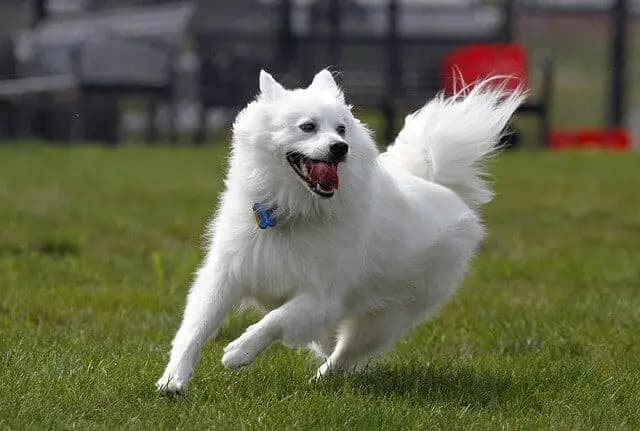
The German Spitz is a lively and intelligent companion dog that wins people over with its friendly and balanced nature. It is very people-oriented and cherishes close contact with its family, making it particularly well suited as a family dog. Despite its compact size, it displays remarkable alertness and attentively announces unfamiliar noises or visitors, without being overly aggressive. Its high willingness to learn and adaptability make it a versatile partner that thrives when challenged both mentally and physically. The German Spitz loves being kept busy—whether through games of fetch, nosework, or obedience training. Due to its spirited temperament, it requires regular exercise and mental stimulation to stay balanced and content. It is a self-confident dog with virtually no hunting instinct, making it an uncomplicated companion on walks. Early socialisation and clear training are important to guide its temperament in a positive direction. All in all, the German Spitz is a loyal, watchful, and lively companion, distinguished by its versatility and friendly nature.
| Watchfulness A natural watchdog with real protective instinct. | High |
| Openness to Strangers Careful around unfamiliar people — thaws slowly. | Cautious |
| Hunting or Herding Drive Barely any prey drive — small animals trigger nothing. | Very low |
Fun Fact!
German Spitz: The German Spitz is not only a fluffy whirlwind but also a real watchdog – despite its small size! Originally bred as a companion and farm dog, it now guards the house and garden with a lot of energy and courage.
The German Spitz is always attentive, lively and extremely devoted to its owner. He is very docile and easy to train. His distrust of strangers and lack of hunting instinct make him an ideal guard dog for the house. Its weather resistance, robustness and longevity are its outstanding qualities.
German Spitz are lively and attentive dogs that require a lot of exercise and mental stimulation. They are well suited for active families who have time for outdoor activities together. Due to their alertness, they are excellent companions and watchdogs, but also show a loving and affectionate side towards their people. When dealing with children, German Spitz are friendly and patient, with a gentle introduction being important, especially with small children. They generally get along well with other pets if socialized early. Purely apartment living is possible but requires sufficient exercise and activity to avoid boredom and unwanted behavior.
Loves family life and thrives in a group.
Gets on well with children — with adult supervision.
Usually gets on fine with other dogs.
Adapts well to city living and urban environments.
Owning a dog is a privilege, but it's also a real responsibility. Before you bring one into your life, be honest with yourself about the commitment it takes.
The German Spitz is an intelligent and eager-to-please breed that is generally easy to train. Due to their alert nature and tendency to bark, early socialization and consistent training are recommended to manage their watchdog instincts. They respond best to positive reinforcement and clear, firm guidance.
German Spitz: The German Spitz requires a balanced diet that suits its active nature. High-quality dog food with a good proportion of proteins and essential nutrients supports its health and vitality. Be careful to avoid overweight, as this breed can be prone to weight gain. The dense, double-coated fur of the German Spitz protects it well from cold and wet conditions. It sheds particularly heavily during the coat changes in spring and autumn. Regular brushing, ideally 2-3 times a week, helps remove loose hair and keeps the coat healthy and shiny. This also helps prevent matting. The German Spitz is well adapted to the Central European climate. Its coat protects it from the cold, but in extreme heat, you should ensure sufficient shade and water to prevent overheating.
| Care Level Minimal effort — occasional brushing and bathing. | Low-maintenance |
| Exercise Needs Needs 1–2 hours of real exercise daily. | Active |
| Shedding Hair everywhere, always — no white clothing survives. | Very heavy |
| Trainability Picks up commands quickly and wants to please. | Eager to learn |
Our experts are still reviewing this information. Spotted something wrong? Email us at info@honestdog.de.
Solid
Health grade
In the German Spitz, health risks mainly involve patellar luxation (PL) and eye diseases such as progressive rod-cone degeneration (PRCD) and cataracts. The Verein für Deutsche Spitze e.V. mandates an examination for patellar luxation (PL) for breeding approval, permitting only scores of PL 0–1. Responsible breeders additionally test their parent animals for progressive rod-cone degeneration (PRCD) and have them screened for primary hyperparathyroidism (PHPT) as well as hip dysplasia (HD). Before buying a puppy, have the official findings for patellar luxation (PL) and the results of the eye and genetic tests presented to you in writing.
Grade is relative to other breeds — AI-assisted and editorially reviewed.
Methodology and data: HonestDog Dog Breed Health Report 2026
What matters most for this breed
Tap any item to see details.
With regular grooming, joint-friendly exercise, and occasional eye check-ups, you lay the best foundation for a long and active dog life.
Responsible breeders provide proof of the mandatory breeding screening for patellar luxation (PL 0–1) and additionally test for progressive rod-cone degeneration (PRCD) as well as primary hyperparathyroidism (PHPT).
Note: This health overview is AI-assisted and editorially reviewed. It is for orientation only and does not replace veterinary advice.
What matters most for this breed — what's common, how much it affects the dog's life, and how to protect yourself as a buyer.
Tap a body region to see the inherited conditions linked to it.
The three most important risks
Pick a region on the map to explore other areas.
Tier 1 is the core standard: the tests Verein für Deutsche Spitze e.V. requires, plus further tests from the recommended health standard for this breed. Tiers 2 and 3 show how responsible breeders go beyond.
Core standard. Tests marked “Club standard” are required by Verein für Deutsche Spitze e.V. for breeding approval; the others are part of the recommended health standard for this breed. Ask any reputable breeder for the results.
Not health tests, but required for breeding: the club asks for these results too. They don't count toward the risks or the rating.
DNA-Identitätsnachweis
Required by Verein für Deutsche Spitze e.V.
Acceptable result: DNA-Lagerung und DNA-Karte vorhanden
Wesensbeurteilung
Required by Verein für Deutsche Spitze e.V.
Acceptable result: Bestandene Verhaltensbeurteilung oder bestandene Begleithundeprüfung
No entries in this tier.
Note: This health overview is AI-assisted and editorially reviewed. It is for orientation only and does not replace veterinary advice.
A German Spitz costs around ~€170 per month (€90 – €310, depending on your setup). The first year adds up to roughly ~€4,580 including purchase, equipment and puppy school; across the dog's life (14 years) it comes to about ~€30,590.
With surgery cover, running costs come to about ~€160 per month — in return, your share of a major operation drops from several thousand euros to around 20 percent.
Per month
~€170
In the first year
~€4,580
Across the dog's life
~€30,590
Estimated purchase price from a breeder: €1,000 – €2,500
Estimate at a mid-range setup (suburban, dry food, 1–2 hours of daily exercise), average German prices, as of July 2026.
HonestDog Concierge
We currently have no breeders for this breed who have passed our verification. Create your short buyer profile: we'll set up your search alert, review a possible source and email you within 28 days.

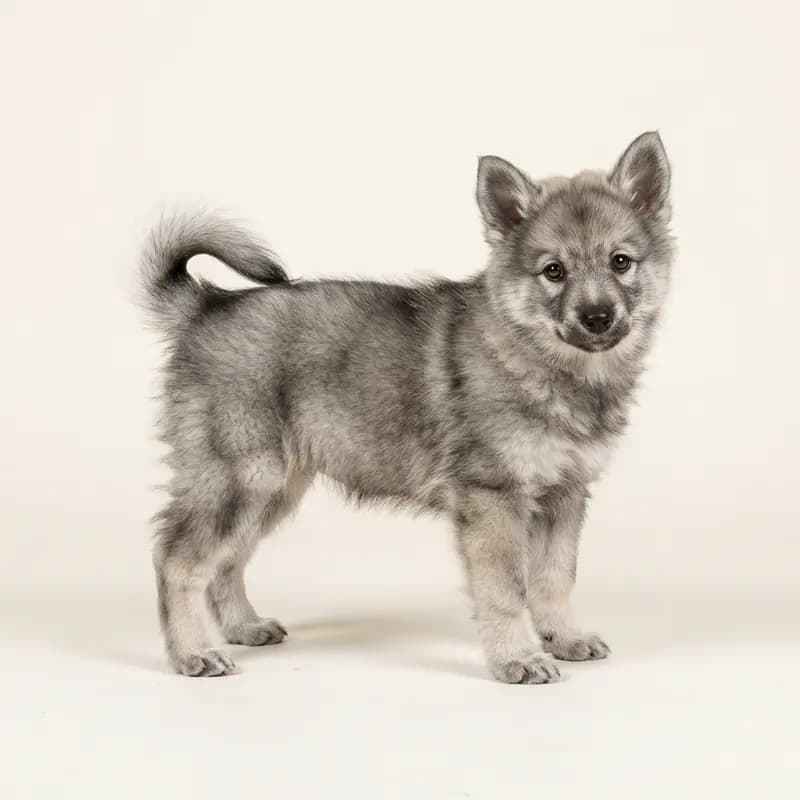
 Illustrative image
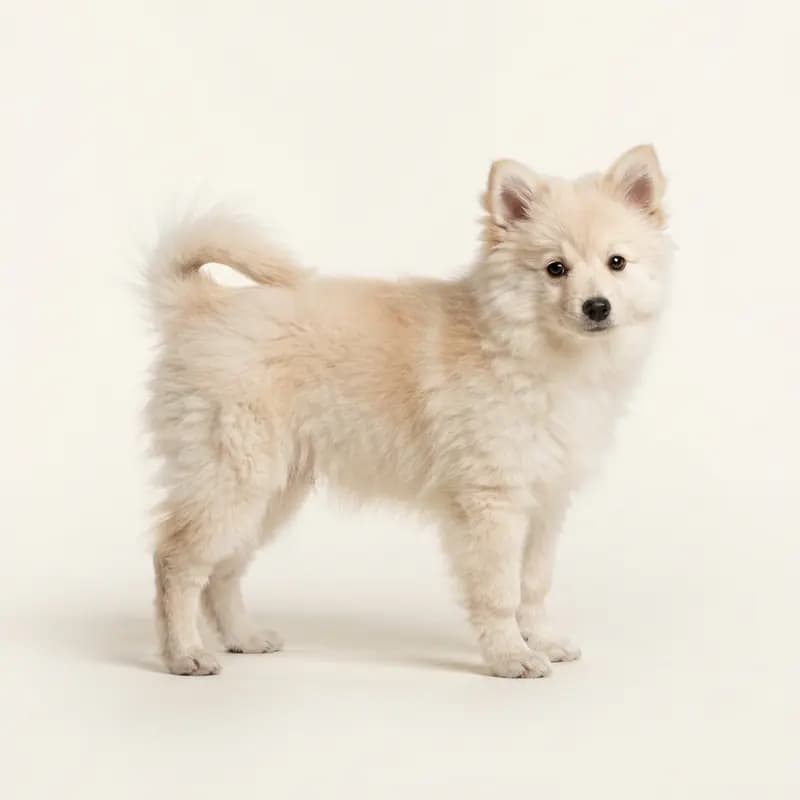
 Illustrative image
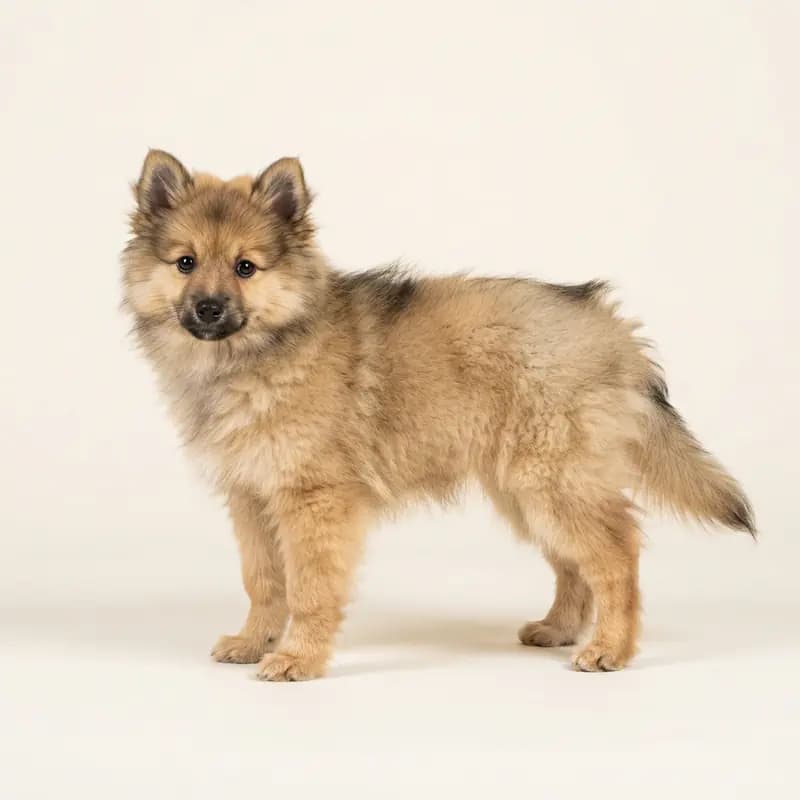
 Illustrative image
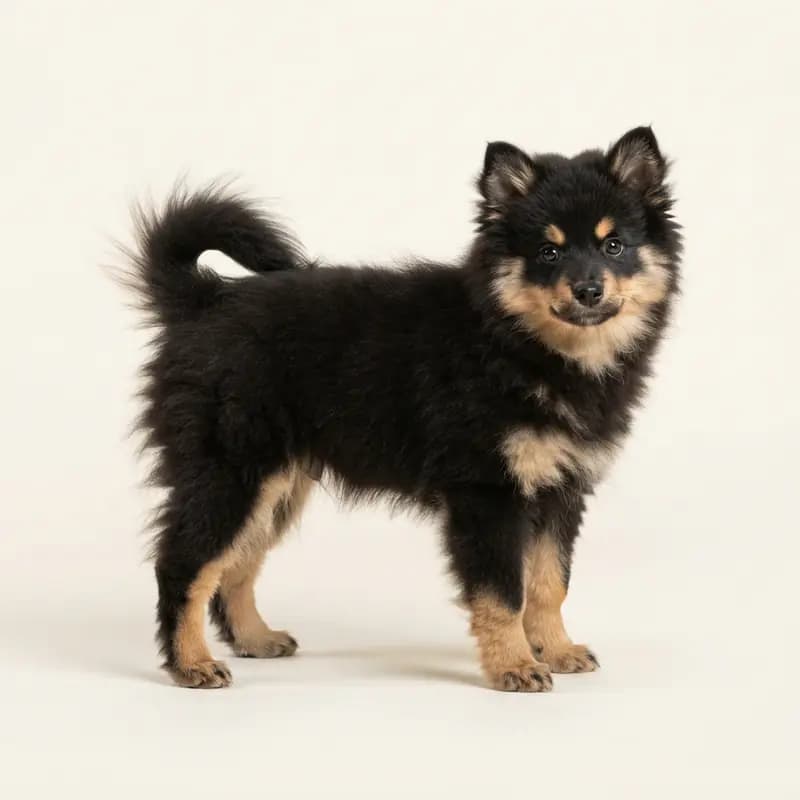
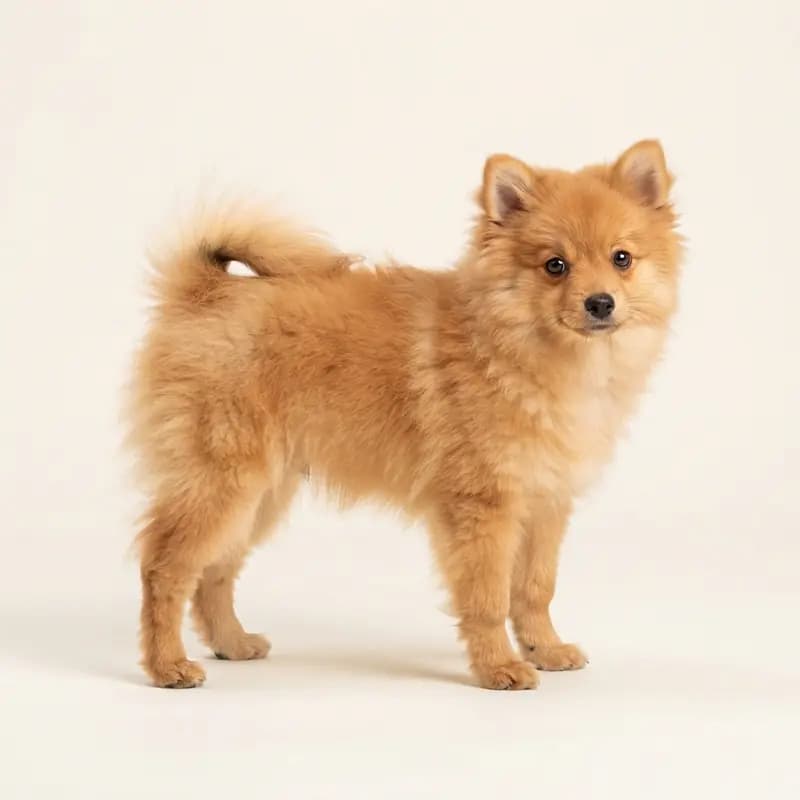 Illustrative image
The German Spitz is one of the oldest dog breeds in Central Europe. According to the Fédération Cynologique Internationale (FCI) standard, these dogs descend from the Stone Age 'torfhund' (peat dog) and later pile-dwelling spitzes, making them a foundational ancestor for many other breeds. The Spitz was mentioned by name as early as the 15th century, including a reference around 1450 by Count Eberhard zu Sayn. For centuries, they were ubiquitous on farms and in middle-class households as incorruptible watchdogs and loyal companions. Contrary to historical misconceptions, a Spitz never has curly fur; instead, it is characterized by a long, straight, and standoffish topcoat over a dense undercoat. Breeding evolved into an enormous range, which is now officially divided into five varieties: Wolfsspitz (Keeshond), Giant Spitz, Medium Spitz, Miniature Spitz, and Pomeranian. While the larger representatives like the Wolfsspitz and Giant Spitz were traditionally used as robust farm dogs and guards for wagons, the smaller varieties found favor early on as pure companion and lap dogs. In 1899, the Verein für Deutsche Spitze was founded, which systematically organized and standardized the breeding of this versatile breed.
The German Spitz was bred as a watchdog and companion dog and is known for its alertness and cheerful nature.
Germany
1400
Owners consistently describe the German Spitz as a very affectionate, loyal companion that is always present in family life. Many say the Spitz wants to be part of everything and often follows its people from room to room. In owner reports, it is patient, playful and cuddly with its own family and children. It usually gets along well with other pets in the household, too, including cats and small animals.
At the same time, owners point out that this close bond has a downside: being left alone has to be practiced thoroughly. With strangers, the Spitz is often distant, reserved or suspicious at first. Owners also note that the smaller varieties in particular are easy to underestimate outdoors. The Spitz is not just a lap dog but a sturdy, weatherproof partner that loves to move and expects its walks in any weather.
The main topic in forums and training reports is the breed's strong alertness and the barking that comes with it. Owners regularly confirm that the urge to sound the alarm runs deep in the breed's genes. Noises in the stairwell, visitors at the door or movement at the garden fence reliably get a loud response. Experience clearly shows, however, that a Spitz doesn't have to become a nonstop "yapper," as long as clear limits are set from puppyhood and the alarm barking is deliberately interrupted or redirected.
In training, the German Spitz comes across as very intelligent and eager to learn, often quick on the uptake. Owners also stress, however, that it has a mind of its own and little use for blind obedience. Pressure or excessive harshness usually leads to stubbornness or refusal; calm consistency and positive reinforcement work much better. Another recurring theme with young Spitzes is learning frustration tolerance and taking real rest, because they tend to get wound up and work themselves into a state over stimuli.
When it comes to hunting instinct, many Spitz owners see a clear advantage over many other breeds. Classic chasing of deer or wild boar is barely present in most dogs, or very easy to control, so in many places they can go off-leash without trouble. Several owners do report, however, a real passion for hunting mice and small animals, and say that moving things like joggers or bikes get watched closely and sometimes chased if the handler doesn't stay a step ahead.
Health-wise, owners generally see the German Spitz as a surprisingly hardy, long-lived and weatherproof breed. The abundant coat protects against cold and wet and turns out to be surprisingly dirt-resistant in daily life, but during shedding season it needs daily brushing to prevent matting. Breed-specific weak spots vary by size: owners of the smaller Spitzes often discuss luxating patellas or tartar problems, while with the larger varieties the focus is on joint health.
Paraphrased from real owner reports · translated from German
The German Spitz is an adaptable dog that adjusts well to various lifestyles. Research the temperament, grooming needs, and space requirements before deciding.
The average life expectancy of a German Spitz is 13-15 years. With proper care and regular vet visits, your dog can live a long, healthy life.
German Spitz grooming requirements include regular brushing, nail trimming, and dental care. HonestDog provides detailed grooming tips for every breed.
The German Spitz can be a great family dog. Proper training and socialization are key. HonestDog provides family suitability information for every breed.
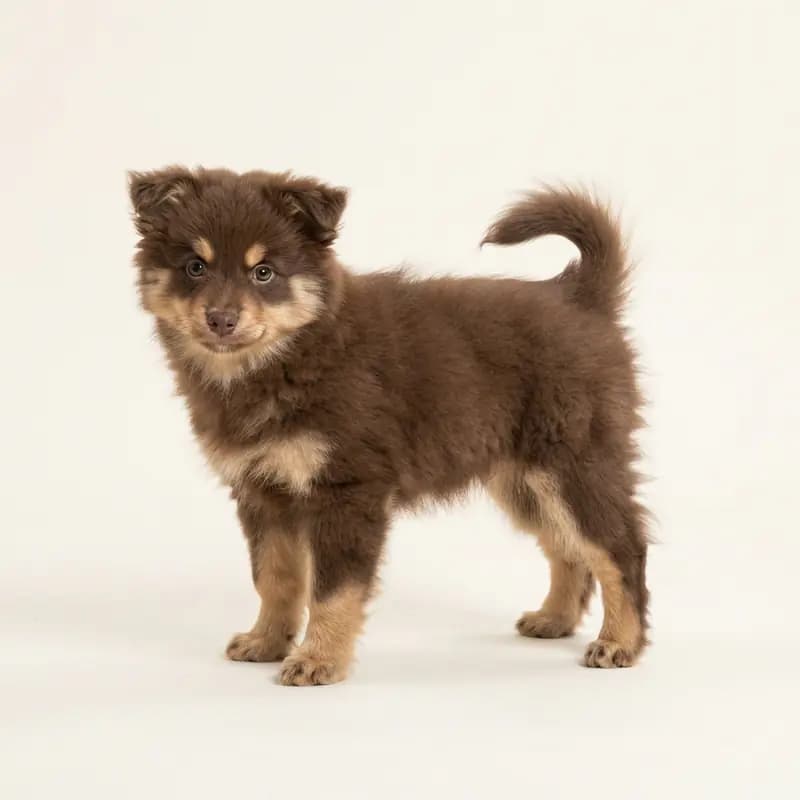
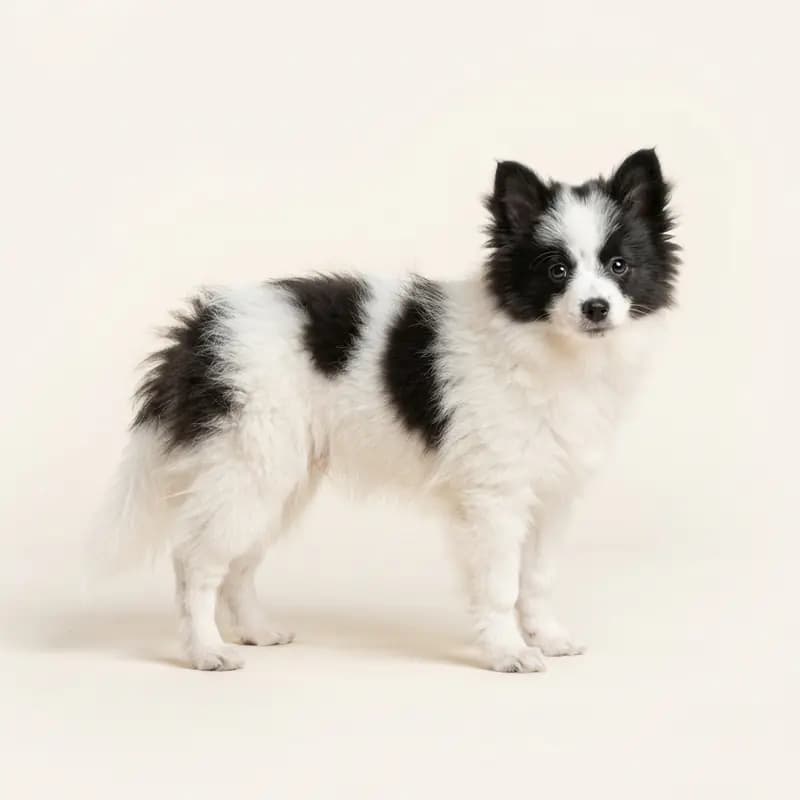
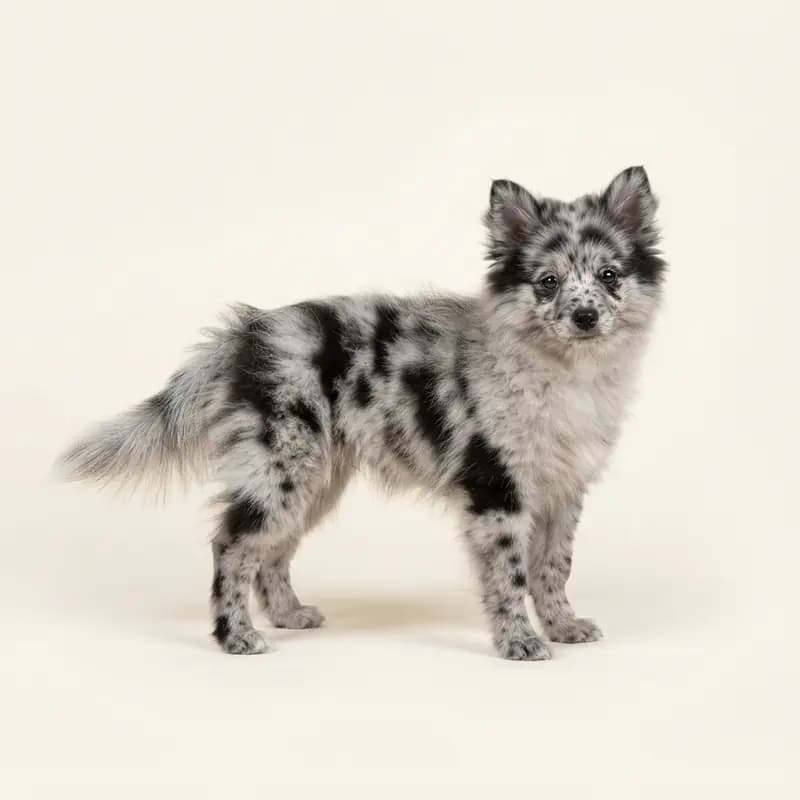
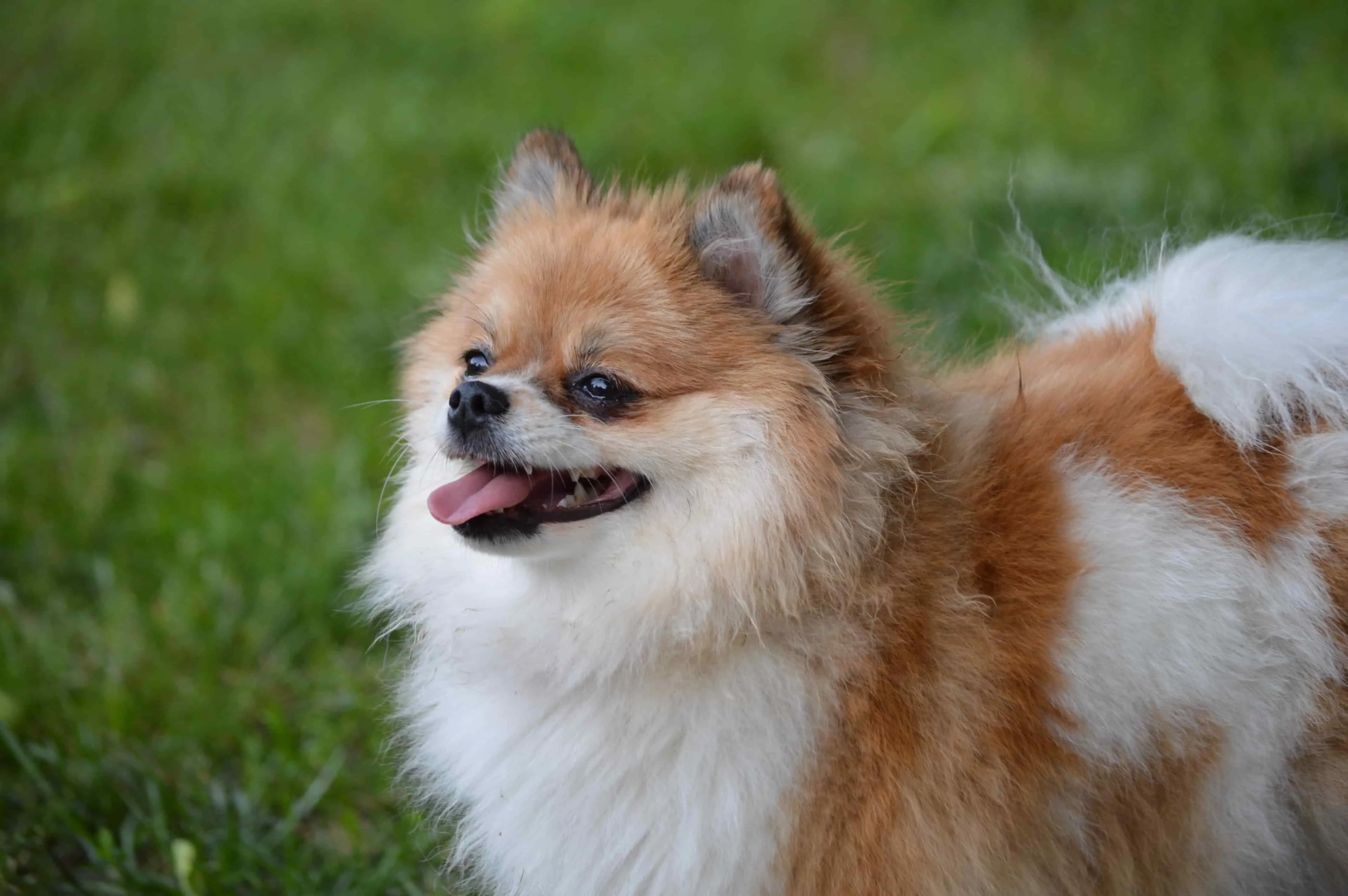
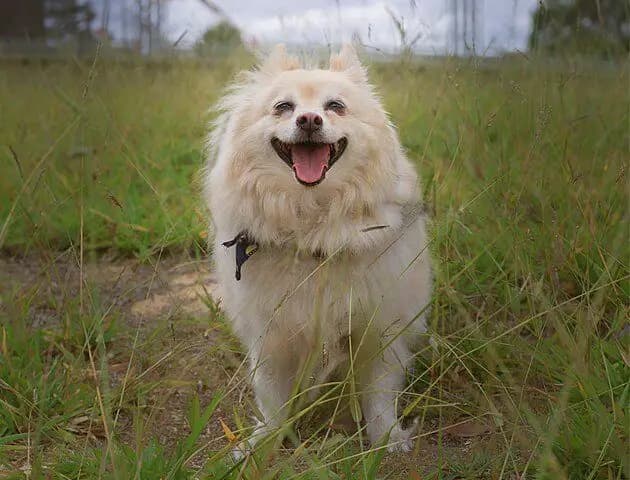
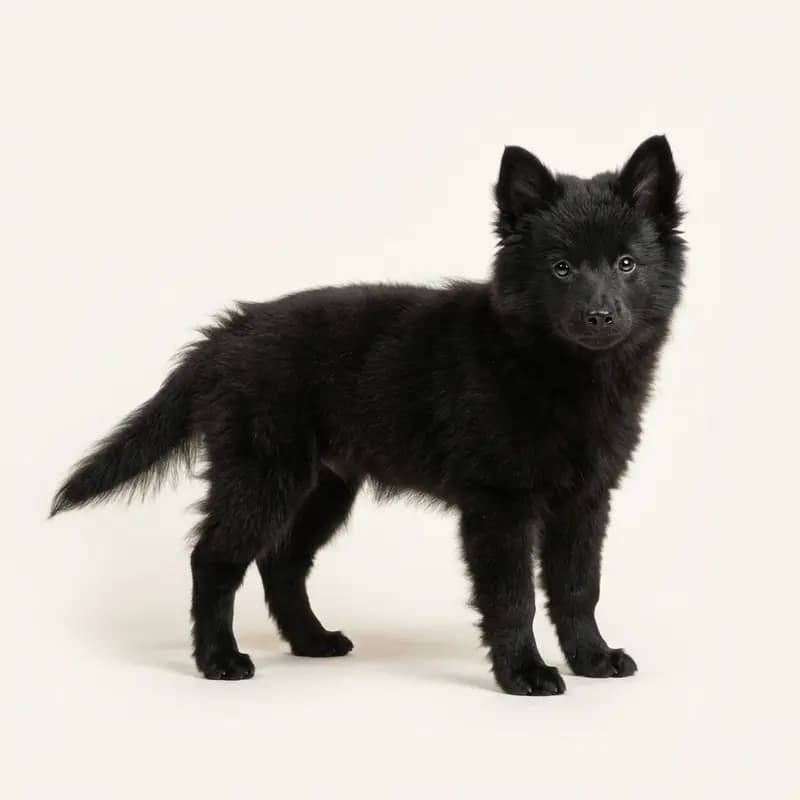
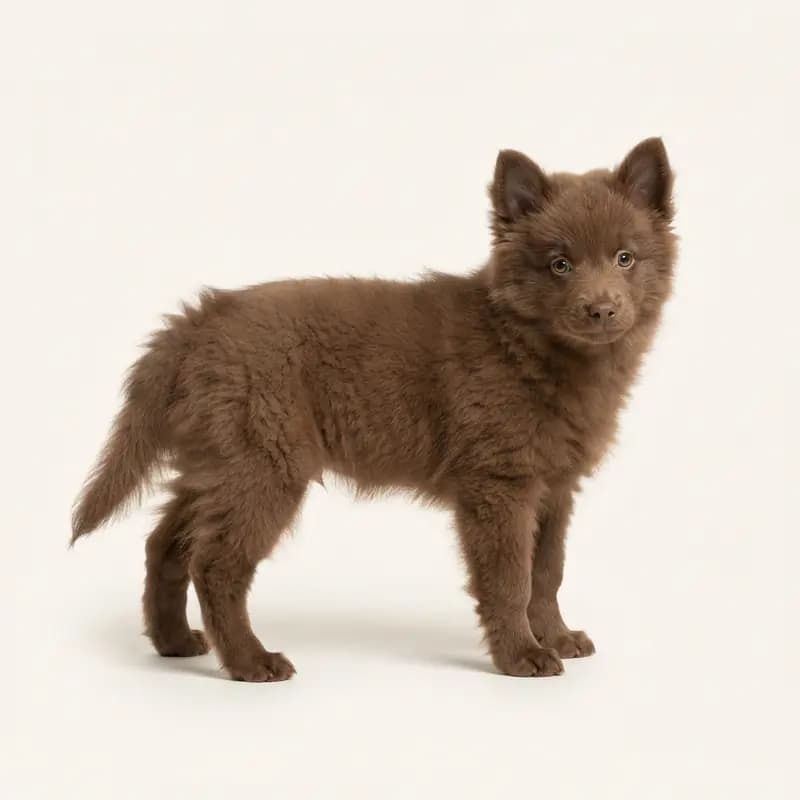
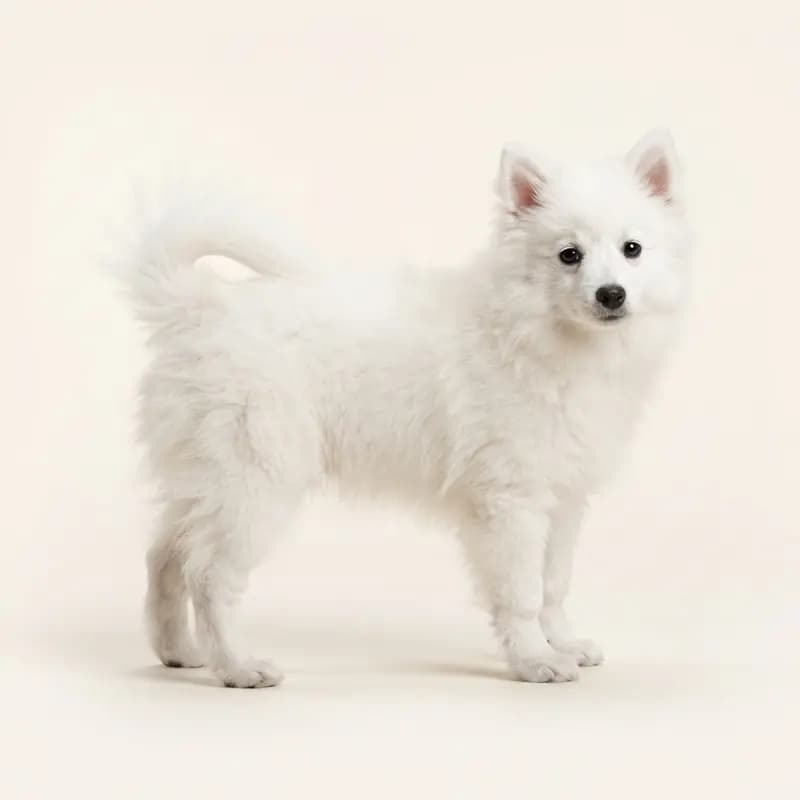
The German Spitz comes in these colors: Black, Brown, White, Orange, Wolf grey, Cream, Sable, Black and tan, Brown and tan, Piebald, Merle. Colors that fall outside the breed standard are marked as such on the breed page.
Showcase your kennel on HonestDog and reach families searching for a responsibly bred German Spitz.