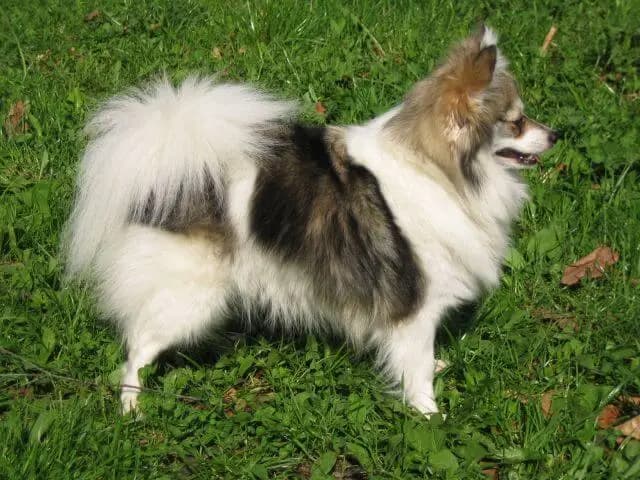
Small SpitzSame FCI section
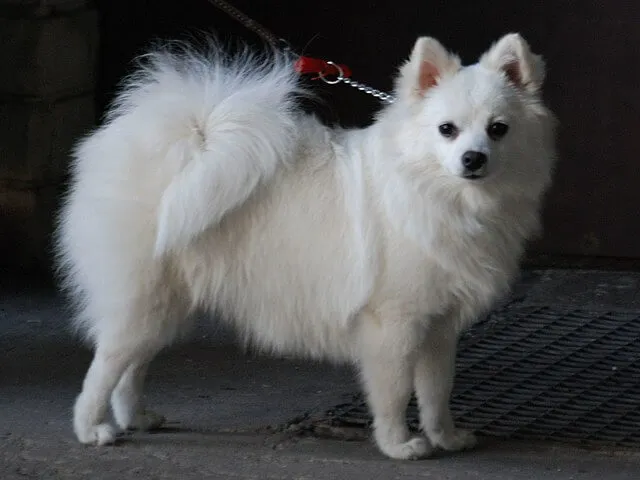
The Volpino Italiano is a cheerful, extremely alert Wachspitz (watchdog spitz) — bred to announce any stranger early on, whether on Italian farms or in palazzi. He combines the self-confidence of a large dog in a compact, fluffy package.
Self-check
Answer 6 quick questions about your everyday life and see how well the Volpino Italiano fits you — including an honest cost estimate per month, per year, and across the dog's lifetime.
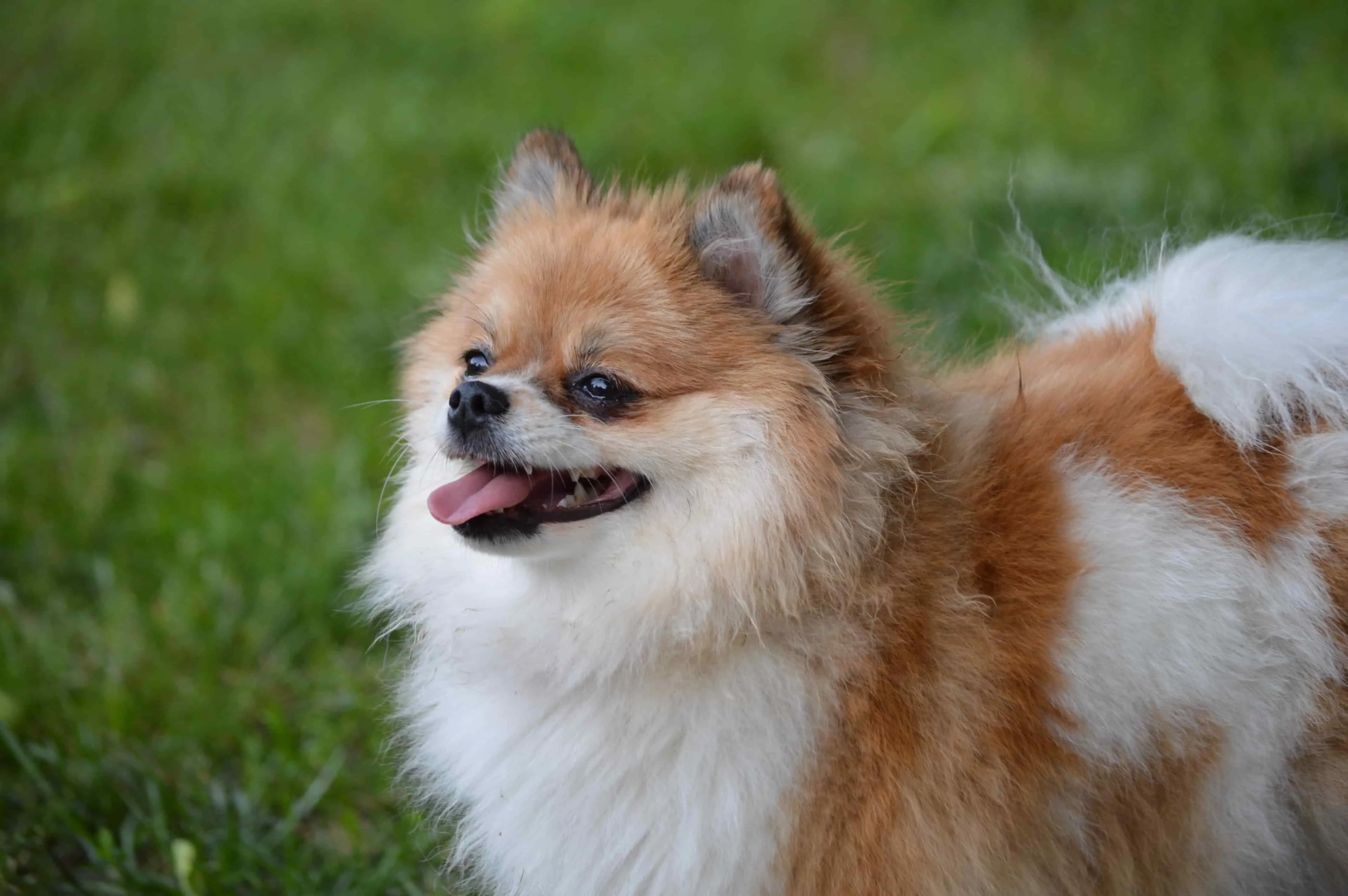
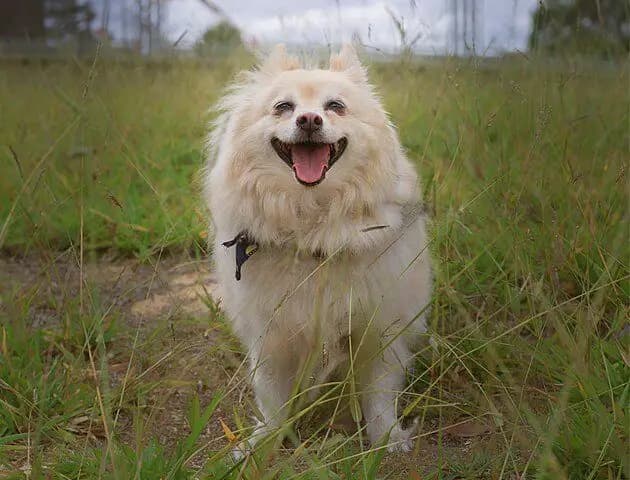



At a glance
The essentials — key facts, traits, and health priorities — before you dive deeper.
Lifespan
14–16 yrs
Shoulder height
25–30 cm
Weight
4–5 kg
Practical
Temperament
Daily life
What matters most
Especially with a Volpino Italiano, choosing the right breeder is the single most important decision you'll make. Serious breeders consistently test the parents for inherited conditions, prioritize healthy early socialization, and stay accountable long after handover. A cheap puppy without health screening tends to become the most expensive dog later on.
See HonestDog breeder standards →Colors & coat
The coat colors that occur in the Volpino Italiano — including which ones fall outside the breed standard and which carry genetic risk.
Eye colors
 Brown
Coat type
 Long
 Double coat
The real vibes check
A Volpino Italiano is like a small, fluffy alarm system: nothing escapes him, and he takes his job as a guardian very seriously. You aren't getting a silent lapdog that sleeps the day away, but a bright-eyed, loyal partner who will accompany your life actively and vocally.
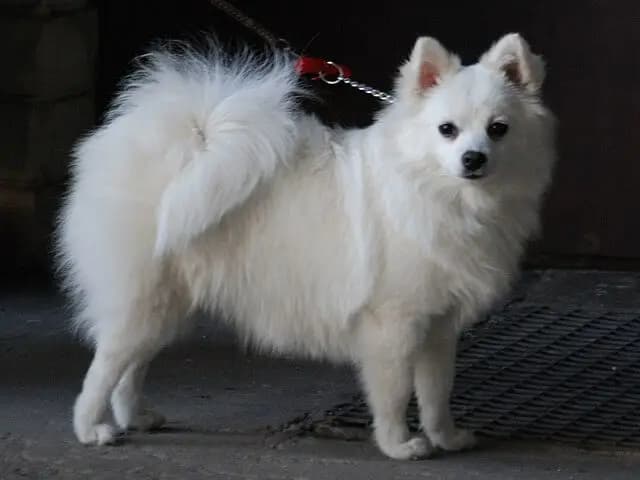
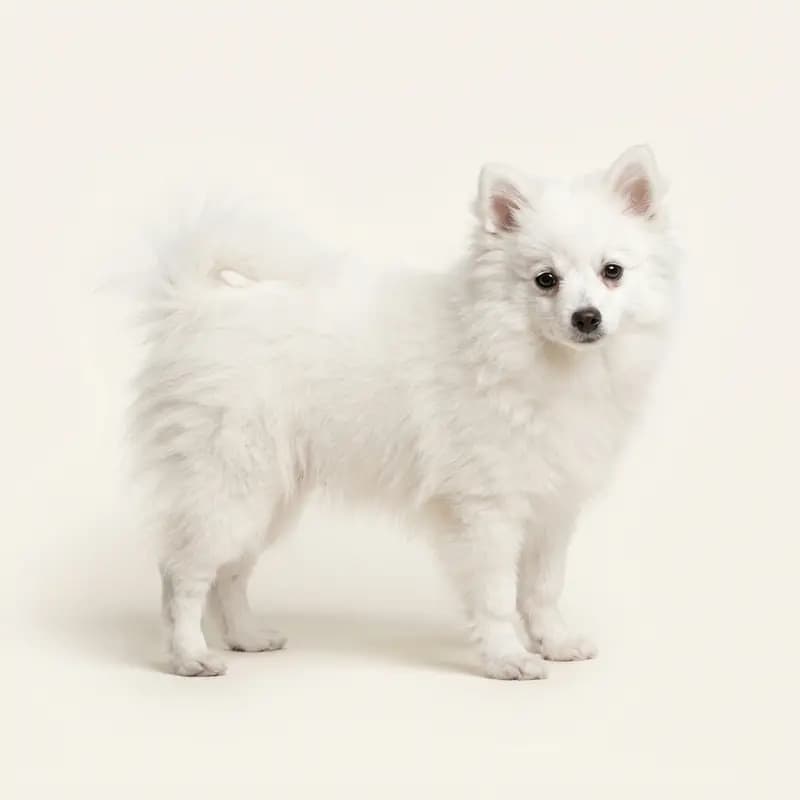
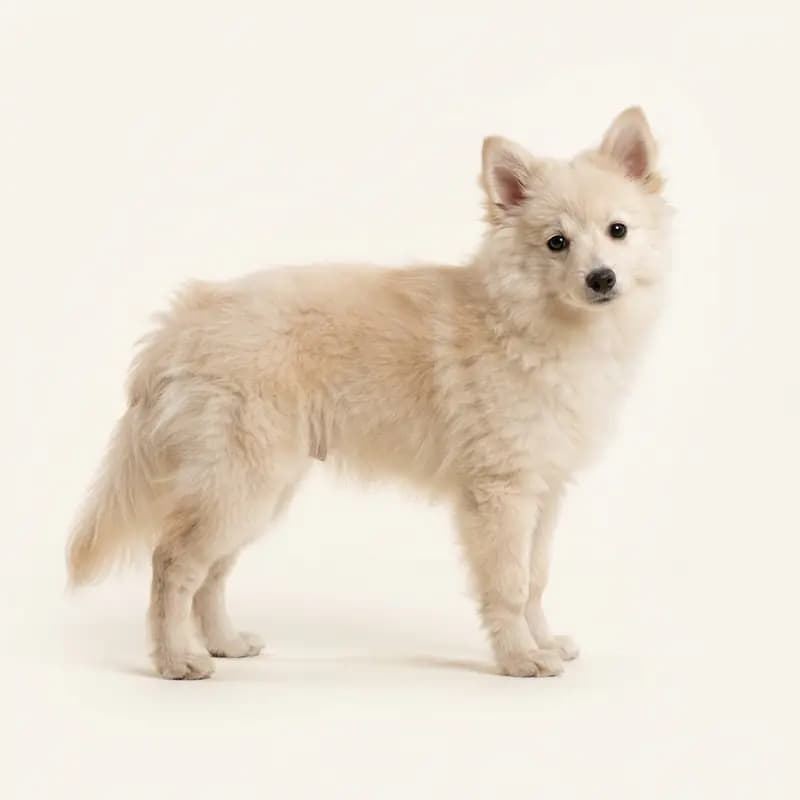
The Volpino Italiano is a small but very lively dog, characterized by its fluffy, lush coat and pointed, alert ears. With his bright dark eyes and happy facial expression, he enchants every viewer. The FCI (Fédération Cynologique Internationale) classifies the Volpino Italiano in Group 5, Section 4 of the European Spitz breeds. The Volpino Italiano breed is not divided into different lines as the focus of breeding is to maintain uniform breed standards and characteristics. It is therefore irrelevant whether a Volpino is kept for exhibitions or purely as a companion dog; the breeding goals remain the same.
The Volpino Italiano is a very lively and bright dog. He is known for his loving and people-oriented nature, which makes him an ideal family dog. Because the breed has traditionally been used as a guard dog, Volpinos are very alert and attentive. They tend to be very attached to their family and can be a bit reserved around strangers at first. However, with proper socialization, they are very friendly and open. Although the Volpino Italiano is small, there is a great spirit within it. He is intelligent and curious, always ready to learn new things and have new experiences. With his playful and active nature, the Volpino needs a lot of activity to be happy and balanced. This can be done through games, walks or even by learning new tricks. The Volpino Italiano is a very adaptable dog that gets along well in both the city and the country. Although he enjoys living with his family, he can also learn to stay alone as long as this is not excessive. He needs to be close to his caregiver and should not be permanently isolated. Regarding its hunting behavior, it should be said that the Volpino Italiano does not have a strong hunting instinct due to its history as a guard dog. Nevertheless, like all dogs, he can exhibit prey-catching behavior, especially when small animals such as birds or squirrels move quickly. Good training and socialization can help control this behavior. Overall, the Volpino Italiano is a happy, loving and active dog who loves his family more than anything and enjoys keeping them company. With his intelligent and attentive nature, he can quickly adapt to new situations and is always ready to delight his family with his lively and charming nature.
| Watchfulness Occasionally alerts but is fundamentally open. | Low |
| Openness to Strangers Warms up quickly and is generally welcoming. | Friendly |
| Hunting or Herding Drive Barely any prey drive — small animals trigger nothing. | Very low |
Fun Fact!
Did you know that despite its small size, the Volpino Italiano was used as a guard dog and is known for having a courageous and alert character?
Volpino Italianos, also called Italian Pomeranians, are small, alert dogs that like to bark. Intelligent and independent, they cannot always be easily persuaded to cooperate.
The Volpino Italiano is an adaptable dog that gets along well in both the city and the country. He is small enough to live in an apartment but still needs enough exercise and mental stimulation. With its outgoing and friendly nature, the Volpino Italiano usually gets along well with children and other pets. However, he can be somewhat territorial and should therefore be socialized early and well.
Loves family life and thrives in a group.
Takes boisterous and affectionate children in its stride.
Usually gets on fine with other dogs.
Adapts well to city living and urban environments.
Owning a dog is a privilege, but it's also a real responsibility. Before you bring one into your life, be honest with yourself about the commitment it takes.
Raising the Volpino Italiano can be a joy as he is intelligent, eager to please and eager to learn. Due to his history as a guard dog, he has a strong protective instinct and can tend to be a bit stubborn. Therefore, early, consistent and positive parenting is important. The Volpino Italiano benefits from activities that challenge both his body and his mind. This can be achieved through dog sports such as agility, obedience or trick training. It is important not to keep the dog overly busy, but also to allow him enough rest periods. Ball games should be enjoyed in moderation to avoid the risk of ball addiction. Promoting frustration tolerance and impulse control can help form a balanced and well-adjusted dog.
The Volpino Italiano's diet should be balanced and high quality. As with all dogs, it is important to maintain a good ratio of proteins, carbohydrates and fats and to ensure that the dog receives all the necessary vitamins and minerals. Because of their small size, Volpinos tend to gain weight more quickly if they are overfed. Therefore, it is important to keep an eye on the amount of food and the dog's weight status. In terms of care, the Volpino Italiano is a little more demanding. It has a dense undercoat and a long, straight top coat that should be brushed regularly to avoid matting. The Volpino Italiano is a year-round shedder and can shed more fur, especially during shedding in spring and autumn. Despite its thick fur, the Volpino Italiano copes well with the climate in Germany as long as it is protected from extreme temperatures.
| Care Level Regular brushing and occasional professional grooming. | Moderate |
| Exercise Needs Needs 1–2 hours of real exercise daily. | Active |
| Shedding Regular shedding — dog hair on clothes is now normal. | Moderate |
| Trainability Willing to learn with clear rules and regular training. | Balanced |
Our experts are still reviewing this information. Spotted something wrong? Email us at info@honestdog.de.
Solid
Health grade
In the Volpino Italiano, hereditary eye diseases such as primary lens luxation (PLL) and progressive retinal atrophy, as well as joint problems caused by patellar luxation (PL), occur primarily. In addition, myxomatous mitral valve disease (MMVD) and dental malformations also appear in the breed. A responsible breeder tests their breeding dogs for these risks to prevent inheritance. Before buying, ask to see written test results for primary lens luxation (PLL) (clear or carrier, provided the mating partner is clear), progressive retinal atrophy (clear), patellar luxation (PL) (grade 0–1), and an unremarkable heart screening regarding myxomatous mitral valve disease (MMVD).
Grade is relative to other breeds — AI-assisted and editorially reviewed.
Methodology and data: HonestDog Dog Breed Health Report 2026
With consistent preventative care, joint-friendly upbringing, and regular eye check-ups, most of these dogs remain active well into old age.
Responsible breeders test their parent animals in advance for primary lens luxation (PLL), progressive retinal atrophy, patellar luxation (PL), and myxomatous mitral valve disease (MMVD) to prevent eye damage and heart conditions.
Note: This health overview is AI-assisted and editorially reviewed. It is for orientation only and does not replace veterinary advice.
What matters most for this breed — what's common, how much it affects the dog's life, and how to protect yourself as a buyer.
Tap a body region to see the inherited conditions linked to it.
The three most important risks
Pick a region on the map to explore other areas.
We sort tests into three tiers — from the core standard to a fully exemplary program.
Recommended standard. These tests make up the recommended health standard for this breed — the baseline of any careful breeding program. Ask any reputable breeder for the results.
No entries in this tier.
Not health tests, but required for breeding: the club asks for these results too. They don't count toward the risks or the rating.
DNA-Identitätsnachweis
Required by Verein für Deutsche Spitze e.V.
Acceptable result: DNA storage and DNA card on file
Wesensbeurteilung
Required by Verein für Deutsche Spitze e.V.
Acceptable result: Minimum requirements met or companion dog test (Begleithundeprüfung) passed
No entries in this tier.
Note: This health overview is AI-assisted and editorially reviewed. It is for orientation only and does not replace veterinary advice.
A Volpino Italiano costs around ~€170 per month (€90 – €310, depending on your setup). The first year adds up to roughly ~€5,230 including purchase, equipment and puppy school; across the dog's life (15 years) it comes to about ~€33,200.
With surgery cover, running costs come to about ~€160 per month — in return, your share of a major operation drops from several thousand euros to around 20 percent.
Per month
~€170
In the first year
~€5,230
Across the dog's life
~€33,200
Estimated purchase price from a breeder: €1,800 – €3,000
Estimate at a mid-range setup (suburban, dry food, 1–2 hours of daily exercise), average German prices, as of July 2026.
HonestDog Concierge
We currently have no breeders for this breed who have passed our verification. Create your short buyer profile: we'll set up your search alert, review a possible source and email you within 28 days.
 Illustrative image
 Illustrative image
 Illustrative image
 Illustrative image
The Volpino Italiano, which means 'little fox' in Italian, is a very old breed of dog. Its ancestors are believed to have lived in Italy since ancient times and there is evidence that similar dogs existed in ancient Greece and Rome. Over the centuries, these dogs have often been used as guard dogs due to their alert and vigilant nature. Volpino Italiano was very popular and widespread in Italy until the 19th century. However, in the 20th century, the breed's popularity declined sharply and it was on the verge of extinction. Fortunately, an initiative to save the breed was launched in the 1980s and its population was stabilized again. The FCI officially recognized the breed in 1956.
The Volpino Italiano served as a guard dog on Italian farms and as a companion dog for nobles.
Italy
Antike
Owners describe the Volpino Italiano as a very loyal, affectionate and lively shadow of its people. It bonds closely with its family and would rather go everywhere with them. Its compact size makes it easy to take along, but it's by no means just a lap dog at home: many owners stress that it has surprisingly much energy, loves to play and fetch balls, and wants to be challenged both mentally and physically.
A recurring challenge in daily life is the breed's strong watchfulness and love of barking. True to its heritage as a traditional farm watchdog, it reliably announces noises in the hallway or visitors at the garden gate with a piercing voice. Anyone living in a thin-walled rental apartment should therefore expect from the start that this alert barking will need active management to avoid conflicts with the neighbors.
With strangers, this little spitz is often cautious or aloof at first, but it quickly builds trust when introductions are calm. Owners find it very playful and outgoing with children in the household, although its greetings can sometimes be boisterous and loud.
Sources:agila.detierwelt.chanimalia.biokleinspitz.dezoomalia.de
Owners' accounts of training regularly stress that you shouldn't be fooled by the dainty look of this "little fox." Volpinos are considered very clever, attentive and eager to learn, but like other spitz breeds they also have healthy self-confidence and a real stubborn streak. Owners unanimously recommend loving but fully consistent leadership. If it isn't given clear boundaries, this smart little dog quickly takes advantage of any slip and starts making its own decisions.
Frustration tolerance and a controlled recall when the dog is excited are central training topics. Owners say that barking at outside noises in particular can't be switched off completely, since it's deeply rooted in the breed. With patience and positive reinforcement, though, it can be channeled into a controlled routine. This sensitive dog, on the other hand, often responds to pressure or harshness with stubbornness or withdrawal.
On walks, owners report that the breed is relatively easy, since its hunting drive is usually weak and these dogs like to stay close to their owners. Prey behavior does flash up now and then when small animals bolt, but taking off out of control in the woods is the exception.
Sources:tierwelt.chanimalia.biokleinspitz.dezoomalia.deedogs.de
People who know the breed and owners alike describe the Volpino Italiano as a very healthy, weatherproof and long-lived breed that often reaches 14 to 16 years of age. Breed enthusiasts still stress the importance of choosing a breeder carefully: because the breed has historically had a very small breeding base, it's prone to hereditary primary lens luxation (PLL) of the eyes. Owners strongly advise making sure that both parents have been DNA-tested for this mutation, to avoid painful eye disease and blindness later on. As with many small breeds, patellar luxation (a slipping kneecap) is also part of routine health screening.
The full white or red coat with its dense ruff looks like a lot of work, but in practice owners find it surprisingly easy to care for. The firm, almost glassy texture of the outer coat repels dirt well, so dried mud can usually just be brushed out after walks.
Normally, a thorough combing once or twice a week is enough for most owners. During the seasonal shed in spring and fall, however, owners report heavy shedding, when daily brushing is a must to keep the dense undercoat from matting. The coat should never be shaved, so as not to permanently damage its natural temperature regulation and protection from the cold.
Sources:kleinspitz.dehundehilfe-mariechen.dewamiz.decombibreed.deforum.alfemminile.com
Paraphrased from real owner reports · translated from German
The Volpino Italiano is an adaptable dog that adjusts well to various lifestyles. Research the temperament, grooming needs, and space requirements before deciding.
The average life expectancy of a Volpino Italiano is 14-16 years. With proper care and regular vet visits, your dog can live a long, healthy life.
Volpino Italiano grooming requirements include regular brushing, nail trimming, and dental care. HonestDog provides detailed grooming tips for every breed.
The Volpino Italiano can be a great family dog. Proper training and socialization are key. HonestDog provides family suitability information for every breed.
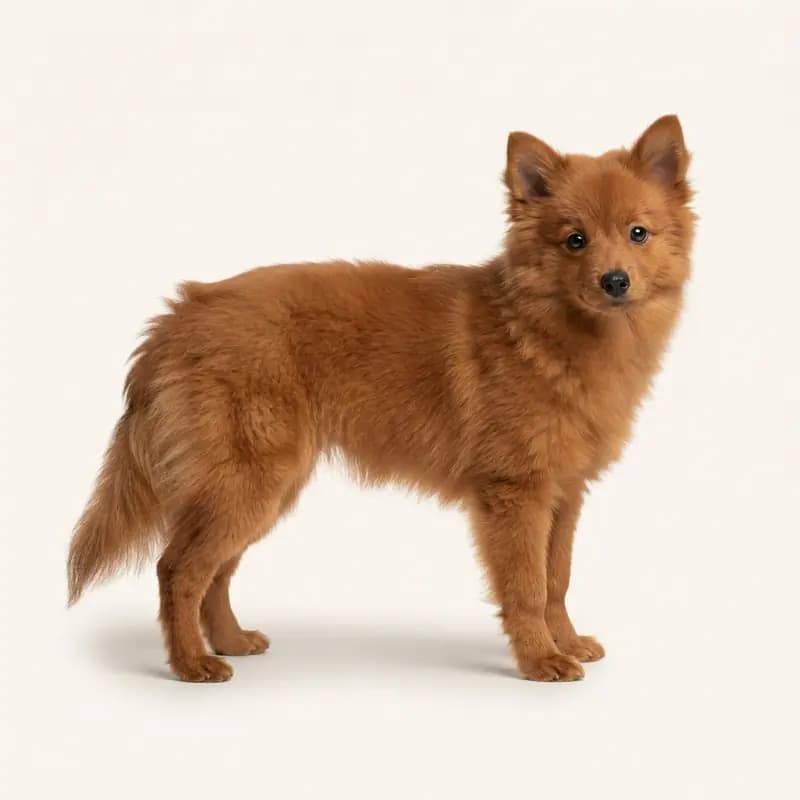
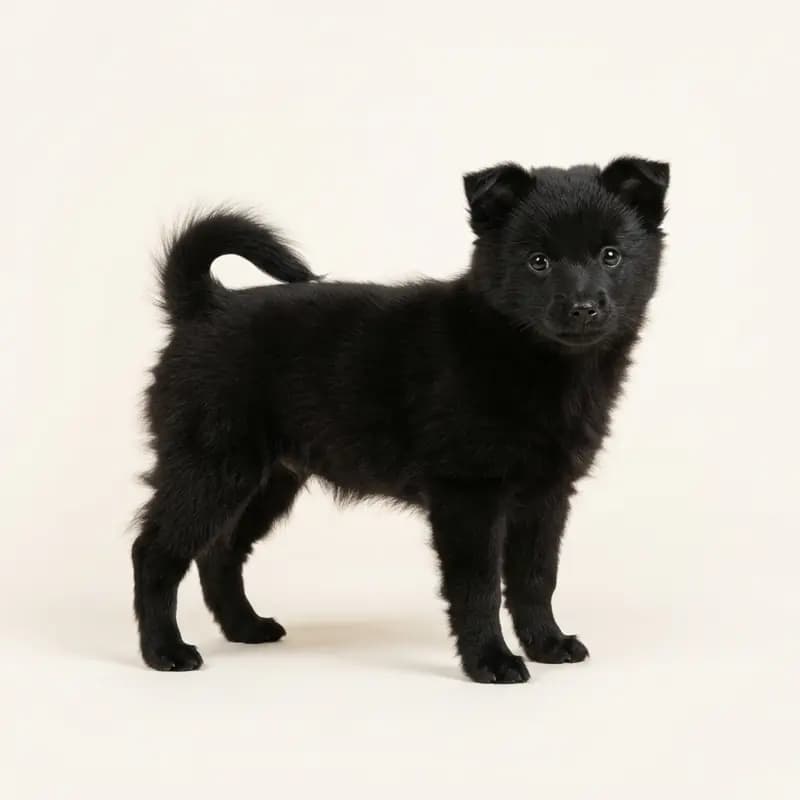
The Volpino Italiano comes in these colors: White, Red, Black, Cream.
Showcase your kennel on HonestDog and reach families searching for a responsibly bred Volpino Italiano.