Finding a reputable Griffon Fauve de Bretagne breeder: what matters when buying a puppy
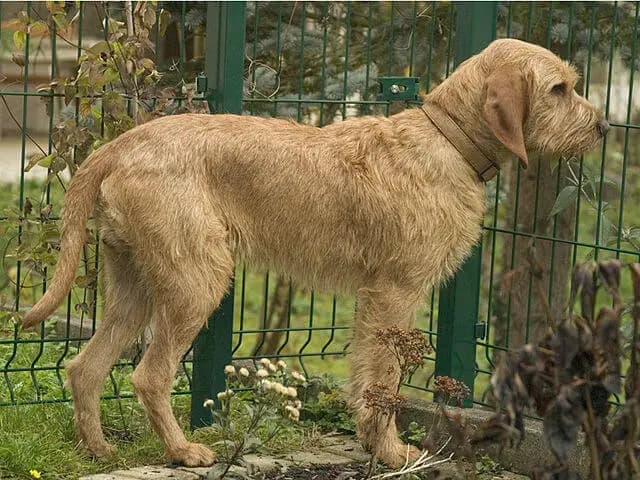
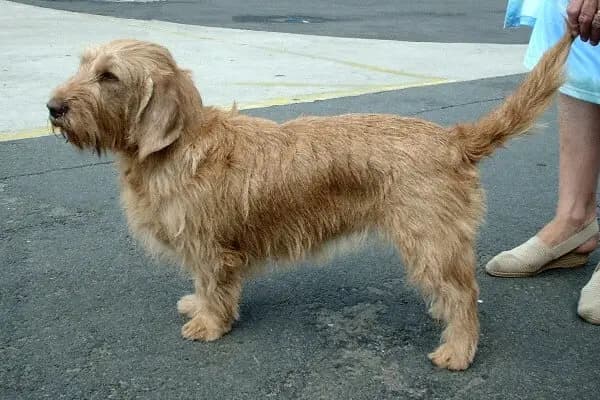
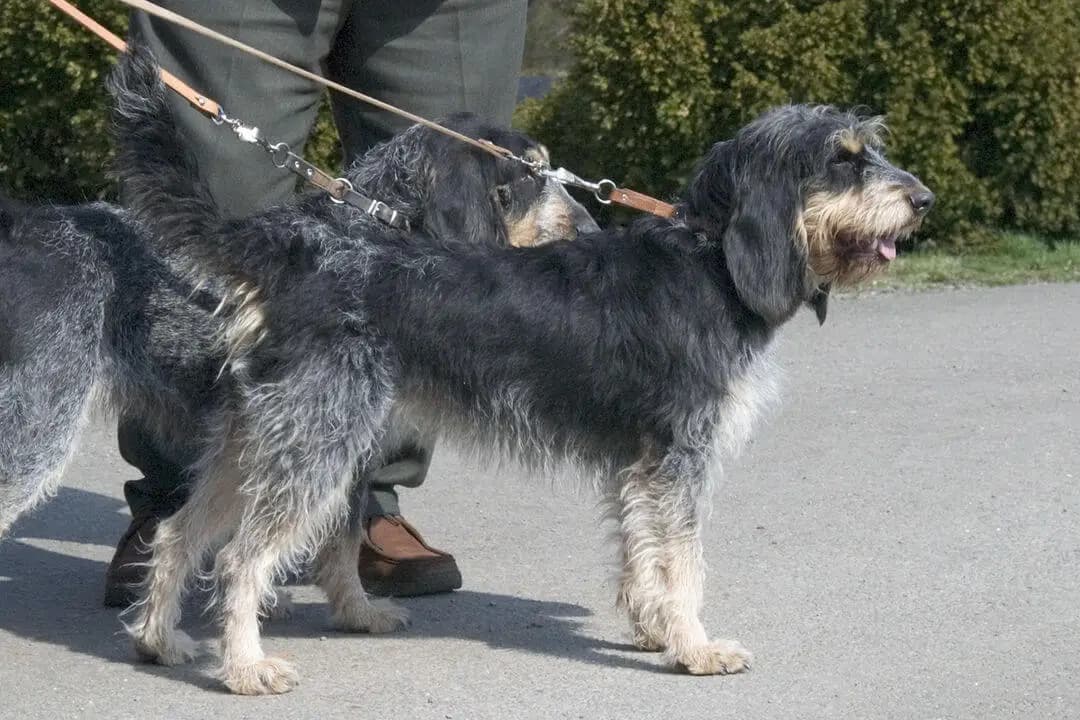
The Griffon Fauve de Bretagne is a lively, friendly and active scenthound from France, originally bred for the demanding hunting of wolves and later wild boar. With a height at the withers of 48 to 56 cm, a weight of 18 to 22 kg and a distinctive harsh, wiry coat with no undercoat, it is considered a fairly robust companion when well bred, with a life expectancy of 12 to 14 years. Even so, choosing a reputable Griffon Fauve de Bretagne breeder largely determines whether you get a dog with a sound temperament who has been prepared as well as possible for life.
Why choosing the right breeder matters so much with the Griffon Fauve de Bretagne
As a classic pack hound and scenthound, the Griffon Fauve de Bretagne has a strong hunting instinct and an independent, at times stubborn character. At the same time, it is very people-oriented at home, cheerful, good with children and sociable with other dogs. For this wonderful balance between hunting passion and good-natured family dog to work, you need expert pairing of the parents and early, stimulus-rich socialisation by the breeder.
Then there is the health side: although the breed is known for being hardy, there are breed-typical risks affecting the joints, eyes and heart, as well as neurological diseases. As the breeding base outside France is comparatively small, responsible breeders pay strict attention to genetic diversity and low inbreeding coefficients to reduce the risk of hereditary problems in their lines.
Health tests and preventive care for the Griffon Fauve de Bretagne
Health-focused breeders do not rely on how their dogs look, but use targeted diagnostics before breeding. X-ray and clinical examinations do not offer an absolute guarantee, but they markedly reduce the risk of hereditary diseases in the offspring. Before buying, always ask to see the original written results for the parent dogs.
- Eye tests and sensory organs: The recommended baseline examinations include screening for primary open-angle glaucoma, congenital blindness and eyelid abnormalities such as ectropion and entropion. Testing for congenital deafness is also carried out.
- Joints (hips and elbows): As hip dysplasia (HD) is one of the breed-typical health issues, reputable breeders have the hips and elbows of their breeding dogs assessed by X-ray. Later on, make sure your own dog is raised in a joint-friendly way and kept lean.
- Teeth and skeleton: The recommended baseline examinations also include screening for dental malformations and recording any tail abnormalities.
- Heart and nervous system: Good breeders have the parent dogs’ hearts examined by a cardiologist and choose pairings carefully to minimise the risk of neurological diseases in the line. Also plan regular veterinary check-ups of the eyes and heart for your adult dog, so that any changes are spotted early.
Hallmarks of a good Griffon Fauve de Bretagne breeder
You can recognise a competent breeder by the way they give you thorough information about the breed’s high energy level and hunting drive. They check carefully whether your lifestyle suits a dog that is adaptable but needs patience and consistency in training. The puppies grow up in close contact with the family, get to know everyday noises and, when they go to their new homes, have been wormed several times, vaccinated and microchipped, and come with pedigree papers. A realistic purchase price for a puppy from this kind of breeding is between 2,000 and 3,500 euros.
6 specific questions to ask the breeder
Use your first conversation and your visit to ask the breeder targeted questions. This will show you immediately how transparent and knowledgeable their work is:
- ‘Can you show me the current eye examination results – particularly for primary open-angle glaucoma, ectropion and entropion – as well as proof of the parent dogs’ sight and hearing?’
- ‘Are official X-ray evaluations for hip dysplasia (HD) and the elbows available for both parent dogs, along with the results of their heart examinations?’
- ‘Have dental malformations, tail abnormalities or neurological diseases occurred in the parent dogs or their close relatives?’
- ‘How do you look after genetic diversity in this rare breed, and what is the inbreeding coefficient of this litter estimated to be?’
- ‘Are your dogs worked for hunting, or how do you give the parent dogs an outlet for their strong sense of smell and hunting drive in everyday life?’
- ‘How do you prepare the puppies in their first weeks of life for environmental stimuli, children and life in the home?’
Warning signs: how to spot irresponsible backyard breeders straight away
Steer clear of offers where puppies are sold well below the usual price level without papers or health certificates. When asked about HD, glaucoma or deafness, irresponsible backyard breeders often brush the questions aside with the blanket claim that the breed is ‘naturally healthy’ and needs no tests. Other clear warning signs are the mother being absent, kennel-only housing with no family contact, several breeds being offered at the same time, or an attempt to hand the puppy over to you straight away without getting to know you first.
On HonestDog, every breeder goes through a registration process before being approved: identity verification by ID and selfie, proof of club membership or a §11 permit where applicable, a knowledge test on breeding and animal welfare, and agreement to the HonestDog breeding standards – including no breeding with traits associated with extreme breeding and no breeding dogs under 18 months. Without a verified §11 permit, a breeder can register no more than two breeding bitches there, and you can report anything unusual on a breeder’s profile directly via ‘Report content’. When you visit, ask to see the parent dogs’ original test results. You can find current litters among the Griffon Fauve de Bretagne puppies for sale on HonestDog.