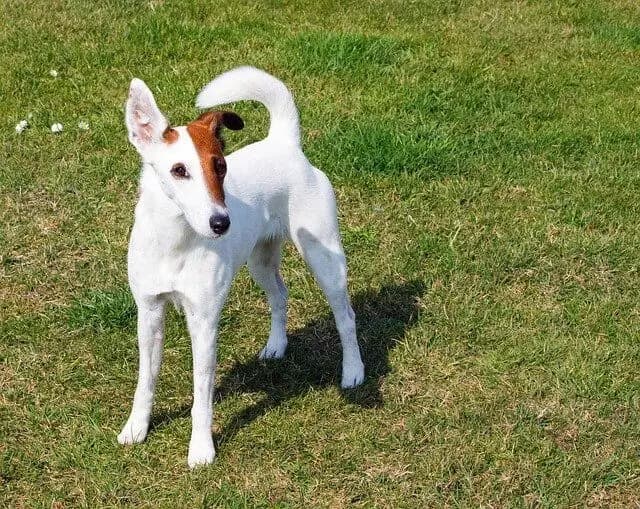
Smooth Fox TerrierClose relative
 AI-generated image
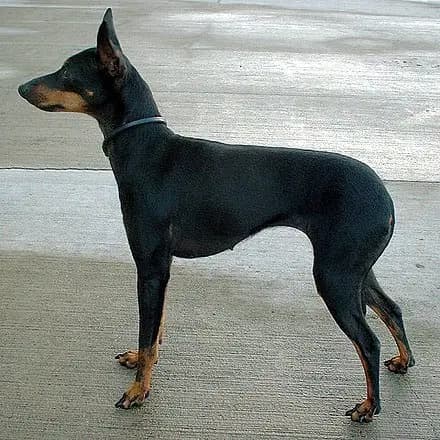
The Japanese Terrier is a cheerful, extremely affectionate companion dog—bred as a compact partner that combines the fire and alertness of its terrier ancestors with the sensitivity of a true lapdog.
How the health grade is calculated
Sources for required breeding screenings. Klub für Terrier e.V.
Self-check
Answer 6 quick questions about your everyday life and see how well the Japanese Terrier fits you — including an honest cost estimate per month, per year, and across the dog's lifetime.


At a glance
The essentials — key facts, traits, and health priorities — before you dive deeper.
Lifespan
12–15 yrs
Shoulder height
30–33 cm
Weight
3–5 kg
Practical
Temperament
Daily life
What matters most
Especially with a Japanese Terrier, choosing the right breeder is the single most important decision you'll make. Serious breeders consistently test the parents for inherited conditions, prioritize healthy early socialization, and stay accountable long after handover. A cheap puppy without health screening tends to become the most expensive dog later on.
See HonestDog breeder standards →Colors & coat
The coat colors that occur in the Japanese Terrier — including which ones fall outside the breed standard and which carry genetic risk.
Eye colors
 Brown
Coat type
 Short
 Smooth
The real vibes check
A Japanese Terrier is like an espresso in lapdog format: small, sensitive to cold, but full of energy when it counts. It loves to snuggle under your duvet for hours, but is ready and alert the next second if something exciting happens. You won't get a stubborn, independent earth dog, but a highly sensitive shadow that fills your life with alert cheerfulness.
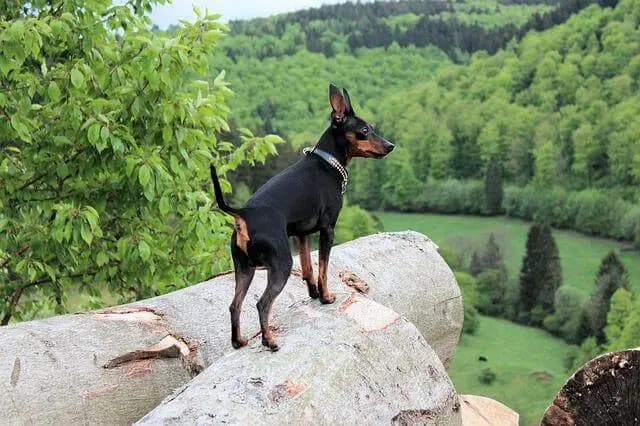
The Japanese Terrier is a small, elegant dog breed that was originally bred in Japan. It belongs to the group of terriers and is characterized by its fine, short coat and lively, expressive eyes. The body of the Japanese Terrier is slender and well-proportioned, giving it a graceful appearance. Despite its small size, it is a brave and alert companion, distinguished by its friendly and affectionate nature. The breed is known for its intelligence and eagerness to learn, making it a pleasant family dog. Due to its origin and temperament, the Japanese Terrier is especially suitable for people who are looking for an active and at the same time loving companion.
The Japanese Terrier is a lively and intelligent companion, distinguished by its friendly and affectionate nature. Despite its small size, it shows a lot of energy and enthusiasm for movement, which is why regular physical and mental exercise is important. It is very people-oriented and enjoys being close to its family, making it well-suited as a family dog. Its temperament is balanced, yet it has a pronounced hunting instinct that can be well controlled through consistent training. The Japanese Terrier learns quickly and shows great eagerness in cooperating with its owner. It is alert without being aggressive and can therefore also serve as a small watchdog. Due to its adaptability, the Japanese Terrier feels comfortable both in the city and in the countryside but requires sufficient activity to avoid boredom and resulting behavioral problems. Overall, it is a loyal, lively, and intelligent dog that grows into a reliable and happy companion with loving guidance.
| Watchfulness Reports unusual activity but stays controlled. | Moderate |
| Openness to Strangers Neither pushily friendly nor suspicious. | Neutral |
| Hunting or Herding Drive Noticeable drive — needs attention around small animals. | Moderate |
Fun Fact!
The Japanese Terrier is one of the oldest Japanese dog breeds and was originally bred as a companion for nobles. Despite its small size, it is a lively and brave dog that impresses with its elegant appearance and friendly nature.
The Japanese Terrier is a lively and affectionate companion dog. It is characterized by its friendliness and adaptability. Despite its small size, it is attentive and alert, making it a good family dog. The Japanese Terrier requires regular exercise and mental stimulation to remain balanced.
Japanese Terriers are lively and affectionate dogs that form a close bond with their owners. They are friendly and curious, making them well-suited for families who can provide them with plenty of attention and activity. Despite their small size, they are brave and alert, which makes them good companions. Due to their active nature, they require regular exercise and mental stimulation to stay balanced. They feel comfortable in an apartment as long as they get enough exercise and playtime. They are usually compatible with other dogs and pets if socialized early. Children should be gentle when handling the delicate Japanese Terrier to ensure the dog feels safe and comfortable.
Loves family life and thrives in a group.
Gets on well with children — with adult supervision.
Usually gets on fine with other dogs.
Adapts well to city living and urban environments.
Owning a dog is a privilege, but it's also a real responsibility. Before you bring one into your life, be honest with yourself about the commitment it takes.
Japanese Terriers are intelligent and eager-to-learn dogs that like to be challenged but require a sensitive and gentle hand in training. They respond very well to positive reinforcement and short, varied training sessions, as they can quickly lose interest otherwise. Compared to larger breeds like Labrador or German Shepherd, they are less enduring but benefit from consistent and loving upbringing. It is important to promote good socialization early on to guide their confident and sometimes stubborn nature in the right direction. Japanese Terriers are well suited for small dog sports and obedience exercises that require their attention and speed. They need mental stimulation and clear rules to remain balanced. Patience and consistency are key to making the most of their willingness to learn. Overall, the Japanese Terrier is a loyal and attentive companion who brings much joy to training with the right support and integrates well into family life.
The Japanese Terrier requires a balanced diet tailored to its size and activity level. High-quality dog food with all essential nutrients is ideal to promote its health. Be careful to avoid overfeeding, as these small dogs can be prone to obesity. The short, smooth coat of the Japanese Terrier is easy to care for and only needs occasional brushing to remove loose hairs and keep the coat shiny. Since they shed little, grooming is relatively uncomplicated. However, regular checks of the skin and ears are important to prevent infections. The Japanese Terrier adapts well to the Central European climate. However, its short coat offers only limited protection against the cold, so additional protection such as dog coats should be considered in low temperatures. In summer, it is important to provide enough shade and water to prevent overheating.
| Care Level Minimal effort — occasional brushing and bathing. | Low-maintenance |
| Exercise Needs Needs 1–2 hours of real exercise daily. | Active |
| Shedding Regular shedding — dog hair on clothes is now normal. | Moderate |
| Trainability Picks up commands quickly and wants to please. | Eager to learn |
Our experts are still reviewing this information. Spotted something wrong? Email us at info@honestdog.de.
Solid, watch carefully
Health grade
In the Japanese Terrier, there are health risks for orthopedic issues such as patellar luxation (PL) and Legg-Calvé-Perthes disease (LCPD), as well as eye diseases such as cataracts and primary open-angle glaucoma. The Klub für Terrier e.V. mandates an examination for patellar luxation (PL) for breeding approval, where only scores of PL 0–1 are permitted. Furthermore, a responsible breeder tests the parent animals for Legg-Calvé-Perthes disease (LCPD) and has hereditary eye diseases screened. Before buying a puppy, have the official patellar luxation findings and certificates of clear eye examinations presented to you.
Grade is relative to other breeds — AI-assisted and editorially reviewed.
Methodology and data: HonestDog Dog Breed Health Report 2026
What matters most for this breed
Tap any item to see details.
In everyday life, you should ensure good protection against the cold in winter, joint-friendly rearing, and regular dental check-ups.
Responsible breeders have the mandatory screening done for patellar luxation (PL) and additionally have their dogs voluntarily examined for Legg-Calvé-Perthes disease (LCPD) and cataracts.
Note: This health overview is AI-assisted and editorially reviewed. It is for orientation only and does not replace veterinary advice.
What matters most for this breed — what's common, how much it affects the dog's life, and how to protect yourself as a buyer.
Tap a body region to see the inherited conditions linked to it.
The three most important risks
Pick a region on the map to explore other areas.
Tier 1 reflects the tests Klub für Terrier e.V. actually mandates. Tiers 2 and 3 show how responsible breeders go beyond.
Club standard. Klub für Terrier e.V. requires these tests for breeding approval. Ask any reputable breeder for the results.
No entries in this tier.
Note: This health overview is AI-assisted and editorially reviewed. It is for orientation only and does not replace veterinary advice.
A Japanese Terrier costs around ~€150 per month (€80 – €280, depending on your setup). The first year adds up to roughly ~€5,050 including purchase, equipment and puppy school; across the dog's life (13.5 years) it comes to about ~€27,840.
With surgery cover, running costs come to about ~€140 per month — in return, your share of a major operation drops from several thousand euros to around 20 percent.
Per month
~€150
In the first year
~€5,050
Across the dog's life
~€27,840
Estimated purchase price from a breeder: €1,800 – €3,000
Estimate at a mid-range setup (suburban, dry food, 1–2 hours of daily exercise), average German prices, as of July 2026.
HonestDog Concierge
We currently have no breeders for this breed who have passed our verification. Create your short buyer profile: we'll set up your search alert, review a possible source and email you within 28 days.
The history of the Japanese Terrier begins in the 17th century in Japan. Originally, these small, lively dogs were kept as companions and watchdogs in wealthy households. They probably descend from small terrier breeds crossed with native Japanese dogs. They were especially popular among the Japanese upper class, who appreciated their friendly yet alert nature. In the 20th century, the Japanese Terrier was officially recognized as an independent breed and is now a rare but valued companion dog enjoying great popularity.
The Japanese Terrier was bred as a companion dog and is known for its lively and friendly nature.
Japan
1600
Owners and breeders describe the Japanese Terrier in everyday life as affectionate, cuddly and very people-oriented. Notably, these dogs often bond very strongly with one particular person (a "one-person dog") and seek that person's company constantly. At home they are usually calm, snuggly and easy to live with – as long as they get to be in the middle of things.
Being left alone comes up again and again as a challenge: because they have such a strong need for social contact, separation from their people is often hard for them. Long stretches alone, combined with too little to do, quickly lead to frustration or yapping. Many of these dogs are reserved toward strangers at first or briefly sound the alarm, but they usually warm up quickly once they've had a moment to get acquainted. With other dogs and within an existing pack, they are usually described as very peaceable, easygoing and playful.
On training and temperament, owner accounts highlight the breed's high intelligence and how quickly it catches on. Unlike many other terriers, the Nihon Teria comes with a certain "will to please" toward its people, so it enjoys tricks, scent games and small agility tasks. These dogs are considered sensitive and react badly to excessive harshness, which is why owners agree on loving but clear leadership.
Despite its often compact appearance, owners warn against underestimating this dog as a mere lap dog. If inconsistency is allowed to creep in, this quick little terrier soon turns it to its own advantage. While some owners stress that the original hunting drive is much milder than in European Fox Terriers, the alert terrier character remains: fast-moving things catch its interest, and without enough mental stimulation these dogs tend to find their own pastimes, such as unwanted barking. Early, careful exposure to the world around them is considered essential.
On health and living conditions, owners mainly stress the physical quirks of the very fine, very short coat. Grooming takes practically no effort day to day, but these dogs have almost no insulating undercoat. Owners consistently report a marked sensitivity to cold and wet: in damp, cold weather the dogs start shivering quickly, avoid the rain and need a properly fitting dog coat in fall and winter.
In general, owners see the Japanese Terrier as a sturdy, long-lived breed without a long list of known hereditary "fashionable-breed" diseases, which they attribute to its rarity and largely traditional breeding. Because the gene pool is very small, though – the breed is considered rare even in its native Japan – owners and clubs point out how important careful breeding oversight is to prevent inbreeding problems and temperament insecurities.
Sources:kft-online.derundum.dogzooroyal.detackenberg.deterrier.de
Paraphrased from real owner reports · translated from German
The Japanese Terrier is an adaptable dog that adjusts well to various lifestyles. Research the temperament, grooming needs, and space requirements before deciding.
The average life expectancy of a Japanese Terrier is 12-15 years. With proper care and regular vet visits, your dog can live a long, healthy life.
Japanese Terrier grooming requirements include regular brushing, nail trimming, and dental care. HonestDog provides detailed grooming tips for every breed.
The Japanese Terrier can be a great family dog. Proper training and socialization are key. HonestDog provides family suitability information for every breed.
The Japanese Terrier comes in these colors: Tricolor.
Showcase your kennel on HonestDog and reach families searching for a responsibly bred Japanese Terrier.